The Bridegroom Sun and the Lamp That Never Goes Dark
Before the sun of one tzaddik (a righteous person) goes dark God kindles another, and overhead the daylight charges out like a groom and drags home spent at.
Table of Contents
 Click for full size
The Bridegroom Who Charges From the Canopy
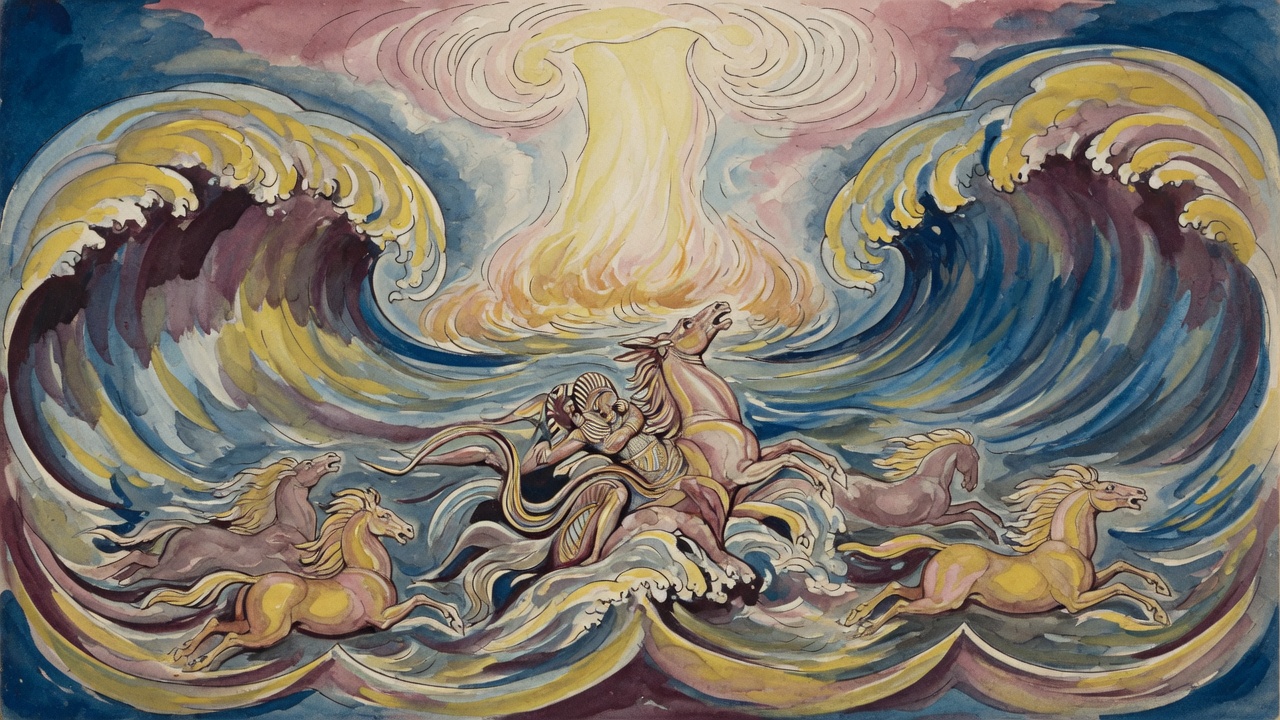
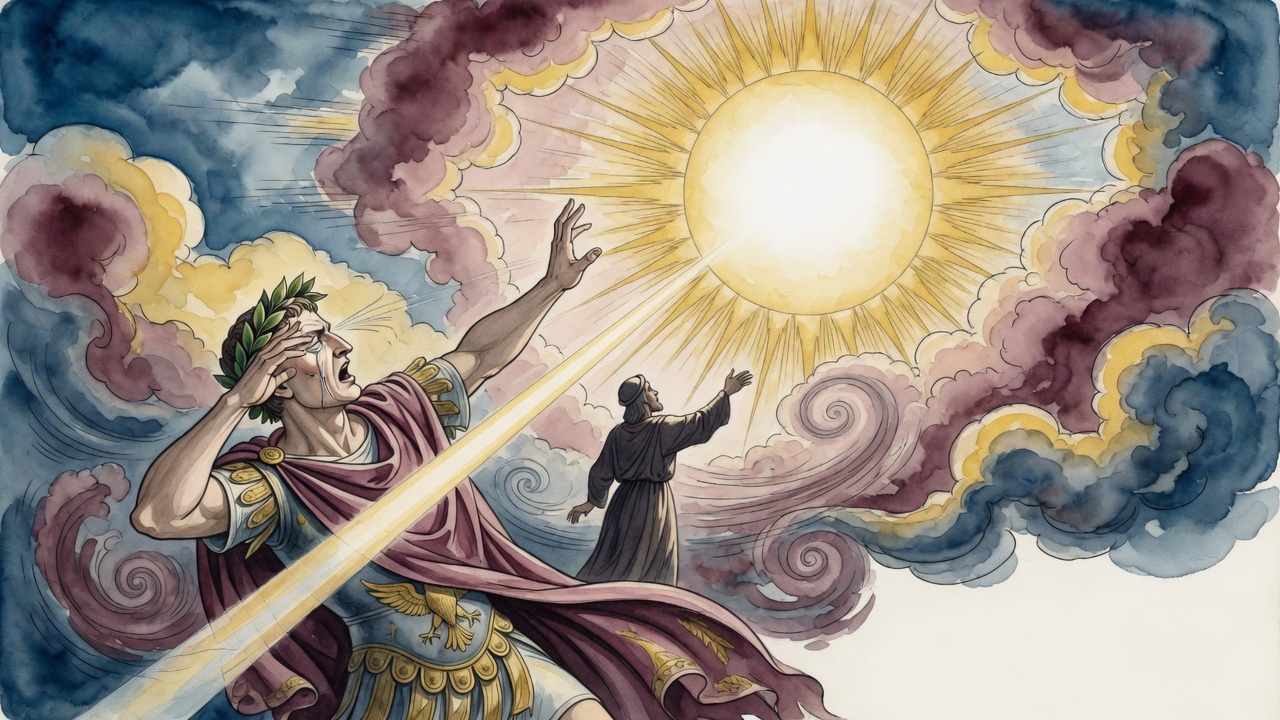
Before the first bird stirred, the sun stood waiting inside its chamber at the eastern rim of the sky, tightening like a groom before he steps out to his wedding. Then it came. It burst over the horizon full of heat and gladness, a young man striding from under his canopy with his whole strength on him, and it ran the length of the sky as though the road belonged to it and to no one else.
All morning it climbed. On the first of Tammuz there was no shade anywhere on the earth, not a ledge or a doorway wide enough to hide a man from that face. The old traveler bent under it and still ran his stretch of road, because the sun set its own course and asked leave of nobody.
The Sun That Staggers Home Spent
By evening the striding was gone. The same sun that had charged out like a bridegroom limped down the western sky worn thin and dimmed, going in strong and dragging out emptied at dusk. Its fire poured from a niche fixed in a great wheel, and the Holy One had hung a pool of water above the firmament to cool its rage, so that its anger would not spill unchecked onto the fields below.
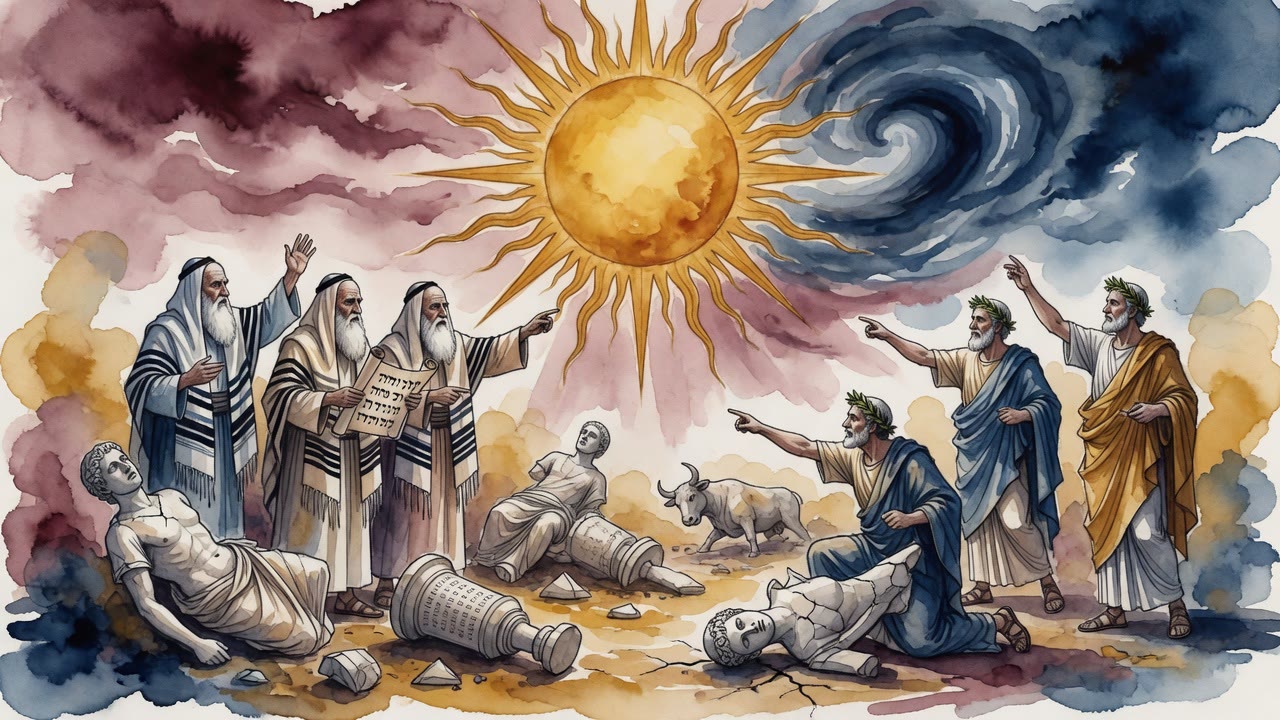
He had not set that lamp in the lowest heaven, the one nearest the ground. Had He set it there, nothing living would have found shade and the crops would have burned to ash by noon. Even so, a day is coming that will blaze like an open furnace, when that same sun will scorch the wicked down to stubble, and the only ones left standing in its shade will be those wrapped in Torah.
What the sun did overhead, the righteous did below. They rose, they burned at their height, and they went down, and the world learned to dread the hour a great soul set, because every time it looked like the last light leaving the sky for good.
A Tent Goes Dark and a Girl Walks In
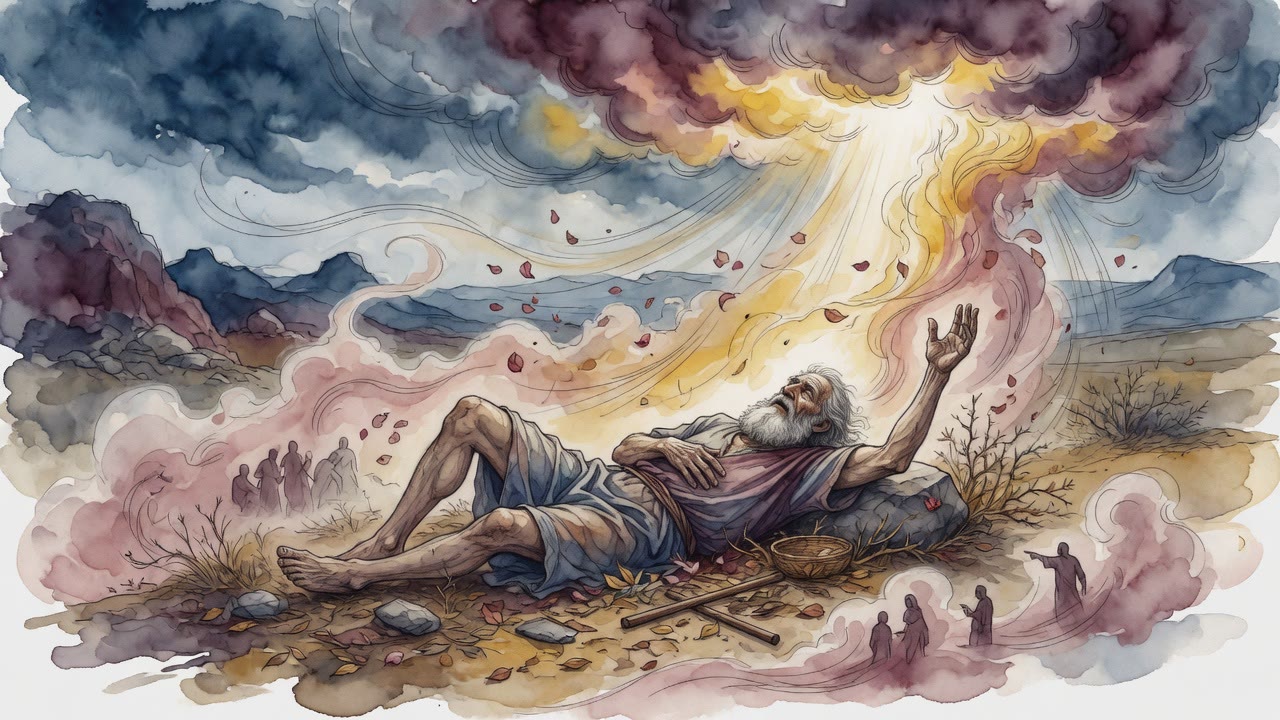
Sarah died first among the mothers, and the lamp that had burned in her tent went out. The cloud that had rested over her doorway lifted. The dough no longer held its blessing from one week to the next. The light was gone, and the tent stood dark and cold.
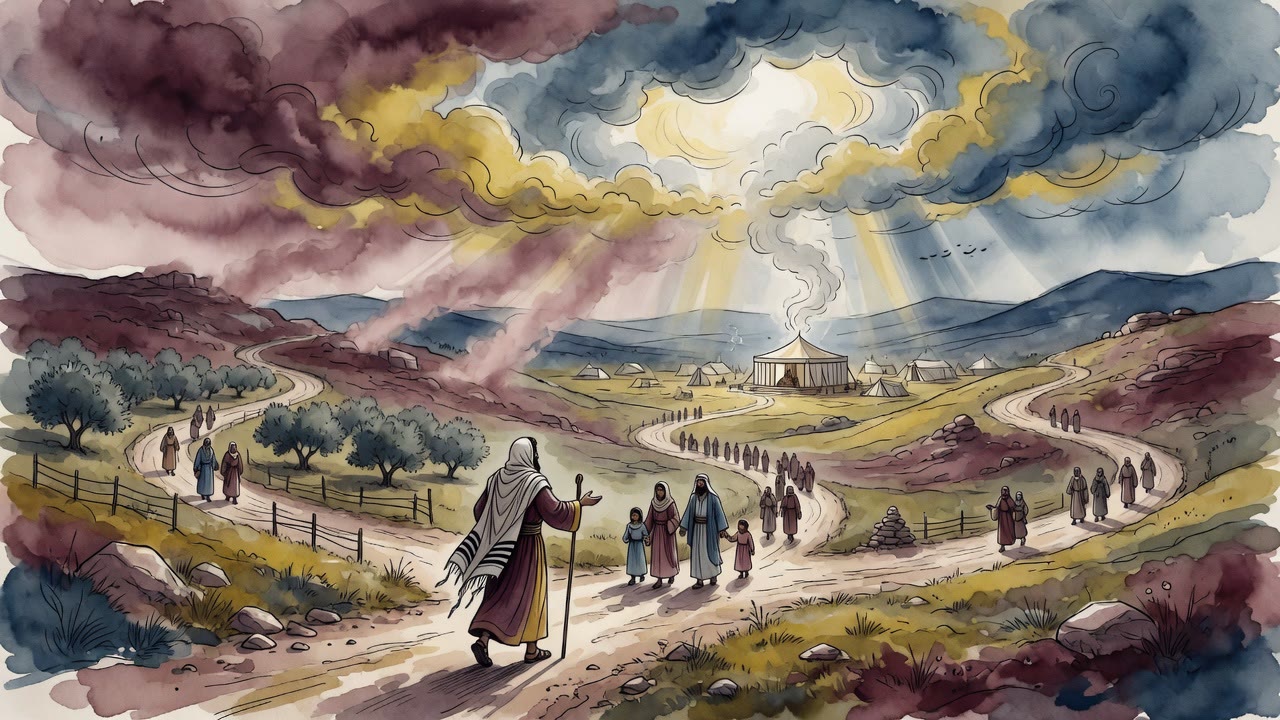
But before her sun had finished setting, another had already cleared the horizon. Far off in Aram a girl had been born in the very season Sarah began to fail, and now she came down the road on a camel, her face veiled. Isaac brought Rebecca into the tent of his mother, and the cloud came back to the doorway, and the dough held its blessing again, and the lamp burned as though it had never gone dark. One sun had set only after the next had risen.
The Lamp That Had Not Yet Gone Out
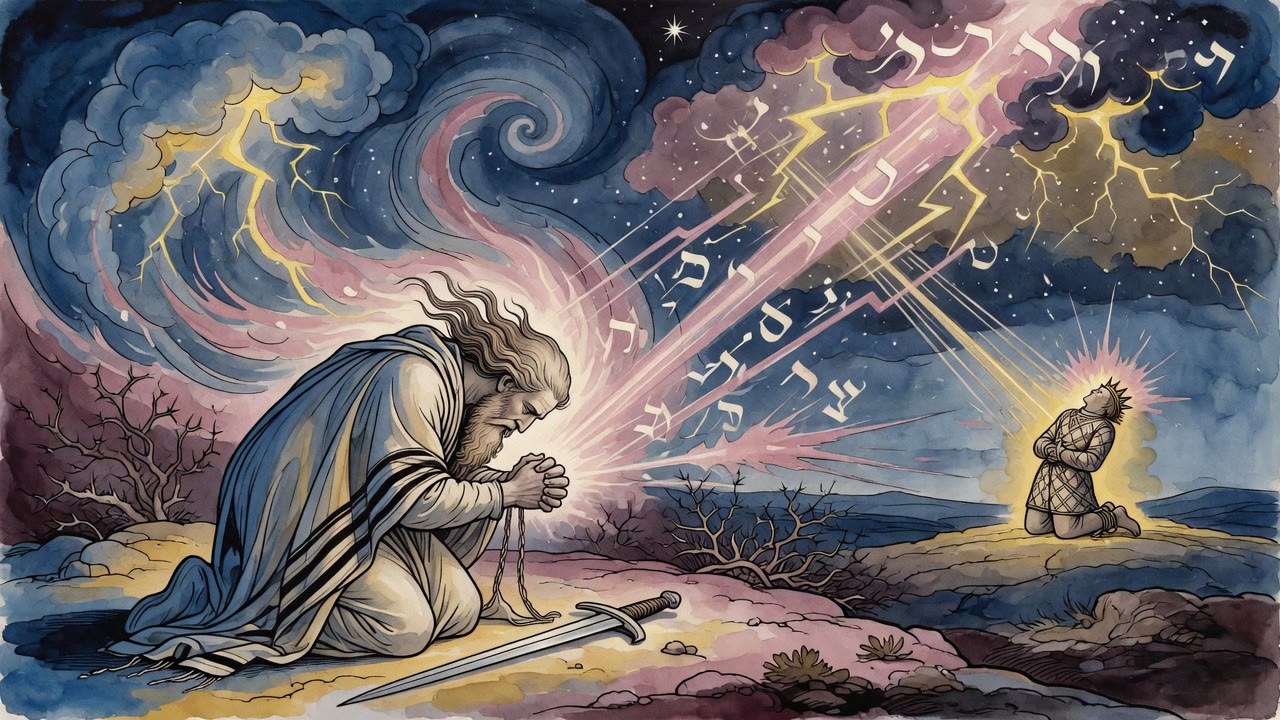
It held for Moses too. Before his sun set on the mountain in Moab, God had already said to him, "Take Joshua son of Nun," and Joshua stood ready with the spirit already in him before the old prophet ever climbed Nebo to die. Before Joshua's own sun went down, Othniel son of Kenaz had risen to seize a city and judge Israel. The light never passed through a single moment of full dark. It leapt from one bearer to the next while the first was still warm.
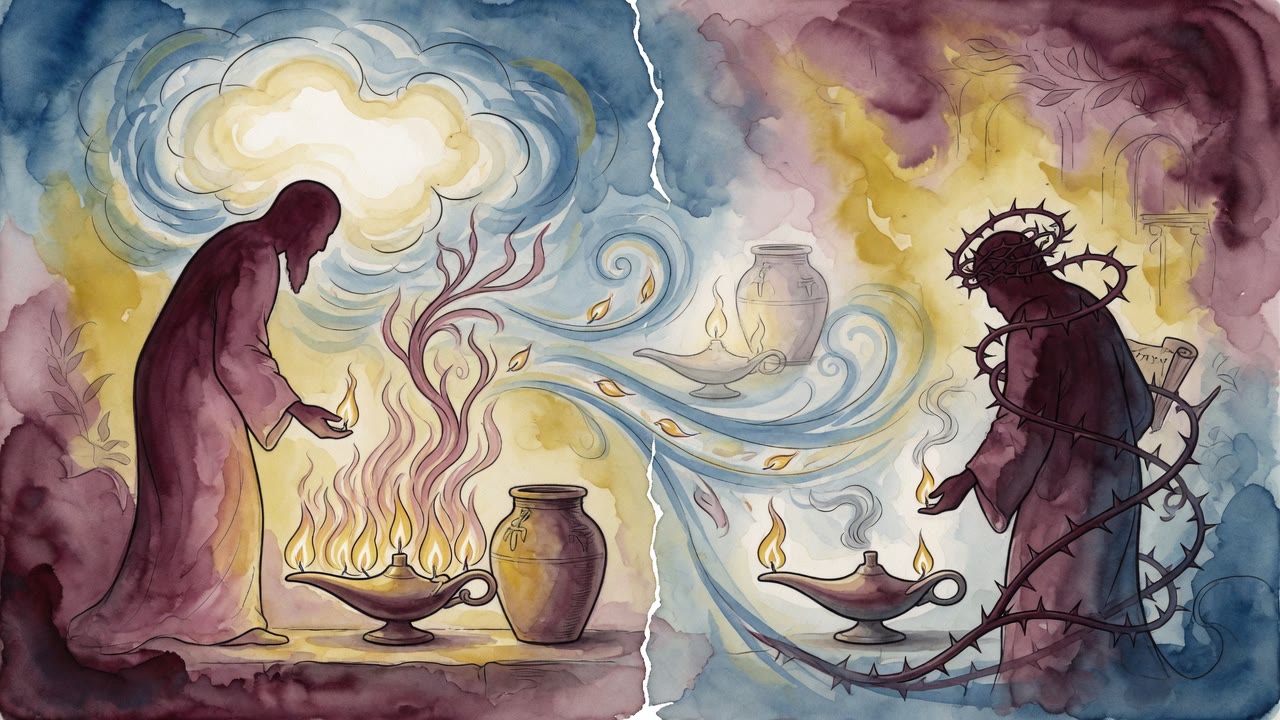
Old Eli sat nearly blind in the sanctuary at Shiloh, his eyes gone dim, his two sons already dead men walking. His sun was setting. But the lamp of God had not yet gone out in the house of the Lord, and beneath that low, guttering flame a boy named Samuel lay sleeping near the ark. A voice crossed the dark and called his name. The child sat up. "Here I am," he said, and ran to the old man's bed. The sun of Eli was going down, and the sun of Samuel had already risen in the very same room.
Iron Combs at Dawn and a Cradle by Nightfall
The pattern ran on past the prophets and into the study halls. The day the Romans raked iron combs across the flesh of Rabbi Akiva and tore his soul out of him on the word "One," a child was born who would one day set the whole oral law down in a single book, Rabbi Yehuda the Prince. Akiva's sun set at the hour Rabbi's rose. When Rabbi died, another was born that same day, and when that one died, another after him, the line never broken, each dawn timed to a dusk. "The sun rises," they said over every one of them, "and the sun sets."
So it ran in both worlds at once. The daylight charged out like a groom each morning and dragged home spent each night, and rose again. And not once did the Holy One let the whole sky go black between His righteous. He lit the next lamp before the last guttered out. The boy was always already lying awake in the sanctuary, waiting for the voice, before the old man in the next room breathed his last.
← All myths