Parshat Bamidbar5 min read

The Calf Stripped the Firstborn and Armed the Levites

Before the Golden Calf the firstborn served at the altar. Afterward the Levites took the service and shouldered the Ark while others rode wagons.

Curated by Arthur · Told by Maggid ·
Table of Contents
  1. Who Stood at the Altar First
  2. Wagons for Wood, Shoulders for the Ark
  3. When David Tried the Wagon
  4. Eight Laws on the Day of Oil
  5. Atonement That Walked
  6. Birth Order Broken by Gold
The Calf Stripped the Firstborn and Armed the Levites Click for full size

Who Stood at the Altar First

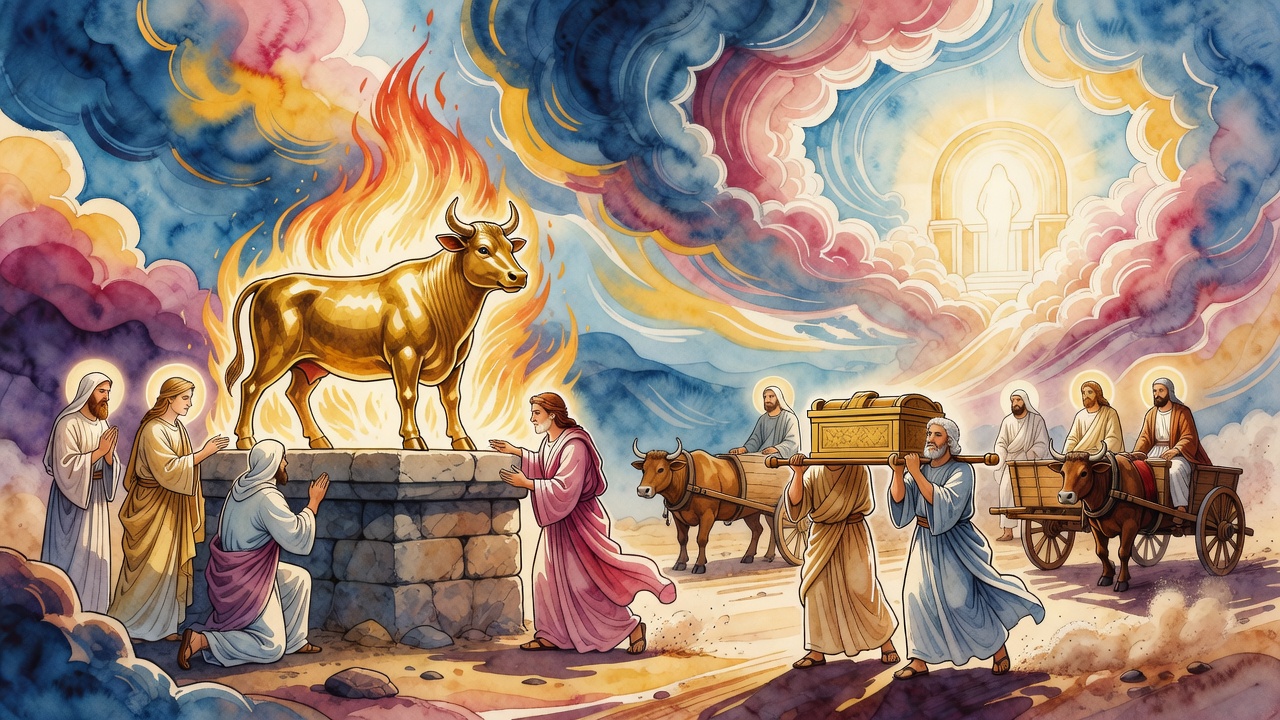
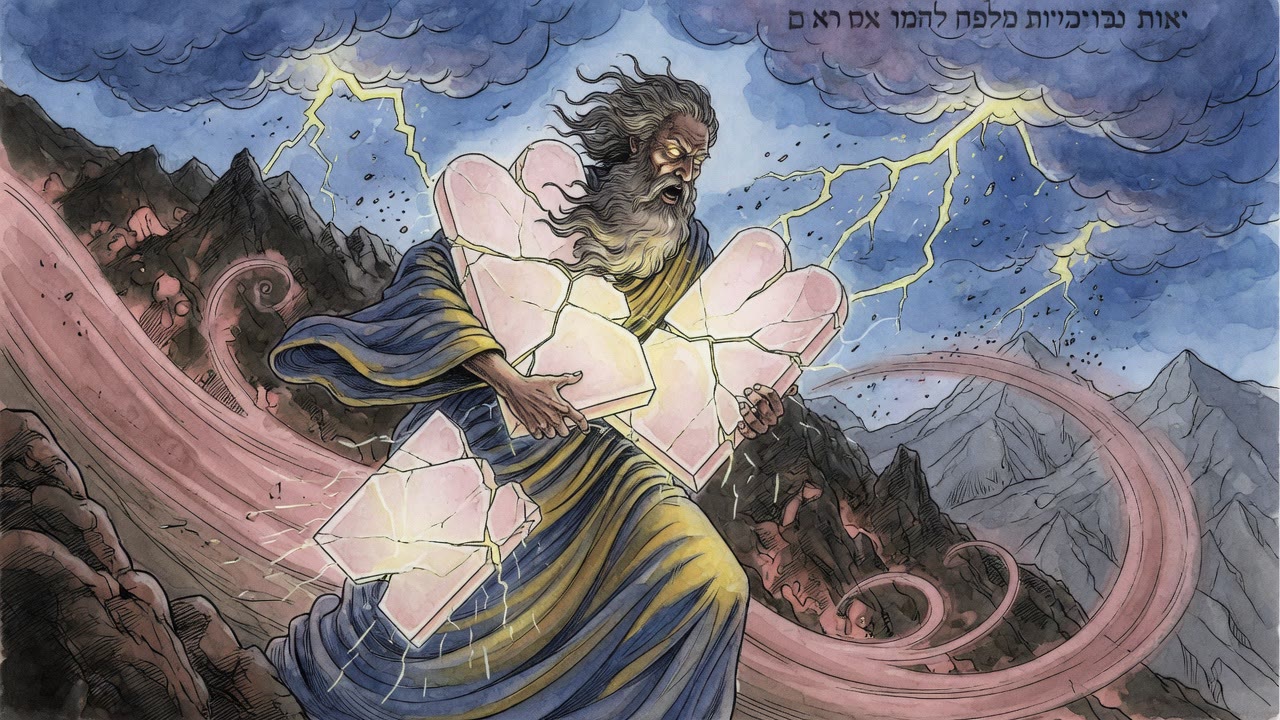
Before the Golden Calf, the firstborn sons of Israel held the priestly work. They were the family's edge against heaven, the ones who stood closest when blood and fire spoke. The honor was birth-order made sacred. Then the calf rose in the camp and the firstborn's privilege cracked with the rest of the people's loyalty.

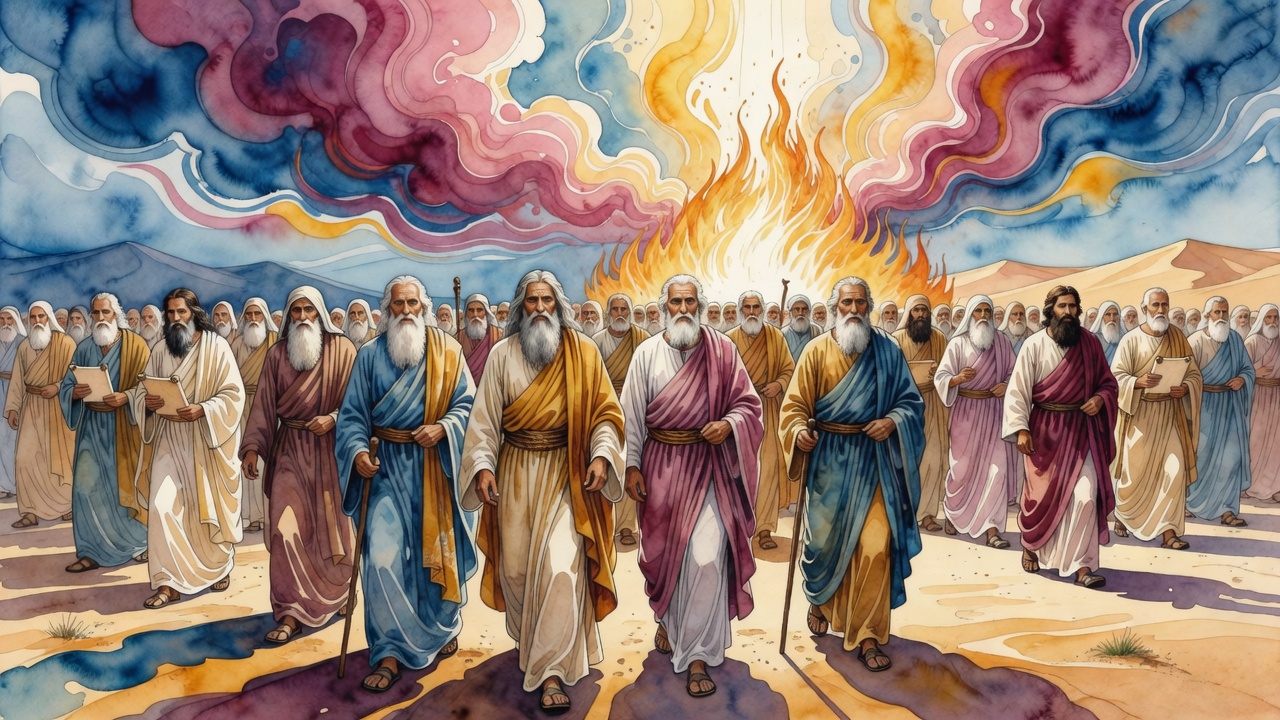
The tribe of Levi stepped into the gap. Person for person they took the service, an atonement layered onto a whole tribe so the firstborn would not bear the full collapse alone. The Levites became a living shield and a living reminder. Every day of sanctuary labor answered a day when another tribe had danced around gold.

Service replaced inheritance as the ticket to the altar.

Wagons for Wood, Shoulders for the Ark

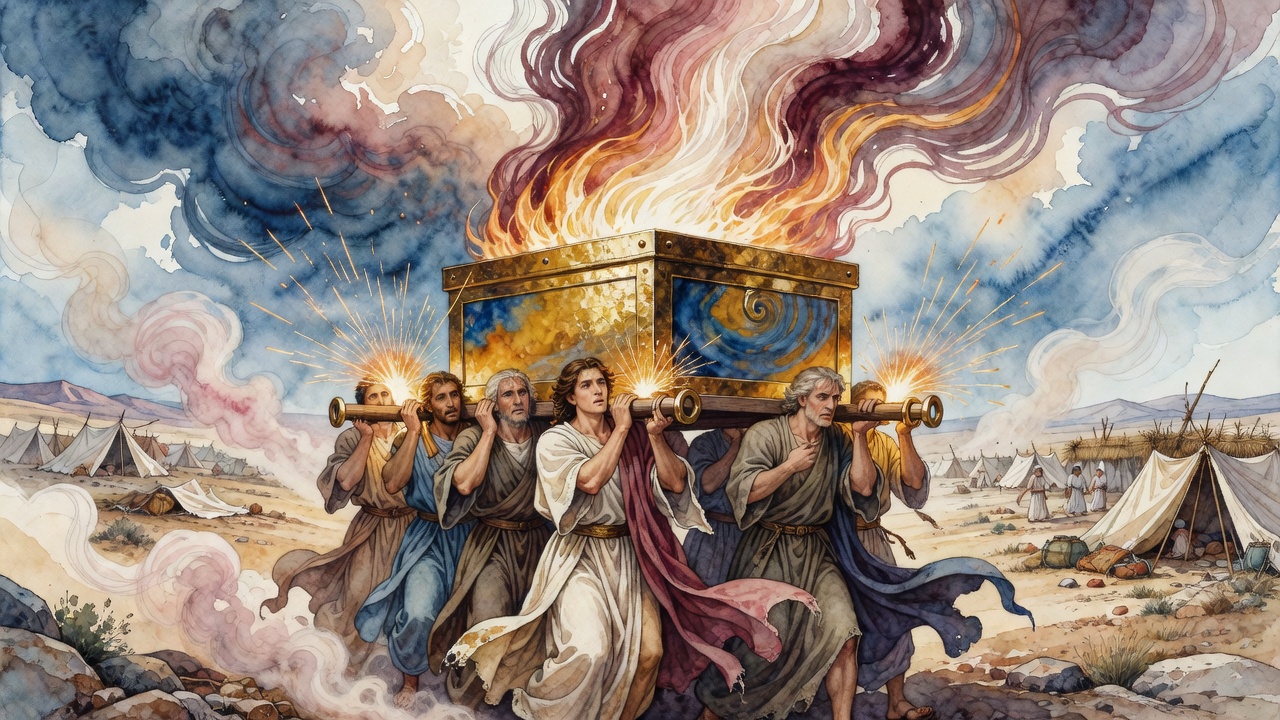
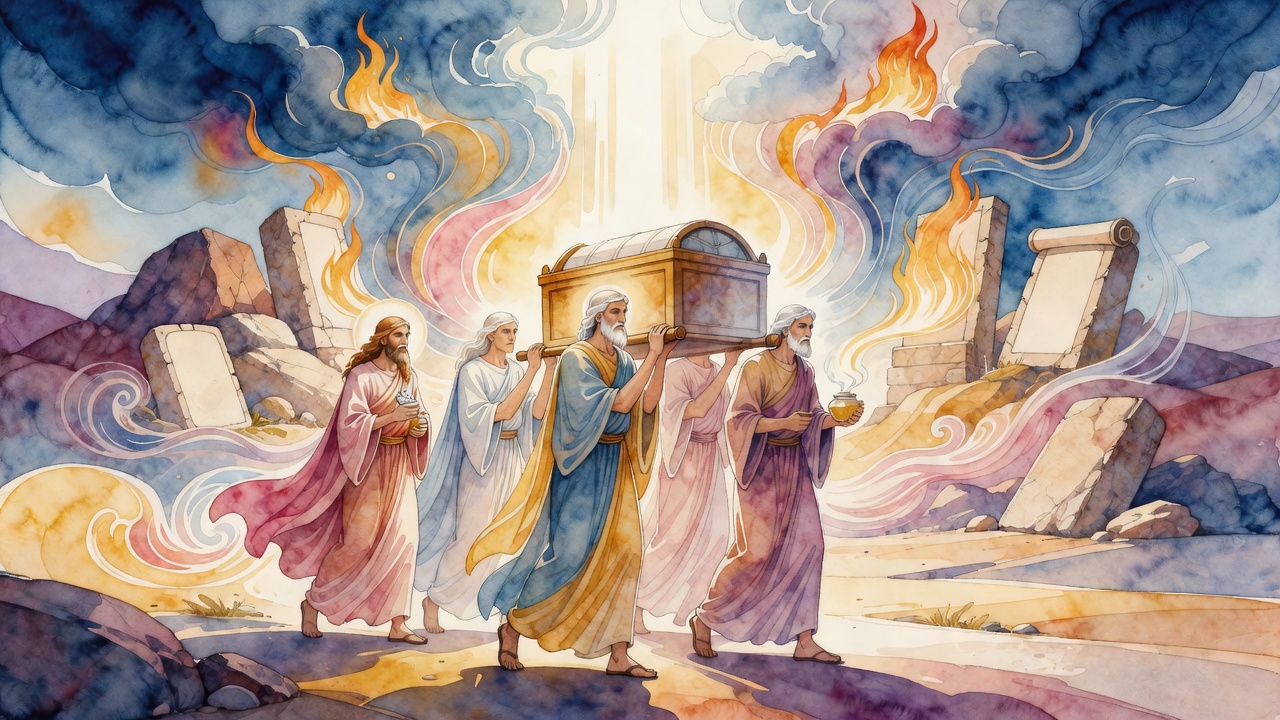
When the Mishkan (the portable sanctuary Israel carried through the wilderness) moved, Moses divided the load with cold precision. The sons of Gershon received two wagons for their portions. The sons of Merari received four for the heavier frames and bars. The sons of Kohath received none. The Holy Ark and the holiest vessels were not cargo. They were a burden for human shoulders.

Reverence had a logistics chart. What could be wheeled was wheeled. What held the Name was carried. The Kohathites walked under weight that wagons were forbidden to steal from them. Efficiency was not the highest value in that column of the march.

Some holiness refuses a smoother road.

When David Tried the Wagon

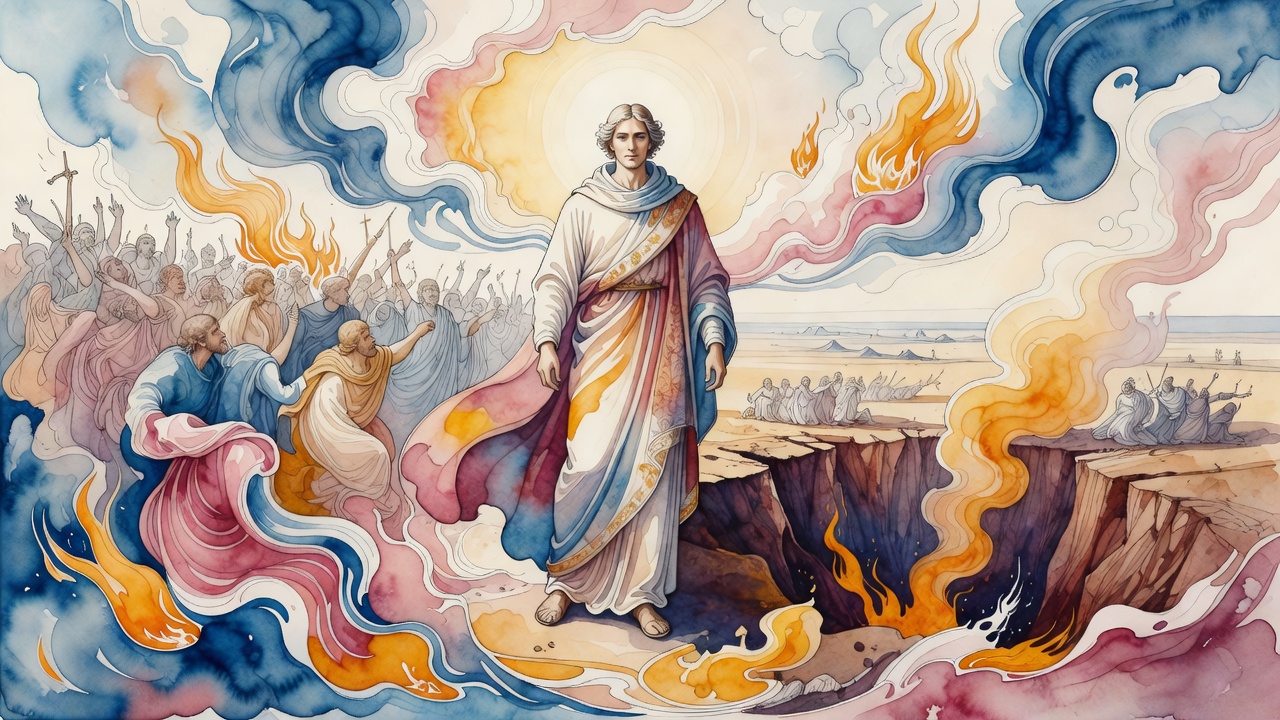
Later, David put the Ark on a wagon and learned the old rule again. Men who reached to steady the sliding sacred load were flung down. Ahithophel reminded the king of Kohath's sons in the desert. David ordered the Ark back onto shoulders. The shortcut had already written its cost in bodies and shame.

The desert division of labor was not antique fussiness. It was a standing law about how nearness to the Ark must feel in the bones. A king could gather music and dancing. He could not reclassify the Ark as freight without the freight fighting back.

Shoulders remembered what wheels forgot.

Eight Laws on the Day of Oil

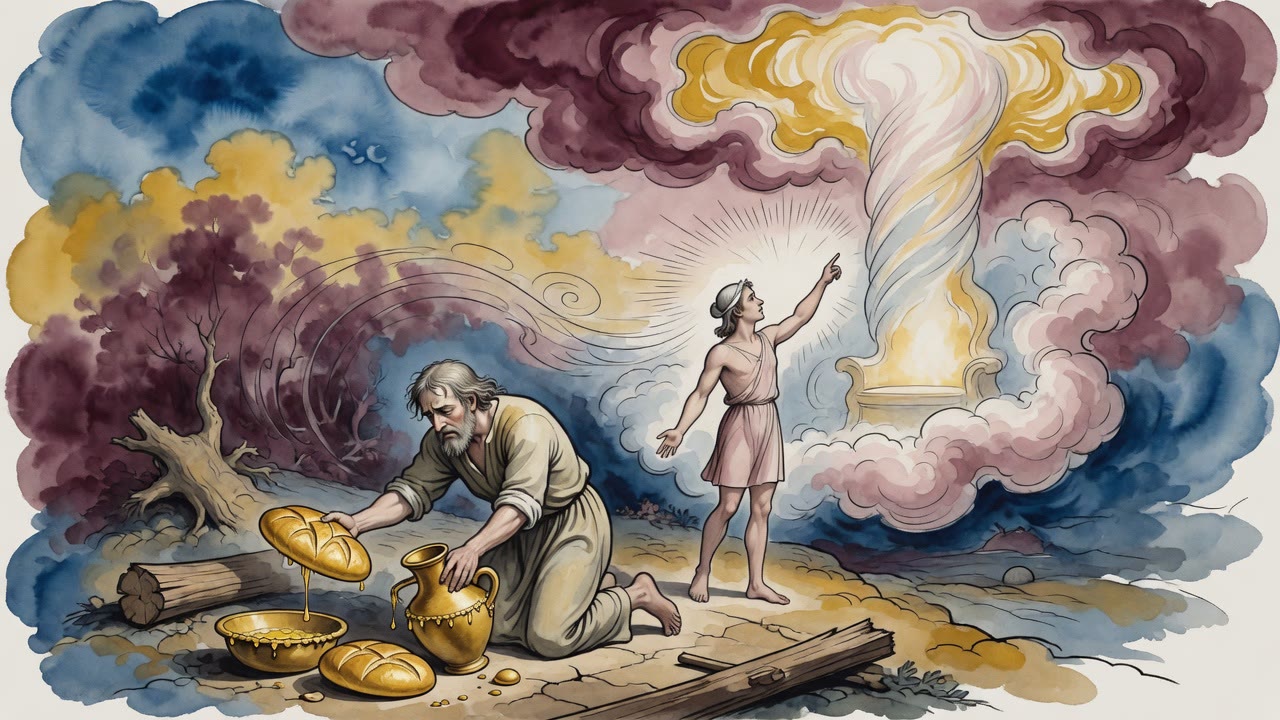
On the day the Tabernacle was dedicated, tradition counts eight sections of law given at once. Aaron and his sons received the Torat Kohanim, the laws of sanctity for the priesthood, and the gifts the people had already set aside finally moved into priestly hands. The sanctuary's first full day was not only song. It was a download of order.

Firstborn loss, Levitical burden, and priestly gift form one ladder. The calf broke the old order. The Levites absorbed the service. The dedication day locked the new order into law and privilege. What the firstborn lost in a night of gold, the sons of Aaron and Levi received in a day of oil and speech.

The camp's vertical line from people to Presence was redrawn in public.

Atonement That Walked

A Levite bent under boards or under the Ark was not only a porter. He was a walking answer to the calf. The firstborn still lived, still counted in their tribes, but the altar's daily grammar had moved. When the Kohathite felt the poles bite his shoulder, he felt the cost of a holiness that would not ride.

David's failed wagon proved the grammar had not expired. The dedication day's eight laws proved it had been spoken as permanent structure. Between the broken privilege of the firstborn and the unbroken rule of the shouldered Ark, Israel learned that nearness is assigned, revoked, and reassigned by heaven's memory of who stood firm when gold glittered.

The calf still echoes in every load the Levites did not put down.

Birth Order Broken by Gold

The firstborn had held the altar by the accident of birth. The calf made accident insufficient. Levi's willingness in a night of crisis became the new credential, and person-for-person service became atonement visible as it walked through the camp. When wagons were issued, the chart still spoke the same language of rank. Gershon and Merari could wheel wood and frames. Kohath could not wheel the Ark. Shoulders were the only honest vehicle for what held the Name.

David's later wagon was not innovation. It was amnesia with wheels. Men flung down beside a sliding sacred load retaught the desert rule in a single afternoon. Ahithophel only needed to point backward to Kohath. The dedication day's eight laws and the gifts finally released to Aaron's house locked the new order into speech and privilege while the oil was still fresh.

Every Levite bent under poles was a walking answer to gold that had once glittered louder than the mountain.


← All myths

From the tradition

Sources

3 sources

The texts behind this telling. Some cards carry a translation of the source; others are our own retelling of it, and each card says which. Every card links out to the original.

Legends of the Jews 4:22Legends of the Jews

Retold in our words. Read the original at the link below.The Legends of the Jews by Louis Ginzberg (1909) · Public Domain

It goes deeper than just a census. The tribe of Levi carried a weighty burden: atoning for the sin of the firstborn sons of Israel.

Before the infamous Golden Calf incident, the firstborn sons held the honor of performing priestly duties. They were the direct link between the people and God. A pretty big deal. But then came the Golden Calf. A moment of profound betrayal, of turning away from God. This sin cost the firstborn their privilege. Ginzberg, in his Legends of the Jews, paints a vivid picture of this dramatic shift in roles.

So, what happened to those priestly duties? They were passed on to the tribe of Levi.

It wasn't just a simple transfer of power. The Levi'im stepped up, dedicating themselves, person for person, to the service of God. They became an atonement, a way of making amends for the firstborn's transgression. The Levi'im served in their stead, so that the firstborn wouldn't face the full consequences of their actions.

The entire tribe of Levi taking on the spiritual weight, shielding the rest of Israel. A constant reminder of the consequences of straying from the path and of the enduring power of atonement.

The act of service by the Levi'im wasn't just about performing rituals. It was about embodying a commitment to God, a daily act of repentance and dedication on behalf of everyone. A reminder that even after mistakes, redemption is always possible.

Full source
Legends of the Jews 3:88Legends of the Jews

Retold in our words. Read the original at the link below.The Legends of the Jews by Louis Ginzberg (1909) · Public Domain

The Israelites, wandering in the desert, carrying the Mishkan, the Tabernacle, with them. It wasn't exactly backpacking. There were heavy pieces involved. How did they manage it all?

Well, the Torah tells us some of it, and then the legends fill in the fascinating details. Specifically, the Levites, the tribe dedicated to Temple service, were in charge of transporting the Tabernacle and all its components. But even within the Levites, there were different divisions with specific responsibilities.

In Ginzberg's, Legends of the Jews, based on various Midrashic (rabbinic interpretive commentary) sources, Moses himself oversaw the distribution of wagons. Makes sense. Someone had to organize the moving company!

The sons of Gershon, one division of the Levites, got two wagons. Their job was to transport the heavier parts of the Tabernacle, the boards, the bars, things of that nature. Then the sons of Merari also received four wagons. The sons of Gershon actually received less wagons because they had the lighter portions of the tabernacle to transport. It was all about distributing the load appropriately, ensuring everything arrived safely.

But here's where it gets really interesting. The third division, the sons of Kohath, received… no wagons. None. Zilch. Why? Because they were entrusted with carrying the most sacred object of all: the Holy Ark. And the Ark, according to tradition, couldn't just be tossed onto a wagon. It was too holy. It had to be borne upon their shoulders.

It was a sign of reverence, a recognition of the Ark's unique status. It couldn't be treated like just another piece of furniture. But what happens when you forget that reverence, when you try to streamline the process a little too much? Well, legend has it that David, later in Jewish history, learned that lesson the hard way.

David, in his enthusiasm, decided to put the Ark on a wagon. Seemed efficient! But the results were disastrous. The priests who tried to steady the Ark as it rode on the wagon were, as Ginzberg recounts, "flung down upon the ground." Yikes.

That's when Ahithophel, one of David's advisors, stepped in. He reminded David of the example of Kohath's sons, who carried the Ark on their shoulders through the desert. there's a reason God commanded things to be done a certain way.

David, chastened, immediately ordered the Kohathites to carry the Ark as they were always meant to. It was a powerful reminder that sometimes, the most efficient way isn't always the best way, especially when dealing with the sacred. Respect, tradition, and remembering the deeper meaning behind our actions, those are things you can't just put on a wagon and haul away.

How often do we try to take shortcuts, to streamline things, and in the process, lose sight of the deeper meaning? Maybe, just maybe, there are some things that are meant to be carried, not just transported.

Full source
Legends of the Jews 3:110Legends of the Jews

Retold in our words. Read the original at the link below.The Legends of the Jews by Louis Ginzberg (1909) · Public Domain

It wasn't just a party. It was so much more.

The Mishkan, or Tabernacle, was the portable sanctuary the Israelites carried through the desert after the Exodus. A physical representation of God's presence among them. And the day it was dedicated? According to rabbinic tradition, it was absolutely bursting with divine communication.

We learn that on that very first day of the Tabernacle's dedication, no fewer than eight important sections of laws were communicated directly to Moses by God. Eight! Eight distinct areas of law, all revealed on a single, momentous day.

It doesn't stop there.

This day was also pivotal for Aaron, Moses' brother, and his descendants. As a reward for his piety and devotion, Aaron and his offspring, for all time, received the Torat Kohanim, the laws of sanctity. These laws are a special distinction, a unique privilege, belonging solely to the priests. What an incredible honor. The responsibility of maintaining holiness within the community, passed down through generations. And this, too, was revealed on this day.: the very blueprint for how the priesthood would function, how they would maintain ritual purity, how they would serve in the Tabernacle and, later, in the Temple.

And, as if that weren't enough, it was also on this day that Aaron and his sons received the gifts of the priests. Now, the people of Israel had already set aside these gifts, these offerings, even back at the revelation on Mount Sinai. But, crucially, these gifts weren't given to Aaron and his sons until this specific day, the day the sanctuary was anointed.

Why this day? What made it so special? Perhaps it was the culmination of all the preparations, all the sacrifices, all the dedicated work that had gone into building the Tabernacle. Or maybe it was the perfect alignment of divine will and human action. Whatever the reason, the dedication of the Tabernacle stands as a powerful reminder that some moments are so charged with significance that they shape the course of history.

Maybe we should all be a little more mindful, a little more open to the possibility that today could be that day.

Full source