5 min read

The Elders Who Backed Moses Led the Passover

Without the elders' early trust, Israel would not have followed Moses. God rewarded them with the honor of leading the people to the Passover sacrifice.

Curated by Arthur · Told by Maggid ·
Table of Contents
  1. Confidence Before the Signs Multiplied
  2. The Night They Led the Offering
  3. The Day the Dwelling Stood
  4. Honor That Kept Working

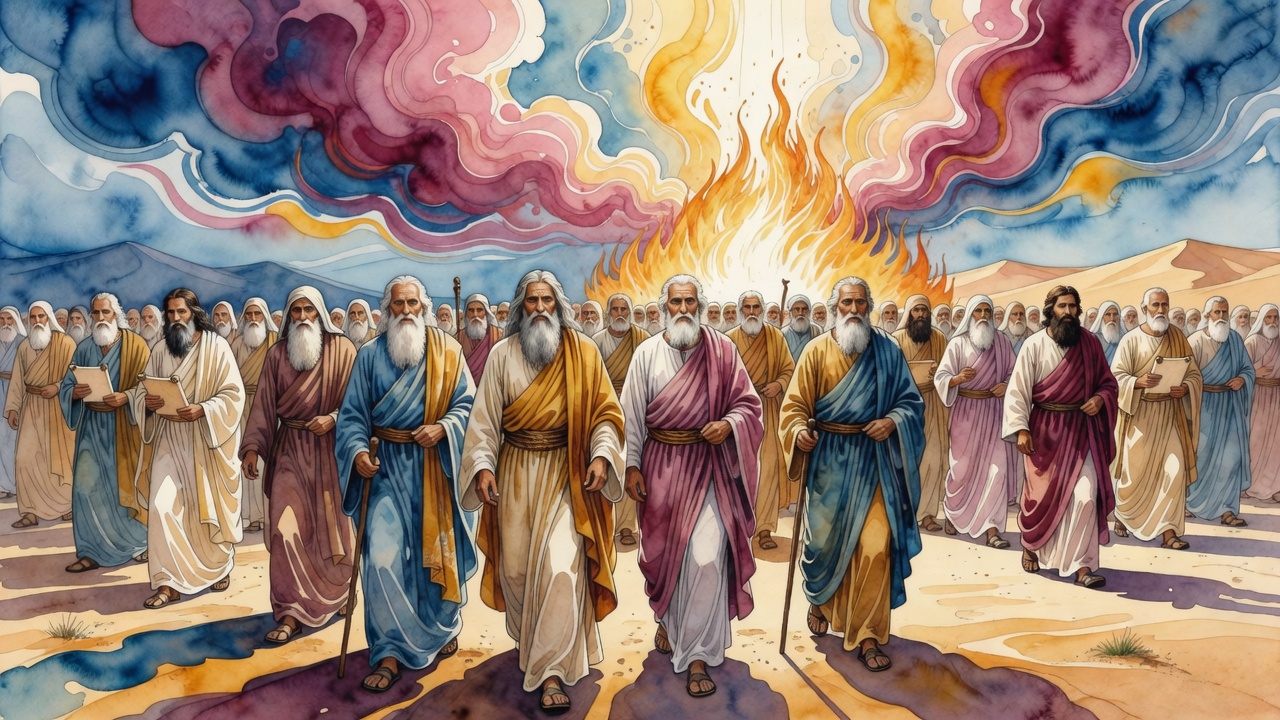
Moses did not walk alone into the people's hearing. He spoke first to the elders, the men whose names already carried weight in the tribes, and waited for their faces to turn toward him or away.

The Elders Who Backed Moses Led the Passover Click for full size

They turned toward him. That choice cost them quiet. To stand with a fugitive who claimed God had sent him was to put their standing at risk if the signs failed and Pharaoh's anger fell. They gave him the bridge he needed. Without their backing, the nation would not have followed. Belief moved through trusted mouths before it moved through the camp.

God watched that early support and named its price in honor, not gold. "I will reward the elders for inspiring the people with confidence in Moses," He said. "They shall have the honor of delivering Israel. They shall lead the people to the Passover sacrifice, and through this the redemption will be brought about."

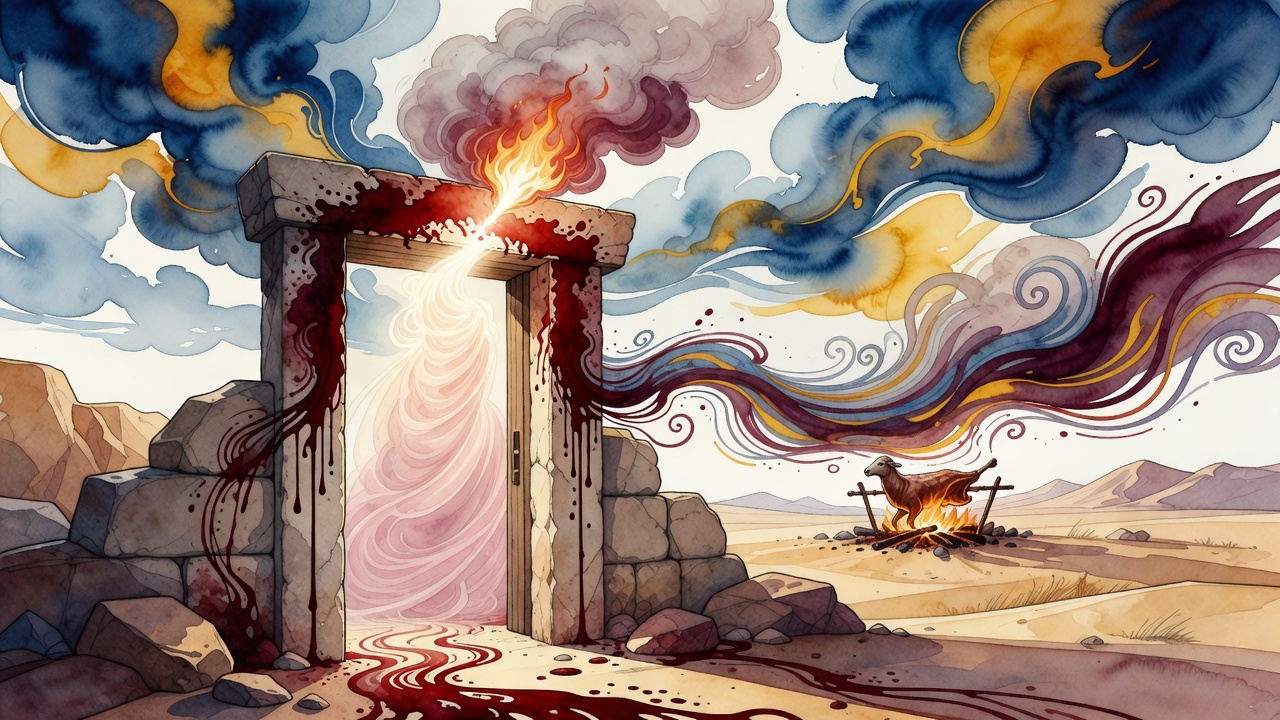
The reward was work under pressure. Leading Israel to the Pesach (Passover) offering meant standing at the center of blood on the doorposts, of a night when death walked and a people had to move on command. The elders would not cheer from the edge. They would shepherd the rite that sealed the exit.

Confidence Before the Signs Multiplied

In the first days the staff's wonders had not yet piled high enough to silence every doubt. Moses still stammered in his own mind. Aaron still had to find the right words for a nation trained to flinch. The elders' early yes held the line while the camp decided whether this mission was rescue or fresh trouble.

They sat in counsel. They repeated the charge. They put their own names beside his when the people asked who vouched for the man from Midian. That was the bridge: not a speech from heaven heard by every ear, but respected men saying, walk with him.

When fear of Pharaoh's taskmasters rose, the elders did not step back into the shadows of hierarchy. They stayed visible. Moses felt the difference in the crowd's noise. Skepticism still barked, but it barked against a wall of gray heads who refused to take their names back.

The Night They Led the Offering

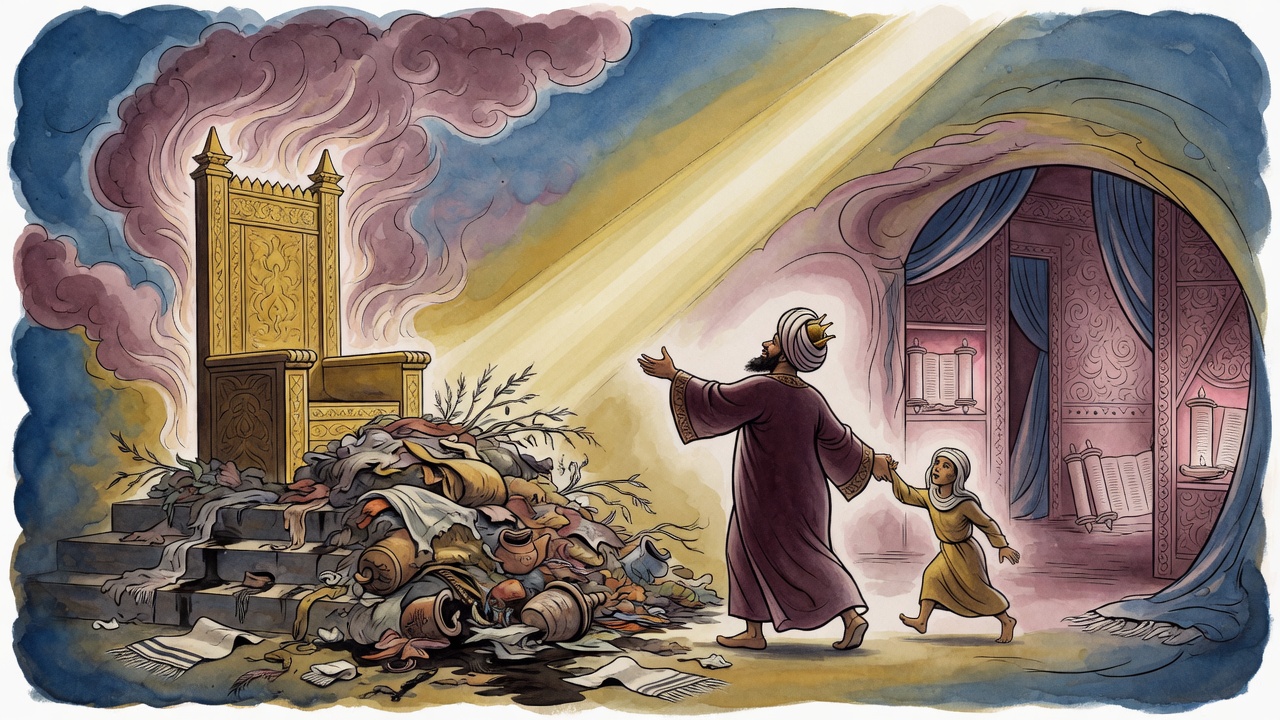
The night of the Passover arrived heavy with instructions and with the smell of roasted meat and hyssop. The elders moved through the households, making sure the lambs were taken, the blood marked, the people ready to leave with sandals on and staffs in hand.

Redemption was not only a staff raised over water. It was a people guided into a ritual they had never performed under freedom's name. The elders who had once risked reputation for Moses now risked the night's precision. A missed mark, a household left unready, and the exit could tear.

They led. The people followed into the sacrifice and then into the road. God had said the honor of delivering Israel would sit on those early shoulders. On that night the saying became feet and blood and doors that held.

Behind them Egypt's firstborn fell. Before them the wilderness opened. The elders walked in the middle of the column, still the bridge, still the ones who had said yes when yes was expensive.

The Day the Dwelling Stood

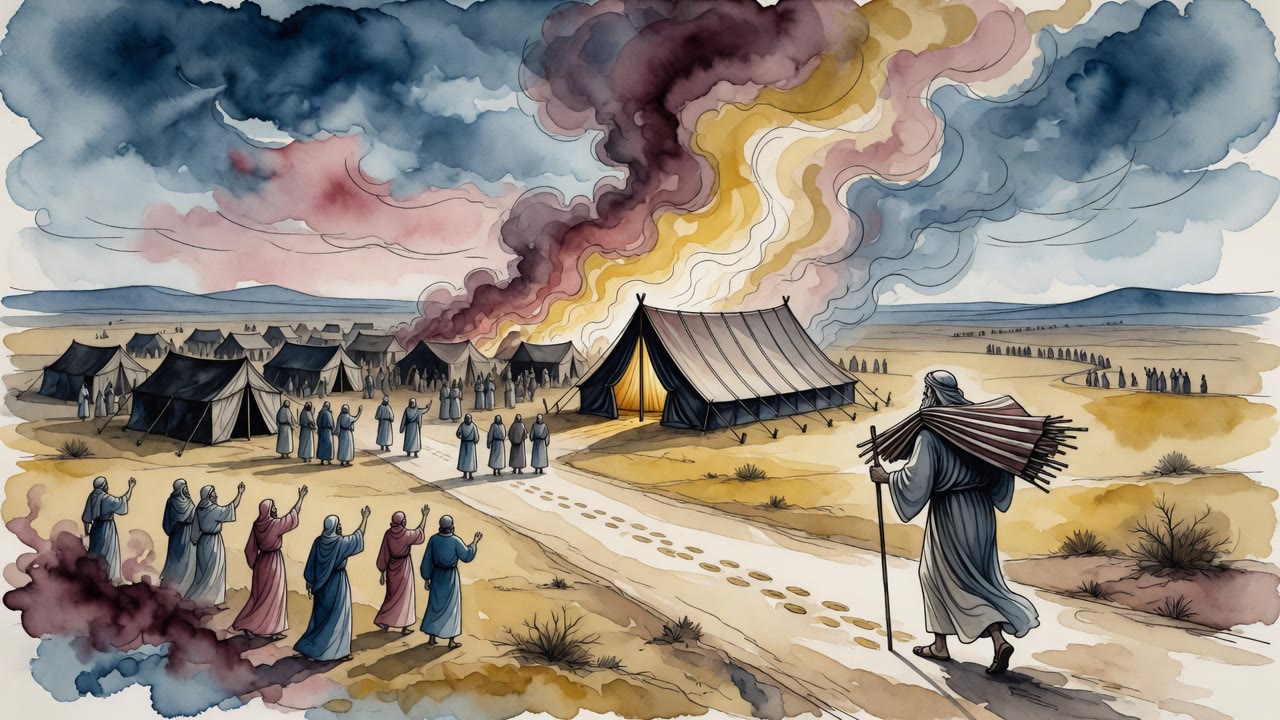
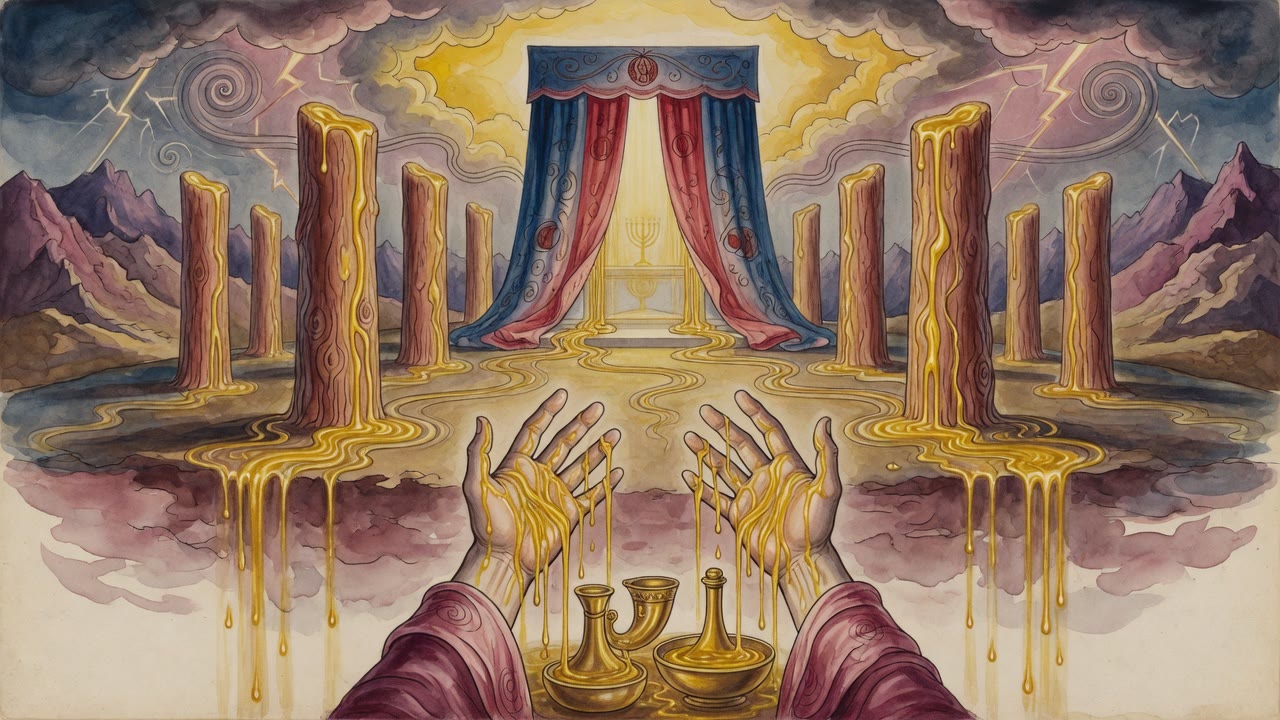
Later, in the wilderness, the Mishkan (Tabernacle) rose as a portable dwelling for the Presence among them. The day of its dedication did not pass as a feast alone. Eight sections of law were given to Moses on that single day, a dense download of instruction while the sanctuary still smelled of new wood and anointing oil.

For Aaron and his sons the day cut even sharper. As reward for piety, they received the Torat Kohanim, the laws of priestly sanctity, the blueprint of how holiness would be kept inside the camp. Gifts the people had set aside since Sinai were finally placed in priestly hands only when the sanctuary was anointed. Timing mattered. Service waited for the house to stand.

Moses moved between the cloud of law and the work of dedication. Aaron stepped into a role that would outlive the desert. The elders' early trust had helped birth a people able to stand under such a day at all. Without a nation convinced to follow, there would have been no camp to dedicate a dwelling for.

Honor That Kept Working

The elders' story does not end in a medal. It ends in continued pressure: Passover led, people held, confidence spent again whenever the camp broke into quarrel. Moses still needed men who could turn faces toward him when the next crisis arrived.

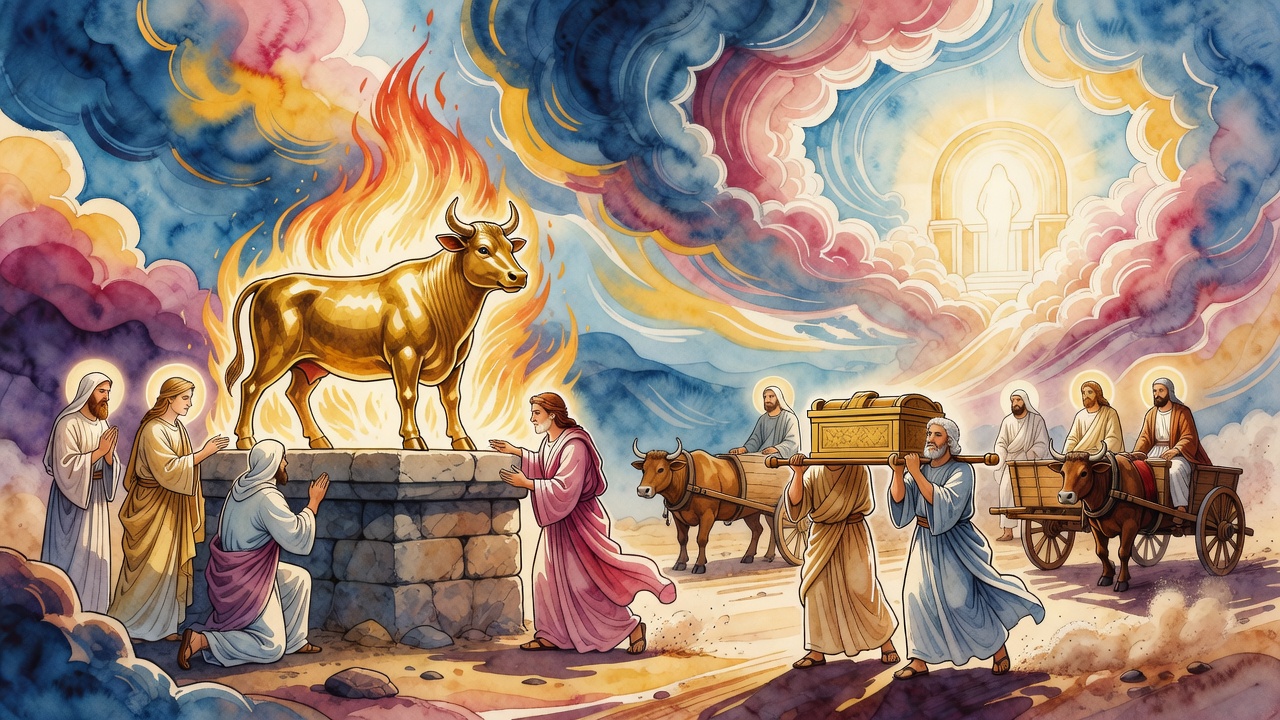
On dedication day the air itself felt crowded with command. Eight law sections. Priestly gifts unlocked. Aaron's line charged with purity that would be tested every time blood and fire met the altar. The elders stood among a people now shaped by rites they had once only heard promised.

Look back to the first yes. A group of tribal heads could have waited for more proof. They did not. God answered that risk with the hard honor of leading the sacrifice that made redemption public, and with a nation that lived long enough to raise a sanctuary and receive its law in a single blazing day.

Moses never forgot who stood when standing was still a gamble. The Passover blood and the Tabernacle oil both rested, in their way, on that early bridge of human confidence.


← All myths

From the tradition

Sources

2 sources

The texts behind this telling. Some cards carry a translation of the source; others are our own retelling of it, and each card says which. Every card links out to the original.

Legends of the Jews 4:326Legends of the Jews

Retold in our words. Read the original at the link below.The Legends of the Jews by Louis Ginzberg (1909) · Public Domain

He doesn’t do it alone. He speaks to the elders, the respected leaders of the tribes. These weren’t just figureheads, but individuals who held the trust and confidence of the people.

In Legends of the Jews, God recognized and rewarded the elders for their early support of Moses. Ginzberg, drawing on various Midrashic (rabbinic interpretive commentary) sources, tells us that their faith in Moses, their willingness to stand by him from the very beginning, was instrumental in getting the entire nation to believe.

Why was this so important? Because without the elders' backing, without their endorsement, it's unlikely the people would have followed Moses at all. They were the bridge, the conduit through which Moses's message of freedom could reach the hearts and minds of the Israelites.

So, what was the reward for these faithful elders? It wasn't gold or power. It was something far more significant. God said, "I will reward the elders for inspiring the people with confidence in Moses. They shall have the honor of delivering Israel. They shall lead the people to the Passover sacrifice, and through this the redemption will be brought about."

Think about the weight of that statement. They were to lead the people to the Pesach (Passover) sacrifice – Pesach, the Passover offering, the ritual that would commemorate their liberation from slavery and seal their covenant with God. By guiding the people in this sacred act, they were actively participating in the redemption itself!

The power of leaders who inspire confidence, and the incredible things that can happen when a community unites behind a shared vision. The story of the elders reminds us that leadership isn't just about being in charge; it's about building trust, fostering belief, and paving the way for redemption, one Pesach sacrifice at a time.

Full source
Legends of the Jews 3:110Legends of the Jews

Retold in our words. Read the original at the link below.The Legends of the Jews by Louis Ginzberg (1909) · Public Domain

It wasn't just a party. It was so much more.

The Mishkan, or Tabernacle, was the portable sanctuary the Israelites carried through the desert after the Exodus. A physical representation of God's presence among them. And the day it was dedicated? According to rabbinic tradition, it was absolutely bursting with divine communication.

We learn that on that very first day of the Tabernacle's dedication, no fewer than eight important sections of laws were communicated directly to Moses by God. Eight! Eight distinct areas of law, all revealed on a single, momentous day.

It doesn't stop there.

This day was also pivotal for Aaron, Moses' brother, and his descendants. As a reward for his piety and devotion, Aaron and his offspring, for all time, received the Torat Kohanim, the laws of sanctity. These laws are a special distinction, a unique privilege, belonging solely to the priests. What an incredible honor. The responsibility of maintaining holiness within the community, passed down through generations. And this, too, was revealed on this day.: the very blueprint for how the priesthood would function, how they would maintain ritual purity, how they would serve in the Tabernacle and, later, in the Temple.

And, as if that weren't enough, it was also on this day that Aaron and his sons received the gifts of the priests. Now, the people of Israel had already set aside these gifts, these offerings, even back at the revelation on Mount Sinai. But, crucially, these gifts weren't given to Aaron and his sons until this specific day, the day the sanctuary was anointed.

Why this day? What made it so special? Perhaps it was the culmination of all the preparations, all the sacrifices, all the dedicated work that had gone into building the Tabernacle. Or maybe it was the perfect alignment of divine will and human action. Whatever the reason, the dedication of the Tabernacle stands as a powerful reminder that some moments are so charged with significance that they shape the course of history.

Maybe we should all be a little more mindful, a little more open to the possibility that today could be that day.

Full source