Aaron Was Barred From the Holy of Holies After His Sons Died
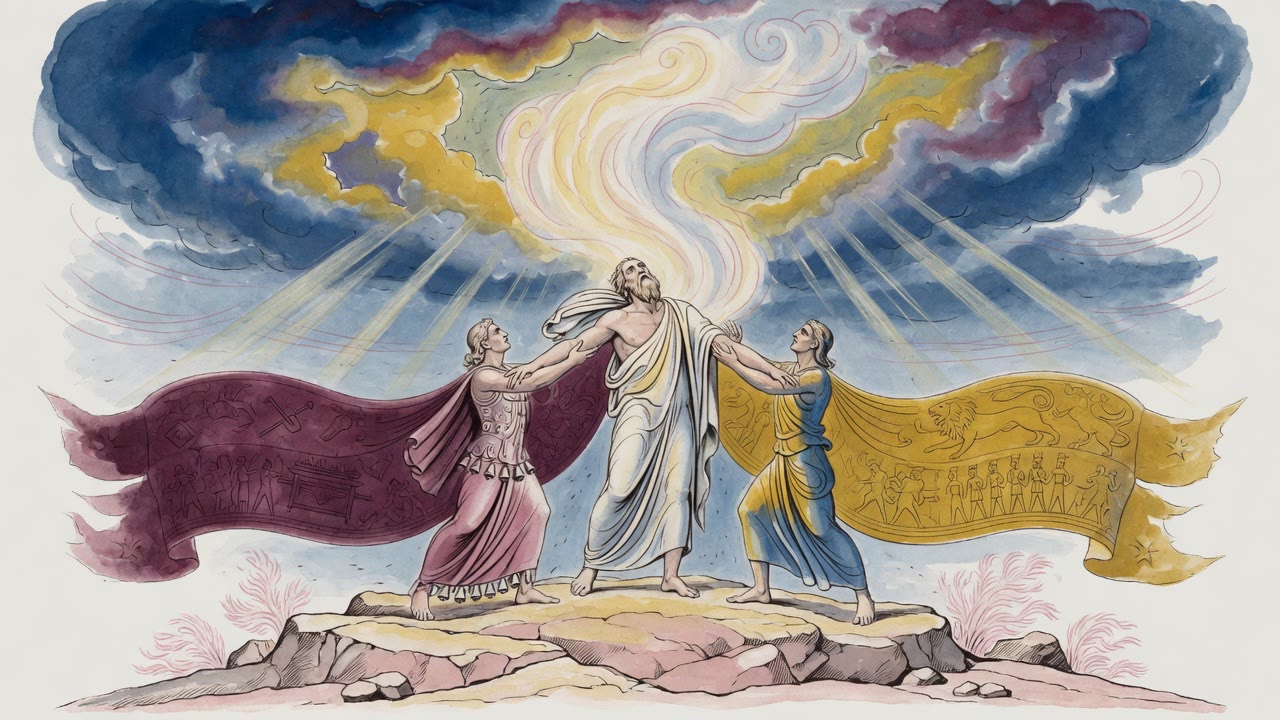
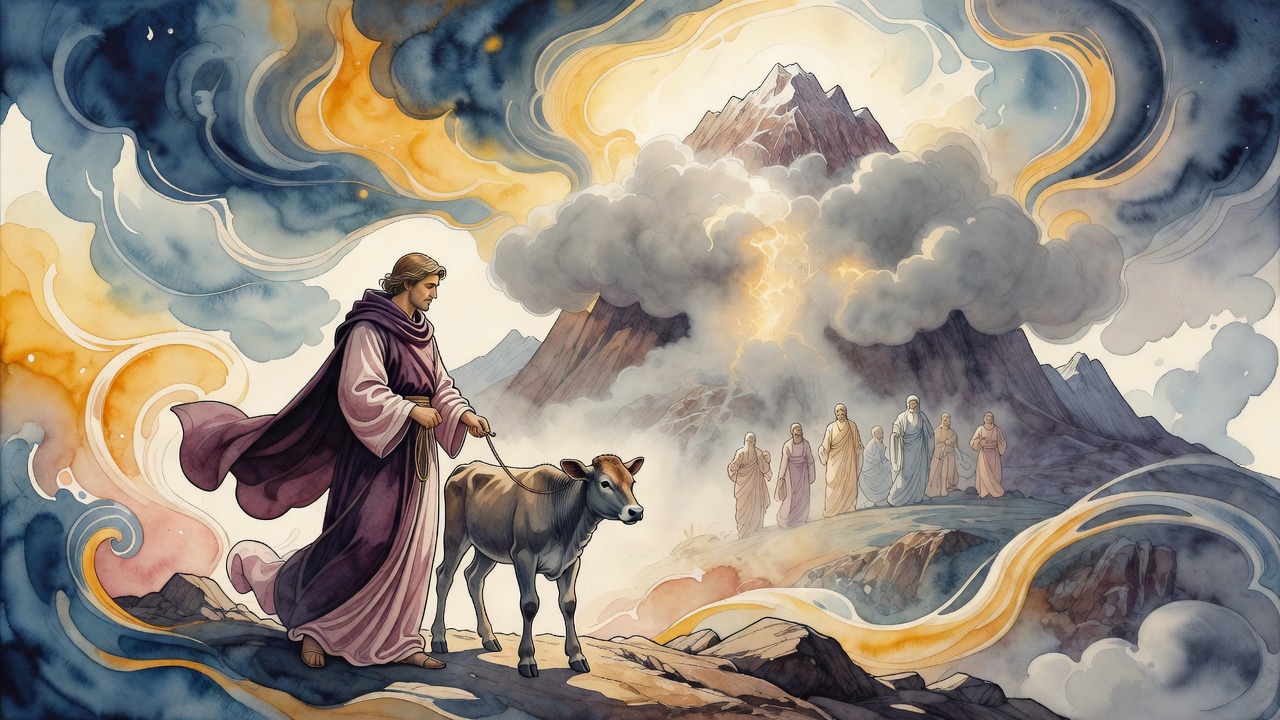
After Nadab and Abihu fell, the law fenced Aaron from the veil. Moses still walked him into the Tent to teach the incense, brothers without rivalry.
 Click for full size
Bodies Beside a Law
When the Holy One spoke to Moses about the Sanctuary, He reached back to a word He had already given: "Is not Aaron the Levite your brother." Now speak to that brother, Moses, and set a fence about him. Tell him he may not enter the holy place at all times, for if he transgresses, he will die as his sons died.
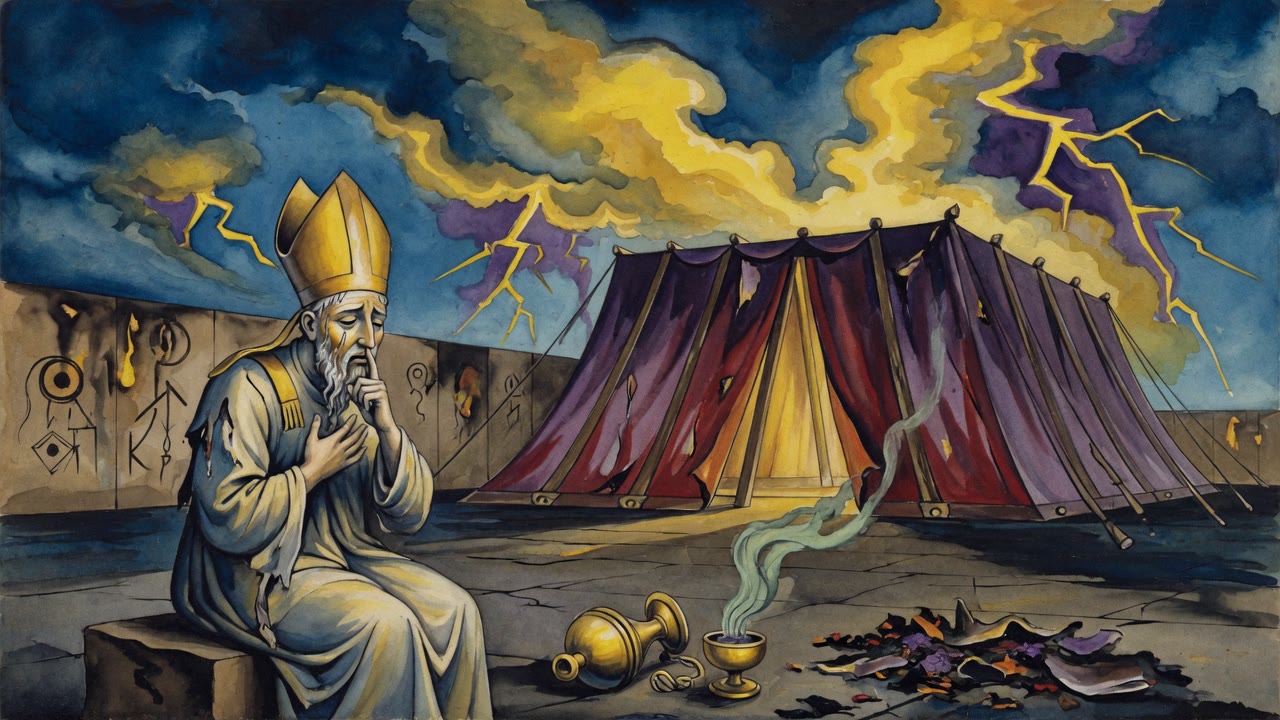
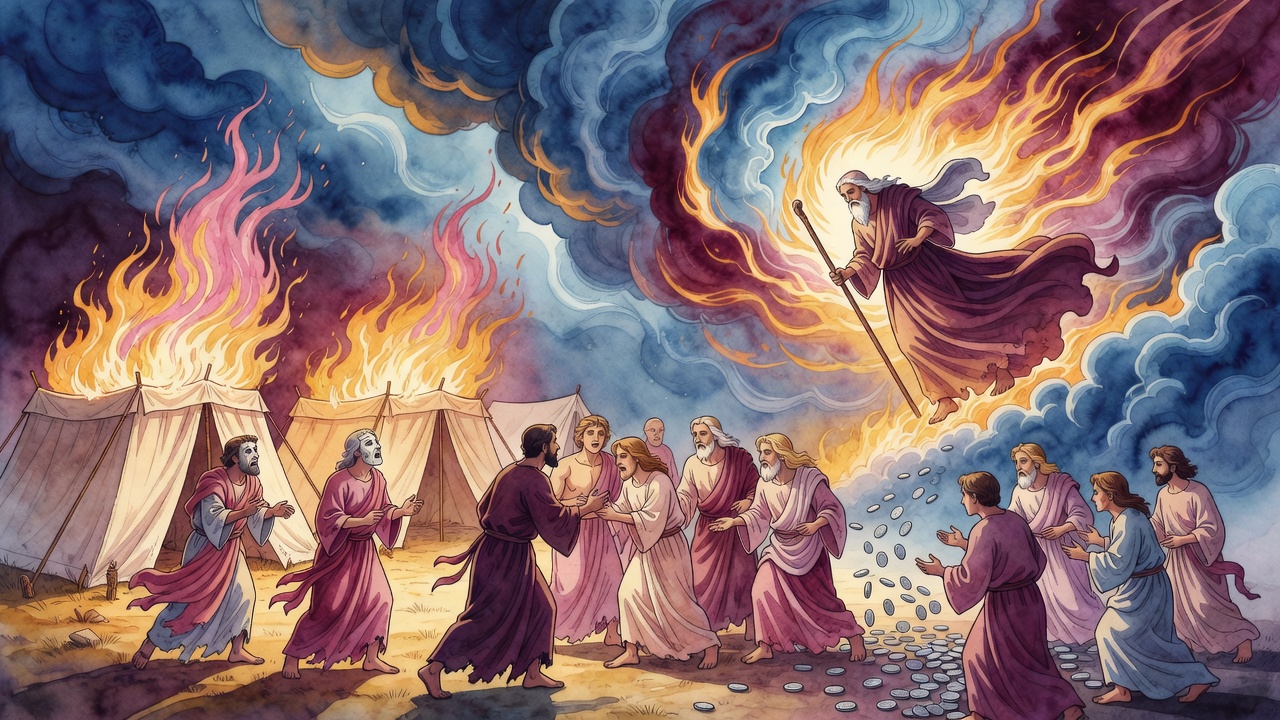
Nadab and Abihu had already fallen. Fire from before the LORD had found them with strange fire in their hands. Aaron stood in the smoke of that loss while Heaven turned the death into a fence. "Your brother," Aaron is bound by the warning "let him not come," yet you, Moses, are not so bound. "At all times" means there is one time set apart, the Day of Atonement. "Within the veil" is the innermost chamber, the place before the very Presence.
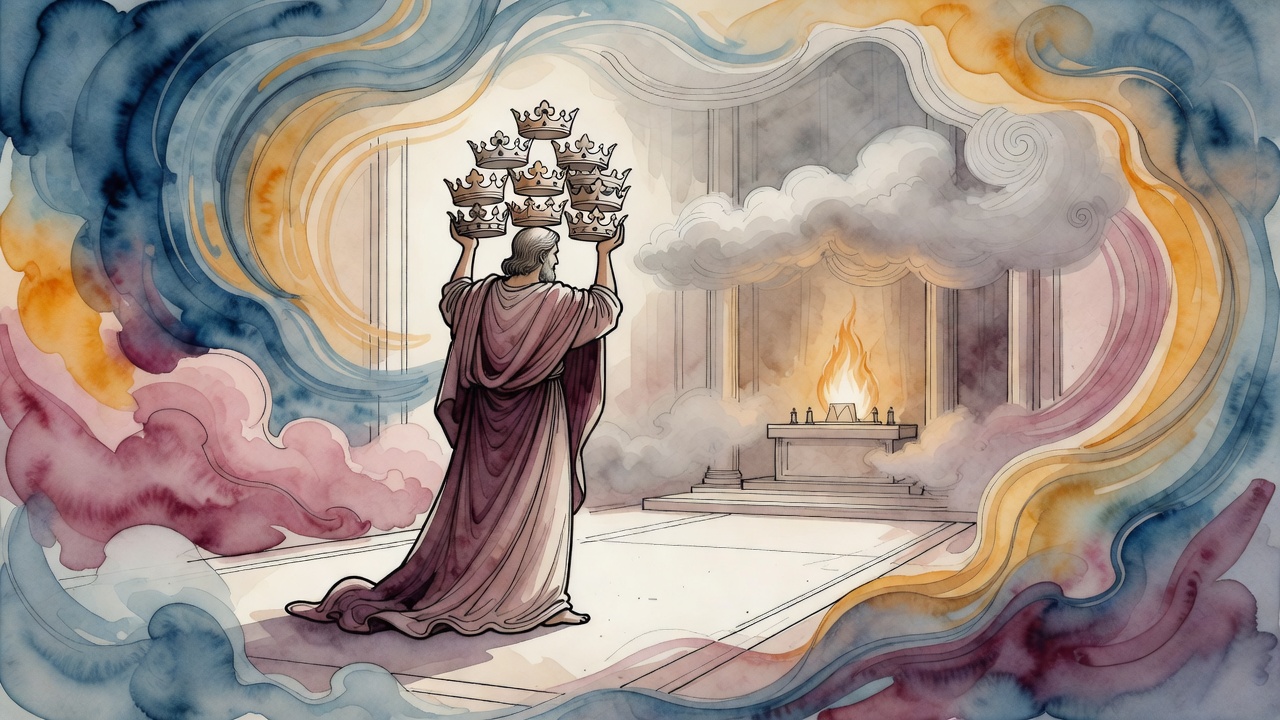
"That he die not" sounds the note of punishment, and "for in the cloud I will appear upon the kapporet" sounds the note of warning before it. The law and the corpses share a page so that no one can mistake the cost of the wrong hour.
Death That Covers
Why does Scripture lay the death of Aaron's two sons right beside the law of the Day of Atonement? To teach this: the death of the righteous atones as surely as the Day of Atonement itself. Their fall was not only a loss but a covering-over, a cleansing for Israel, set in the Torah next to the day that wipes the people clean.
Aaron could not preach that teaching. He could only stand silent while the fence rose around his own feet. The day that would one day send him alone into the cloud was already written in the ash of his children. Yom Kippur and the burned sons keep company so that mercy and terror never forget each other.
Two Brothers in the Tent
Scripture records a small, easily overlooked detail at the dedication of the Tabernacle: "And Moses and Aaron came" into the Tent of Meeting. Why should Moses go in at all? The high priesthood had been given to Aaron. The altar, the offerings, and the sacred service were now his. What business had Moses inside?
Moses entered not to take Aaron's place but to stand beside him, to instruct him in the rite of the incense, that cloud of fragrance offered before the Holy One. Aaron was the priest, yet on this first day he still needed his brother at his side to show him the way.
Here lies the beauty of the two brothers together. Of them Scripture testifies, "Two are better than one," for what one does not know, the other supplies; where one is weak, the other lends strength. And of them it is also written, "How good and how pleasant it is for brothers to dwell together." There was no rivalry between Moses the prophet and Aaron the priest, no jealousy over honor or office. The elder taught, the younger learned, and the two entered the holy place as one.
Fence and Fraternity
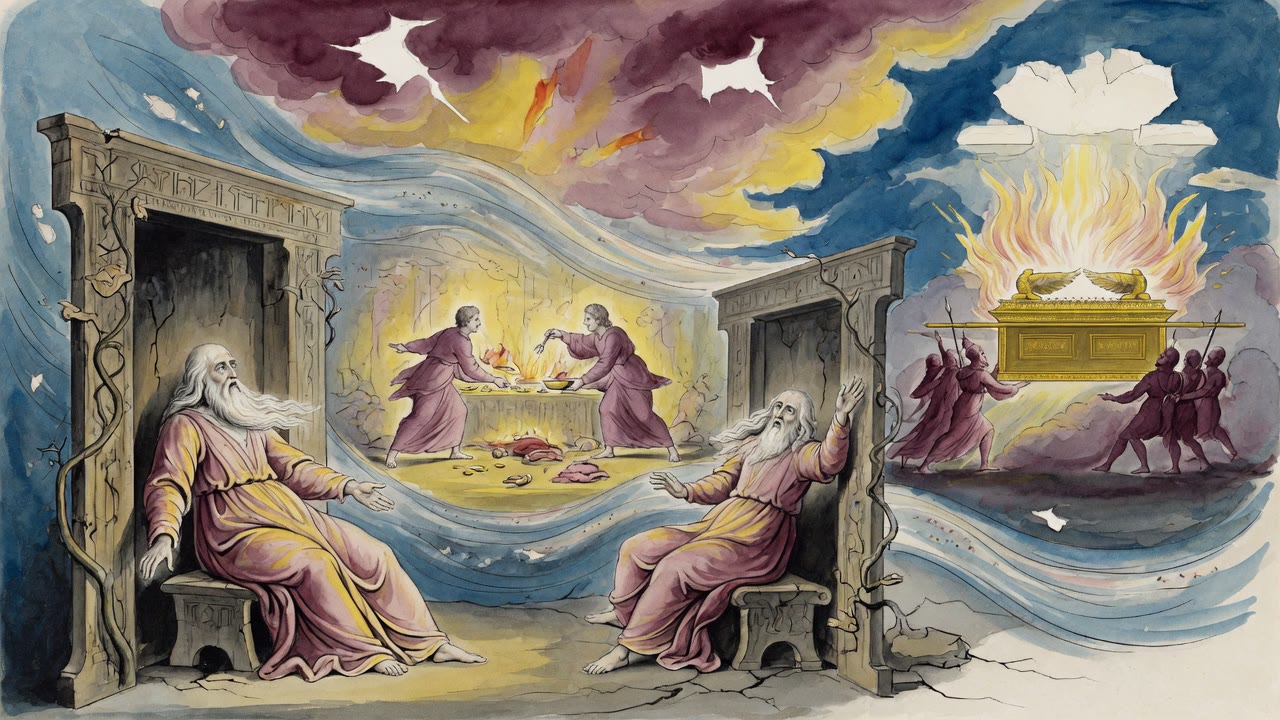
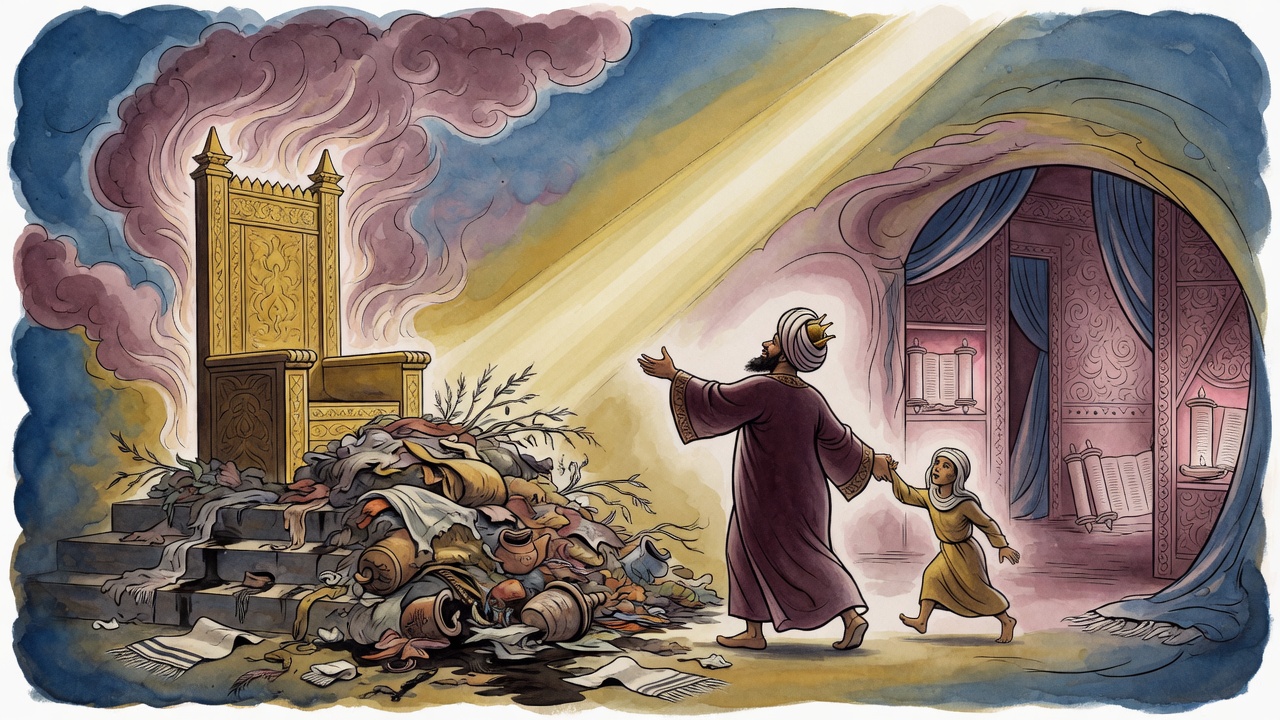
So the Sanctuary holds two truths in one breath. Aaron is fenced by the death of his sons and may not rush the veil at every hour. Aaron is also accompanied by Moses, who will not let him face the first incense alone. The same God who burns unauthorized fire walks a surviving father into the Tent with a living brother at his shoulder.
Aaron learned the hour. He learned the cloud on the kapporet. He learned that priesthood is not a free roaming of holiness but a narrow door on a named day. He also learned that the prophet who outranked him in speech would still kneel to teach him the motions of the pan. That brotherly union, more than any single act of service, drew down the blessing.
Outside, Israel smelled incense and remembered fire. Inside, two men moved carefully among vessels that had already killed. The fence held. The brothers held. Between the ash of Nadab and Abihu and the sweet smoke of the first proper offering, Aaron became the High Priest the law could trust with one day a year behind the veil.
Aaron's silence after the fire was not emptiness. It was a man listening for the next instruction that would not kill him. Moses' hand on his shoulder at the Tent door was instruction of another kind: you are not alone in the smoke. The incense lesson was technical and merciful at once. Hold the pan this way. Step here. Do not invent a fire the way your sons invented a fire.
Israel outside measured the new priesthood by smell and rumor. Inside, two brothers practiced a future Day of Atonement every time Aaron remembered he could not enter whenever longing or pride pushed. The veil would open on a schedule written beside corpses. That schedule is not cruelty alone. It is how a people keeps a holy place from becoming a common room.
When the cloud later settled on the kapporet, Aaron would go in with blood and prayer, carrying the memory of Nadab and Abihu like a second set of garments. Moses would not always walk beside him then. The first entry with a teacher made the later solo entries possible. Fence and fraternity: without both, the Sanctuary either kills or freezes.
← All myths