Aaron Keeps Two Sons After Moses Prays Hard
Nadab and Abihu refused to marry. No woman was fit, they said, for sons of the High Priest and nephews of the king. Their line ended in strange fire.
Table of Contents
At the golden calf the LORD's anger blazed against Aaron "to destroy him," and destruction meant more than one man's death. All four of his sons stood under the sentence. Total annihilation of the house.
 Click for full size
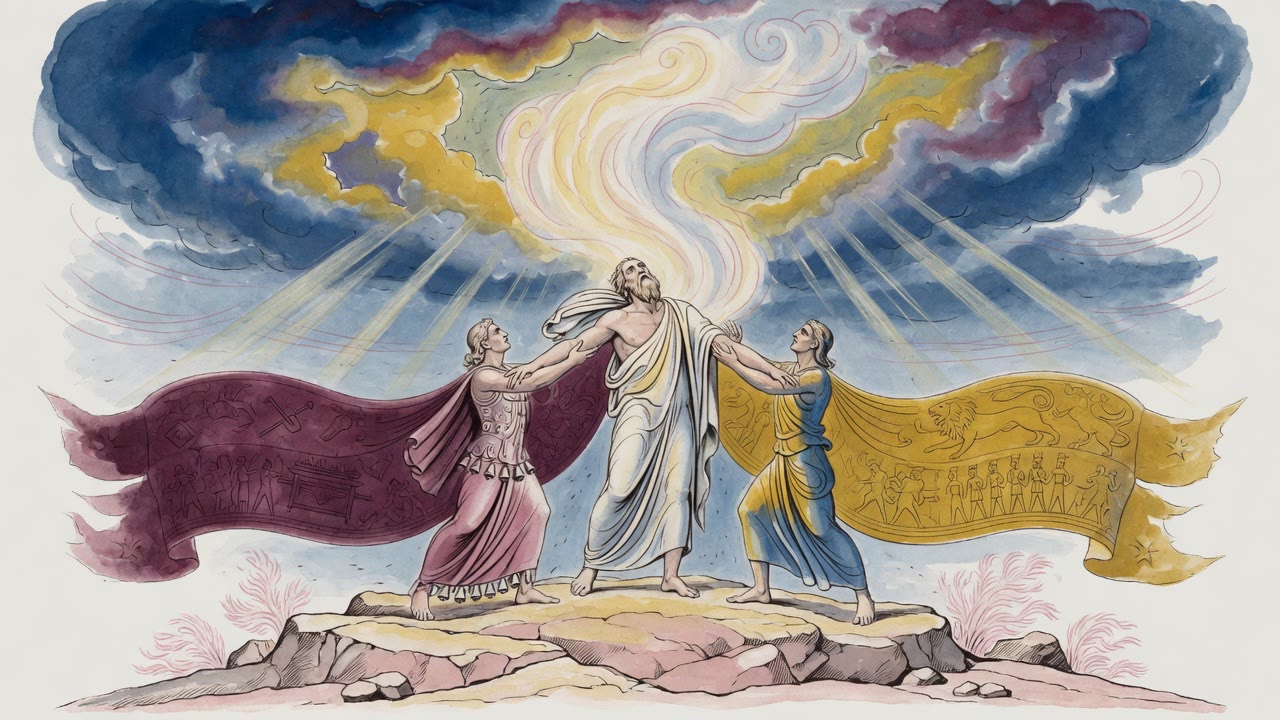
Moses prayed. The prayer succeeded by half. Two sons would fall. Two would be spared. Aaron had, in a sense, set hatred between Israel and their Father in heaven, and hatred stirs up strife. Love covers over transgressions, and that love was the prayer Moses offered on his brother's behalf (Deuteronomy 9:20).
The Hated Well With Beloved Water
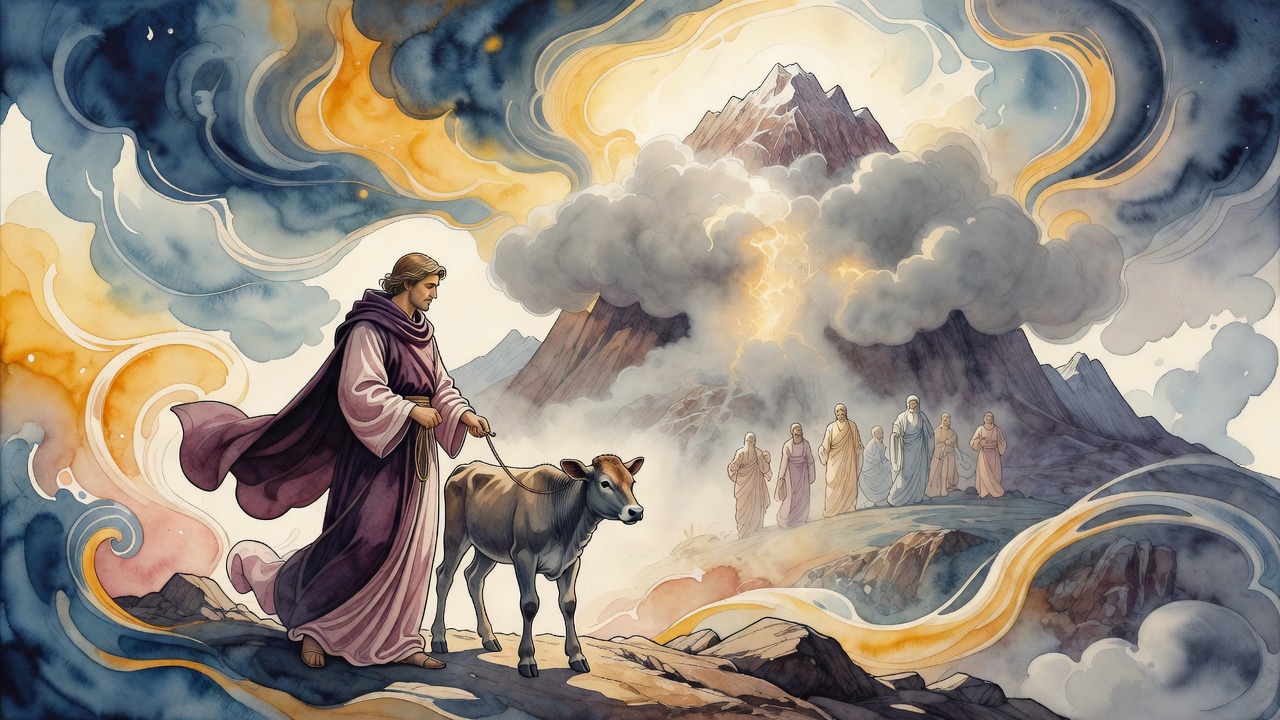
Moses noticed something in the opening of Leviticus. Again and again the verses honor "the sons of Aaron" who offer and arrange and burn, while Aaron himself stands unnamed. Moses argued with an image. A hated well, yet its waters are beloved. You granted honor even to ordinary wood for the sake of the trees it came from, ruling olive and vine unfit for the altar out of regard for their fruit. Will You not grant Aaron honor for the sake of his sons?
The answer reversed the field. By your prayer, said the Holy One, I draw Aaron near, and more than that, I make him the essence and his sons the secondary ones. "Command Aaron and his sons." A brother's prayer turned a man marked for ruin into the head of the priesthood. The footnote became the name the command addresses first.
Why These Two Fell
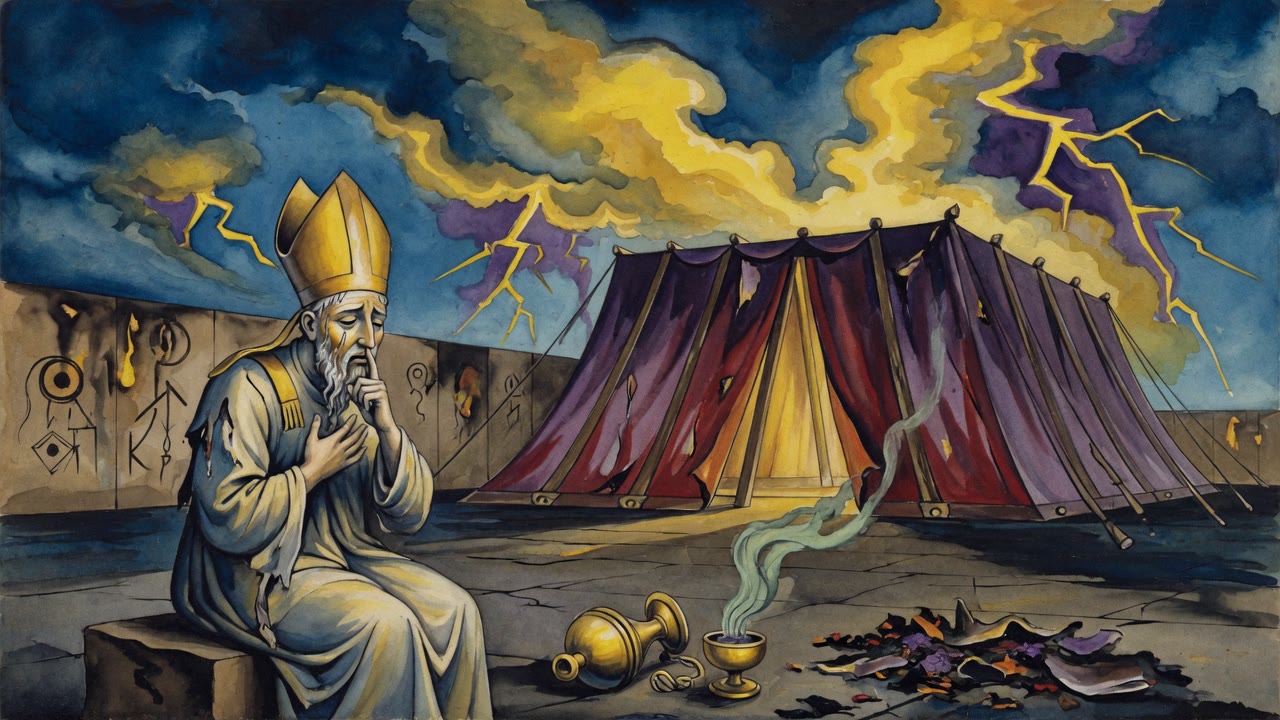
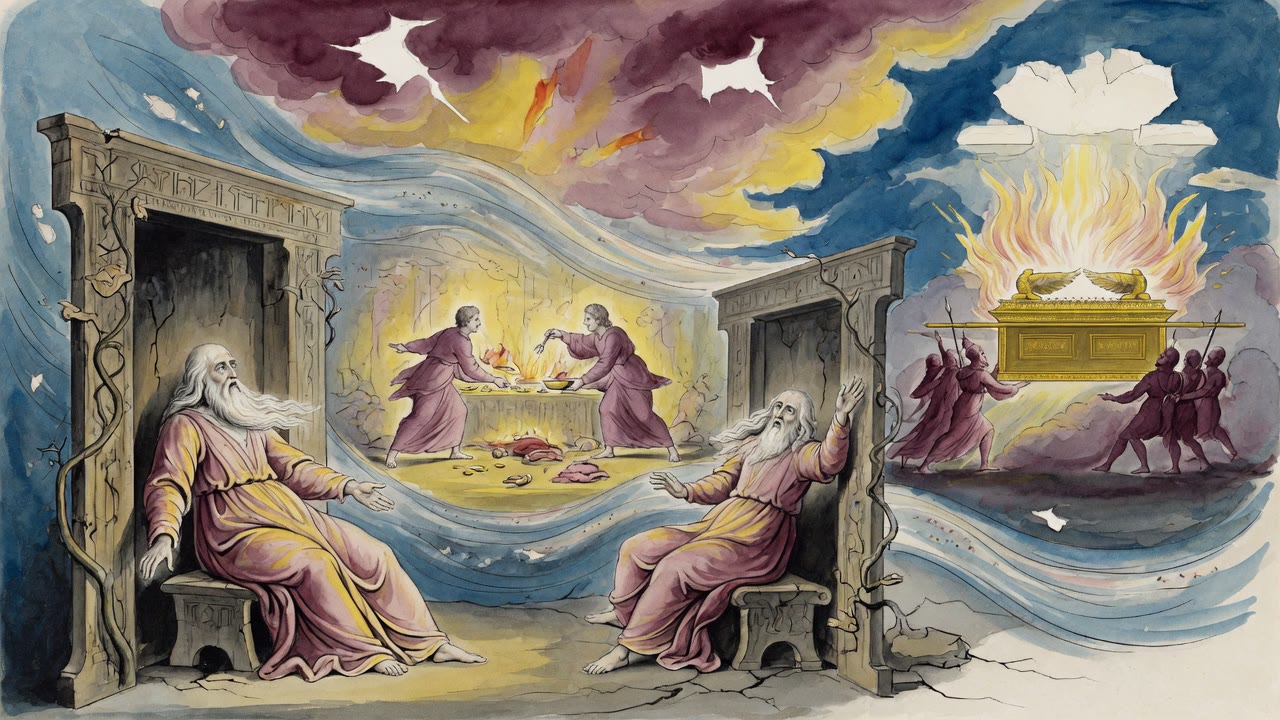
Nadab and Abihu would not marry. Our father is High Priest, our uncle is king, our mother's brother is chief, who is fit to wed us? Their line ended in fire. Others say they fed their eyes on the Shekhinah (the Divine Presence), boasting they needed neither food nor drink, though "they beheld God, and ate and drank." God stayed His hand until the Tabernacle stood and they brought strange fire. Then justice came. Twice Scripture records their death, that Israel may know how the righteous fall (Leviticus 10:1-2).
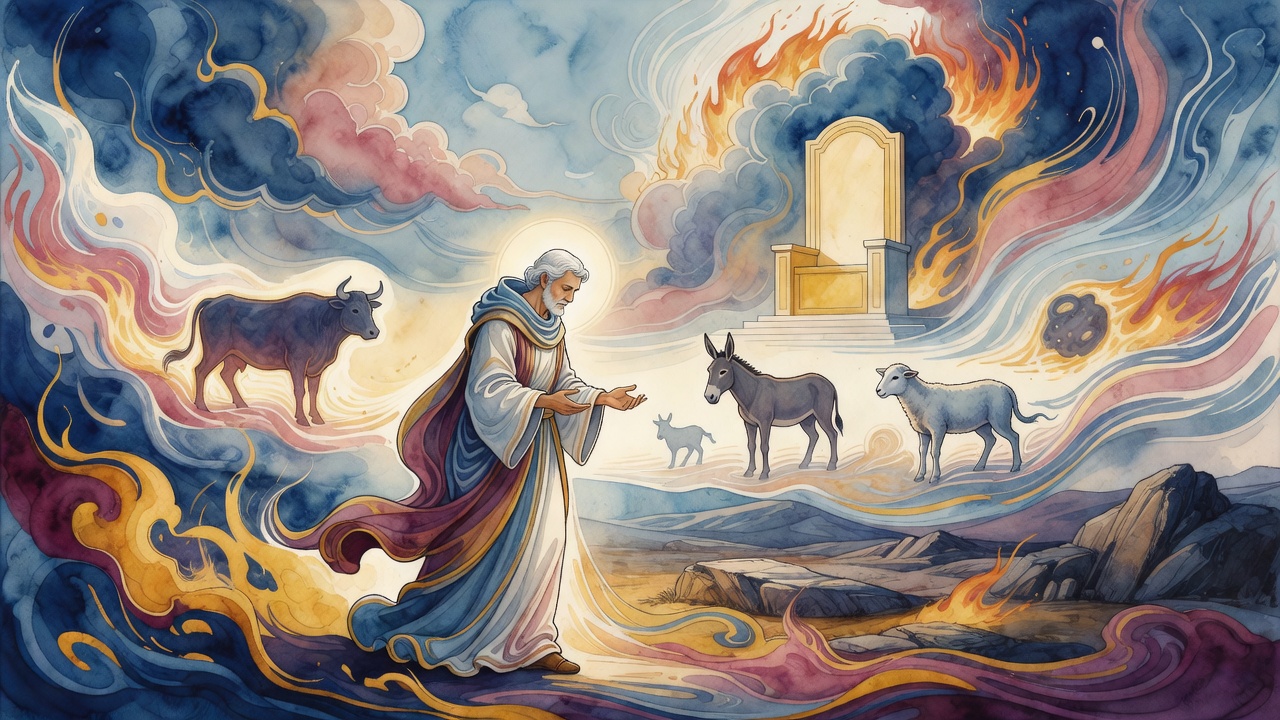
The ox, the donkey, the sheep, the garment, the lost thing: each word of the law of restitution rose as a charge against the calf. "They exchanged their glory for the likeness of an ox." The mixed multitude bowed. Israel, the scattered sheep, cried, "These are your gods." Moses, called elohim in judgment, sat the case, and the verdict of paying double fell on two of Aaron's house. Half the prayer's mercy. Half the calf's debt.
The Censer Between Dead and Living
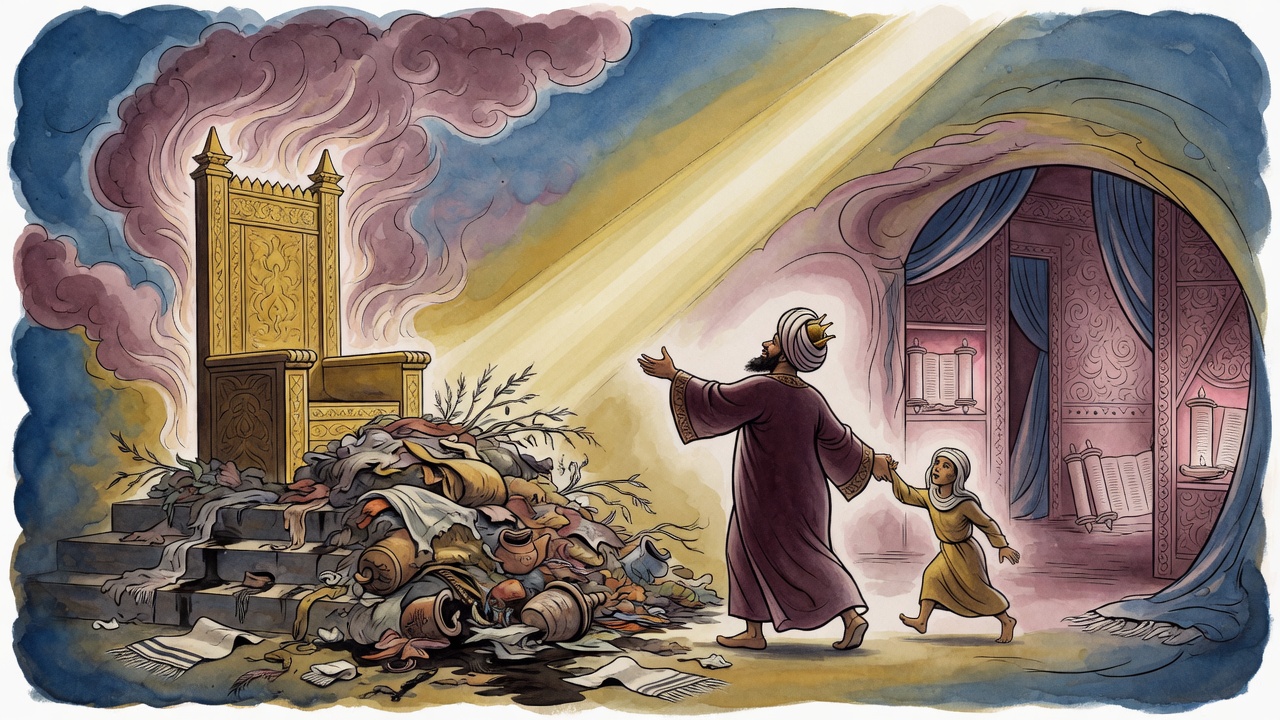
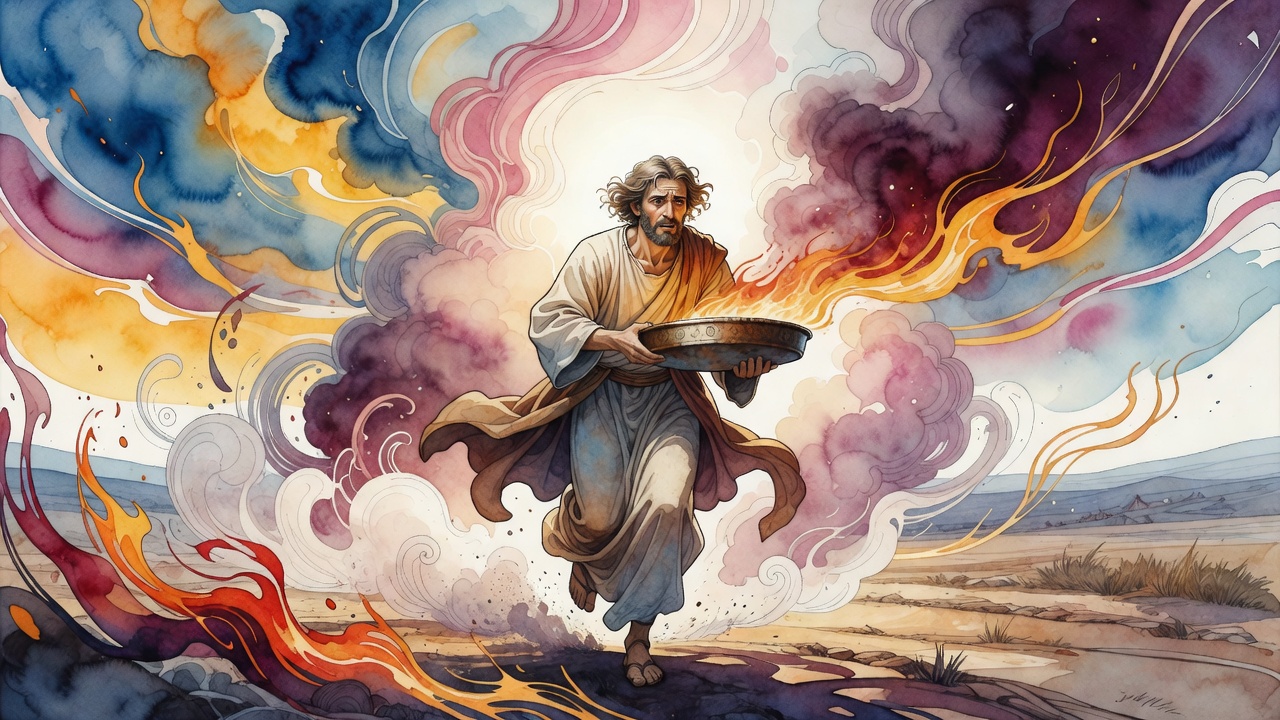
Years later wrath blazed again and plague devoured Israel. Moses cried, "Take the censer, put fire upon it!" Aaron recoiled. "My brother, would you kill me? My own sons brought a strange fire and were consumed, and you send me with a censer?" Moses urged him to go quickly. Aaron steeled himself. Even if I must die for Israel, I will not delay. He ran into the midst of the assembly and stood between the dead and the living until the plague stopped at his feet.
The Holy One told Moses, as Aaron took My children out of the plague, exalt him with the word "take." "Take" is the speech of coaxing. Aaron fled from honor as he fled from no danger. Some the Holy One chose and let draw near on their own. Aaron was happy twice over: chosen and brought near both. So God said: open with gentle words, draw him in. "Take Aaron."
Half a Prayer, Whole a Priest
Four sons under a calf's sentence. Two lost to strange fire. Two spared to carry the name. Aaron, once the unnamed father in the sacrificial lists, becomes the essence by a brother's prayer, then becomes the man who runs toward plague with a pan of coals because Israel is dying behind him.
He never forgot the fire that took Nadab and Abihu. He ran into fire anyway. That is the priesthood the prayer bought: not a man without fear, but a man who moves while afraid. When the people count who stood between death and the camp, they name the brother Moses would not let Heaven erase.
Eleazar and Ithamar lived. The service continued. The censer that could have been Aaron's death became Israel's life. Half a destruction left a whole priest standing in the smoke.
On the day Nadab and Abihu died, Aaron was silent. Moses spoke words of comfort that were also words of law. The bodies were carried out by their cousins in their tunics. The anointing oil on Aaron's head kept him from mourning in the ordinary way. Half a destruction left him standing in the sanctuary with two sons alive and two sons gone, a priest whose first public grief was bound by the same service that had just killed part of his house. The later run with the censer was the shape of a man who already knew what fire costs and still chose the camp over safety.
← All myths