The Eighth Day When the Shechinah Waited for Aaron
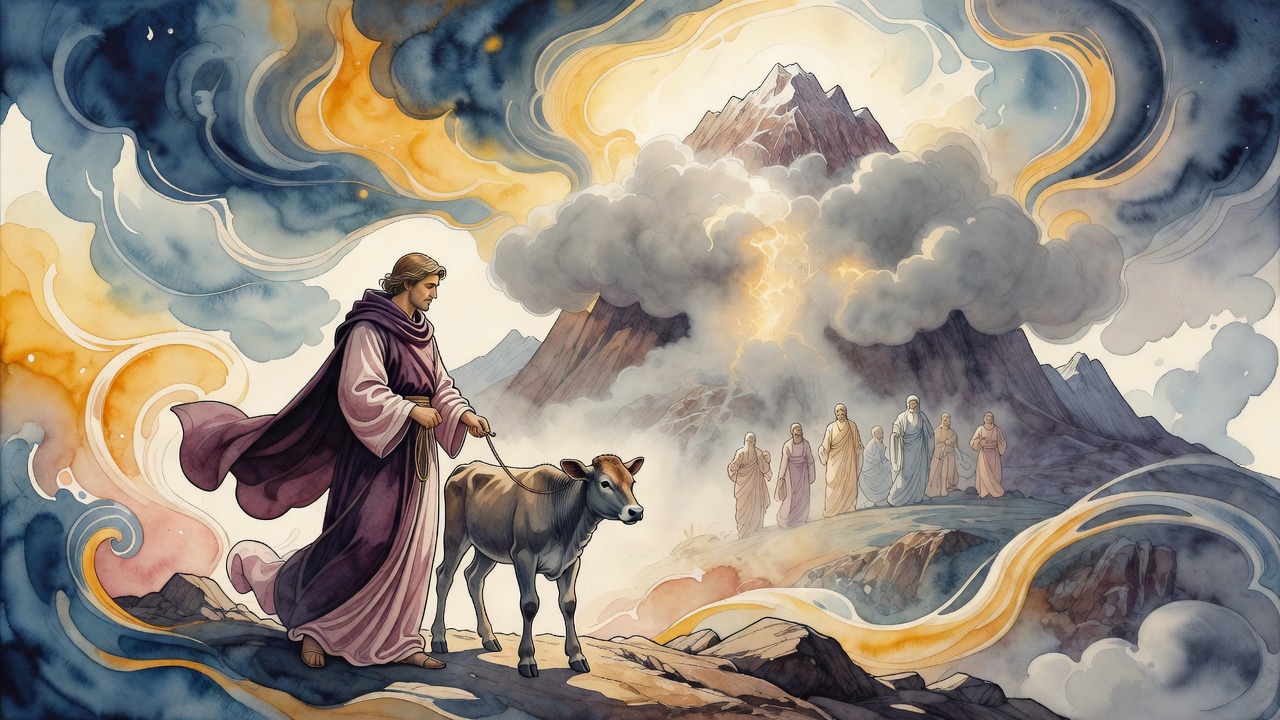
Aaron would not step toward the altar. He still saw the calf in the bronze. Moses took his brother's hand and pulled him forward.
Table of Contents
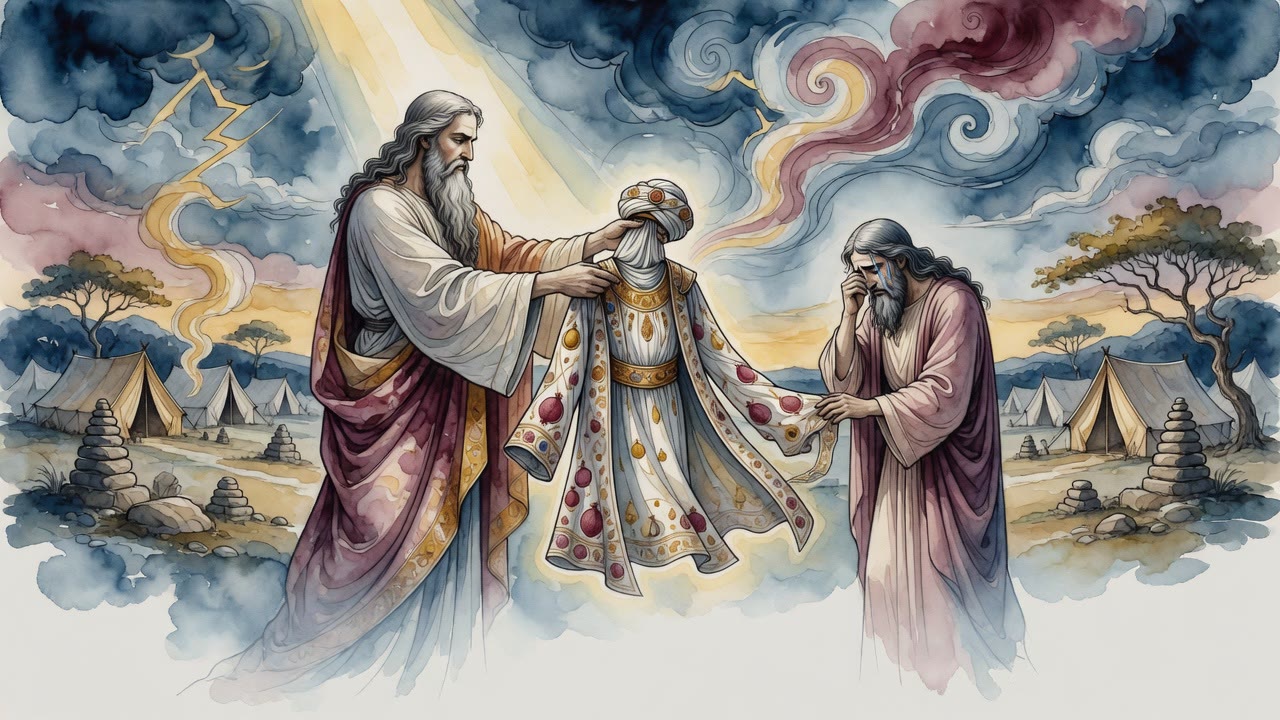
For seven mornings Moses did the work himself. He set up the boards and the curtains, dressed his brother in the eight garments of the high priesthood, offered the sacrifices in Aaron's place, and took the whole dwelling down at dusk. He served as a high priest who knew the office was never meant to stay his. Aaron stood at the rim of the courtyard in linen that still carried no offering of his own, and watched. Heaven said nothing. No fire fell. No cloud sat down.
 Click for full size
The Altar That Looked Like a Calf
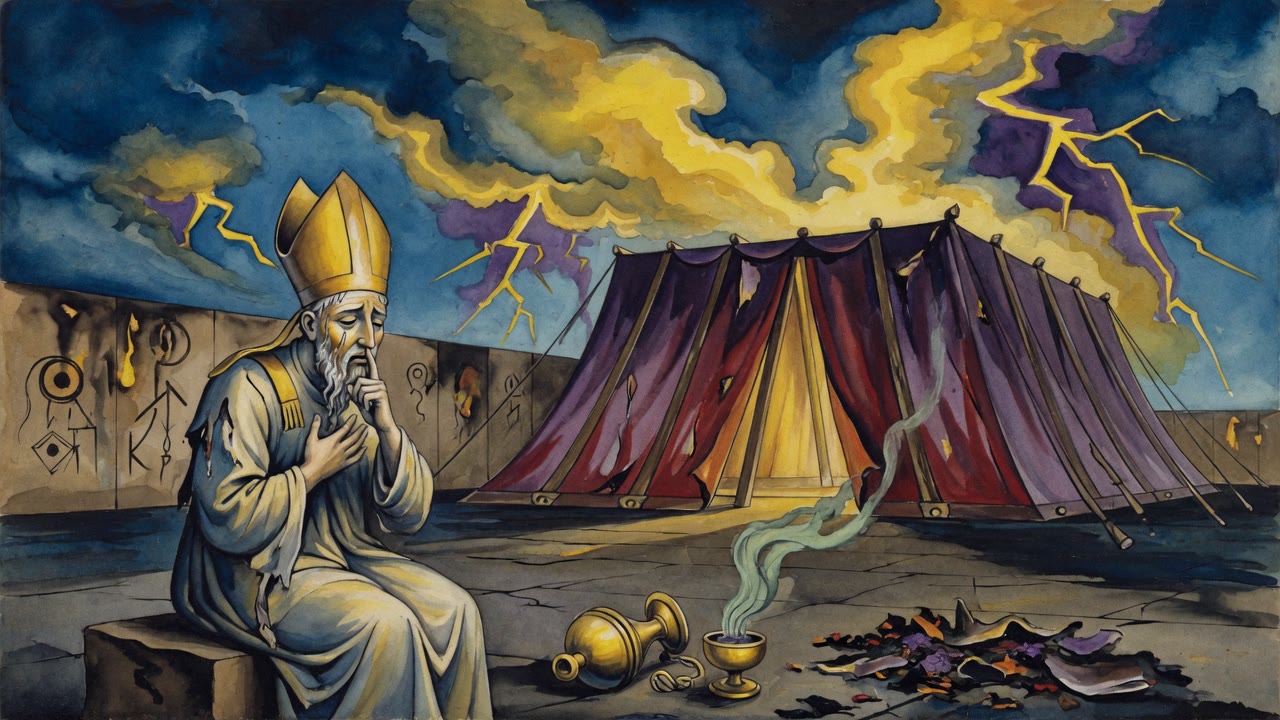
On the eighth morning Aaron looked at the altar and saw the golden calf. Not on the stones. In himself. He had presided over that disaster while Moses was still on the mountain, and the bronze in front of him felt like a verdict. He recoiled. He would not step forward, because a man who had once built a god out of earrings did not trust his own hands near the holy fire.
Moses saw it. "Draw near unto the altar" (Leviticus 9:7). Come close. Step into the place I have been holding. He took Aaron by the hand and led him onto the stones, because shame does not walk itself to the holiest task of a life.
Ten Firsts on One Dawn
That eighth morning was the first of Nissan. It was supposed to be a pile of beginnings: the first priestly service that belonged to Aaron, the first fire from heaven on this altar, the first eating of holy meat in the new courts, the first time the Presence would dwell in Israel. Moses finished his last act as the stand-in and tried to hand the altar to Levi's line forever. None of that would count until Aaron's feet were on the stones and the sky answered.
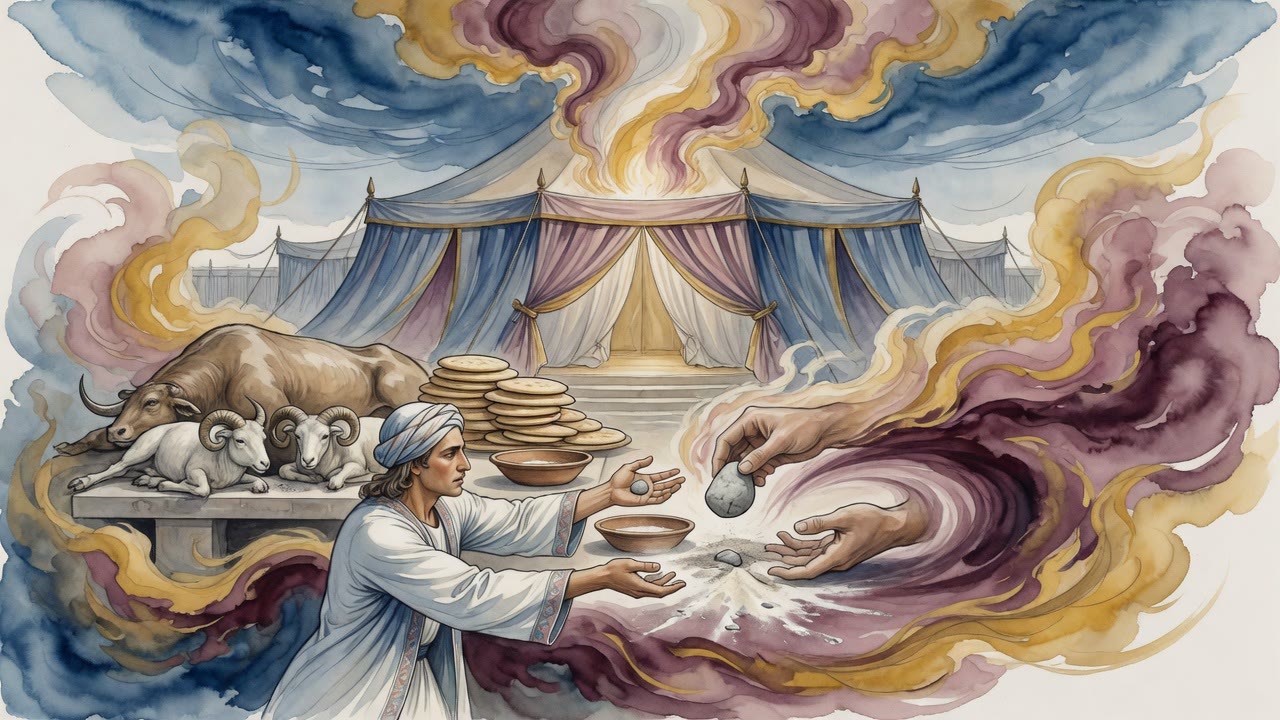
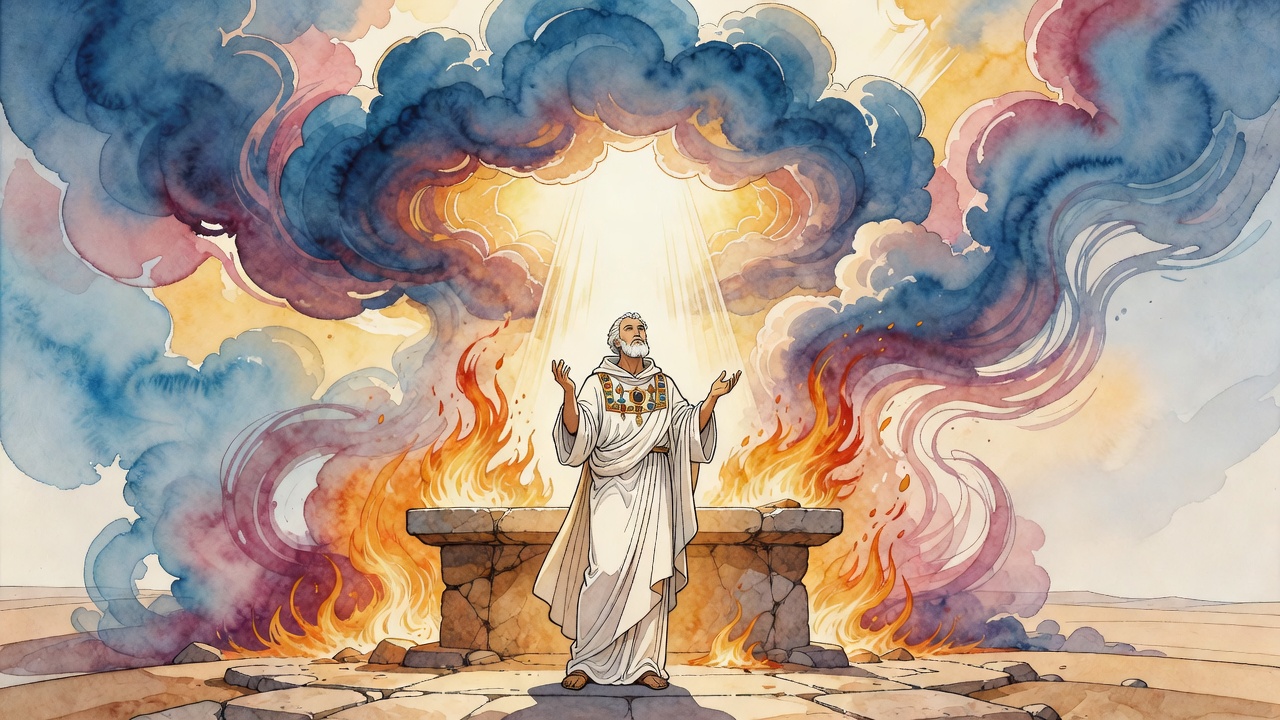
Aaron finally moved. He offered the bullock for his own sin, then the burnt offering, then the people's offerings, in order. Fire came down and consumed what lay on the altar. The congregation fell on their faces. Aaron lifted his hands and blessed them. The sky stayed empty of the thing they were waiting for.
The Shechinah (שכינה), God's indwelling presence, had not settled on the new sanctuary. Fire had fallen. Blessing had been spoken. Israel lay in the dust. Aaron felt the missing piece as a judgment with his name on it.
Because of Me
Aaron stood there grieving. "I know that the Holy One is angry with me. It is because of me that the Presence has not come down to Israel." He turned on his brother. "Moses, my brother, is this what you have done to me? I went in, and I was shamed, and the Presence did not come down to Israel."
The eighth day had given him the garments and the altar and even fire, and it had not given him the one thing that would mean he was accepted. He thought the calf was still sitting in the path, invisible, blocking heaven.
Two Brothers in the Tent
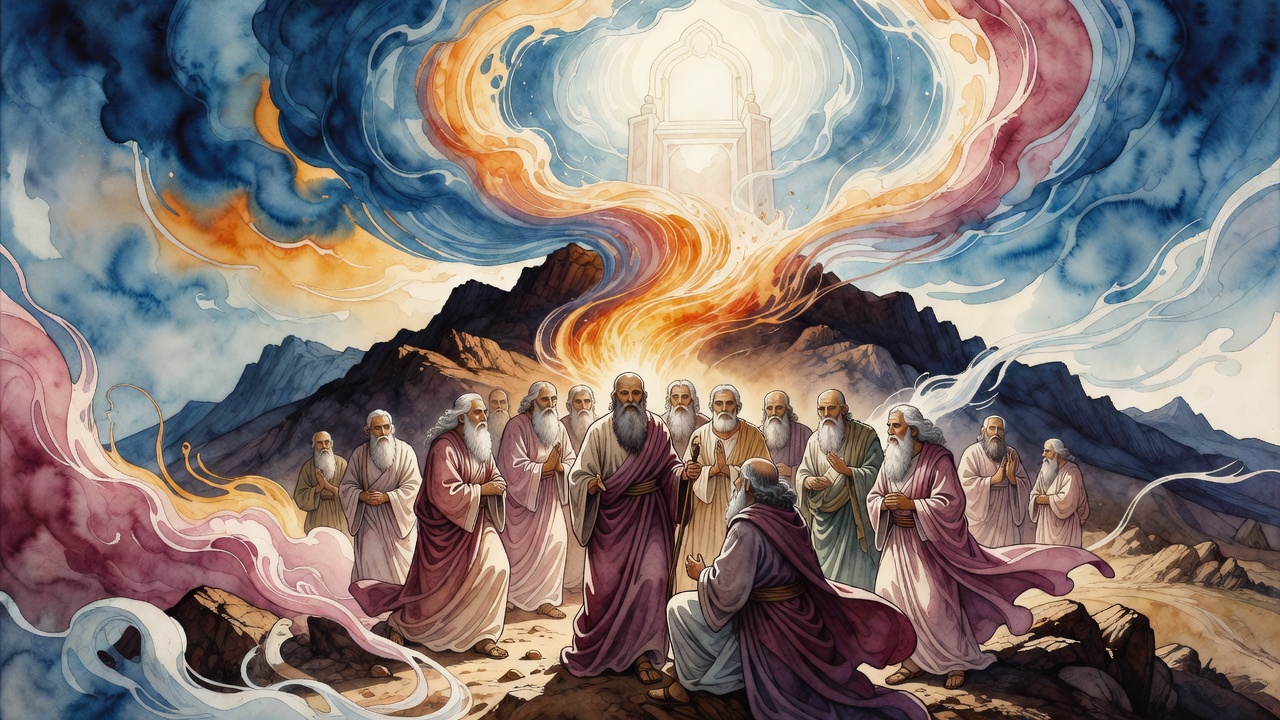
Moses did not argue from the courtyard. He went into the Tent of Meeting with Aaron. They asked for mercy. When the two brothers came out and blessed the people a second time, the glory of the Lord appeared before all Israel at last. Fire that had been held back dropped from heaven and consumed the offerings, and the nation that had been lying with its face in the dirt shouted.
Not a polished prayer. A shout. Former slaves in a wilderness watched heaven take a house their hands had built, and what left their throats was joy with no liturgy yet written for it.
The Presence had waited. It had not come during Moses' seven days of perfect substitute service. It had not come while Aaron, properly robed, still stood off to the side in his shame. It waited until the man who was chosen stood in the place, and until the brother who had pulled him there went in with him and asked. Moses could raise the boards. He could not make them occupied. That took Aaron's feet on the stones and a brother's hand on a sleeve.
← All myths