Parshat Vayechi6 min read

The Fall of the Messiah Son of Joseph and the King Who Slays Armillus

A warrior anointed from Ephraim rises to rebuild the Temple and falls, until the king from Judah descends girded for battle to slay the tyrant.

Curated by Arthur · Told by Maggid ·
Table of Contents
  1. The Anointed of Ephraim Falls in the Street
  2. The Patriarchs Stand in Nisan and Bless the Sufferer
  3. God Lifts the Sufferer and Names His Reward
  4. The King from Judah Descends Girded for War
  5. Peace Multiplies on the Holy Mountain

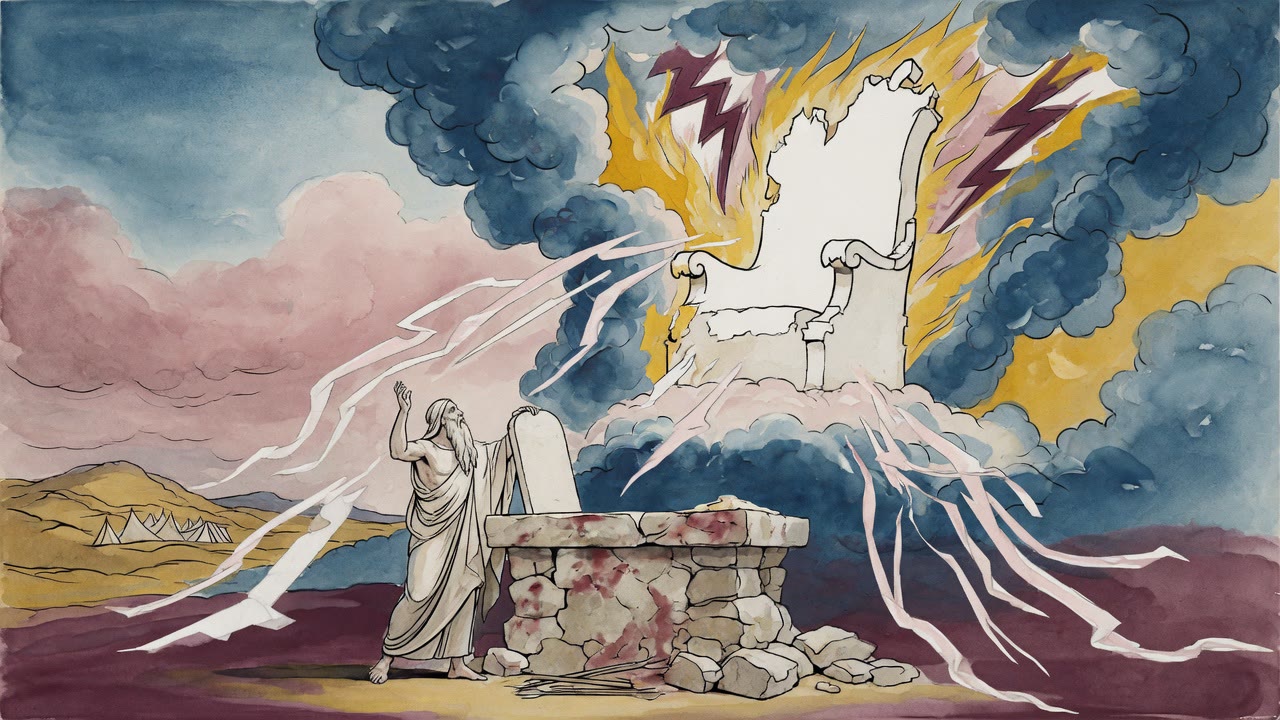
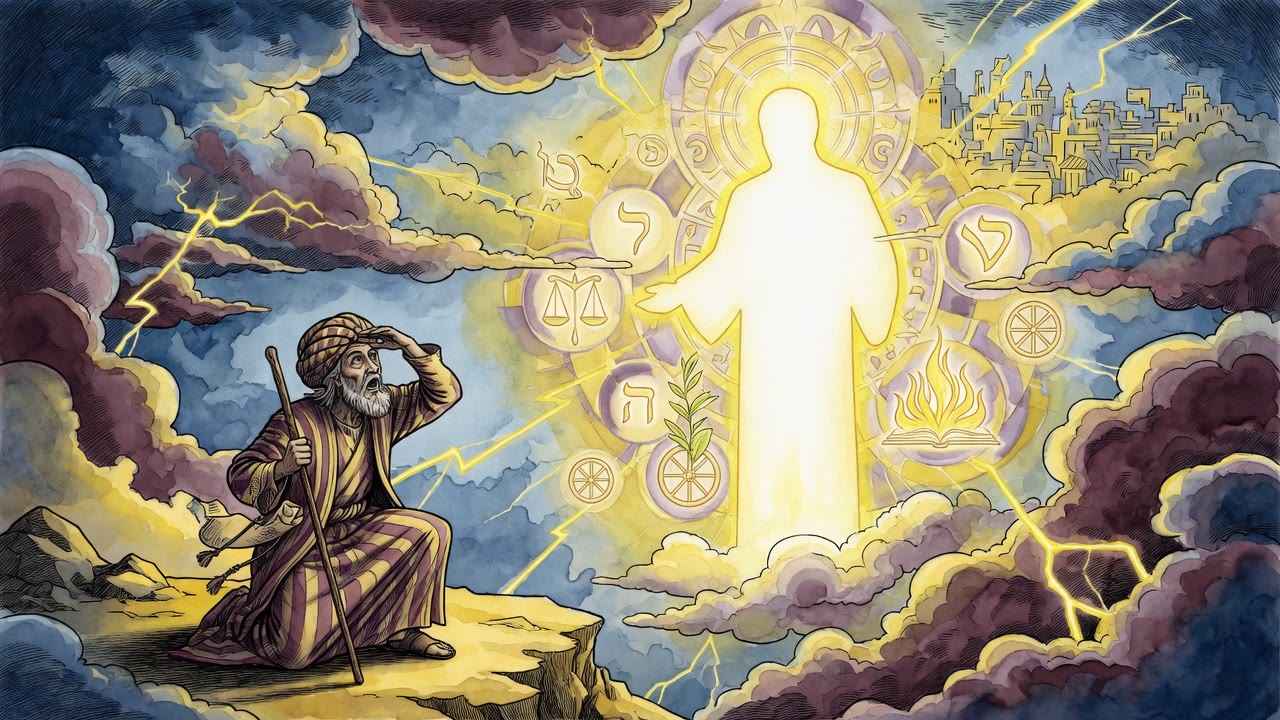
The roof of the rebuilt Temple was still warm with new mortar when the king climbed onto it and turned toward the exiles. He had come up out of the line of Ephraim, son of Joseph, and he had fought to stand where he stood. Stones had been raised. Walls had risen. Now he lifted his voice over the gathered poor and cried out, "Humble ones, the time of your redemption has arrived."
A light fell across them as he spoke. He pointed to it. "Arise, shine, for your light has come, and the glory of the Lord has shone upon you." The nations saw the brightness and walked toward it. Kings came stumbling, dropping to the dust at his feet. Ten men of every tongue seized the hem of a single Jew and would not let go, saying, "Let us go with you, for we have heard that God is with you."

The Anointed of Ephraim Falls in the Street

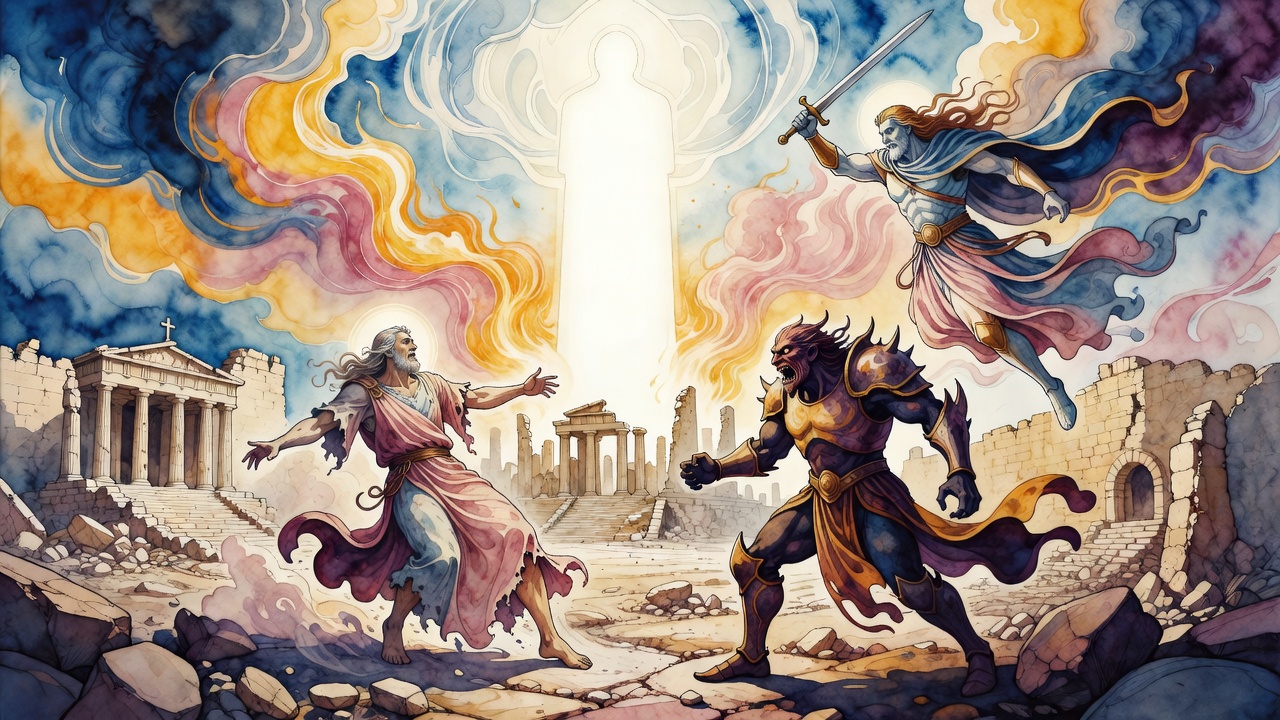
But this Messiah was not the end of the story, and he knew it. The line of Joseph has always been the line that suffers first. He had been laughed at and mocked by the nations for Israel's sake. The triumph on the roof did not erase the war still waiting below, and the war took him. The anointed son of Ephraim fell, and the rebuilt walls stood over a leaderless people.

Out of that vacuum rose the thing that had been waiting. Armillus the wicked spread his rule across the earth, the tyrant the world produces whenever heaven goes quiet, the king who grinds the widow and the orphan and calls it order. No one stood against him. The roads belonged to him. The blood of the slain belonged to him.

The Patriarchs Stand in Nisan and Bless the Sufferer

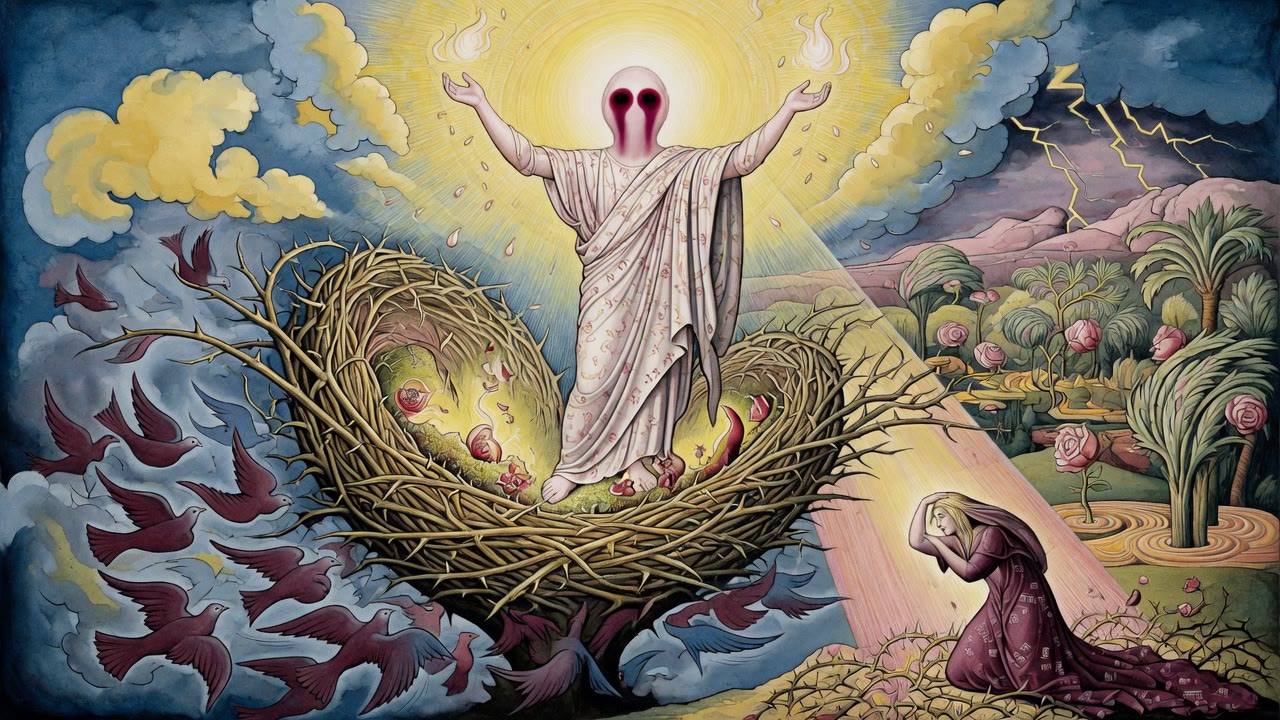
While Armillus reigned, something no army could see was happening. In the month of Nisan, the month of the broken bread and the first redemption, the fathers of the world rose to their feet. Abraham, Isaac, and Jacob came and stood before the spirit of Ephraim, who had sat so long in darkness and gloom.

His skin had shriveled. His body was dry as a dead tree. His eyes had gone dim from fasting. And the patriarchs, who had buried sons and wrestled angels and bound their own children on altars, bowed their heads to him. "Even though we are your fathers, you are better than us," they said, "because you suffered the sins of our children. You were laughed at and mocked by the nations for Israel's sake." Then they comforted him. "Rest your mind, for you have rested the mind of your Maker, and our minds with it."

God Lifts the Sufferer and Names His Reward

Then God raised the anointed one of Ephraim into the highest heavens and clothed him in glory. He set before him the judgment of the wicked nations, acknowledging that only this one's compassion had kept them from destruction. "Is Ephraim a son who is dear to me," God said, "that I should surely have compassion on him?"

One hundred and forty kingdoms had massed against him. He was afraid. "Do not fear them," God told him, "for all of these will die at the breath of your lips." Then God built seven canopies of precious stones, and rivers ran beneath them, wine and milk and honey and pure persimmon. God embraced him before all the righteous and swore that he had not yet received half of his reward, a reward no eye had ever seen. The north and south winds carried perfumes out of the Garden of Eden, so the air around him smelled of paradise.

The King from Judah Descends Girded for War

Now the other Messiah came, the one the tyrant had been waiting for without knowing it. He arose from the house of Judah, from the sons of Jesse. How beautiful was the king, the Meshiha of Judah. He girded his loins and descended and arrayed the battle against his adversaries.

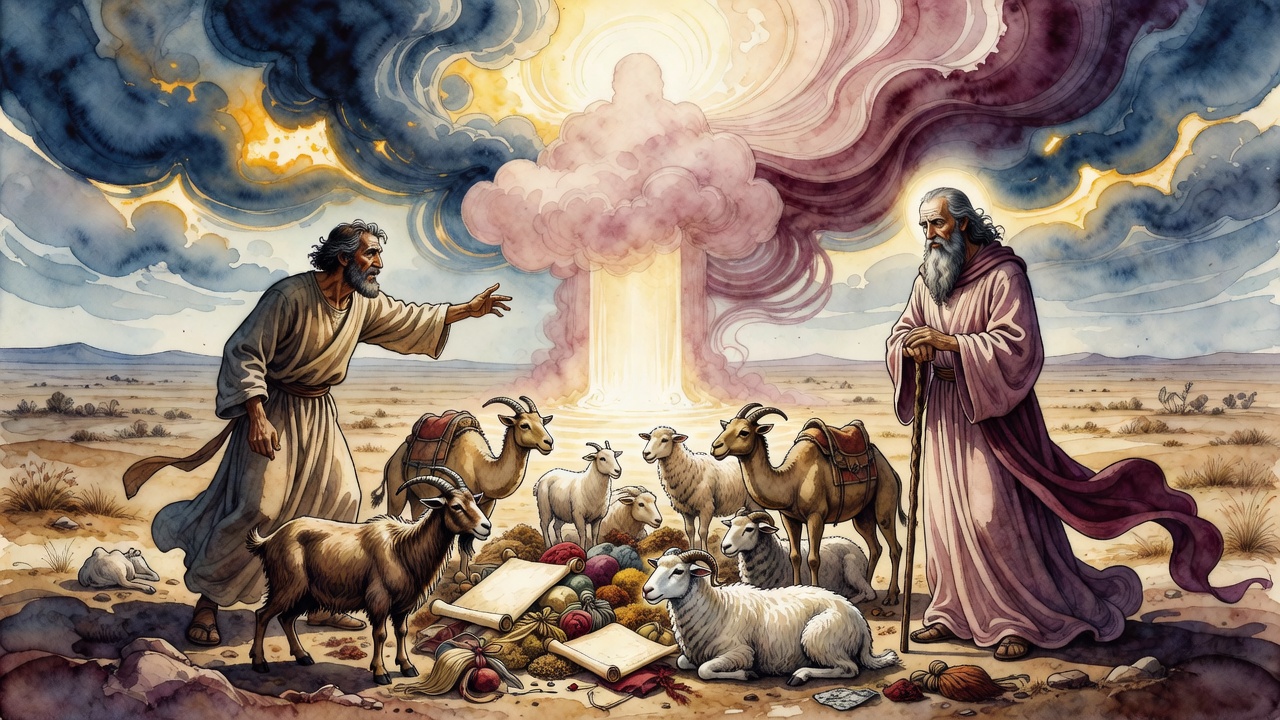
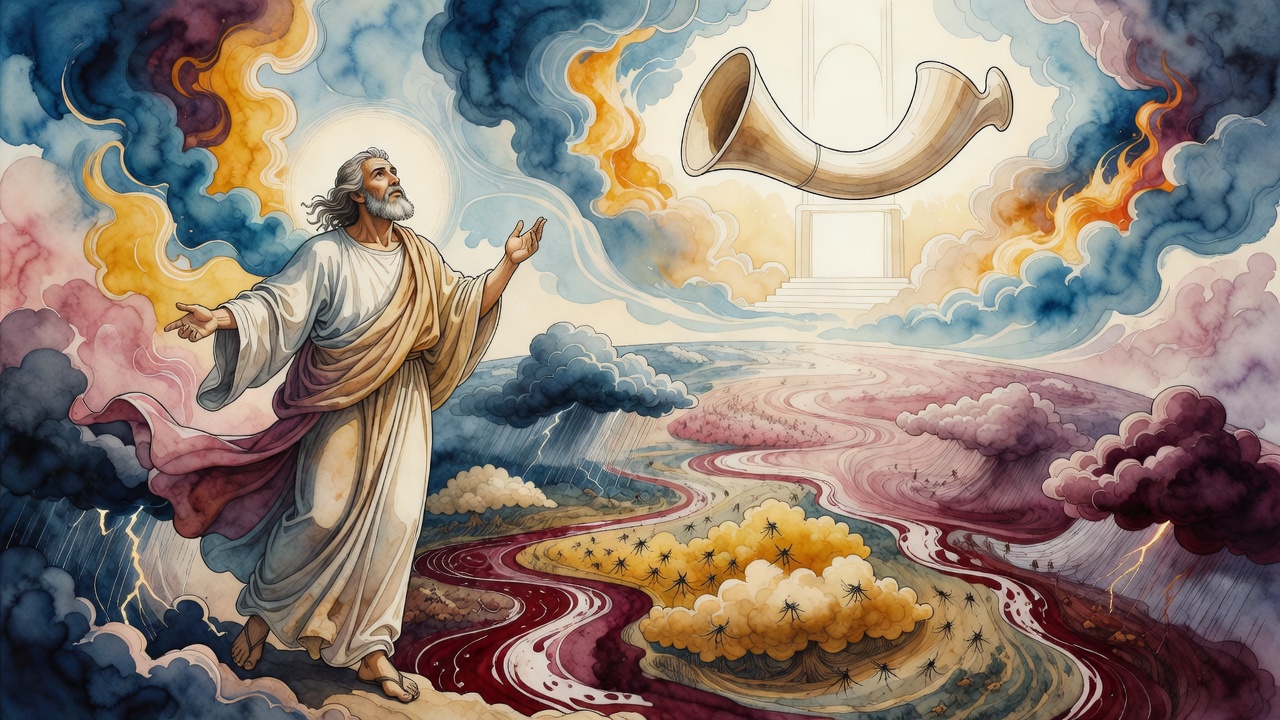
Upon him rested the spirit of prophecy from before the Lord, the spirit of wisdom and understanding, of counsel and might, of knowledge and the fear of the Lord. He did not judge by what his eyes saw or reprove by what his ears heard. With righteousness he judged the poor and defended the needy of the earth. And he did not destroy Armillus with sword or spear. He smote the sinners of the earth with the word of his mouth. With the breath of his lips he slew Armillus the wicked, the way a man blows out a lamp.

His garments came back soaked red, as if he had been treading a winepress, dipped in the blood of kings who had thought no one could stand before them. The mountains turned red beneath them. And when the last tyrant was gone, the earlier troubles were forgotten, the way a traveler who escapes a wolf and then a lion forgets both when the snake is finally dead.

Peace Multiplies on the Holy Mountain

Then the righteous gathered around the king, the workers of faith drew near, and peace began to multiply across the earth. The wolf lay down with the lamb. The leopard stretched out beside the kid. The calf and the lion and the fatling fed together, and a small child walked among them, leading them by the hand. The cow and the bear grazed side by side, and the lion ate straw like an ox.

A nursing infant played over the hole of the asp. A weaned child reached his bare hand toward the den of the cockatrice and was not bitten. Nothing hurt and nothing destroyed on all the holy mountain, because the earth had filled with the knowledge of the fear of the Lord, as deep as the waters that cover the sea. Two anointed kings, one who died and one who conquered, and only the second keeps the peace the first one paid for.


← All myths
From the tradition

Sources

5 sources

The texts this telling draws on, in full. Open a card to read inline, or expand it for a wider, quieter read.

Targum Jonathan on Isaiah 11:1-9Targum Jonathan on Prophets

And a king shall come forth from the sons of Jesse, and from his children's children the Messiah shall be anointed.

And there shall dwell upon him the spirit of prophecy from before the Lord: the spirit of wisdom and understanding, the spirit of counsel and might, the spirit of knowledge and of the fear of the Lord.

He shall bring him to the fear of the Lord: and he shall not judge according to the sight of His eyes, neither reprove after the hearing of his ears.

But with righteousness shall he judge the poor, and reprove with faithfulness the needy of the earth; and he shall smite the sinners of the earth with the word of his mouth, and with the speech of His lips he shall slay Armillus the wicked.

And the righteous shall be round about him, and the workers of faith shall draw nigh unto him.

In the days of the Messiah of Israel peace shall be multiplied in the earth. The wolf shall dwell with the lamb, and the leopard shall dwell with the kid; and the calf, and the lion, and the fatling together; and a little sucking child shall be leading them.

And the cow and the bear shall feed together, their young ones shall lie down together; and the lion shall eat straw like the ox.

And the sucking child shall play on the hole of the asp, and the weaned child shall put forth his hand on the sight of the pupil of the eyes of the cockatrice.

They shall not hurt nor destroy in all my holy mountain, for the earth shall be full of the knowledge of the fear of the Lord, as the waters cover the sea.

Full source
Yalkut Shimoni on Nach 499:2Yalkut Shimoni on Nach

What would it look like? What would it feel like? The ancient sages, wrestling with these questions, painted a vivid picture, one brimming with hope, justice, and a touch of the miraculous.

The Yalkut Shimoni, a compilation of midrashic (rabbinic interpretive commentary) teachings, gives us one such vision. Specifically, Yalkut Shimoni on Nach 499 offers a powerful depiction of the coming of the Mashiach (Messiah) and the restoration of Israel. It's a passage that's both triumphant and deeply moving.

The anointed king, the Mashiach, stands on the roof of the Temple, proclaiming the arrival of redemption. "Humble ones!" he cries out, "The time of your redemption has arrived!" He encourages them to believe, pointing to a light that shines upon them, echoing the words of Isaiah: "Arise, shine, for your light has come, and the glory of the Lord has shone upon you" (Isaiah 60:1).

This light isn't just for Israel. The nations will be drawn to it, walking by its brilliance. Kings will come, licking the dust at the feet of the Mashiach, acknowledging his authority. They will seek to serve Israel, with each Israelite having 1,800 servants, drawing on the prophecy in Zechariah: "In those days, when ten men of all the languages of the nations shall take hold of the skirt of a Jewish man, saying, 'Let us go with you, for we have heard that God is with you'" (Zechariah 8:23).

But the most poignant part of this vision involves Ephraim, often seen as a representative of the suffering and exiled people of Israel. The "fathers of the world" – the patriarchs – will stand in Nisan, the month of Passover, and address Ephraim. They acknowledge his suffering, the pain he endured for the sake of their children. "Even though we are your fathers, you are better than us," they say, "because you suffered the sins of our children… you were laughed at and mocked by the nations for Israel's sake."

Imagine that: The ancestors themselves recognizing the immense sacrifice made by the generations who endured hardship and persecution.

Ephraim, according to this midrash, sat "in darkness and gloom," his "skin shriveled," his "body… as dry as a tree," his "eyes were dim from fasting." All this, we are told, was "because of the sins of our children." It's a powerful image of collective suffering.

He assures them that his suffering was for their sake, for the sake of their children's future joy. The patriarchs, in turn, comfort him, telling him to "rest your mind, for you have rested the mind of your Maker and our minds."

Rabbi Shimon ben Pazi adds another layer to this remarkable scene. God will lift up the Mashiach to the highest heavens, showering him with glory, as it's written in Remez 1048. God then asks Ephraim to judge the wicked nations, acknowledging that only Ephraim's compassion has prevented their destruction. This draws on (Jeremiah 31:20), "Is Ephraim a son who is dear to Me?… I will surely have compassion on him." The double use of "compassion," the midrash explains, refers to both Ephraim's suffering in captivity and his triumph over his enemies.

Ephraim faces immense opposition – not just one or two kingdoms, but one hundred and forty! But God reassures him: "Do not be afraid of them, for all these will die at the breath of your lips," echoing (Isaiah 11:4), "and with the breath of his lips he shall put the wicked to death."

Finally, God creates seven canopies for the Mashiach, filled with precious stones and flowing with rivers of wine, milk, honey, and pure persimmon. God embraces him before all the righteous, declaring that Ephraim has not yet received half of his reward, a reward "that no eye has ever seen," invoking (Isaiah 64:4), "No eye had ever seen a god besides You." God then commands the north and south winds to bring perfumes from the Garden of Eden to honor Ephraim, quoting (Song of Songs 4:16), "Awake, O north wind, and come, O south wind; blow upon my garden."

What does it all mean? This midrash isn't just a literal prediction. It's a powerful statement about the nature of suffering, redemption, and the ultimate triumph of good. It suggests that even in the darkest of times, hope remains. That those who suffer for the sake of others will ultimately be vindicated and rewarded beyond measure.

And perhaps most importantly, it reminds us that the process of redemption isn't just about political or military victory. It's about healing, reconciliation, and acknowledging the pain of the past. It’s about the Mashiach not just as a king, but as a figure of compassion, who understands and embodies the suffering of his people.

Full source
Targum Pseudo-Jonathan on Genesis 49:11Targum Pseudo-Jonathan on Genesis

The Targum Pseudo-Jonathan does not describe a gentle Messiah. It describes a warrior king who ends the reign of tyrants. "How beauteous is the King, the Meshiha who will arise from the house of Jehuda! He hath girded his loins, and descended, and arrayed the battle against his adversaries" (Genesis 49:11).

The image comes from the Hebrew verse about Judah "washing his garments in wine", a line that already hinted at a winepress of judgment (echoed in (Isaiah 63:1-3), where the Holy One comes from Edom with garments stained like one who treads grapes). The Aramaic makes the picture explicit. The Messiah's robes are soaked because he has just ended a war.

"Slaying kings with their rulers; neither is there any king or ruler who shall stand before him. The mountains become red with the blood of their slain; his garments, dipped in blood, are like the outpressed juice of grapes."

The vision is fierce, but it is not bloodlust. In Jewish tradition, the Messiah does not inaugurate his reign by asking the wicked to reform. He defeats the powers that oppress Israel, the tyrants who slaughter the innocent, the empires that grind widows and orphans. Only then does peace come. The Targum's Messiah is beautiful precisely because he finishes what human justice could not.

Full source
Tosefta Berakhot 1:13Tosefta

Similarly: "Do not remember the former things" (Isaiah 43:18). "Do not remember the former things" refers to the burden of the kingdoms. "Do not consider the things of old" refers to the burden of Egypt. "Behold, I am doing a new thing; now it springs forth; will you not know it?" (Isaiah 43:19) refers to the war of Gog.

To what is the matter like? To someone walking on the road who met a wolf and was saved from it. He told the story of the wolf. Then he met a lion and was saved from it, and he told the story of the lion. Then he met a snake and was saved from it, and he forgot both earlier stories and told the story of the snake. So too with Israel: the later troubles make the earlier ones forgotten.

Full source
Yalkut Shimoni on Nach 499:2Yalkut Shimoni

Our Rabbis taught: At the time that the anointed king comes, he [will] stand on the roof of the temple and announce to Israel and say "Humble ones! The time of your redemption has arrived, and if you do not believe, look at my light that has shined upon you, as it is said, 'Arise, shine, for your light has come, and the glory of the Lord has shone upon you.' But not upon the idolaters, as it is said 'For behold, darkness shall cover the earth.'" At that time, the Holy One, blessed be He, [will] shine the light of the anointed king and of Israel, and they [will] all walk by the light of the anointed king and of Israel, as it is said, 'And nations shall go by your light and kings by the brilliance of your shine', and they [will] come and lick the dust under the feet of the anointed king, as it is said, 'and they shall lick the dust of your feet', and they [will] all come and fall on their faces in front of the the anointed one and in front of Israel and say "Let us be servants for you and for Israel", and each one of Israel will have for himself 1,800 servants, as it is said, 'In those days, when ten men of all the languages of the nations shall take hold of the skirt of a Jewish man, saying, "Let us go with you, for we have heard that God is with you." Our Rabbis taught: The fathers of the world are destined to stand in Nisan and say to Efraim "our righteous anointed one! Even though we are you fathers, you are better than us because you suffered the sins of our children and harsh and evil things have befallen you which have not befallen the former ones or the latter ones, and you were laughed at and mocked by the nations for Israel's sake, and you sat in darkness and gloom, and your eyes did not see light, and your skin shriveled upon you, and your body was as dry as a tree, and your eyes were dim from fasting, and your palate was as dry as clay, and all this because of the sins of our children. Your desire is that our children will enjoy this goodness that the Holy One, blessed be He, has bestowed upon Israel. Perhaps because of the sorrow that you have caused them to suffer greatly, and because you have confined them in the house of imprisonment, your mind is not at ease with them." He [will] say to them, "Fathers of the world! All that I have done I have only done for you and for your children to enjoy this goodness that the Holy One, blessed be He, has bestowed upon Israel." The fathers of the world [will] say to him, "Ephraim, our righteous anointed one! Rest your mind for you have rested the mind of your Maker and our minds. Rabbi Shimon ben Pazi said: At that time, the Holy One, blessed be He, [will] lift up the anointed one to the highest heavens and spread over him the radiance of His glory from the nations of the world, from the wicked Persians. They [will] say to him, "Ephraim, our righteous anointed one, be judge over these and do with them what your soul desires for if it were not for the compassion that has overcome you, they would have already destroyed you from the world in one moment, as it is said, 'Is Ephraim a son who is dear to Me?', etc." What is [the meaning of] 'I will surely have compassion on him', twice? Rather, [it means] "'Compassion' when he was confined in the house of the prisoners, where every day they would gnash their teeth, wink with their eyes, shake their heads, and mutter with their lips, as it is said, 'All who see me will mock me; they will open their lips, they will shake their head.' "'I will have compassion on him' when he comes out of the house of the prisoners. Not one or two kingdoms come upon him, but one hundred and forty kingdoms surround him. And the Holy One, blessed be He [will] say to him, "Ephraim, our righteous anointed one! Do not be afraid of them, for all these will die at the breath of your lips, as it is said, 'and with the breath of his lips he shall put the wicked to death.'" Immediately, the Holy One, blessed be He, [will] make for the anointed one seven canopies of fine stones, pearls, and emeralds, and from each canopy [will] flow forth forty-four rivers of wine, milk, honey, and pure persimmon. And the Holy One, blessed be He, [will] embrace him before the righteous people and bring him into the canopy, and all the righteous [will] see him. And the Holy One, blessed be He, [will] say to them, "Righteous people of the world" Ephraim, My righteous anointed one, has still not taken half of his anguish. I still have one measure that I [will] give him that no eye has ever seen, as it is said, 'No eye had ever seen a god besides You" (written in Remez 1048). At that time, the Holy One, blessed be He, [will] call to the north wind and the south wind and say to them, "Honour and lie down before Ephraim, My righteous anointed one, with all kinds of perfumes that are in the Garden of Eden, as it is said, 'Awake, O north wind, and come, O south wind; blow upon my garden,' etc.

Full source