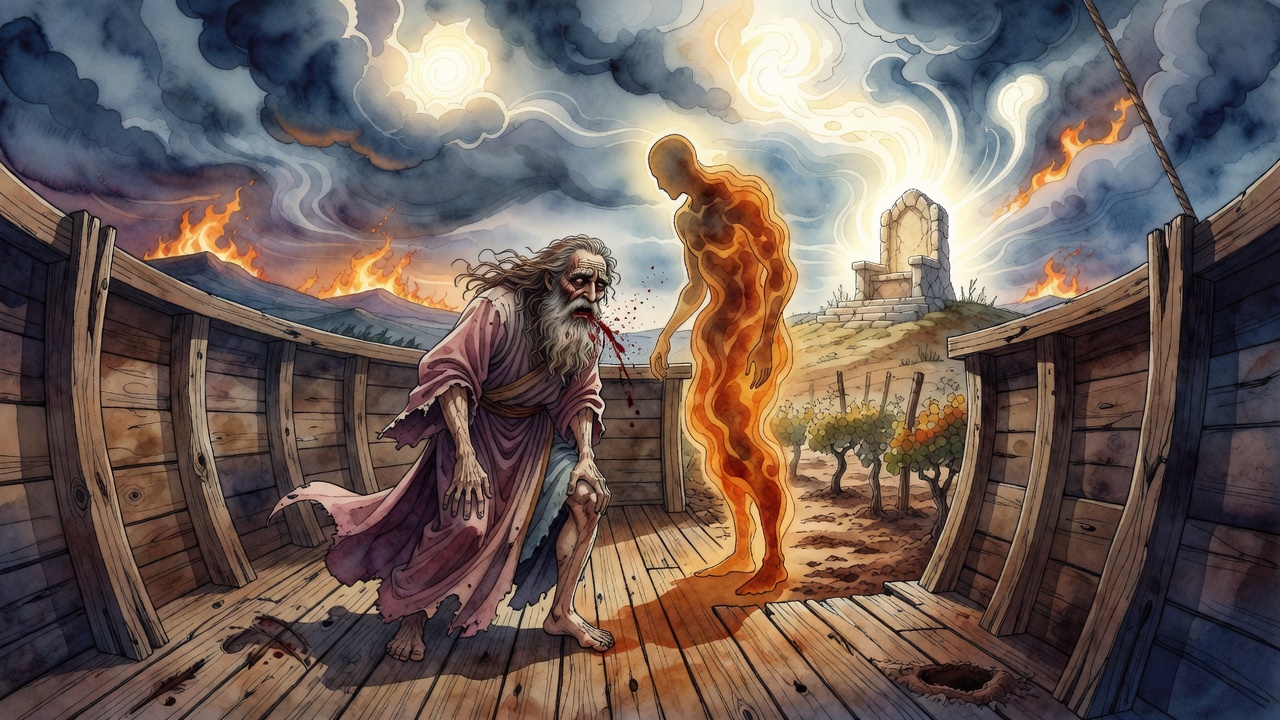
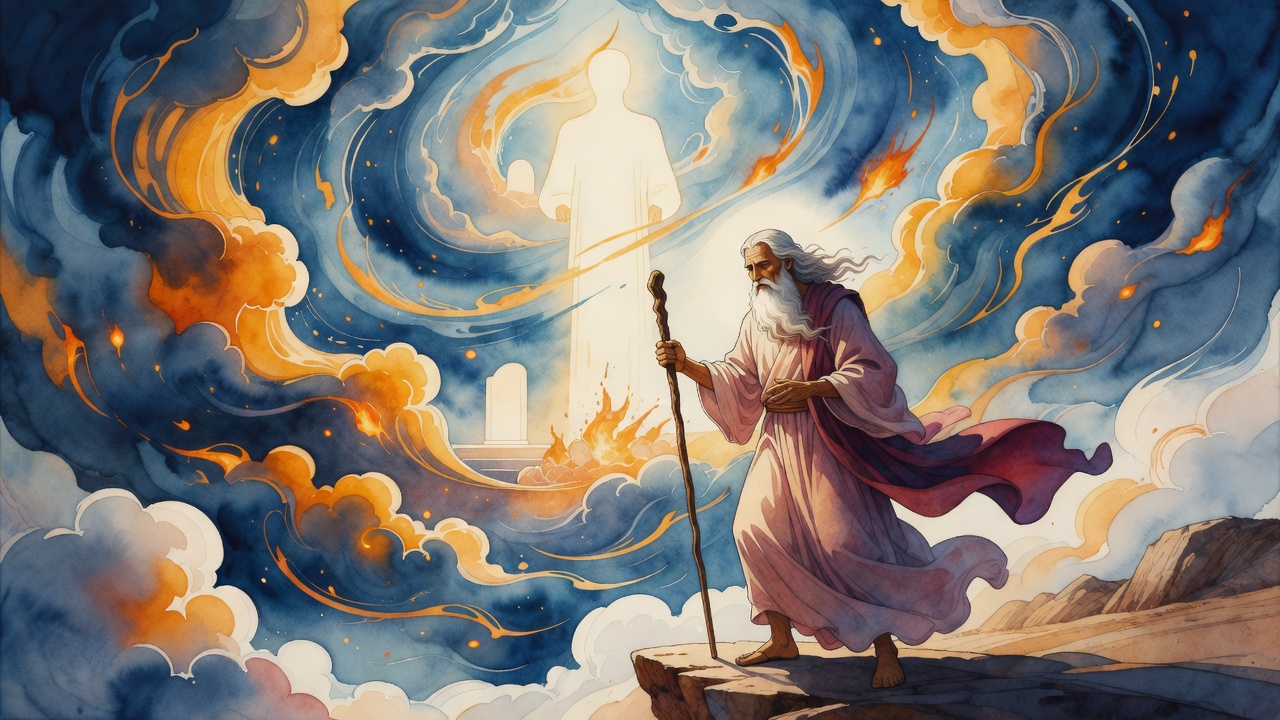
The Farmer Who Left His Hedge Open for Shabbat
On Shabbat he caught a fence plan forming in his head. He vowed never to close the gap. A rare tree took the hole instead.
Table of Contents
The hedge had fallen in more than one place, and the farmer caught himself mending it in his head while the day was still holy.
 Click for full size
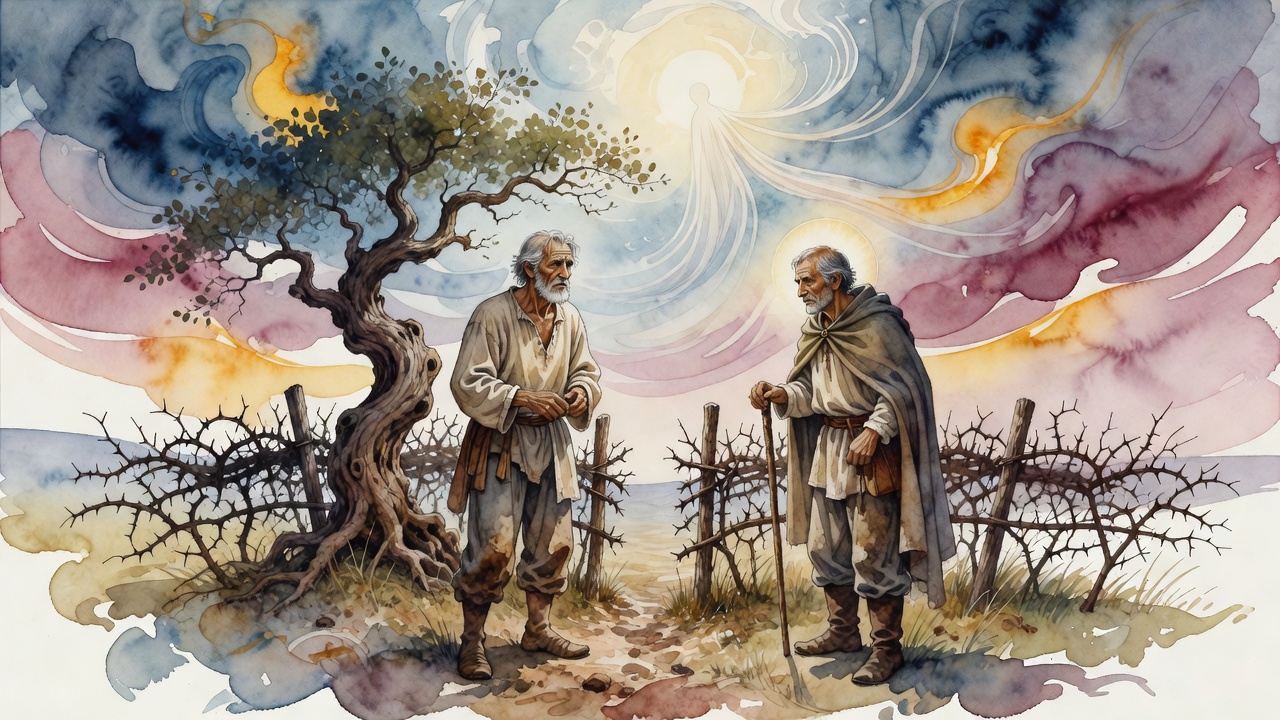
Animals could nose through. Thieves could step through. Any practical man would have spent the week weaving branches and driving stakes. This man was practical enough to see the gaps. He was also pious enough to notice when the seeing turned into planning on Shabbat.
He Caught the Plan on the Holy Day
In his mind he was already working. Here a new post. There a woven panel. This section first because the path runs near it.
He caught the thought like a thief in his own skull. The day is a sanctuary in time. Not only the hands rest. The scheming for weekday labor rests. He stood in the vineyard with the sun on the broken hedge and made a vow that looked insane from the road.
"Because this plan was born on Shabbat," he said, "I will never mend the hedge at all."
Better an open vineyard than fruit from a desecrated intention. He could have waited until nightfall and mended like any Israelite. He chose a stricter fence around the day than around the field.
A Rare Tree Took the Gap
The gap stayed. Weeks went by. The vines were still the vines. The hole in the hedge was still a hole. Neighbors who understood posts better than vows had no category for this kind of management. They walked past and shook their heads.
Then a tree took root in the very gap where the hedge had failed. Not a weed. A rare and valuable growth, a species so uncommon that its worth outran anything the vines had ever paid. It stood in the place a fence would have occupied, and it paid more than a fence could have held.
The man who had refused to profit from a Sabbath thought walked out one morning and found treasure growing in the hole he had left for Heaven.
Three Years and Empty Hands
Another man worked three full years for a master and then asked for his wages so he could go home to wife and children.
"Pay me," he said. "I have a house waiting."
"I have no money," the master said.
Cattle? None. Land? None. Produce? None. Clothing? Nothing. Each request met the same wall. The laborer stood in the yard with an empty pack and a finished term, and he did not curse. He did not haul the man to court. He slung the pack, turned toward the road, and built charitable explanations as he walked.
Perhaps the money was locked in a venture. Perhaps the cattle were pledged. Perhaps the fruit was still untithed. Perhaps the garments had been vowed to Heaven. He kept those guesses in his mouth the whole way home.
The Caravan Came Down the Road
Later the master arrived with a caravan of donkeys, goods, money, food, drink, and fine clothes. He paid all that was owed and more. Then he confirmed every generous guess.
"The money was sunk in a business," he said. "The cattle were pledged. The fruit was not yet tithed. The clothes were a votive offering. You judged me favorably. May God judge you favorably in return."
The empty pack had been a test the laborer did not know he was taking. He had walked home unpaid rather than decide that the man who owed him was a thief. The caravan came down the road anyway, loaded, and the blessing came with it.
The Hedge Stayed Open
From the road the vineyard still looked neglected, even after the tree came. From the road the laborer had looked like a fool walking home unpaid. Holiness often looks like bad management for one scene. A single glance cannot tell a vow from laziness, or patience from defeat.
The farmer never closed the gap. The tree kept the place a fence would have taken. The laborer never sued. The master came after him with more than wages. Two refusals, two repayments, neither of them visible from the road on the day the refusal was made.
The open hedge and the empty pack stayed where they were. The rare tree stood in the hole. The donkeys came down the road with their loads. Neither man had filled the lack with his own cleverness, and the lack did not stay empty.
← All myths