27 myths
Each story names the sources it was written from.
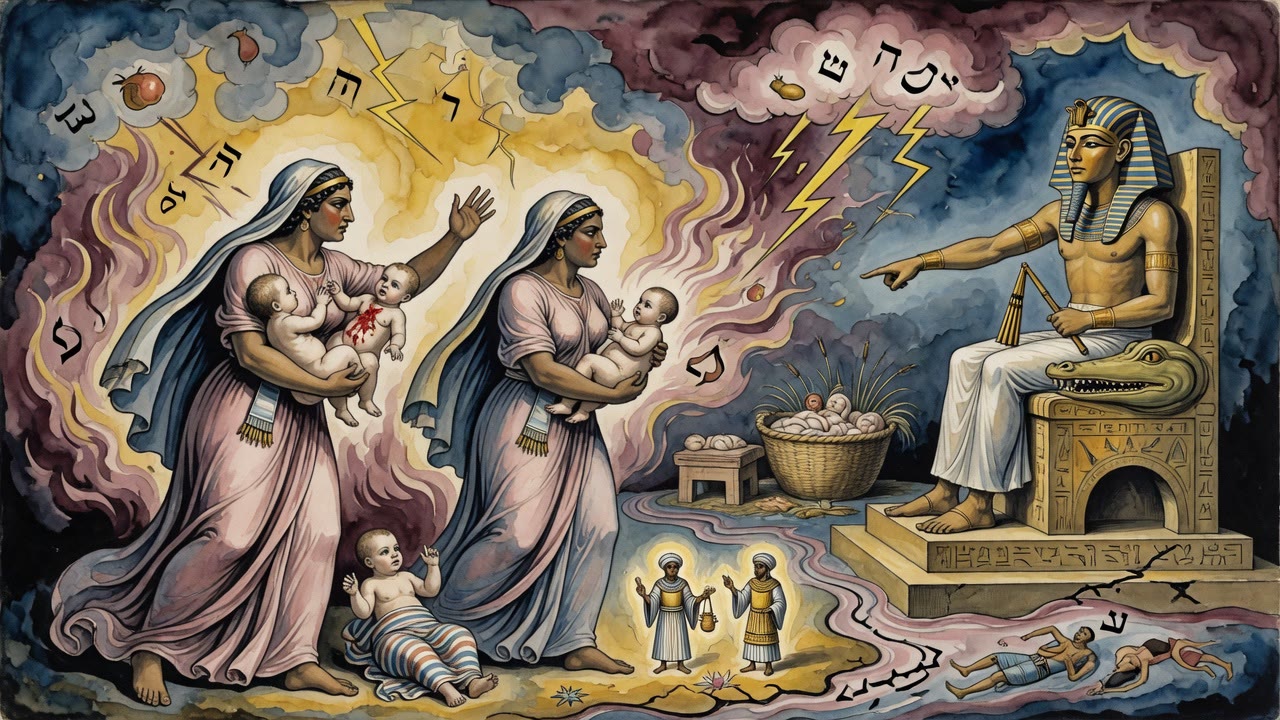
Shiphrah and Puah faced Pharaoh in the birth room, fed the children he wanted dead, and were repaid with priests, prophets, kings, and builders.
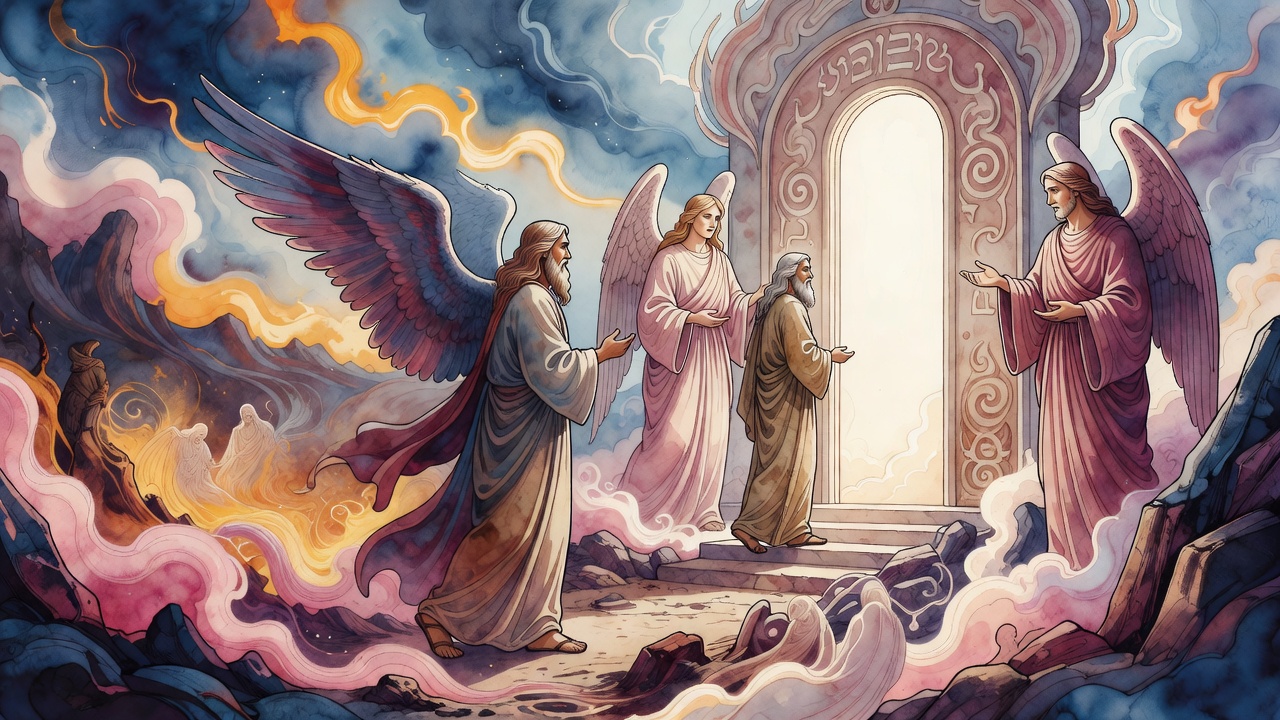
Gabriel led Moses through Gehinnom (afterlife of judgment) first, then to Paradise, where two angels at the gate said something no living visitor had ever.
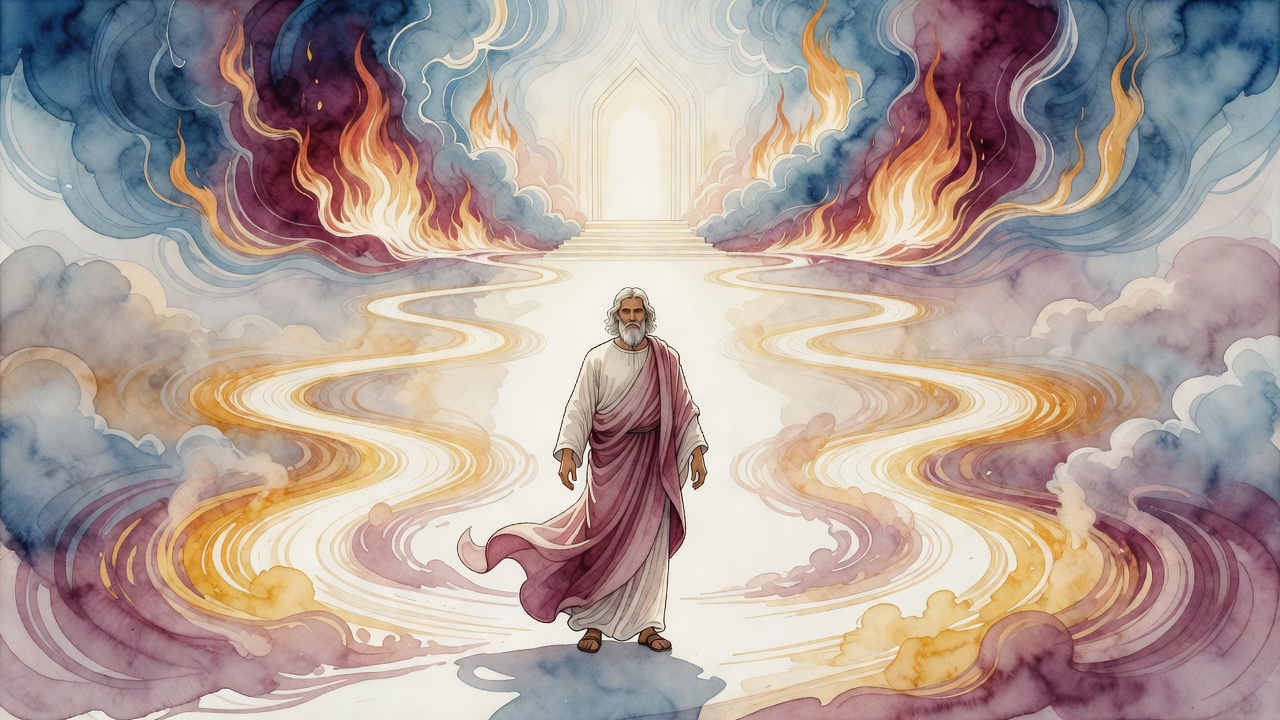
Samuel poured water at Mizpah while the Philistines came up the road. Later God named the place he had stood, between two goods.
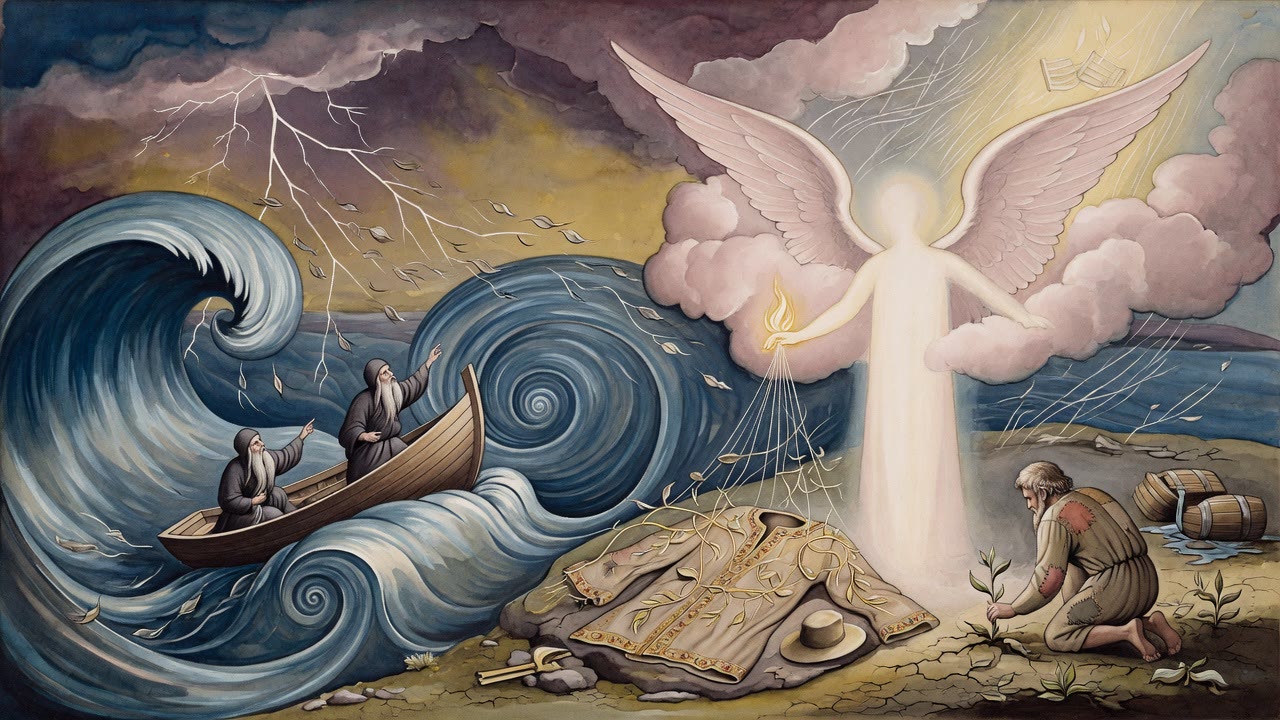
Driven into forbidden seas, two sages prove the ocean drinks its own water, then meet an angel stitching light for a gardener no one noticed.
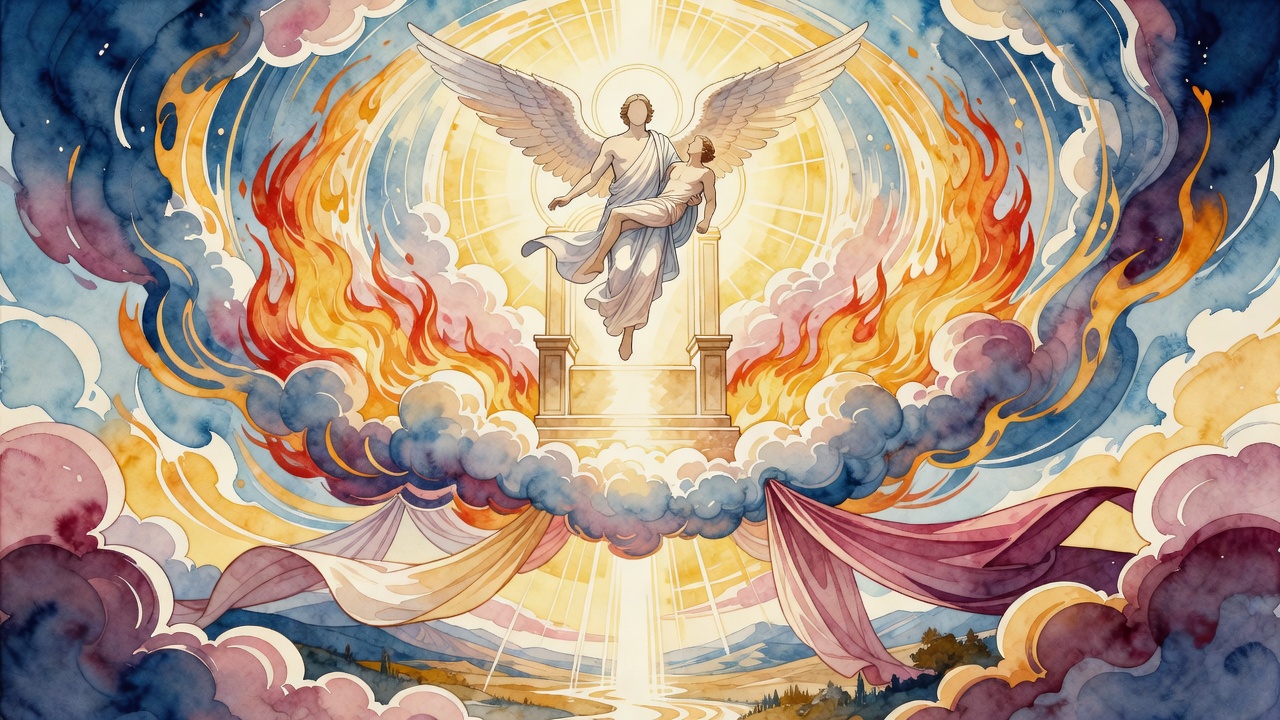
God carried Adam, one day old and still wet from the river of Eden, past every gate to the highest heaven. The first man sang his hymn to the day, not to God.
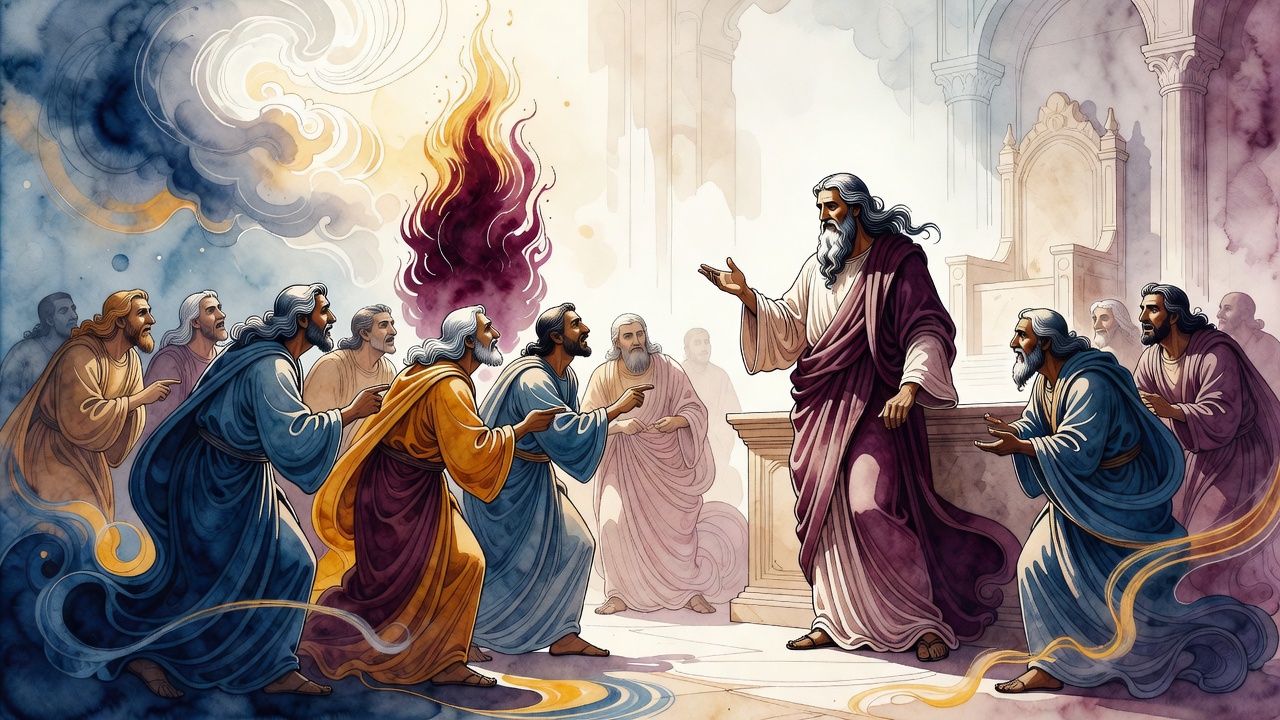
A king called one laborer out of the field for a walk. The others stayed at work all day. At evening the man lined up for wages, having worked two hours.
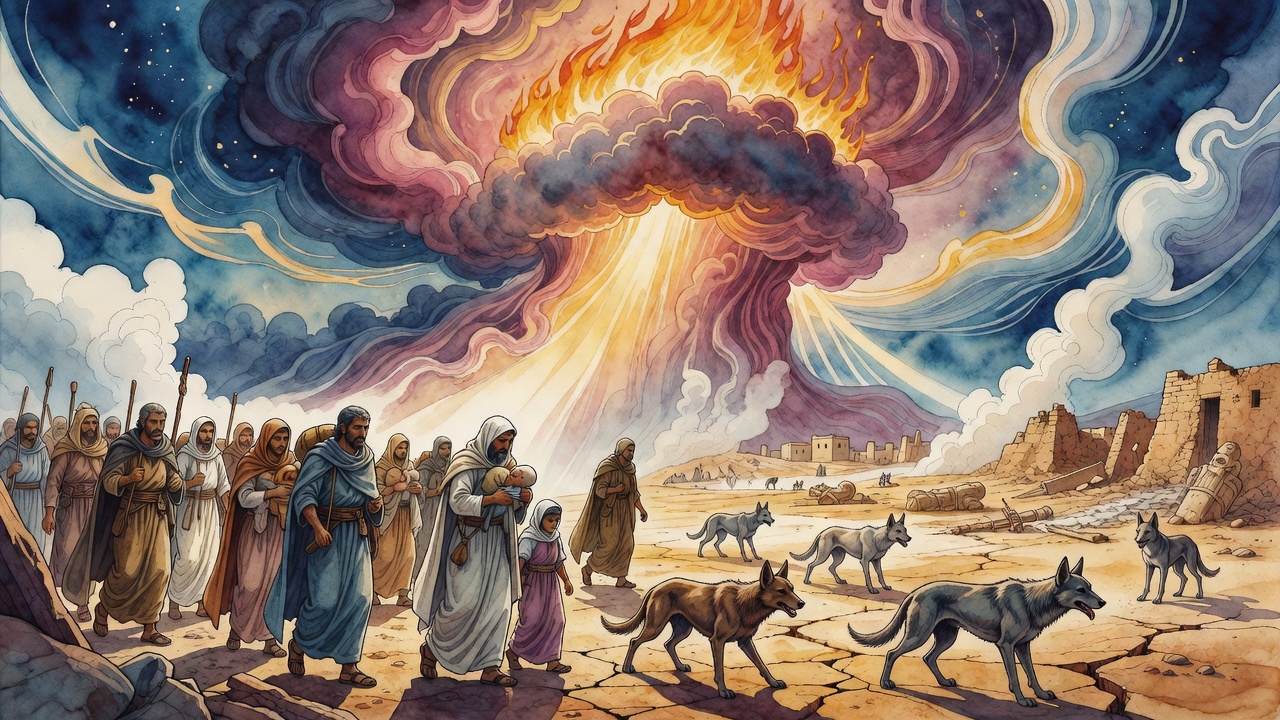
On the night Egypt broke, no dog sharpened its tongue. Israel walked out under a silence Heaven later paid back in full.
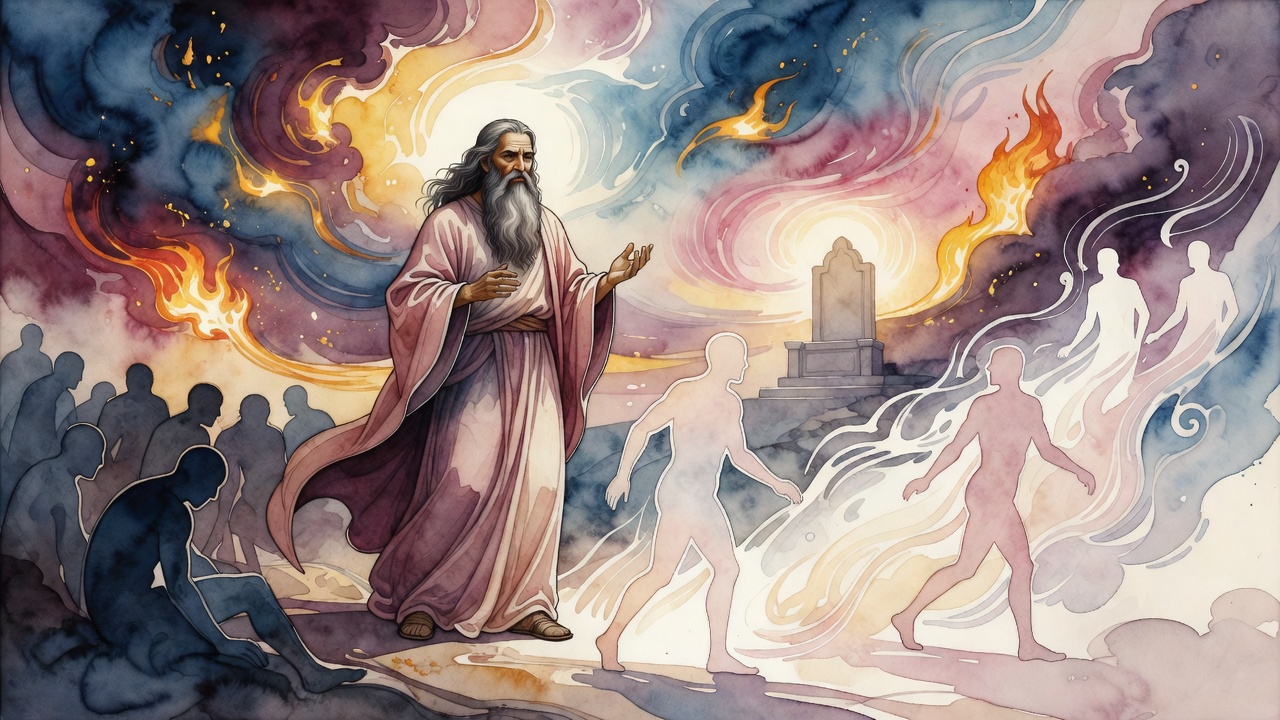
The students wanted the dead man's full wage counted while he was still warm. Rav Chiya waits. He left the ledger closed.
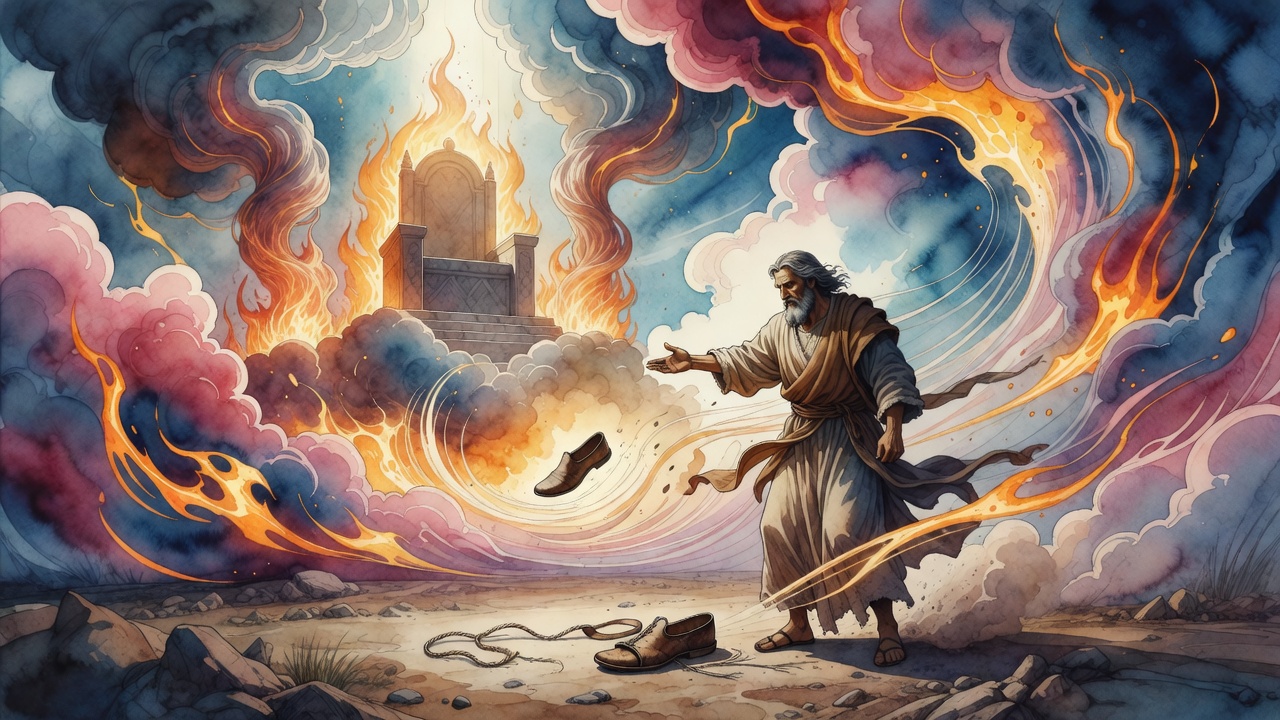
The king of Sodom pushed the goods across the dust. Abraham would not take a strap that would let that king claim him.
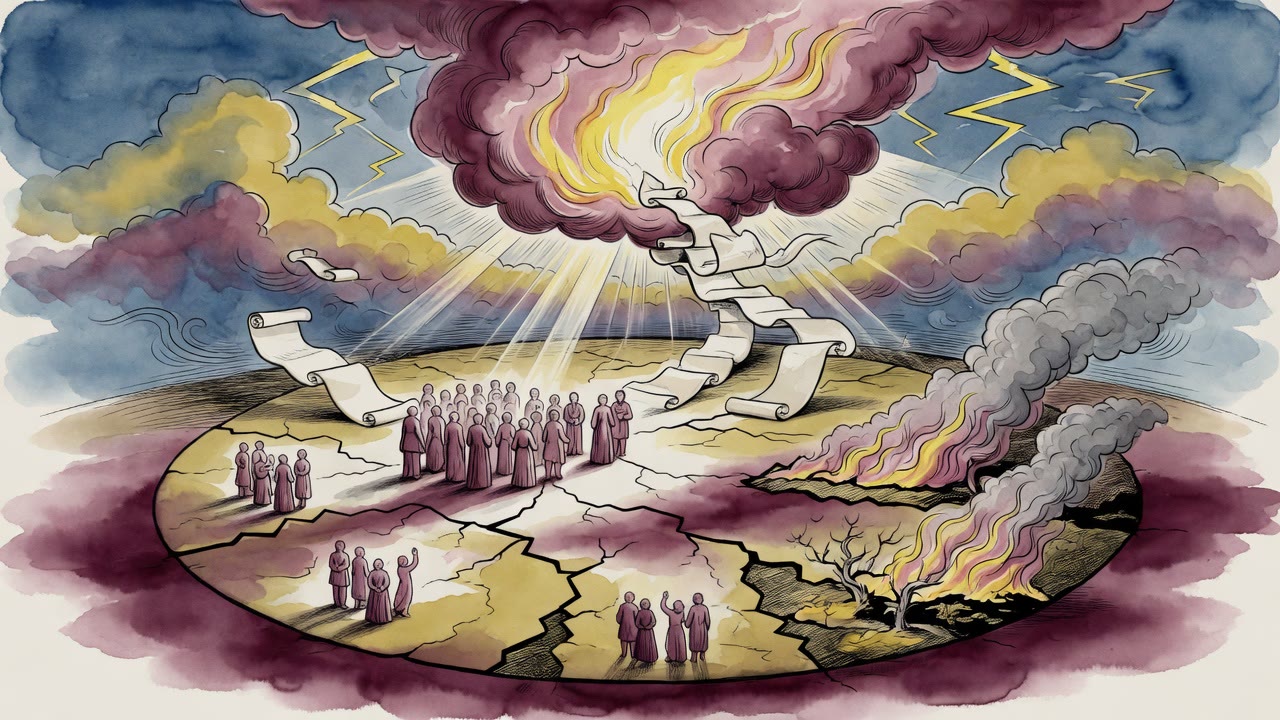
The air itself chewed. He wanted erasure. The angel opened a ledger, and the blank lines meant the burning was not done.
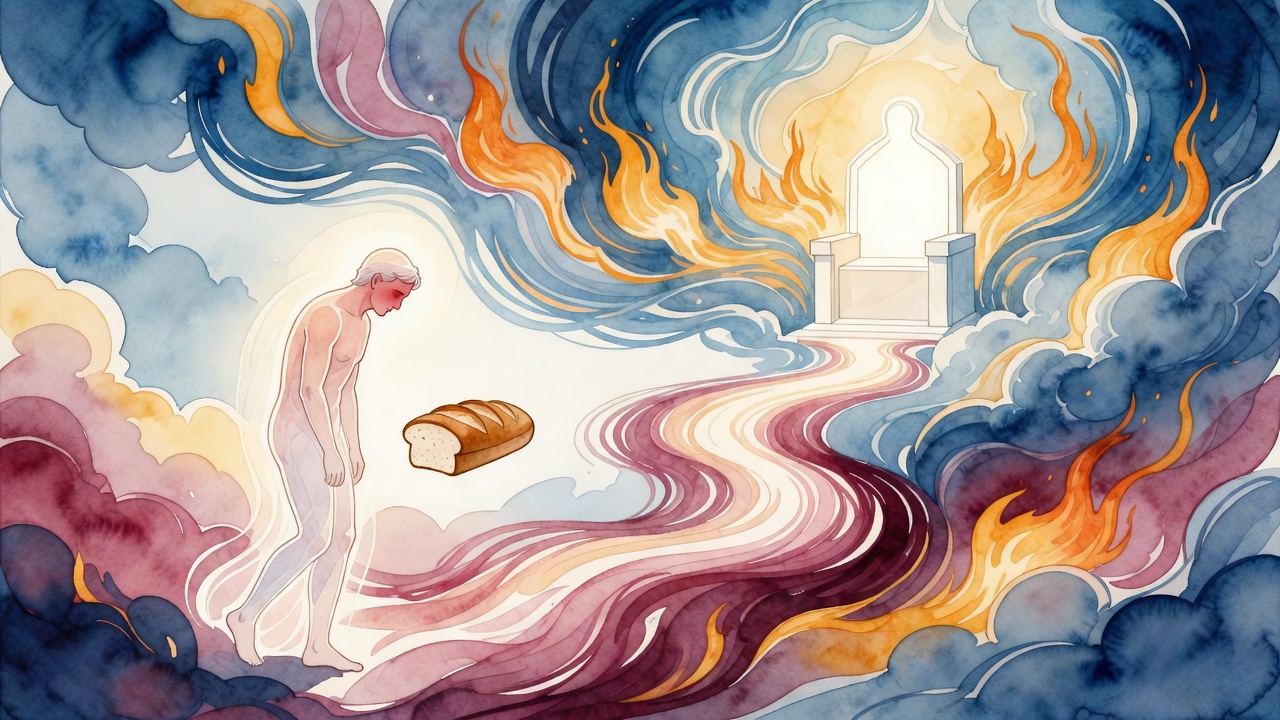
Other souls grabbed the loaf and could not lift their eyes. He left the table hungry. Years later he came back with work on his hands.
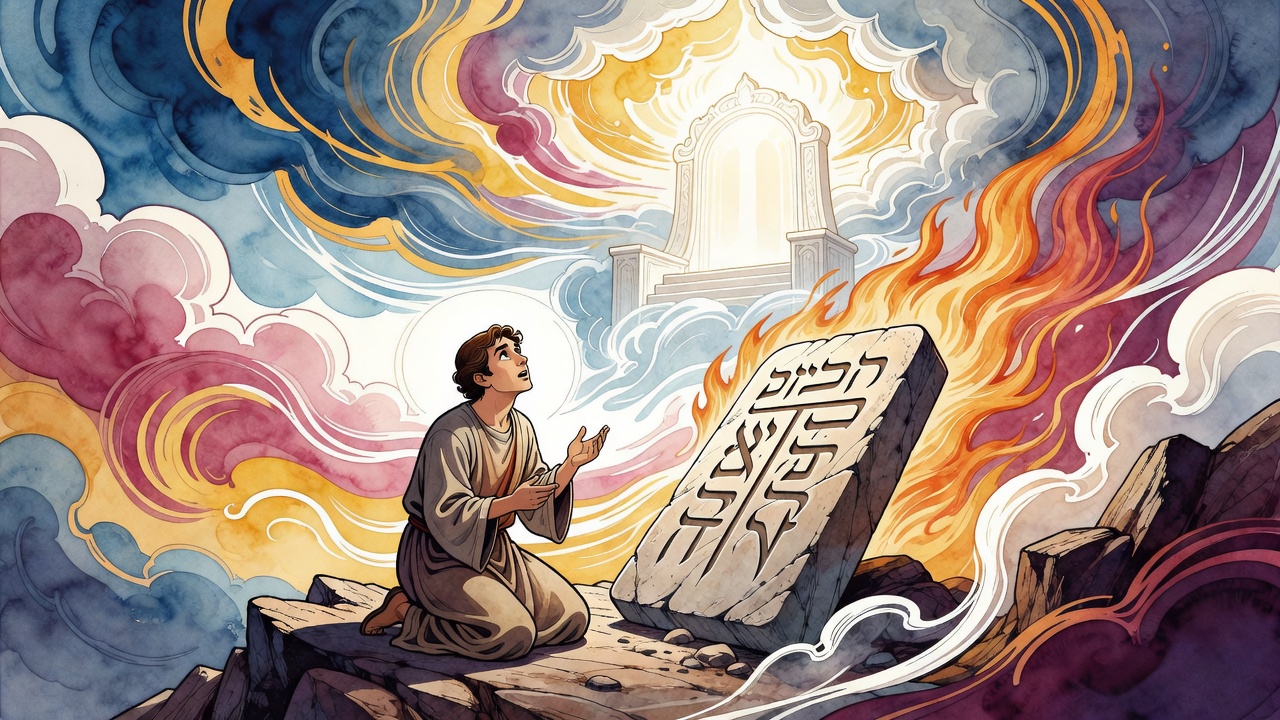
Levi set down the leather boxes and asked if he was painting gold onto the sun. A cracked wall on the walk home was stuffed with rags.
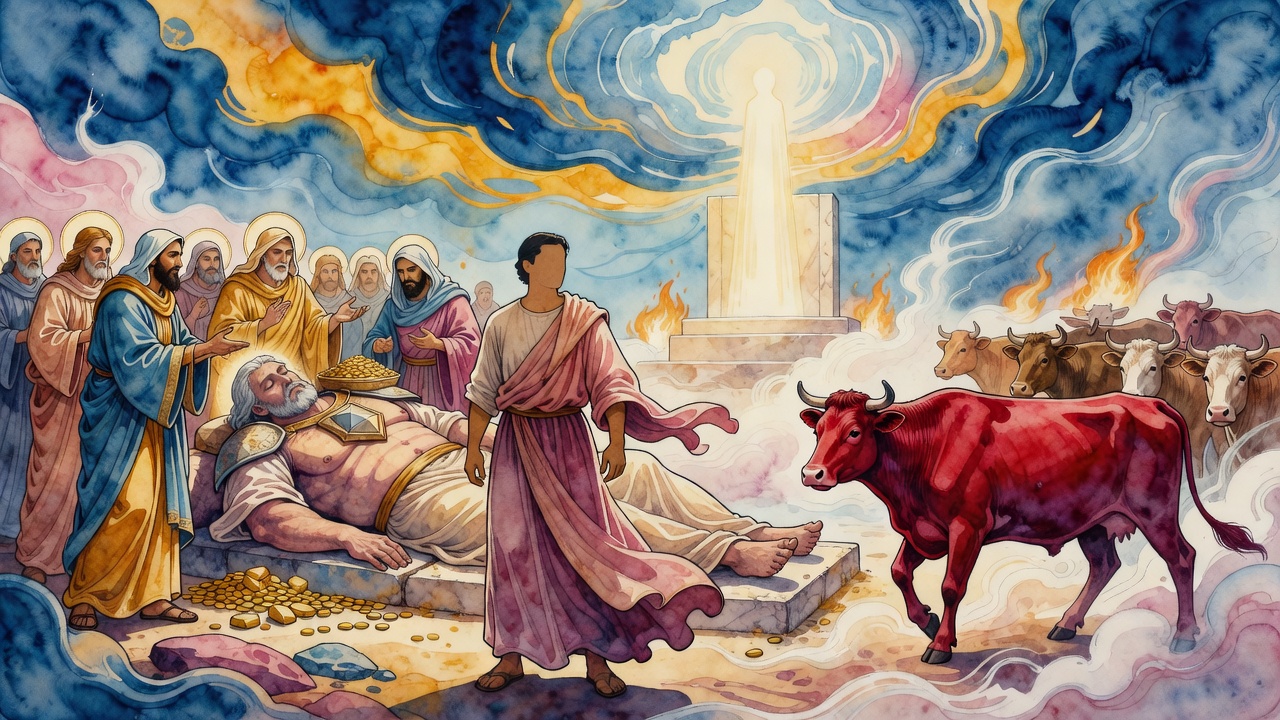
The key sat in a sleeping man's pocket. Temple buyers in Ashkelon kept raising the price, and the son would not move the old man's foot.
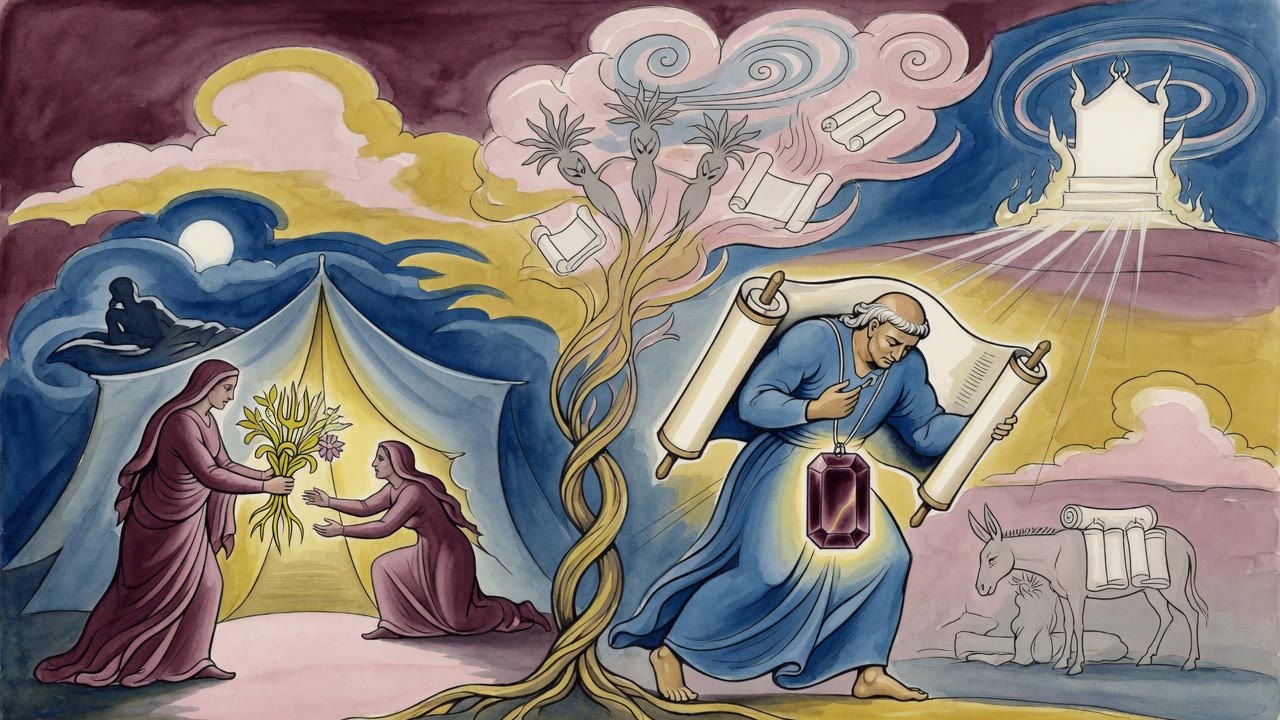
A guide who would not give his name asked the soul what it had loved most. It answered with one week: a coin given quietly, a page learned while tired.
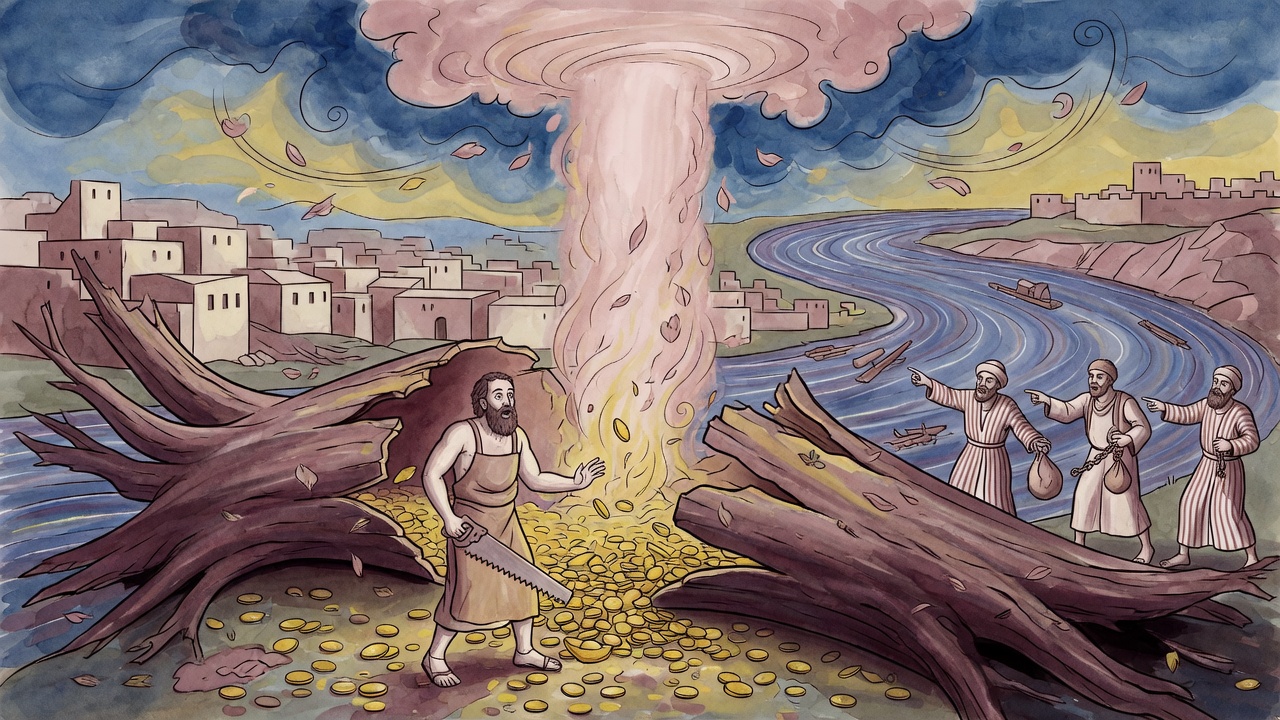
A neighbor stole the carpenter's purse and died on the road. Years later Abraham bought a beam. The saw found the sack inside the wood.
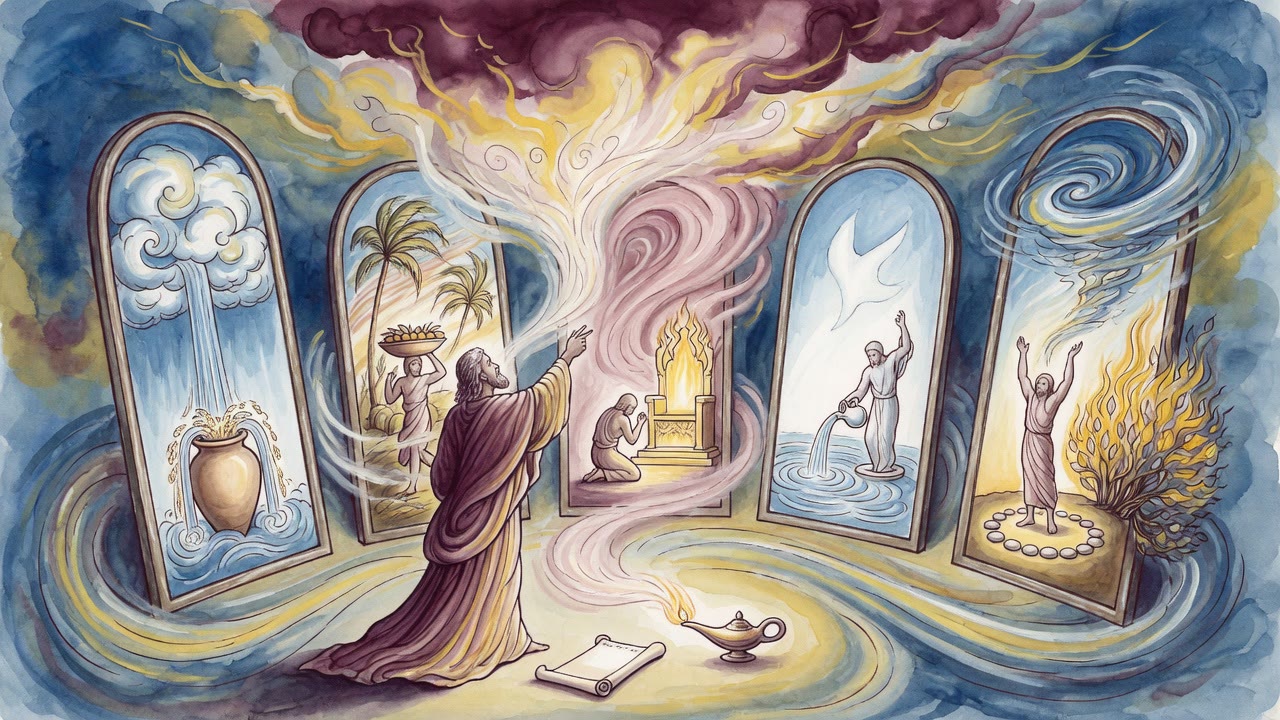
A soul fills its body the way light fills a room. David kept giving his own soul orders until it stopped pretending it had somewhere better to be.
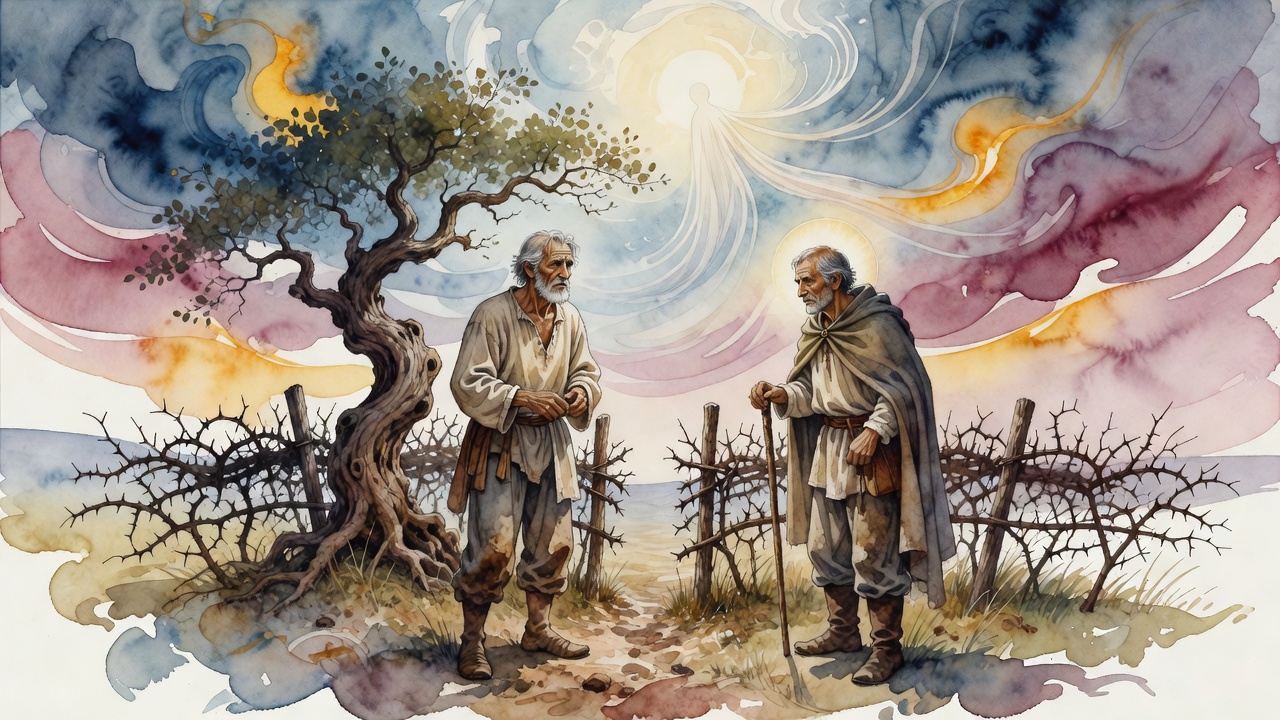
On Shabbat he caught a fence plan forming in his head. He vowed never to close the gap. A rare tree took the hole instead.
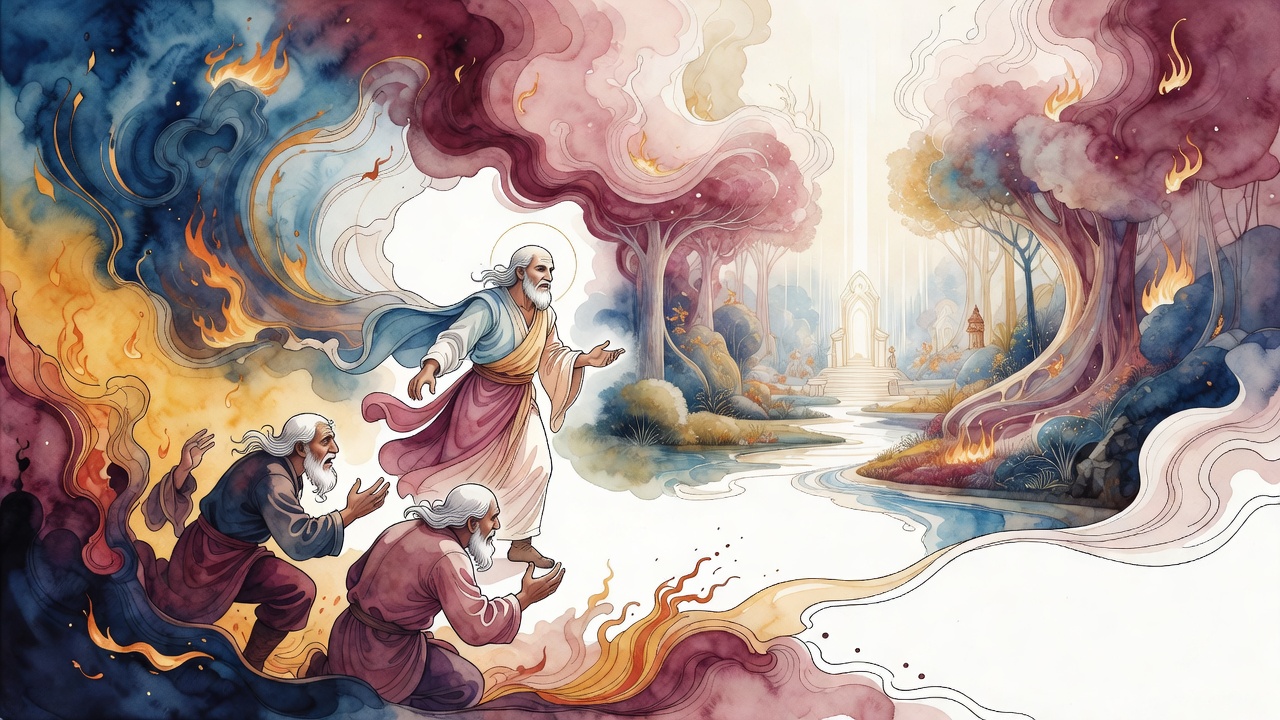
Dust rose off the road outside Tiberias. Three men waited in the brush for a cart. Resh Lakish held the rope. The others kept their knives.
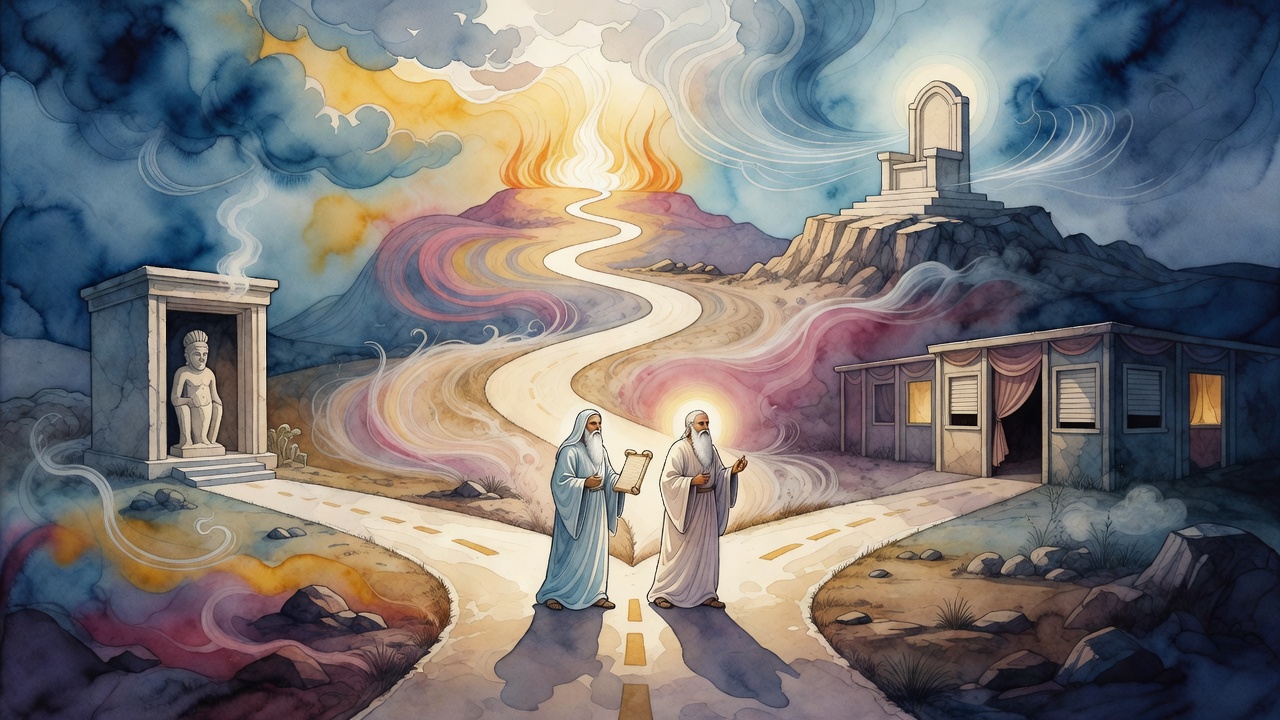
Two sages split a road between an idol shrine and a brothel, took the harder path, and found even the windows close when Torah walks past temptation.
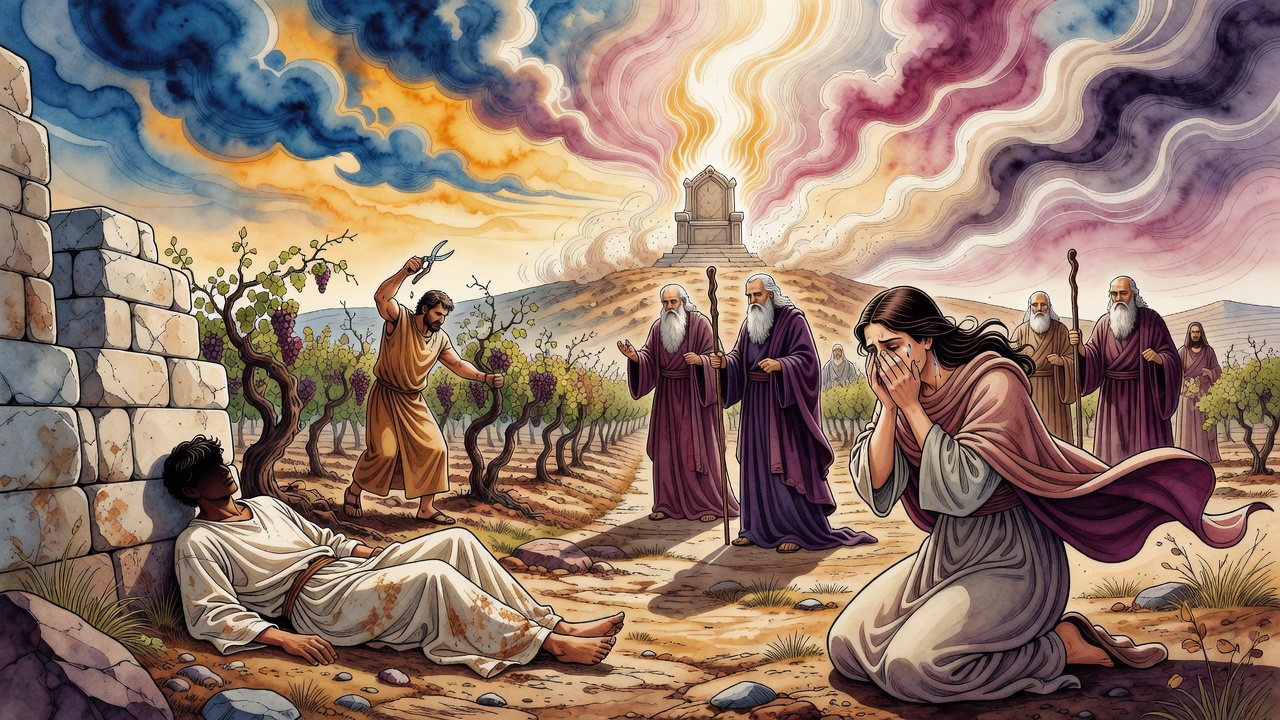
A young scholar died in his prime, his widow wept for fairness, and the sages answered with a vineyard worker paid a full day for two fierce hours.
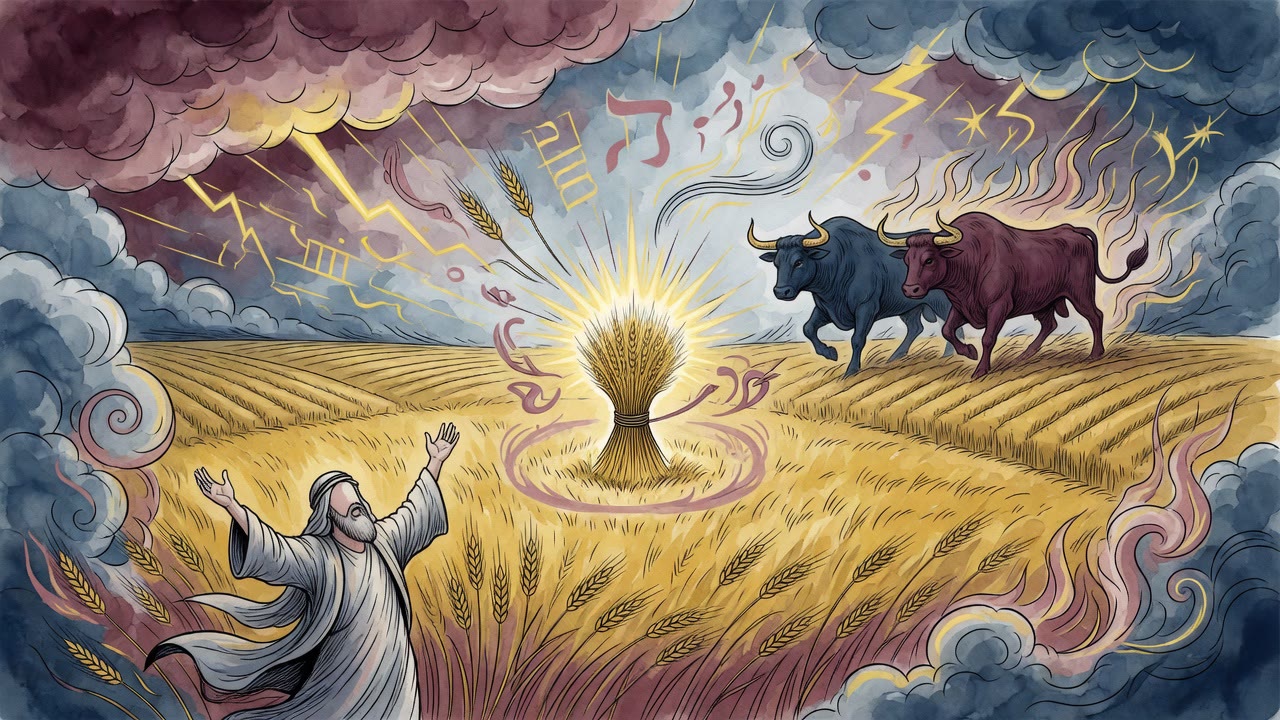
A pious man left one sheaf in the field and sent two bulls as thanks. His son asked why accident outranked every careful commandment he kept.
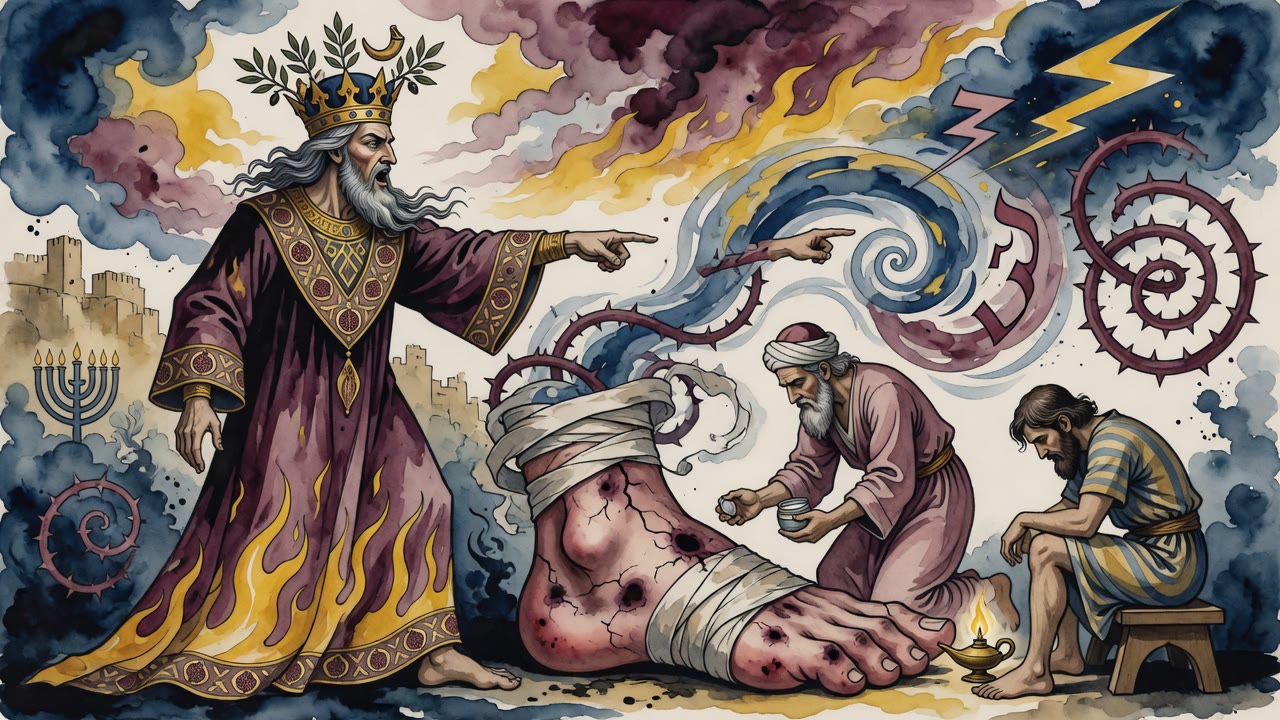
A king orders a physician to heal his servant's foot, and the midrash names that order as the shape of love's affliction for Israel.
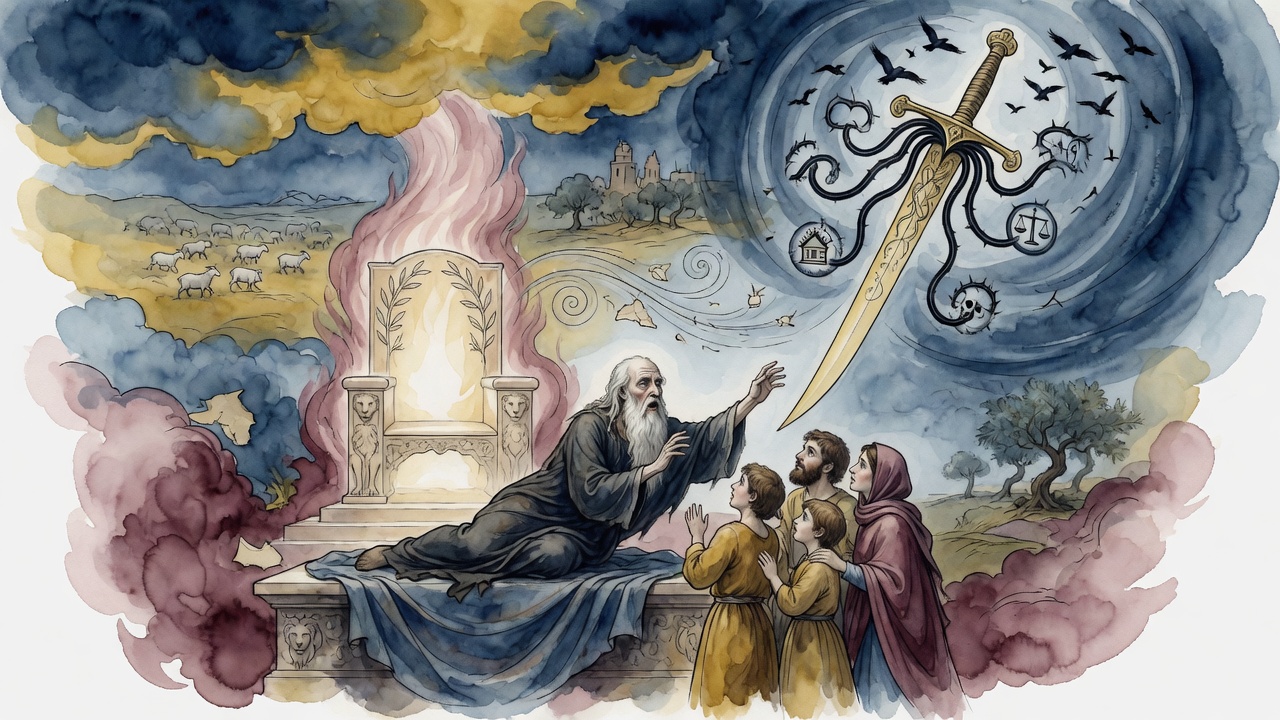
Behemoth drank the Jordan in one swallow. God sent the angels against the beast on the deep, and they looked into its eyes.
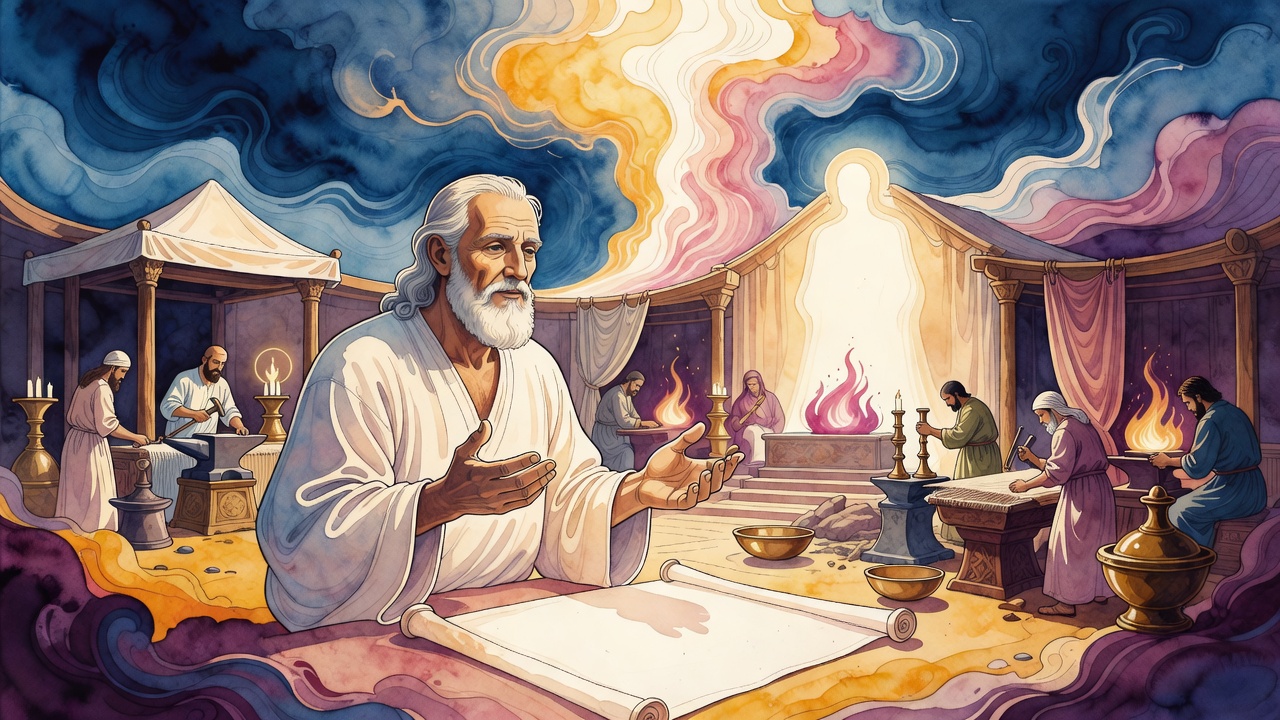
Craftsmen filled the Tabernacle, yet every verse named only Betzalel. Heaven counted the devotion that sat inside his hands.
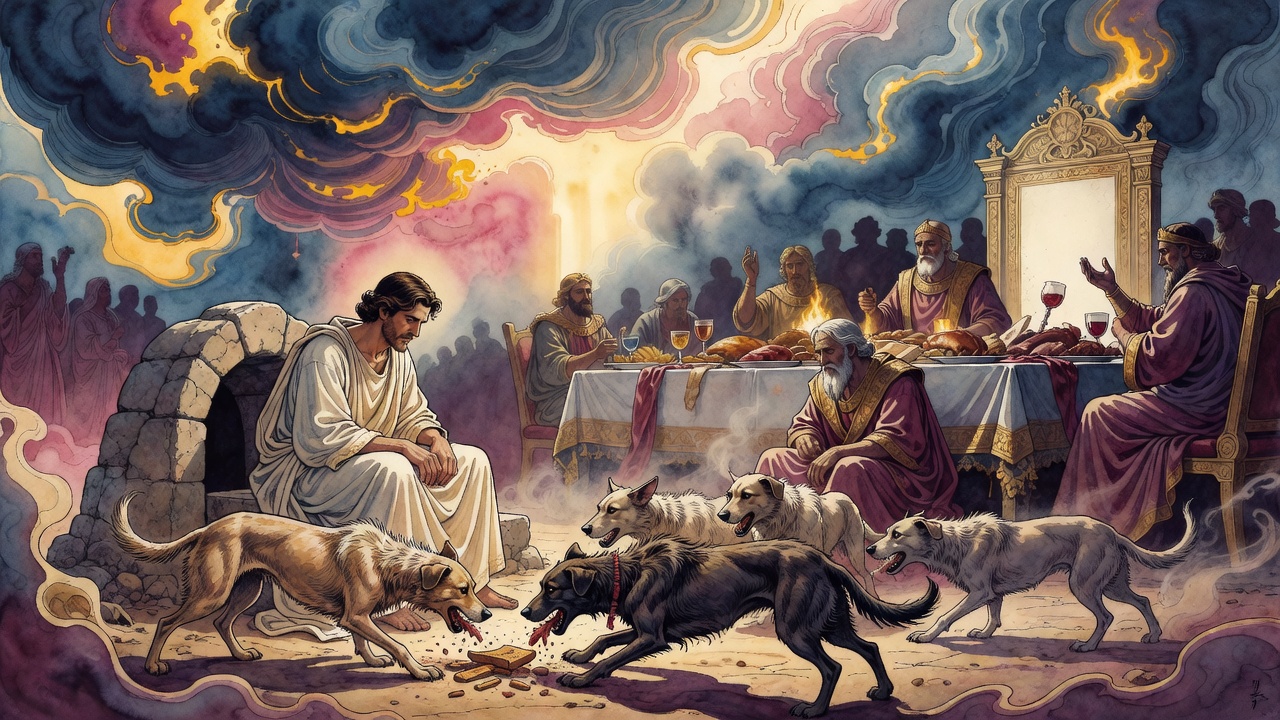
Seated by the kennel at a king's feast, Israel watches nations chew the world's peace, then learns joy from the dogs' portion and waits for Messiah's sun.
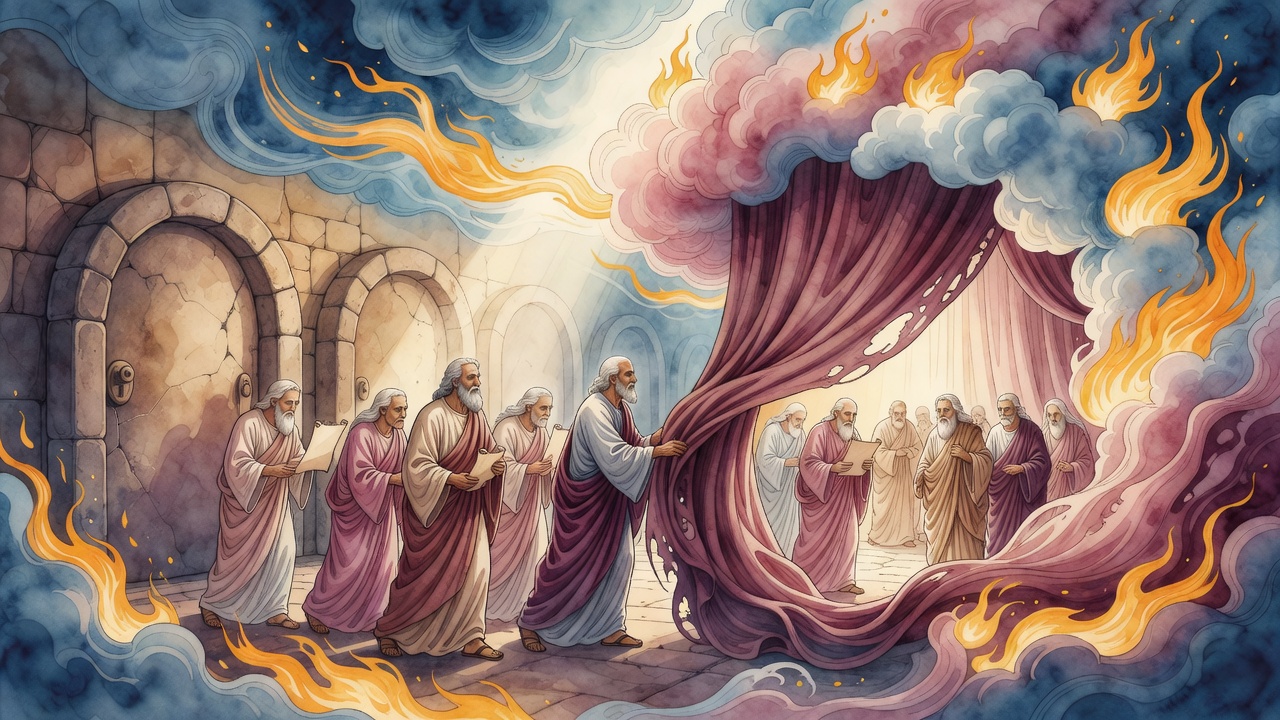
God leads Moses past the sealed vaults where the reward of the righteous waits, then draws the same curtain back for sages at the hour of death.
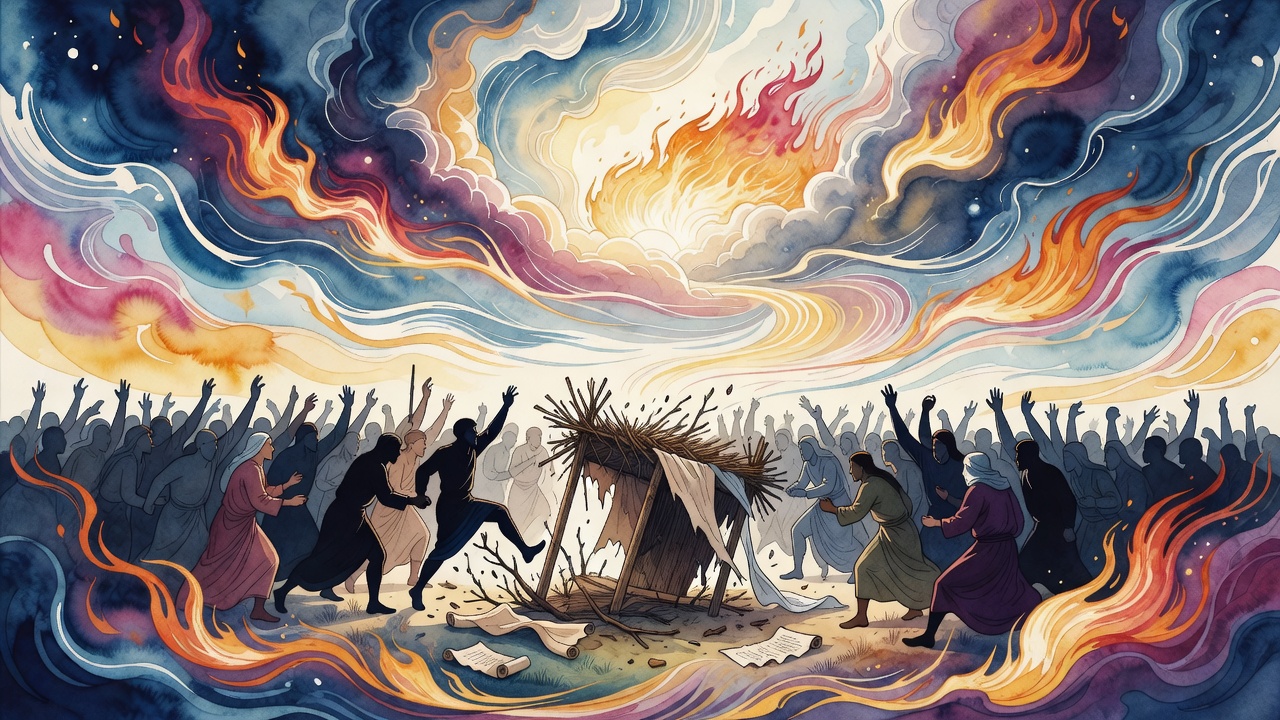
At the final reckoning the nations crowd in for Torah's wages, kick apart the one booth God grants them, and the whole account falls to a single line.
