The Foal Outweighed the Temple Menorah
Pinchas wins a covenant of peace and an eternal priesthood. Later ages sell that office for gold until sages say a bribe-foal outweighs the menorah, the lampstand.
Table of Contents
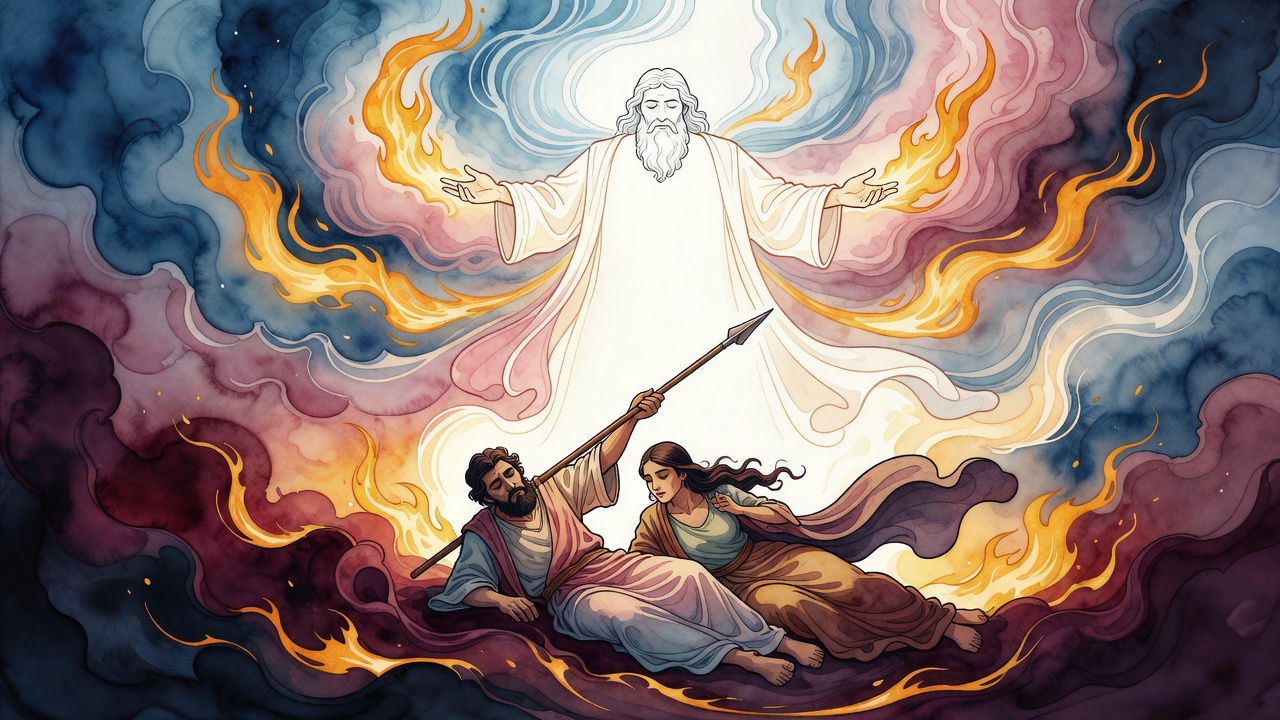
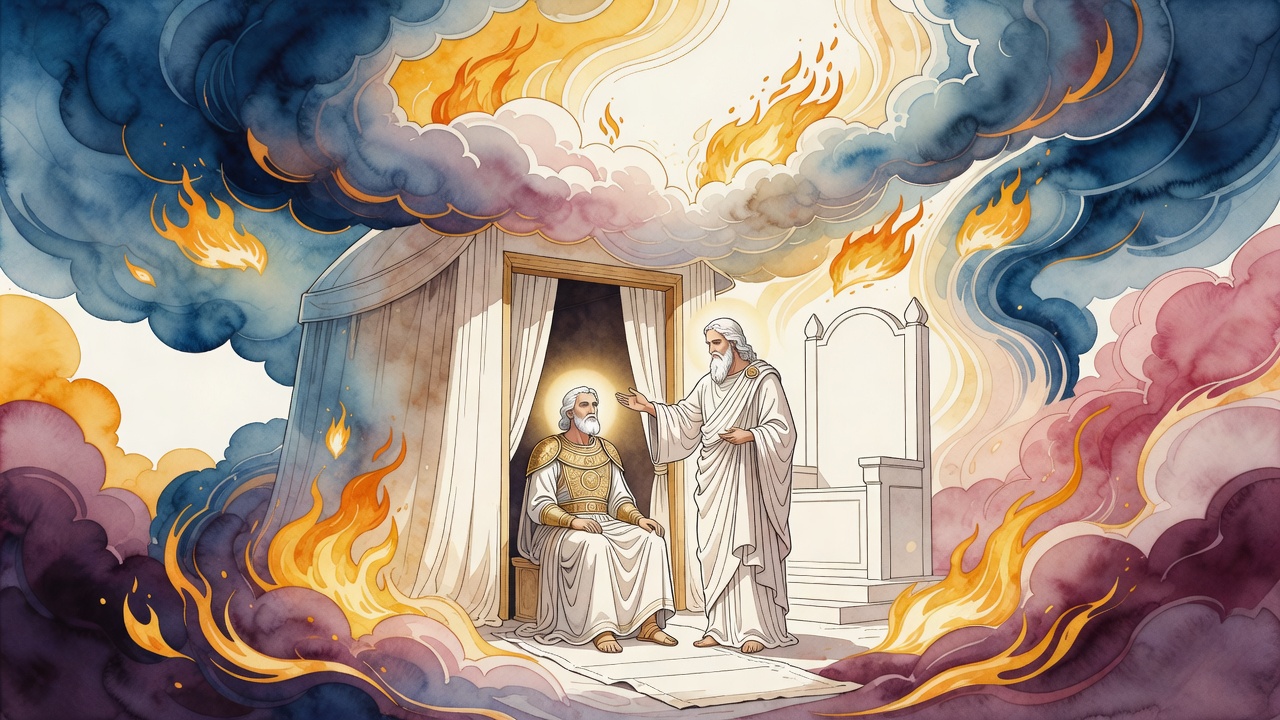
The spear still had weight in Pinchas's hand when the plague stopped. Bodies lay where desire and idolatry had mixed at the edge of the camp. He had not waited for a committee. He had moved through the tent flap while others argued, and the killing that followed was not theater. It was heat for God's honor, spent in public, with no promise that the nation would thank him for it (Numbers 25:7-8).
 Click for full size
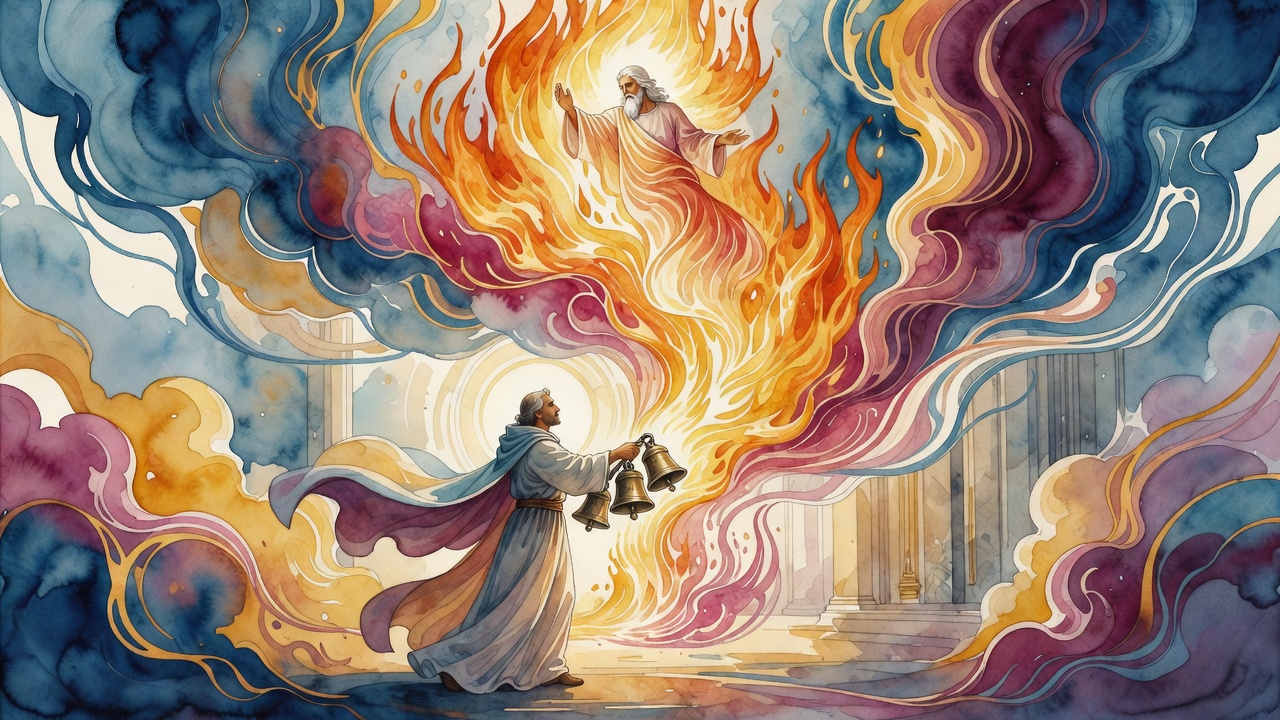
Then the word came that changed his future more than the spear had changed the hour. "Behold, I give to him My covenant of peace" (Numbers 25:12). Peace after violence. A covenant after a killing. The man who had been ready to give his life for zeal received a future that would outlast his pulse.
Eternal Priesthood in Living Flesh
"It shall be unto him and to his seed after him a covenant of eternal priesthood, because he was wroth for his God and will atone for the children of Israel" (Numbers 25:13). In that line sit the twenty-four gifts that feed the priests, tangible rights flowing from one irreversible act. The grammar does not finish. Not merely "to atone" as a closed job, but "and he will atone," ongoing, present, unfinished.
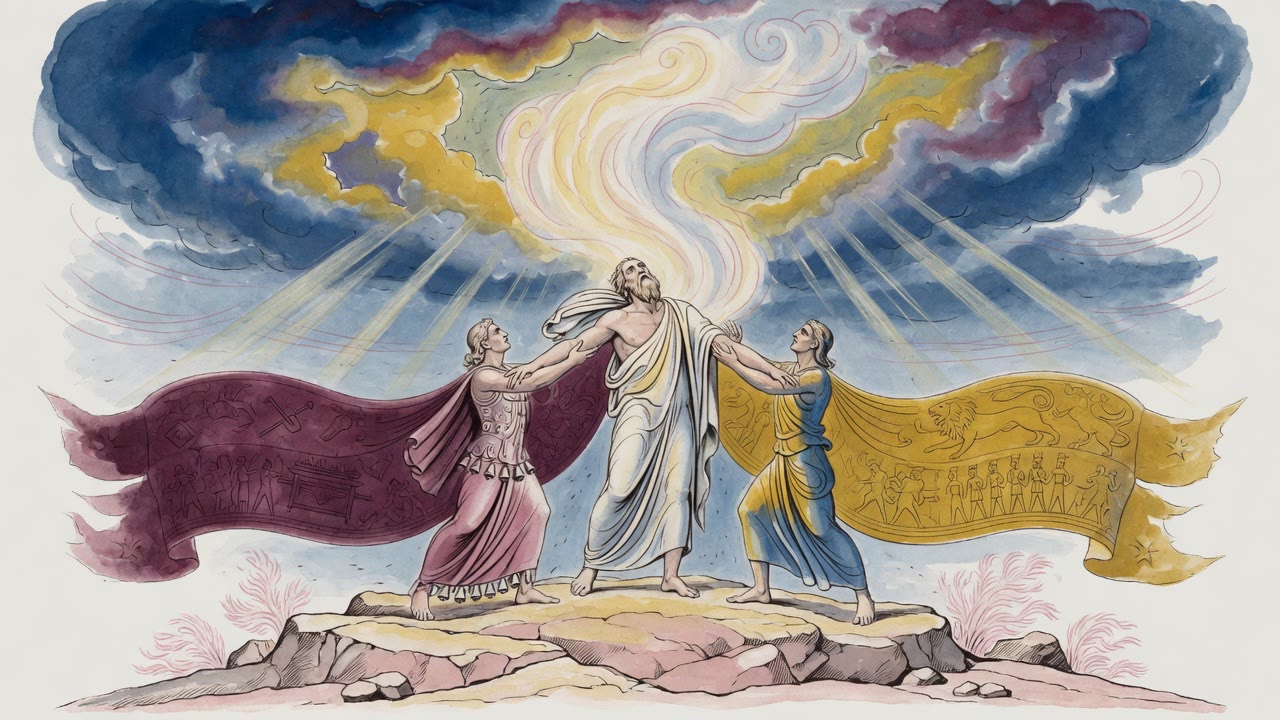
Pinchas stands, the teachers say, and has not stirred from the work. Until the revival of the dead he remains in the posture of atonement for Israel. The spear is long gone. The stance is not. A man can leave a battlefield and still never leave the office the battlefield opened.
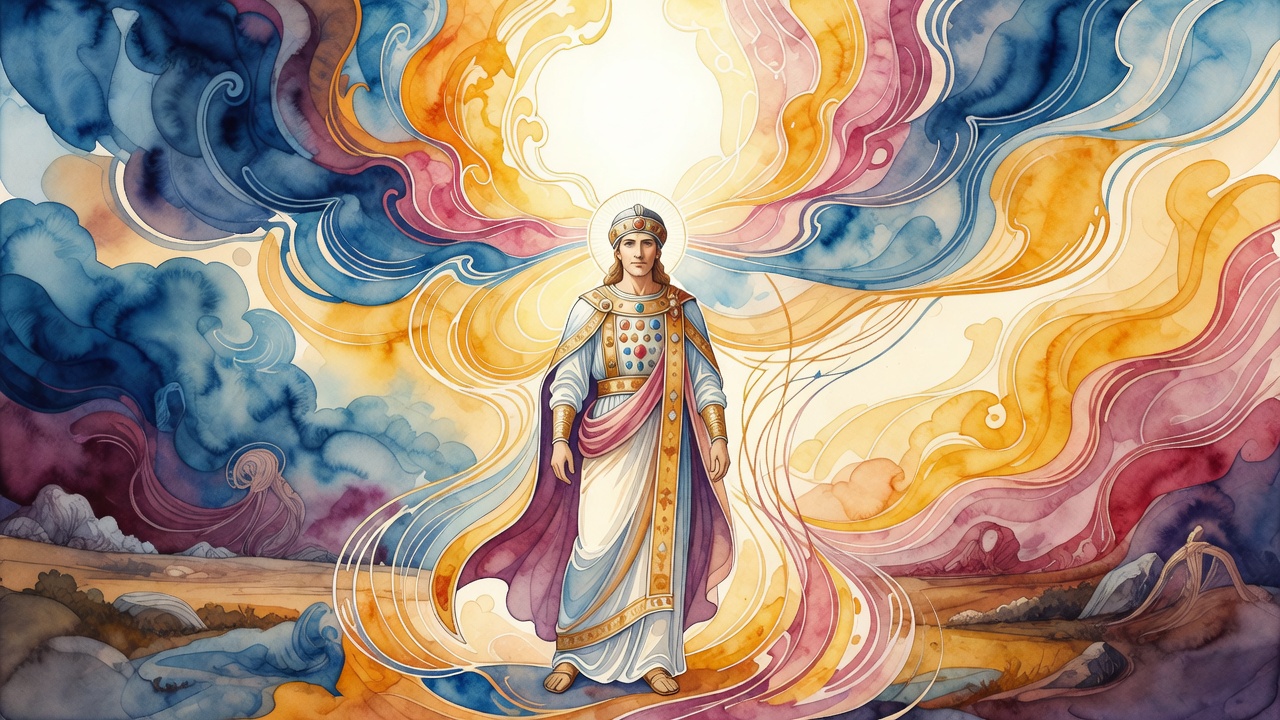
From his line, in the First Temple centuries, twelve high priests would rise. Twelve is a number a memory can hold. Twelve names can be recited without shame. The covenant looked, for a long stretch, like a clean inheritance: zeal answered with peace, blood answered with altar service that still knew what the menorah (the lampstand) was for.
Eighty Names and Shorter Lives
The Second Temple told a different count. Eighty high priests. Not because holiness had multiplied, but because lives shortened when the office went on the market. Men bought what Pinchas had been given. Silver and gold changed hands for the right to wear the garments that once answered only to anointing and bloodline and dread.
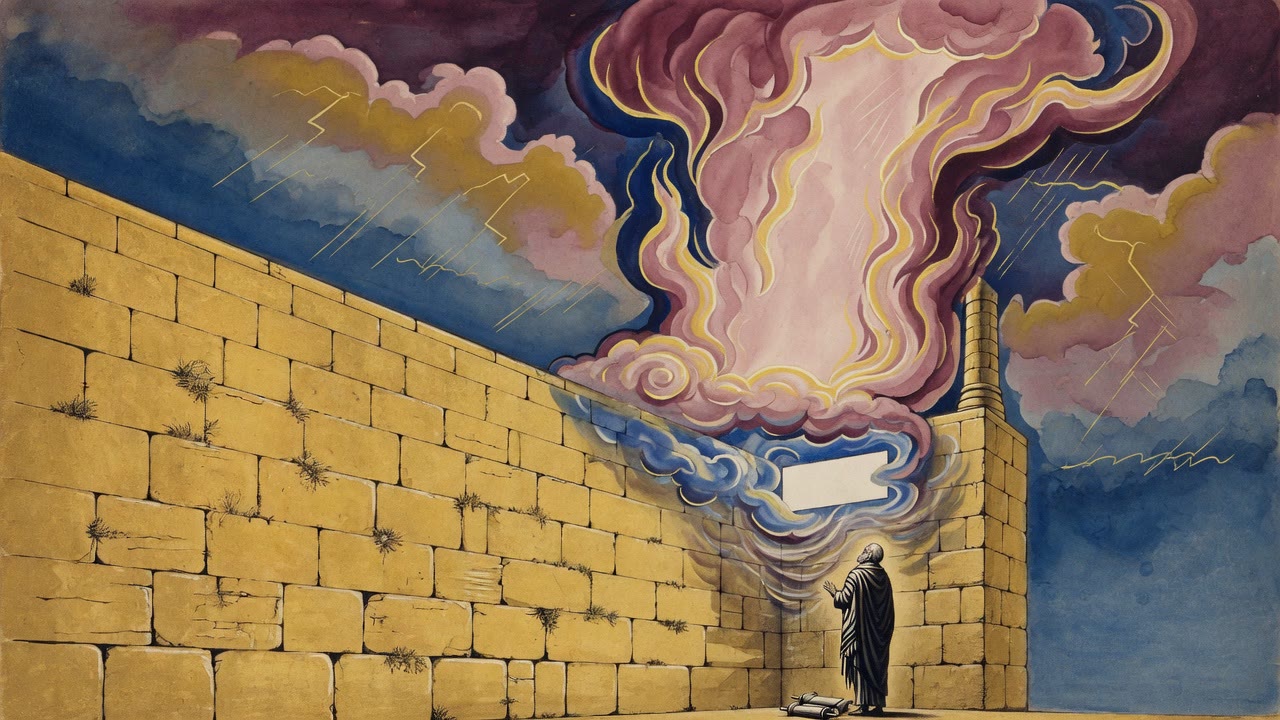
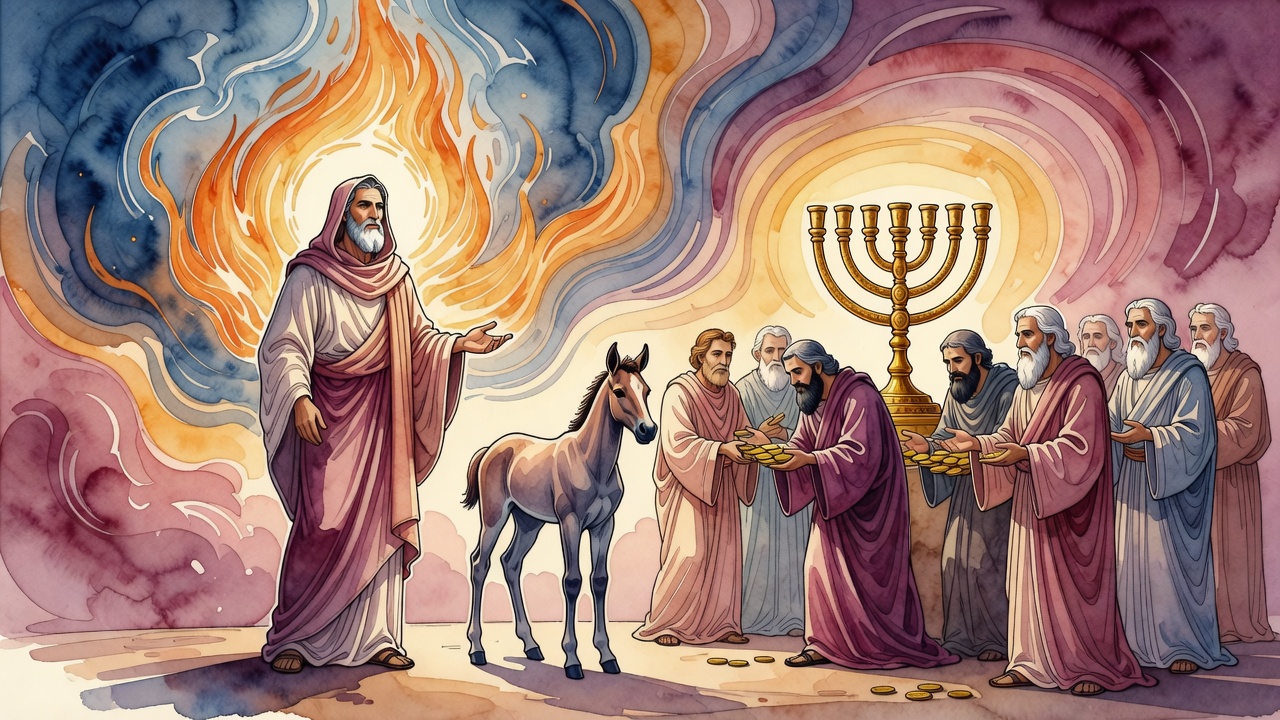
A father sent two urns of silver rimmed with silver for his son. Another answered with two urns of gold rimmed with gold. The higher shine won. The menorah still stood in its place, seven branches of ordered light. The sages watched the bidding and coined the sentence that still cuts: the foal has outweighed the menorah.
A foal is a young animal, a price, a movable bribe. The menorah is the fixed light of the holy place. When the foal weighs more in the minds of men who appoint priests, the light has already lost before any enemy army arrives. Pinchas's covenant of peace sat in the same ledger as this market, and the market did not care.
What Zeal Bought and What Coin Sold
Pinchas had been wroth for his God, ready to die inside the act. The buyers of later ages were wroth for rank. They wanted the room behind the curtain on Yom Kippur as a prize, not as a terror. They wanted the breastplate and the hush of the people as property. The eternal priesthood promised to a man who risked everything became, in their hands, a lease paid in metal.
Somewhere in the long middle, a priest who still remembered the older fear walked past the golden lamp and touched nothing. He had not sent urns. He would not outbid a foal. He served in a lesser course and went home with clean hands and a thinner purse. His name would not join the eighty. His sleep was better than theirs.
The plague in Pinchas's day had stopped when zeal met sin in a single tent. The sickness of the sold office did not stop with one spear. It ran through generations until the Temple itself learned other kinds of ending. Still Pinchas stays on his feet, atoning, as if one clean stance could outlast a marketplace of sacred jobs.
The Stance That Outlasts the Sale
Two images refuse to leave the same ledger. Pinchas with the covenant of peace still warm, priesthood opening like a road for his seed, the promise that he will atone until the dead rise. Against that, urns of silver and gold on a table, a young animal of price tipping the scale against the menorah, high priests cycling through short tenures like men who know the purchase was never blessed with length of days.
Israel needed both memories. Without Pinchas, zeal has no sealed future and the plague's end has no name. Without the foal and the menorah, later ages could pretend the priesthood never learned how to sell itself. The covenant did not fail because coin appeared. The people failed the covenant when coin outranked light.
At night, when the branches of the menorah held their oil and the courts emptied, a student repeated the sages' line until it stuck. The foal outweighed the menorah. He did not smile. In another century he would need that sentence when someone again tried to buy what can only be given to a man willing to die for the Name.
Pinchas, they say, has not left his place. The buyers left theirs early. The light, when it is not outbid, still faces the same direction it faced when a spear first earned a covenant of peace.
← All myths