4 min read

The Fox Lowered the Wolf for a Cheese of Moonlight

After a Shabbat beating, a fox led a wolf to a well, called the moon a cheese, and rode the rising bucket while the wolf sank for a meal of light.

Curated by Arthur · Told by Maggid ·
Table of Contents
  1. The Wolf at the Shabbat Door
  2. Buckets and a False Cheese
  3. Evil That Will Not Leave the House
  4. Four Kindnesses, Four Betrayals
  5. Moonlight Is Not a Meal
The Fox Lowered the Wolf for a Cheese of Moonlight Click for full size

The Wolf at the Shabbat Door

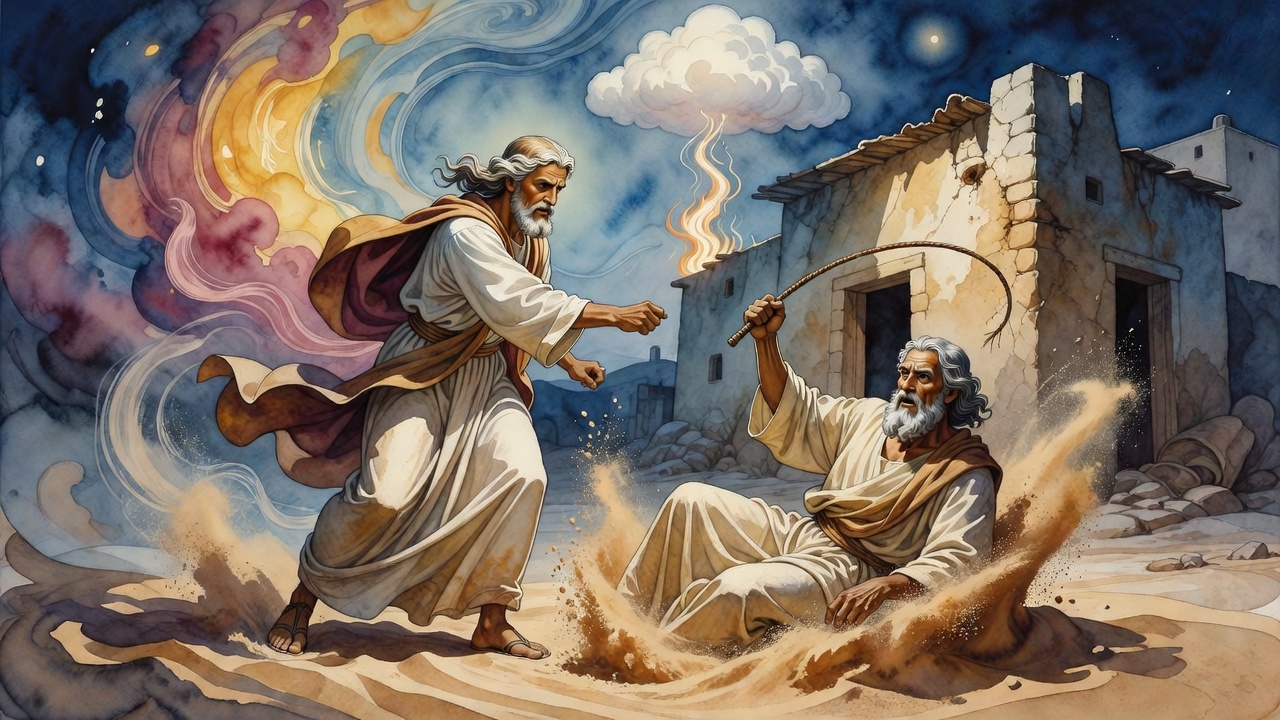
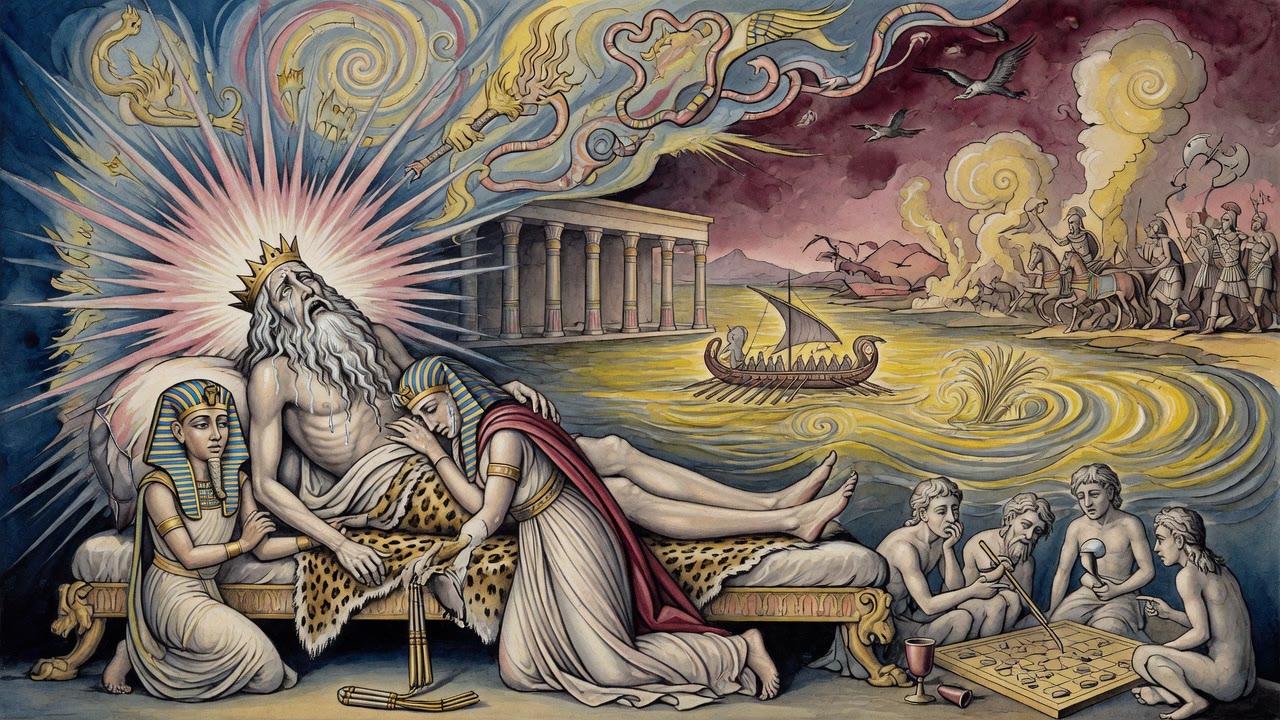
A fox persuaded a wolf to slip into a Jewish household to help prepare the Shabbat meal. No sooner did the wolf step through the door than the house rose up and beat him with cudgels until he barely escaped. Outside, the wolf turned on the fox, ready to tear him to pieces.

They would not have beaten you, said the fox, if your father had not once abused their trust and devoured the choicest portions set aside for the Sabbath. The wolf snarled with a verse: The fathers have eaten sour grapes, and shall the children's teeth be set on edge? The fox did not argue theology. Well then, he said, let me show you a place where you can eat and be satisfied. Hunger made the wolf listen.

Buckets and a False Cheese

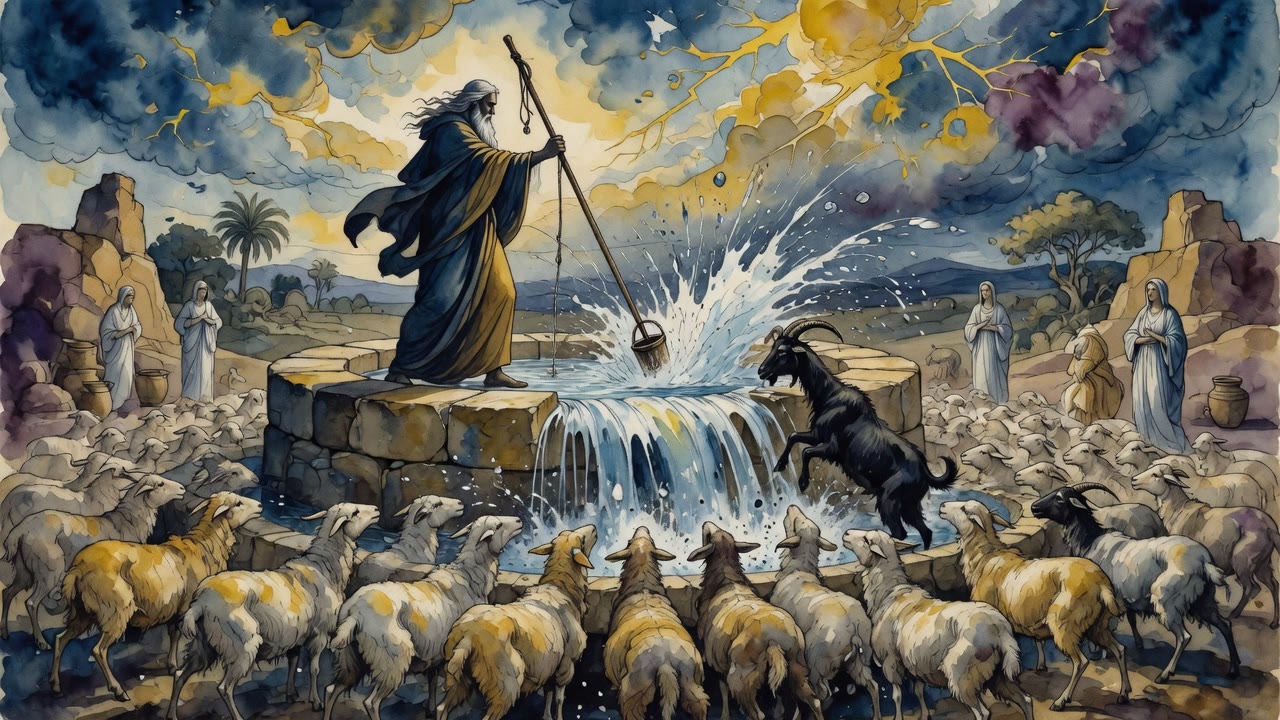
He led the wolf to a deep well. A beam held a rope with a bucket at each end. The fox climbed into the upper bucket. His weight lowered him and raised the other bucket. Eating meat and cheese, he said, pointing at the moon's reflection and calling it cheese. Come down and share. The wolf climbed into the upper bucket, sank, and the fox rose neatly to the top and escaped.

A wolf may cite the prophet correctly, and a cunning fox may still make the sins of fathers, the hungers of sons, and the phases of the moon work in his favor. Not every bright circle on water is food. Not every invitation to share is friendship. Weight tells the truth when speeches will not.

Evil That Will Not Leave the House

Rabbi Yochanan opens with a proverb: One who repays good with evil, evil will not move from his house. If a friend welcomes you with lentils, repay with meat. Kindness that initiates deserves more, not less. Rabbi Shimon bar Abba presses further: the verse applies even to repaying evil with evil.

Rabbi Alexandri turns to the enemy's donkey crouching under its burden. You shall surely assist him. Choosing not to is when evil stays in the house. Rabbi Berekhya reads the generations after the Flood: they received one language and repaid it by building a tower against Heaven. Ingratitude is not private rudeness. It is a civilizational crack.

Four Kindnesses, Four Betrayals

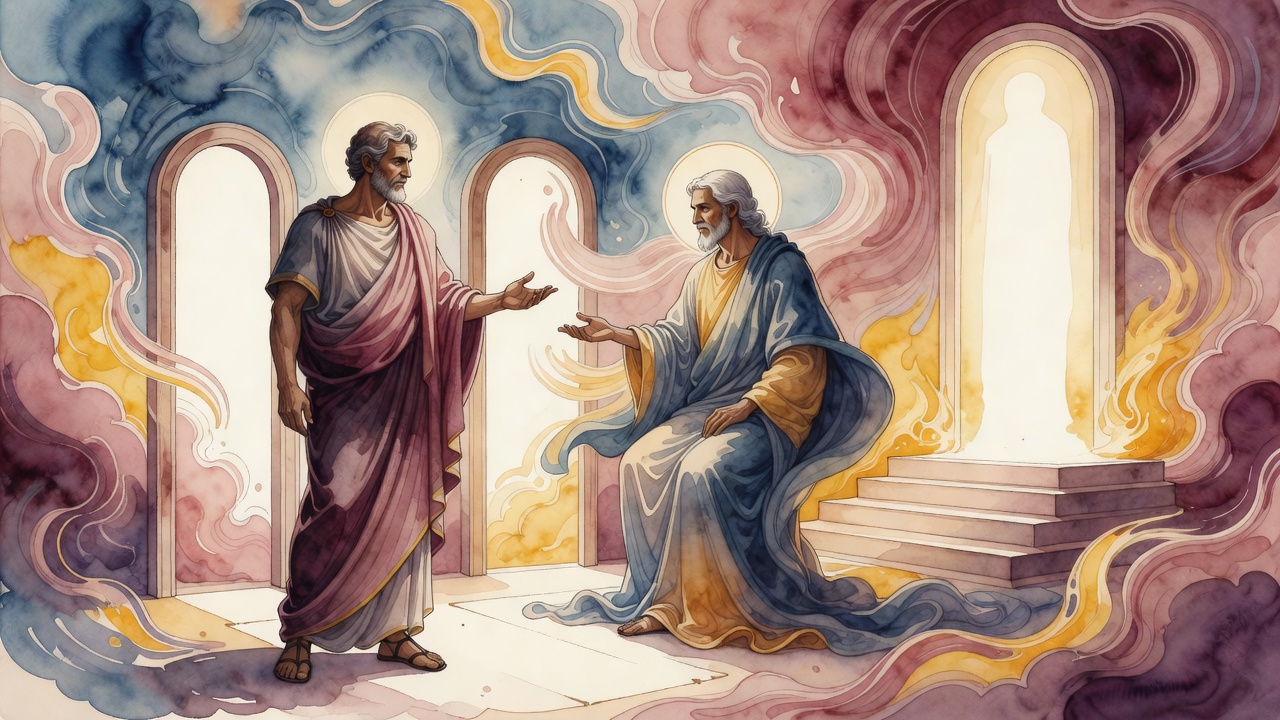
Abraham bestowed four good things upon Lot: he took him on the road, shared flocks and tents, rescued him from kings, and through Abraham's merit Lot was pulled from the upheaval of the plain. Lot's descendants, Ammon and Moab, should have repaid goodness. Instead they hired Balaam to curse, joined Eglon against Israel, marched on Jehoshaphat, and when enemies entered the Temple they ran not only for silver but to tear from the Torah the ban that kept them from the assembly.

Four prophets sealed the sentence: Isaiah, Jeremiah, Ezekiel, Zephaniah. Kindness unanswered becomes history's long debt. The wolf's father at the Shabbat table and Moab at the Temple door speak the same language of appetite without memory.

Moonlight Is Not a Meal

The wolf wanted a Sabbath table and found clubs. He wanted justice in a verse and found a well. He wanted cheese and found moonlight. The fox is not a hero. He is a mirror for every clever mouth that turns another creature's hunger into a trap.

Shabbat food is holy. Hospitality is holy. A verse from the prophets is holy. None of them protects a body that comes to devour. None excuses a nation that answers rescue with a curse. The heavier hunger goes down. The lighter cunning comes up. Between them, the moon keeps shining on water that will never be cheese.

Call the figures by name and the debt sticks. Anonymous virtue evaporates. Named fear, named hunger, named restraint, those remain after the visitors leave.


← All myths

From the tradition

Sources

3 sources

The texts behind this telling. Some cards carry a translation of the source; others are our own retelling of it, and each card says which. Every card links out to the original.

Rashi on Sanhedrin 39a (Harris, Hebraic Literature, 1901)Hebraic Literature (1901)

Retold in our words. Read the original at the link below.Project Gutenberg eBook #14368, Hebraic Literature · PD-US-pre-1929

A fox once persuaded a wolf to slip into a Jewish household to help prepare the Shabbat meal. No sooner did the wolf step through the door than the whole household rose up and beat him with cudgels until he barely escaped with his life.

The wolf turned on the fox, furious, ready to tear him to pieces. The fox answered, They would not have beaten you if your father had not once, long ago, abused their trust and devoured the choicest portions set aside for the Sabbath meal. The wolf snarled back with a verse. The fathers have eaten sour grapes, and shall the children's teeth be set on edge? (Ezekiel 18:2, (Jeremiah 31:2)9). A prophet says I am not punished for my father's sin.

The fox did not argue theology. Well, then, he said, let me show you a place where you can eat and be satisfied. He led the wolf to a deep well. Across its top lay a beam with a rope coiled around it, and at each end of the rope hung a bucket. One bucket rested at the rim, the other at the bottom. The fox climbed into the upper bucket. His weight lowered him to the bottom and raised the other bucket to the top.

The wolf, peering down, asked what the fox was doing. Eating meat and cheese, of course, said the fox, pointing at the reflection of the moon on the water and calling it a cheese. Come down and share. And how am I to get down? asked the wolf. He climbed into the upper bucket, his weight carried him to the bottom, and the fox rose neatly to the top and escaped. This fable, preserved by Rashi on Sanhedrin 39a and cited in Harris's 1901 Hebraic Literature, is a classic parable about justice. A wolf may cite the prophet correctly, but a cunning fox still knows how to make the sins of fathers, the hungers of sons, and the phases of the moon all work in his favor.

Full source
Bereshit Rabbah 38:3Bereshit Rabbah

Retold in our words. Read the original at the link below.The Sefaria Midrash Rabbah, 2022 · CC-BY

It turns out, our sages have been wrestling with that feeling for centuries.

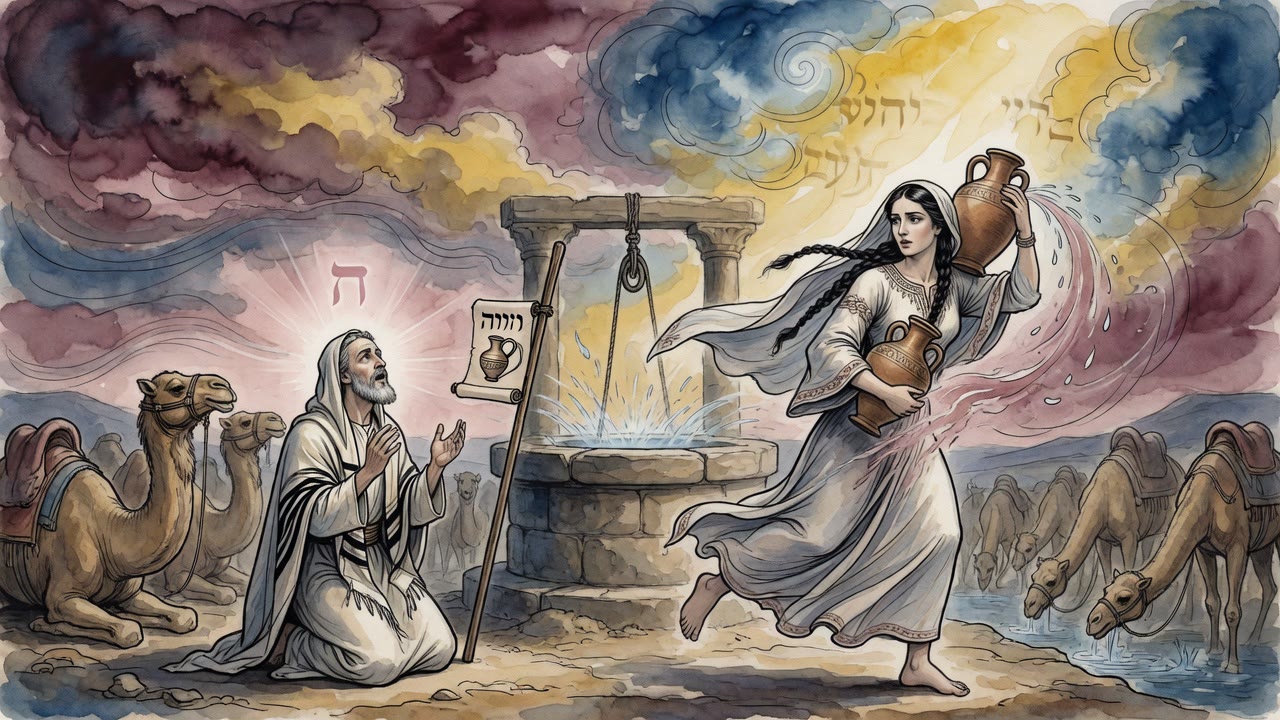
Rabbi Yoḥanan opens with a powerful proverb: "One who repays good with evil, evil will not move from his house" (Proverbs 17:13). He then dives into a practical example: if a friend welcomes you with a humble meal of lentils, you should repay their hospitality with a more lavish offering of meat. The key, he says, is that they showed you kindness first. This act of initiating kindness is so important that our response should ideally be even greater than the initial gesture.

Why is this so important? Because, as Rabbi Shimon bar Abba points out, the verse applies not only to repaying good with evil, but even repaying evil with evil! That’s quite a statement.

Rabbi Alexandri takes us to the Torah itself, specifically (Exodus 23:5): "If you see the donkey of your enemy crouching under its burden, shall you refrain from assisting him? You shall surely assist him." Even towards someone who has wronged you, you have a mitzvah, a commandment, to act with kindness. Choosing not to do so, choosing to repay good with evil, that’s when "evil will not move..." from your house.

This idea isn't just abstract ethical musing, though. Rabbi Berekhya interprets this verse in the context of the generations of the Flood and the Tower of Babel (the Dispersion). After the Flood, the Torah tells us, "the entire earth was of one language and of common speech" (Genesis 11:1). Having a common language, safa achat, is a tremendous advantage, a gift, even. Yet, how did those generations repay God's kindness? By building a tower to defy Him, an act of ultimate ingratitude.

So, what's the takeaway here? It’s a reminder that kindness, initiating it and reciprocating it, is a fundamental building block of a just and harmonious world. Failing to recognize and respond to kindness, even small acts of generosity, can have profound consequences. It's about recognizing the inherent value in connection and reciprocal support, and acting accordingly. As we find in Bereshit Rabbah 38, our actions ripple outwards, shaping not just our own lives but the world around us. What ripples are we creating?

Full source
Yalkut Shimoni on Nach 42:1Yalkut Shimoni on Nach

Translation of the source text.Yalkut Shimoni on Nach (Sefaria) · CC-BY-NC

"He gathered to himself the children of Ammon and Amalek, and went and smote Israel, and they took possession of the City of Palms" (Judges 3:13). Four good deeds Lot should have counted to the credit of Abraham our father: "And Abram went as the LORD had spoken to him, and Lot went with him" (Genesis 12:4); "And Lot also, who went with Abram, had flocks and herds"; "And he brought back all the goods, and also Lot" (Genesis 14:16); "And it came to pass, when God destroyed the cities of the plain, that God remembered Abraham and sent Lot out of the midst of the overthrow" (Genesis 19:29). Corresponding to these, the sons of Lot were obliged to repay us good. Not only did they not repay good, they repaid evil. This is the meaning of "And he sent messengers to Balaam son of Beor" (Numbers 22:5). "He gathered to himself the children of Ammon" (Judges 3:13); "And it came to pass after this, that the children of Ammon and the children of Moab came against Jehoshaphat" (II Chronicles 20:1); "The adversary has spread out his hand upon all her precious things" (Lamentations 1:10). Their sin is written in four places: "An Ammonite or a Moabite shall not enter [the assembly of the LORD], because they did not meet you [with bread and water]" (Deuteronomy 23:4-5); "For they did not meet the children of Israel with bread and with water"; "My people, remember now what Balak counseled" (Micah 6:5). Four prophets arose and sealed their sentence, and these are they: Isaiah, Jeremiah, Ezekiel, and Zephaniah. Isaiah said, "The burden of Moab: because in a night Ar of Moab is laid waste" (Isaiah 15:1). Jeremiah said, "Therefore, behold, the days come, that I will cause an alarm of war to be heard in Rabbah of the children of Ammon" (Jeremiah 49:2). Ezekiel said, "To the men of the east, against the children of Ammon, and I will give it for a possession, that the children of Ammon may not be remembered among the nations; and upon Moab I will execute judgments" (Ezekiel 25:10-11). Zephaniah said, "Therefore as I live, says the LORD, surely Moab shall be as Sodom, and the children of Ammon as Gomorrah" (Zephaniah 2:9).

Full source