The Torah Counted Ishmael's Years and Refused to Forget Judah
Ishmael's obituary hides Jacob's age at his greatest moment. Judah's return to his father's blessing hides what repentance actually costs a proud man.
Table of Contents
 Click for full size
Numbers Nobody Was Supposed to Count
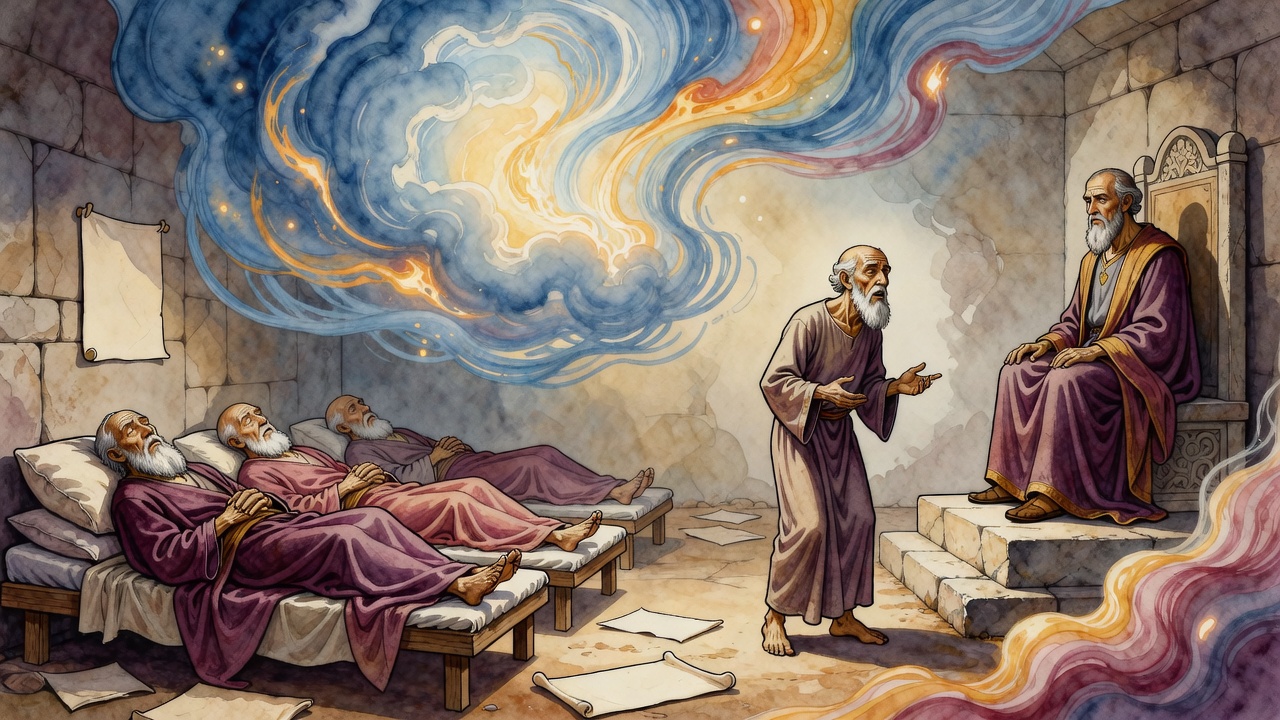
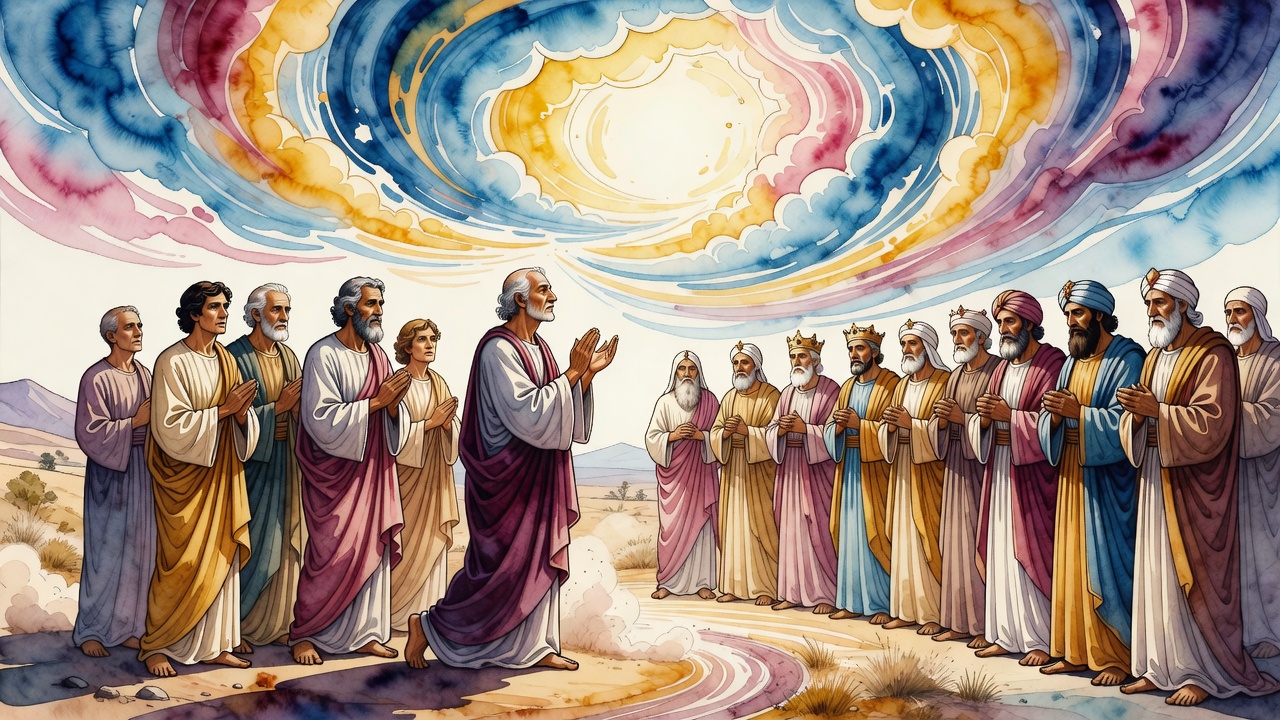
The genealogies are where readers speed up. The numbers are where commentators slow down. Rabbi Levi, walking past a circle of sages stuck on Genesis 25:17, stops and answers their question in two pieces, and the second piece is more tender than the first.
The question is simple: why does the Torah bother telling us how old Ishmael was when he died? One hundred and thirty-seven years. The Torah has already pushed Ishmael to the desert, to a different branch of the family, to a woman from Egypt and a life that runs parallel to but separate from the covenant. Why give him a full obituary? Who needed to know?
The Number That Hides Jacob's Age
Rabbi Levi's first answer is mathematical and precise. If you know Ishmael's years, you can calculate backwards to the year of Isaac's blessing. Ishmael was ten years older than Isaac. Isaac blessed Jacob when Isaac was one hundred and twenty-three years old and Jacob was sixty-three. Work through the numbers and Ishmael's lifespan becomes a clock ticking inside Jacob's story. The detail of one son's death hides the timestamp of another son's destiny. The Torah, in giving Ishmael his years, was filing a date in a story that had not yet happened on the page where the date was written.
But Rabbi Levi does not stop with arithmetic. His second answer is the one that changes how you read the whole scene.
Ishmael at the Funeral
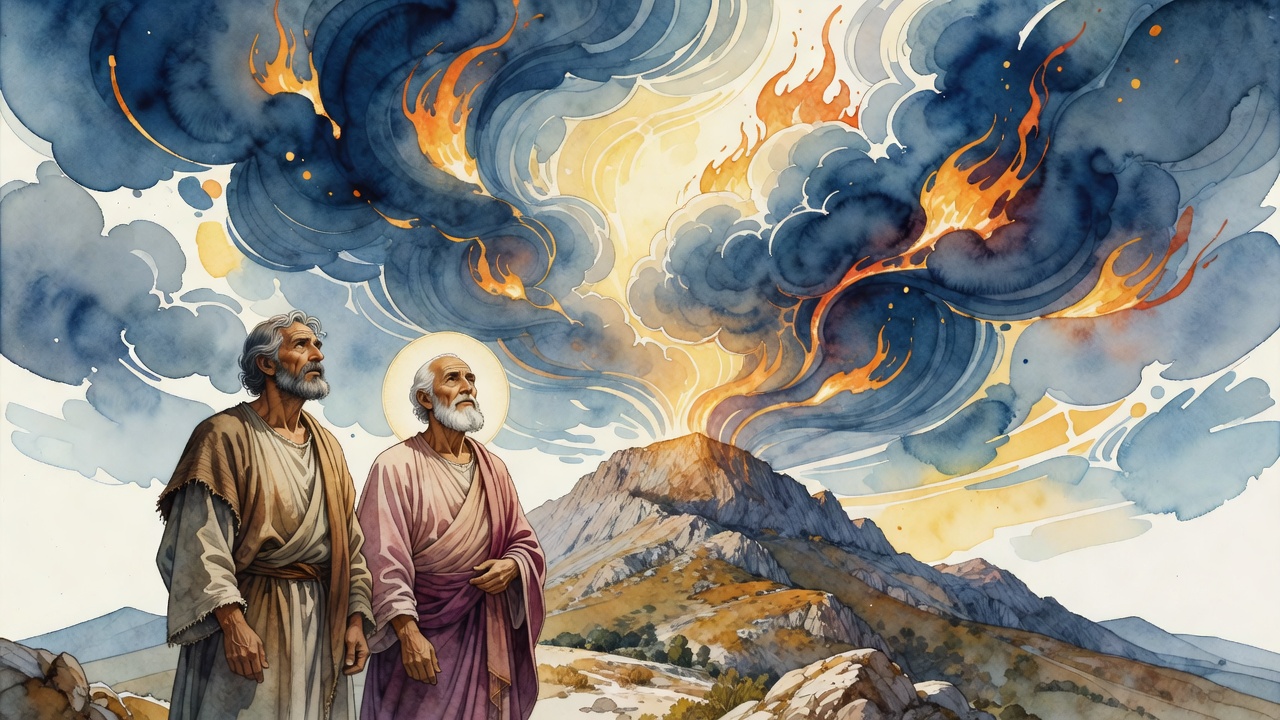
Ishmael walked to his father's grave. Genesis 25:9 records that Isaac and Ishmael buried Abraham together at the cave of Machpelah. Two sons. One grave. The Torah gives them equal place at the burial, which should not be unremarkable but is, because it means the son who was sent away came back for this.
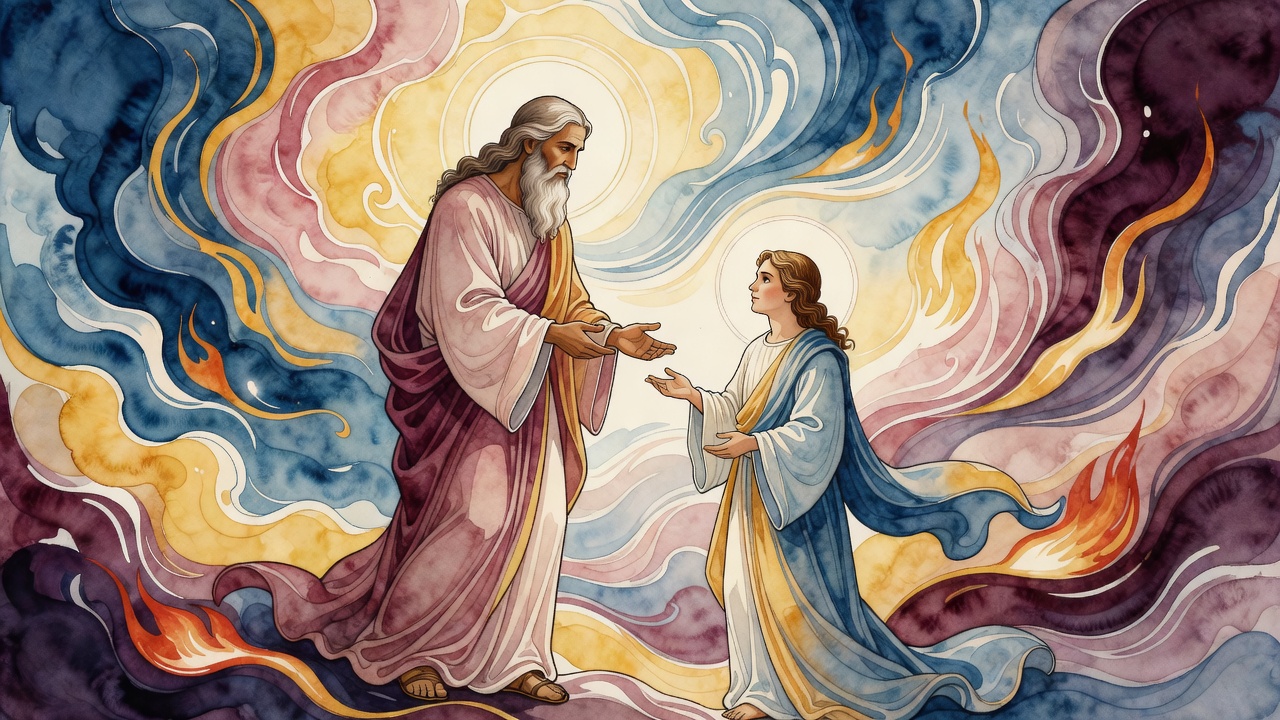
Rabbi Levi reads that return as teshuvah, as repentance. Ishmael, who had caused trouble in the household, who had been sent to the desert with his mother and told to make a life elsewhere, who had built a family far from the covenant, came back to bury his father. He gave up the grievance long enough to stand beside Isaac at the cave. The Torah dignifies his years because Ishmael died as someone who had done the hard thing. His obituary is the record of a man who returned.
Judah and the Things a Proud Man Admits
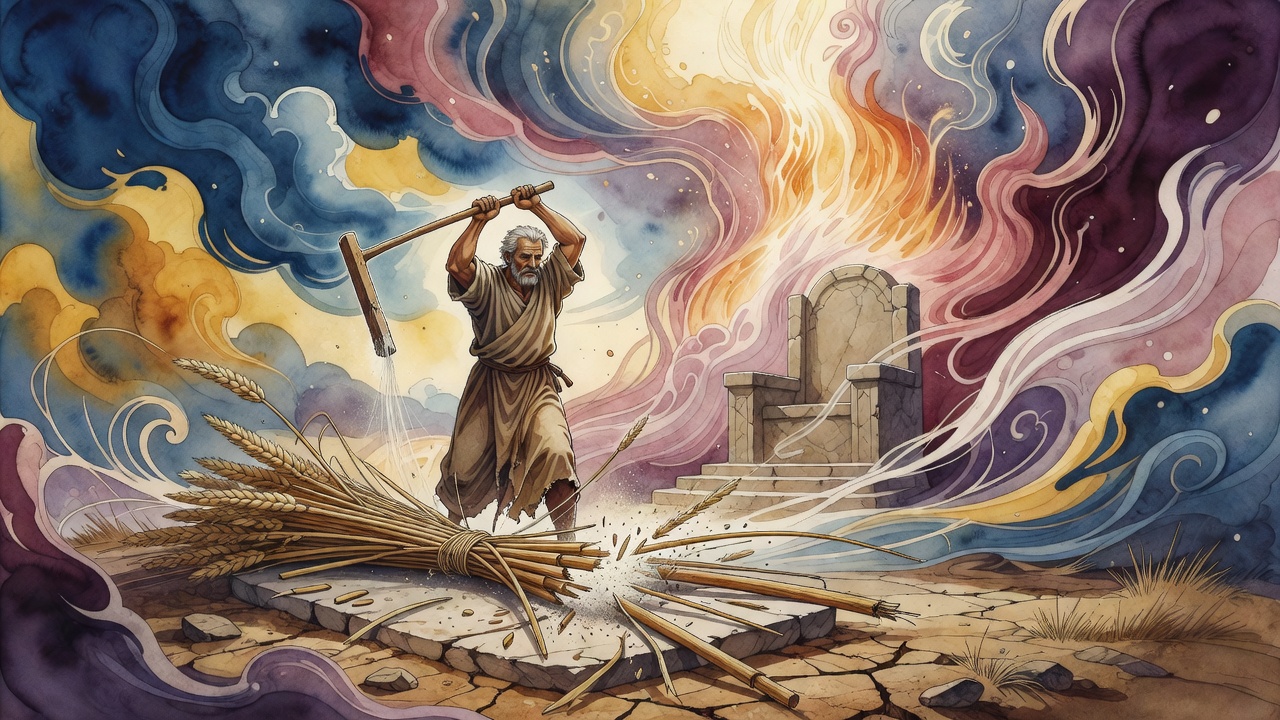
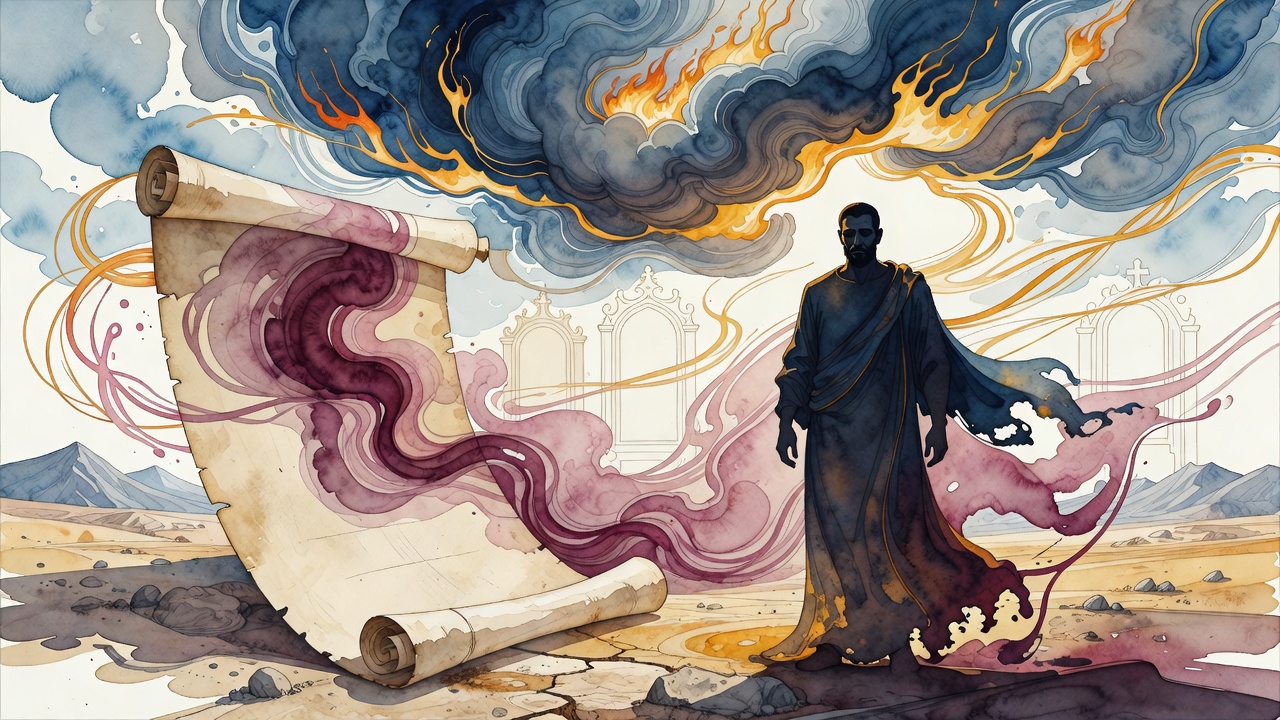
The second teaching in this pairing concerns Judah. When Jacob gathers the brothers for blessings in Genesis 49, Judah stands before his father to receive his portion. The rabbis ask why the Torah dwells on him. Judah was the son who slept with his daughter-in-law on the road to Timnah. He was the son who had sold Joseph. He was not the clean heir. And yet when Tamar produced his seal and cord and staff and said, by the man who owns these I am pregnant, Judah said the five words that cost him everything he had been protecting: she is more righteous than I.
Bereshit Rabbah reads those words as the reason Jacob blesses him. Not despite the Tamar episode, but through it. What Judah demonstrated in that moment was that he could say the thing a proud man cannot say. He could stand in public with his identity exposed and tell the truth. Jacob blessed him because a man capable of that confession is capable of everything the tribe of Judah would need to be.
Two sons the Torah refuses to forget. Ishmael, who came back to bury his father. Judah, who confessed his worst night in public so that a woman would not be burned. The Torah counts Ishmael's years and lingers over Judah's blessing because the rabbis insisted that return and confession are the two acts the tradition cannot afford to let go of, even in the people who least deserve the honor of being remembered.
← All myths