5 min read

The King Who Taxed the Dead Met a Revolt

No burial without silver and gold paid to the crown. Families scraped coins together to bury their dead. On his public day the city shouted him down.

Curated by Arthur · Told by Maggid ·
Table of Contents
  1. Tribute from the Grave
  2. The Cry That Named Adam
  3. The Head and the Body
  4. When the City Speaks as One Mouth
The King Who Taxed the Dead Met a Revolt Click for full size

Tribute from the Grave

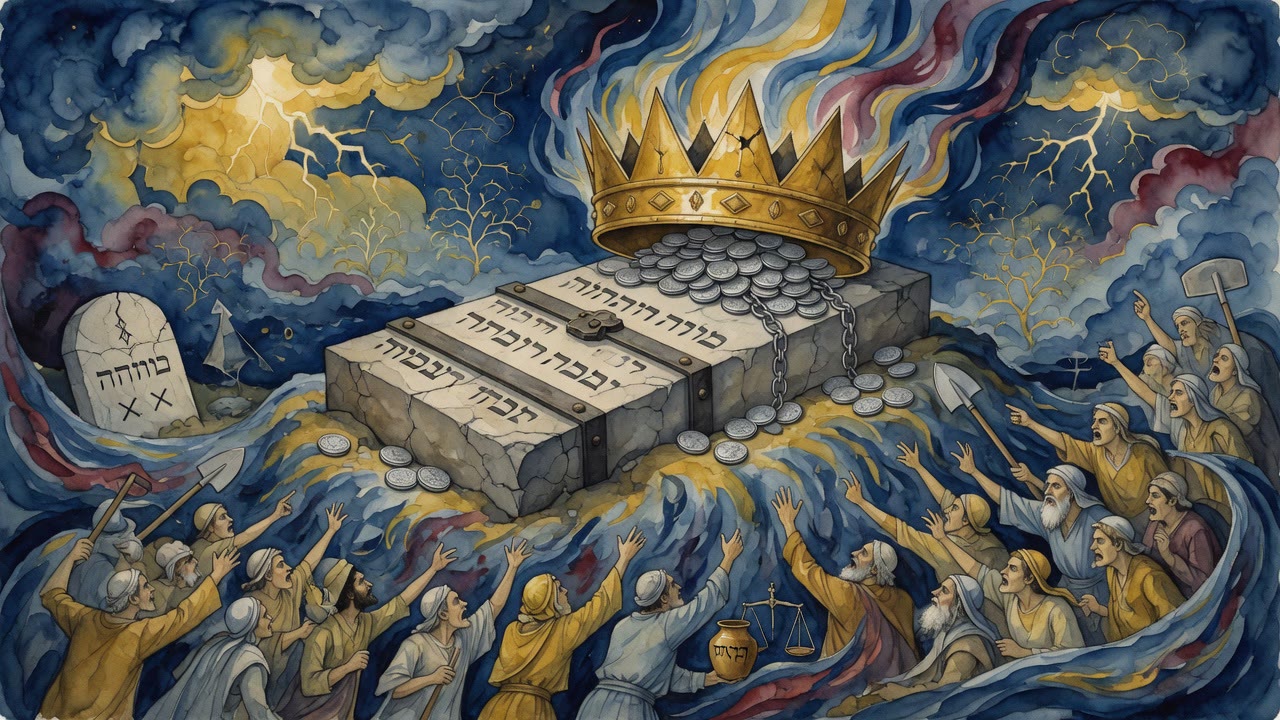
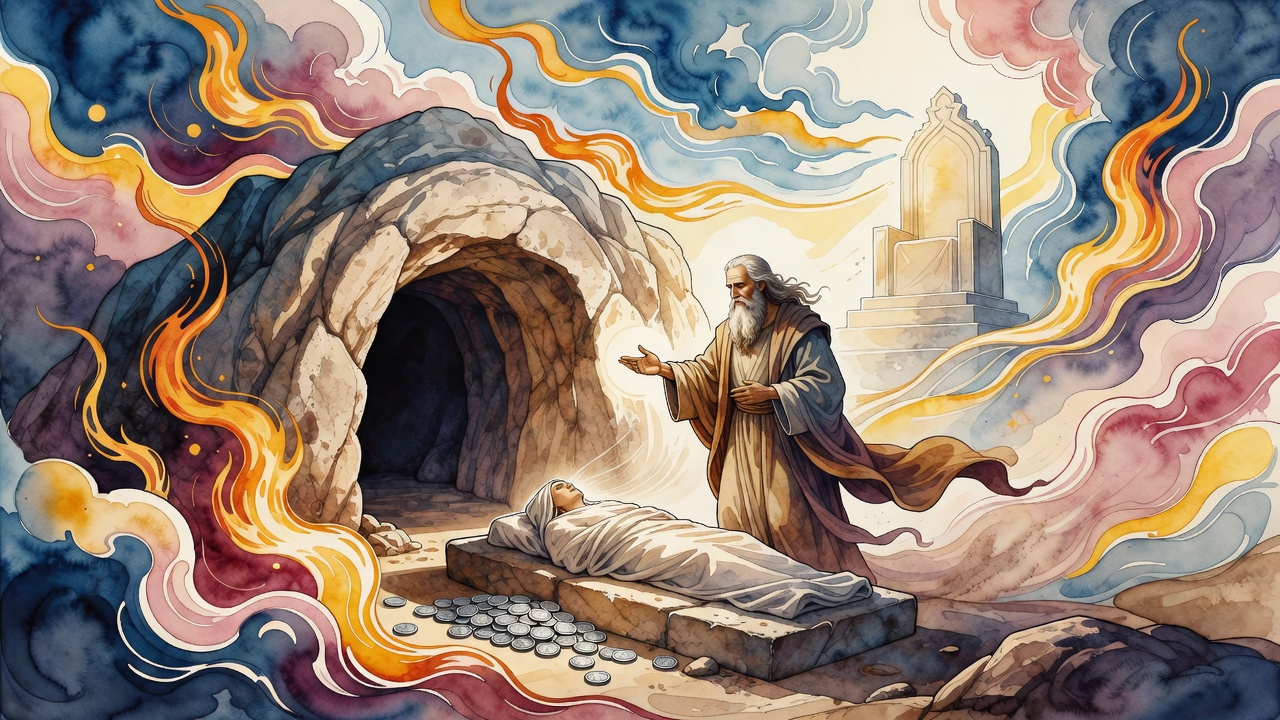
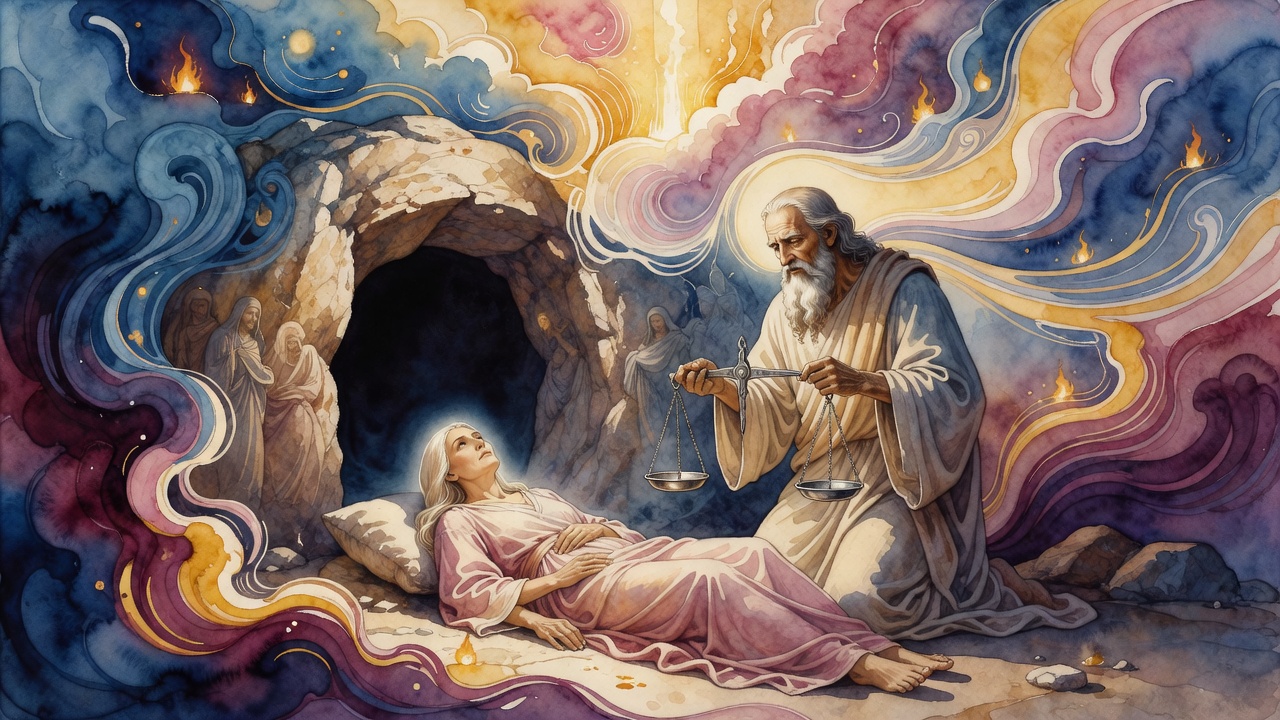
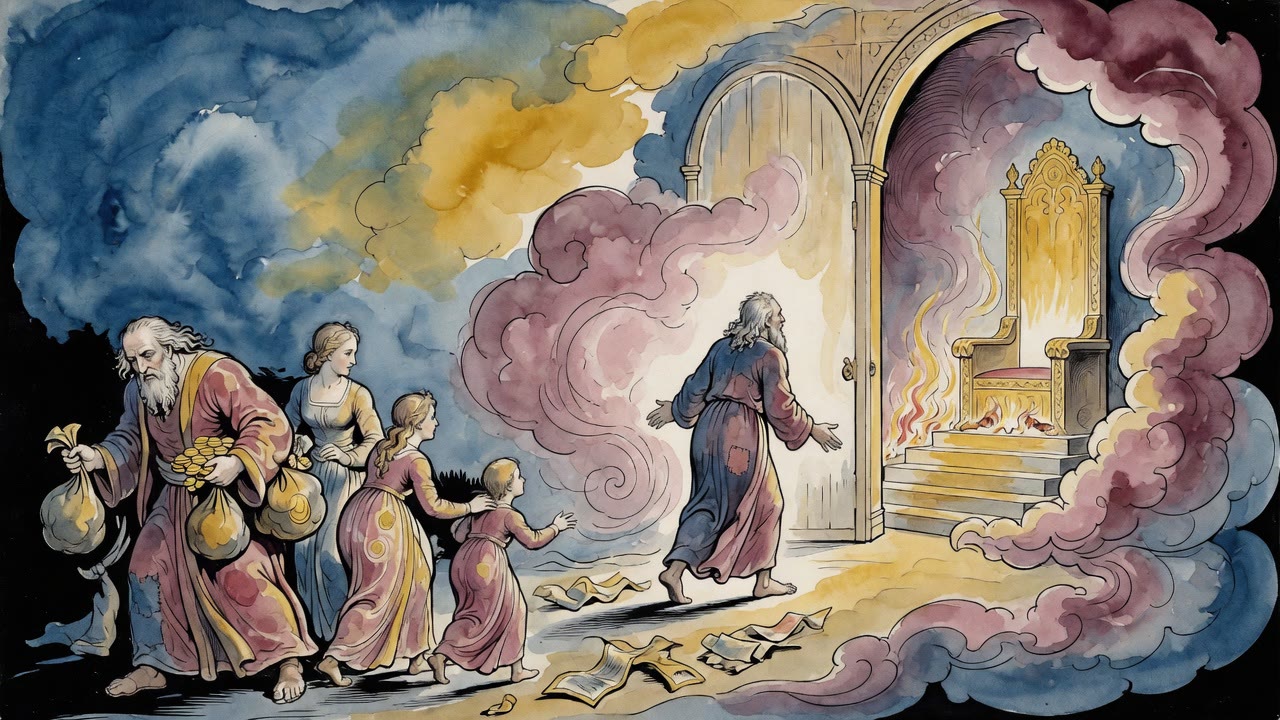
A king without a name in the telling invented a tax with a clear shape. No burial without silver and gold paid to the crown. Grief became a revenue stream. Families already torn open had to scrape coin before they could close the ground.

The living had always known the annual tax. This was different. Day by day the dead were billed for the right to rest. The whole city, the people said, was ruined thereby. Not only purses. Manners. Hope. The sense that a body belongs to more than a ledger.

On the day the king appeared in public, expecting the theater of loyalty, the city answered with a different theater. Accusation in the open air.

The Cry That Named Adam

"What is this thou art inflicting upon thy servants? Permitting none to be buried unless they pay thee silver and gold!" They reached for the oldest baseline. "Has a thing like this come to pass in the world since the days of Adam, that the dead should not be interred unless money be paid therefor!"

They granted the crown its ordinary claim. Tax the living. That privilege they knew. "But thou takest tribute from the dead, too, and thou exactest it day by day. O king, we cannot endure this any longer."

The speech is not abstract philosophy. It is a city naming a line. Commerce may touch markets. It may not stand at the grave mouth with an open palm as the price of dignity.

The Head and the Body

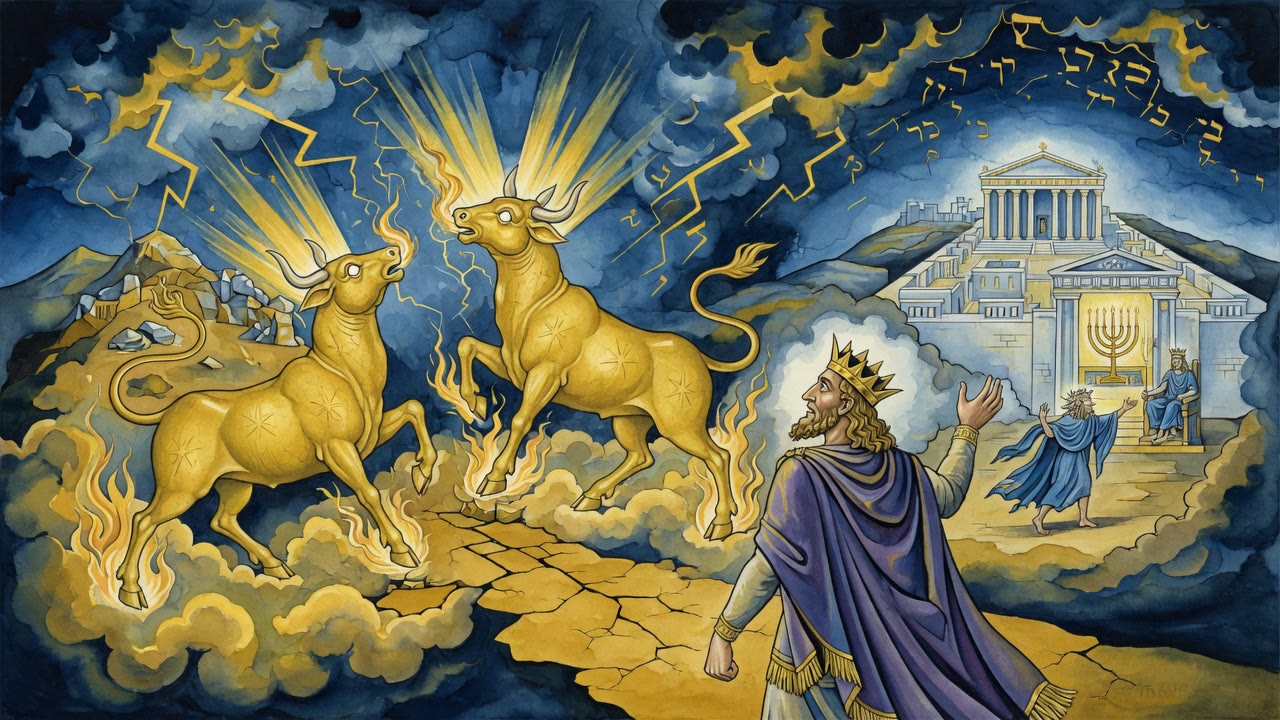
Pirkei de-Rabbi Eliezer frames leadership with a hard proverb. The entire body follows the head. A shepherd who loses the path loses the flock with him. Jeroboam stands as the Tanakh's exhibit. For the sins of Jeroboam which he sinned, and wherewith he made Israel to sin. One man's calves and policies trained a nation into patterns that outlived him.

The king who taxed the dead belongs in that gallery. A head invents a cruelty. A body either absorbs it until it sickens or throws it back on a public day. These people chose the second. They refused to let burial become a royal concession stand.

Righteous heads pull bodies upward. Corrupt heads pull them into novel sins that feel like law because a crown said so. The dead-tax was novelty wearing authority's cloak.

When the City Speaks as One Mouth

Revolt here begins as moral diagnosis shouted in the street. The king had misread the social contract. Living subjects pay for living order. Dead kin are not a second taxable class. Once the crown crossed that line, loyalty had no ceremony left to perform.

Adam's name in their cry stretches the claim across all human time. If the first world never sold graves, no later throne may invent the market. The appeal is conservative in the deepest sense. Conserve the decency that makes a people a people.

Jeroboam's sin made Israel sin. This king's tax made burial a bribe. Different centuries, same structure. The head writes a script. The body either recites or tears the page.

Silver that should have bought bread for orphans bought permits for graves. Gold that might have funded walls funded a bureaucracy of corpses. The midrashic eye sees economic policy as spiritual weather. A city can be ruined by a fee schedule.

The nameless king wanted a public appearance. He received a public trial without judges, only voices. That is how some legends keep power accountable when courts belong to the crown. The street becomes the bar. Adam becomes the precedent. The dead become the plaintiffs who cannot speak, so the living speak for them.

Leaders who forget that a people must bury its dead without haggling will learn what these subjects already knew. There are taxes that fund a realm and taxes that unmake it. The second kind arrives smiling with legal phrasing and leaves a city saying it cannot endure.

Jeroboam's calves still stand in the archive as proof that policy can catechize a nation into error. The dead-tax stands as proof that policy can catechize a nation into hardness. Both require a head willing to call the new thing normal. Both meet, in the best tellings, a remnant that still remembers older norms.

Burial is not a luxury good. The legend will not let it become one. The people who seized the king's day said so in sentences plain enough to outlast the crown that provoked them.

Body follows head. On that day the body refused the path and forced the head to hear the sound of a limit. Since Adam, they said. No further.

Night in that city filled with delayed funerals and whispered sums. Children learned the price of a grave before they learned the prayers for the dead. A crown that turns mourning into inventory trains subjects to harden or to rebel. These subjects rebelled with memory. Since Adam, they said, and the phrase leveled every royal novelty against the oldest human duty.

Jeroboam's calves and this burial fee are cousins in the family of head-sins. One teaches a nation to bow wrong. The other teaches a nation to bury wrong. The body that follows a bad head can still, on one public day, plant its feet and refuse the next step. Legend keeps that day as proof that limits exist even when decrees do not list them.

The nameless king wanted cheers. He received a civics lesson shouted by people who still knew what a corpse is for. Rest. Honor. Earth without an invoice. Anything less ruins a city faster than siege.


← All myths

From the tradition

Sources

2 sources

The texts behind this telling. Some cards carry a translation of the source; others are our own retelling of it, and each card says which. Every card links out to the original.

Legends of the Jews 5:105Legends of the Jews

Retold in our words. Read the original at the link below.The Legends of the Jews by Louis Ginzberg (1909) · Public Domain

The story goes that a king – we don't know his name, but his actions speak volumes – decided to impose a truly… unique… tax. A tax on the dead.

Yes, you read that right.

A family, already grieving the loss of a loved one, now having to scramble for silver and gold just to give them a proper burial. The indignity of it all!

The people, naturally, were outraged. On the very day the king decided to make a public appearance – perhaps thinking he'd be greeted with cheers and accolades – they seized the opportunity to voice their discontent. "What is this thou art inflicting upon thy servants?" they cried. "Permitting none to be buried unless they pay thee silver and gold!"

Their words are sharp, direct, fueled by desperation. They make their case powerfully.

"Has a thing like this come to pass in the world since the days of Adam, that the dead should not be interred unless money be paid therefor!" The audacity of the tax is highlighted by its sheer unprecedented nature. This wasn't just another royal decree; it was a violation of the most basic human dignity.

They acknowledge the king's right to tax the living – a necessary evil, perhaps – but drawing the line at the departed. "We know well that it is the privilege of the king to take an annual tax from the living. But thou takest tribute from the dead, too, and thou exactest it day by day. O king, we cannot endure this any longer, for the whole of the city is ruined thereby."

Think about the weight of those words: "the whole of the city is ruined thereby." It wasn't just about the money. It was about the moral decay, the erosion of compassion, the sheer hopelessness that such a decree inspired.

Of remembering that even in positions of power, we are all ultimately human, and that our actions have consequences far beyond the immediate bottom line. A tax on the dead? What could be more dehumanizing? It's a chilling thought, and a powerful lesson from the Legends of the Jews that resonates even today.

Full source
Pirkei DeRabbi Eliezer 42:11Pirkei DeRabbi Eliezer

Retold in our words. Read the original at the link below.Pirke de Rabbi Eliezer, trans. Rabbi Gerald Friedlander, London (1916) · CC-BY

Pirkei DeRabbi Eliezer, a fascinating early medieval text, dives deep into this very idea, exploring the profound impact leaders have on their communities. Rabbi Reuben puts it quite bluntly: "The entire body follows the head." It's a simple, yet powerful statement. If the shepherd loses their way, what happens to the sheep? They wander, lost and vulnerable.

The text even brings in a stark example from the Tanakh (Hebrew Bible): King Jeroboam. "For the sins of Jeroboam which he sinned, and wherewith he made Israel to sin" (1 (Kings 15:3)0). It's a heavy indictment. Jeroboam's misdeeds didn't just affect him; they led an entire nation astray.

What about the flip side? What happens when a leader is righteous, inspiring? That's where the story truly shines.

Think about Moses at the Red Sea. After witnessing the incredible miracle of their liberation, Moses didn't just stand there speechless. He sang! He poured out his heart in praise to the Holy One, blessed be He. And what did the people do? They joined him. "Then sang Moses and the children of Israel" (Ex. 15:1). One man's song became a nation's anthem.

And then there's Miriam, a prophetess in her own right, the sister of Aaron. She too, understood the power of music, of praise. After the crossing, Miriam took a timbrel – a kind of hand drum, and led the women in song and dance. “And Miriam the prophetess, the sister of Aaron, took a timbrel… and all the women went out after her" (Ex. 15:20).

Now, here's a question for you: Where did they get these instruments? They were in the middle of the desert! Pirkei DeRabbi Eliezer offers a beautiful answer: "But the righteous always know and conciliate (God), and are assured that the Omnipresent, blessed be He, performs for them miracles and mighty deeds. Before (the time of) their departure from Egypt they prepared for themselves timbrels and chorus."

Think about the faith, the sheer emunah (faith), it took to pack those instruments before they even left Egypt! They knew, deep down, that they would have reason to celebrate. They knew that miracles were possible.

That hope, that faith, that preparation – it all starts with leadership, with the vision to see beyond the present, to anticipate the possibility of joy, even in the face of hardship. And it reminds us of the profound responsibility we all have, in our own ways, to be the kind of leaders who inspire others to sing, to dance, and to believe in a brighter future. What kind of song are we leading others to sing?

Full source