The Son Who Kept His Father at the Millstone
One son feeds his father banquets and shames him. Another puts him at the millstone to keep Roman fines off his back. Heaven knows which is honor.
Table of Contents
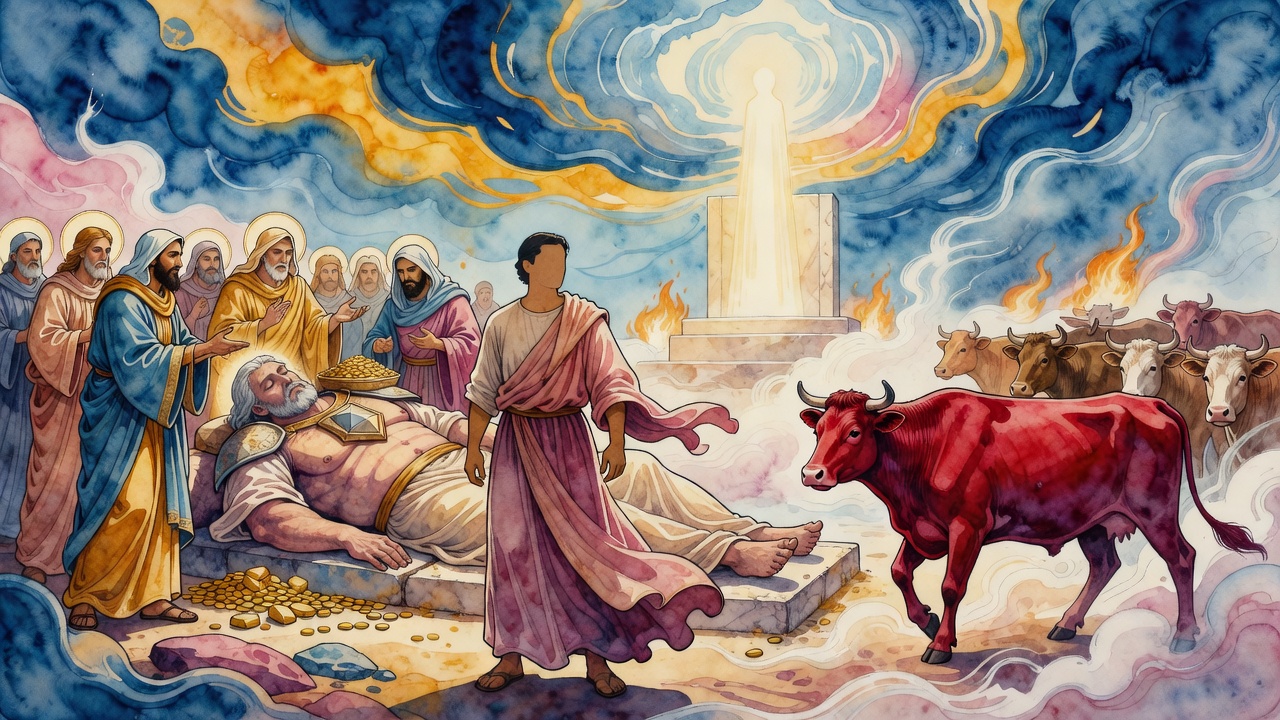
The first son set meat and sweet wine before his father every day. Guests saw the old man at the head of a full table and praised the son's devotion until the praise itself became part of the furniture. Then the father hesitated over some small favor, or asked for a kindness the son did not care to grant, and the praise curdled in the same room. In front of the same guests the son insulted him, stripped him with words sharp enough to make the wine taste like metal, until the old man wished he had stayed hungry at home where humiliation at least had no audience.
 Click for full size
The food was a costume. The contempt was the real marriage of that house.
The Millstone in the Back Room
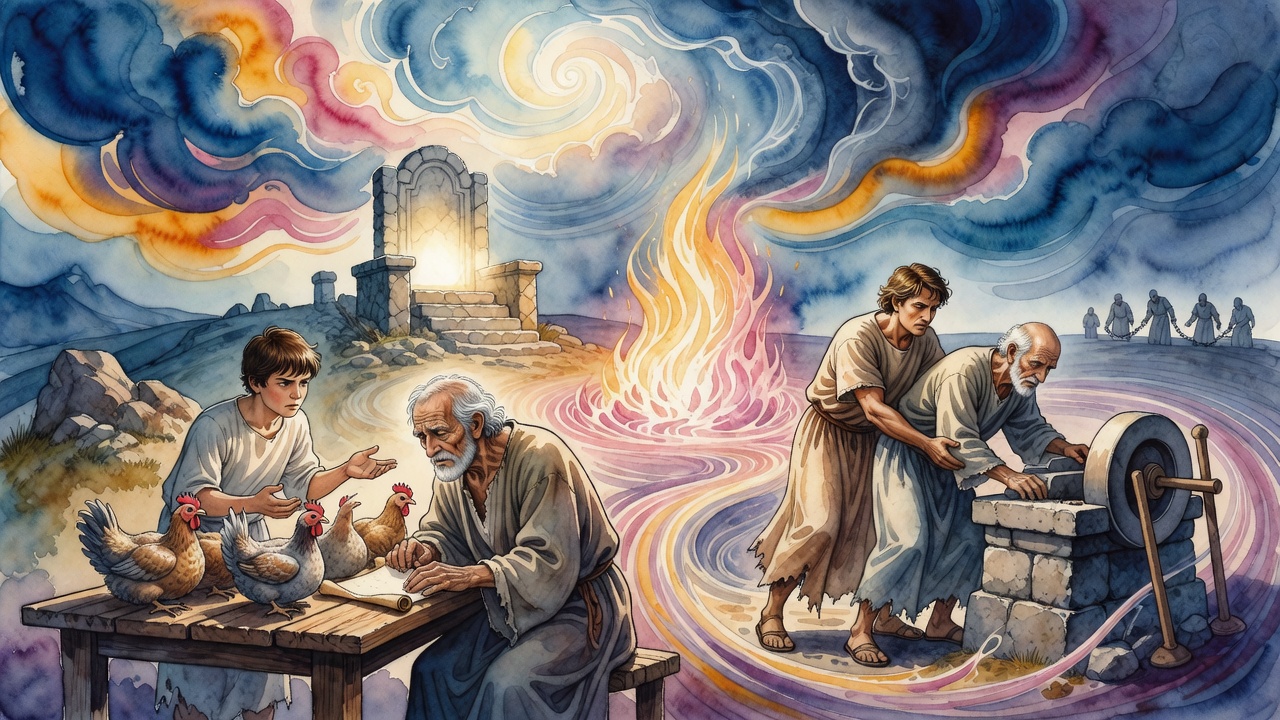
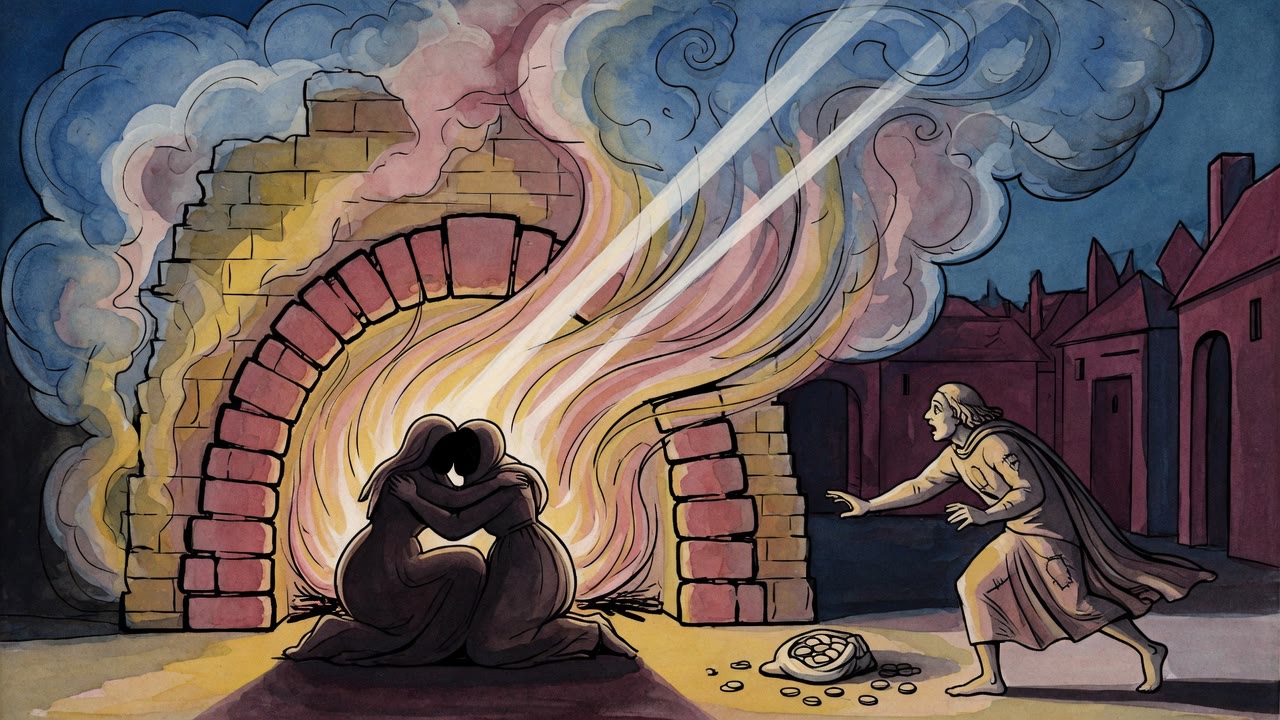
The second son was poor. He put his father to the millstone, turning the heavy wheel for long hours because there was no coin to hire another back and the grain still needed grinding if anyone was to eat. Neighbors whispered cruelty from doorways. Look again, the sages said. The son had gone to the authorities and taken every tax and penalty that would have fallen on the father. Every fine, every summons, every Roman indignity designed to break an old man in public, he absorbed himself. He kept the father at the household stone so strangers with whips and ledgers would not get him for a debt the son could still carry on younger shoulders.
The first son, the sages taught, inherited nothing in the world to come. The second inherited the Garden. Honor is not what lands on the plate in front of witnesses. Honor is what is kept off a father's back when no one is watching to applaud.
The Table Smashed for Missing Nuts
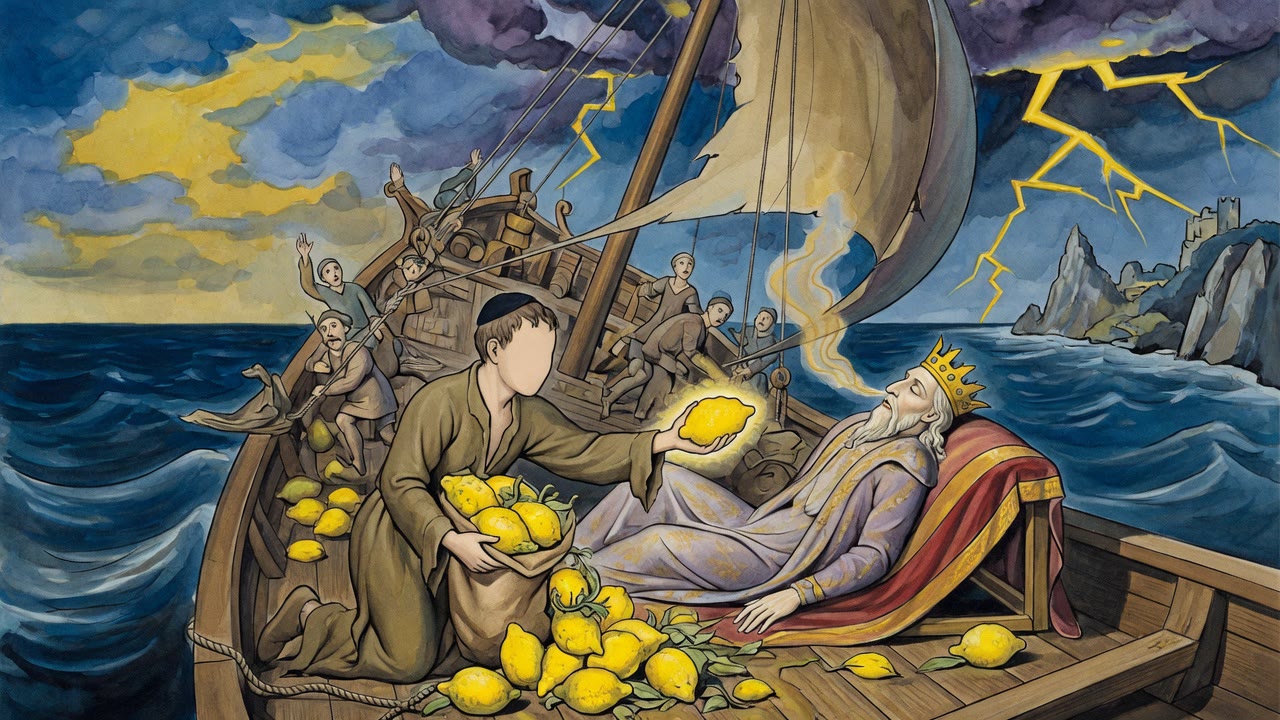
A wealthy pagan sat down to marble and a dozen delicacies brought from far markets. Roasted meats, spiced wines, sweet breads stacked like small victories. One variety of nut was missing, a garnish, a habit, a thing so small a child might not notice. He rose, seized the table, and shattered the feast to the floor. Meat and wine and silver scattered. Twenty pleasures could not console him for one absence. His appetite had outgrown his reason and then eaten reason last.
The rabbis kept the portrait as a disease with a name: a life so ruled by pleasure that presence cannot be tasted. Against it stands the Jewish habit of blessing bread first, the simplest thing on the board, naming each pleasure before it enters the mouth. Gratitude trains the tongue against the smash. The banquet son and the nut-smasher share a soul under different roofs. Both perform abundance while practicing contempt for what is actually in front of them, whether a living father or a full plate missing one garnish.
So That We May Be Saved by Them
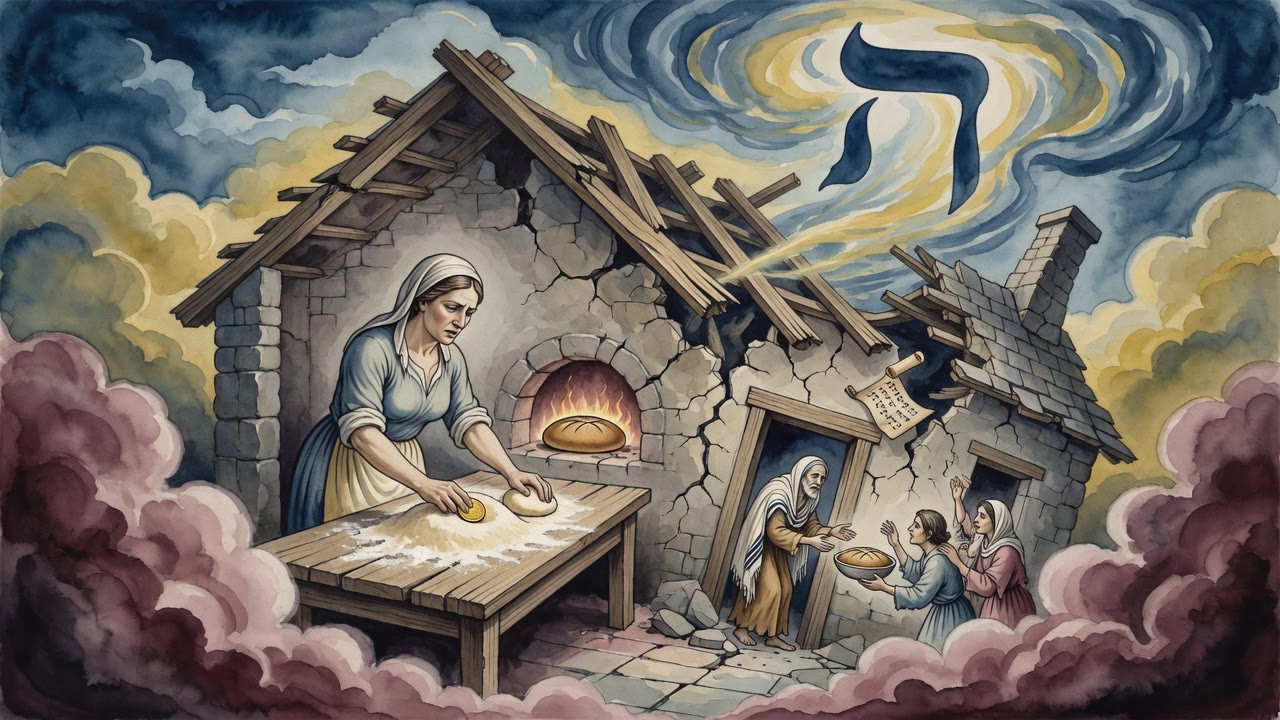
A philosopher stood before Rabbi Akiba with a clean blade of a question meant to leave blood on the floor of the argument. "If your God loves the poor, why does He not support them Himself? Why leave them hungry at the gates of other people's houses?" Akiba's answer turned the room without raising his voice. "So that we may be saved by them." Poverty is not proof that heaven forgot the weak. It is a doorway that keeps the rest of us from becoming the first son forever, all show and no protection.
Charity outweighs sacrifices on the scale the sages trust. A gift in secret, they said, is greater than Moses, who once feared God's anger in the aftermath of the calf, while Solomon taught that a secret gift pacifies anger (Proverbs 21:14). Read the verses together and the quiet coin becomes a shield even Moses did not know how to hold. The poor father at the millstone is not only a burden on a young man's calendar. He is the chance the rich son refused when he chose spectacle over protection and wine over the tax office.
Which Inheritance
On the street the first son looked like piety in a clean cloak. On the ledger of heaven the second son's dusty hands outranked him without contest. Kibbud av, honor of a father, can be faked with wine and destroyed with a sneer in the same hour. It can also look like hard labor shared, taxes carried, a body placed between an old man and the state that wants him small.
The Garden does not ask how the meat was seasoned or whether the guests were impressed. It asks who paid the fine and who left the old man alone with his shame and his full plate.
What the Guests Never Saw
Guests remember the banquet. They do not see the night the second son walked home from the tax office with less money and a lighter fear for the man grinding at home. They do not hear the father at the stone humming because the alternative was a Roman court and a public breaking. Stories that judge by surfaces will always crown the wrong heir and call the crowning justice.
Starve the fire of show. Feed the quiet work. That is the whole teaching, heavy as a millstone, clean as a secret gift, and harder than either when the neighbors are watching the wrong son.
← All myths