The Stingy Man Whose Walls Tore Open to Spill His Hidden Hoard
A stingy man swore he owned no scythe, no axe, nothing to lend, until a plague tore his walls open and spilled his hidden hoard for all to see.
Table of Contents
The man had a scythe. He had an axe with a good iron head, a ladder, a pot wide enough to boil a whole lamb, coils of rope, a winnowing fork. He had all of it, and he kept it behind a bolted door, and to every neighbor who came asking he opened his mouth and swore he owned nothing at all.
 Click for full size
"Lend me your scythe," a man would say at harvest, when a field ripens faster than one pair of hands can cut it. "I have none," the owner answered, and did not step from the doorway. "Then your axe, only for the afternoon." "I have no axe." His eye was too narrow to let a single thing pass out of his hand and come back a day later a little more worn. So he lied, and the neighbor walked back down the road with nothing, and the door stayed shut.
The Neighbors Kept Knocking at a Barred Door
It went on for years. A woman needed a pot for a wedding feast and was told there was no pot. A widow asked for the loan of a ladder to mend her roof before the rains and was told, from behind the door, that ladders were not to be had in that house. Each time, the man felt the small warm pleasure of having kept what was his. Each time, the one who knocked learned again what everyone on the street already knew, that this was a house you did not bother to approach.
Heaven kept a different account. The Holy One did not strike the man's hand, or his eye, or his tongue. He struck the house.
A Stain Crept Across the Plaster
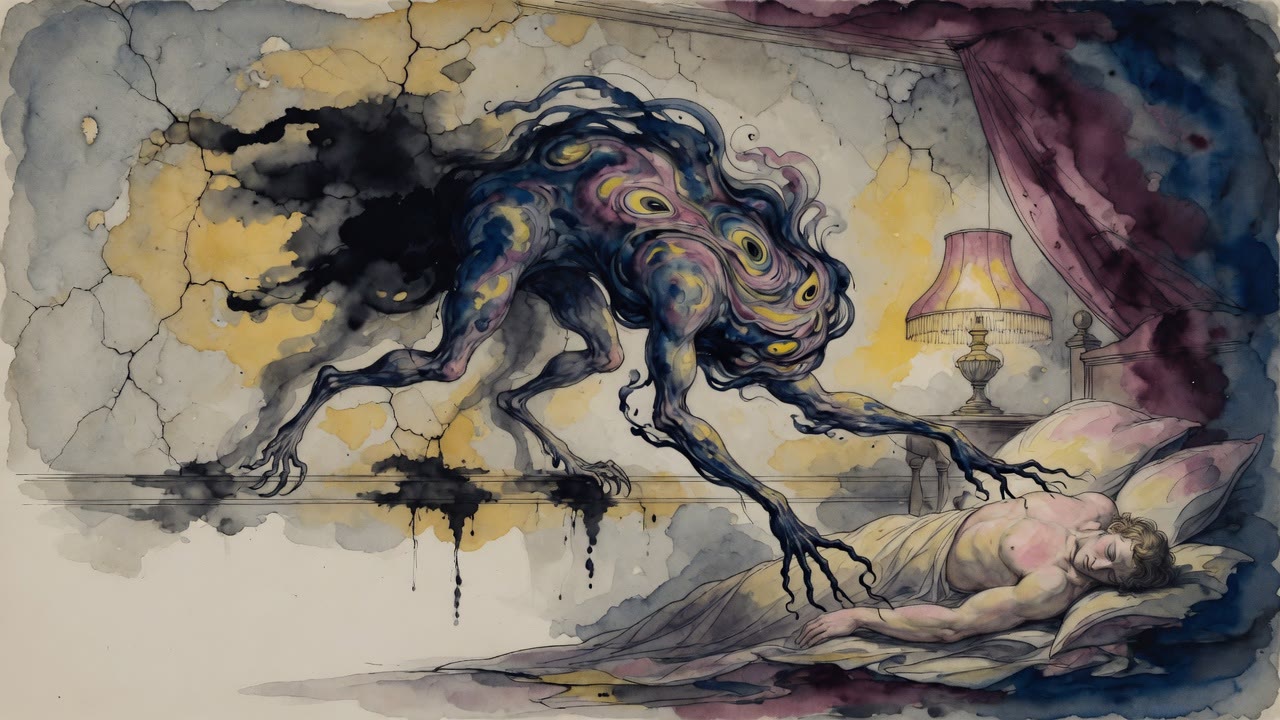
It began as a discoloration low on an inner wall, a patch of green streaked through with red, sunk a little deeper than the plaster around it. The man scrubbed it. It came back wider. Within days it had spread along the stone like something feeding, and no washing touched it. This was tzaraat, the affliction that falls not only on skin and cloth but on the very walls of a house, and there was only one man permitted to name it.
So the miser who would open his door to no one went out to fetch the priest. "Something like a plague has appeared to me in the house," he said, careful even now, hedging, as though the stones might yet be talked out of it.
The Priest Ordered the Stones Torn Out
The priest came and looked and shut the house for seven days. When he returned and found the green had crept farther, he gave the command the man had dreaded. First, empty the house. Carry everything out into the street before the ruling falls, so that what is inside is not caught in it.
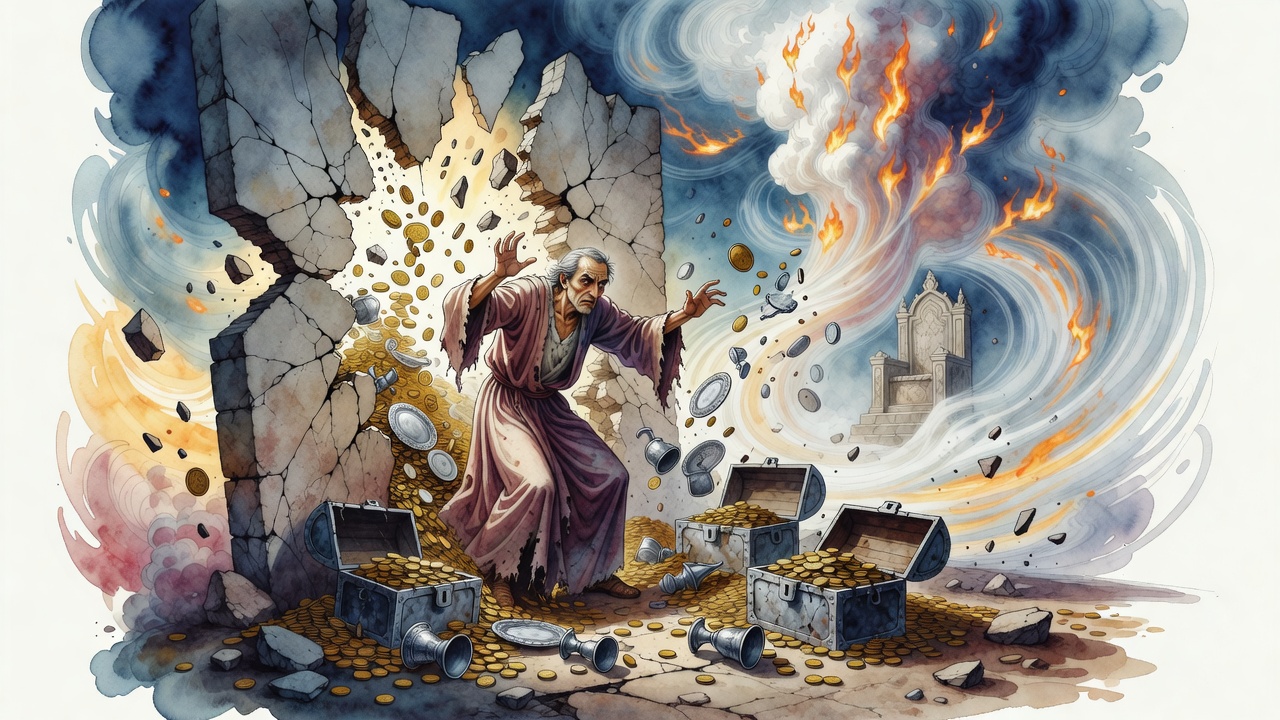
Then they came for the walls. The priest ordered the stained stones pried loose and hauled beyond the town, the inner plaster scraped off whole and poured out in an unclean place. When the green rose again even in the fresh mortar, he ordered the rest. Its stones, its timber, all the mortar of the house, broken down and carried outside. The neighbors gathered to watch a house come apart in daylight.
His Hoard Spilled Into the Street
There in the street, dragged into the sun where the whole town stood, was everything the man had sworn he did not own. The scythe. The axe with its good iron head. The ladder the widow had begged for. The wide pot, the rope, the fork, hoard on hoard of it, hauled from the rooms of a man who had met every knock with "I have none."
The crowd said it out loud, the way crowds do. "Did he not swear he had no scythe? Did he not stand in that door and tell me he had no axe? Look at them. Look what he hid while he sent us home empty." What the produce of his house had bought him and what his shut hand had cost him went out of the walls together, poured out in the open in a day of wrath, and there was no bolt left to close over any of it.
The Warning Had Come to His Walls First
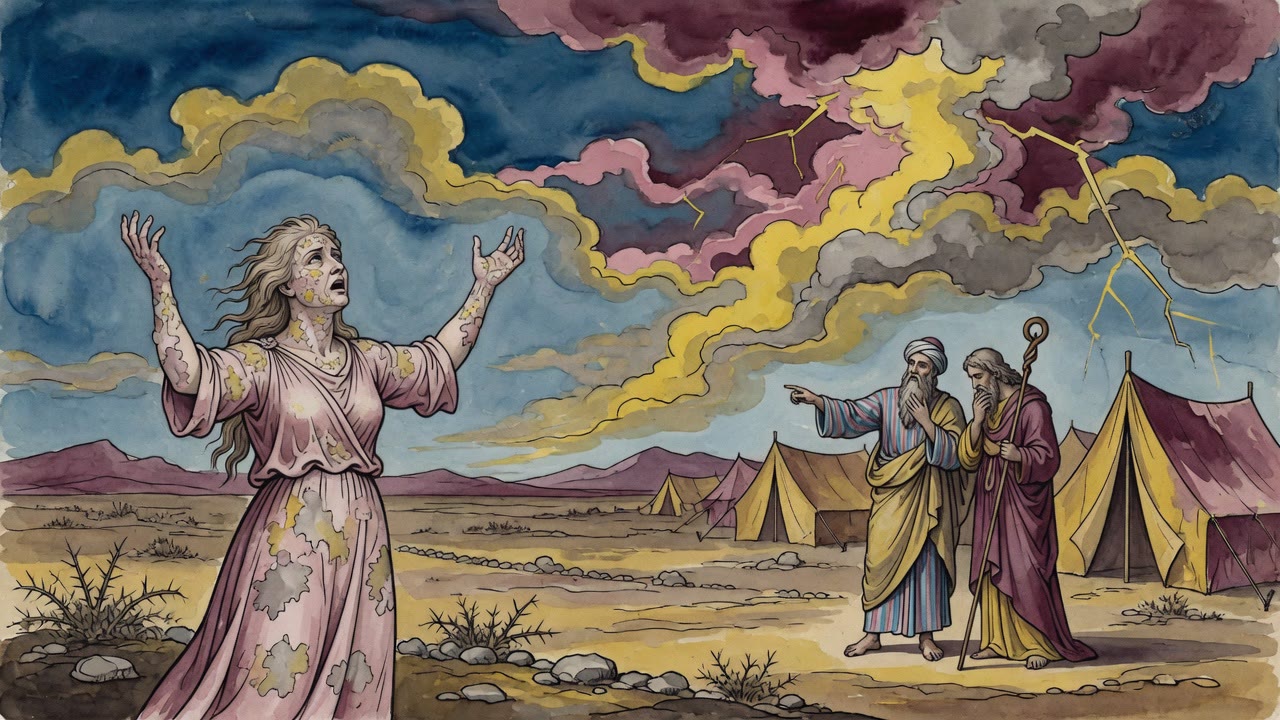
The ruin carried a mercy inside it. The plague had gone to the stones and not yet to the skin. When the nations of the world sin, the blow lands first on the body and only afterward on the house, as it fell on Pharaoh, struck in his own flesh before his household ever felt it. For this man the order was reversed. The wall whitened before the arm did. The house was a summons he could still answer, a warning set up in green and red where he could not miss it.
If he hardened, the affliction would climb. From the stones to his garments, from the garments into his own flesh, the white spreading up his arm the way it had spread across the wall, and then there would be no house left to hide behind and no lie left to tell. The stones had been torn out to hand him the one thing his neighbors had never gotten from him, a chance to open his hand before it was too late.
← All myths