The Wicked Ate Well Until the Dust Claimed Them
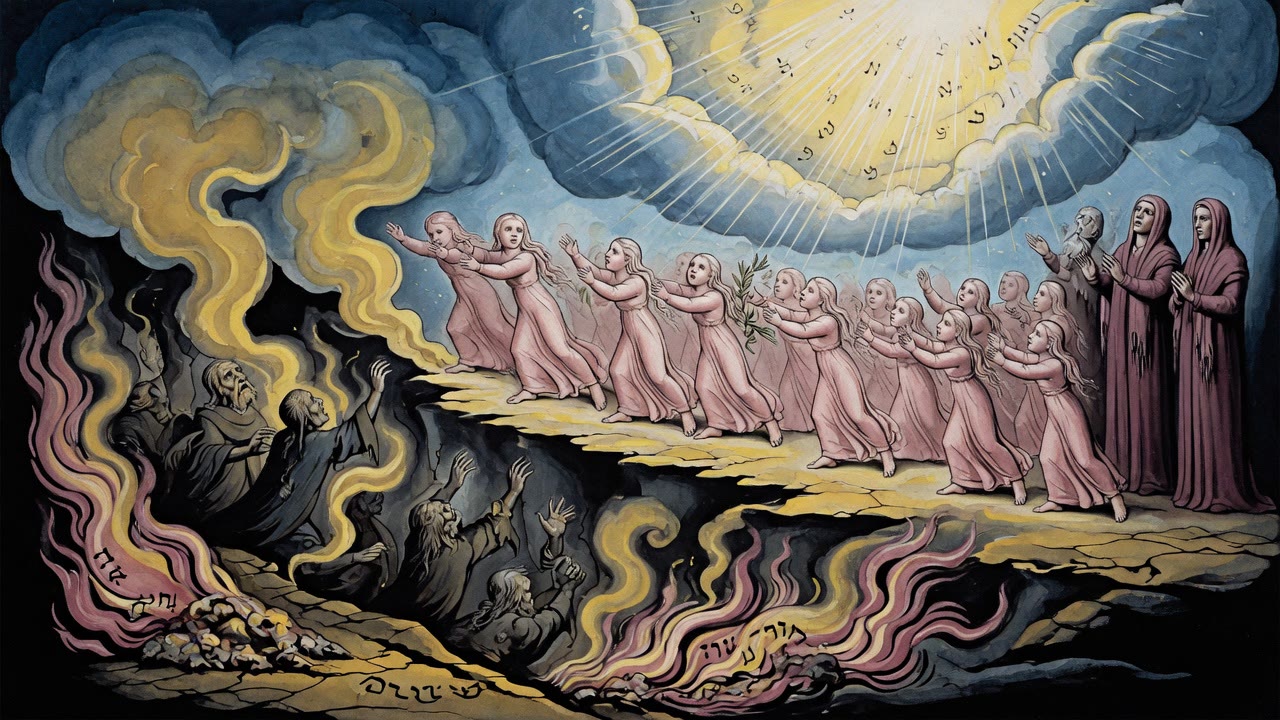
Wicked men feast while the righteous fast like sheep for slaughter. Both return to dust, but only one soul walks back to God.
Table of Contents
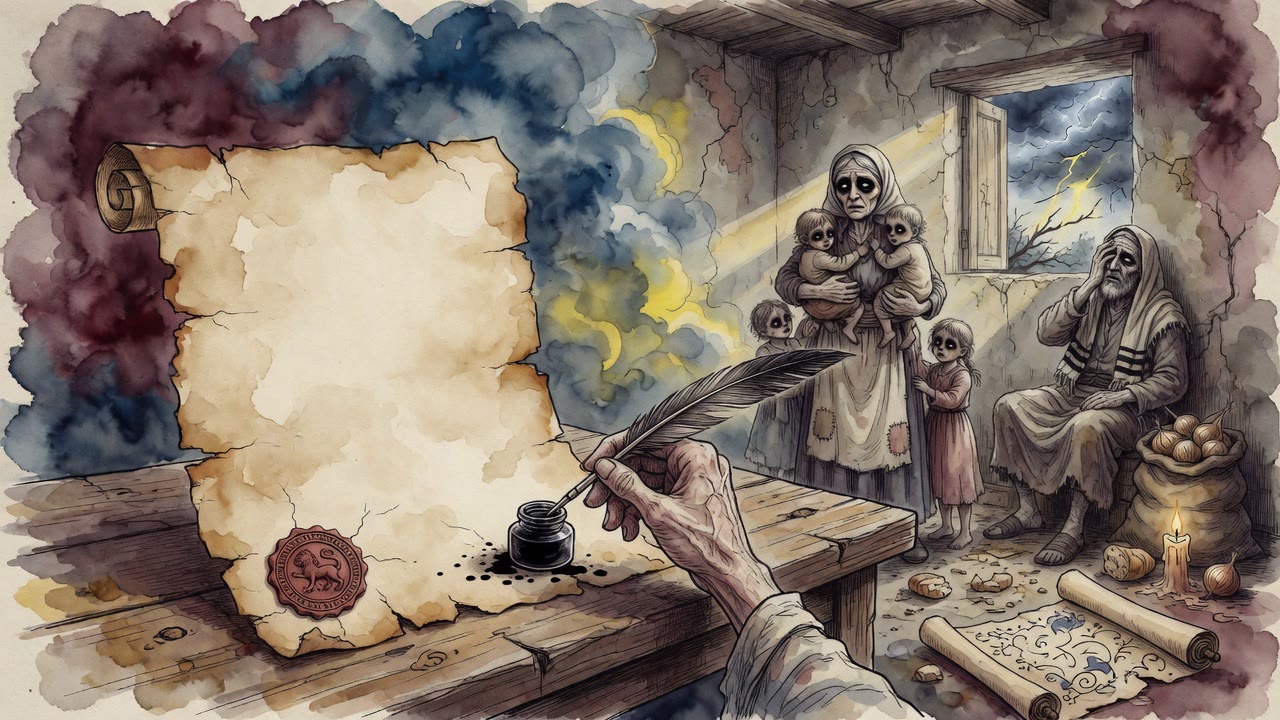
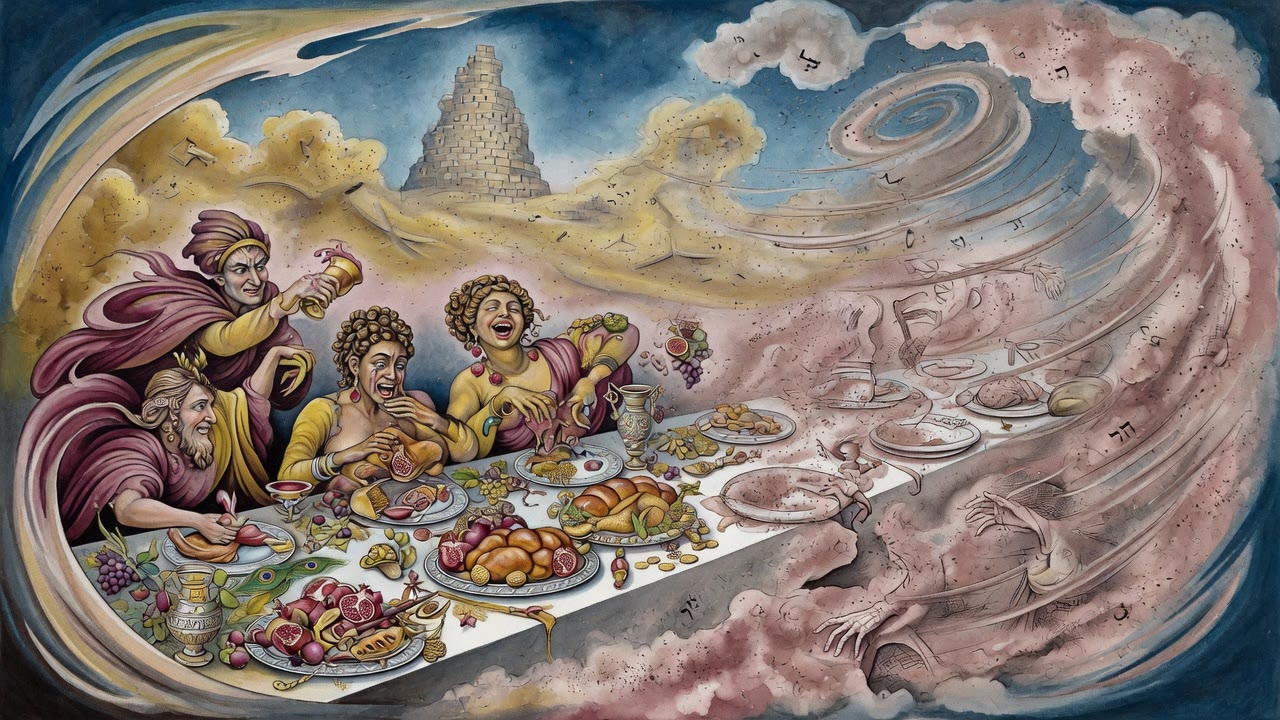
The wicked man wiped grease from his mouth and laughed with a full belly. Meat juice ran down his wrist. Across the lane a righteous woman counted the hours of her fast and pressed a dry crust into a child's hand before she took any for herself. Her knuckles were white on the crust. Both would lie down one day under the same kind of soil. The grave does not sort them by smell of dinner.
 Click for full size
"Who knows the spirit of the sons of man," Ecclesiastes asks, and whether it rises, and the spirit of the beast, whether it goes down to earth (Ecclesiastes 3:21). The verse cuts between two houses on one street. One house still pours wine. One house still refuses it.
Tranquility Bought on Credit
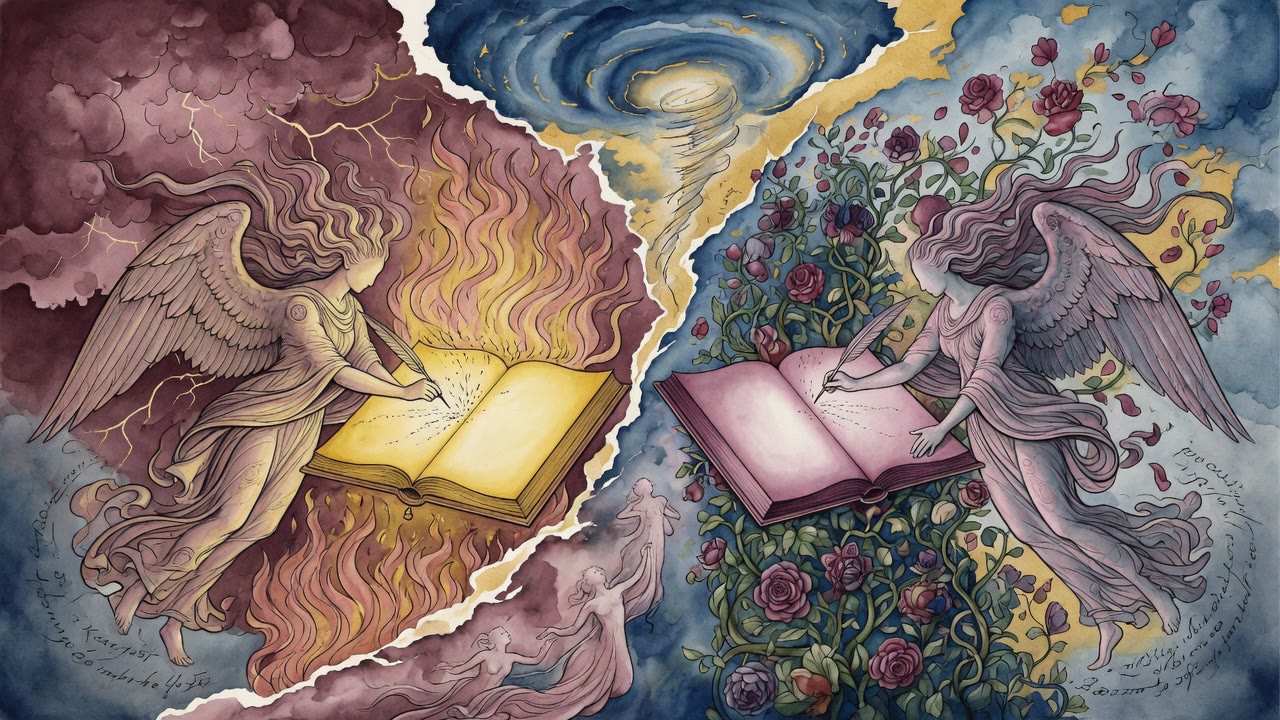
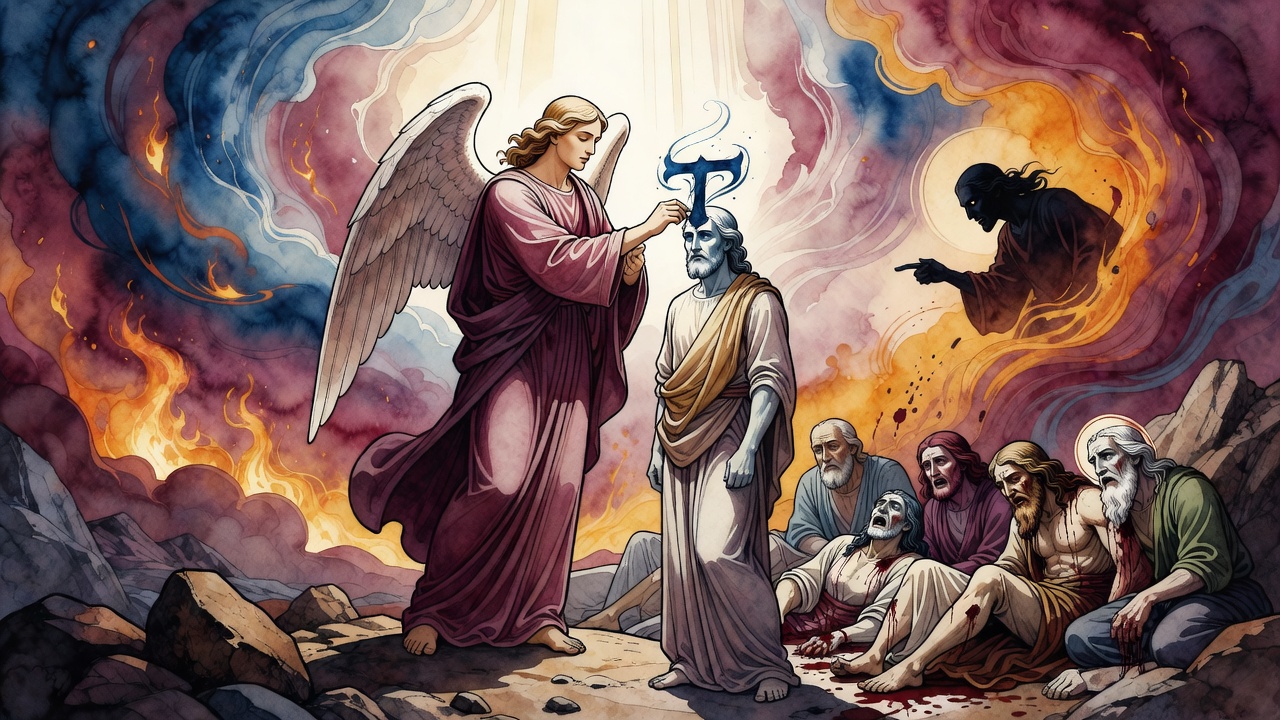
After the feast the wicked man stepped into the night and cursed a neighbor who had begged him for grain that morning. Heaven let him sleep through until dawn. God did not strike the bed. The quiet was not a stamp of approval. It was a ledger entry. Earthly ease marks the wicked for a sharper measure later, a differentiation the sages call levarer, to designate, to sort.
He will see that he is as an animal bound for slaughter with no share in what follows. The feast does not vanish from memory. It becomes evidence. Every night of unbroken sleep while a neighbor's prayer went unanswered becomes a weight he carries when the sorting finally arrives.
He still reaches for another cup. The cup still tastes good. That is the cruelty of credit. The bill has not yet walked through the door. He laughs with his mouth full and does not hear the knife being sharpened on the far side of the meal.
Sheep That Stretch the Neck
Across the lane the woman rose before light and tied her belt for another day of hunger offered upward. Her speech was not blasphemy. It was the rasp of a fast, the soft sound of water refused, the groan of a body that still stood to give. God differentiates the righteous too, this time to designate reward equal to the measure of what they carried.
Israel is called sheep in Ezekiel's mouth: "You are My sheep, the sheep of My pasture, you are man" (Ezekiel 34:31). A sheep extends its neck for the knife. The righteous extend their days under pressure for God, as the psalm says, "For we are killed all day long for You" (Psalm 44:23). From the street, devotion looks like a neck offered. From the street, the wicked look like men who won.
Only the sorting at the end tells which body was being prepared for slaughter without hope and which body was being counted for reward. An old man once forced himself from a sickbed, lit a lamp for the poor before night sealed the street, and died before dawn. Anyone who performs a mitzvah (a commandment) just before dying is treated as if that deed completed a measure that had been one act short. Anyone who performs a transgression in the last breath finishes a measure of guilt the same way. The neck of the sheep and the grease on the wicked mouth can both receive a final stroke that closes the count.
The woman heard the lamp story and did not smile. She set another crust aside for a stranger and kept her fast unbroken until the stars thinned.
Dust Under Two Doorsteps
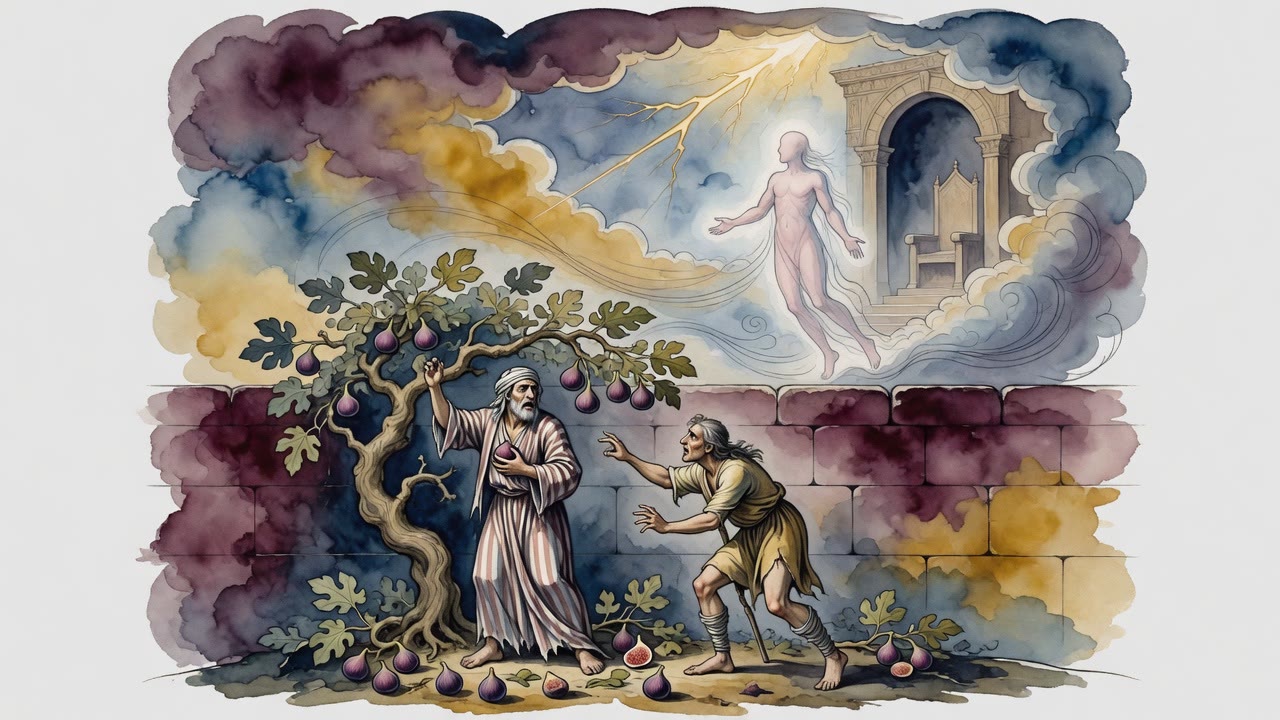
Everything goes to one place. Everything was from the dust, and everything returns to the dust (Ecclesiastes 3:20). On a hot afternoon the wicked man's servants dug a pit for a new cistern and threw up earth that smelled like every grave. He stepped past the pile and wiped his sandal. The woman swept the same kind of grit from her threshold and did not flinch.
In the study house Rabbi Eliezer said what is in the heavens comes from the heavens, and what is on earth comes from the earth, and he heard Psalm 148 calling both choirs. Rabbi Yehoshua struck the table and said everything comes from the heavens, even snow that Job places on the earth, because Isaiah says rain and snow fall from above (Job 37:6; Isaiah 55:10). Dust stuck to both men's sleeves while they argued.
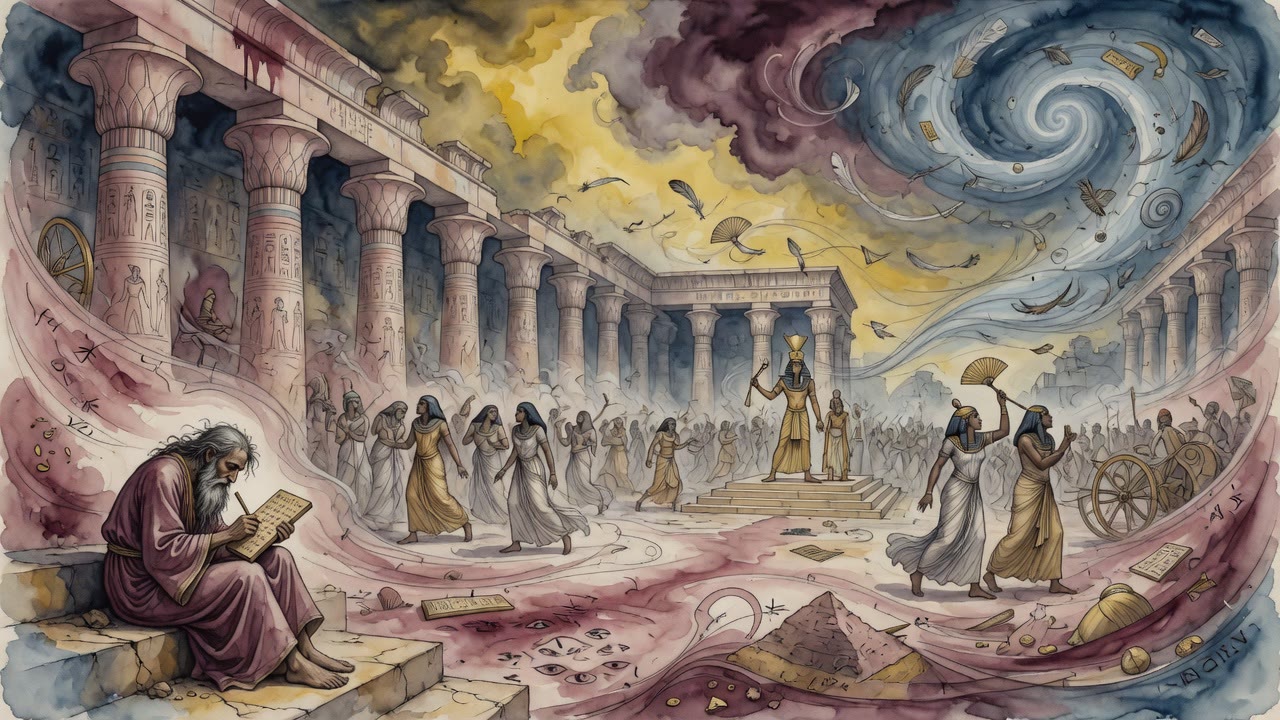
Rabbi Ḥiyya bar Yosef turned the map over. Everything comes from the earth, he said, even rain, because a mist rose from the earth and watered the ground (Genesis 2:6). Rabbi Yudan held Ecclesiastes itself as proof: if all returns to dust, all was dust's child. Rabbi Naḥman went further and heard the sun itself taken from earth in Job's word ḥeres, a sun told not to shine. Outside the door a funeral passed. The bier scraped a stone. No one in the argument stopped talking until the bier was gone.
Flesh may rise from mist or fall from heaven's storehouses and still end under a stone. The spirit of the human being is the part the wicked and the righteous do not share equally when the stone is set.
What Returns to God
The dust does not get the last word. The soul returns to God who gave it. That return is the pressure under every feast and every fast. A wicked man who dies full has not beaten the sheep. He has only postponed the differentiation. A righteous woman who dies empty-handed has not lost to the animal comparison. She has already been marked for a different measure.
Under the sun the two lives can look briefly interchangeable: breath, hunger, a grave waiting. At dusk the wicked man still laughed and called for another plate. The righteous woman still set water for the next day's fast and checked the child's sleep. Somewhere between their houses the dust waited without hurry, patient as a creditor who knows every debtor's address.
When it finally claimed both, only one path bent upward toward the Giver. The animal comparison fell away from the soul that had learned how to offer the neck for something other than slaughter without hope. The full belly went into the ground with the grease still imagined on its ghost. The fast went into the ground with the crust still remembered in a child's hand.
← All myths