5 min read

They Chose the Road Past Desire and Mastered It

Two sages split a road between an idol shrine and a brothel, took the harder path, and found even the windows close when Torah walks past temptation.

Curated by Arthur · Told by Maggid ·
Table of Contents
  1. The Path That Still Bites
  2. When Enemies Make Peace
  3. The Enemy at the Table
  4. Pharaoh at the Door

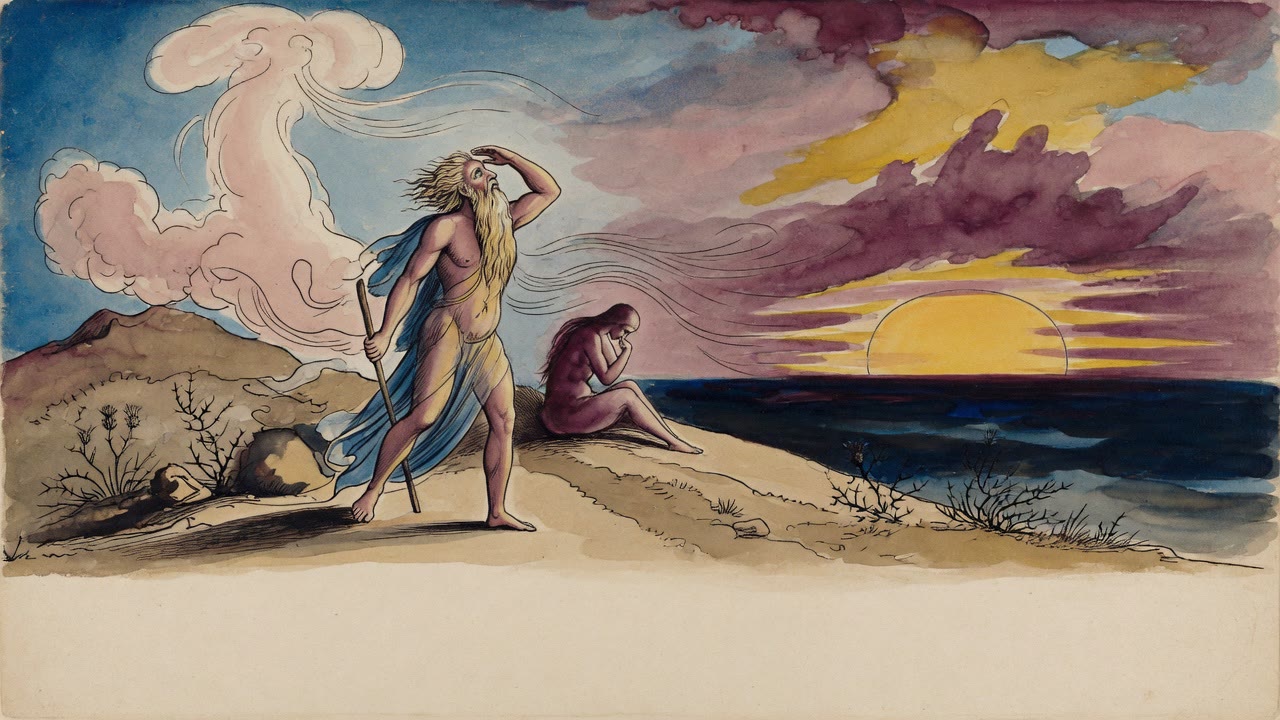
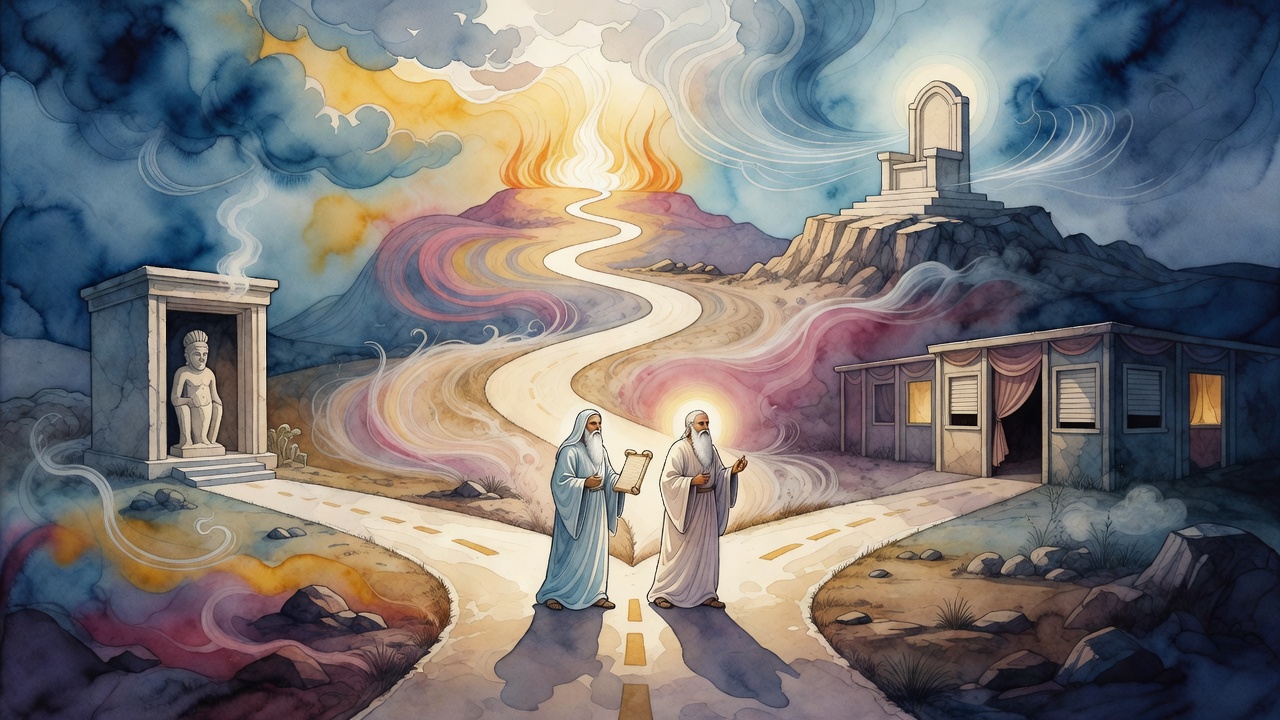
Rabbi Yochanan and Rabbi Yonathan stopped where the road forked in the afternoon dust. One path ran past an idol shrine. The other ran past a house of ill fame. Heat sat on their necks. They had to choose with their feet, not with a verse spoken in a study hall far from open windows.
They Chose the Road Past Desire and Mastered It Click for full size

The Path That Still Bites

"Let us take the road past the shrine," said one. "Our hunger for idols is long dead in us. There is nothing there to tempt us." The other shook his head. "Let us take the road past the brothel. There our desires are still alive. And where desire is alive and we master it, there heaven gives a reward."

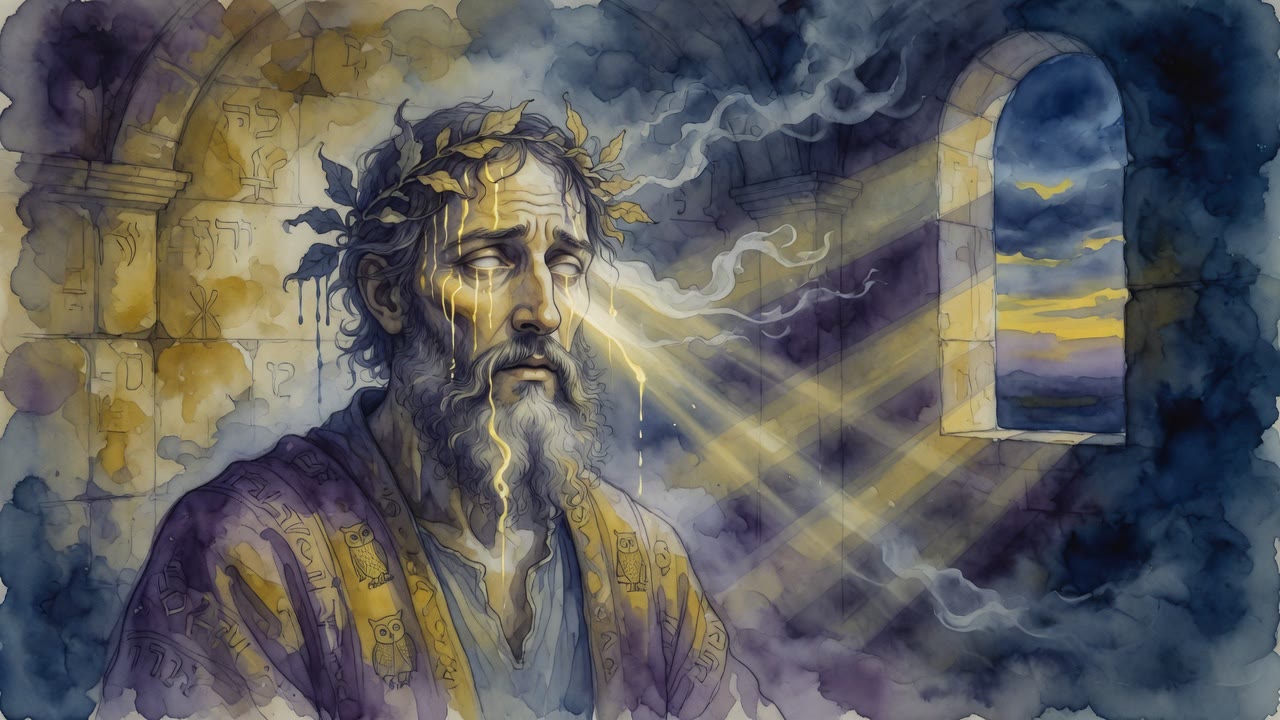
They walked the harder road. As they passed, the women in the windows saw the two sages and felt shame rise like a curtain. They drew back into their chambers and pulled the cloths closed. Yochanan turned to his companion with wonder. How had he known their discipline would even bless the people they passed? The answer came from Proverbs: "Discretion shall preserve thee" (Proverbs 2:11). The Torah that guards a person can guard everyone who crosses his path.

Safety is a poor measure of holiness if the danger you avoid is already dead inside you. The shrine path would have been a stroll through a museum of old sins. The brothel path was a live wire. They chose the live wire and held their form, and the street itself changed posture.

When Enemies Make Peace

Pesikta de-Rav Kahana opens another scene under the proverb, "When the LORD is pleased with a man's ways, He makes even his enemies be at peace with him" (Proverbs 16:7). Rabbi Meir tells of a watchdog that saw a snake poison the household's cheese. No one understood the barking. The dog ate the cheese itself and died to spare them, and the people raised a monument over its grave. Rabbi Joshua ben Levi tells of a house snake that guards against a wild one. Rabbi Abbahu meets a man who keeps his dog at the table because it once saved his wife from a captor.

Enemy, in these stories, is not only a foreign army. Enemy is whatever rises against a life from the outside and from the inside. The dog becomes a friend by dying in place of the family. The serpent that was feared becomes a sentinel. Favor rearranges the map of threat until the creature you would have driven off is the creature that keeps the night watch.

A household that learns this lesson stops killing on instinct. It learns to ask which danger is poison and which danger is a rough ally. That question is harder than a blanket ban. It is also closer to the way providence actually works when a life is aligned.

The Enemy at the Table

Then the midrash turns the lens inward. Rabbi Samuel bar Nahman names the real adversary: the evil inclination, the companion that grows with a person from youth to old age, patient enough to topple even a high priest after eighty years of service. How do you make peace with such a foe? Rabbi Berekhiah answers with another proverb: if your enemy is hungry, feed it the bread of Torah; if it thirsts, give it the wine of Torah.

The fork in the road and the dog at the door are the same test in different skins. One man flees every place desire lives and calls that holiness. Another walks past the open window because the fight is still real there. One household kills every snake on sight. Another learns which creature will stand between poison and the children. Peace with an enemy is not always a treaty signed in a palace. Sometimes it is a desire faced and refused until the desire itself loses its appetite.

Feed the inclination Torah and you do not pretend it never hungers. You change what it is fed. Starve it of learning and it will feed on whatever the street offers, including the very windows the sages chose to pass.

Pharaoh at the Door

The rabbis also read the proverb as Pharaoh's long arc. The king who sneered, "Who is the LORD that I should obey Him?" (Exodus 5:2) ends by confessing, "The LORD is righteous" (Exodus 9:27), and walking through Israel's homes pleading that they go out in peace. The hardest public enemy can be turned when heaven is pleased with the ways of those he hunted. The Exodus does not begin only with plagues. It begins with a tyrant learning to open a gate he once sealed with bricks and blood.

On that afternoon road, the two sages did not convert a city by speech. They converted a stretch of dust by walking it without falling. The windows closed. The reward was not a crown. It was the knowledge that restraint had weight enough to change the people who watched them pass. A dog can die for a family. A king can bow to a people. A desire can be mastered in public until shame moves to the other side of the glass.

Choose the dead path and you will arrive clean and untested. Choose the living path and you may arrive with dust on your hem and a quiet that follows you for miles.


← All myths
From the tradition

Sources

2 sources

The texts behind this telling. Some cards carry a translation of the source; others are our own retelling of it, and each card says which. Every card links out to the original.

Avodah Zarah 17a-bHebraic Literature (1901)

Retold in our words. Read the original at the link below.Project Gutenberg eBook #14368, Hebraic Literature · PD-US-pre-1929

Rabbi Yochanan and Rabbi Yonathan walked the road one afternoon until it split in two. One path ran past the door of an idol shrine. The other ran past a house of ill fame. They had to choose.

Let us take the road past the shrine, said the first. Our hunger for idols is long dead in us. There is nothing there to tempt us.

No, said the other. Let us take the road past the brothel. There our desires are still alive. And where desire is alive and we master it, there heaven gives a reward.

So they walked the harder road. As they passed, the women in the windows saw the two sages and felt suddenly ashamed. They drew back into their chambers and pulled the curtains closed.

Afterward Yochanan turned to his companion with wonder. How did you know it would turn out like this, that our discipline would even bless them?

The other answered with a verse. It is written (Proverbs 2:11), Discretion shall preserve thee. The Torah that guards us guards everyone who crosses our path.

This Talmudic teaching from tractate Avodah Zarah 17a, preserved in Hebraic Literature (1901), teaches that the holiest road is not always the safest one. Sometimes the reward waits on the path where the fight is still real.

Full source
Pesikta DeRav Kahana 11:1Pesikta de-Rav Kahana

Translation of the source text.Pesikta de Rav Kahana according to an Oxford manuscript, Dov Mandelbaum ed., N.Y. 1987 · CC-BY

"And it came to pass when Pharaoh let the people go." "When the LORD is pleased with a man's ways, He makes even his enemies be at peace with him" (Proverbs 16:7). Rabbi Meir says: This is the dog. Rabbi Joshua ben Levi says: This is the snake.

Rabbi Meir says it is the dog: A shepherd was curdling milk into cheese. A snake came and ate from it. The dog saw it. When they sat down to eat, the dog began barking at them, but they paid no attention. In the end the dog rose and ate from it and died. They buried it and made it a monument, and to this day it is called "the dog's monument."

Rabbi Joshua ben Levi says it is the snake: A certain man crushed garlic. A mountain snake came and ate from it. The house snake saw it. When they sat down to eat, it began scattering dust over them, but they paid no attention. In the end it threw itself into the dish [to stop them eating].

Rabbi Abbahu went to Caesarea, and he happened upon a certain man who had set his dog beside him. He said to him: After all this disgrace [of keeping a dog at table] do I owe you peace? He said to him: My master, I owe it great kindness. Once captives entered the town, and one of them came wishing to seize this man's wife, and the dog rose and bit off his testicles.

Rabbi Yohanan said: "When the LORD is pleased with a man's ways, He makes even his enemies be at peace with him" (ibid.), this is his wife, as it is written, "a man's enemies are the men of his own house" (Micah 7:6), this is his wife. For Rabbi Yohanan said: A robber's wife is like a robber. There was a case of a woman who brought a complaint against her husband to the judge, and he sentenced the husband to have his head cut off; afterward the husband found a pretext against her and killed her.

Rabbi Samuel bar Nahman said: "When the LORD is pleased with a man's ways", this is the good inclination. "He makes even his enemies be at peace with him", this is the evil inclination. By the way of the world, a man grows up with his fellow two or three years in a town and forms a bond of love with him; but this one [the evil inclination] grows up with a man from his youth to his old age, and if it finds a way to bring him down, it brings him down within twenty years, within sixty years, within eighty years. They said of Yohanan the High Priest that he served in the high priesthood eighty years and in the end became a Sadducee.

This is what David said: "All my bones shall say, LORD, who is like You, delivering the poor from one too strong for him?" (Psalms 35:10), this is the good inclination from the evil inclination. "The poor and the needy from one who robs him" (ibid.), is there a greater robber than this? Rabbi Berekhiah used to read concerning it, "If your enemy is hungry, give him bread to eat" (Proverbs 25:21), feed it the bread of Torah; "and if he is thirsty, give him water to drink" (ibid.), the wine of Torah. Why? "For you will heap coals of fire on his head, and the LORD will reward you" (ibid. 22), the LORD will make peace [the verb reread from "reward"] for you. And Rabbi Berekhiah said: "His enemies," "even his enemies", to include flies and hornets, gnats and fleas.

And the Rabbis said: "When the LORD is pleased with a man's ways", these are Israel, as it is written, "and every man of Israel" (I Samuel 17:24). "He makes even his enemies be at peace with him", this is Pharaoh, who said, "The enemy said, I will pursue, I will overtake, I will divide the spoil" (Exodus 15:9). You find that when Moses came to Pharaoh and said to him, "Thus says the LORD, Let My people go that they may serve Me" (Exodus 8:16), that wicked one said, "Who is the LORD that I should obey His voice? I do not know the LORD, and I will also not let Israel go" (ibid. 5:2). The mouth that said, "Who is the LORD that I should obey His voice," turned back and said, "The LORD is righteous, and I and my people are wicked" (ibid. 9:27). The mouth that said, "I do not know the LORD, and I will also not let Israel go," went around to the dwellings of Israel and said, "Go out in peace, go in peace." Therefore it is said, "And it came to pass when Pharaoh let the people go" (Exodus 13:17).

Full source