5 min read

Adam Chose Death and the Sacrum Refused to Break

Adam chose the path of death after tasting knowledge. Hadrian failed to crush the sacrum, the bone that will seed the resurrection.

Curated by Arthur · Told by Maggid ·
Table of Contents
  1. Like One of Us
  2. The First Flicker Under Stone
  3. Dust, Flood, and a Bone That Would Not Die
  4. Choice and the Bone That Outlasts Empires
  5. What Remains After the Fork
Adam Chose Death and the Sacrum Refused to Break Click for full size

Like One of Us

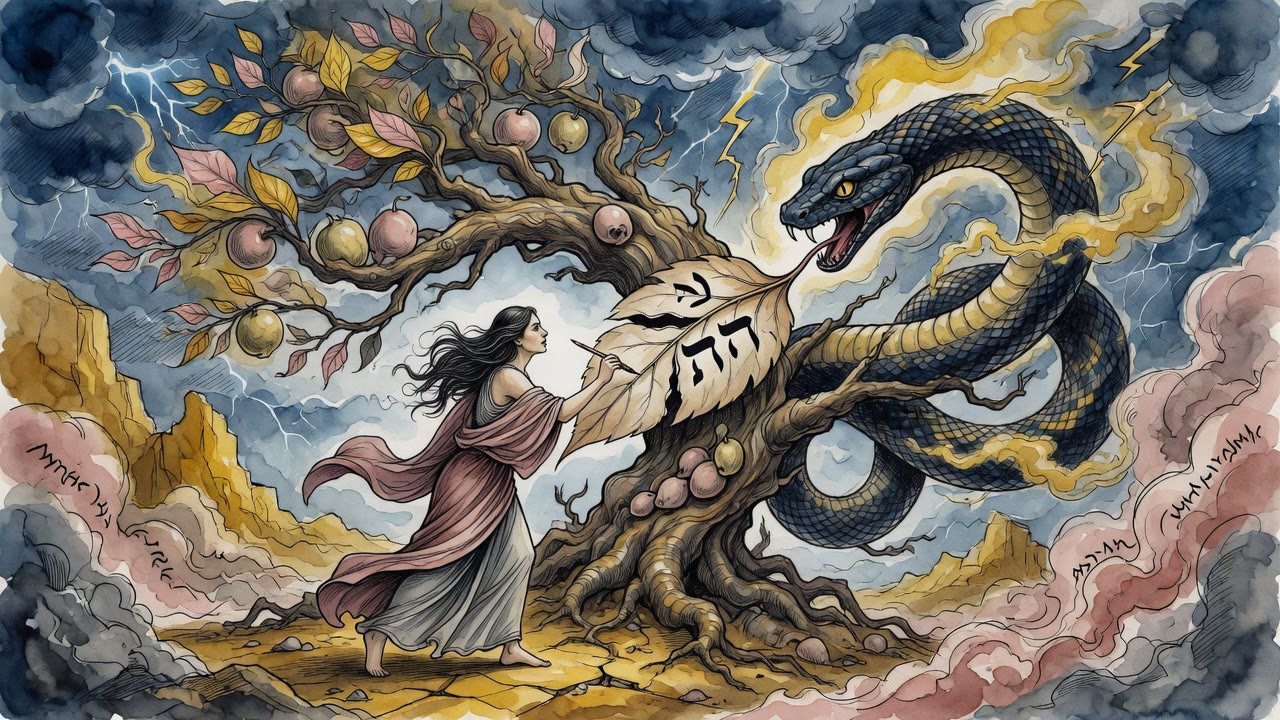
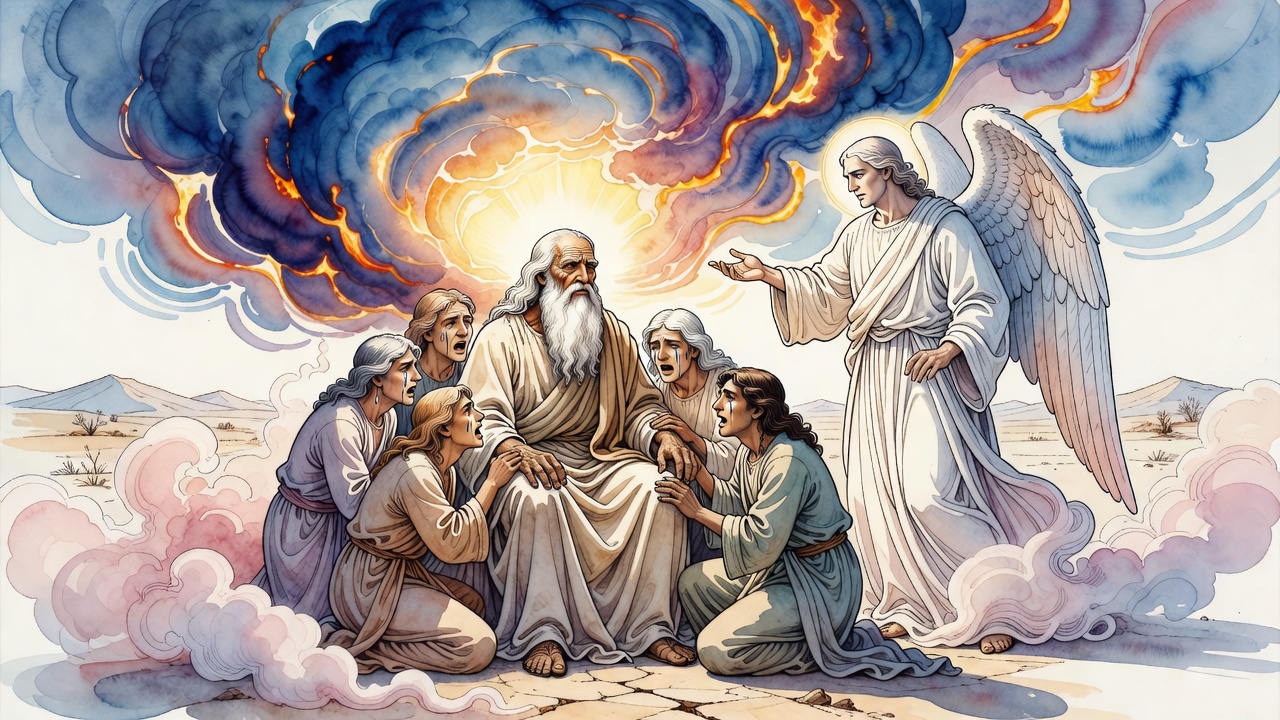
The fruit was already gone when the sentence fell. "Behold, the man has become like one of us, knowing good and evil" (Genesis 3:22). In the study houses that later read Song of Songs as a map of love and exile, the rabbis turned on that phrase as if it were still hot. Rabbi Papis dared the sharpest reading: like the Unique One, like God Himself. Rabbi Akiva cut him off. Enough, Papis. No creature is drawn as a parallel to the Holy One.

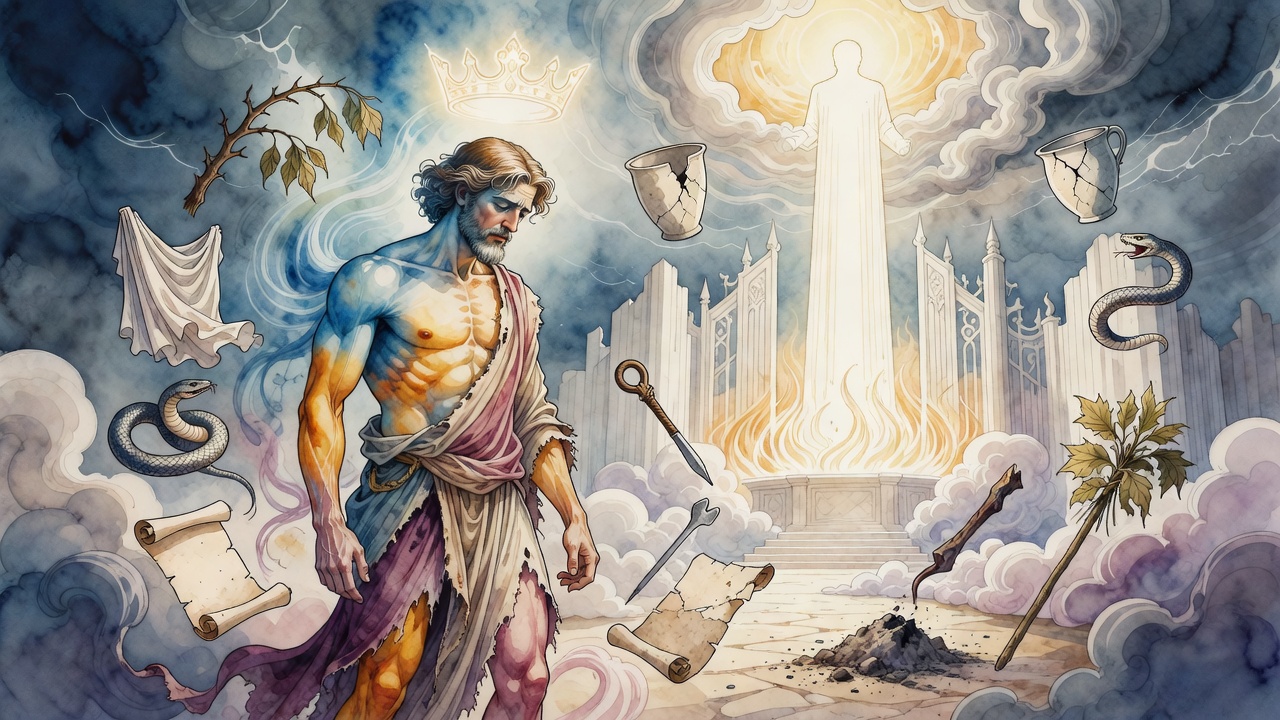
Papis asked for a better answer. Akiva said the man had become like one of the ministering angels. Still lofty, no longer a claim on the throne. Then the other rabbis stepped back from both status readings. The verse, they taught, is not about what Adam became. It is about the choice he was given. Two paths: life and death. Adam chose death. The garden story is not a promotion. It is a fork taken badly.

Adam stood with juice on his hands and a future shortened. Knowledge had arrived. The path of life had not been chosen with it.
The First Flicker Under Stone

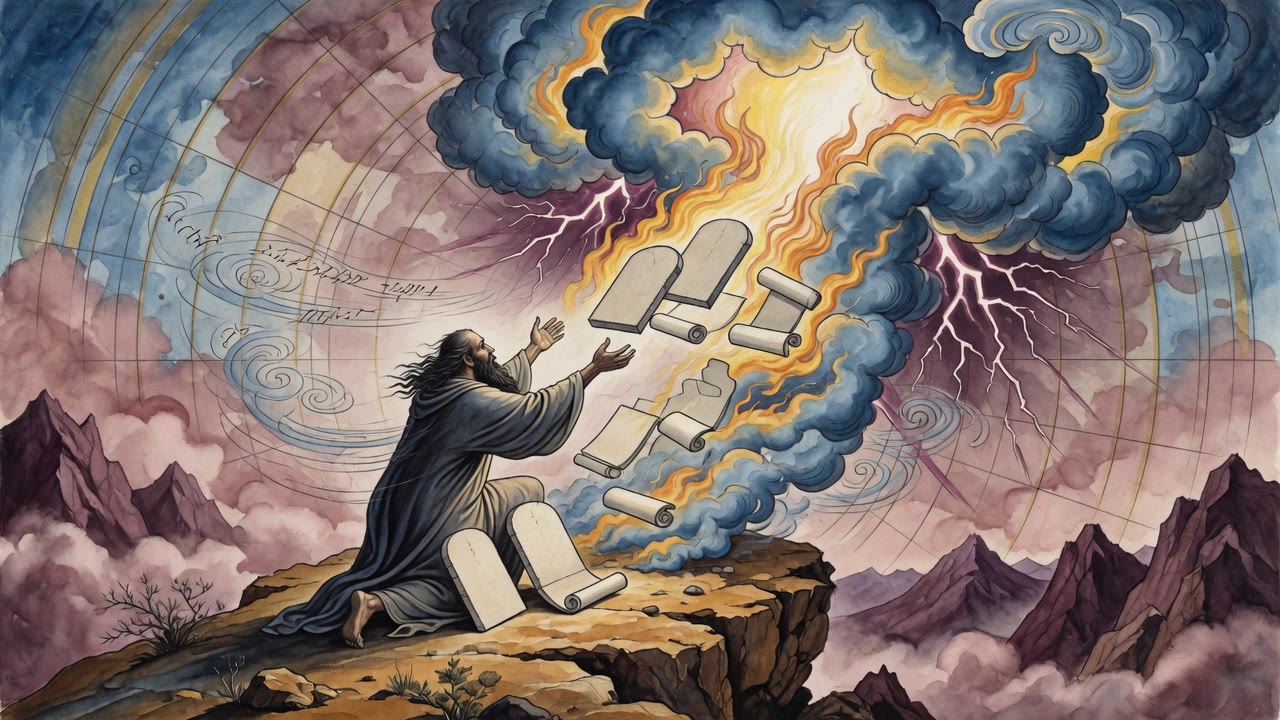
Before fruit and fork, the kabbalists spoke of a quieter beginning. Baal HaSulam, reading the opening of the Zohar, named the first flicker in all of existence as the desire to receive. Even the inanimate carries a tiny measure of it. A stone does not roll uphill. Still, the species of stone moves: mountains weather, coasts recede, the slow hunger of matter for what it lacks. Desire creates need. Need creates motion, even when the motion takes a thousand years to show.

That first flicker is small, diffused across a kind rather than shouting in one rock. It is not yet the human grab for the tree. It is the lowest rung of receiving. From there the chain climbs toward beings that want more, until a man in a garden wants a knowledge he was told to leave alone. The myth of the fruit sits on top of a cosmos that was already leaning toward take and hold.

Dust, Flood, and a Bone That Would Not Die

When the world later filled with violence, God said, "I will obliterate man" (Genesis 6:7). Rabbi Levi, quoting Rabbi Yochanan, pushed the verb until even the lower millstone was said to be obliterated. Rabbi Yehuda bar Simon went further: even the dust of Adam, the first man, was obliterated. When he taught that in Tzippori, they did not accept it from him. Some claims are too final for a city to swallow.

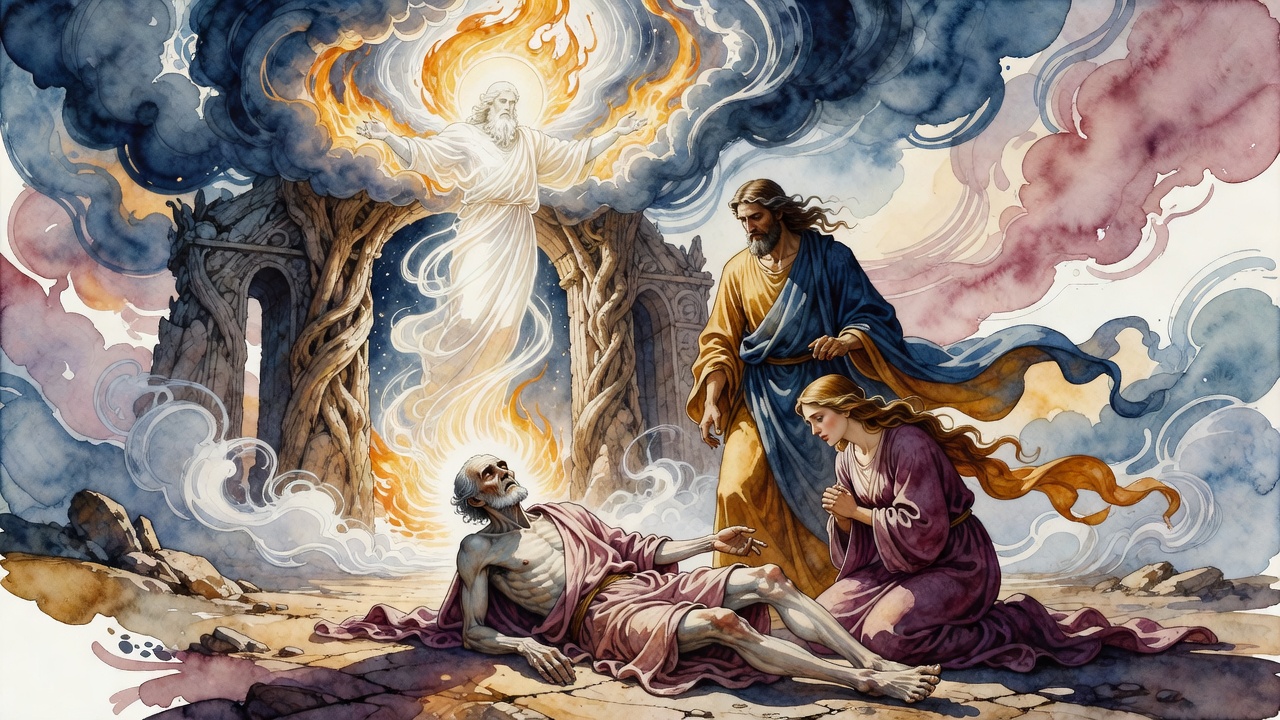
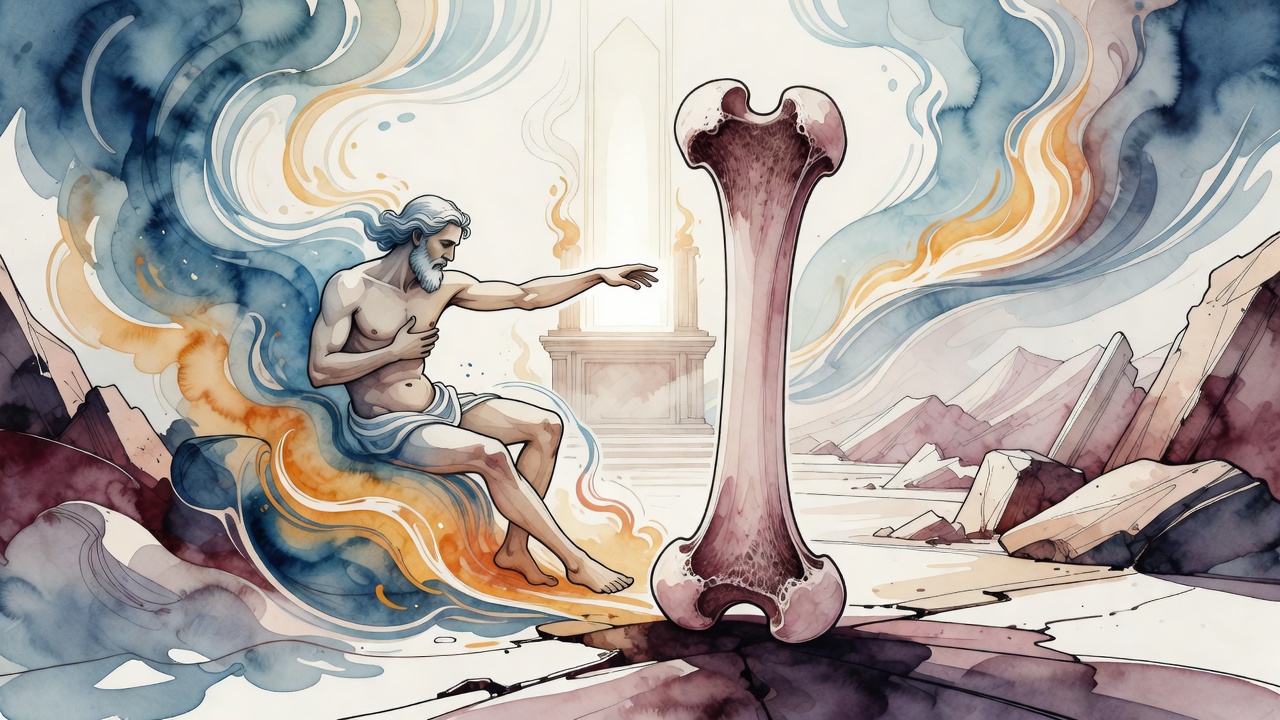
Another teaching said even the sacrum was obliterated, the bone at the base of the spine from which, tradition holds, the Holy One will cause man to sprout again in the resurrection. If that seed-bone is gone, what hope remains? The pressure of the flood stories is the pressure of erasure. The counter-pressure is a bone that will not go.

Emperor Hadrian, may his bones be crushed, challenged Rabbi Yehoshua ben Chananya. From where will the Holy One cause man to sprout in the future? From the sacrum, the rabbi said. Prove it, said the emperor. Bring one, said the rabbi. They ground the bone in a mill. It would not grind. They soaked it in water. It would not dissolve. They set it on an anvil and struck. The anvil split. The hammer broke. The sacrum remained.

Choice and the Bone That Outlasts Empires

Adam chose death and still left a residue that empires cannot mill away. The first flicker of desire runs under stone and under spine. The flood tries to wipe the slate. Hadrian tries to mock the future body. The bone refuses both. Resurrection is not a soft metaphor here. It is a physical claim tested on an anvil.

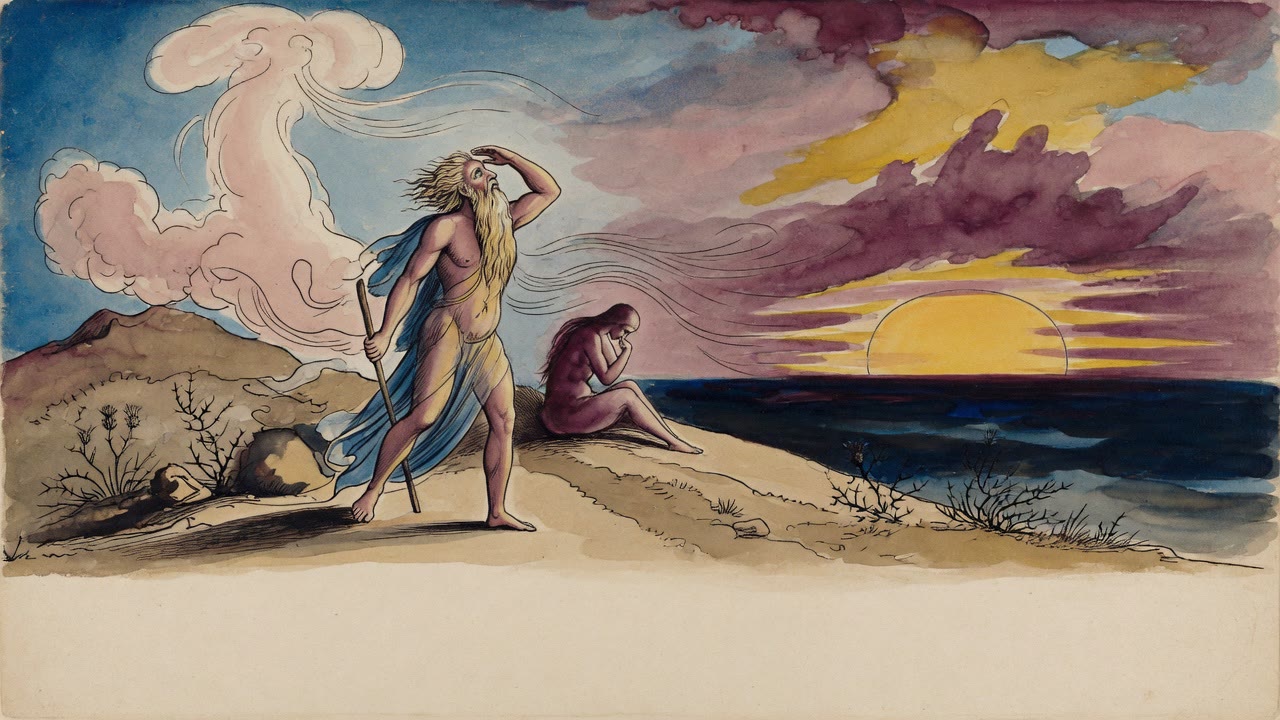
Rabbi Akiva would not let Papis make Adam into God. The rabbis would not let the verse become a status medal. They made it a warning about paths. Life was available. Death was chosen. The sacrum is the tradition's stubborn answer to that choice: even after death's path, something of the human is held for return.

What Remains After the Fork

A man can take the wrong road and still be stored for a later morning. A mountain can wear down and still show that matter wants. An emperor can demand proof and break his own tools. The garden, the flicker, and the bone are one long argument against final erasure.

Adam left Eden knowing good and evil. He did not leave without a future. The future is small enough to fit in a bone and large enough to outlast Rome.


← All myths

From the tradition

Sources

3 sources

The texts behind this telling. Some cards carry a translation of the source; others are our own retelling of it, and each card says which. Every card links out to the original.

Shir HaShirim Rabbah (chapter/verse reference unresolved; pre-import artifact 9:2)Shir HaShirim Rabbah

Retold in our words. Read the original at the link below.The Sefaria Midrash Rabbah, 2022 · CC-BY

Comes that loaded line from (Genesis 3:22): "Behold, the man has become like one of us."

Like… one of whom, exactly?

This question sparked a fiery debate among the rabbis, captured for us in Shir HaShirim Rabbah, the commentary on the Song of Songs.

Rabbi Papis, bless his soul, really went there. He boldly suggested that "like one of us [ke’aḥad]" meant like the "Unique One [keyeḥido]", that is, like God himself! Can you imagine? This idea, of course, didn’t sit well with everyone.

Rabbi Akiva, a towering figure in Jewish thought, immediately shut him down. "Enough, Papis!" he exclaimed. The idea of drawing a parallel between any being and God? Unthinkable!

So, if not God, then what did that verse mean? Papis, undeterred, asked Akiva to offer his own interpretation. Akiva countered that "like one of us" meant like one of the ministering angels. A step down from divinity, certainly, but still pretty lofty company.

But the debate didn't end there.

The Rabbis, in a move that shows how nuanced Jewish thought can be, stepped back from both interpretations. According to them, the verse isn’t about Adam's status, but about his choice. It teaches, they said, that the Holy One, blessed be He, presented Adam with two paths: the path of life and the path of death. And Adam, tragically, chose the path of death, forsaking the path of life. It reframes the entire narrative. It's not about Adam becoming like God or an angel, but about Adam’s pivotal decision. He had a choice, a profound and consequential choice, and he chose poorly.

What does this tell us? Perhaps it’s a reminder that we, too, are constantly faced with choices between life and death, between good and evil. Maybe the story of Adam isn’t just a distant myth, but a mirror reflecting our own daily struggles. We are all, in our own way, faced with the same choice Adam faced in the garden.

So, the next time you read that verse, remember Rabbi Papis's audacity, Rabbi Akiva’s caution, and the Rabbis' ultimate wisdom. Remember that the story isn’t just about what Adam became, but about the choice he made – and the choices we continue to make.

Full source
Baal HaSulam's Introduction to Zohar 35:1Baal HaSulam's Introduction to Zohar

Retold in our words. Read the original at the link below.Sefaria-hosted English translation · CC-BY

It's the very first flicker of something within all of existence.

Baal HaSulam, in his introduction to the Zohar, that foundational text of Kabbalistic thought, takes us right back to the beginning. He describes the very first stage of what he calls the "desire to receive."

What is this "desire to receive?" It's the spark, the impetus, the primal urge that drives absolutely everything. It's what makes a seed reach for the sun, what makes us crave connection, what makes the universe itself expand.

Its initial stage? It's what he terms "inanimate." Think of a stone. It just is. It seems utterly passive. But within that apparent stillness lies potential. A latent yearning.

Now, we're not talking about individual rocks suddenly rolling uphill (though wouldn't that be something?). Baal HaSulam clarifies that we don't see actual motion in particular inanimate objects. Instead, we observe it in the species of inanimate objects. What does he mean? Think of erosion, the slow but inexorable weathering of mountains over millennia. That's the "motion" at this stage. It's a gradual, collective process.

Why? Because desire, even at this most basic level, creates needs. And those needs, in turn, give rise to motion. It's a chain reaction that starts incredibly small, almost imperceptible.

Baal HaSulam emphasizes that the "desire to receive" in inanimate objects is, well, tiny. So tiny, in fact, that it only exerts its influence on the general category – the species – rather than on each individual item. Its impact is subtle, diffused, a whisper rather than a shout.

It’s easy to dismiss the inanimate world as dead, inert. But this perspective suggests something far more profound. It says that even in the seemingly most passive corners of creation, there's a nascent desire, a potential for growth, a drive towards something more. It’s a reminder that everything is connected, everything is participating in this cosmic dance of giving and receiving, no matter how subtly.

And that, perhaps, is a little less like a rock, and a little more like a revelation. Maybe our own seemingly small desires are part of something much larger than ourselves, too.

Full source
Bereshit Rabbah 28:3Bereshit Rabbah

Retold in our words. Read the original at the link below.The Sefaria Midrash Rabbah, 2022 · CC-BY

The Book of Bereshit Rabbah, a collection of rabbinic interpretations of Genesis, grapples with just that question in section 28. It all stems from God’s statement, "I will obliterate man [haadam]" (Genesis 6:7). It’s a pretty strong statement. But what does "obliterate" really mean?

Rabbi Levi, quoting Rabbi Yoḥanan, takes it to an almost comical extreme: "Even the lower millstone was obliterated!" Okay, so maybe that's a hyperbole to illustrate the utter devastation. But then Rabbi Yehuda bar Simon, also in the name of Rabbi Yoḥanan, suggests something even more profound: "Even the dust of Adam, the first man, was obliterated." for a second. The very building blocks of humanity, wiped clean.

Apparently, this idea was a bit too much for some people. Bereshit Rabbah tells us that when Rabbi Yehuda shared this teaching publicly in Tzippori, a major Galilean city, they “did not accept it from him.” It seems some lines are hard to cross, even when contemplating divine destruction.

The rabbis didn’t stop there. Rabbi Yoḥanan, this time quoting Rabbi Shimon ben Yehotzadak, takes it a step further: "Even the sacrum… was obliterated." The sacrum? What's so special about the sacrum?

Well, according to Jewish tradition, the sacrum – a bone at the base of your spine – is indestructible. It's the seed from which the Holy One, blessed be He, will cause man to sprout in the future, when the dead are resurrected. It’s the ultimate human starting point. If that was obliterated… what hope is there?

The text then launches into a fascinating anecdote involving the Roman Emperor Hadrian, infamous for his persecution of the Jews. Hadrian, may his bones be crushed, challenges Rabbi Yehoshua ben Ḥananya, a prominent sage, asking him: "From where will the Holy One, blessed be He, cause man to sprout in the future?"

Rabbi Yehoshua, without missing a beat, replies: "From the sacrum."

Hadrian, ever the skeptic, demands proof. "From where do you know this?"

Rabbi Yehoshua's response is classic rabbinic: "Bring one to me and I will show you." What follows is a little like a Jewish Mythbusters episode! They take a sacrum and put it through the wringer. They grind it in a mill, but it won't grind up. They soak it in water, but it won't dissolve. Finally, they place it on an anvil and start hammering away. And what happens? The anvil splits, the hammer breaks… and the sacrum remains untouched!

This story, found within Bereshit Rabbah, is more than just a curious legend. It's evidence of the enduring nature of the human spirit, the unyielding spark of life that even a catastrophic flood – or a Roman emperor – cannot extinguish. The sacrum, that tiny, resilient bone, becomes a symbol of hope, a promise of renewal, and a reminder that even in the face of utter devastation, something of us always remains.

Full source