Abraham Refuses a Thread and a Sandal Strap
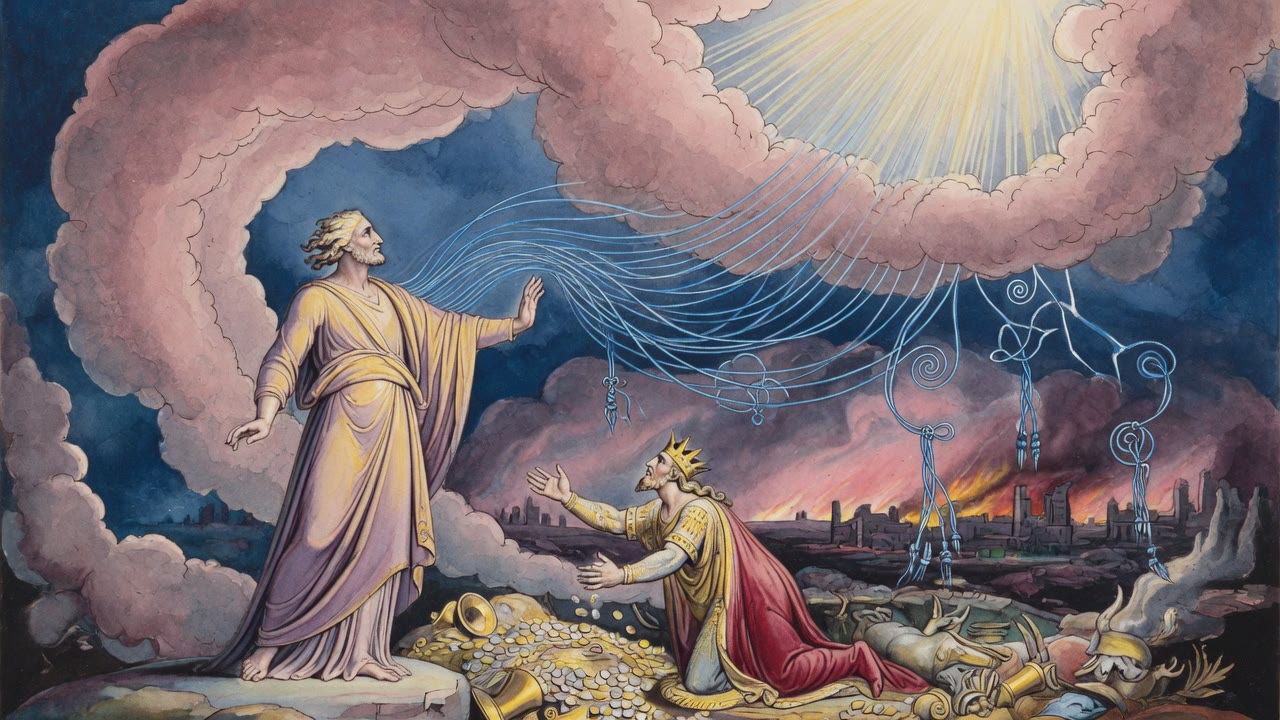
The king of Sodom pushed the goods across the dust. Abraham would not take a strap that would let that king claim him.
Table of Contents
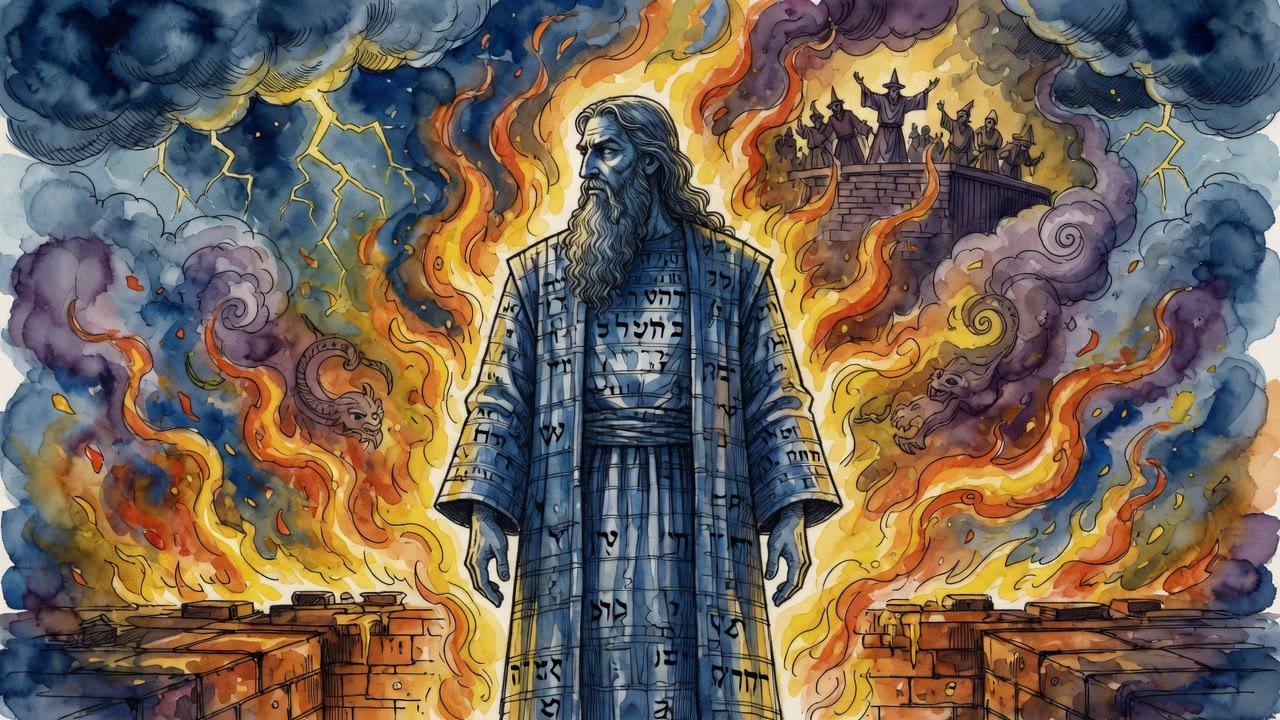
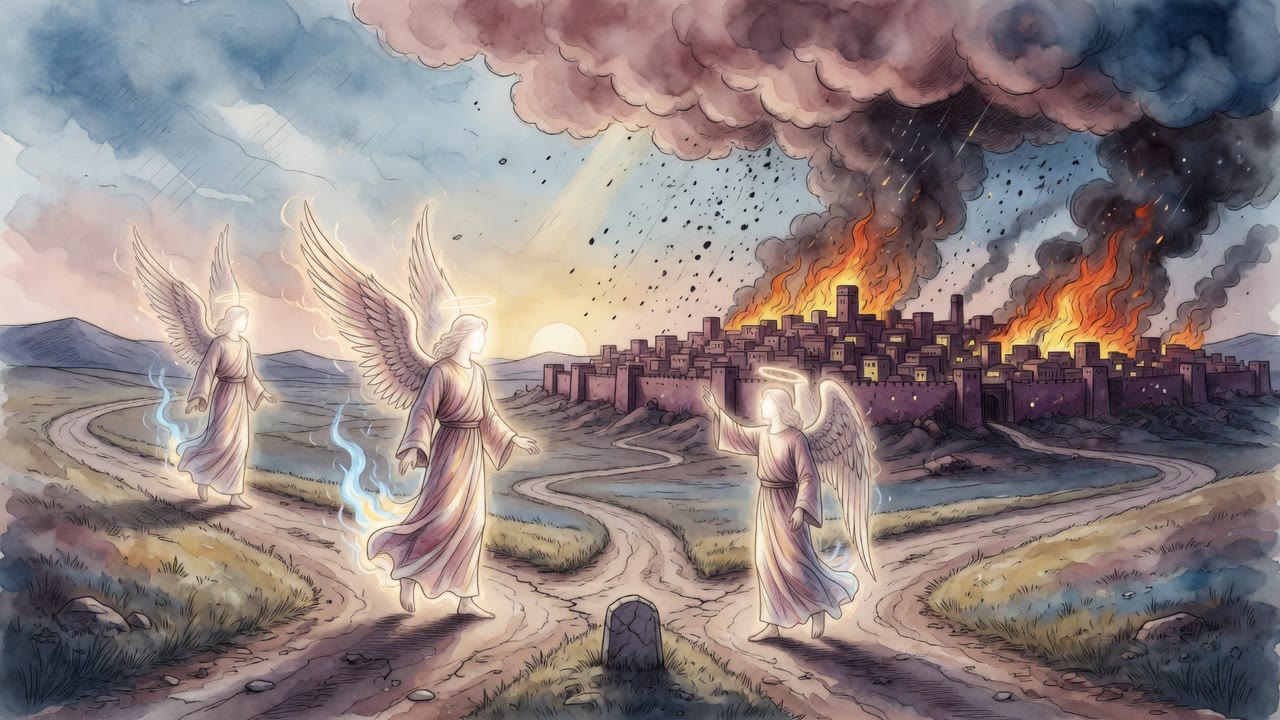
The kings had been routed across the valley. Captives walked free who had expected chains. Smoke still climbed from camps that would not rise again. The king of Sodom stood before Abraham with the spoils still warm from war and offered him the goods with a statesman's smile. Take the wealth, the king said. Leave me the people. It was a bargain meant to look generous while it stained the rescuer with Sodom's purse and let a wicked city claim partnership in the victory.
 Click for full size
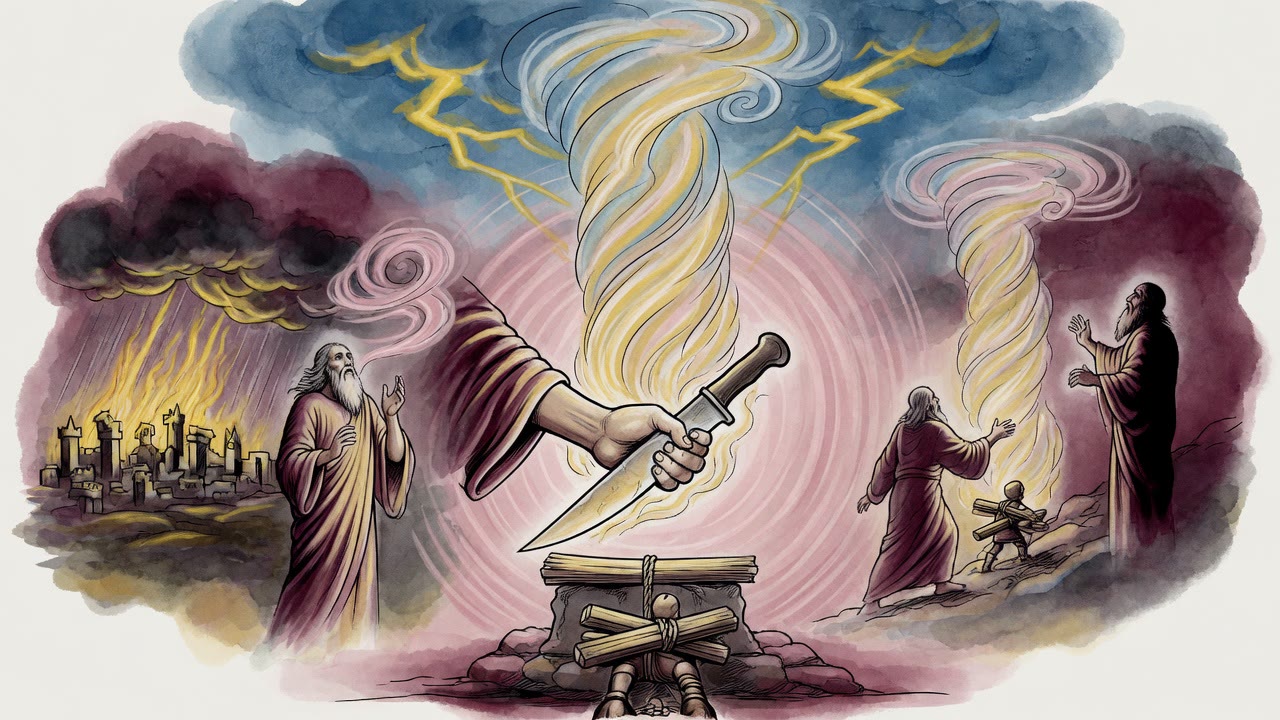
Abraham lifted his hand toward the God who had given him the men and the night raid, and he swore.
Not a thread. Not a sandal strap. Nothing of yours, lest you say, I made Abram rich.
The Chest Went Back Across the Dust
The air between them went thin. Chests of cloth and metal that could have padded a tent for years were pushed back across the dust. The patriarch's palm stayed empty on purpose.
A strap is almost nothing. A thread is almost nothing. That is why the oath cut deeper than a refused treasury. The king of Sodom could have laughed at the piety and kept his goods. What he could not keep was a story in which Abraham's wealth began at his table. The patriarch's name stayed unleased.
Anyone can reject a fortune with a speech about purity. Refusing the scrap that would still let Sodom claim credit is the test that sticks to the fingers.
Thread Becomes a Scarlet Mouth
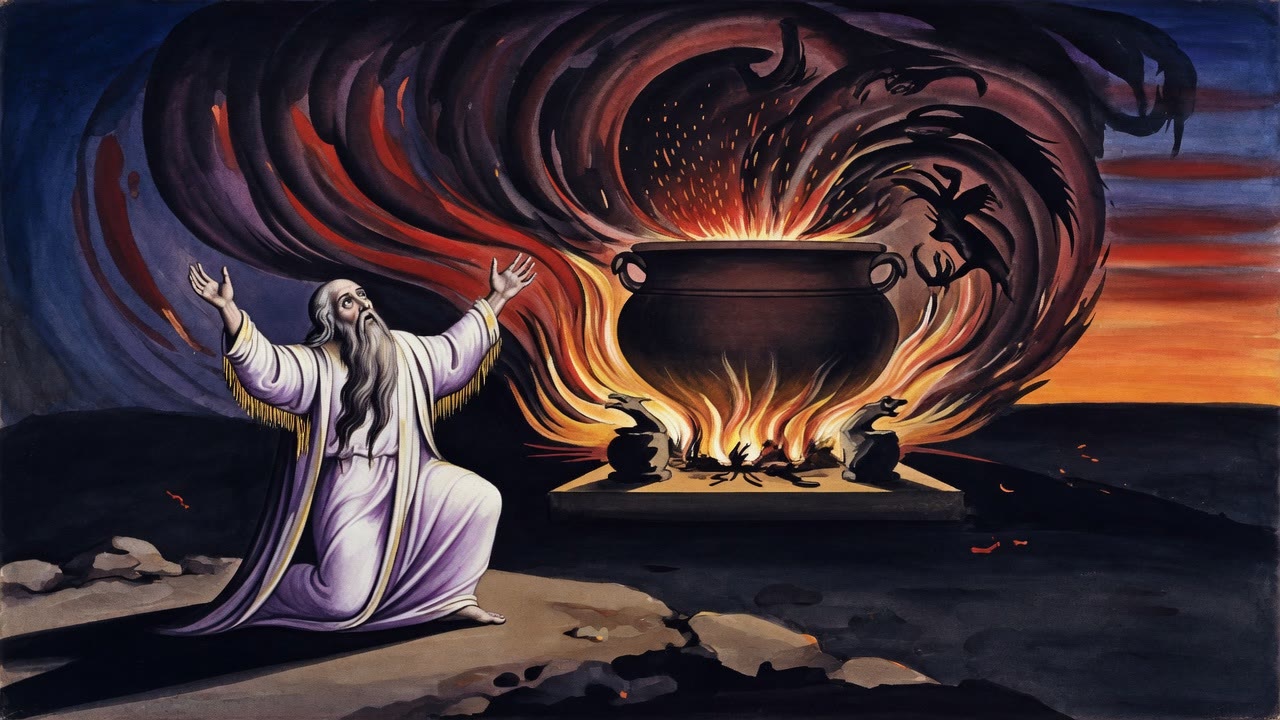
The Holy One weighed those refused objects as if they were gold from a different mine. You renounced a thread? Then I will praise your children by a thread, said God. "Like a scarlet thread are your lips" becomes, in later hearing, the beauty of Israel, a thin red line of speech and song spun from a cord Abraham would not pocket when it came with Sodom's name attached.
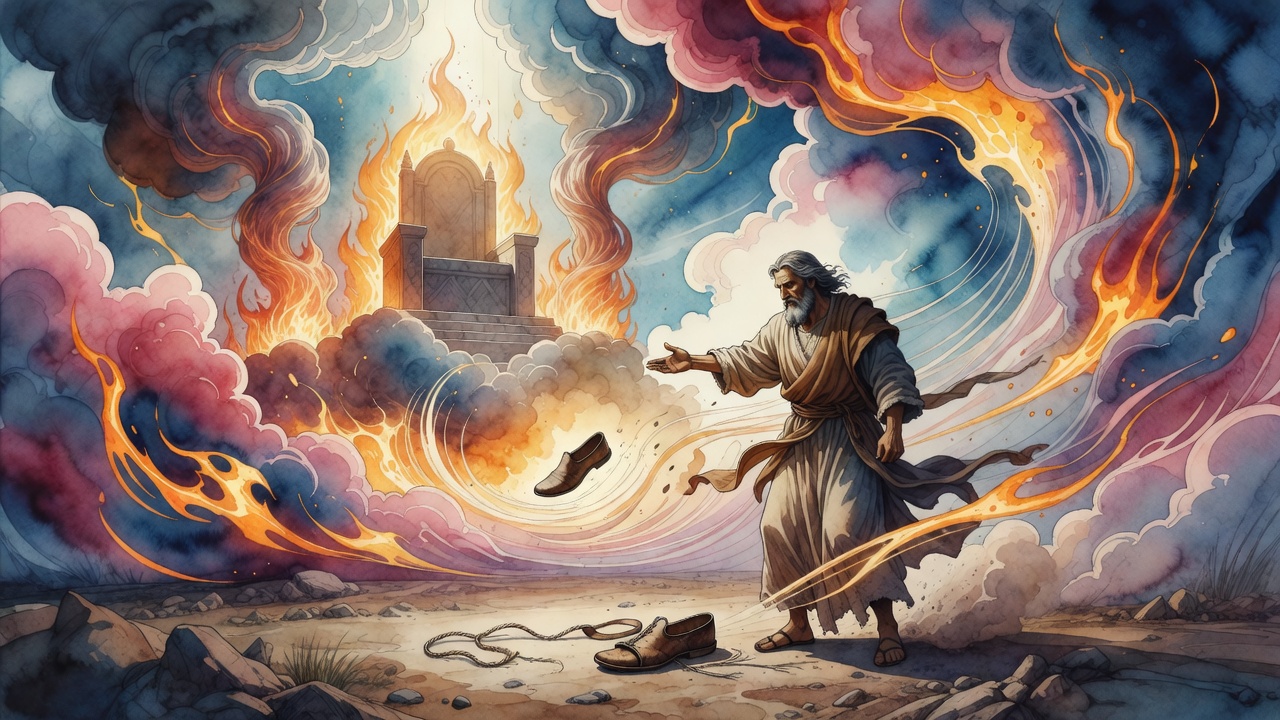
And the sandal strap? By that refusal I will repay your children's enemies. "Upon Edom I will cast my shoe" (Psalms 60:8). Footwear Abraham would not accept from a wicked king's hand becomes judgment hurled at the oppressor in a later age. The gift he spurned from flesh and blood opens a ledger in heaven that pays in a different currency. "Your reward shall be very great" (Genesis 15:1). He gave up almost nothing by weight and received a promise without measure.
Heaven's accounting loves small refusals. The empty palm on the battlefield was not empty in the books above it.
The Old Door on the Road Home
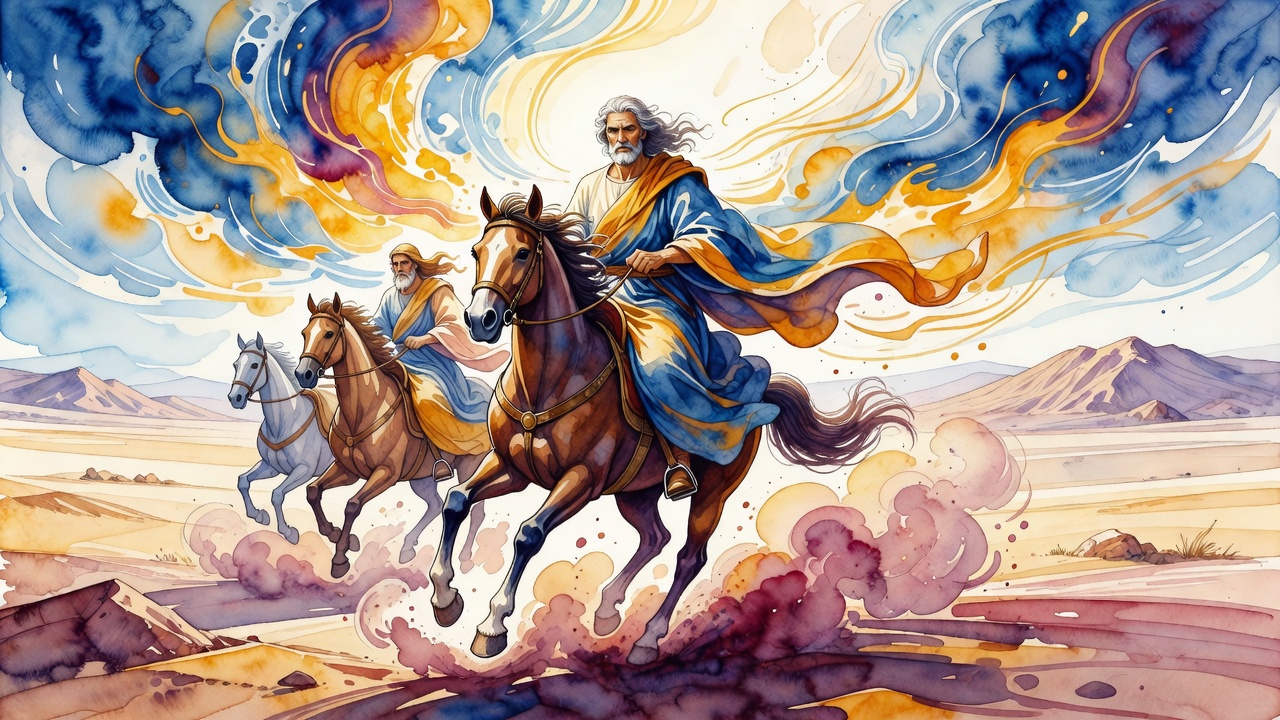
When Abraham's company returned to Canaan, they sought the same lodgings they had used before on the road. Not only to settle bills left open. To teach the eye not to chase novelty for its own sake, not to treat every night as a chance to upgrade the inn. Honor the places that held you when you were smaller. Pay what you owe. Leave a trail of reliability behind the miracle stories so the land learns what kind of household this is.
Egypt still sat in memory like heat on stone. There Abraham had shown the wise men of the Nile how empty and vain their systems were when measured against the God who called him, and he had brought them astronomy and the reading of the sky they had not held. The sojourn was not only famine escape. It was a classroom with hard light, a public argument conducted without swords. Now the same man who taught the stars refused Sodom's thread. Knowledge without greed. Rescue without a cut of the loot.
No Sodomite Thread in the Pack
Camp smoke thinned against Canaan's stars. The old inn's door opened to familiar hinges. Overhead wheeled the lights Abraham once named for Egyptians who thought the heavens belonged to their own myths. In the pack there was no Sodomite thread to mend a tear in the tent. The tear could wait. The name cannot be mended if it is sold for straps and the quiet brag of a wicked king.
Abraham slept without Sodom's silver under the pillow. The reward God named hung above him heavier than any chest he pushed away, and lighter too, because it does not need to be guarded from thieves. Only from the next offer that will look harmless and cost the same thin red line of the mouth.
Years later, when Israel sings and when a shoe is cast in judgment, both images run back to this dusty refusal. The scarlet of praise and the thrown footwear grow from an empty palm on a battlefield that could have made Abraham rich in the wrong way. Integrity here is not an abstract virtue. It is a hand that will not close on a strap.
← All myths