Abraham's Knife Shook Until God Gripped His Hand
Father and son walked into a city and nobody knew which one to honor. They looked the same age. So Abraham got the first grey hair in the world.
Table of Contents
 Click for full size
The Blade That Would Not Steady Alone
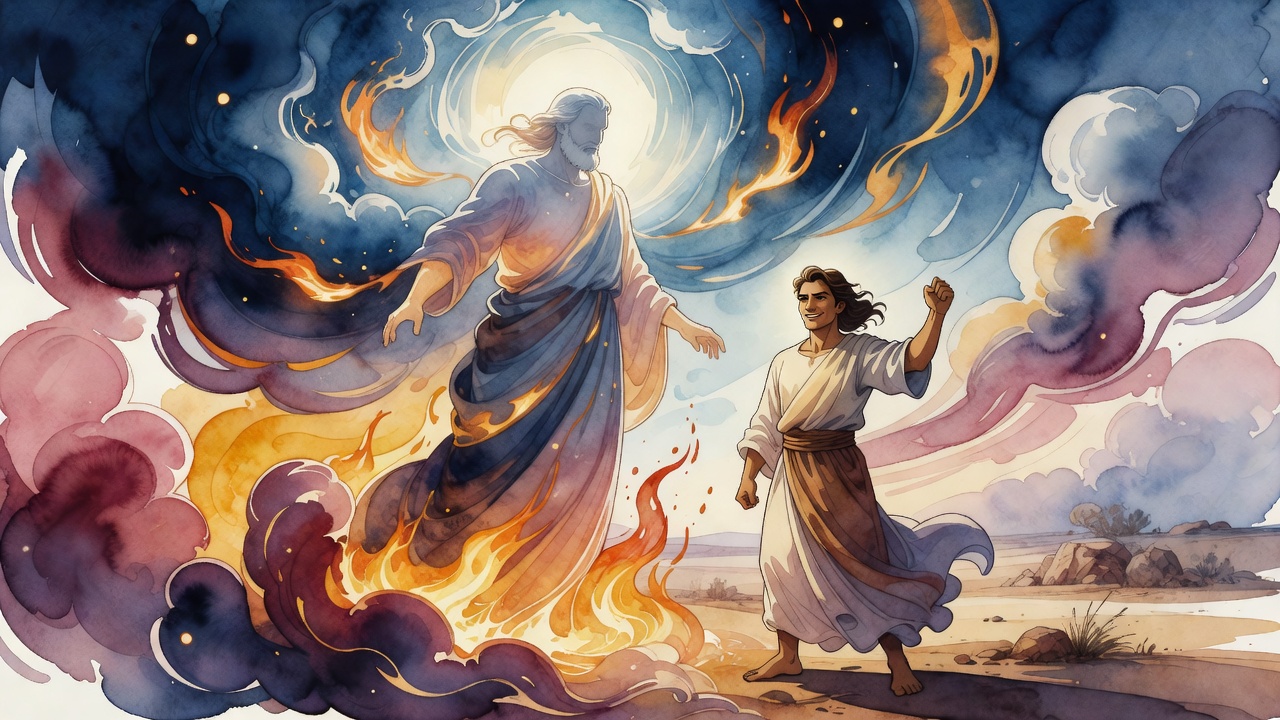
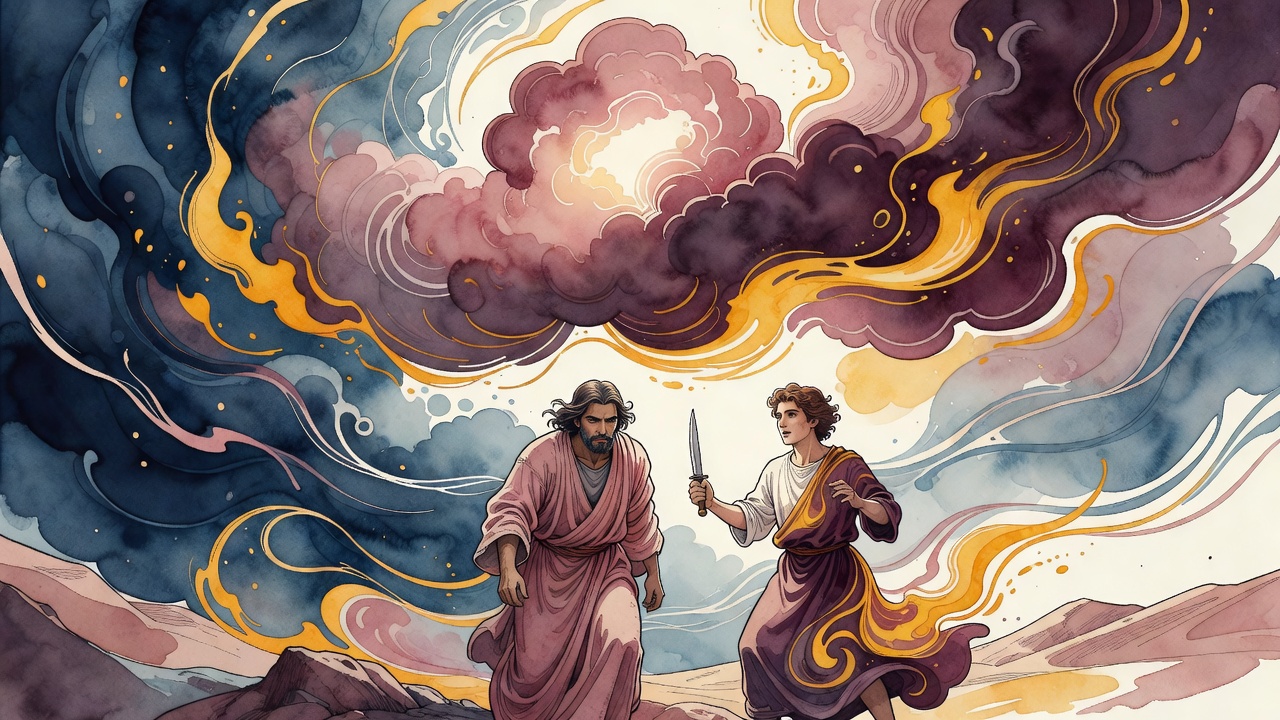
When the Holy One said, "I will set My covenant between Me and you," Abram asked a plain question. Who will circumcise me? The Voice answered, You yourself. So the old man took the sword and laid hold of his own flesh. His hand shook. Age made the grip weak. He lifted his face to the Throne and said, Master of the Universe, I am old.
What did the Holy One do then, as it were? He reached down. He closed His hand over Abraham's hand and together they bore the knife until the cut was complete. Ezra later praised a heart found faithful. Scripture does not say God cut the covenant for him as a master acts on a servant. It says God cut the covenant with him, hand joined to hand. The first blood of the covenant was never a solo performance. The body that would father nations began under a shared grip, human frailty and divine strength meeting on one blade.
That scene is not soft comfort. It is partnership with cost. Covenant blood stains both the human palm and the story of a people who will remember that their father did not enter holiness alone.
Grey Hair and First Sufferings
Abraham was first in many things. Father and son once walked into a city and no one knew whom to honor, for they looked alike. The Holy One said, With you I begin the grey of years. "And Abraham was old." Silver on the head became a public sign so honor could find its mark. He was first with sufferings as well. He argued that ease had ruined the generation of the Flood. Had You afflicted them, he said, they would not have rebelled. The answer came hard. With you I begin a man afflicted through his own child.
When Isaac was weaned, the sages argue what left him. One says he was weaned from suffering. One says he was weaned from the evil inclination toward the good. Abraham planted an inn at Beersheba for wayfarers and gave parting gifts to the sons of the concubines. The patriarch opened roads other men would walk later, including the road of pain that runs through a beloved son. Hospitality and trial share one biography. The man who feeds strangers is the same man who will climb a mountain with wood on a boy's back.
First grey, first suffering, first open house. The midrash stacks beginnings until Abraham becomes the template for how a life can be both gift and test without splitting in two.
An Orchard Gift and a City of Fire
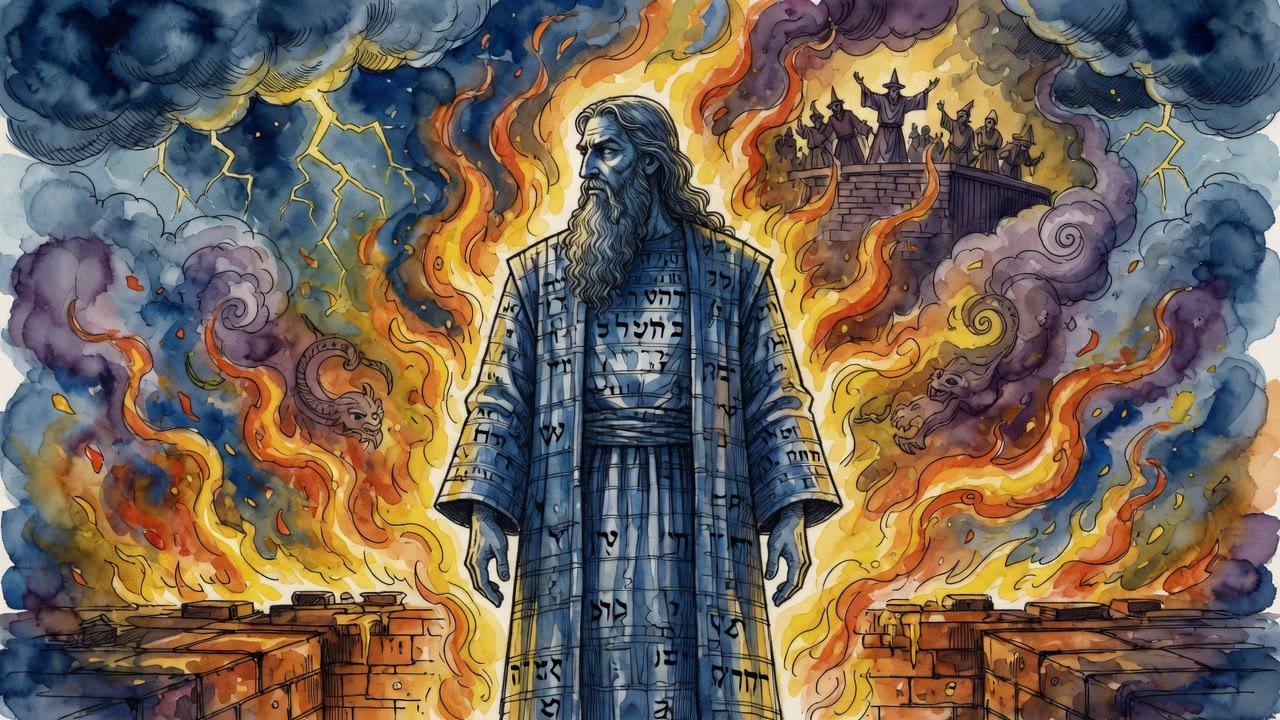
Before fire fell on the plain, the Holy One would not act as a thief in a gifted orchard. Rabbi Judah the Levite told the parable. A king gave his friend a fine orchard outright. Later the king needed timber. He could have taken it. He refused. Even though it was once mine, he said, I will not cut a beam until I have spoken with my friend.
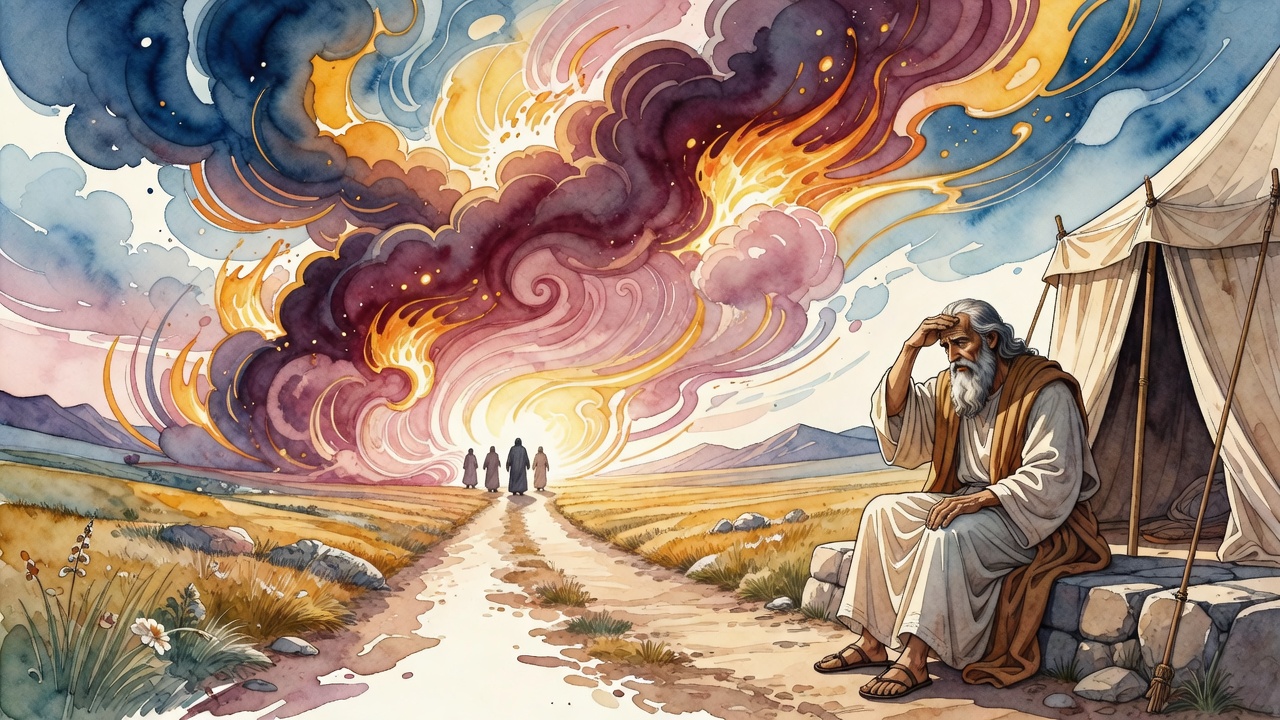
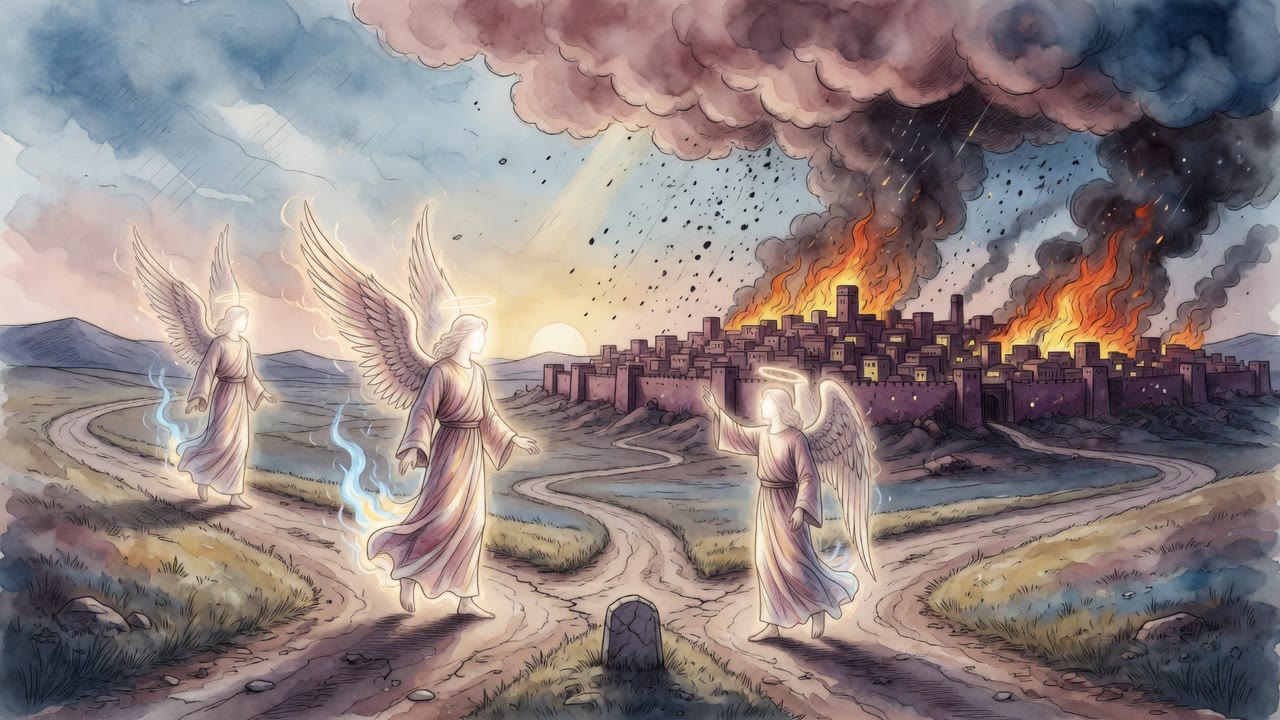
So when Abraham received the land in every direction as an everlasting gift, Sodom and its sister cities lay inside that map. Scripture marks the border of Canaan running down toward Sodom. Therefore the Lord said, Shall I hide from Abraham what I am doing? The friend who holds the deed must hear the sentence before the fire is lit. Mercy and judgment share the same consultation. The man who will later bind his son is first trusted as a partner in the fate of cities.
That trust does not cancel the fire. It insists that friendship with Heaven includes being told the hard plan. Abraham argues. He bargains. He does not learn of ruin by rumor after the smoke. The orchard owner is still the friend of the king.
Silence on the Mountain
The same mouth that once argued for cities went mute when the call named Isaac. "Take your son." Only yesterday the promise had said, In Isaac shall seed be called for you. Two words from God that could not both stand in one morning. Abraham could have opened his mouth. Yesterday a nation, today a knife? He made himself like the mute who does not open his mouth. He answered only, Here I am. The midrash hears a psalm written for that walk. Though he goes forth weeping, bearing the seed-bag, he shall come back with rejoicing, bearing his sheaves.
He rose early. He built the altar with his own hands. He set Isaac above the wood. The sages ask why "above." Abraham aligned the altar opposite the Throne of Glory. Wood below answered the fiery seraphim above. The bound son answered the Throne. The assayer's fire does not destroy pure metal. It proves it. Because he carried grief in silence, the verse turns. The same Isaac carried up in tears is carried home in song. The reward, the midrash says, was not for the walking alone, but for the silence on the way.
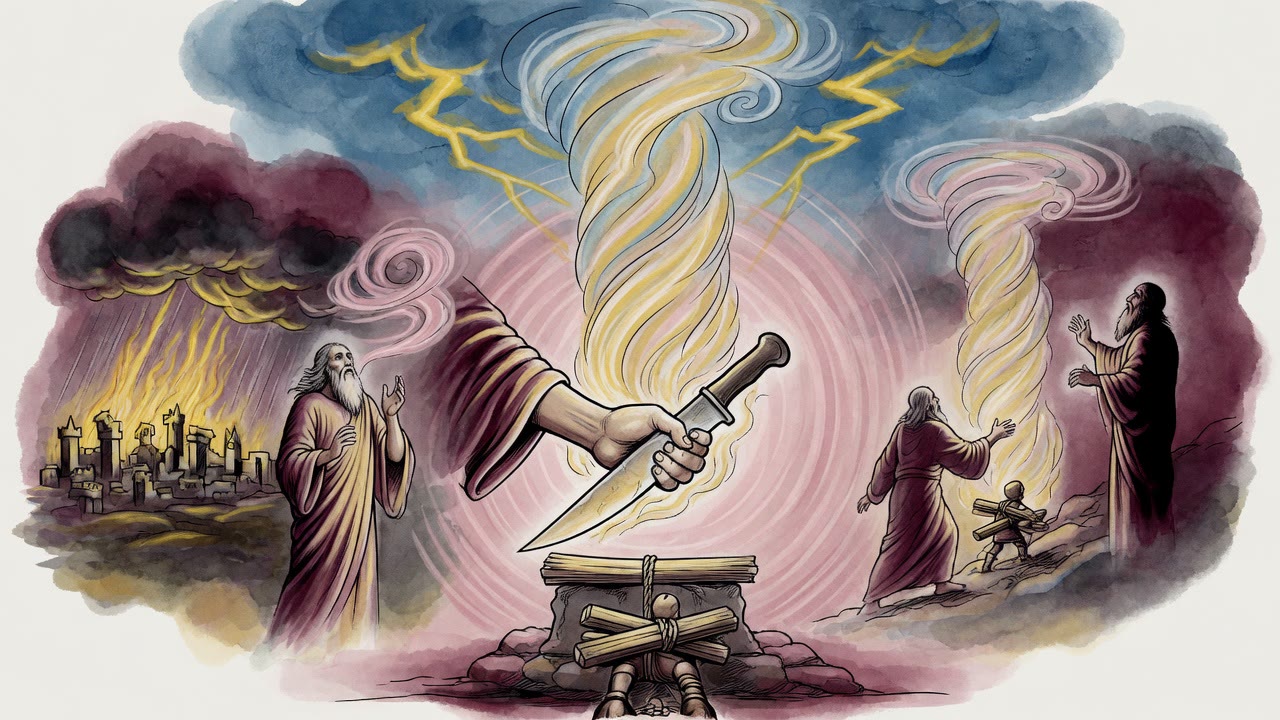
From a shaking hand under Heaven's grip to a city warned before it burns to a mountain where speech dies and obedience lives, Abraham's life is a ledger of blades shared with God. Covenant blood, grey hair, and a silent climb still teach how a friend of Heaven holds both knife and promise without dropping either.
← All myths