The Court Took the Hanged Body Down Before Night
After stoning, the body hung only while daylight still saw it. Leave it overnight, the sages warned, and the Name itself would be cursed in the street again.
Table of Contents
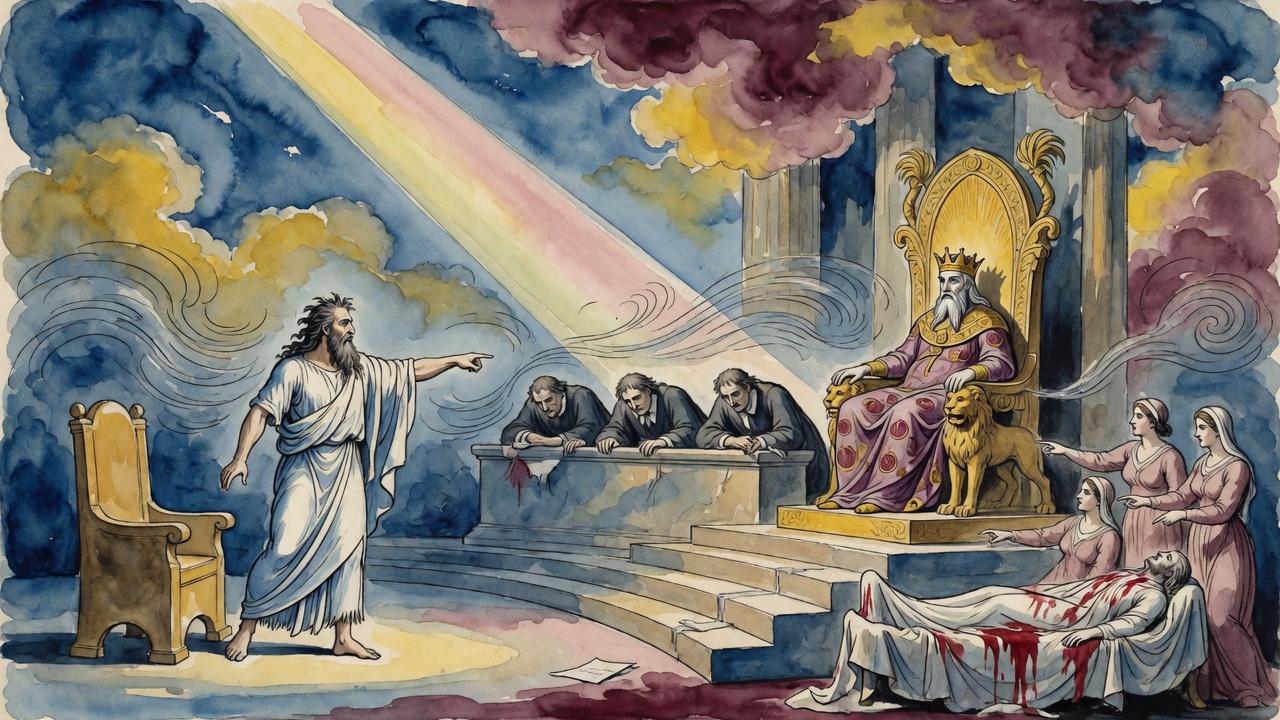
The post stood in the ground with one wooden arm. The body had already been stoned. Dust and silence held the place where the crowd had shouted. Now the court had to finish the sign without finishing the desecration.
 Click for full size
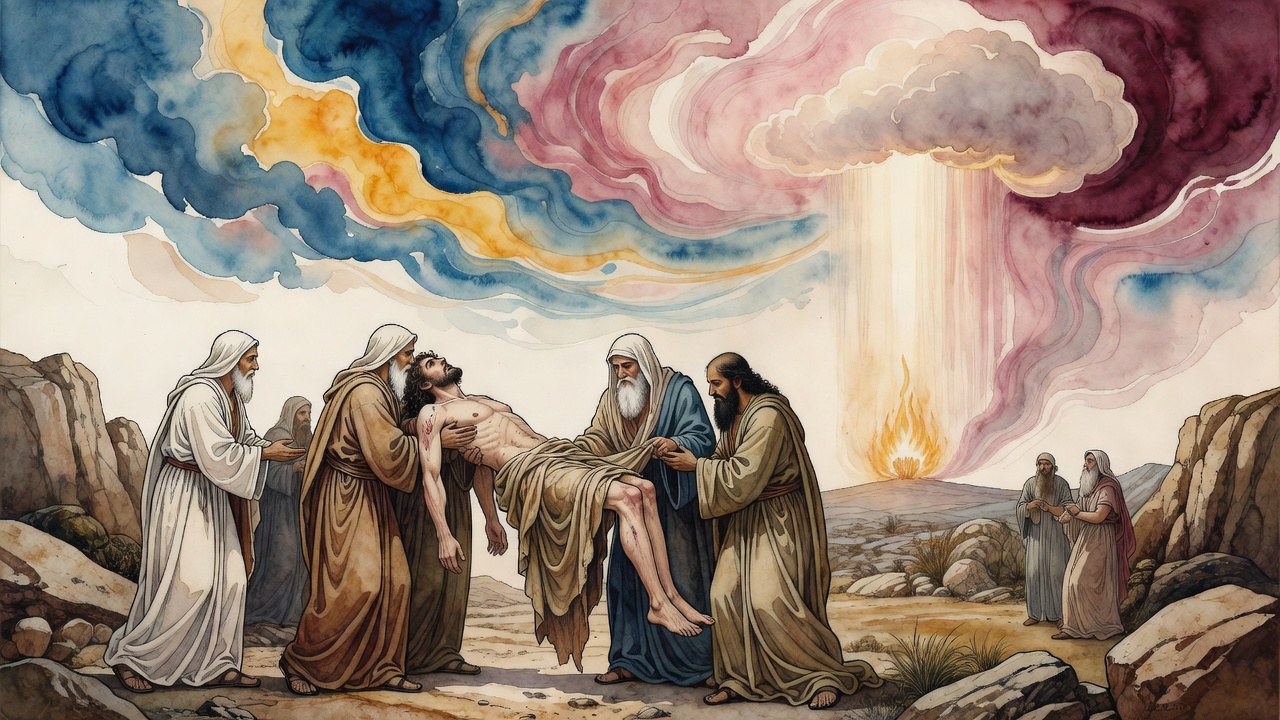
Hands were bound. The corpse rose for a breath of time, then came down while the sky still held light enough to read a face by.
A Tree That Must Not Keep the Night
The Torah had spoken without softness. "His body shall not remain all night upon the tree, but thou shalt in any wise bury him that day; for he that is hanged is accursed of God" (Deuteronomy 21:23). The Mishnah argued over who was hanged at all. Rabbi Eliezer said every executed criminal. The sages narrowed it to the blasphemer and the idolater. A woman, they ruled, was not hanged. The argument was not cruelty competing with cruelty. It was how small a window judgment may open into public shame.
How did they hang a man? One teacher described a post sunk firm with a projecting arm, the body suspended as briefly as law allowed. Another pictured a beam leaning like a butcher's hook, the corpse lifted and lowered with the same haste a market uses when the day is ending. In every version the rush was the same. Get him down. Bury him before the sun fails.
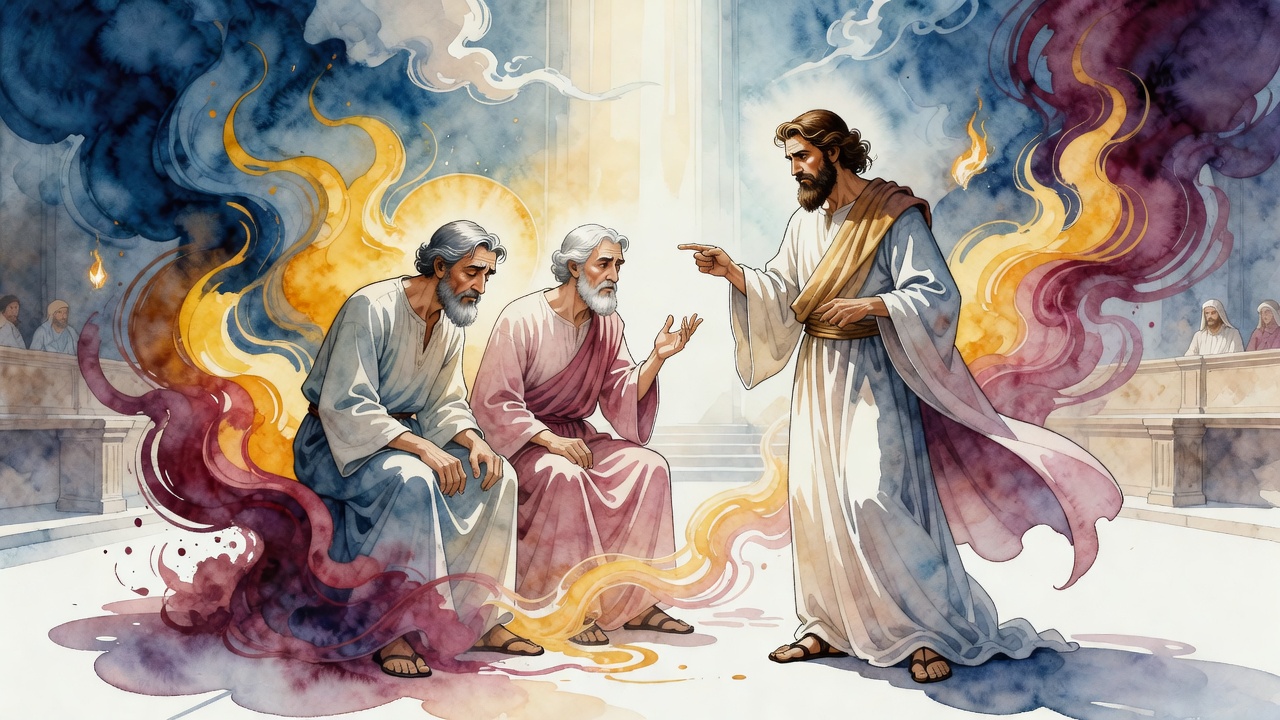
Why the hurry? Leave the body overnight and passers-by would ask why he hung. The answer would name blasphemy against God. The Name, spoken that way in the street by idle tongues, would be dragged through the same mud the court had tried to clear. Punishment would breed the offense it punished. Even in judgment the rabbis insisted the Name must be guarded from becoming gossip.
When Harm Means Death
Elsewhere the Torah says if harm follows, life is given for life (Exodus 21:23). The sages refused to let "harm" mean a priced wound when death was already living inside the word. They heard Jacob's dread for his youngest son, that harm might meet him on the road (Genesis 42:38). Harm there meant the end of a life, not a bruise that heals with ointment.
A life is not a jar. Coins can mend a broken vessel and quiet a quarrel over property. They cannot buy back breath once the chest has gone still. The court that hangs for an hour and buries before night is the same tradition that will not let death be settled like a market fine paid at dusk and forgotten by morning.
"Life for life" is a wall. On one side, damages. On the other, the gravest judgment a human court may touch, and even there the body may not be turned into a night-long lesson for strangers.
The Weak Who Have No Address but Heaven
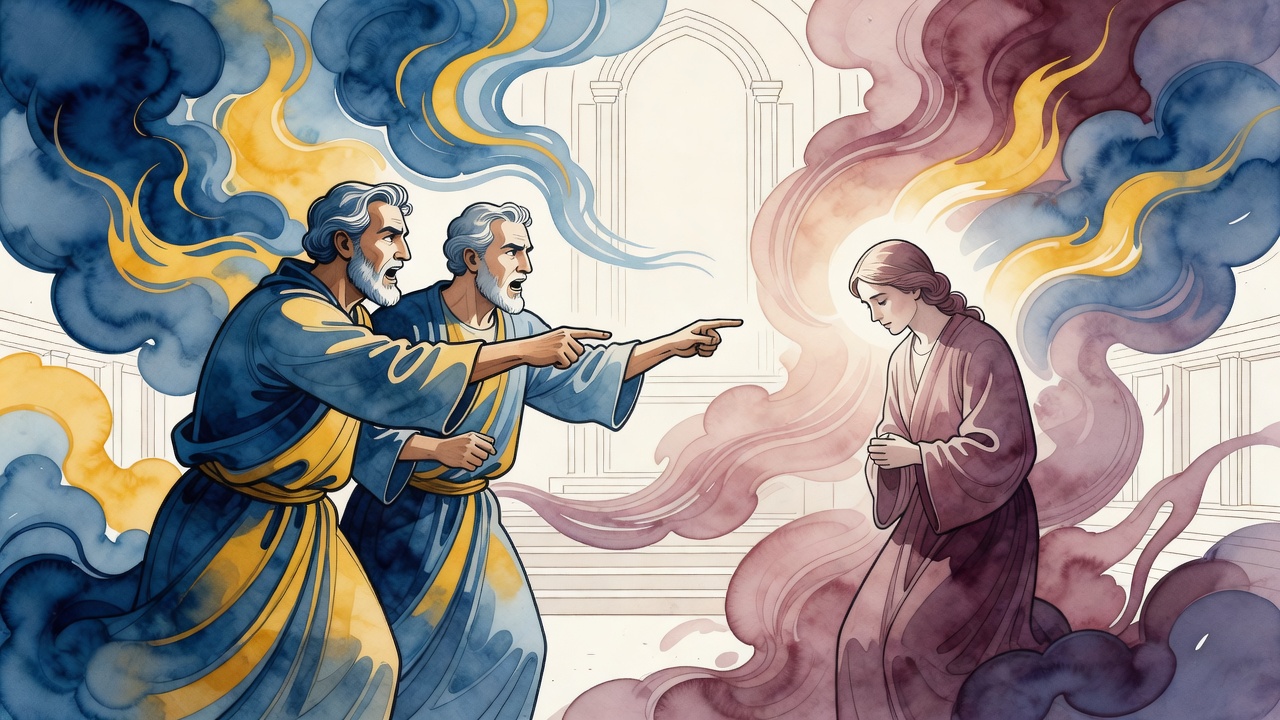
The same law that guards the Name also guards the widow and the orphan. "You shall not afflict any widow or fatherless child" (Exodus 22:21). The command opens wider than those two, reaching any person under an open hand of cruelty, yet it names them first because they have no husband or father to carry their cry into a human gate. Their only address is Heaven, and Heaven answers quickly for them.
Even a king's widow falls under the shield. Rank does not buy the right to crush her, nor does it remove her from protection. Even a child who has lost one parent still counts as orphan in the law's eyes until strength and years return. Power does not purchase a free blow against the unprotected, and judgment does not purchase the right to make a spectacle of God's curse through the watches of the night.
If heaven is quick for the widow, heaven is also careful with the Name. Both cares meet at the foot of the post as the light thins.
Down Before the Stars
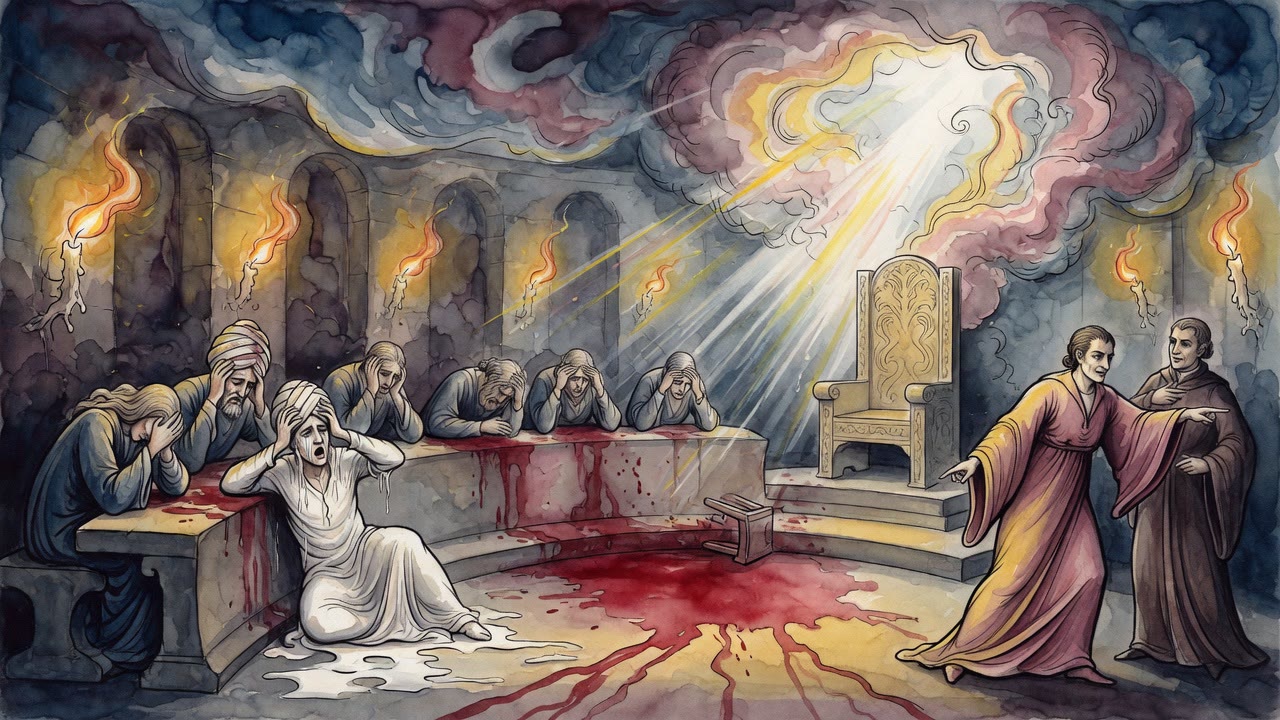
So the body hung while witnesses still saw the sign, then returned to earth with the haste of obedience. The court wiped its hands and went to the grave. No torchlight procession around a rotting warning. No crowd inventing new curses from an old one while children listened from doorways.
Justice, in this telling, is not only who dies. It is how long the death is allowed to speak, and whether the speech still honors the Name it claimed to defend. A verdict that creates fresh blasphemy in the mouths of night-walkers has already failed its own purpose.
Sunset closed the case. The post stood empty against a sky going red and then dark. The Name stayed out of the mouths of idle walkers in the dark. The widow and the orphan slept, if they could sleep, under a law that still claimed to see them when no one else did.
← All myths