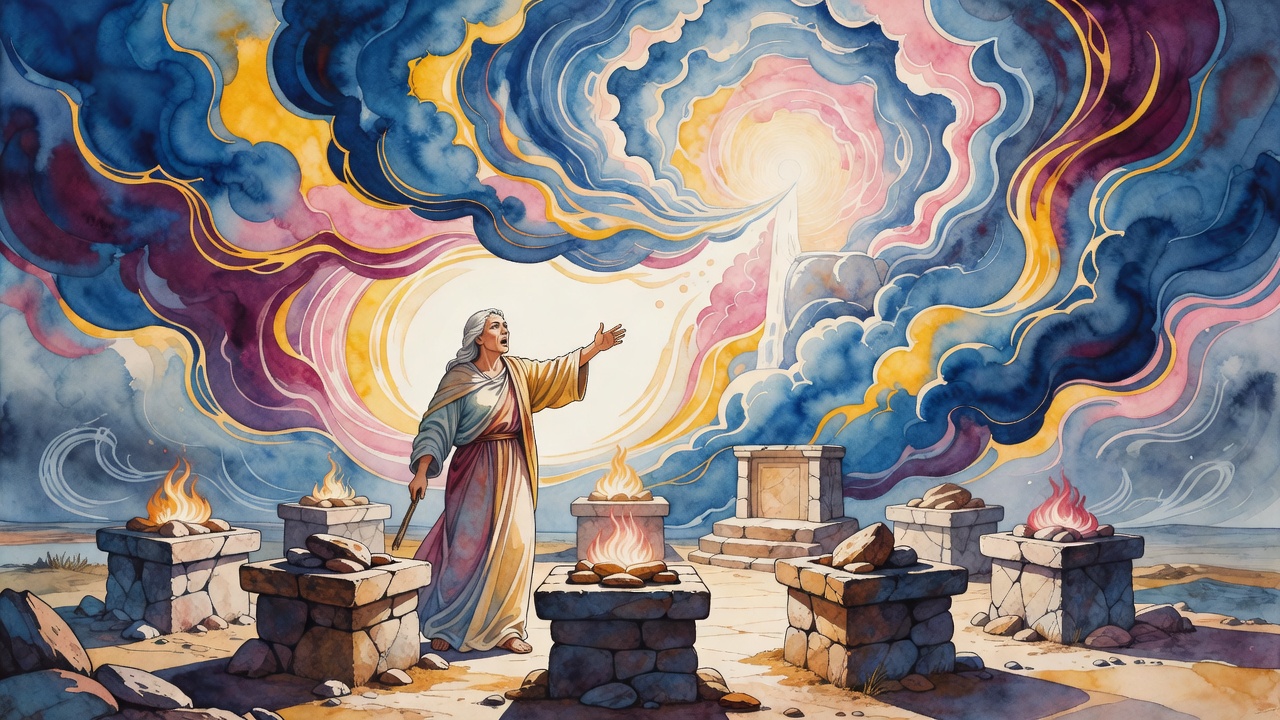
They Refused the Red Cup and the Idol's Table
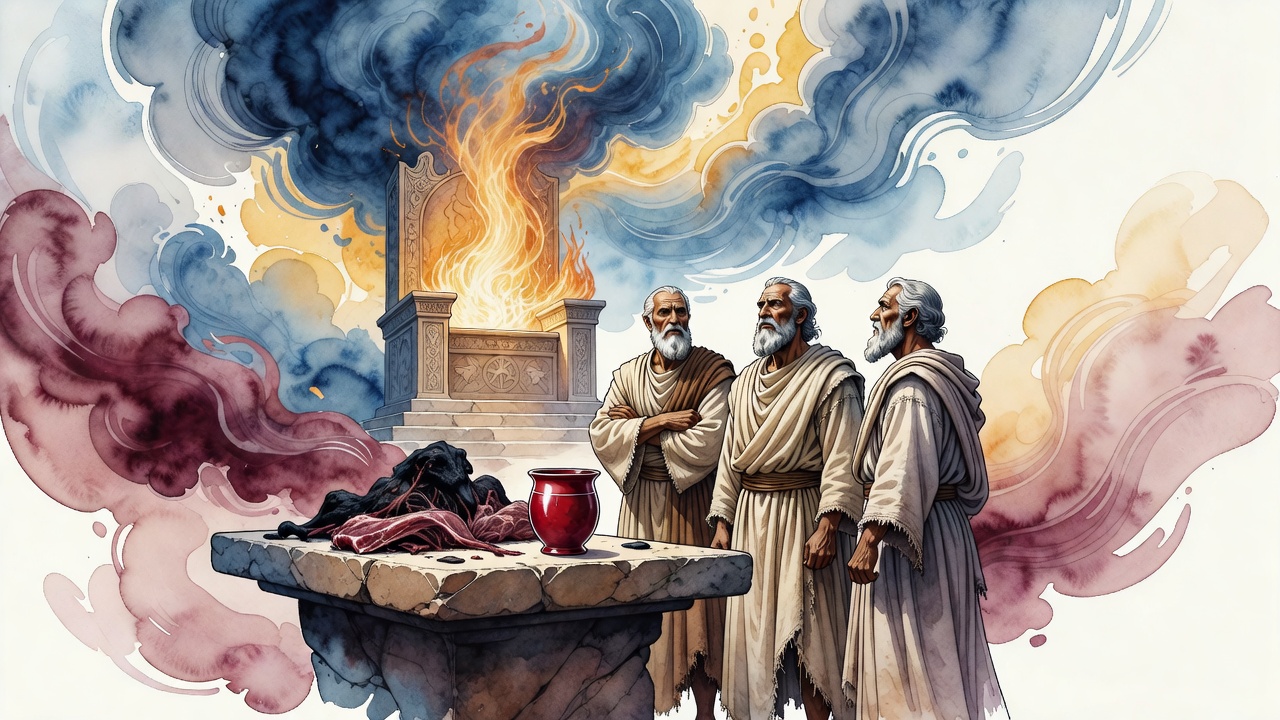
They set a red cup in front of him and waited. One tilt of the wrist would buy a quieter year. He left with a dry mouth and the meat untouched.
Table of Contents
They set the red cup in front of him and waited for the pour. One tilt of the wrist and the room would cheer. One sip after the idol's meat and the threat would soften into friendship, jobs, and a quieter year.
 Click for full size
He did not pour. "I will not pour," he said. "I will not slaughter. I will not drink water in a red cup."
The Names They Wanted on His Tongue
They pressed him to swear by foreign names. He answered with Moses' old fence. "Do not mention the names of other gods, or let them be heard from your mouth" (Exodus 23:13). The cup stayed full. The room went cold.
He was not performing for spectators. He was protecting a portion. Empty hands can still be full if the allotment is God. Full hands can be poor if they hold only what an idol blessed.
A clerk took down names of those who poured. The stylus paused over his line, then moved on without a mark. No mark was also a record. It would cost him later. He knew that and still kept his wrist still.
From Treaty to Plate
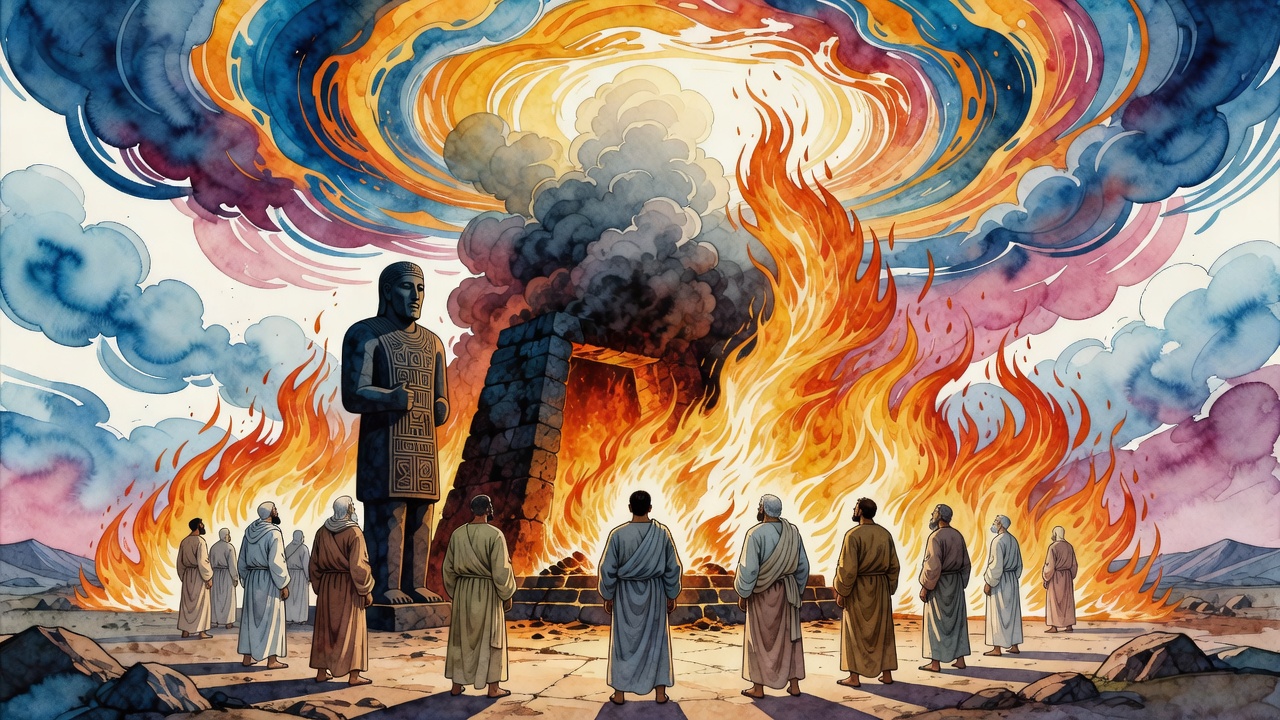
God had already drawn the chain. "Do not strike covenant with the dwellers of the land," He said. "They will draw you after their idols. They will sacrifice. They will invite you. You will eat of the sacrifices of their idols" (Exodus 34:15). Treaty becomes invitation. Invitation becomes plate. Plate becomes worship before the mind finishes its excuses.
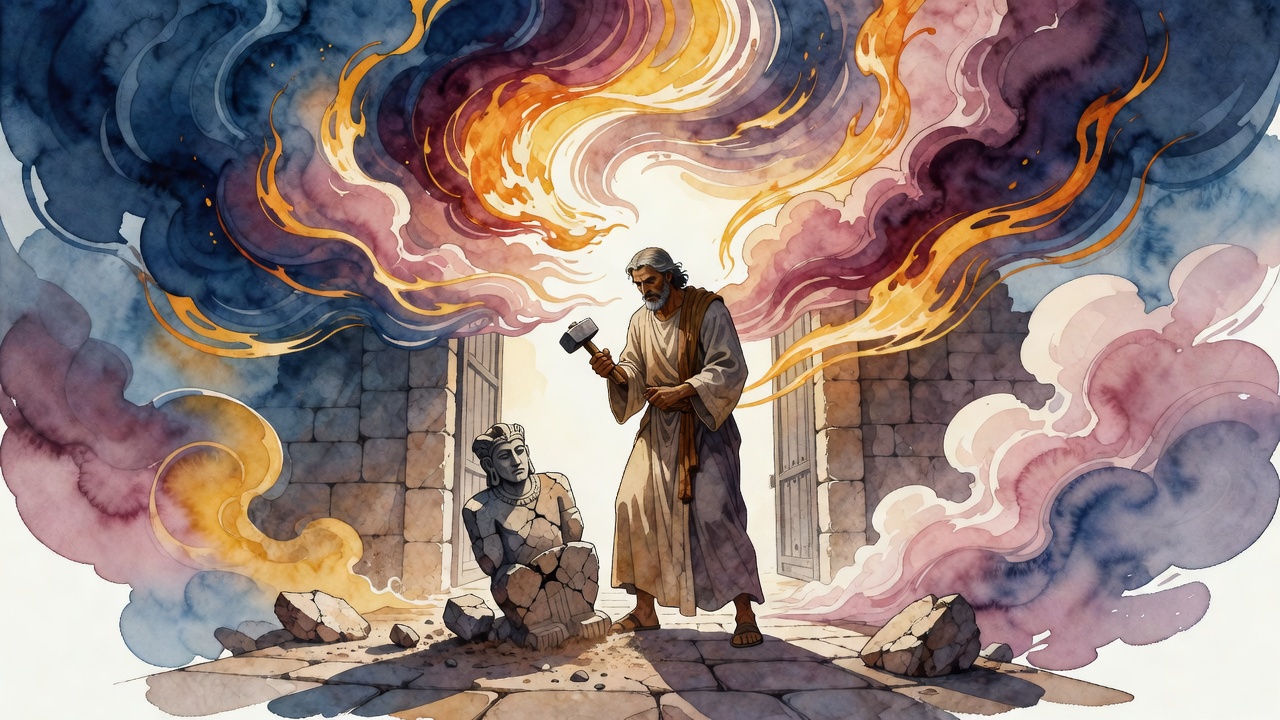
What enters the body becomes part of the body. Food offered to an idol carries the imprint of that offering. To chew it is to take foreign worship into the self. Refusal had to start before the first bite, before the first pour, while the hand could still say no.
They slid a dish toward him anyway. Meat from an altar he would not name. He left it where it sat. A man at the next couch laughed and ate. Grease shone on that man's mouth. The refuser tasted only his own spit and the copper of fear.
God as Portion and Cup
"But God is my allotted portion and cup" (Psalm 16:5). Portion means enough. Cup means the only drink that counts when other drinks are priced in loyalty. The lot received at Sinai had to hold when other cups were offered under threat.
He said the psalm under his breath so the room would not own the words. Sinai is the lot that must still support a person when the room wants a different name on the tongue. He closed his mouth around that sentence and would not open it for the oath they wanted.
Someone shoved the cup closer until the rim tapped his knuckle. He pulled his hand back into his sleeve. Wine trembled and settled. It did not spill. It also did not pass his lips.
Egypt Stayed on the Tongue
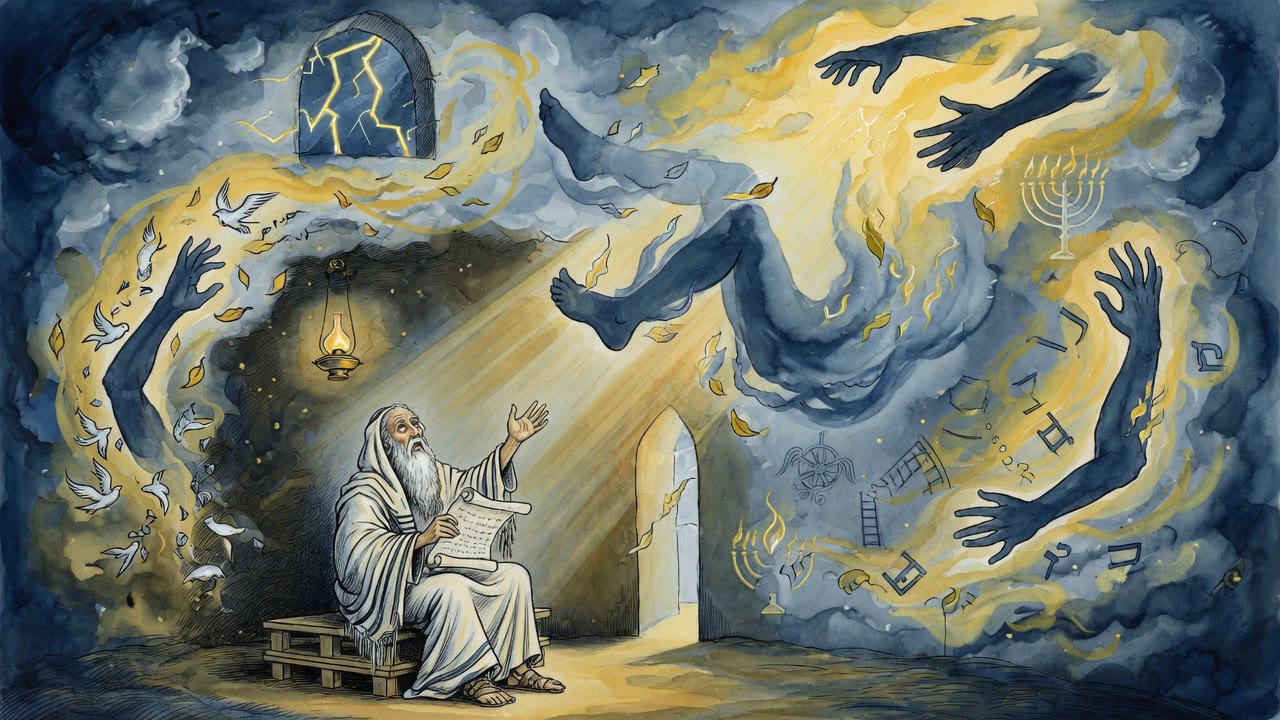
Someone in the doorway said the old story was finished. Egypt was a museum. A new age wanted new manners. He shook his head. "All the days of your life" meant this world, and the word "all" stretched remembrance even into the days of the Messiah. Ben Zoma had argued from Jeremiah that a future ingathering from the north would overshadow Egypt in speech (Jeremiah 23:7-8).
The older teachers refused erasure. The older deliverance joins the newer. A people that remembers leaving a house of slaves has practice saying no to new houses of worship that want the body as rent. The red cup was a small Egypt. The refusal was a small Exodus. Later light does not make Egypt forgettable. It makes Egypt one verse in a longer song that still needs the first verse.
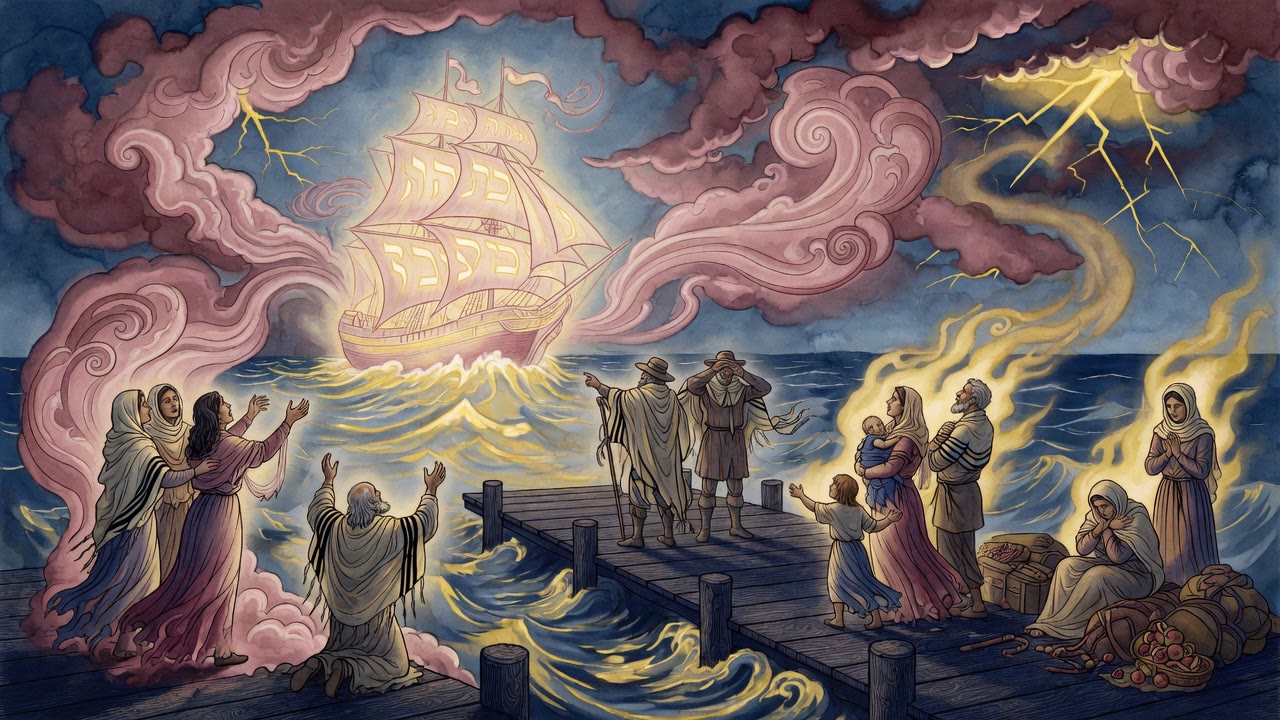
He named the sea under his breath, not the idol. If the north would one day send a greater rescue, that rescue would sit beside Egypt, not on its grave.
He Walked Out Dry
Some left angry. Some left ashamed. The man who would not pour walked out with a dry mouth and a clearer name. He had not saved the empire. He had saved the border of his own mouth, which is where every empire starts its work on a people.
Night settled. Somewhere a red cup was emptied into dirt. The table of idols lost one guest.
← All myths