Three Pious Men and the Demons That Tested Them
A ruined believer overhears demons boasting their secrets, while three other men face marble, a haunted tree, and a Shabbat spell.
Table of Contents
The wager was simple, and the Jew lost it. He and a gentile neighbor had argued over whose faith was true, and a stranger had wandered up to settle the matter, an ordinary-looking man with a calm voice and a fair manner. He ruled for the gentile. The gentile scooped up the stakes, every coin, and walked away rich. Only later, with empty hands and a long road home, did the Jew understand who the judge had been. Satan wears the face of a reasonable man when he wants to ruin you, and he had just emptied a believer's pockets in the name of justice.
 Click for full size
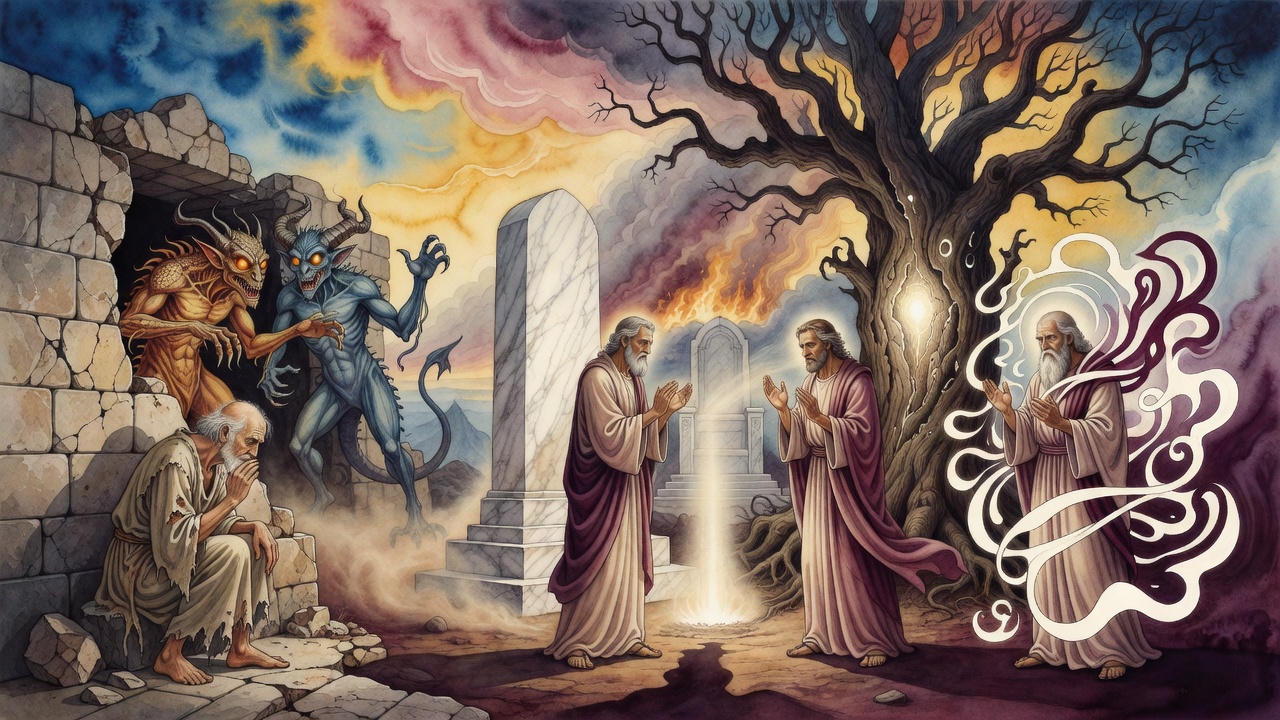
Night caught him before shelter did. He pressed himself flat against a wall in the dark and went still, because he had heard voices on the other side, and the voices were not human.
The Wall Where the Shedim Boasted
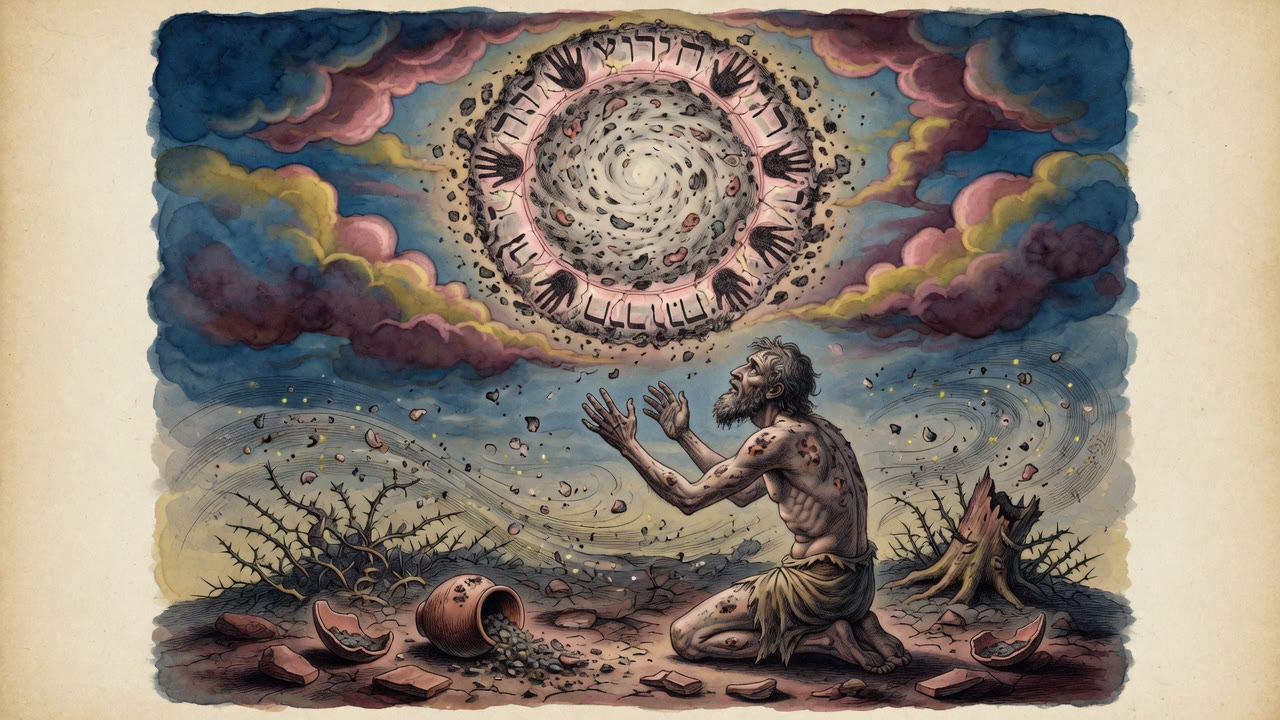
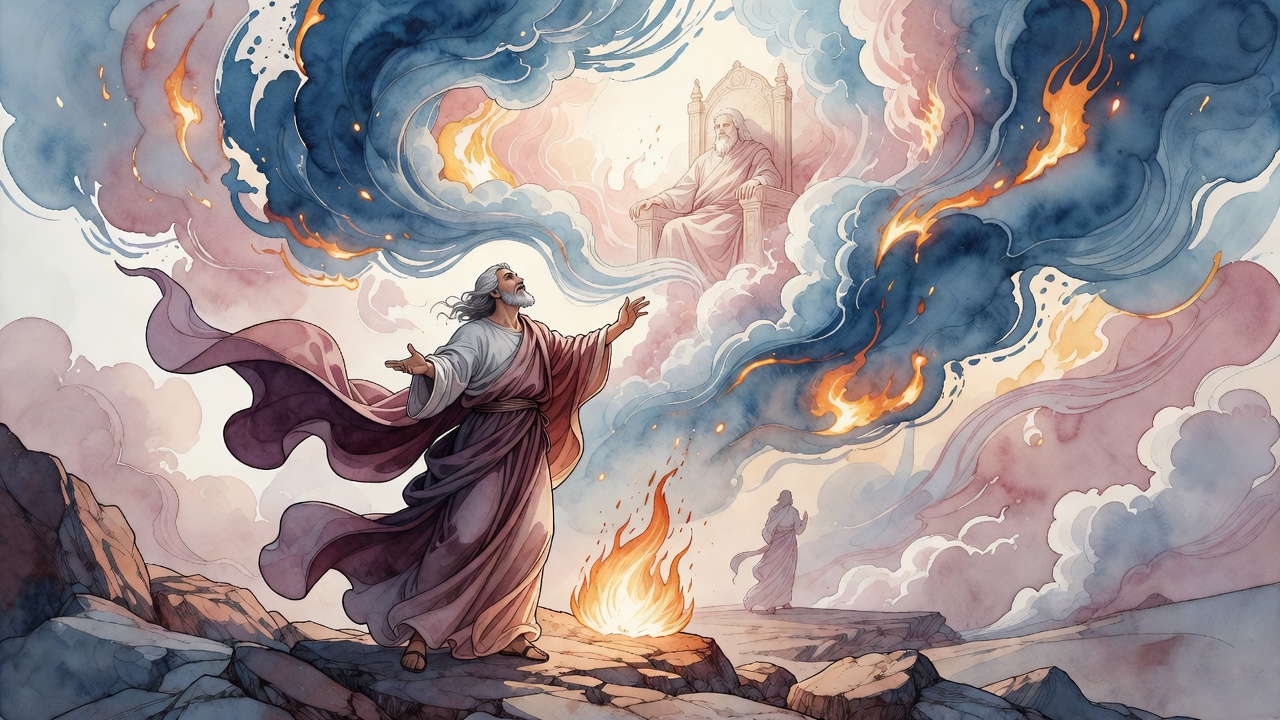
The shedim had gathered after sundown the way they do, in a place no traveler should sleep, and they were bragging. One demon laughed about a household it had emptied. Another counted ruined harvests like trophies. Then a third leaned in with the best secret of all. The Emperor's daughter lay dying, he said, and no physician in the realm could touch her sickness, because the cure was a thing only a demon knew. He told it to the others in the dark, every step of it, certain no living ear was near.
A fourth demon topped him. Beneath a certain field, it said, ran a hidden spring of sweet water, and the man who uncovered it would never want for anything again.
The Jew did not move. He did not pray aloud, did not gasp, did not give himself away. He simply memorized, word by word, the way a man memorizes the face of someone who owes him. When the sky greyed and the shedim scattered, he was already walking toward the palace.
He cured the princess. He named the hidden spring. The Emperor, who had buried his hope, gave him wealth past counting, far more than any wager had ever held.
The Man Who Came Back on Purpose
Word of the fortune reached the gentile who had won the bet. He saw the shape of it at once. A wall, a night, a crowd of boasting demons, a fortune for the listener. So he went to the same place when the dark came down, and he sat against the same wall, and he waited to get rich.
The shedim came back. They found him.
They knew the difference between a man who had stumbled into their secrets by accident and a man who had come hunting them, and the difference was the whole story. They tore him apart where he sat. The same knowledge that lifted one man out of ruin killed the other for reaching after it, because the unseen world gives nothing to the one who comes grasping.
The Marble That Asked for a Lamp
Elsewhere a pious man drove his spade into his own field and struck stone. He dug, and uncovered a marble figure, finely carved, half swallowed by the dirt of forgotten years. He was brushing off the last of it when the marble spoke.
"Clean me," it said. "Set me in a clean corner of your house, and I will make you rich."
He carried it home. Days later it spoke again, told him his friend was caught in a trap out in the forest, told him to run. He ran, found the man exactly where the marble said, freed him, and was paid handsomely for the rescue. The gifts were real. That was the trick of it. Each one was real.
Then the marble asked for a lamp. "Light a flame in front of me," it said, and the man went cold, because a lamp is not thanks. A lamp is avodah zarah, foreign worship, and the stone had been walking him toward it one true gift at a time. He took up his axe. A demon burst from the marble's mouth and begged. "Spare me," it cried, "and I will give you riches beyond anything you have seen." He swung anyway and broke the thing to gravel.
A year on, digging in his garden, he turned up a buried treasure that no spirit had offered him, coins and vessels laid there long before and meant, it seemed, for a man who would not light the lamp.
The Tree That Ate the Garden
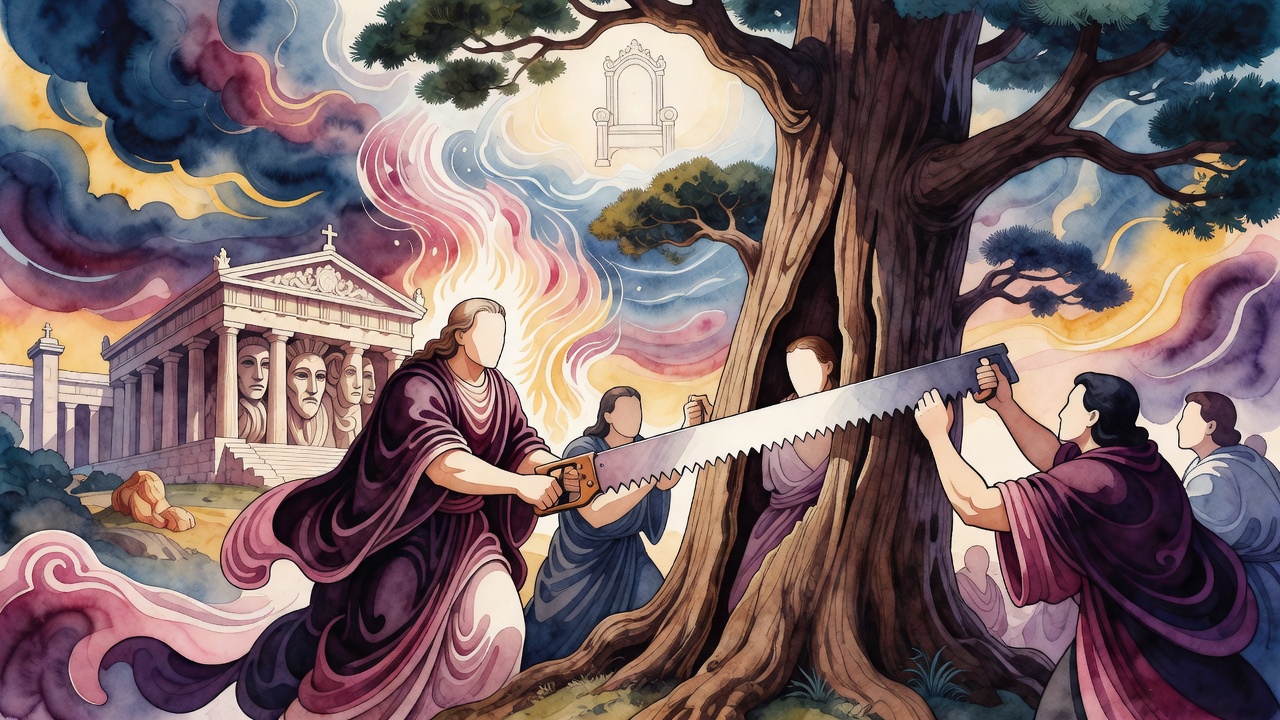
Another pious man owned a tree, the pride of his land, tall and heavy with fruit, beloved by everyone who rested in its shade. A shed had moved into its branches. People gathered, animals grazed, feet trampled the rows, and the crops he lived on were dying under the weight of his most beautiful thing.
He sharpened his axe. The demon heard the stone on the blade and appeared in a panic. "Don't," it pleaded. "I have money. I have jewels. Take them and leave the tree." He understood the offer for what it was, a private covenant with a power that was not God, an altar raised to the wrong lord. He cut the tree down. When the workmen pulled the roots, they found coins and vessels buried beneath the trunk, a treasure given clean, on Heaven's terms, the moment he refused it on the demon's.
The Nephew Who Rode Into Tiberias
Faith does not always get the chance to refuse. In Capernaum on the Sea of Galilee, sorcerers worked their keshafim on Chananya, the nephew of Rabbi Yehoshua, and the spell was built to shame. His body climbed onto a donkey and rode into Tiberias on Shabbat, breaking the holy day in plain sight while his mind watched, helpless, from inside its own walls.
Rabbi Yehoshua came for him. Not with a louder spell, but with a shemen, an anointing oil, and with prayer set against the witchcraft word for word, until the spell let go and Chananya was himself again. Then the rabbi sent him to Babylon, far from the sorcerers, far from the shame, into a town that would know him only as a Jew in good standing. The demons knew his secrets, and his uncle knew the oil and the words. That was the whole contest, and the oil won.
← All myths