Two Boys Poured Wine and Named the Messiah's Delay
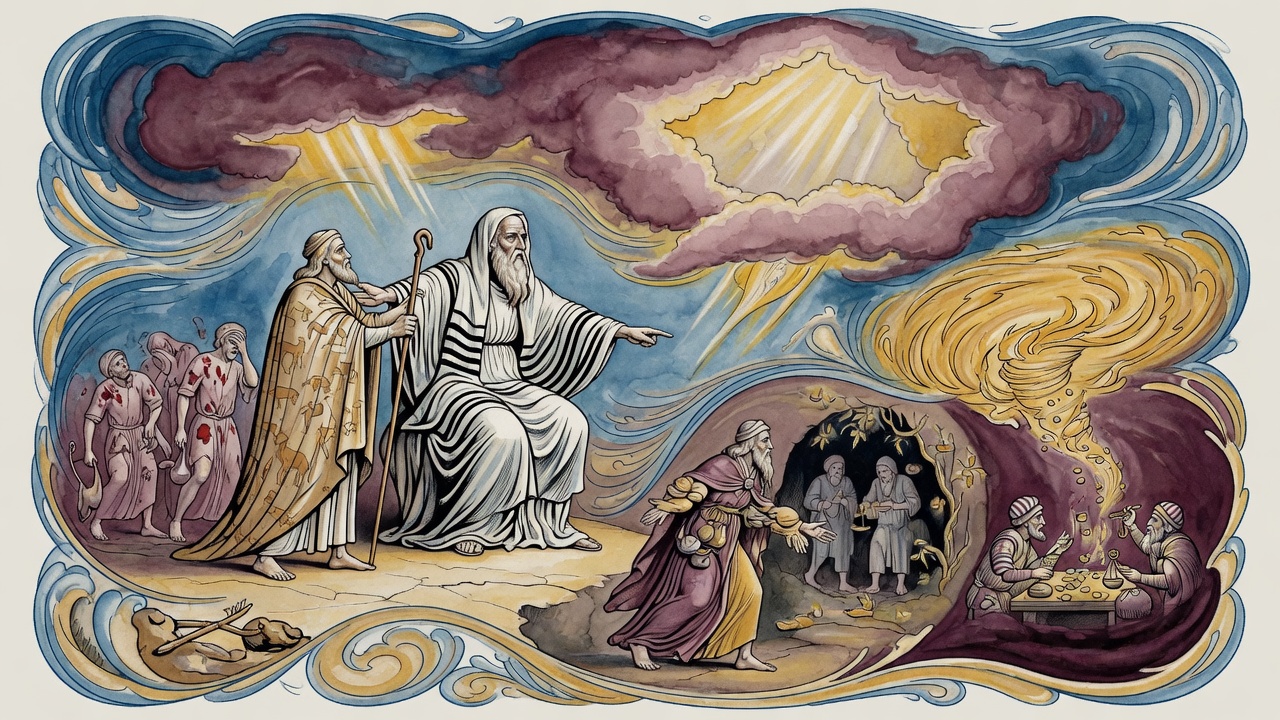
Yehudah HaNasi filled their cups so the silent boys would speak. They told him the Messiah waits until his own chair falls. He winced.
Table of Contents
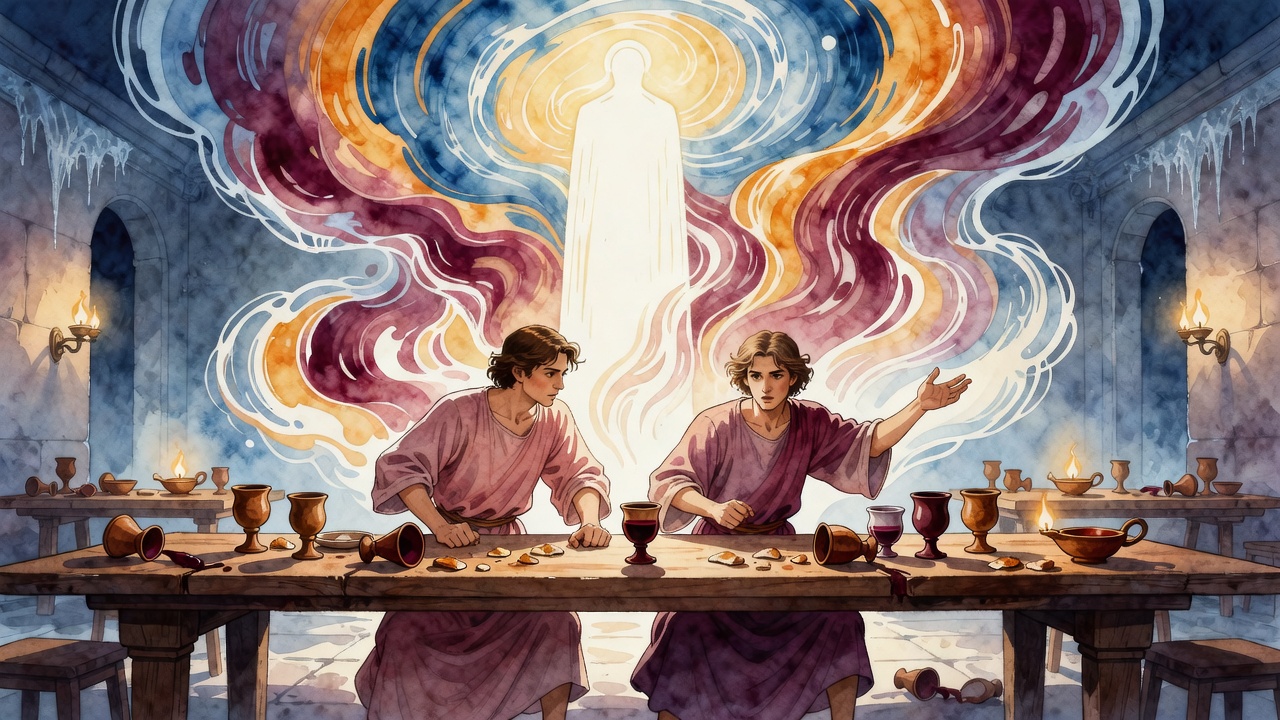
Yehudah and Chiskiyah, sons of Rabbi Chiya, sat at the table of Rabbi Yehudah HaNasi and did not speak. The patriarch of Tiberias had redacted the Mishnah and still could not get two boys to open their mouths over bread.
 Click for full size
"Give the boys some wine," Rabbi said. "That they may have the boldness to speak."
Wine at the Patriarch's Table
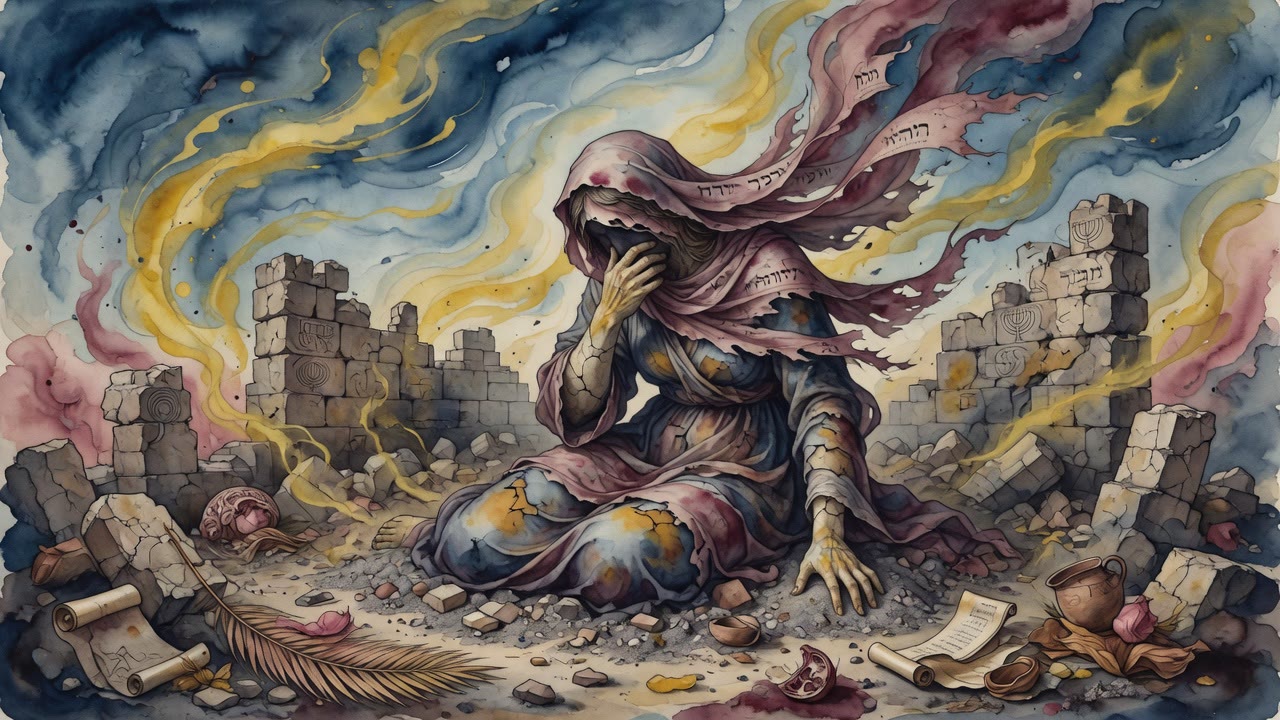
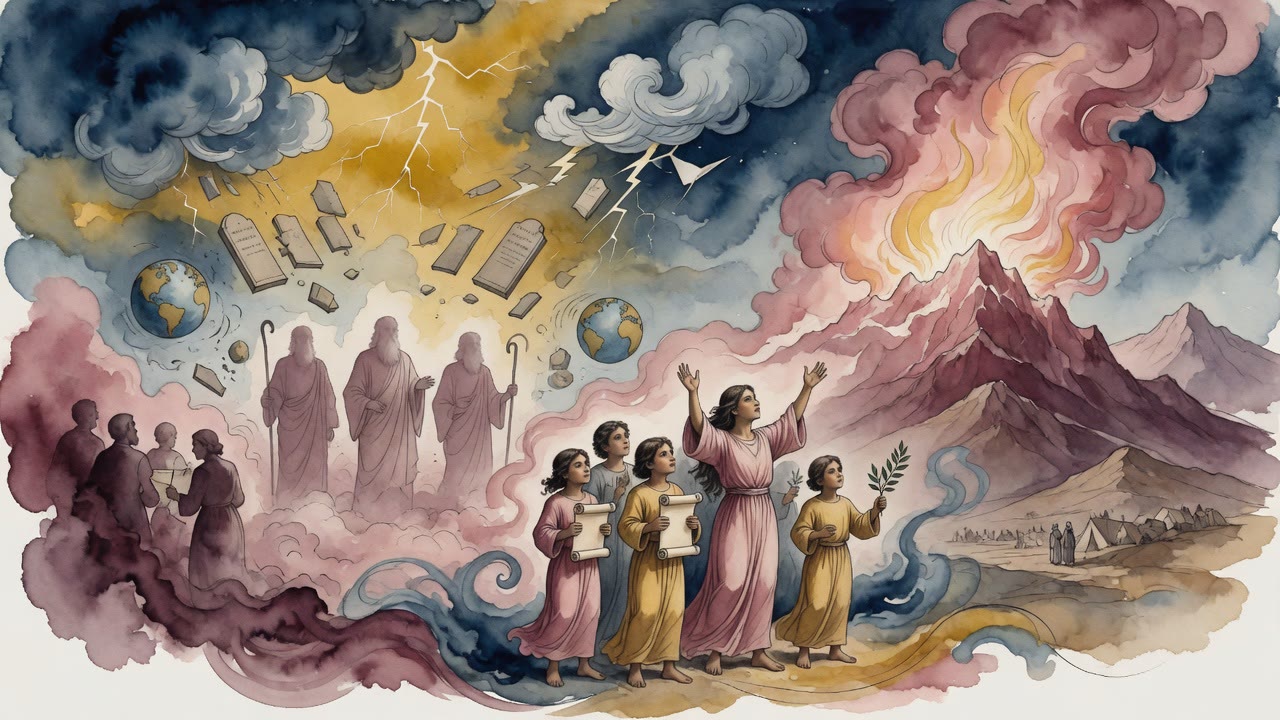
The cups went down. The silence broke. The boys declared that the Messiah son of David would not arrive until the two great houses of Israel had fallen, the Exilarch in Babylon and the Patriarch in the Land of Israel. Isaiah had said it: a stone of stumbling to both the houses of Israel (Isaiah 8:14).
Rabbi winced. "Children, you are thrusting thorns into my eyes."
Rabbi Chiya smiled the small smile of a father who has seen wine do this before. Wine and secret, yayin and sod, both have the value of seventy. When wine enters, the secret leaks out. He told Rabbi not to be offended. The boys had only poured what the cups had loosened.
The boys sat still. No one reached to take the cups away. Yehudah HaNasi put a hand to his eyes as if the thorns were physical, then lowered it and looked at Chiya, who would not apologize for his sons. Tiberias went on outside the window. The Mishnah pages waited at his elbow.
Thorns in Rabbi's Eyes
The boys were not asking him to abdicate over dessert. They were saying the last hope is not the preservation of the present chair. Every throne falls, including the teacher's, so the final throne can be set up. That is a hard sentence from children whose cups he had just filled.
Yehudah HaNasi had built ordered teaching. The boys poured a future in which his own office becomes a stumbling stone on the way to redemption. After the cups were cleared, he still had a Mishnah to finish and a people to steady. The thorns stayed in his eyes. Even the man who orders Israel's learning must hear that redemption may require the stumbling of his own house.
He had asked for boldness. He had gotten a timetable that ran over him. The wine was still in the cups. The secret was already out of them.
The Boy Who Walked Bareheaded
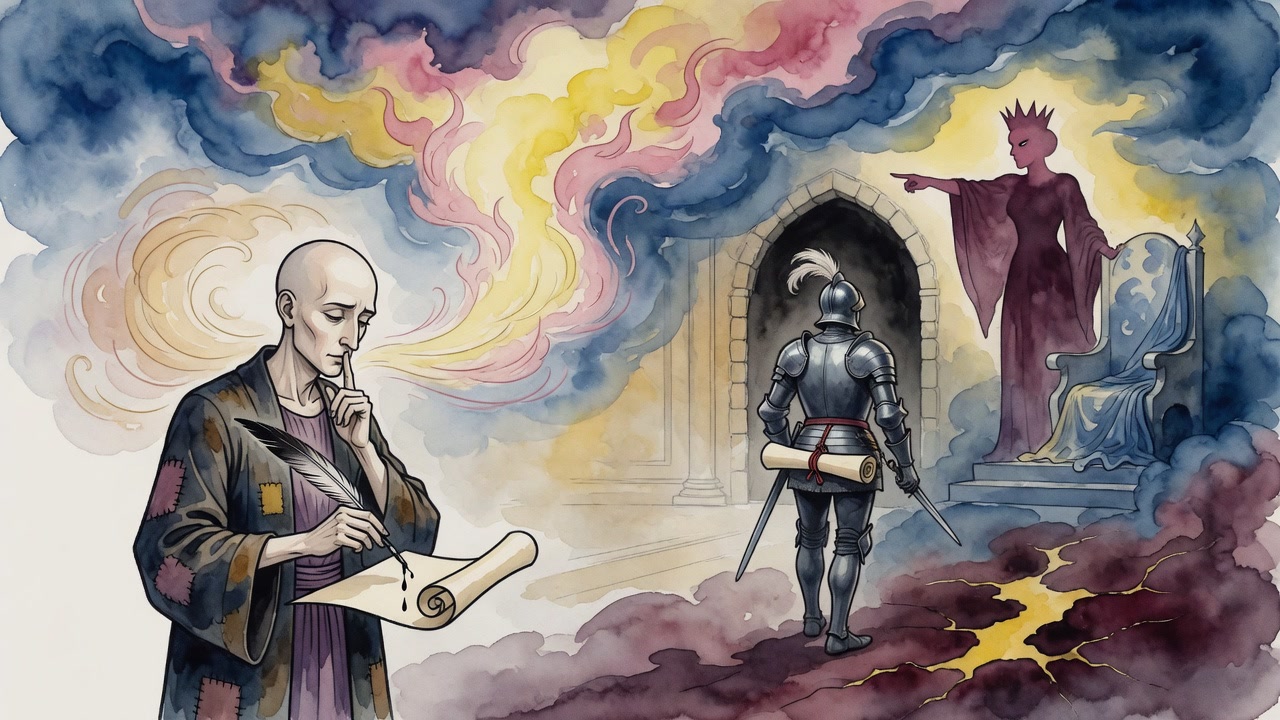
Another pair of boys walked past Elders in study. One covered his head. The other walked bareheaded. Rabbi Akiva watched and said the uncovered boy was a mamzer, a child of a forbidden union. The other sages were astonished. Akiva had seen brazenness, a missing instinct of reverence that is planted early in a proper household.
He questioned the mother privately. She admitted the truth.
Children announce more than they intend. At Rabbi's table they announce a fallen house. Before Akiva they announce an origin. The adult world has to decide whether to punish the messenger or hear the message. Authority that cannot survive a hard sentence from the young was never going to be Torah's last form.
Bend the Vine While It Is Green
Rabbi Eliezer and Rabbi Joshua lean on the proverb: Train up a youth according to his way. Shape a child in Torah while young, and the words grow with him. Rabbi Joshua reaches for field images. A cow never taught to plow becomes impossible once full grown. A vine-shoot can be trained while moist and green, but once the wood hardens, no one can bend it.
Folly is bound up in the heart of a youth. The rod of discipline removes it. Rabbi Zevida insists the rod is the rod of Torah, and if not, the lashes of the court. Rabbi Nehunya closes the circle: whoever takes the yoke of Torah has the heavier yoke of worldly power lifted off his shoulders.
Wine had loosened a secret about fallen houses. An uncovered head had betrayed missing training. A green vine still bends if someone takes it in time. Yehudah HaNasi sat with thorns in his eyes and a Mishnah still to finish. The boys had named the delay of the Messiah over his own wine. The chair would have to stumble. He did not pour the cups back.
← All myths