19 myths
Each story names the sources it was written from.
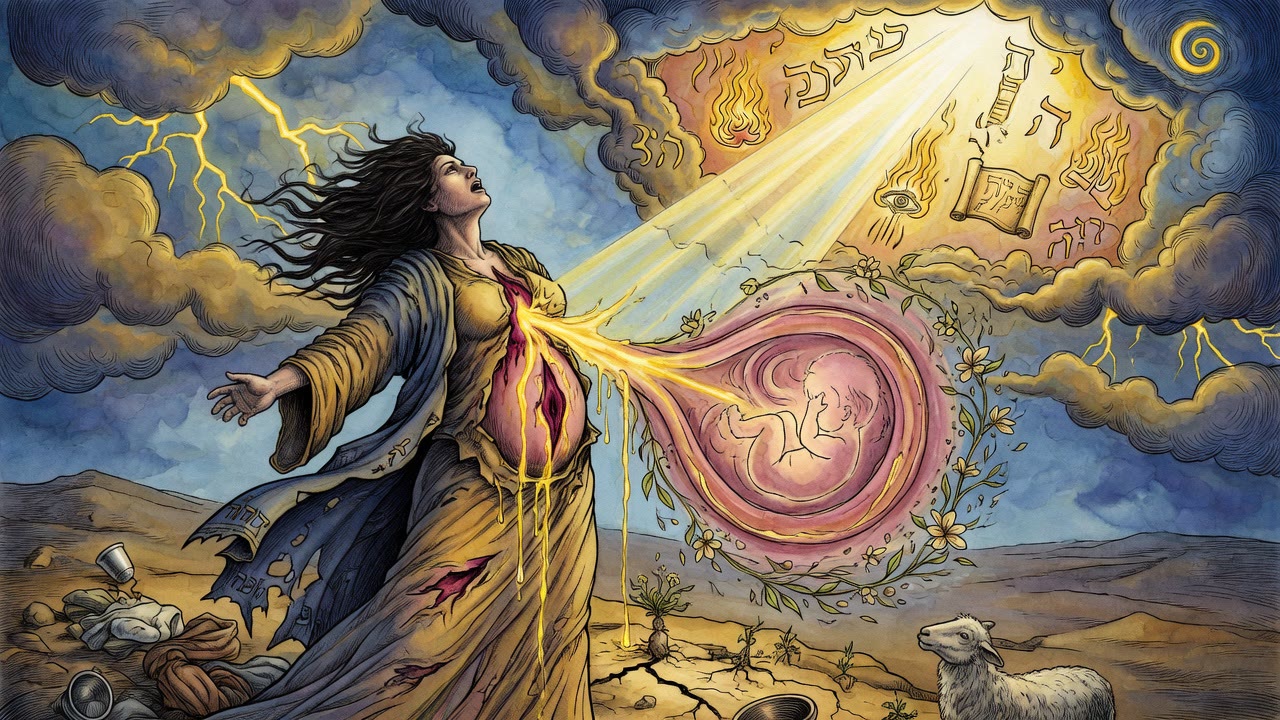
Jacob woke to Leah's face and called her a deceiver. She asked who had worn Esau's name. God looked at the wife the house would not love.
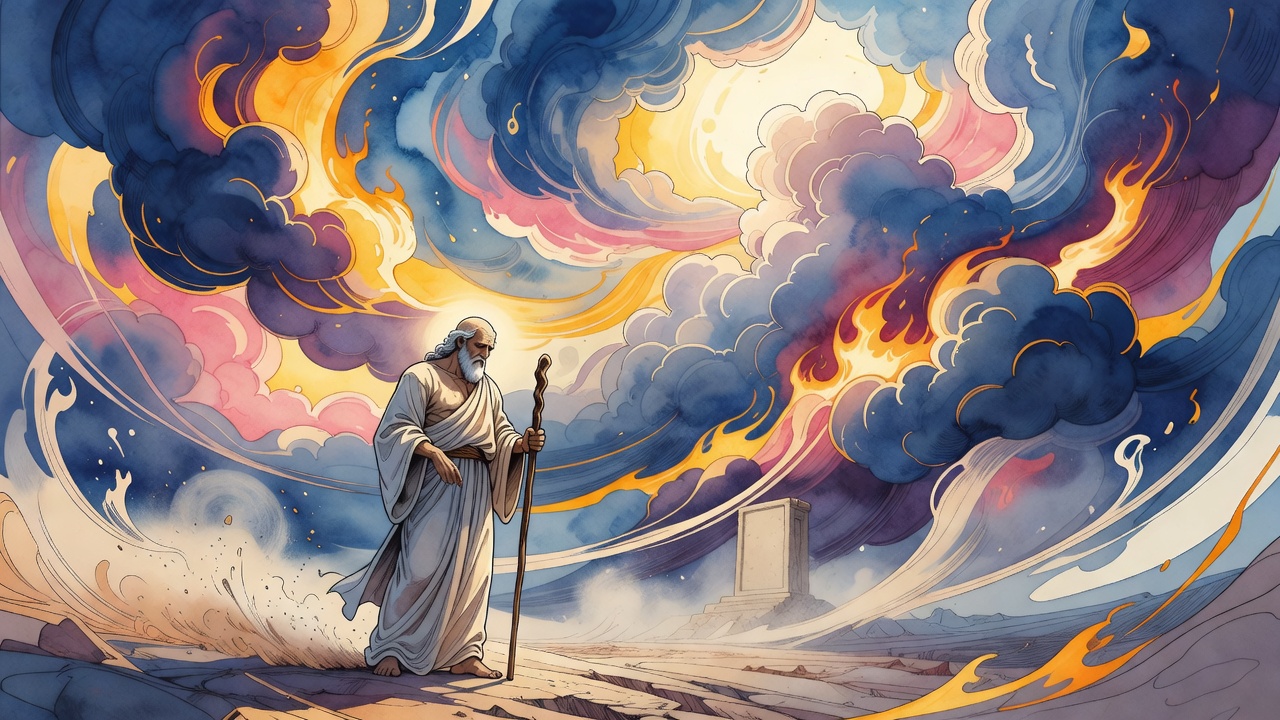
Noah delayed marriage until God commanded him. He did not want children born under a flood decree, but survival carried its own grief.
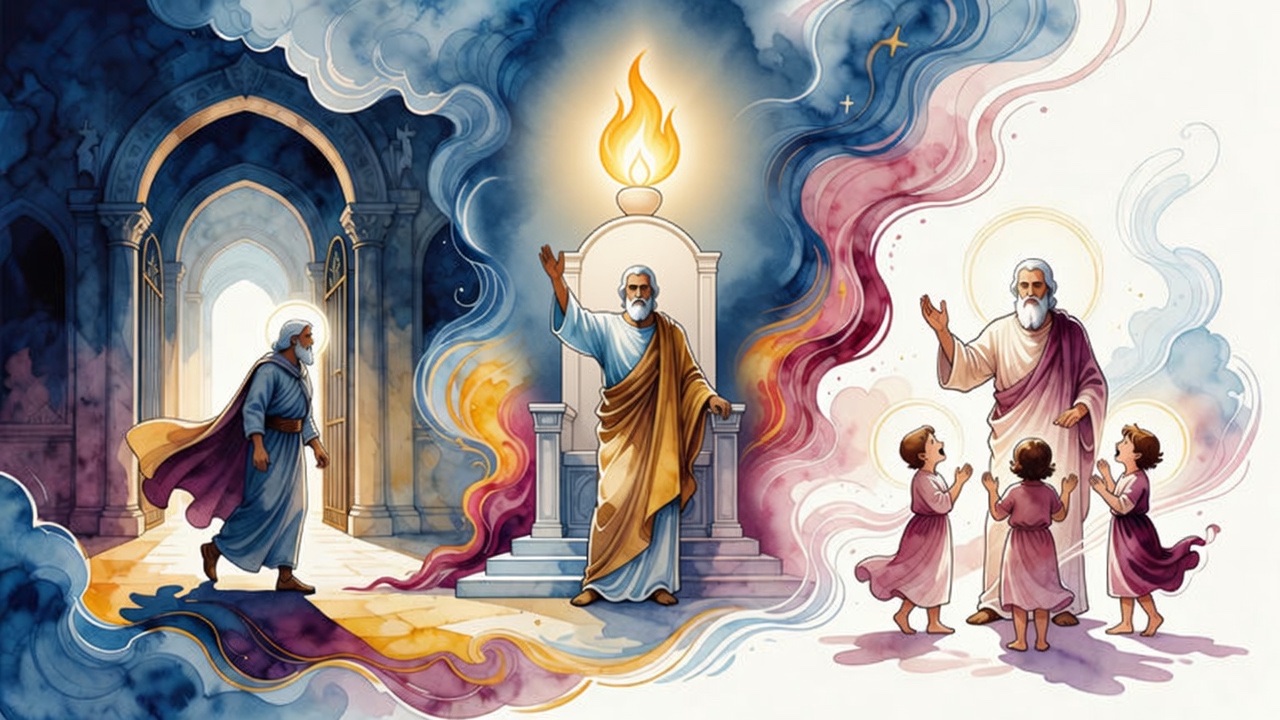
After Haman's decree, men in the market told Jews: wait until tomorrow, then I kill you and take your money. Mordecai left the court and met schoolchildren.
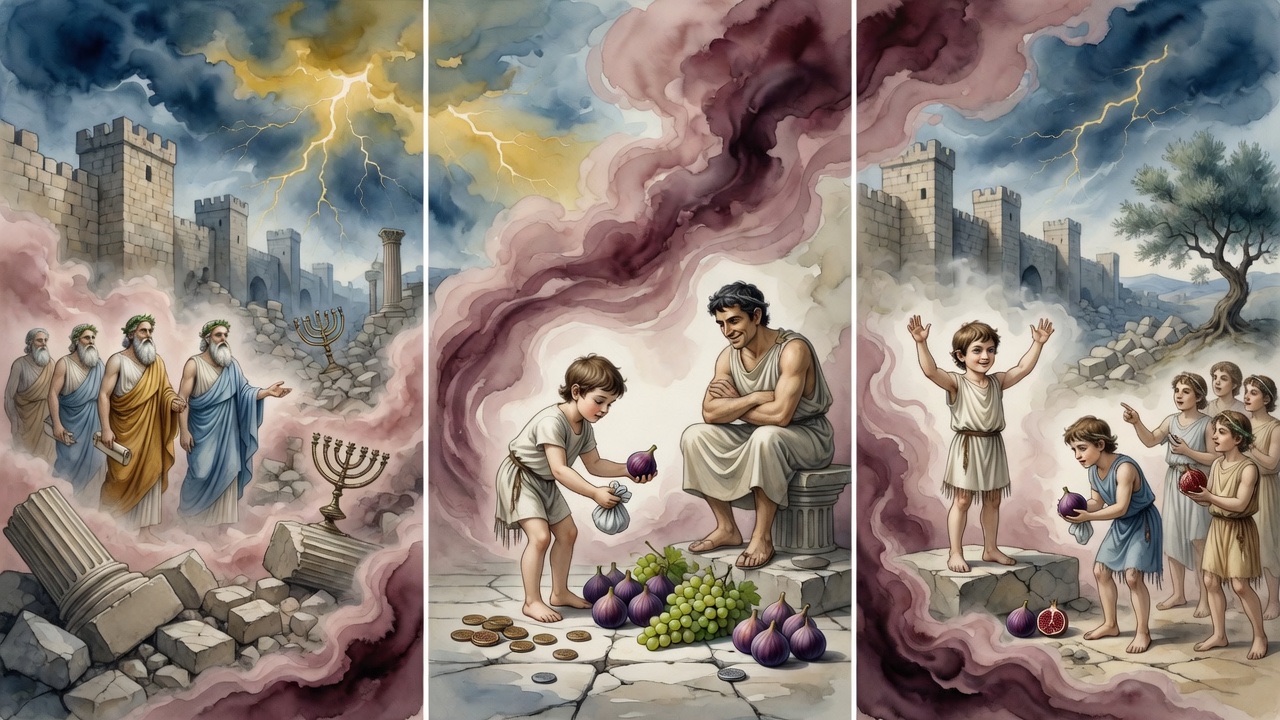
An Athenian sent a boy to buy food he could eat, fill up on, and still carry away. The boy came back with salt, and he was right.
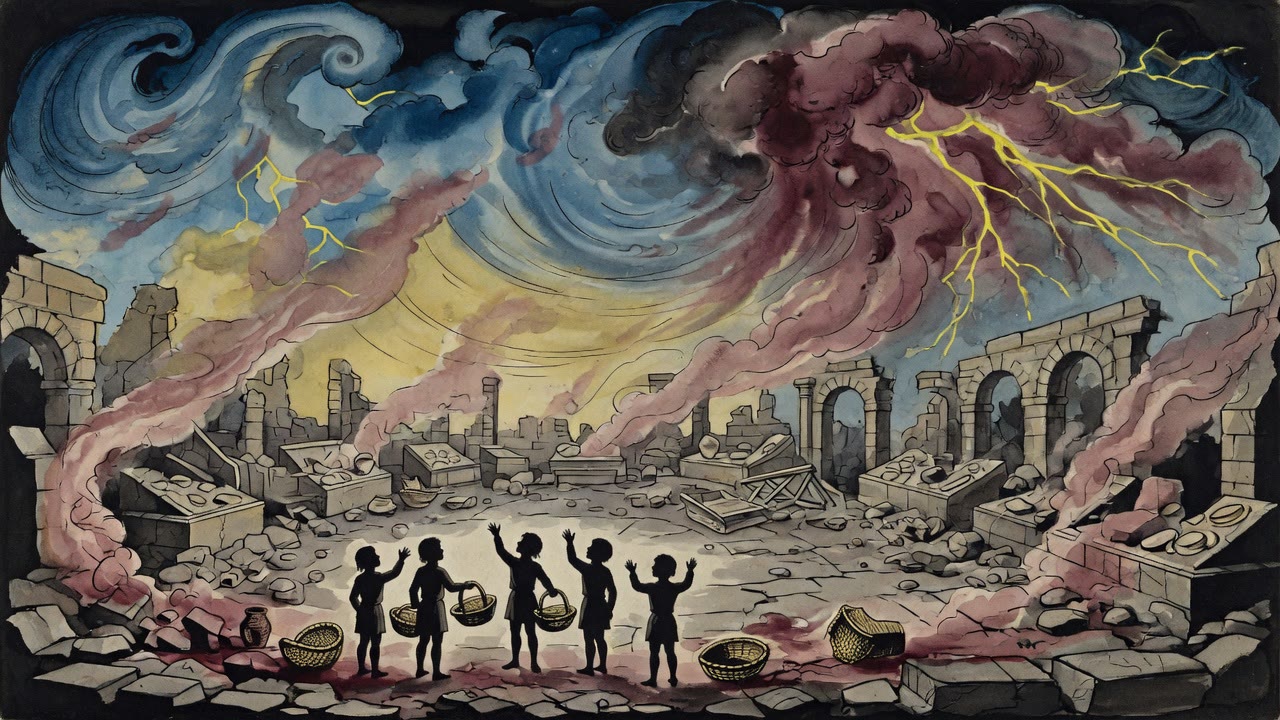
Eikhah Rabbah faces the siege famine through children who remembered abundance, a stream that ran dry, and women who gave away their last loaf to a mourner.
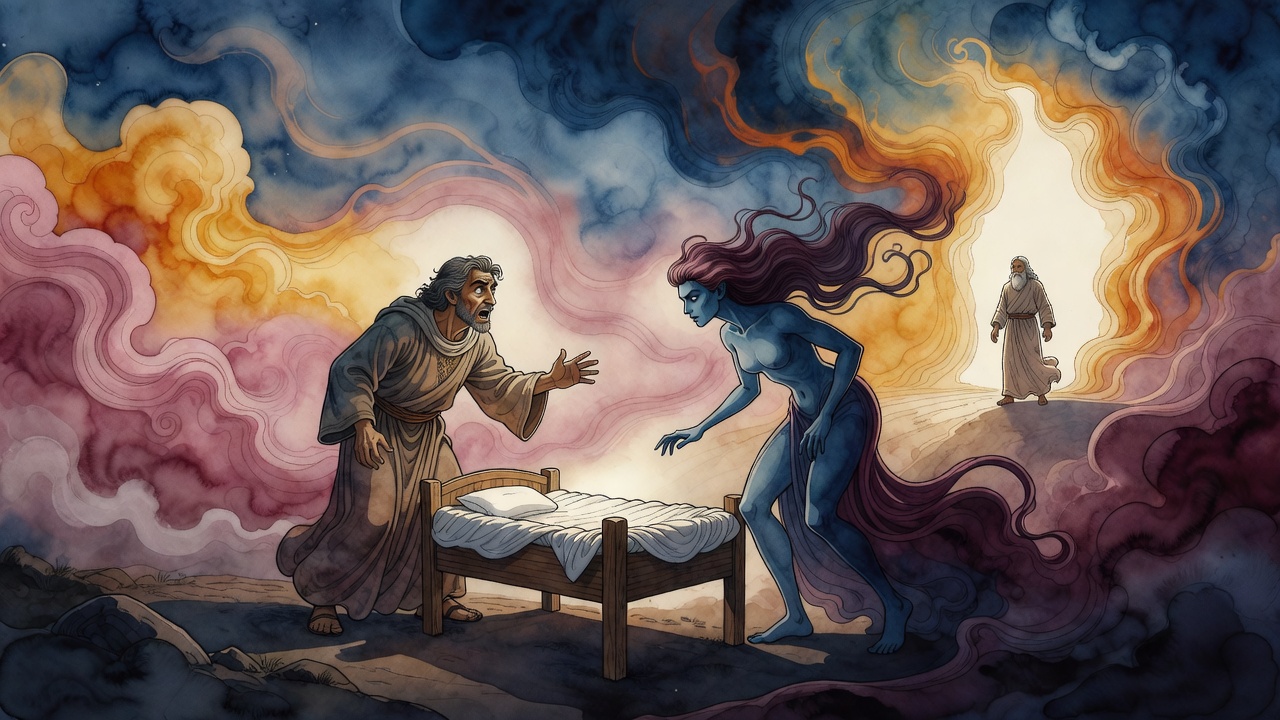
Three angels caught her at the sea and she would not go back to Adam. She swore to spare any child who wore their names. The rest she kept.
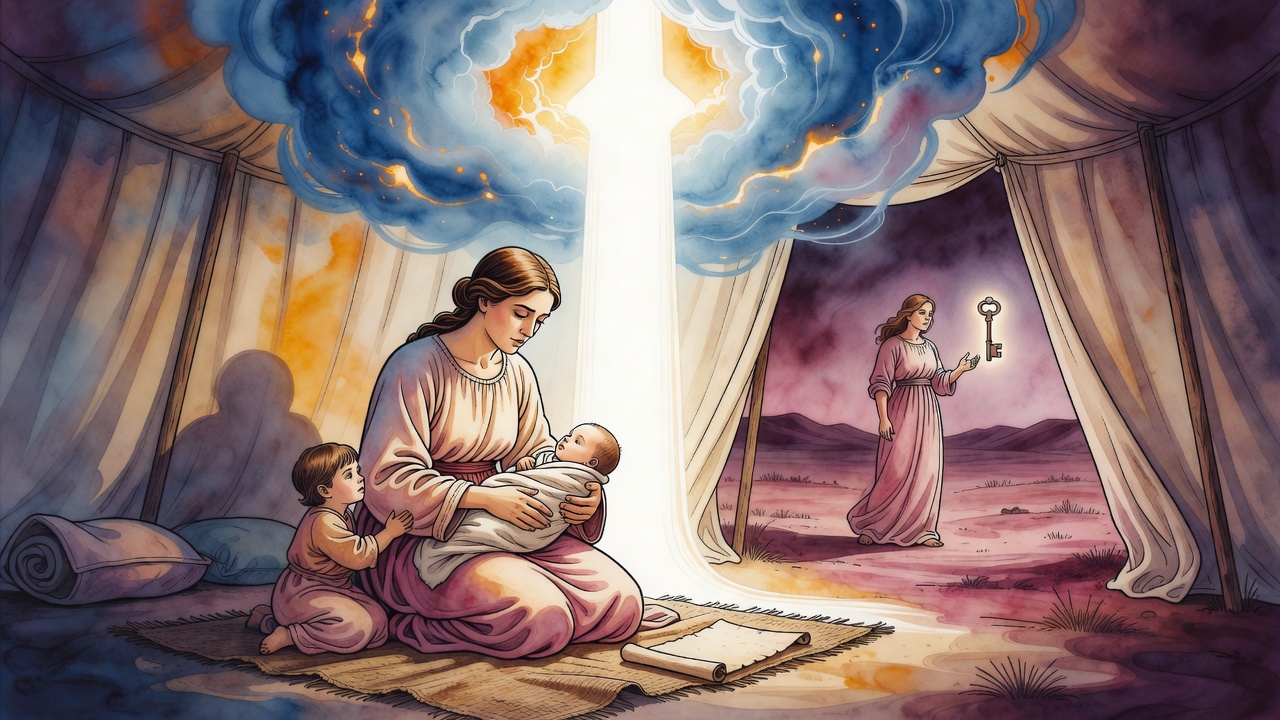
Leah, unloved in Jacob's tent, received sons first from the God who lifts the fallen, while Rachel waited on the one key no angel holds, the key of the womb.
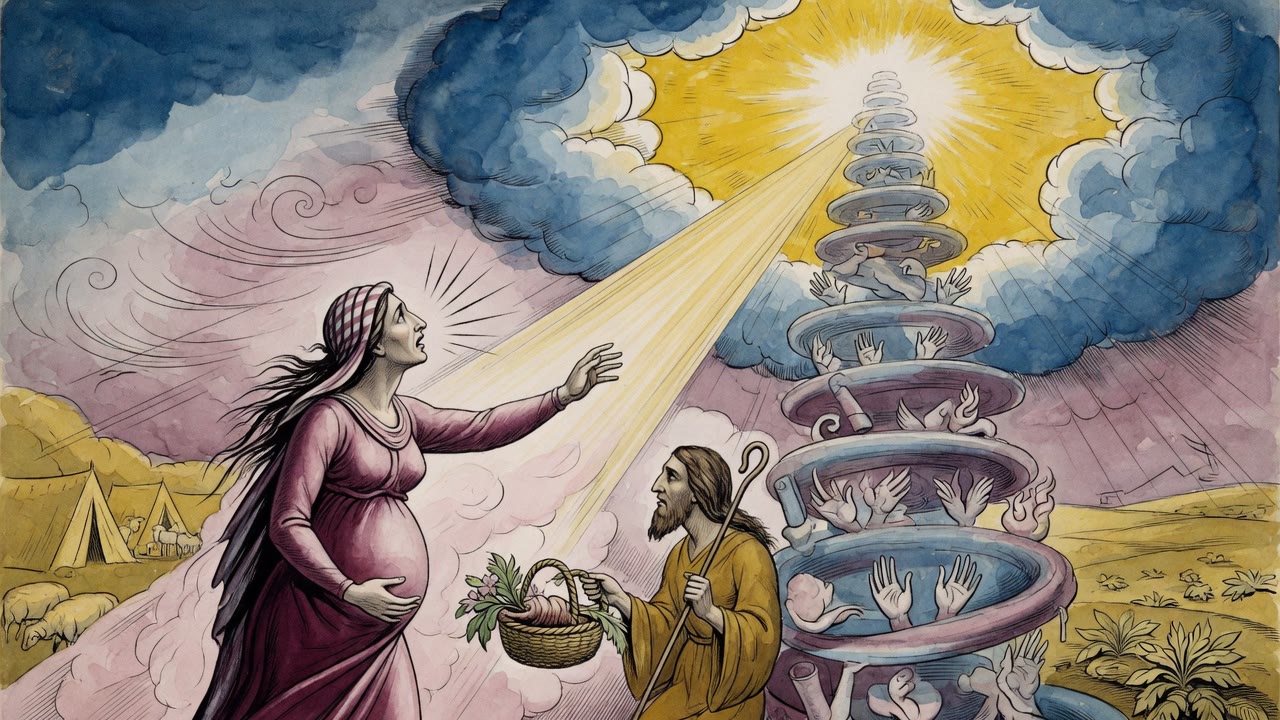
Jacob would not pray for his wife. The sister with every reason to gloat asked heaven to turn her own unborn son into a daughter instead.
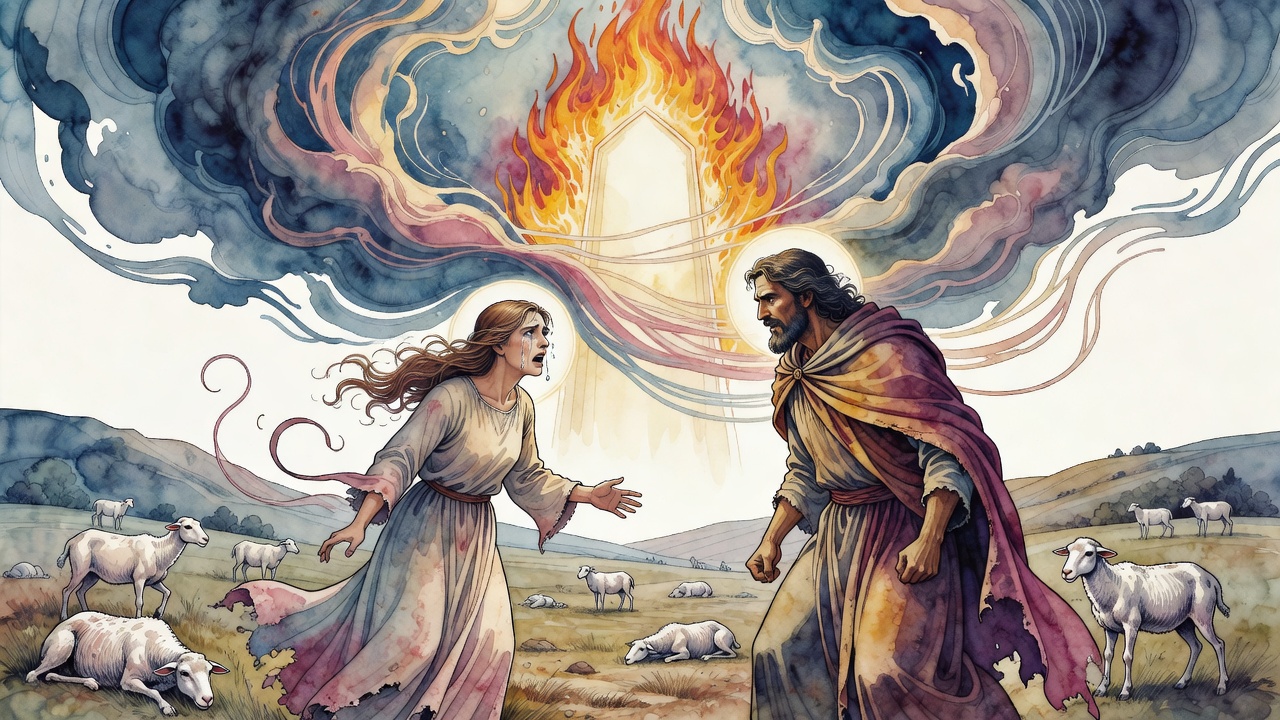
Rachel, once shepherdess of a plague-thinned flock, cried give me children or I die, and Jacob's anger answered that children come only from God.
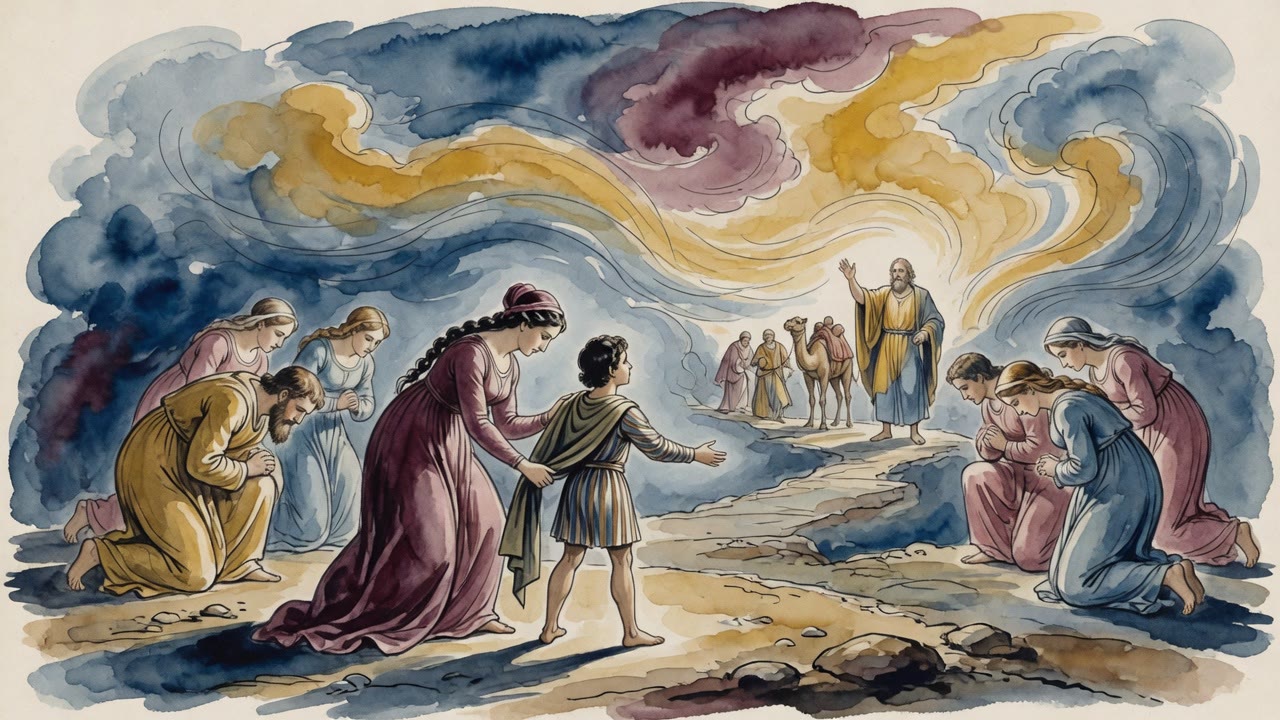
When the family bowed before Esau, Joseph stepped in front of Rachel and used his small body as a shield for his mother.
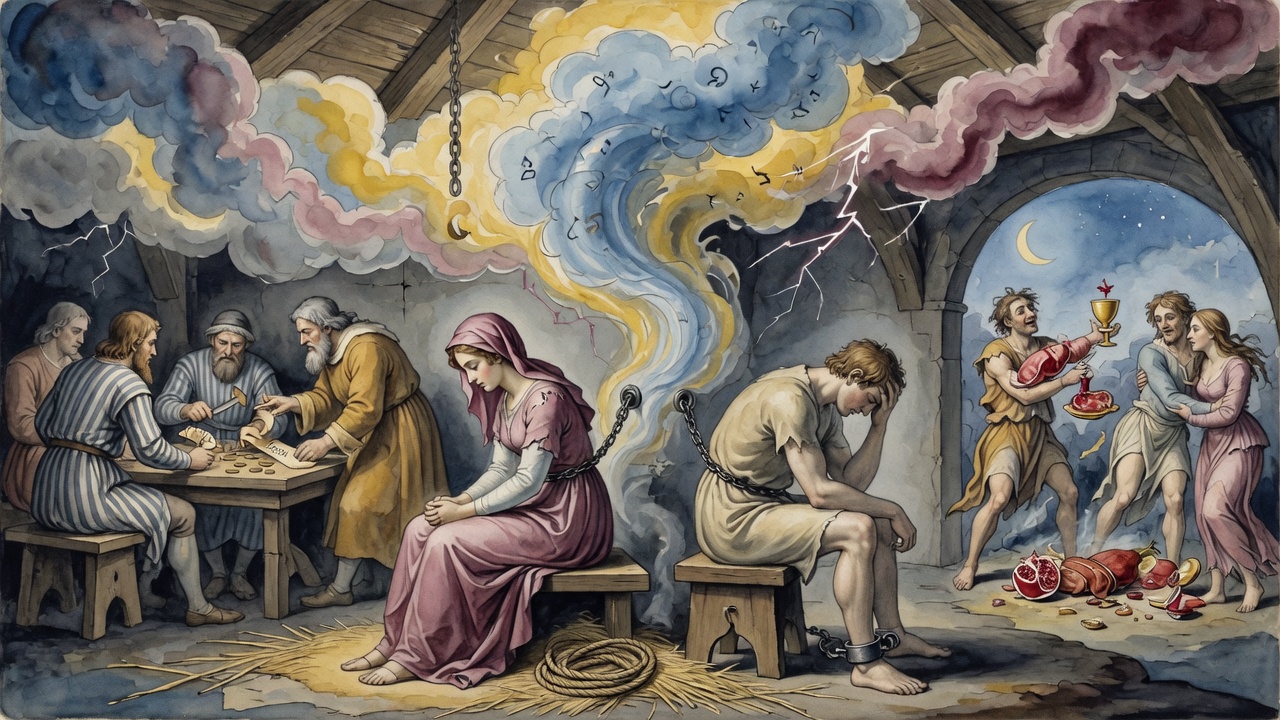
Two boys, tied to a Roman bed, hunted a verse for the rope on their wrists. One and a half columns. They had almost reached it.
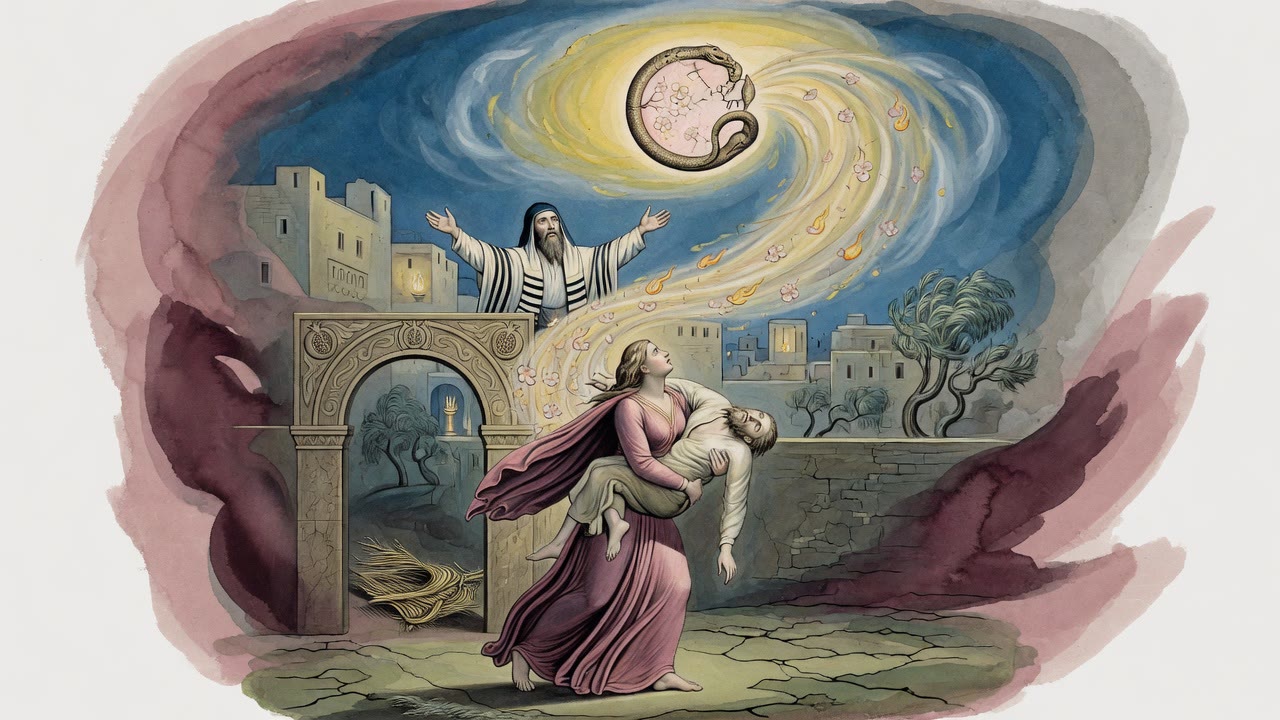
He woke in a room that was not his and asked where he was. She sat close enough that the feast was still on his clothes.
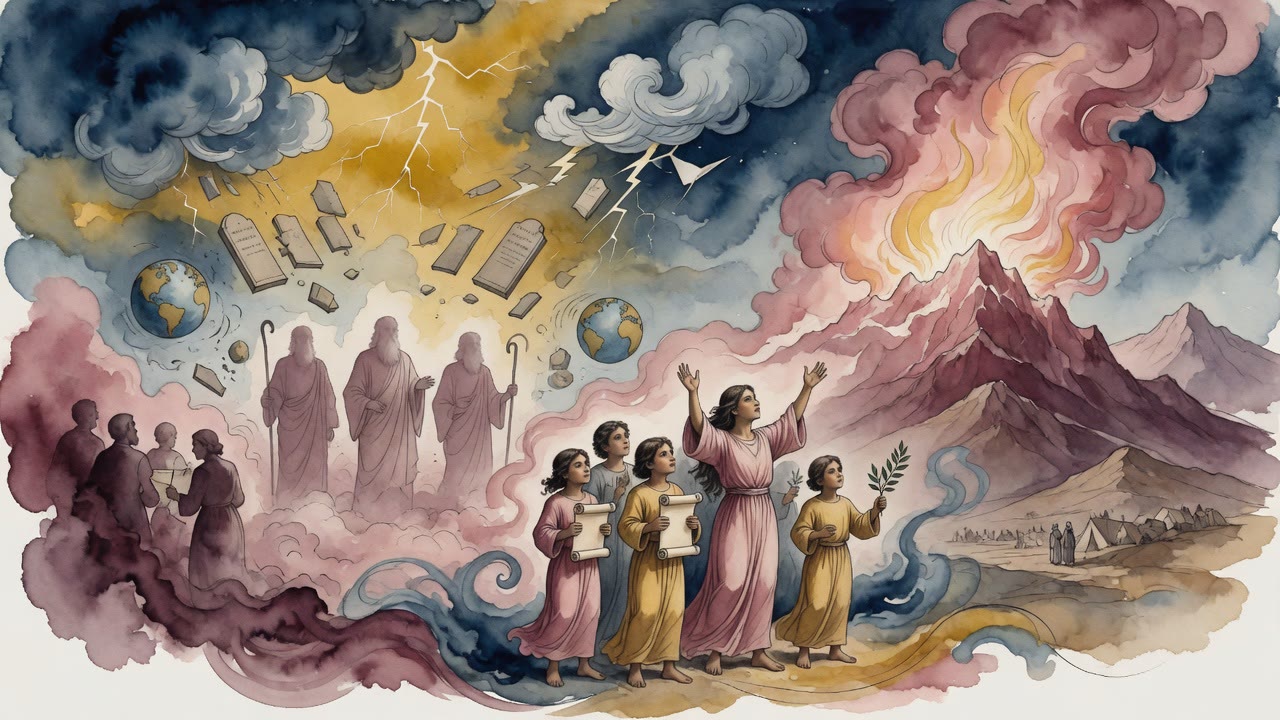
Heaven and earth failed as collateral. The patriarchs failed too. At Sinai God took Israel's children as bond for the Torah while nations refused the gift.
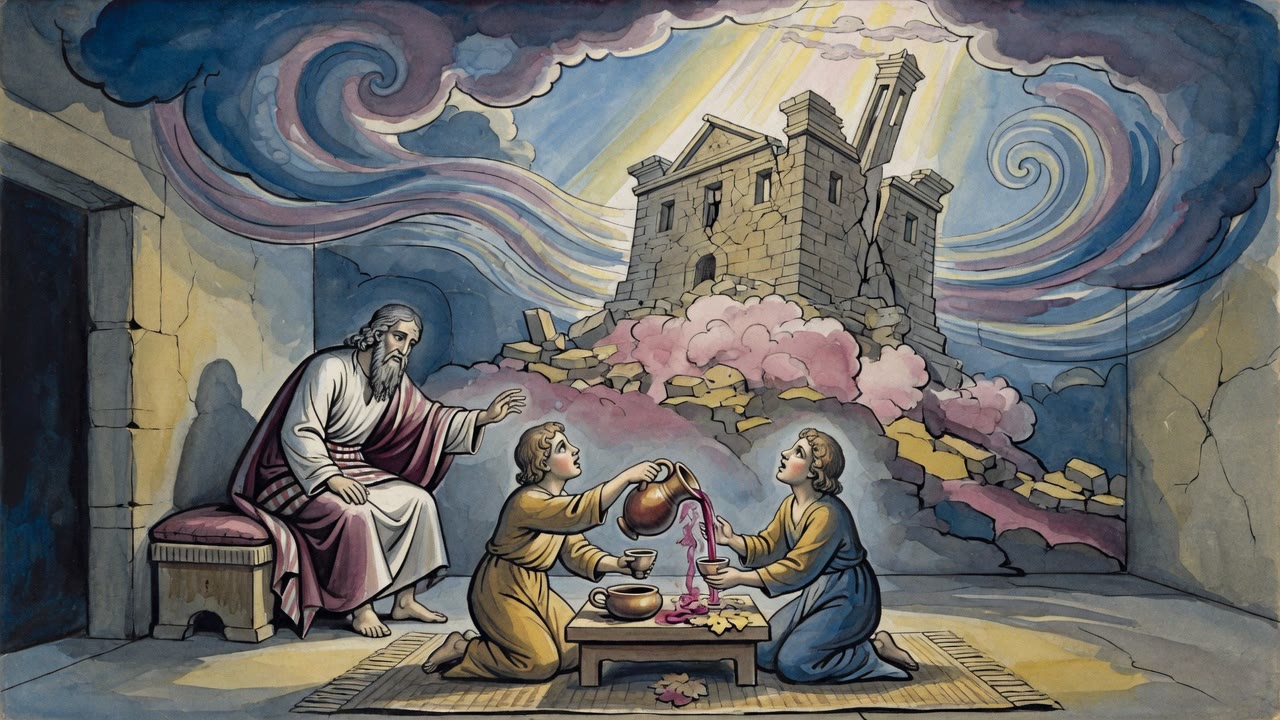
Yehudah HaNasi filled their cups so the silent boys would speak. They told him the Messiah waits until his own chair falls. He winced.
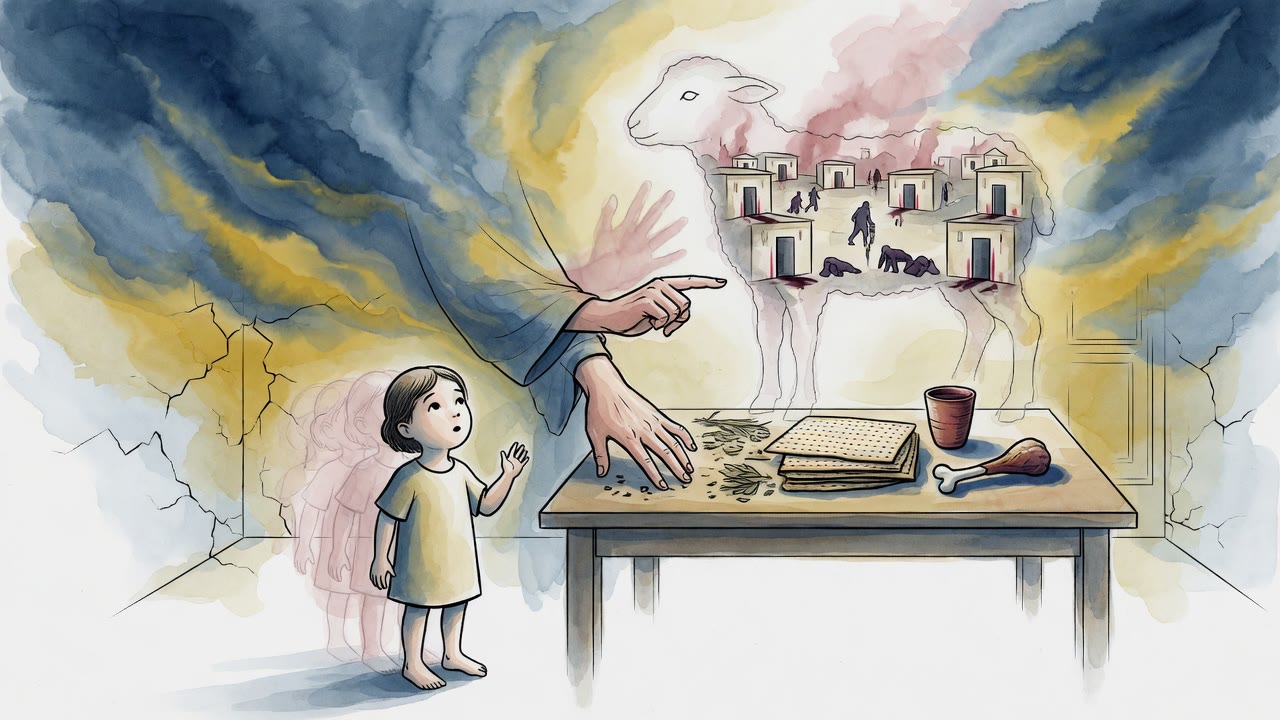
When a child asks what the Passover means, the house remembers both future questions and the many who never left Egypt alive.
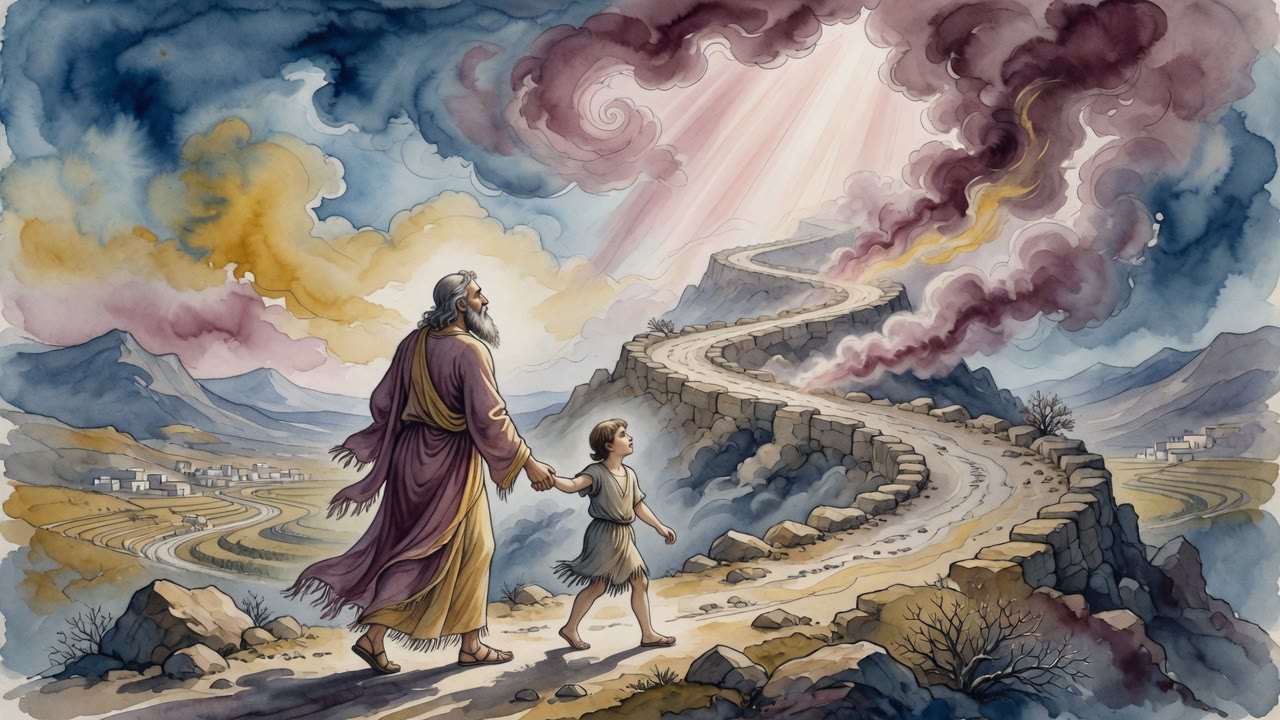
The road up to the Temple was steep and the boy's legs burned. He held on the whole way, and that grip is what made his father bring him each year.
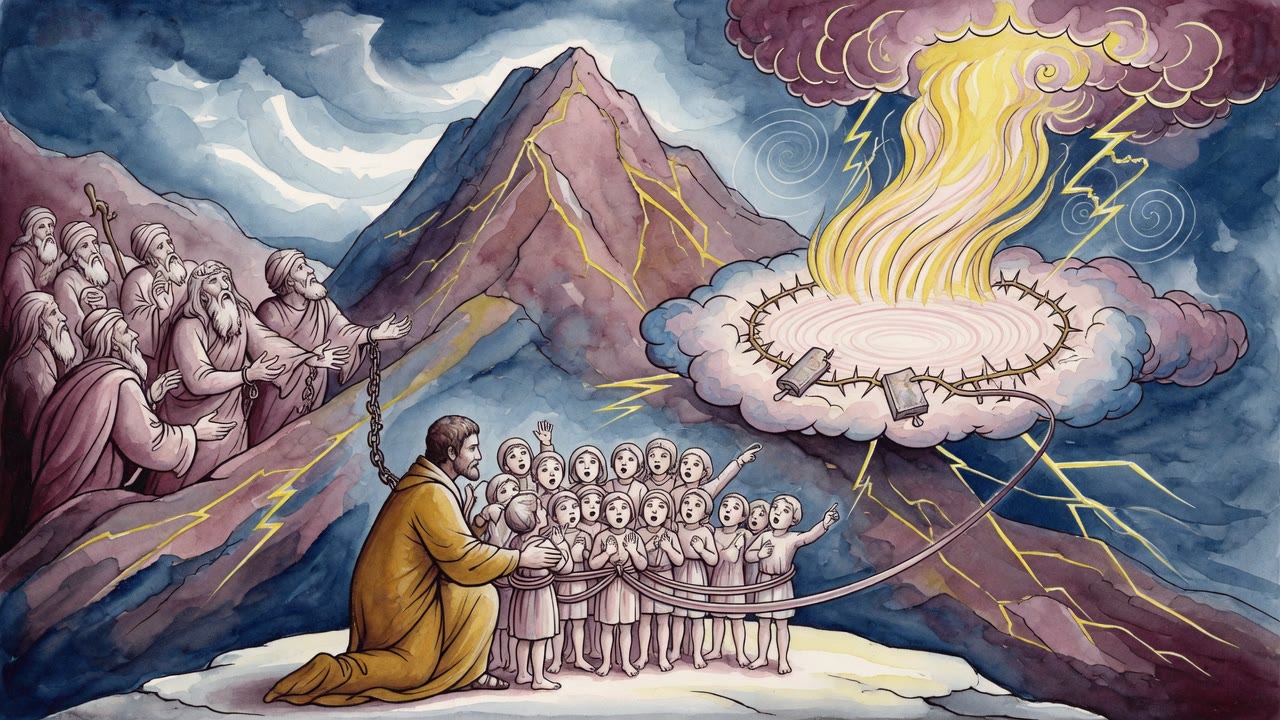
The Egyptian woman opened the chest and did not look up. By morning the gold sat crooked on a sleeping child's hair, and the chest was empty.
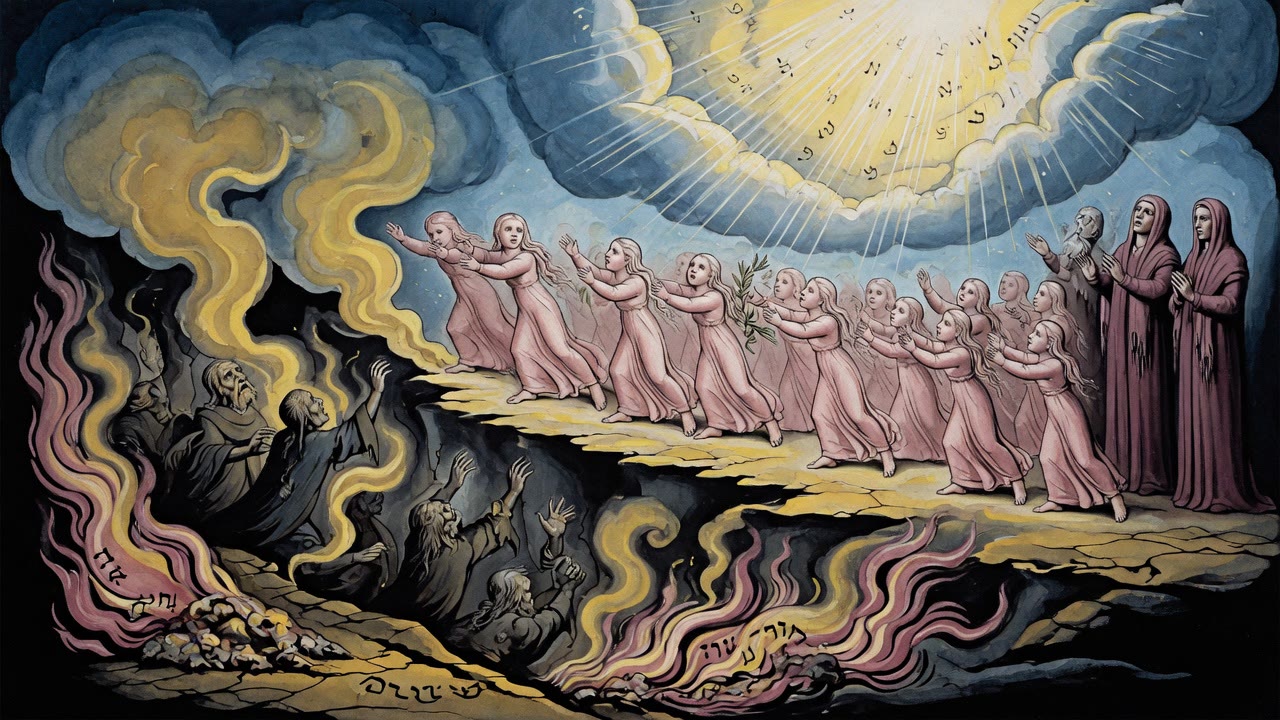
Children who died for their fathers' sins stand among the righteous and plead. Elijah teaches them the plea that pulls the wicked up.
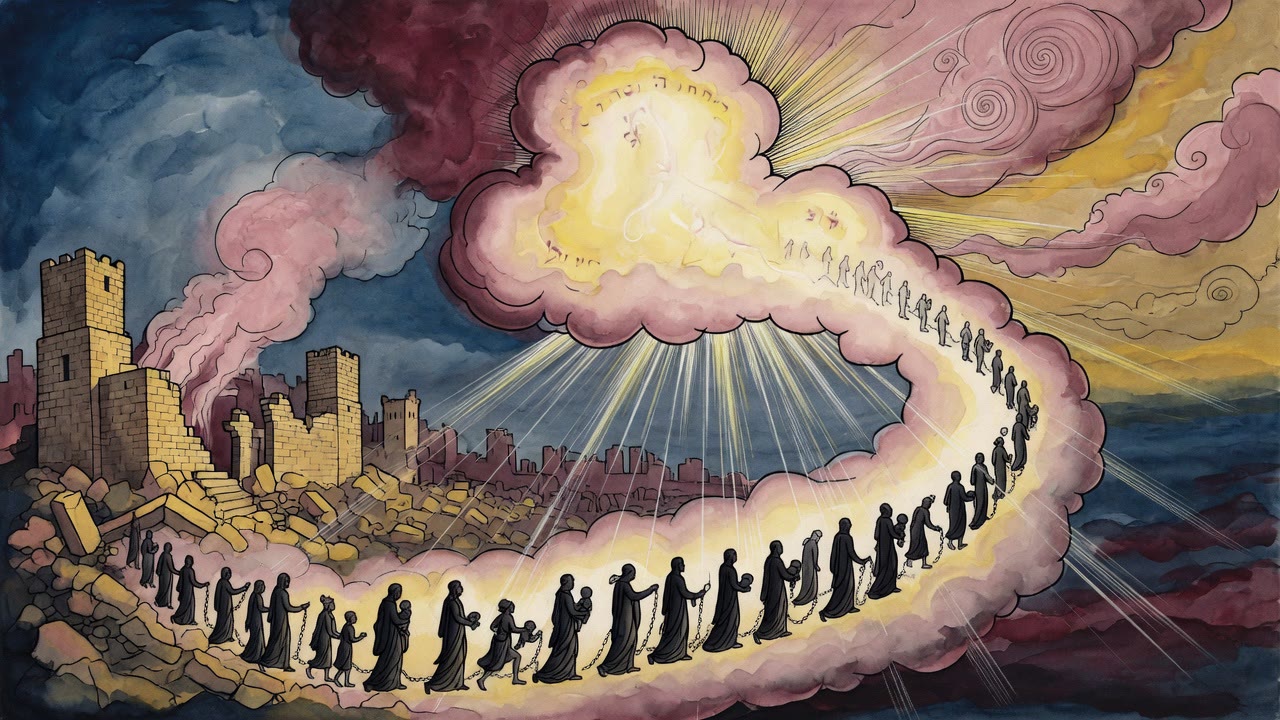
The Sanhedrin left. The priestly watches left. Heaven stayed. Then the infants were led out, and the Presence stood up and walked.
