A Child Asks What Passover Means, and Only a Remnant Had Left Egypt
When a child asks what the Passover means, the house remembers both future questions and the many who never left Egypt alive.
Table of Contents
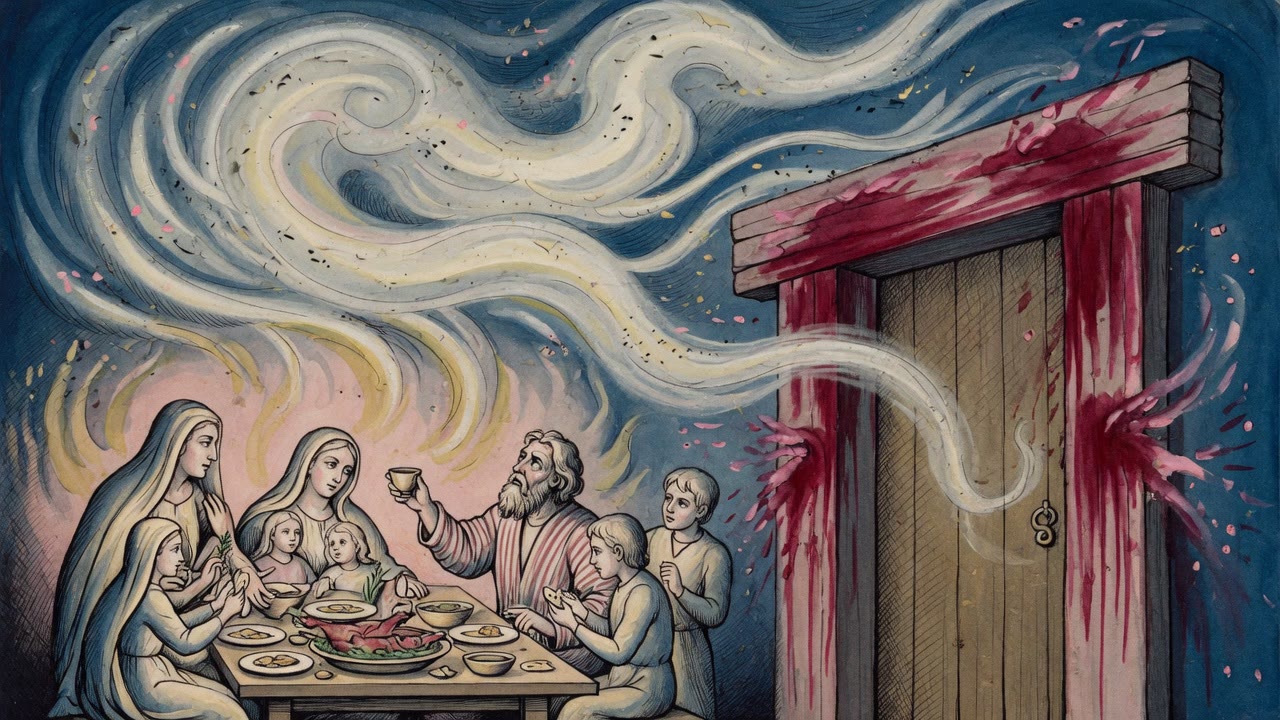
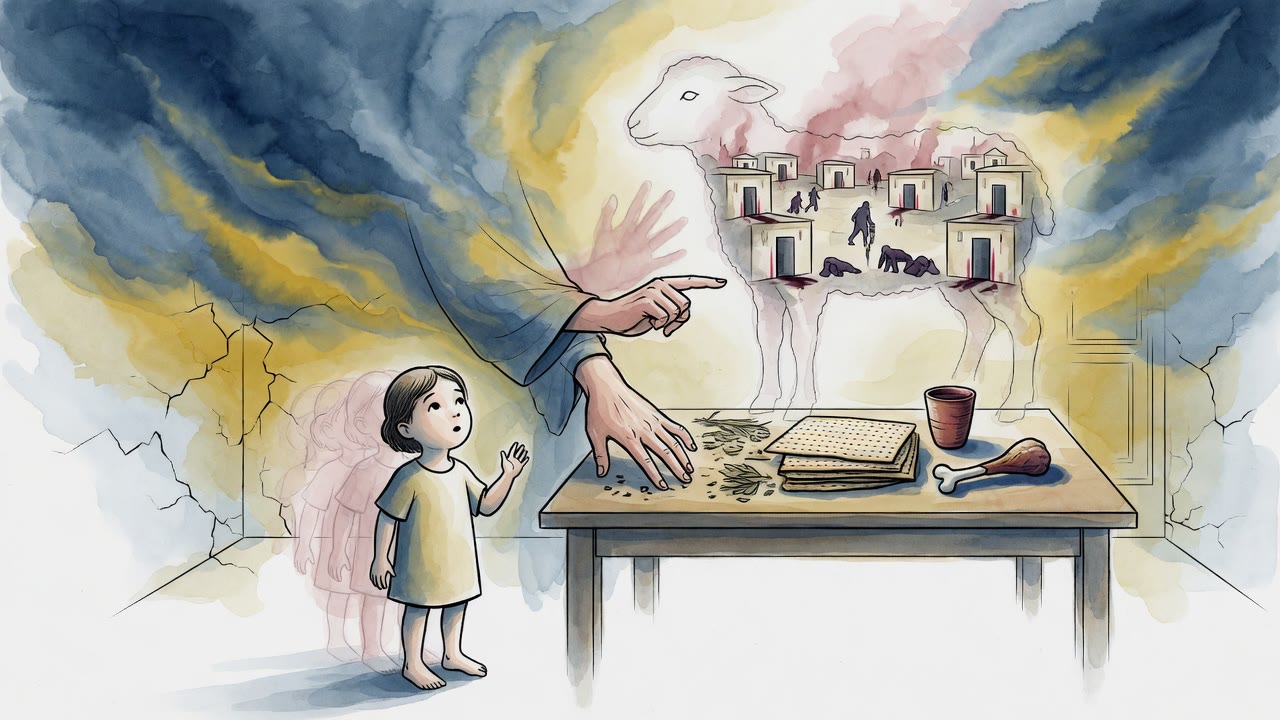
The child turns at the table and asks what the night means. The question is ordinary and loaded. In one house it sounds like curiosity. In the midrash it sounds like two futures speaking through one small mouth.
 Click for full size
Some sages heard a warning: a day may come when Torah is so thin in the world that children must ask because they no longer know. Others heard a blessing: a long line of descendants who will keep gathering to ask and to answer, year after year, as if the question itself were part of the offering.
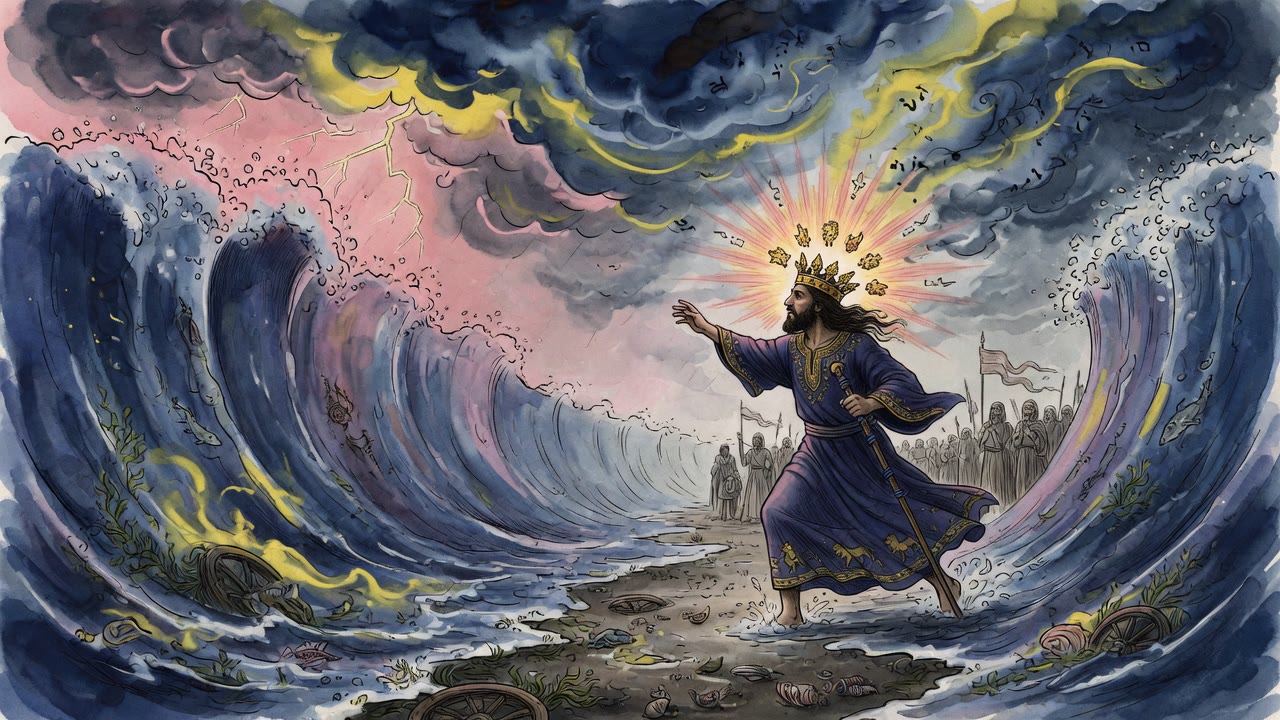
Why They Bowed
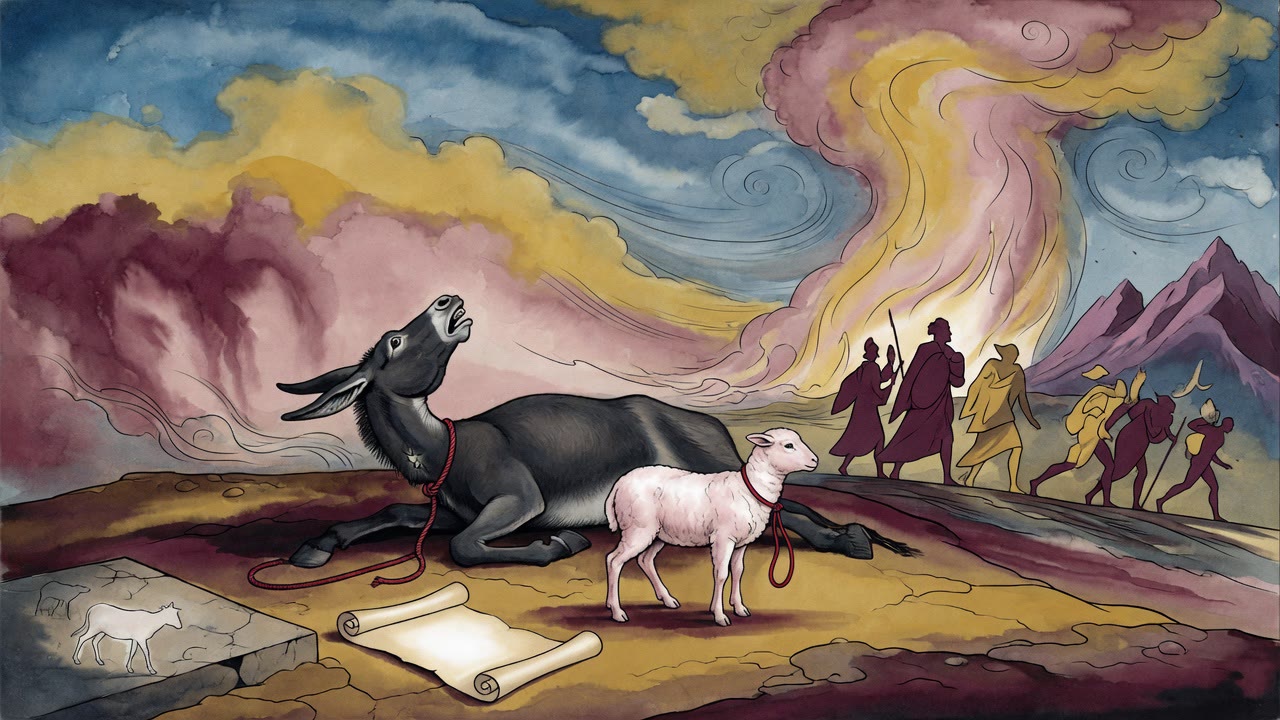
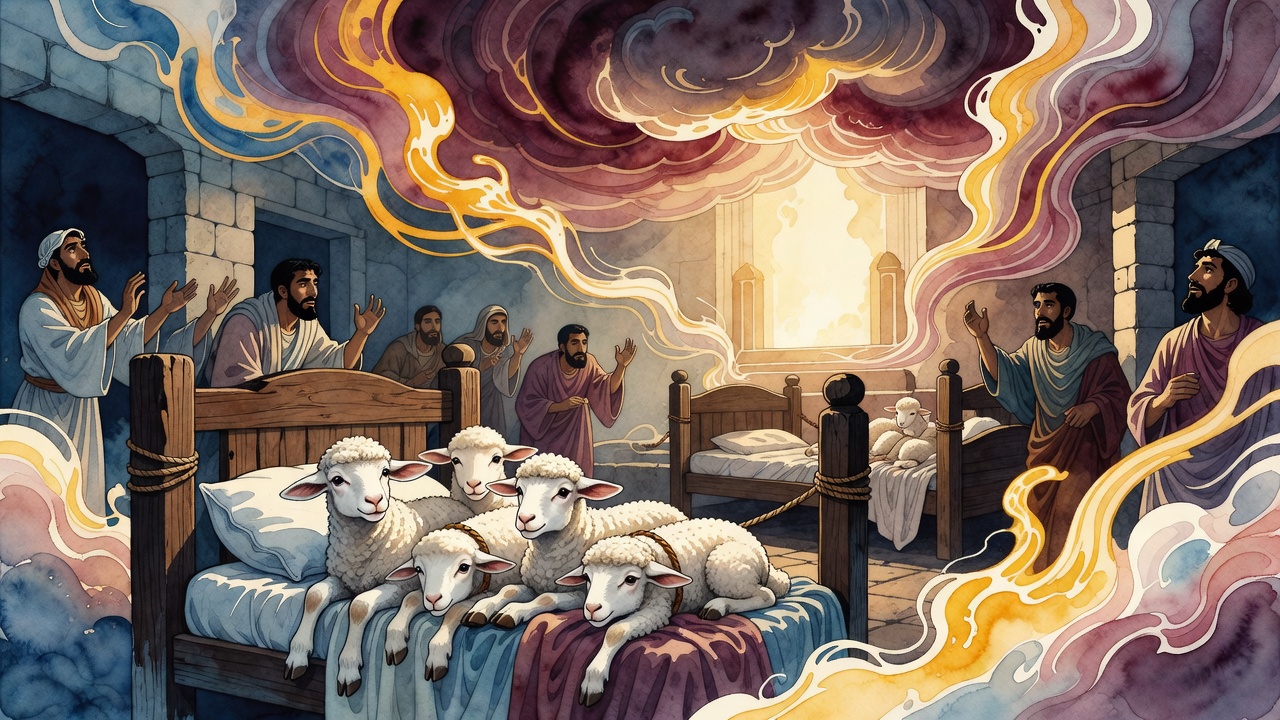
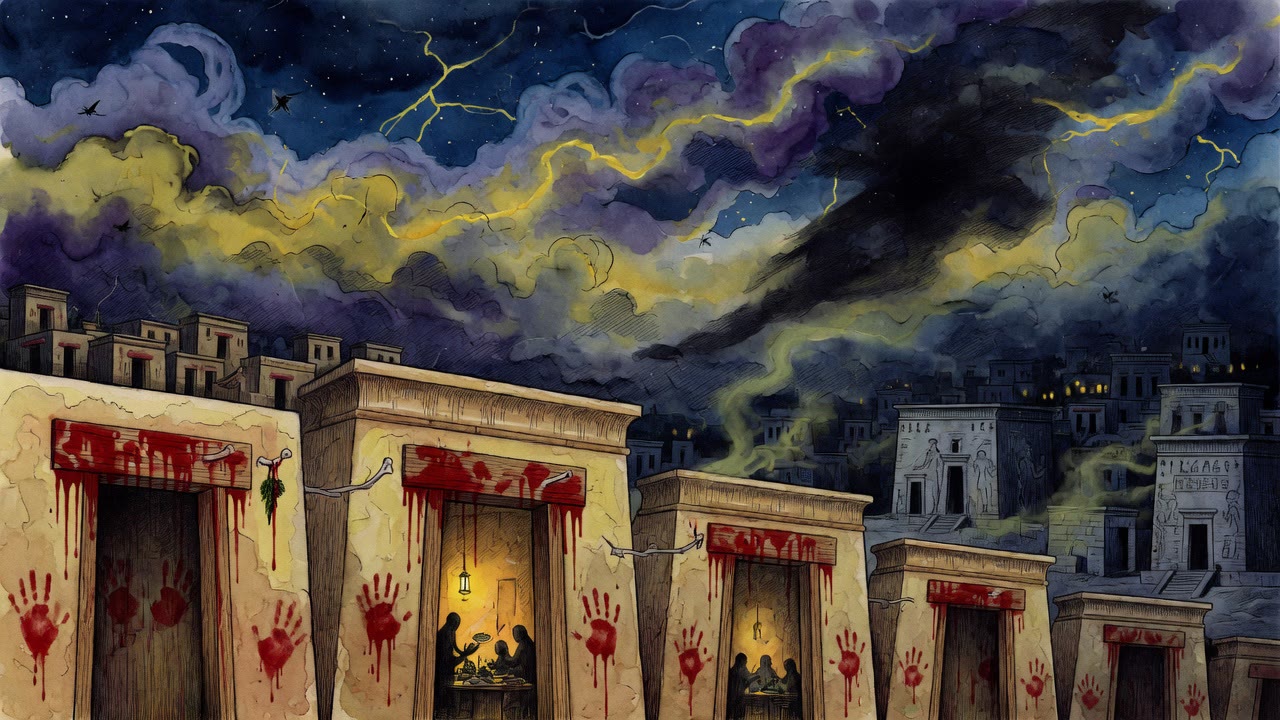
When Israel heard they would leave "armed," the word also suggested a fraction. Only a remnant walked out. Some said one in five. Some said one in fifty. Rabbi Nehorai swore it was fewer than one in five hundred. The rest died in the three days of thick darkness, buried by their own while Egypt could not see and gloat.
So the people bowed with gratitude mixed with grief. Freedom arrived already mourning. The child's later question would sit on a night built over unmarked graves in Goshen.
The lamb on the table is therefore never only dinner. It is the meal of those who made it out, eaten in the shadow of those who did not.
Intention That Can Break the Offering
In the study hall the tone shifts from grief to exactness. Most sacrifices can survive a wrong thought in the slaughter. The Passover and the sin offering cannot. Every act must be for the sake of this night, this owner, this purpose. The small word "it" in the verse is mined until it yields a law: precision is not optional when the meal is freedom's seal.
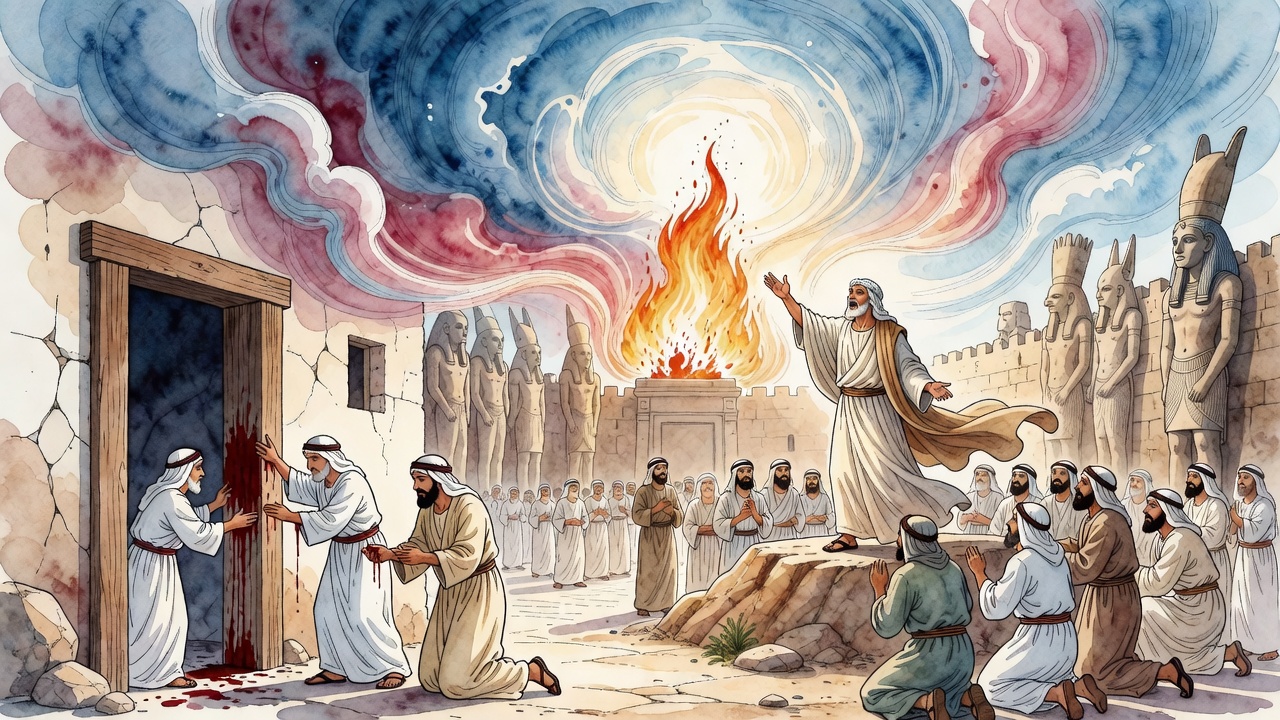
A bone shall you not break in it. The body of the lamb stays whole even while it is eaten. No casual cracking for marrow as if this were any roast. The animal that marks the doorposts keeps its frame intact, a silent insistence that redemption is not scrap work.
Children watch adults refuse to break a bone and learn that some meals have rules that feel like memory more than manners.
Half-Shekels and Easy Paths
Another strand of teaching watches how Israel was taught to give without being crushed. Three times a year the offerings for the Temple treasury moved, and the priests approached the altar with the shekels of the people to seek forgiveness. The collection was announced early, on the first of Adar, so the due date in Nisan would not arrive like a thorn-bush catching a garment at every turn.
Solomon's proverb about the sluggard's path hedged with thorns is turned against Rome's stacked taxes: crop tax, then head tax, then soldiers' levy before the last is finished. God's path for Israel's half-shekel is described as level. Announce. Wait. Collect. Atonement without administrative cruelty.
The child's question about the lamb sits inside a larger education: Heaven's demands come with a road that can actually be walked.
What the House Answers
So the parent answers the child with more than a recipe. We were slaves. We left in haste. Many did not leave. We eat this lamb with intention so sharp that a wrong thought can spoil it. We do not break its bones. We give half-shekels on a schedule that does not imitate empire.
The answer is a map of a people that remembers both survival and loss. The question is the tool that forces the map onto the table once a year so it cannot stay rolled up in a scholar's drawer.
If the question ever dies, the warning wing of the midrash comes true. If the question keeps returning, the blessing wing does.
Night of Two Counts
There is the count of those who left. There is the count of those who ask. Between them runs the unbroken bone and the unbroken duty to explain. A remnant became a nation that trains its children to interrogate the menu.
Egypt's darkness hid funerals. Jerusalem's lamps, later, would hide nothing of the story from the smallest person at the table. That reversal is part of the redemption the lamb seals.
When the child asks, the house is not interrupted. The house is doing the main work of the night.
Bones stay whole on the platter. Stories do not. They crack open under questions and spill dates, deaths, half-shekels, and the exactness of intention. That spilling is how a remnant refuses to stay a remnant in the mind of the next generation.
The child who asks becomes, in time, the adult who answers. The night is built to manufacture that handoff without pretending the handoff is cheap. Too many never left Egypt. The ones who did owe a clear sentence to the smallest person at the table.
← All myths