Tyre Dated Solomon's Temple Before Carthage
Hirom's scribes set the Temple 143 years before Carthage rose. Solomon's copper altar left service the day a greater house opened.
Table of Contents
 Click for full size
Letters Across the Sea
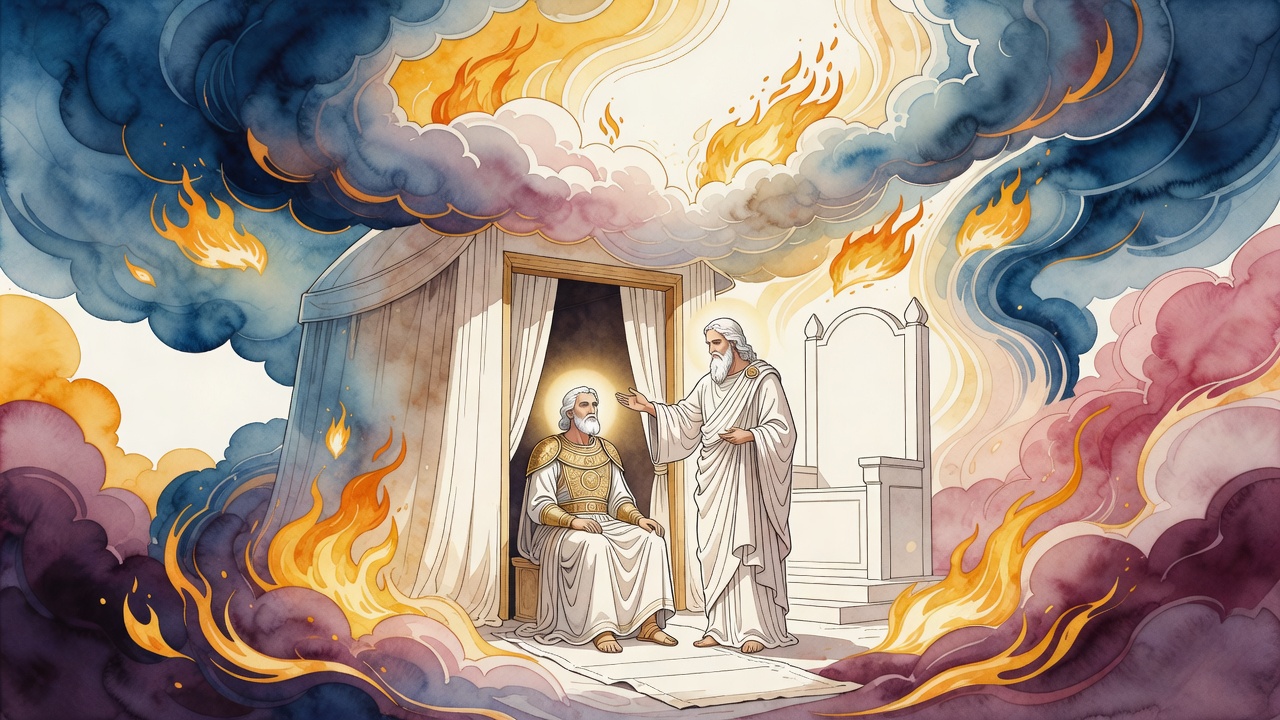
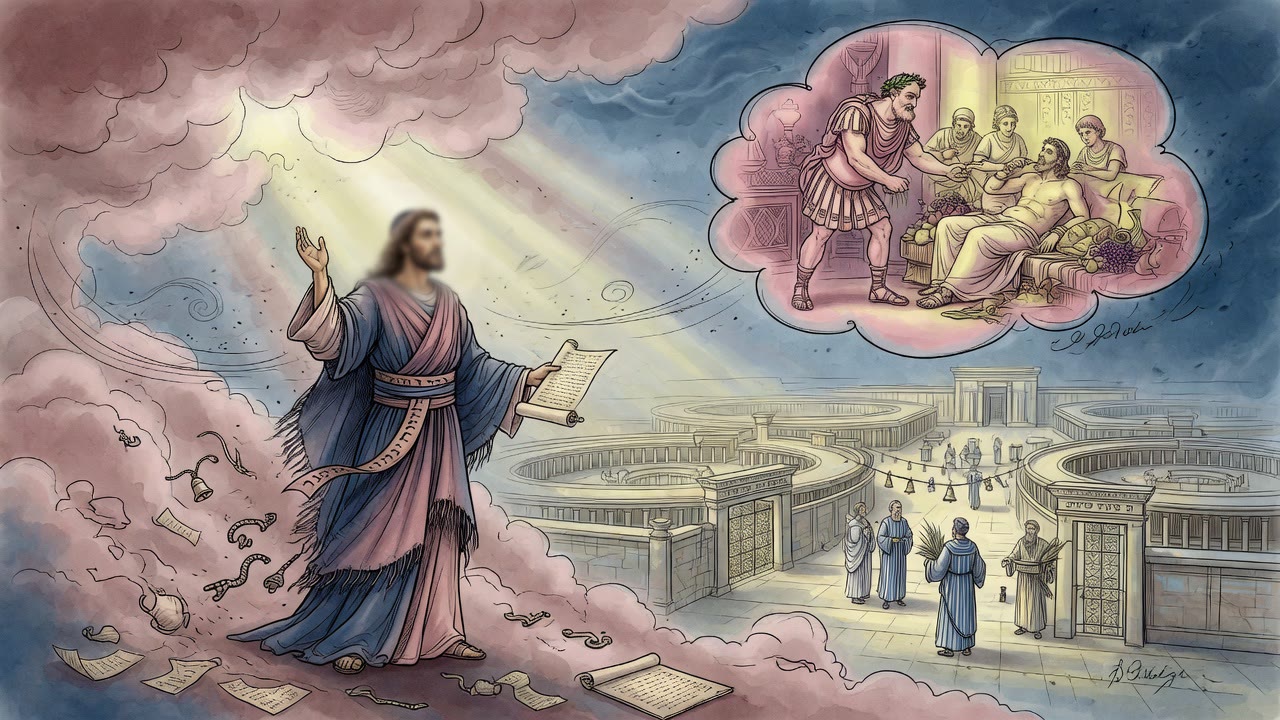
Hirom of Tyre sealed another letter with the same wax he used for ship captains. The problem inside was not about cedar or gold. It was a riddle for Solomon, and the Tyrian king expected an answer sharp enough to sting. Their friendship ran on timber, talent, and the pleasure of out-thinking one another. Mount Lebanon's best wood already rode toward Jerusalem. One hundred twenty talents of gold had left Hirom's treasury for the House that Solomon was raising. Solomon had answered with gifts and a strip of Galilee called Chabulon. Still the letters kept crossing the water, because kings who only trade become clerks, and these two refused to become clerks.
In Tyre the public archives recorded more than cargo. Scribes wrote the years of building as carefully as they wrote the founding of colonies. When they set down Solomon's Temple, they fixed a number that would outlast both thrones. The House was finished one hundred forty-three years and eight months before Tyrians founded Carthage. That line did not belong to Hebrew prophets. It belonged to Phoenician ledgers that counted ports and kings the way other nations count idols.
Solomon read Hirom's riddles at night when the stone dust still clung to his clothes. He answered more often than he lost. The friendship held because neither man treated the other as a supplier only.
A Temple in Foreign Ink
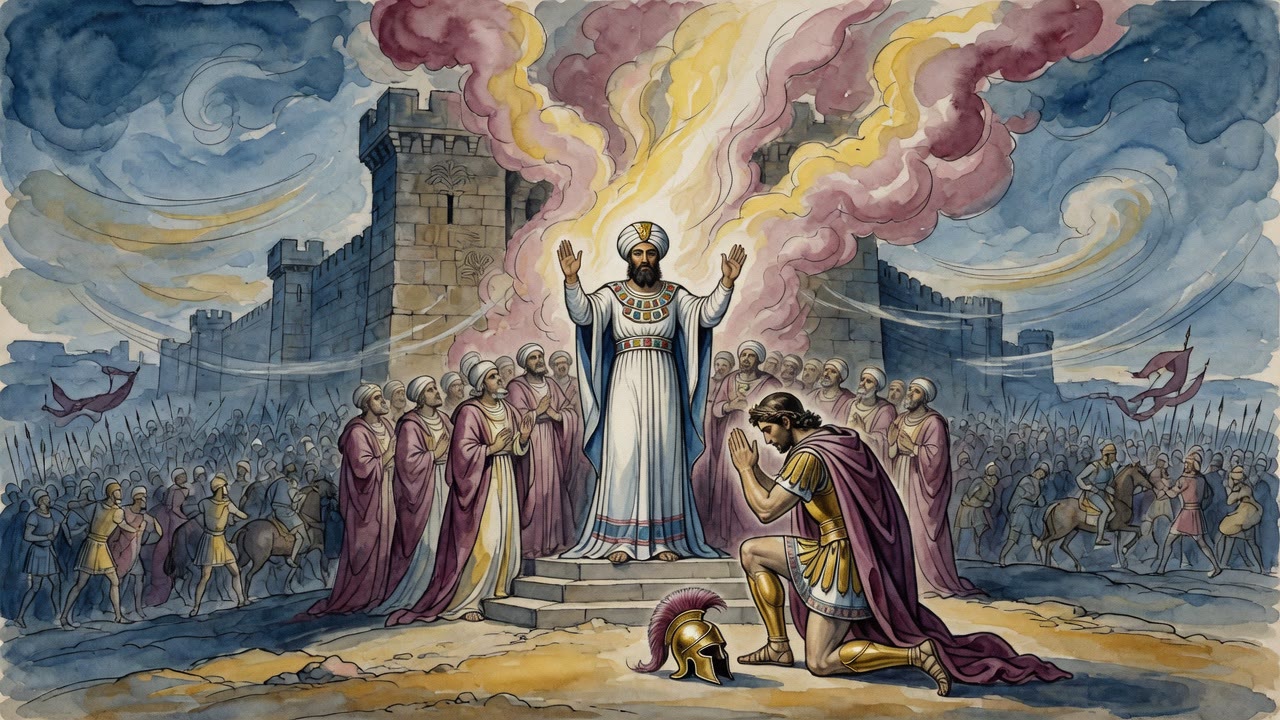
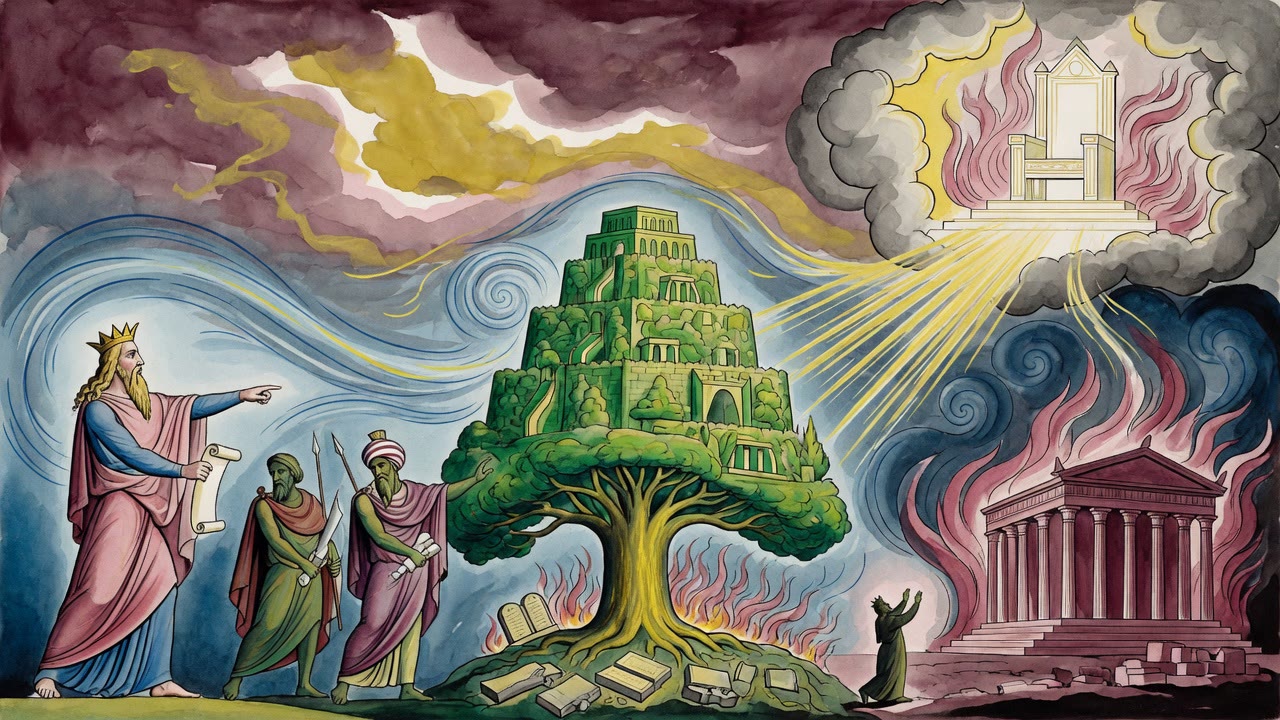
Years later, when strangers called the Jewish past a late invention, those Tyrian numbers still stood. The annals named the Temple because Hirom's bond with Solomon made the building a Tyrian event as well as a Judean one. Friendship inherited from fathers became public history. The roof took Lebanon's height. The gold took Tyre's weight. The date took Tyre's calendar and locked the House into a Mediterranean timeline no Roman sneer could easily erase.
Dius, writing Phoenician history with a careful hand, repeated Hirom's works: the enlarged city, the timber sent south, the exchange of gifts. The Jewish king and the Tyrian king appear side by side in a foreign book, not as mythic twins but as partners whose mail and merchandise left marks in stone and paper. Solomon's wisdom was not only a court story told inside Jerusalem. It was a reputation that forced a coastal archive to keep him on the page.
Carthage would rise later, a daughter city of Tyrian ambition. By then the Temple's dedication was already old history in the same ledgers that would count Carthage's birth. The sequence mattered. It said the House of God was not a rumor invented after empires forgot their neighbors.
A Thousand Offerings on Copper
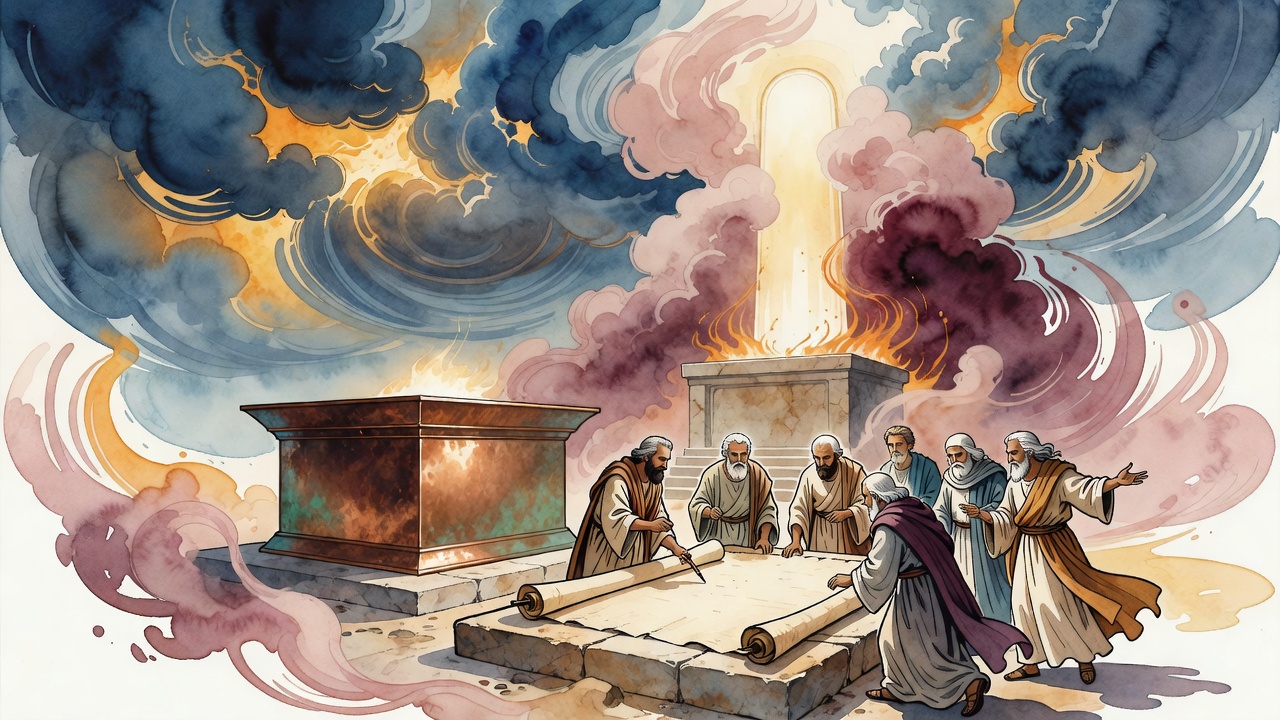
Before the great stones of Solomon's court held their own altar fire, an older copper altar had already carried a king's zeal. Solomon once offered a thousand burnt offerings on that copper face at Gibeon (1 Kings 3:4). Smoke rose until the air tasted of fat and ash. Priests moved like men working a battlefield of gifts. The altar did not crack under the load. It held.
Then the day of dedication came in Jerusalem, and Scripture says the copper altar before the Lord was too small to hold the burnt offerings (1 Kings 8:64). The number shocks first. How does an altar that swallowed a thousand offerings become too small? Issi ben Akiva heard the puzzle and refused a miracle of shrinking metal. The copper had not failed its measure. It had finished its season.
"Small," in the mouth of the verse, works the way a hard word works in the street. Call a man a dwarf and you may mean he is barred, not that his bones shrank overnight. The old altar was set aside, secreted away when the new altar of the Temple took the center. Unfit now meant superseded. The House demanded a fresh beginning unmarked by the long service that had prepared the way.
What Left the Court and What Stayed
Priests who had known the copper's heat felt the change in their wrists. A surface that had taken a thousand animals in one storm of devotion now waited in quiet storage while a greater structure claimed the blood and the fire. Nothing in the retirement mocked the old work. The thousand offerings still stood. The new altar did not erase them. It climbed past them.
Hirom's cedars held the roof above both memories, the copper years and the stone years. Foreign gold had helped raise walls that would out-argue later mockers. When Solomon walked the courts on dedication day, the smell of sacrifice was not only piety. It was proof that a king's friendship with Tyre and a king's zeal at Gibeon had become one House.
Outside, scribes in another language kept counting. One hundred forty-three years and eight months. Then Carthage. The Temple sat in that arithmetic like a peg driven into timber. Anyone who wanted to call Israel young had to argue with Phoenician ink.
Smoke and Ledger
The fire that once crowded the copper face now crowned a different platform. The letters of riddles cooled into state archives. Hirom's name stayed braided with Solomon's in stories told by men who never prayed toward Jerusalem. That braid is its own kind of altar, less holy, still stubborn.
A king plated his friendship in gold and wood. Another king answered with wisdom and land. Between them a House rose that foreign years could measure. Inside it an older altar left the floor without shame, because service can end without failure when a greater service begins.
Smoke thinned. Ledgers closed for the night. The number remained.
← All myths