What the Land of the Deer Reveals About Coveted Power
Thirty-one kings fight over a strip of land none of them plan to live in, where two debt clocks run at once and one word hides God's grief.
Table of Contents
 Click for full size
Thirty-One Kings Who Needed the Address
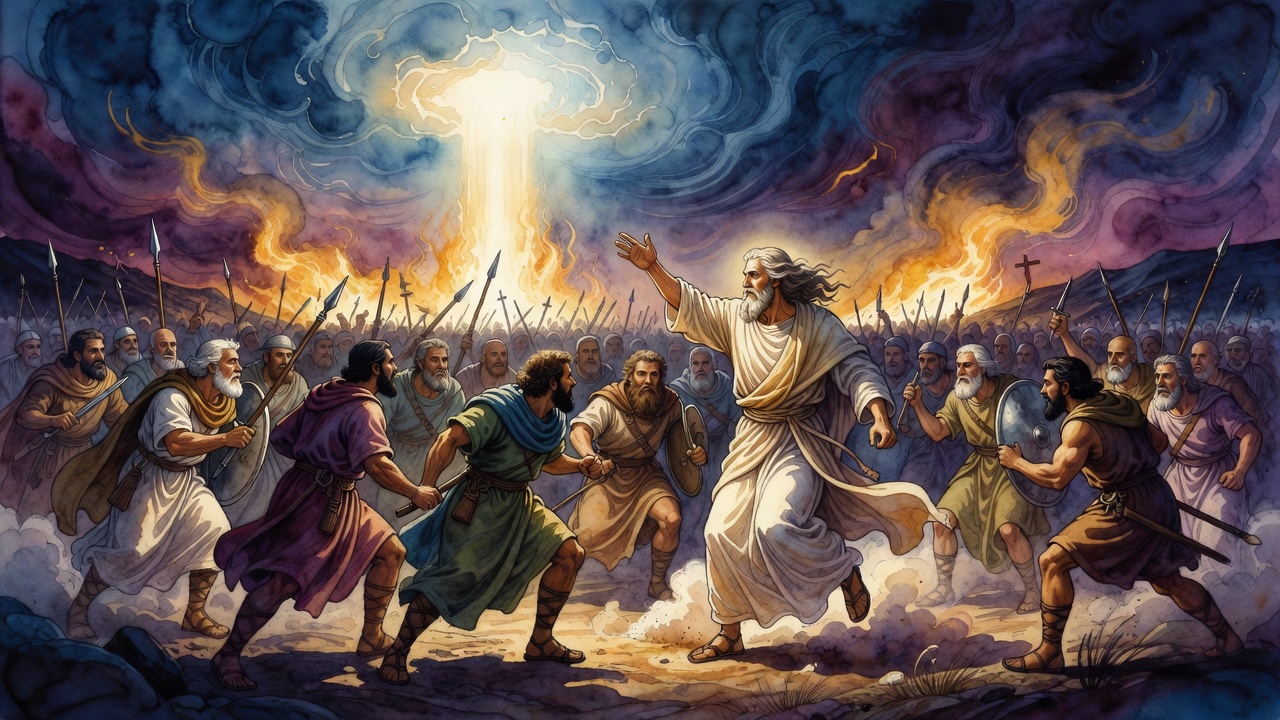
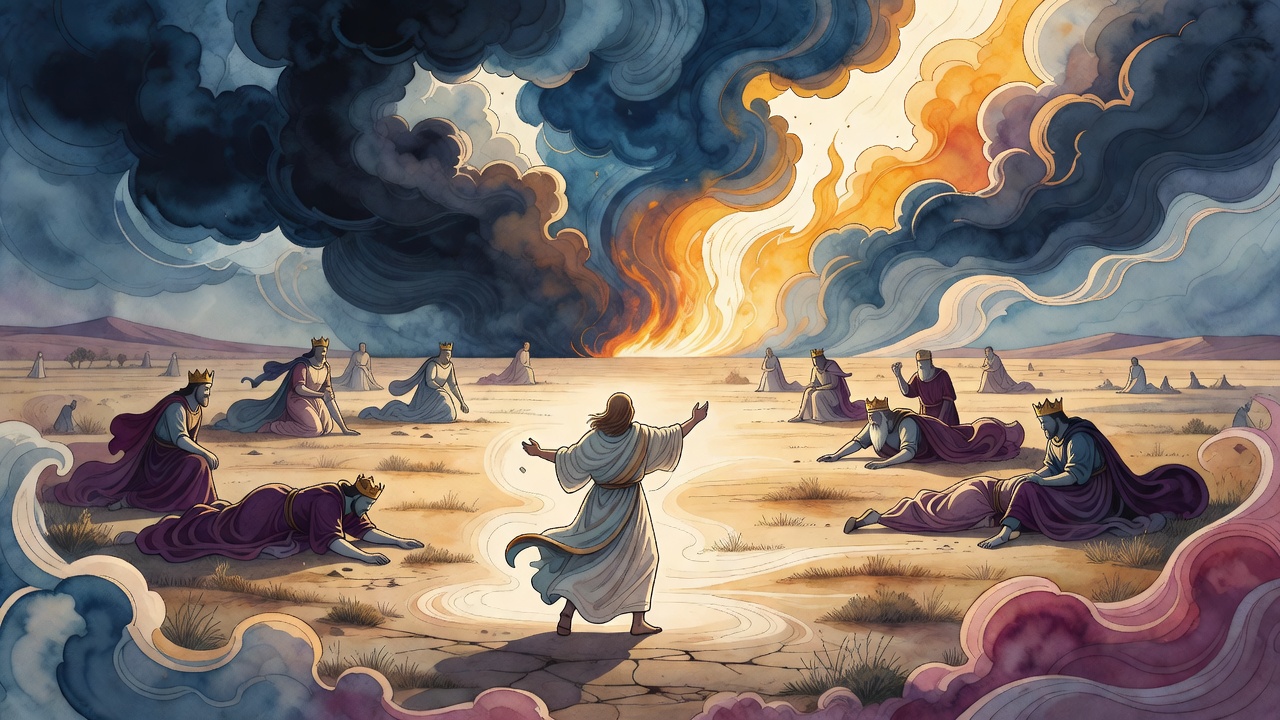
Joshua's conquest list counts thirty-one defeated kings across a territory roughly the size of Vermont. Rabbi Yehudah looked at that number and found it impossible. The geography does not support thirty-one kingdoms. There is not room for thirty-one royal courts and their armies and their tribute routes in that stretch of land.
So he asked: what were they doing there?
He had an answer drawn from his own century. In the third-century Roman world, no warlord of serious ambition considered himself important unless he owned property in Rome. Not to live there year-round. Not to govern from there. But to have the address. A villa in Rome was the proof of arrival, the trophy that turned a regional strongman into a person of consequence. Rabbi Yehudah looked at Canaan and recognized the same pattern operating a thousand years earlier.
Any king who had not seized a hilltop castle in Canaan, even a tiny one commanding no strategic route and generating no meaningful revenue, was not quite a king by the standards of his time. The land was the address. The thirty-one kingdoms were thirty-one people who needed the address before they could feel like themselves.
The Land That Pulled Ambition Toward It
The tradition read this not as mere historical observation but as a statement about the Land's essential nature. It was the kind of place that drew authority toward it, that made the powerful feel incomplete without it, that exercised a gravitational pull on ambition that no other territory in the ancient Near East had in quite the same way.
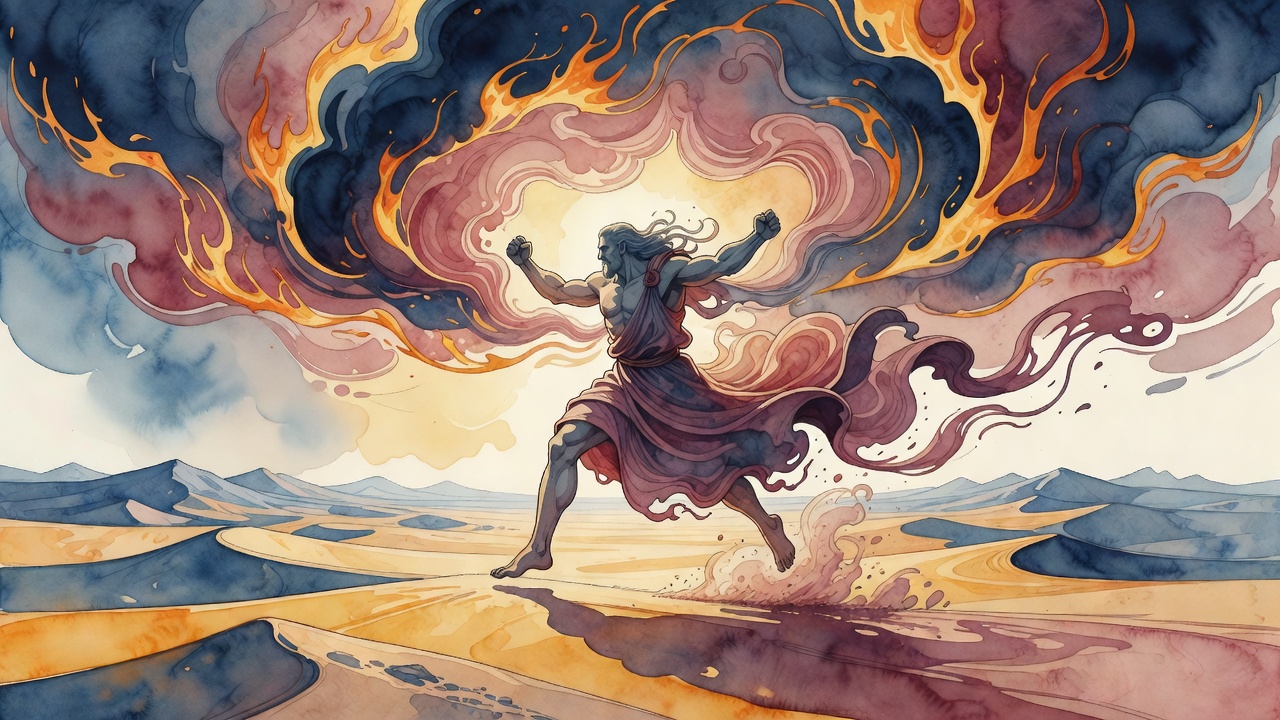
The Land was called the Land of the Deer, and the name carried a quiet mechanism. The deer of the hills stretched when they ran and then contracted again, the skin loosening across the stride and drawing tight at the stop. The Land behaved the same way. It looked small until you tried to hold it, and then it lengthened under the grip until you understood why thirty-one kings had needed even a piece of it. A man could ride its borders in a few days and still spend a lifetime failing to own it. The smallness was the lure. The stretching was what happened after the lure had done its work.
Two Debt Clocks Running at Different Speeds
The Land ran two different kinds of debt cancellation on two different schedules. The seventh year, the Shmita year, released loans. Not all of them, but those between ordinary Israelites, the neighbor-debts. After seven years the slate was wiped. The creditor could not collect. The debt was gone.
The fiftieth year, the Yovel, the Jubilee, worked differently. It released slaves and returned ancestral land to its original tribal families, but it did not release loans the way Shmita did. The two cycles were not simply different magnitudes of the same mechanism. They were different in kind.
The rabbis of Sifrei Devarim asked why the schedules differed. Their answer was structural: Shmita addressed the temporary, the debt between neighbors that had accumulated over seven years and could be cleared on a cycle. Yovel addressed the permanent, the ancestral holding that could be sold but could not change hands forever, the slave who had sold his freedom and had to be returned to it at the appointed time regardless of contract terms.
Both clocks were running in the same Land, at the same time, in the same legal system. A field changing hands carried two countdowns inside it at once, one ticking toward the seventh year and one toward the fiftieth, and a buyer had to hold both numbers in his head before he closed. The Land that thirty-one kings had coveted was also a Land where the economic rules reset on a timetable that no purely economic logic could generate. Heaven was running an audit, and the audit had two different periods for two different kinds of debt.
The Word That Held Grief
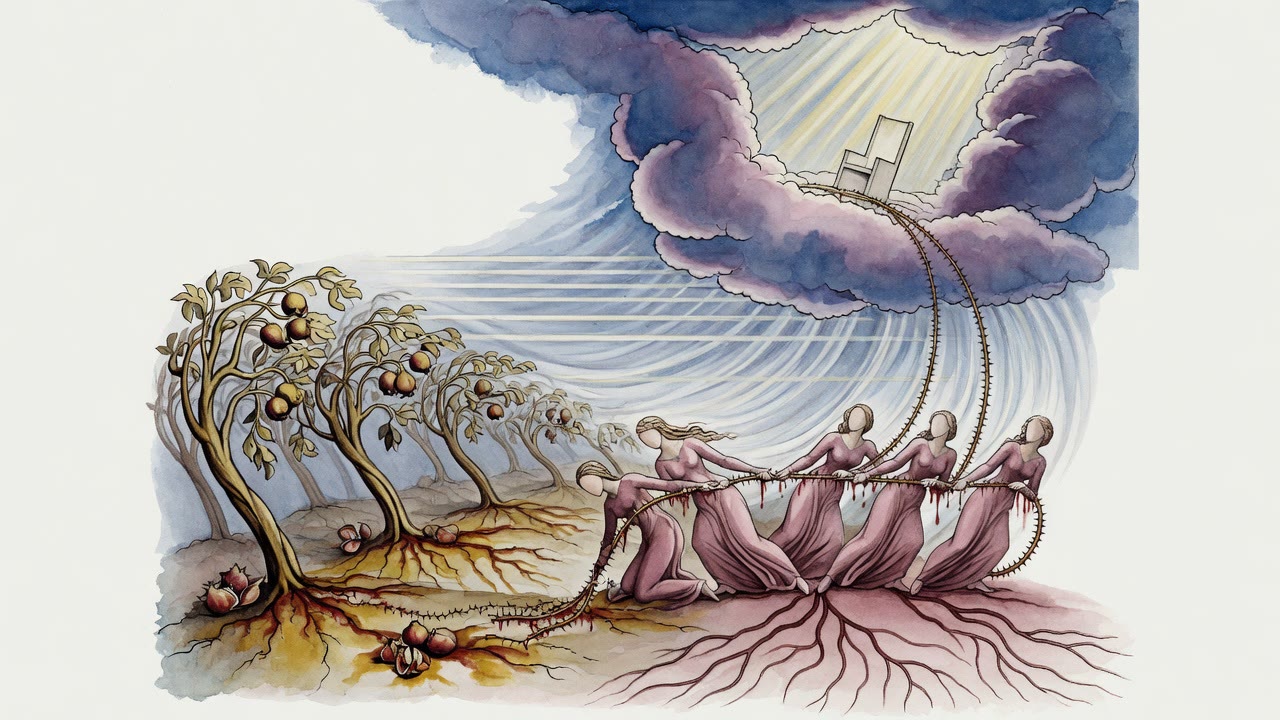
The third image in this cluster was the quietest and the hardest. Moses, near the end of Deuteronomy, uses the word afeihem, referring to the nations God displaced to give Israel its territory. The rabbis noticed that the word had a hidden structure: the letters of the name of God were embedded inside it, backwards, reversed, as if tucked inside the word for the displaced enemies.
They read this not as coincidence but as a signature of divine sorrow. God had driven out the nations to give Israel the Land. But He had not done it without grief. The Name hidden inside the word for those displaced was God's acknowledgment that He knew what it cost the others, even when it was necessary, even when they had forfeited the Land through their own choices. The reversal mattered. The letters did not sit in their ordinary order, as if the Name itself had turned away from the sight of the displacement even while remaining inside the word that named it. The hidden letters were not a proof of divine indifference to the dispossessed. They were the opposite: a marker of the One who knew what the dispossession meant and carried that knowledge inside the very word that described it.
← All myths