What the Land Says When You Name It and Bring It Fruit
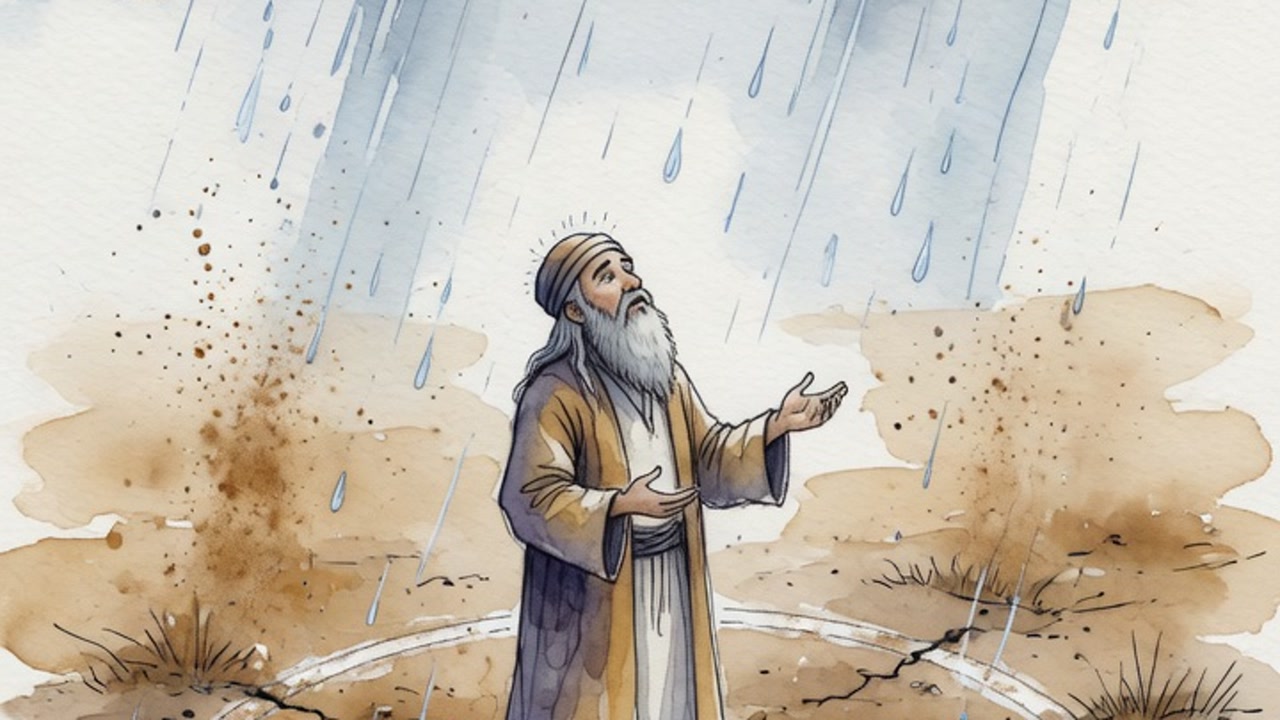
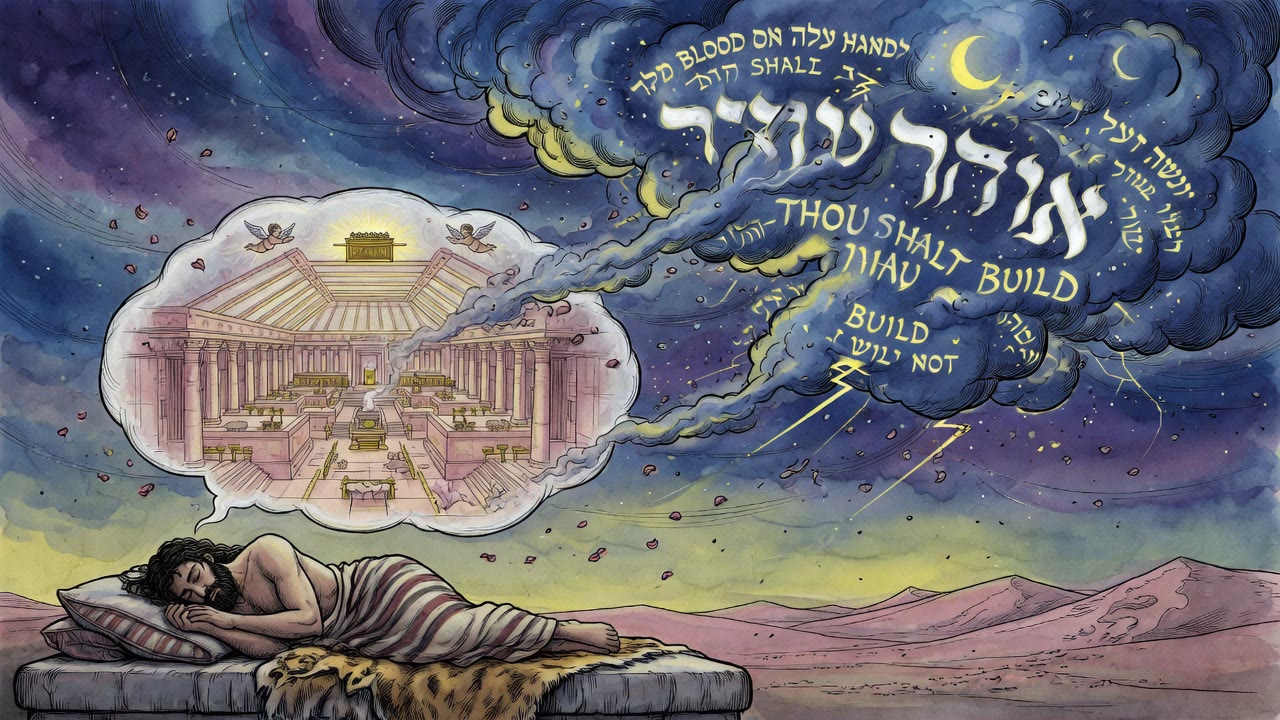
Four kings fought for a forgotten hill town just to name it. A basket of figs carried to the priest says more than the figs. The land hears everything.
Table of Contents
 Click for full size
Four Kings and a Forgotten Town
The town was called Dvir, and before that Kiryat Sefer, and before that Kiryat Sanah, and before that Danah. Four names for a small hill town in the Judean south, somewhere past Hebron, off any route a pilgrim would walk. Sifrei Devarim called it the refuse of the land, the leftover scrap after better cities had been claimed.
And four kings had fought for the right to name it.
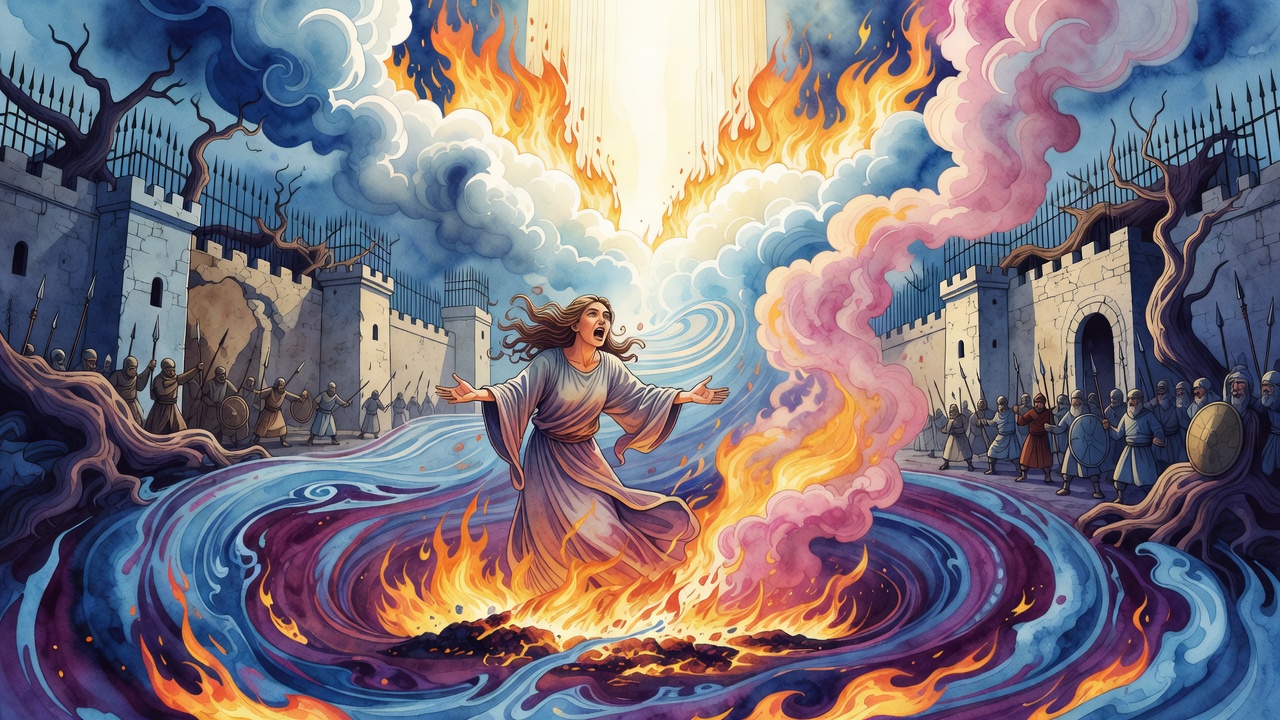
Not for its silver. Not for its grain or its wells or its position on a trade road. For the right to press their name into it. Each king said, let it be called after me. Each one wanted to be the word that stuck to that particular piece of ground. The midrash pressed the point with a kind of savage satisfaction. If kings went to war over the refuse of the land, over the scrap and the leftover, what would they have done for the choice portion? What would they have done for Jerusalem?
The answer is: exactly what they did. Every conquest in the history of Canaan was a naming dispute dressed in armor.
The Mountain That Praises Itself
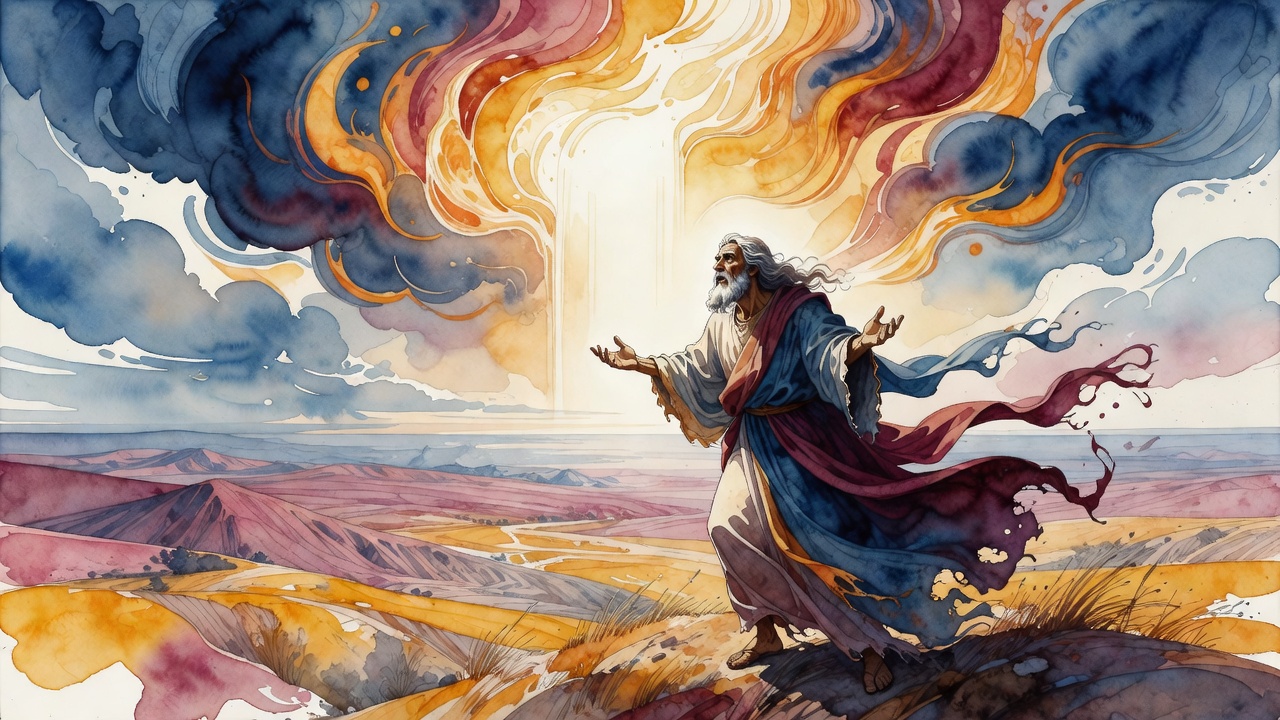
Sifrei Devarim turned from the town to the landscape and heard the land speak. The mountains of Israel praise themselves, it says. They announce their own qualities. The high country says, I am fruitful. The lowland says, I am wide. The valleys say, I am where the grain grows. The coastland says, I am where the ships come in.
This is not vanity. This is testimony. The land knows what it is. It does not wait to be described by an outside observer. The mountains of the Galilee, the plains of Jezreel, the Judean hills, the Jordan valley, each one is a different kind of witness to the same country, each one holding a different piece of what makes the land holy.
And the holy land, Sifrei Devarim says, is holy not because of what grows in it but because of the presence that saturates it. The mountains praise themselves because they know what they are holding. The ground that once received the Shekhinah (the Divine Presence), that once held the footprints of the patriarchs, that was named and renamed by kings who understood that to name a place is to claim it, that ground remembers. It knows whose land it is.
What Deuteronomy Says About the Clothes You Wear
The prohibition on cross-dressing in Deuteronomy 22:5 seems narrow until Sifrei Devarim opens it up. A man shall not put on a woman's garment. A woman shall not take up a man's weapon. The rabbis were not primarily worried about costume. They were worried about deception in acts of war and deception in acts of intimacy, the two situations where false identity causes the most damage.
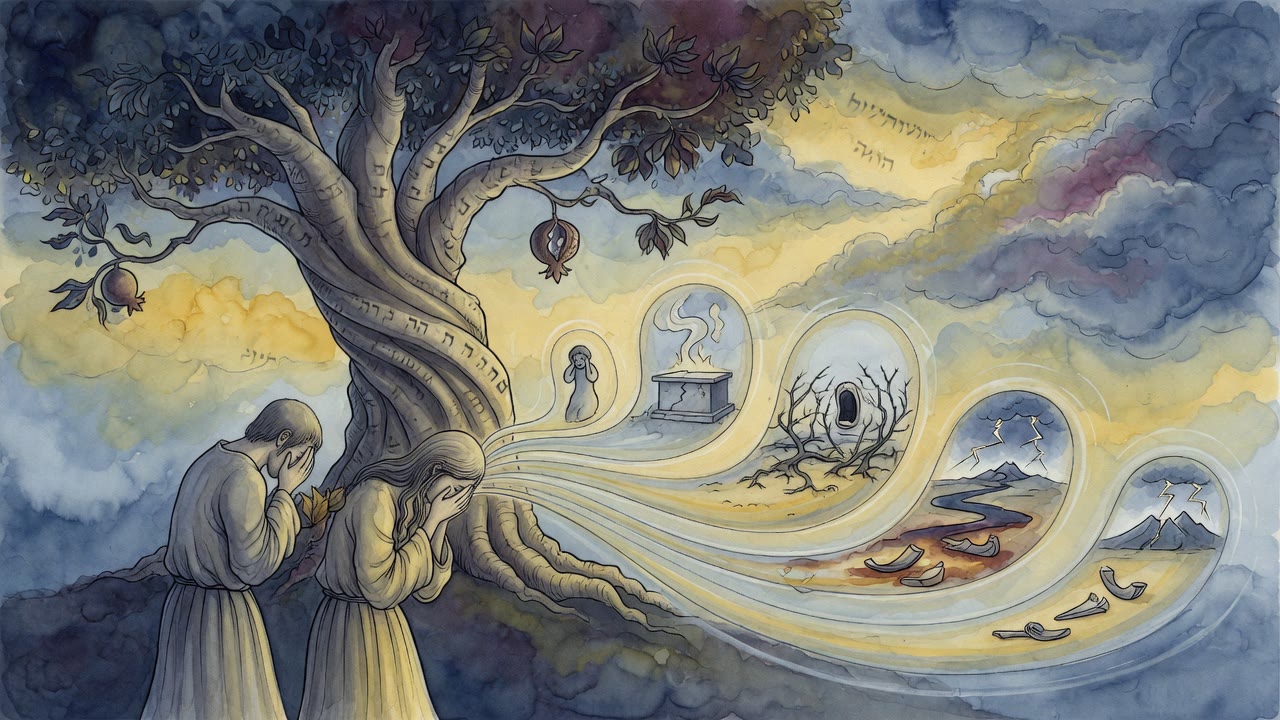
But underneath the legal ruling was a broader principle about clothing as confession. What you wear is what you say you are. The High Priest's vestments were a confession. The Israelite farmer's work clothes were a confession. The basket you carried to the Temple on first fruits day was a confession in woven reeds and ripe figs. Every garment, every basket, every name pressed into every hill town was a statement about who you were and what you belonged to.
The man who wore the wrong garment was not merely breaking a rule. He was lying about his body, about his history, about his place in the covenant. And the land, which had heard the truth spoken by mountains, would not receive a lie dressed in cloth.
What You Are Professing When You Carry the Basket
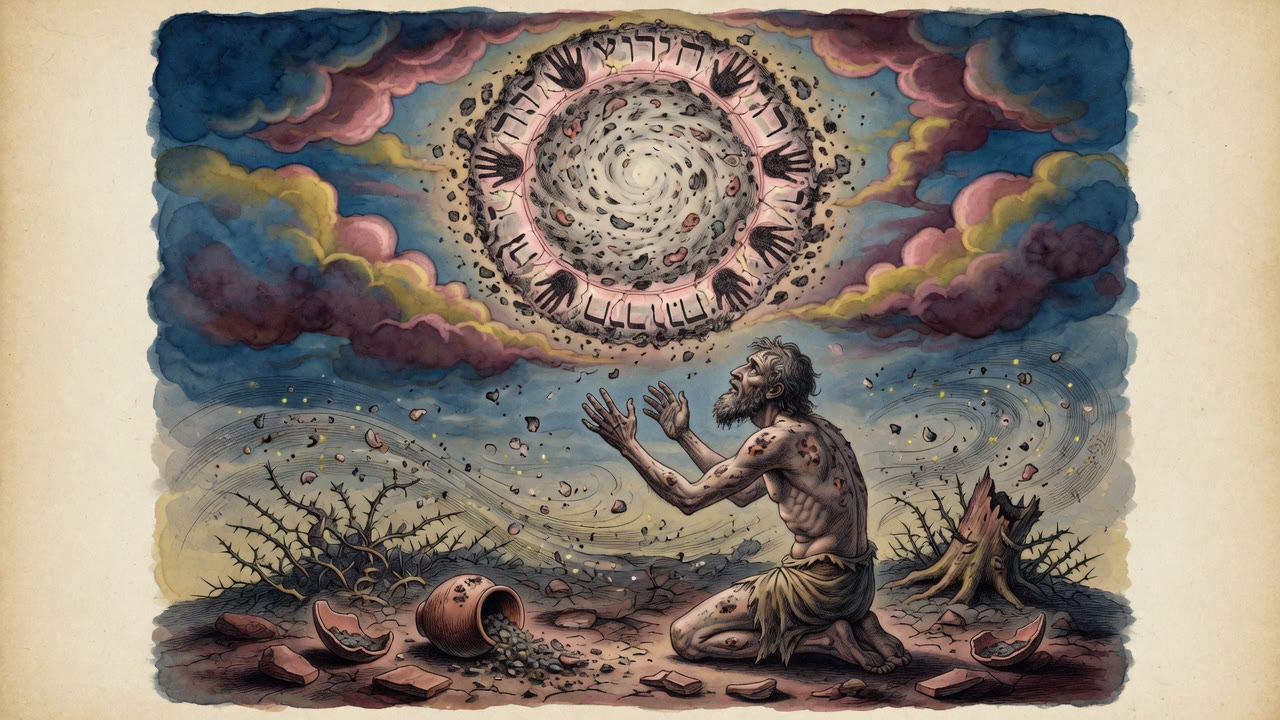
The first fruits ceremony in Deuteronomy 26 is built around a speech. The farmer arrives at the Temple carrying a basket of the first and best of his harvest. He hands it to the priest. The priest sets it down before the altar. And then the farmer speaks: A wandering Aramean was my father, and he went down to Egypt few in number, and there he became a nation, great, mighty, and populous (Deuteronomy 26:5).
The speech does not describe the figs. It describes a whole history. The wandering. The slavery. The exodus. The wilderness. The gift of the land. By the time the farmer finishes speaking, the basket of fruit has become a compressed archive of everything that had to happen for fruit to be possible in this particular field in this particular year.
Sifrei Devarim asked what the basket was really for. The priest did not need the figs. The Temple ran on tithes and offerings by the wagonload. One farmer's basket was not the point. The farmer was the point. The speech was the point. The act of standing in front of God and saying, this is who I am, this is where I come from, this is what I am bringing because this is what was given to me, that act was the offering. The figs were the proof that the speech was not empty.
← All myths