12 myths
Each story names the sources it was written from.
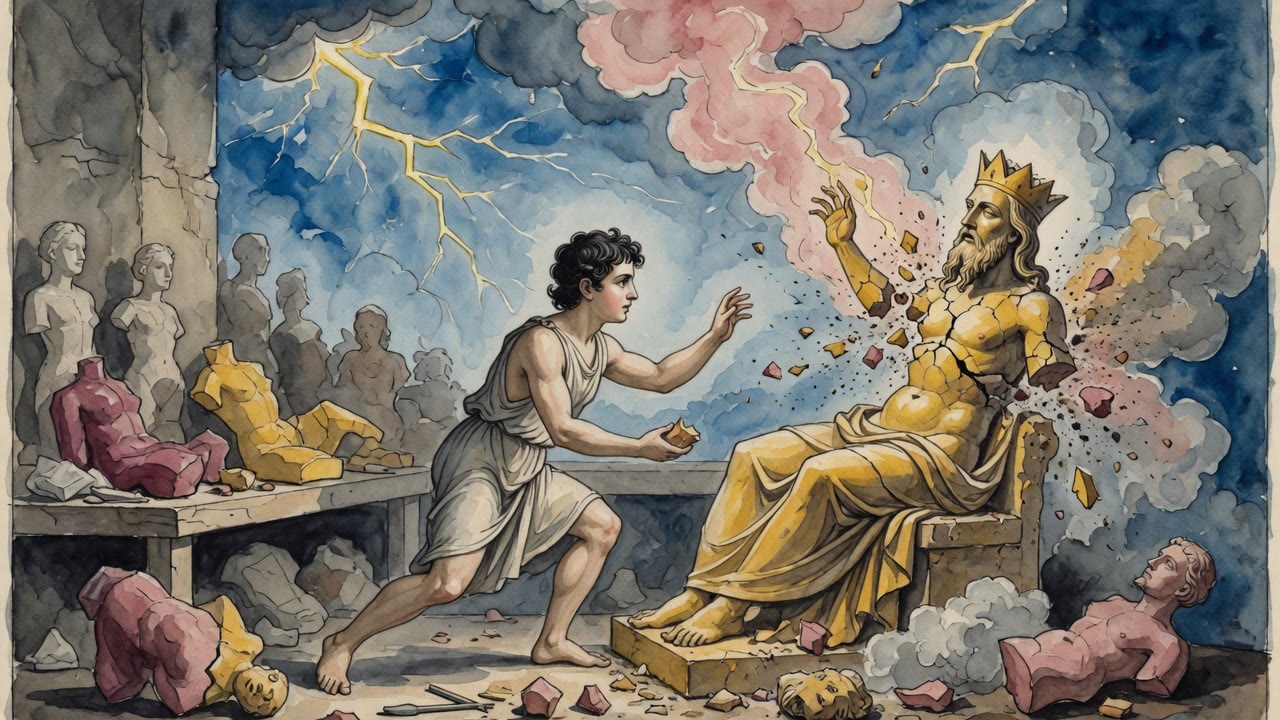
Abraham helps carry an idol home from the workshop. It falls. He asks his father what god cannot hold itself upright.
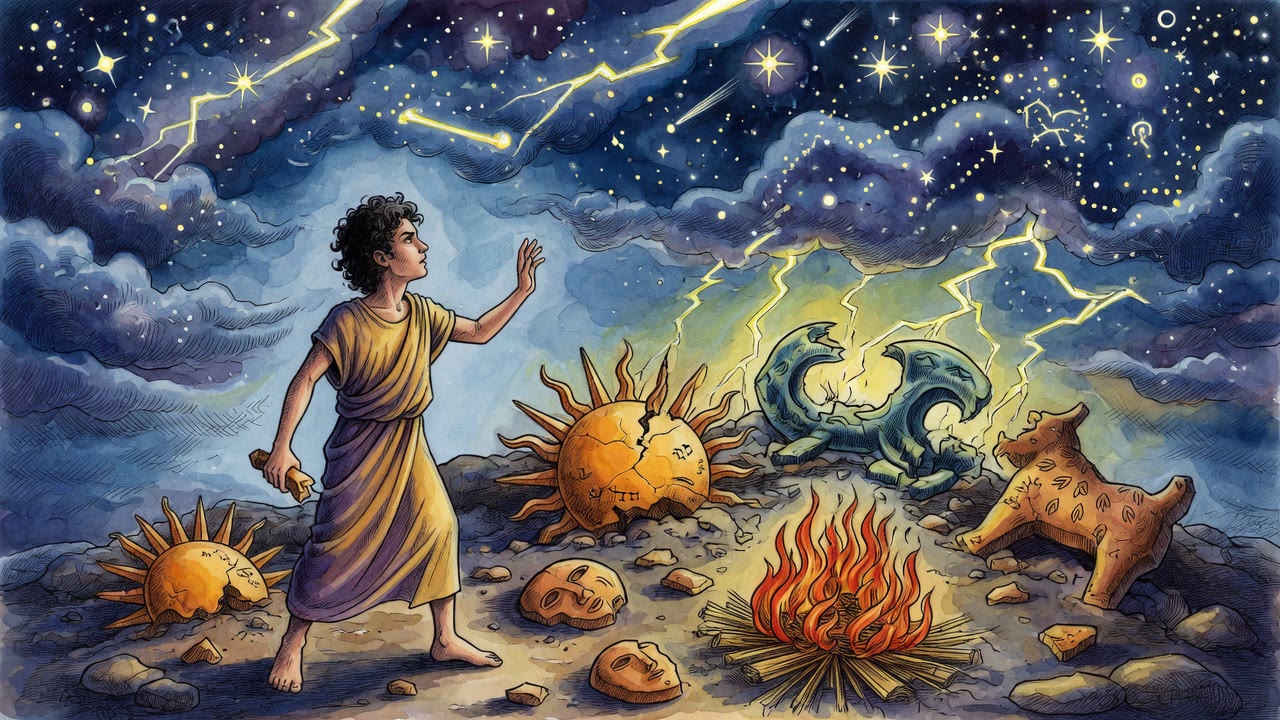
Before God called Abraham, Abraham was already thinking. He worked through fire, water, earth, and the sun one by one until he found what none of them could be.
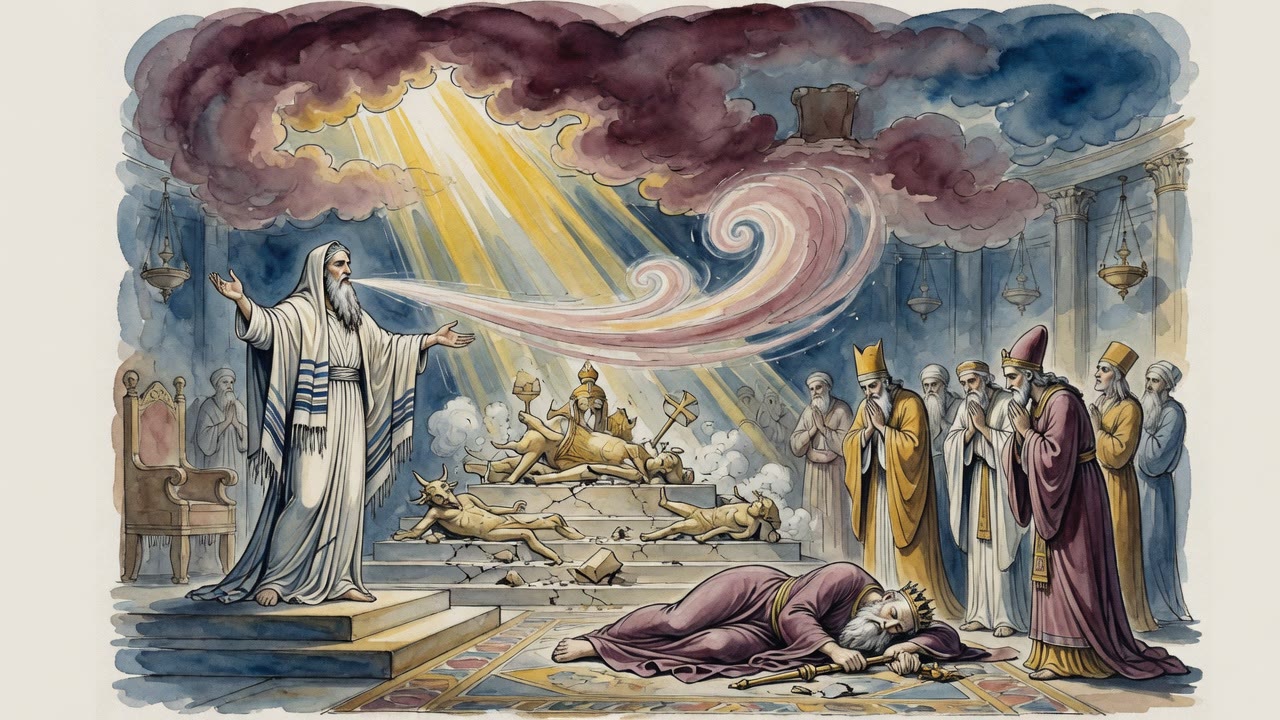
Abraham proclaimed the living God and the idols fell. So did Nimrod, lying senseless for two and a half hours while his court stood around him in silence.
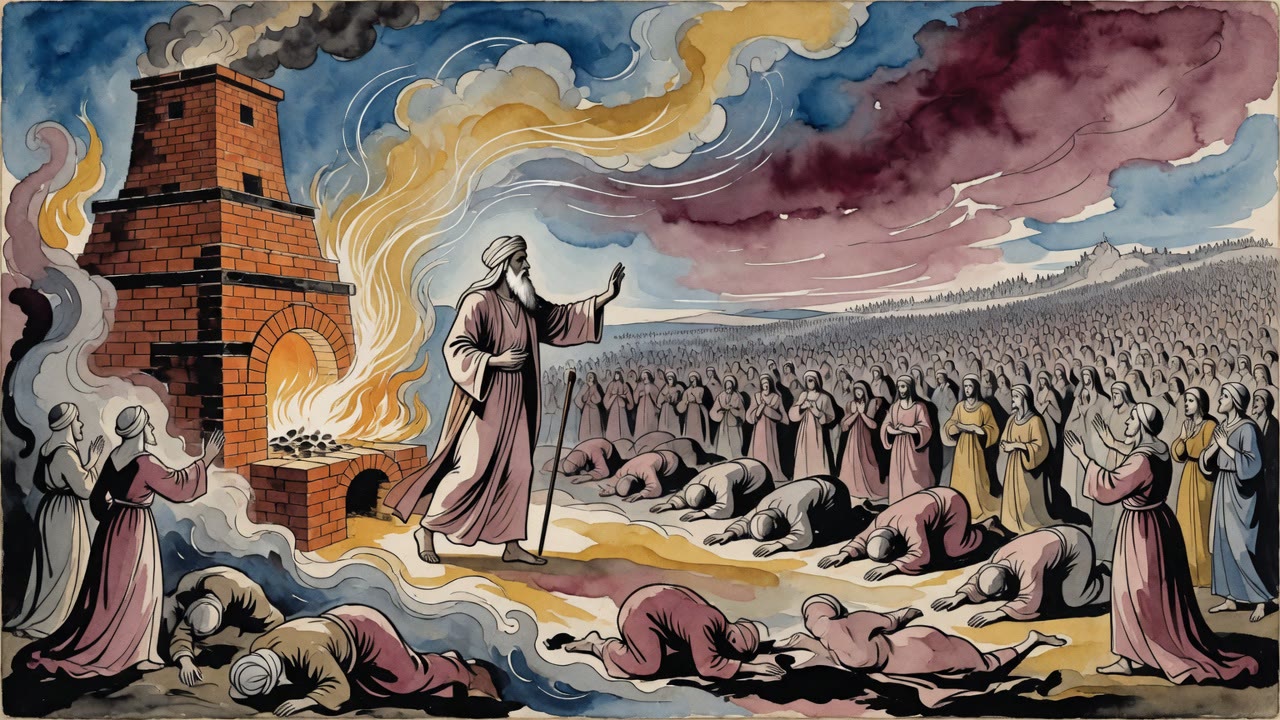
Terah had reported his own son to the king. Three days later Abraham walked out of the fire, cords burned off, the governors flat on the ground.
The serpent spoke a word no creature had ever said before. Philo of Alexandria argues that word, not the lie, was the real crime.
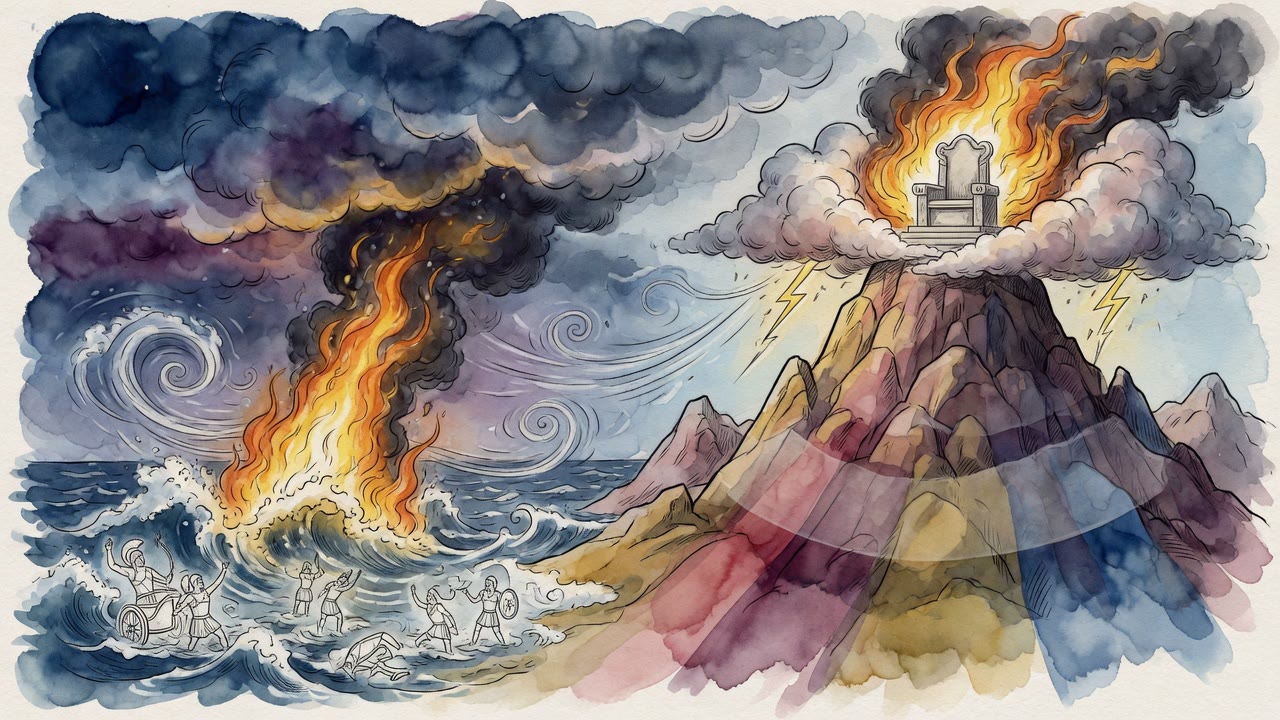
At the sea God came as a warrior. At Sinai He came as a merciful elder. The mountain wore six names so no nation could split Him in two.
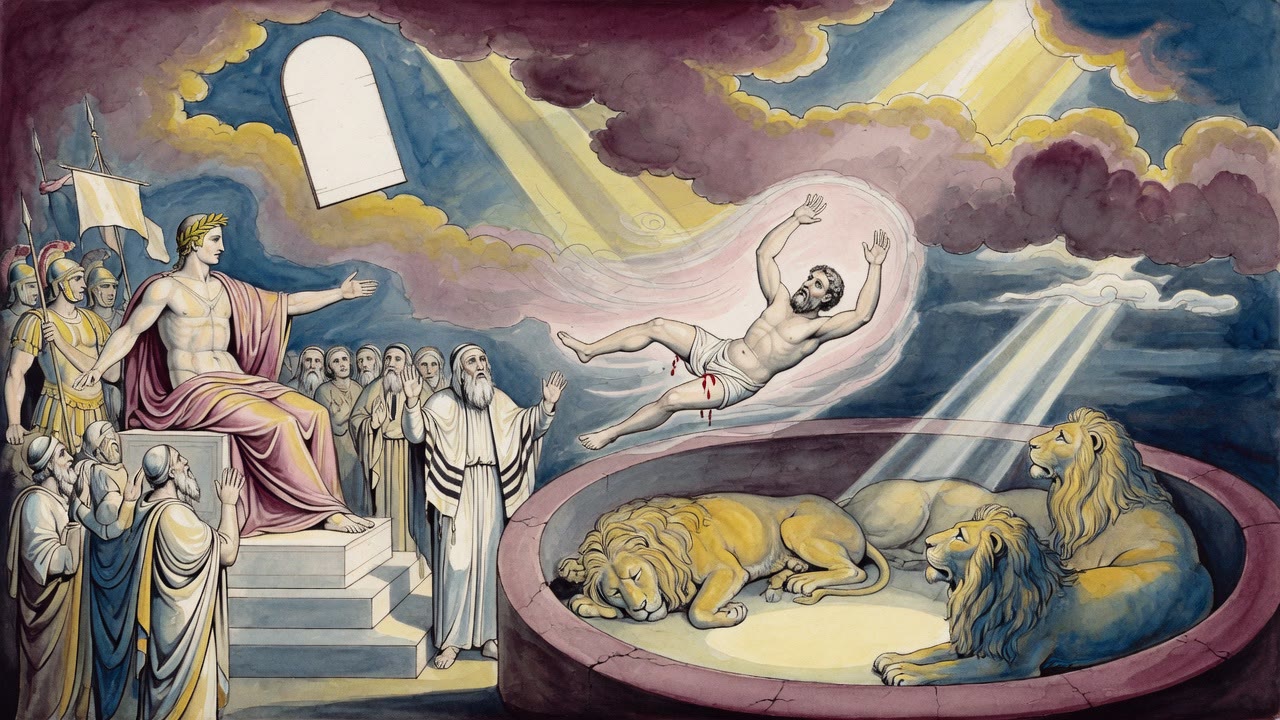
Come, said Caesar, and let us be one people. Rabbi Tanchum named the mark Rome would not take. Then they opened the lion den.
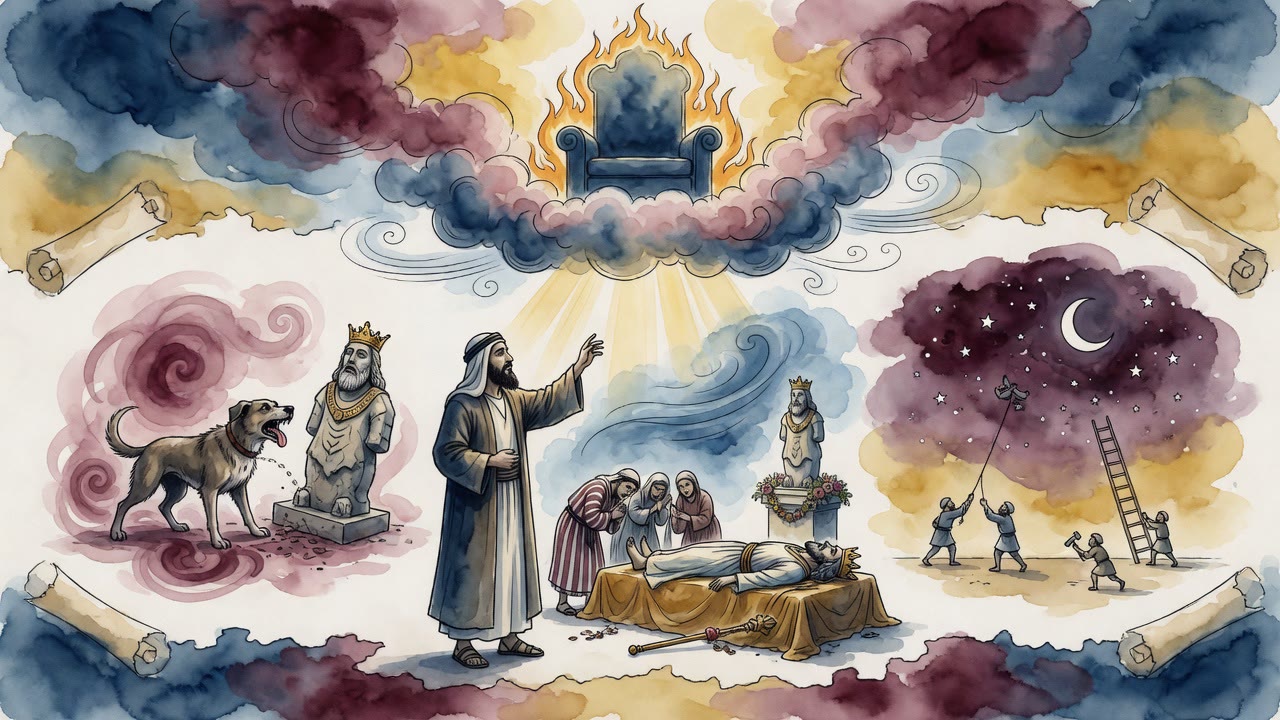
A philosopher asked why God does not smash every idol. Rabban Gamliel answered with dogs, dead kings, and stars fools misuse without unmaking the sky.
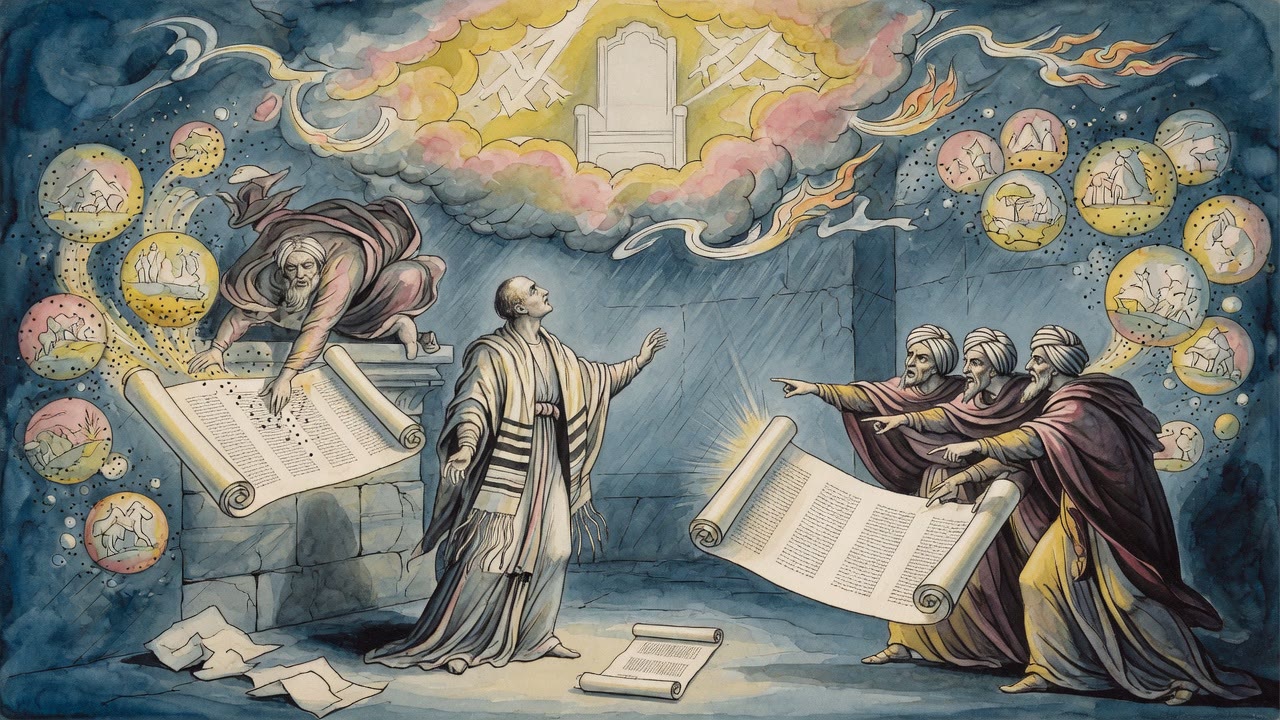
Heretics asked Rabbi Simlai how many gods made the world and pointed at two plurals in Joshua. He set his palm on the open scroll.
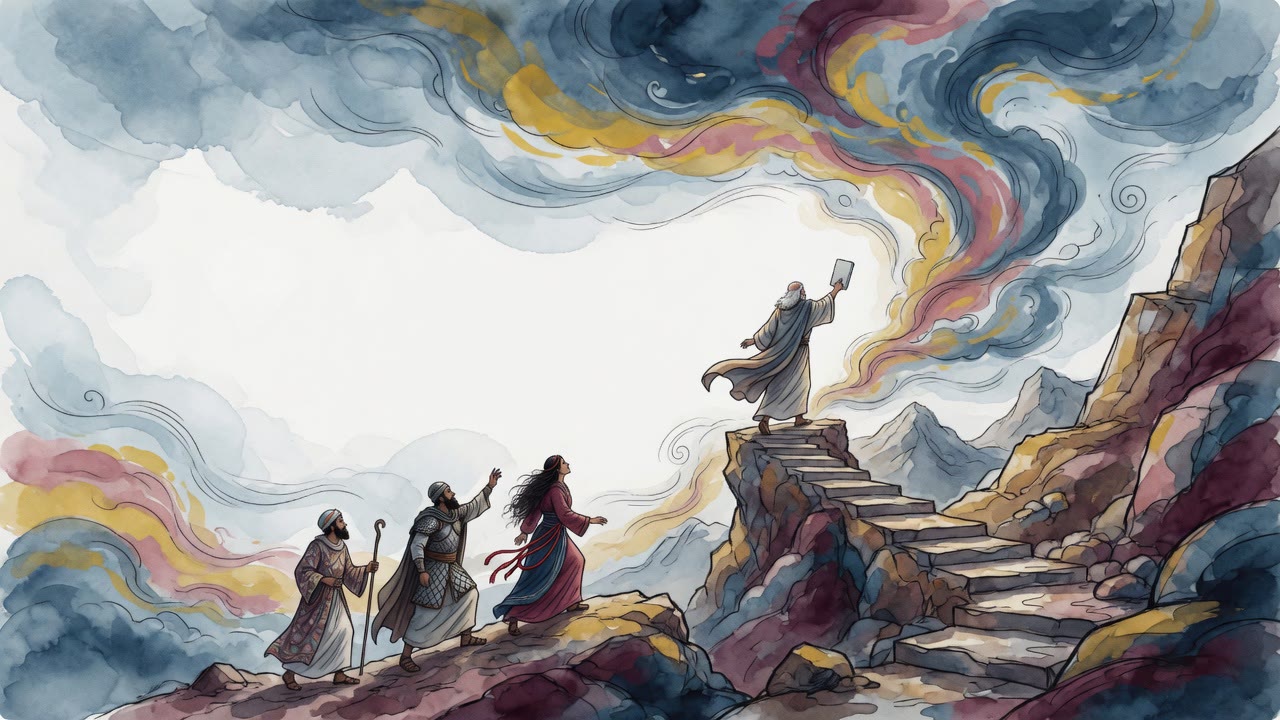
Heretics demand how many gods made the world. Rabbi Samlai walks them through singular verbs, then faces students who want the real answer.
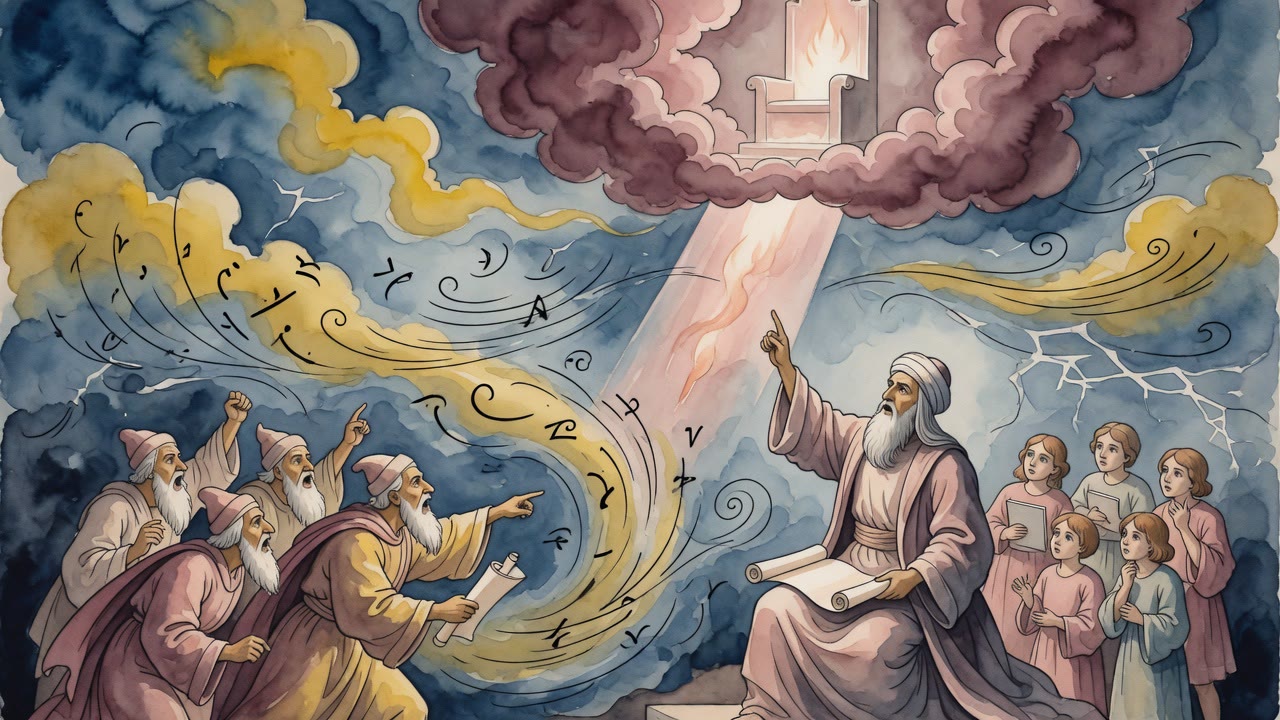
Wind moved the tents on the far side of the Jordan. Moses named the Lord in heaven, on earth, and in the gaps between.
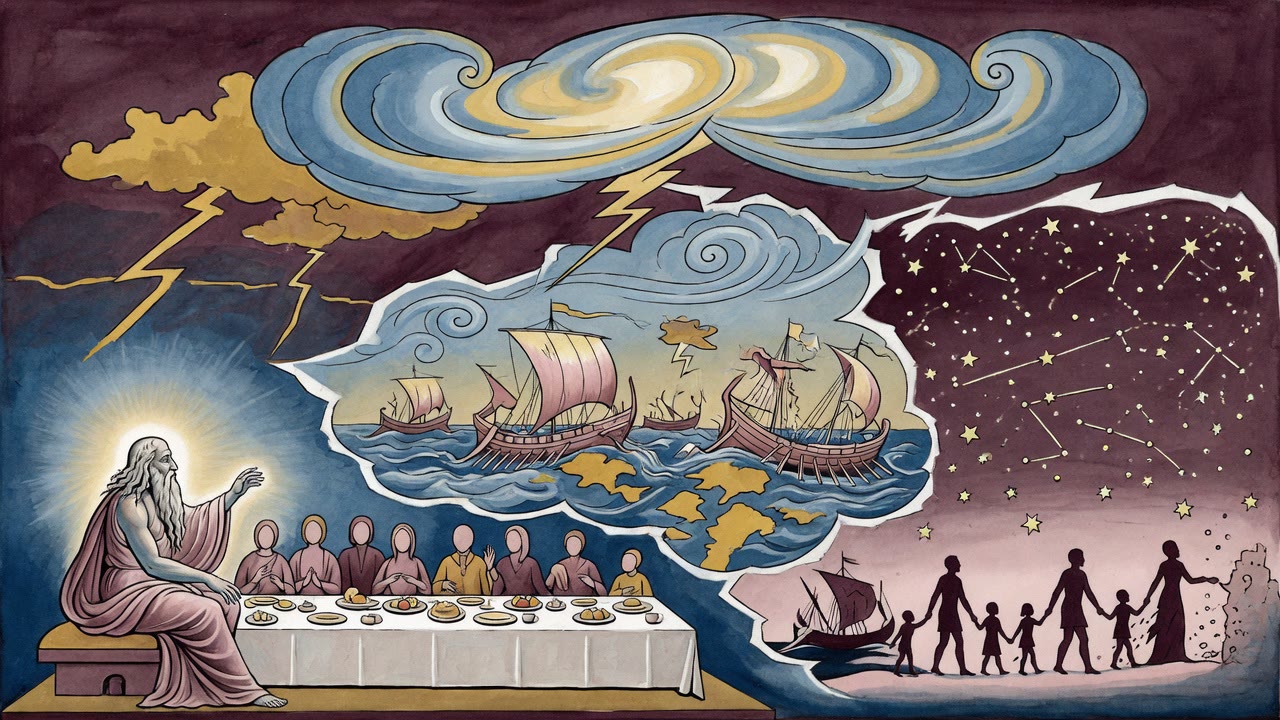
The donkey drank first. Then Abraham pressed silver into Terah's palm. His father blessed him by gods that had cooked the midday stew.
