11 myths
Each story names the sources it was written from.
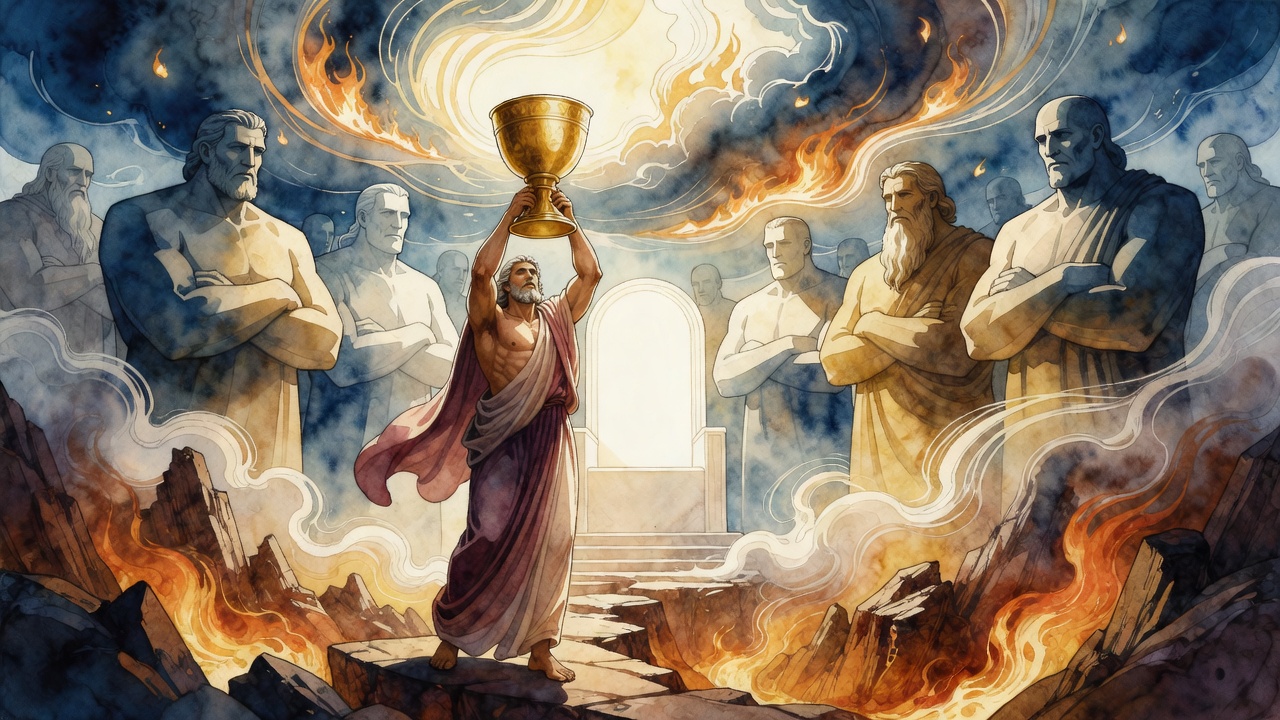
The meal in Paradise was over. A cup of blessing waited for a mouth that could praise after judgment. Abraham set it down.
After the golden calf, Moses asked to see God's glory. What he saw from behind, pressed into rock, was the knot of the divine tefillin, prayer straps.
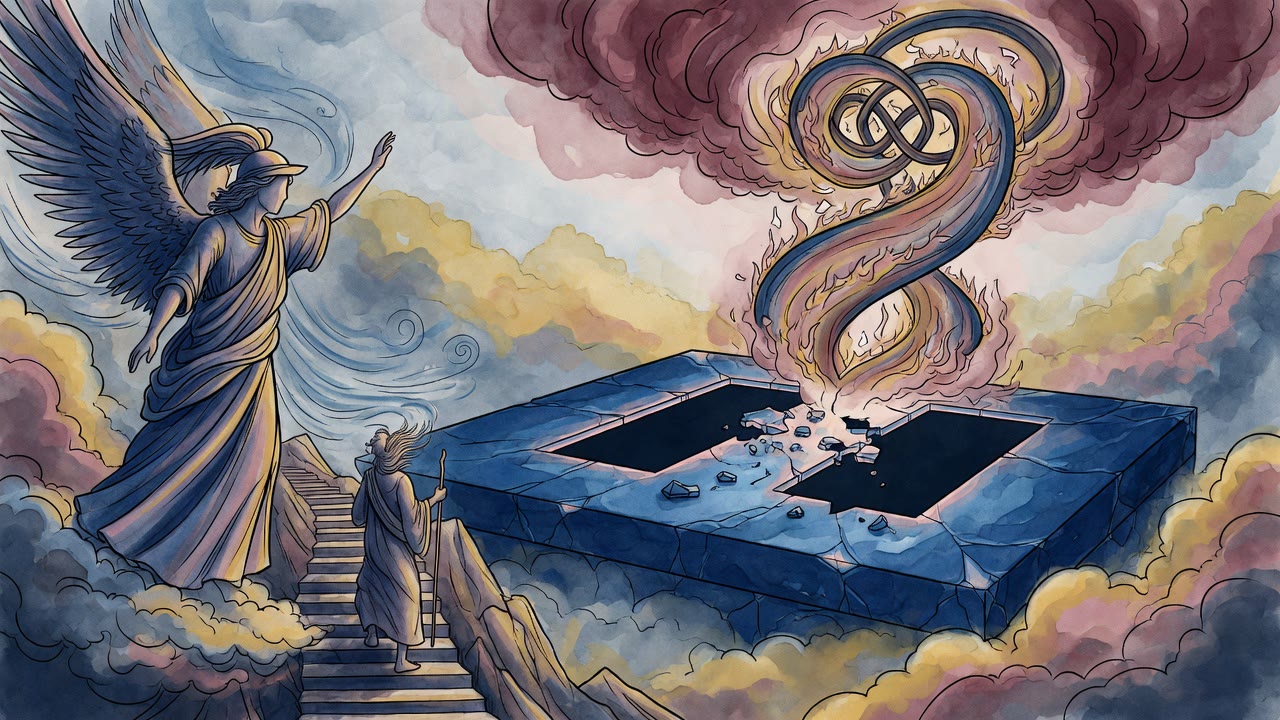
An archangel calls Moses up, the tablets are cut from the throne's sapphire floor, and the glory he glimpses is the knot of God's tefillin, prayer straps.
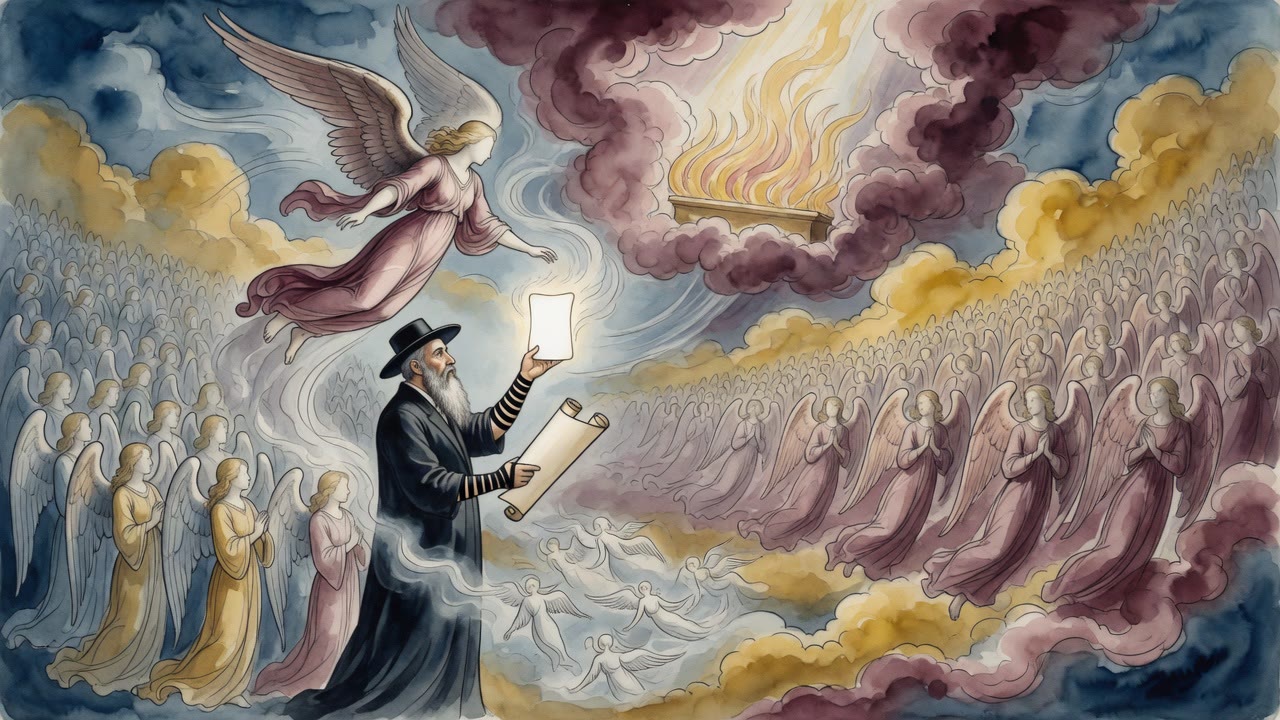
Rabbi Meir taught that angels scale with precepts: one commandment kept earns one guardian. A thousand protect the left side and ten thousand protect the right.
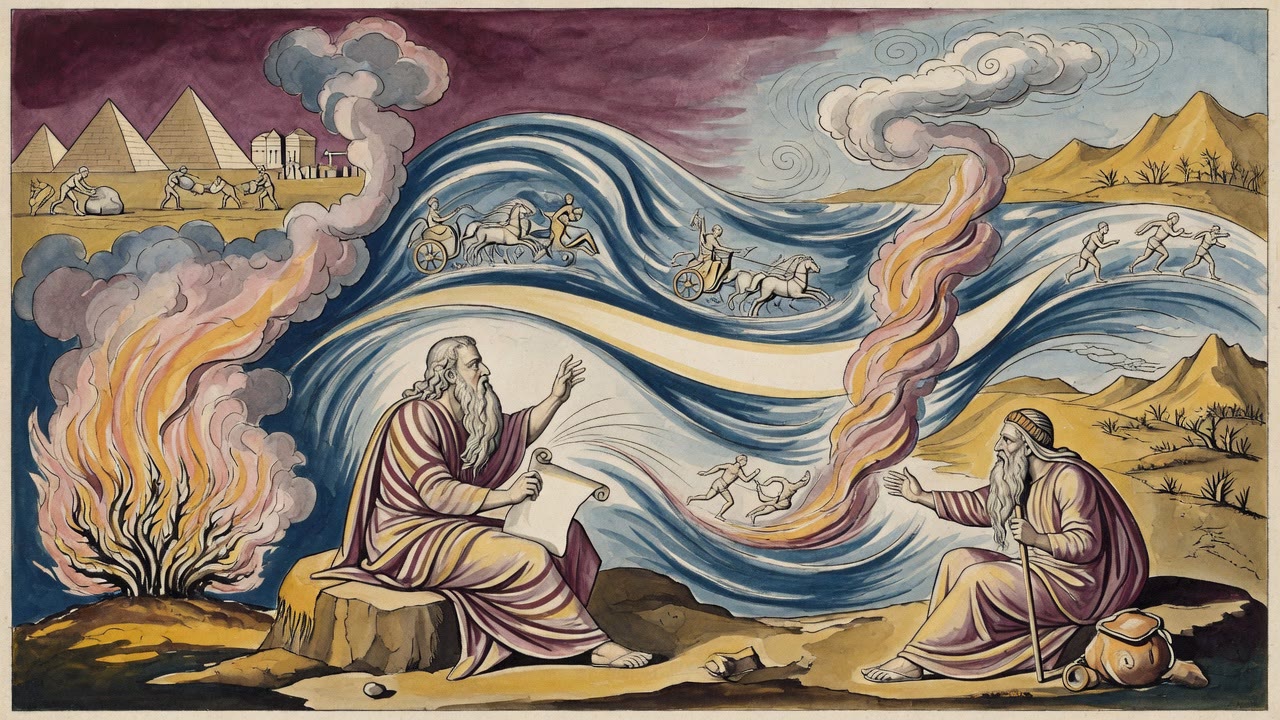
Twelve thousand came home from Midian with no man dead and no man accused. Then they set gold in front of Moses, and he asked what it was for.
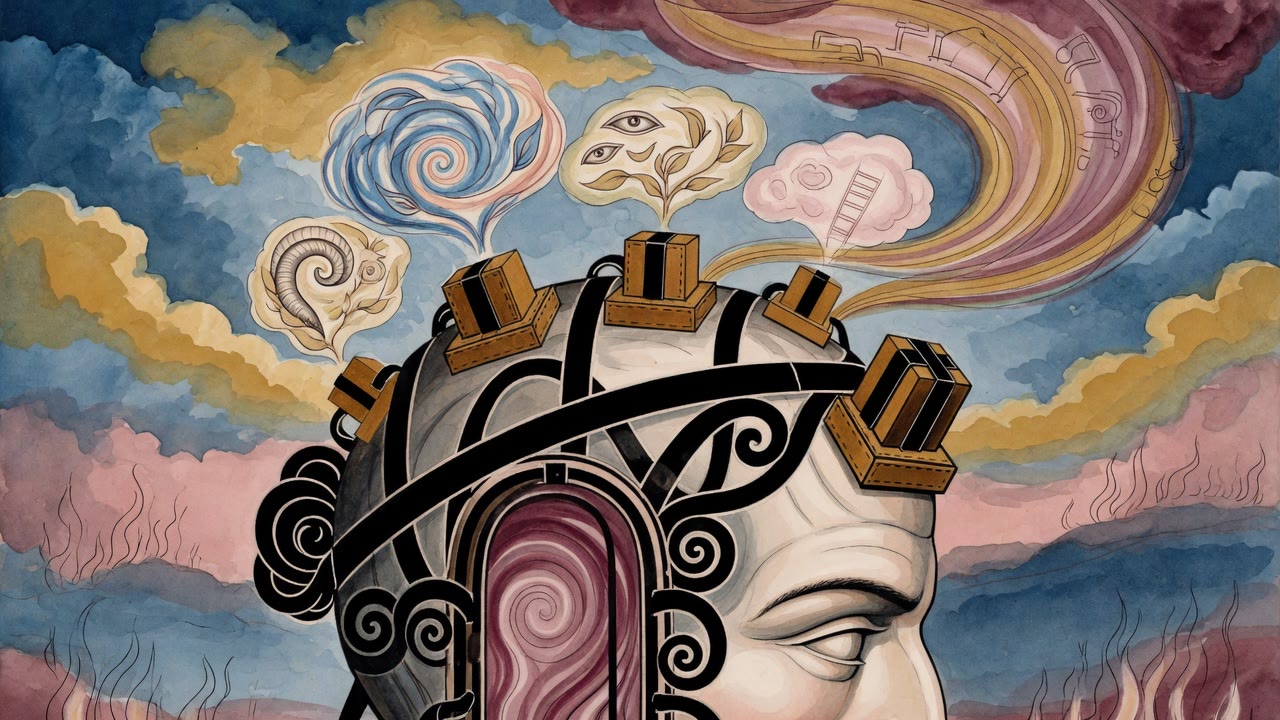
The leather was cold on his arm. He pulled until the knot sat at the skull. If it slipped, Leah's gate sat wrong all morning.
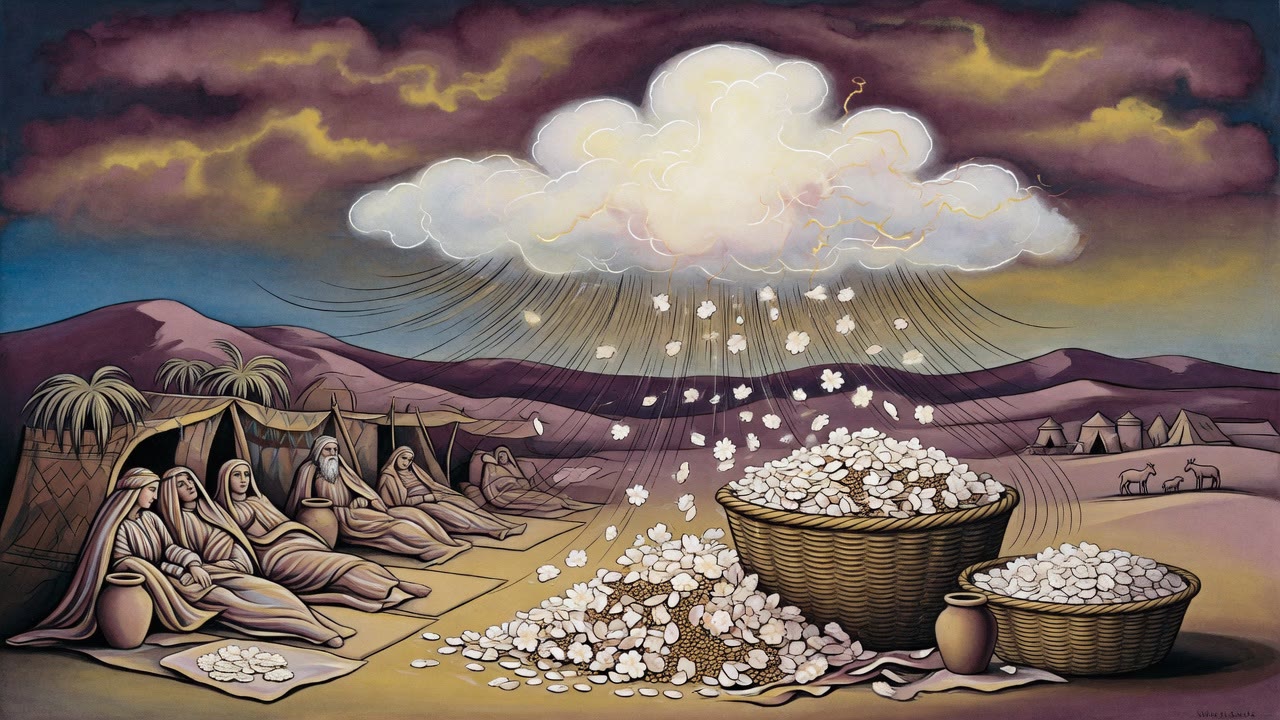
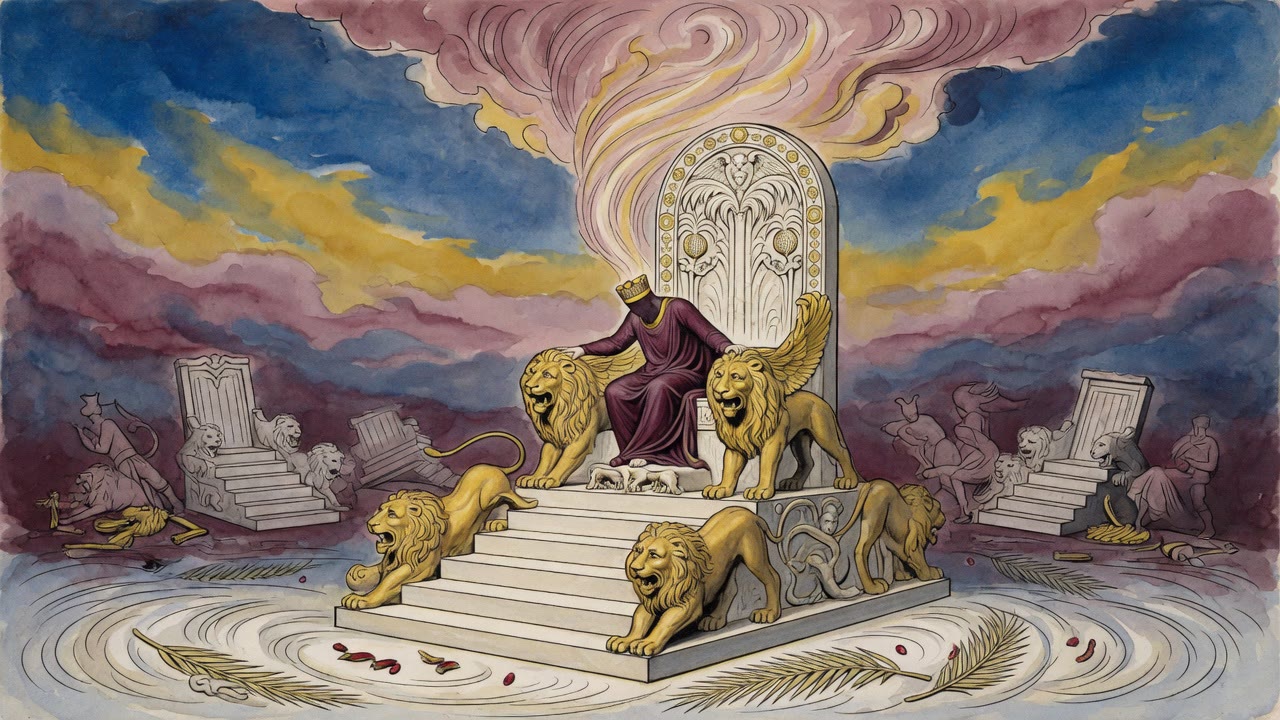
Earthly kings give a gift or give rest, never both. God gave Israel the Sabbath and a double portion of manna in one breath, rest and bread together.
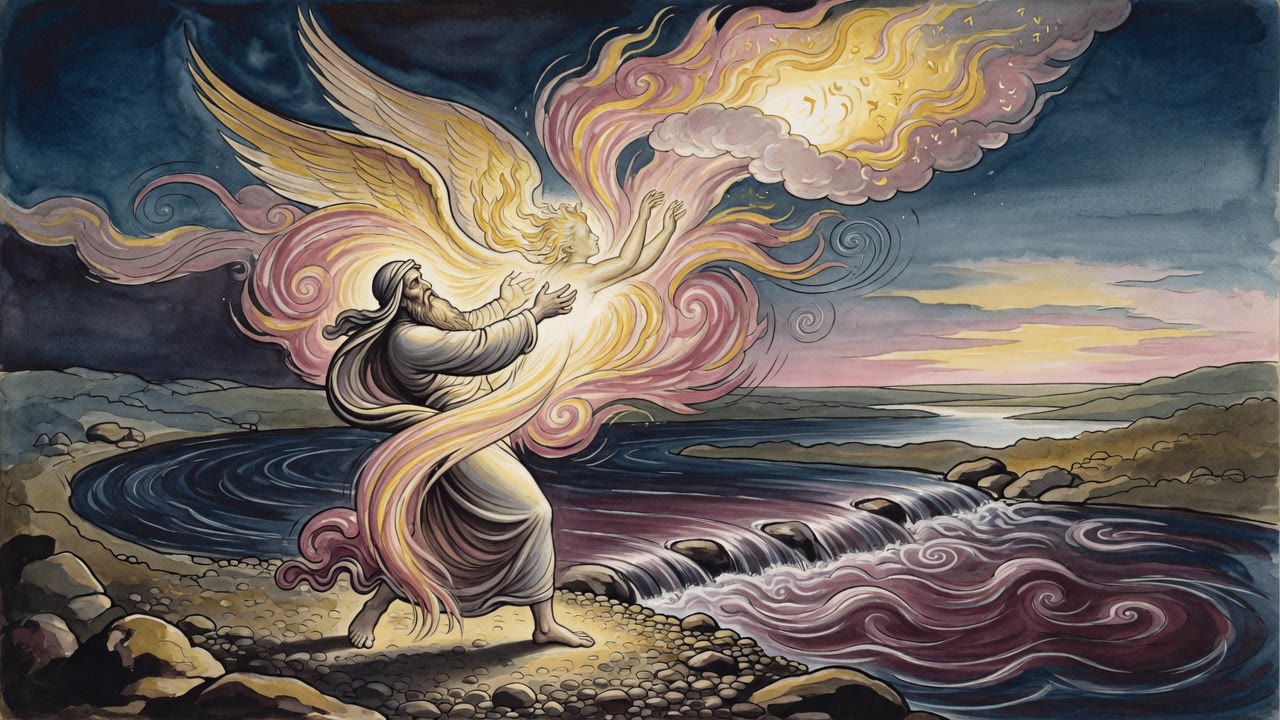
Alone by the ford at night, Jacob held an angel until dawn, and the struggle itself bound the Divine Presence close enough to found the evening prayer.
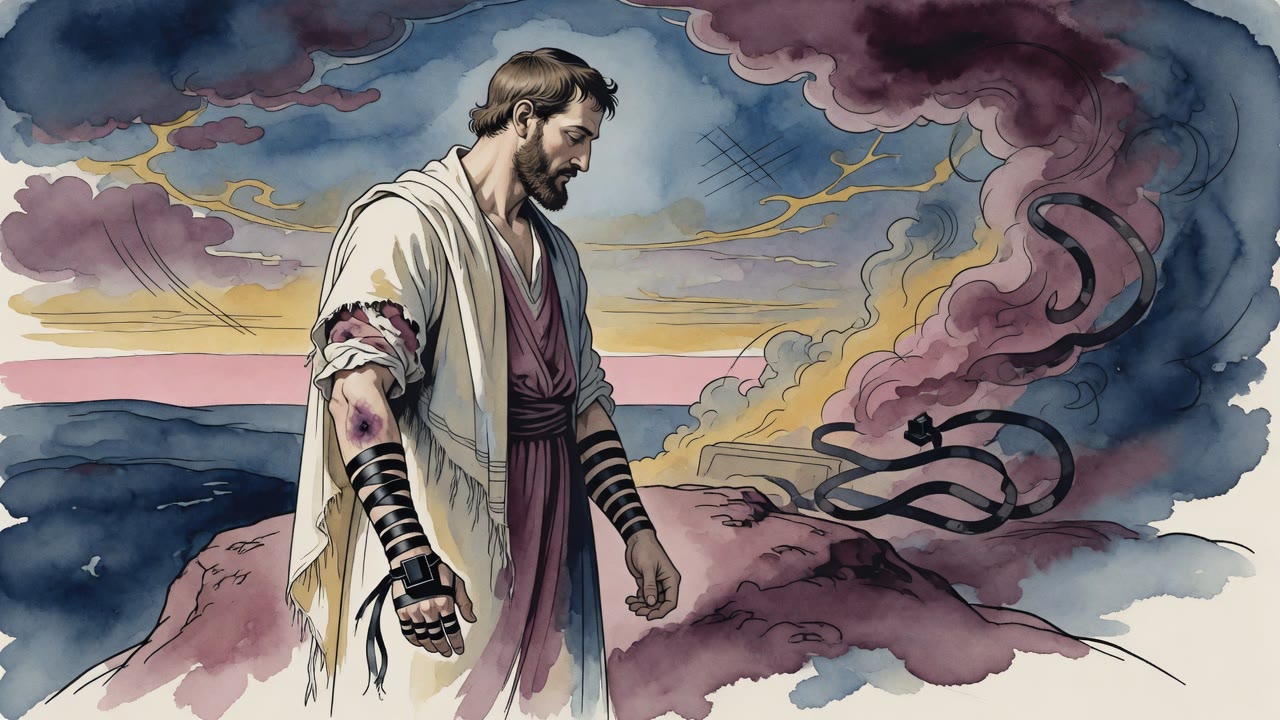
A man with a damaged right arm still bound tefillin at dawn, while night and Sabbath claimed the straps must rest as other signs.
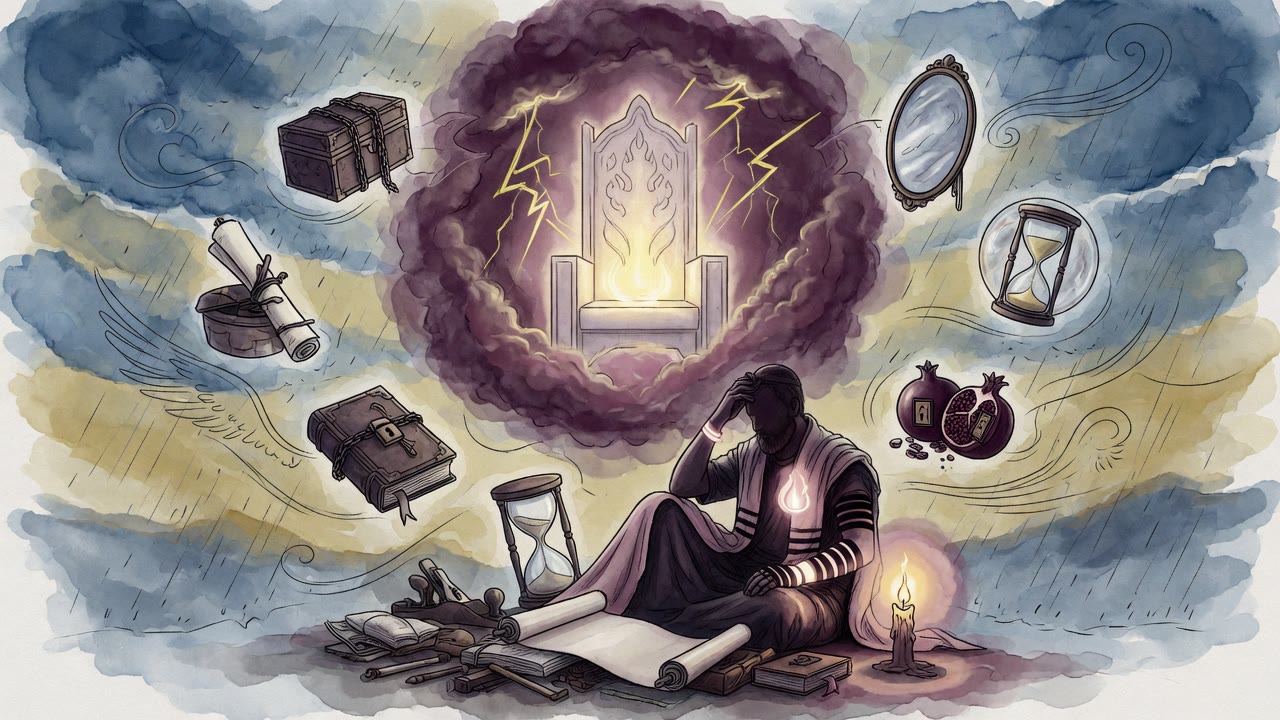
He wanted the hour of his death written down. The sage named seven things no eye owns. A Friday lamp still burned at week's end.
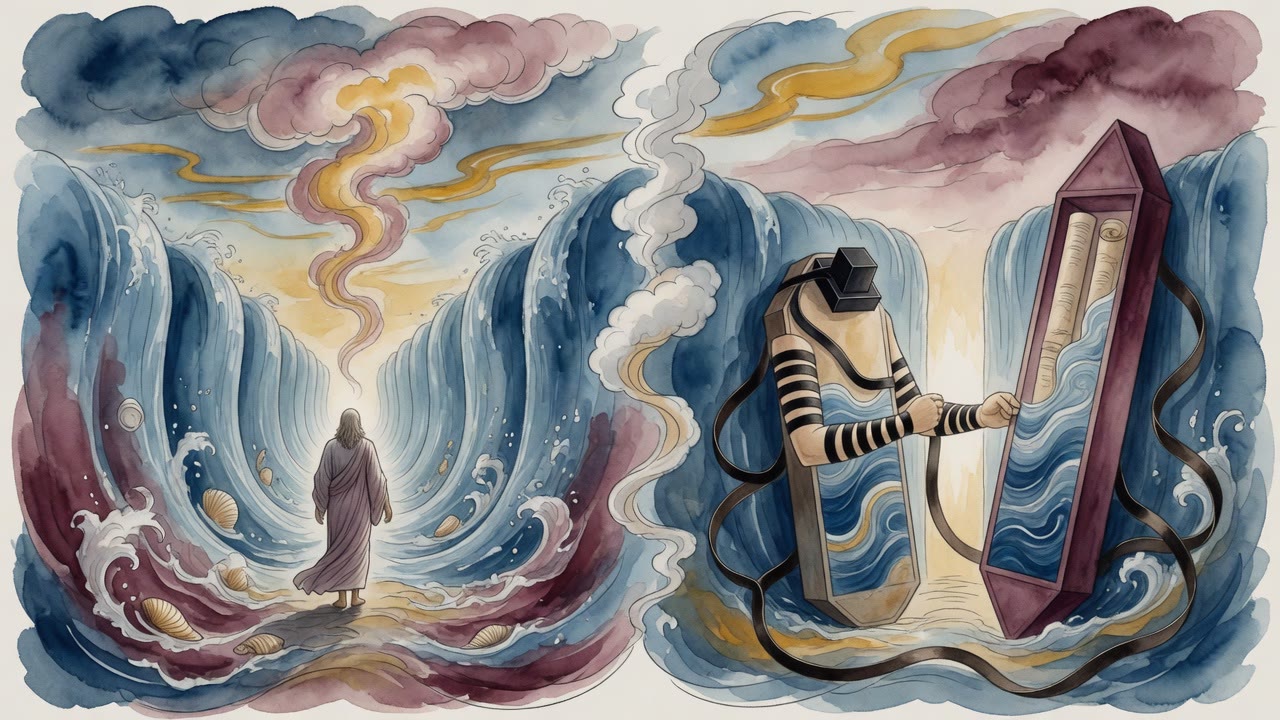
Leather tightens first around the weaker arm, near the heart. Only then does the head-box rest between the eyes.
