Abraham Makes Nimrod and Abimelech Stumble
Nine hundred thousand came to watch him burn. The fire took the cords and left the man. Later kings tripped on one sentence about a sister.
Table of Contents
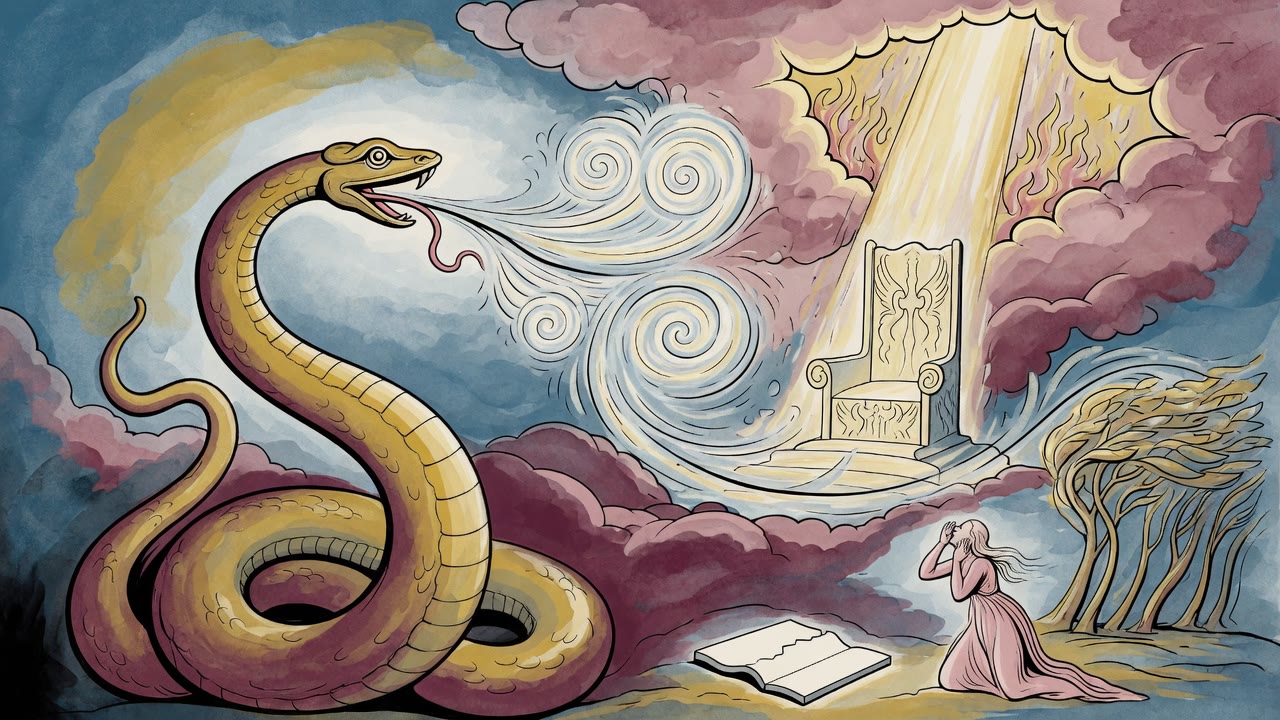
Before Abraham could walk, the sky over Chaldea told a story kings hated. Conjurors watched a star swallow four others and carried the omen to Nimrod. A child was coming who would unseat the old powers and give the lie to the king's religion.
 Click for full size
Nimrod did not wait for theology. He waited for blood.
The House That Killed Boys
He built a great house, stationed a guard at the door, and ordered every pregnant woman in the realm to repair there with her midwife. If the child was a boy, the midwife was to kill him. If a girl, the mother received gifts and costly garments, and a herald cried, "Thus is done unto the woman who bears a daughter."
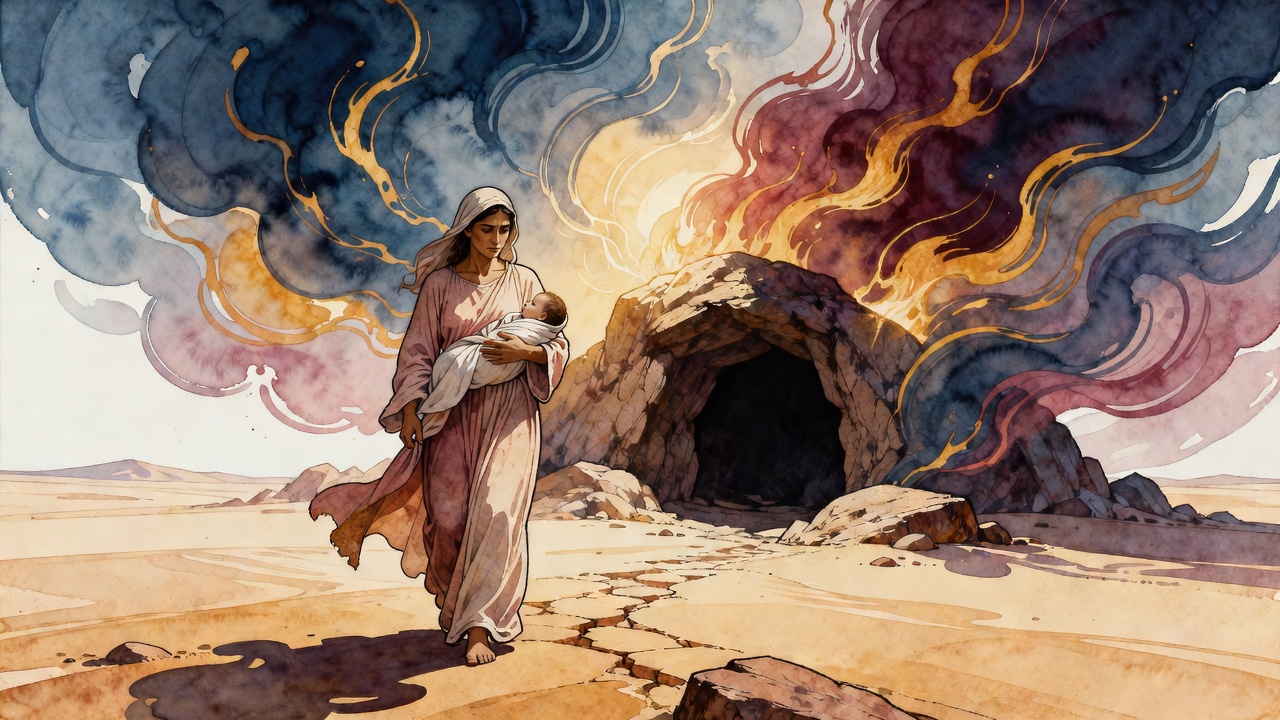
Abraham's mother fled into caves and silence. The king hunted. Fear dressed itself as policy long before the boy could speak a word against clay.
Terah had married Emtelai, daughter of Karnabo. Their son lived because a father chose a living child over a king's command, and later paid for that choice in public.
Ten Days, Then Fire
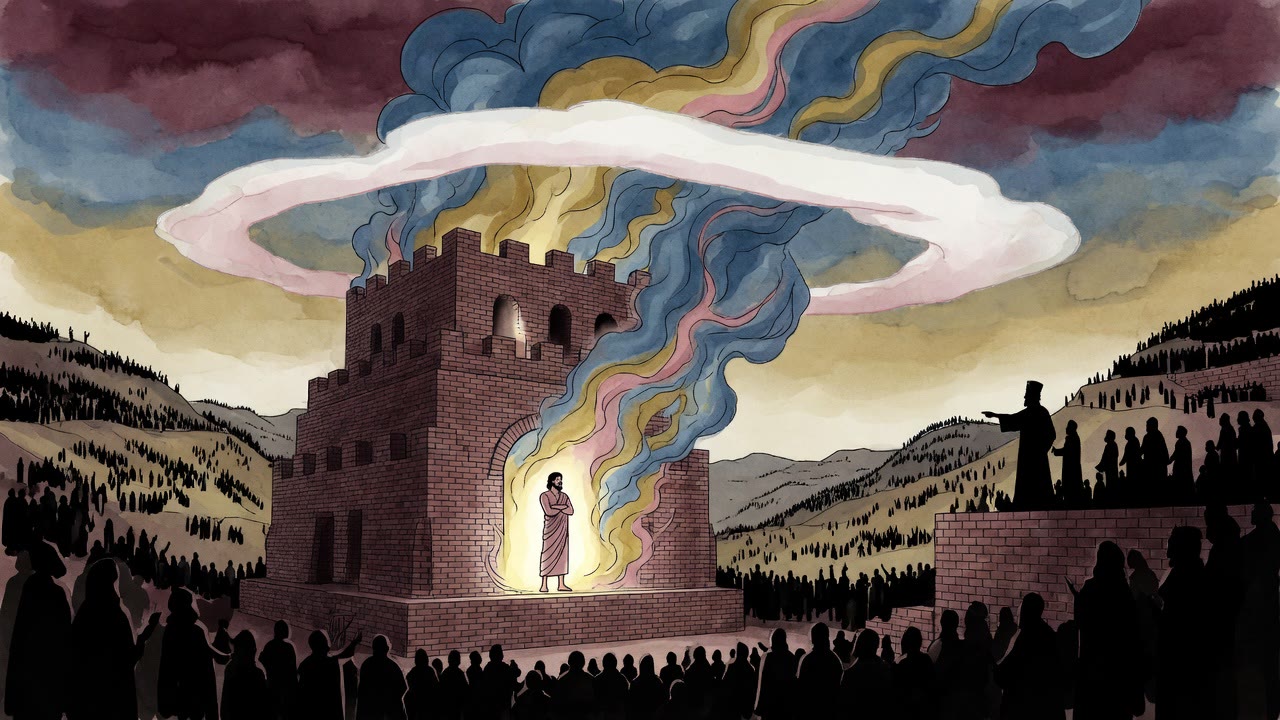
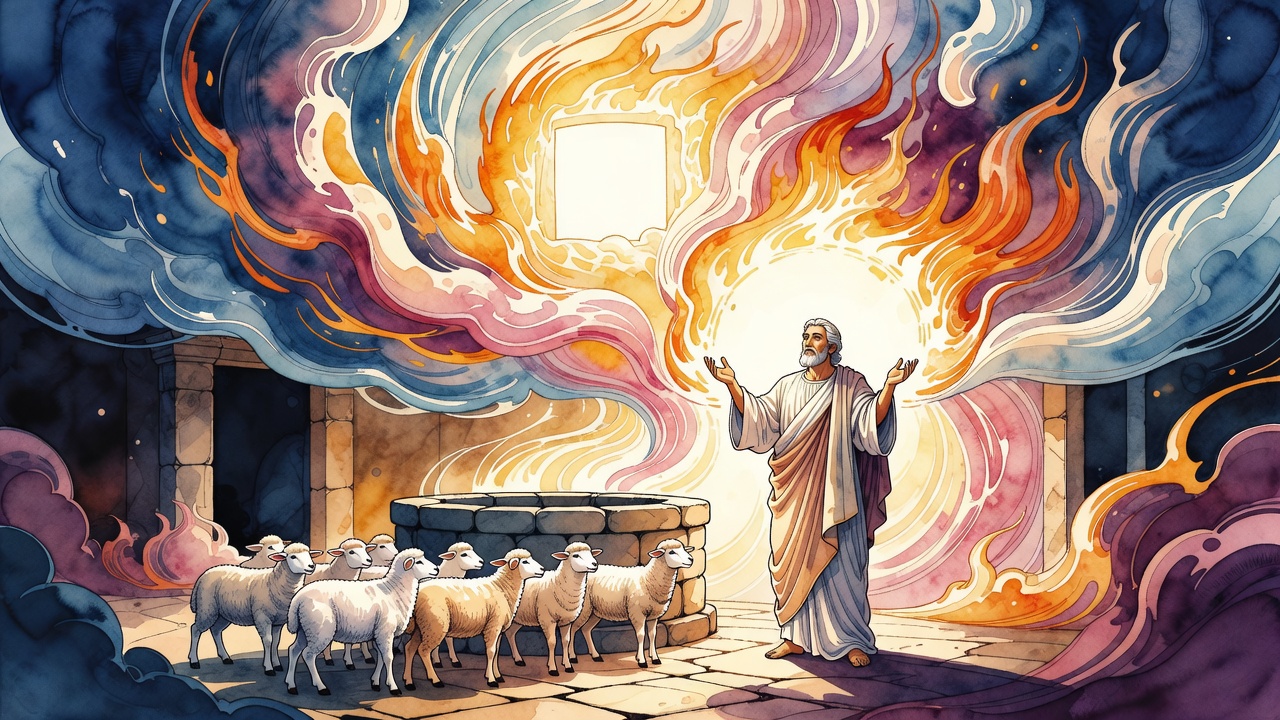
Years later the boy stood grown and would not bow. Nimrod locked him ten days to think, as if time alone softens a spine that has already decided. Abraham did not soften. The council of kings, princes, governors, and sages chose fire. A furnace rose in Casdim. They kindled it three days and three nights.
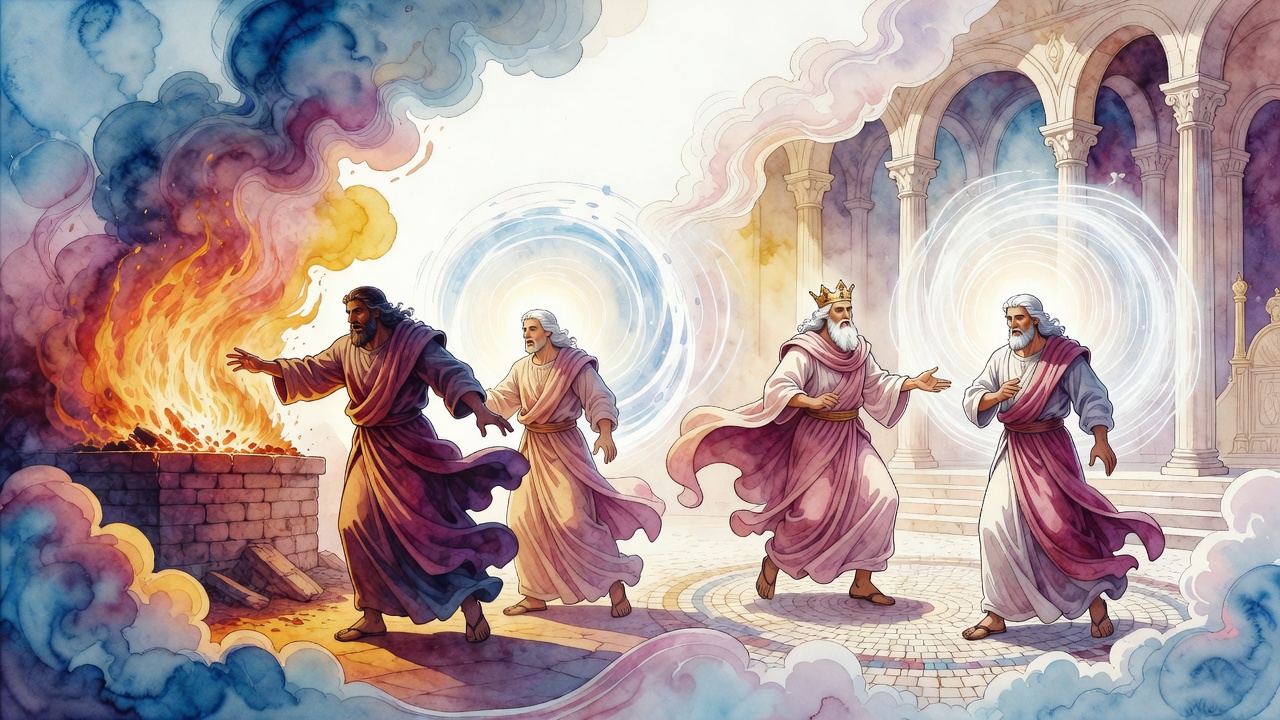
Nine hundred thousand gathered to watch a man burn. Women and children packed the rooftops and towers. Spectacle was the point. Terror was the lesson they wanted taught.
The conjurors recognized him at the last moment. Was this not the child of the star omen, fifty years earlier, the one they had warned about when four stars vanished into one? Nimrod's rage turned on Terah. Old lies about the boy's survival cracked open in public. A father stood exposed as a man who had once chosen a living son over a king's command.
Still the fire was lit. Still Abraham walked toward it.
The Furnace That Failed
Haran went in with him. Haran had said in his heart, If Abraham prevails I will follow him. If the king prevails I will go after the king. He split the bet. The fire took the split man. It burned the cords off Abraham and left him walking.
Nimrod's power stumbled in front of the crowd that had come for ashes. An army can surround a furnace. It cannot force heaven to cooperate with a show trial. Abraham walked out of the heat with a reputation that made thrones nervous for the rest of his life. Refusal had begun as a spine. Survival made the refusal contagious among anyone still watching the sky.
Sister on the Road
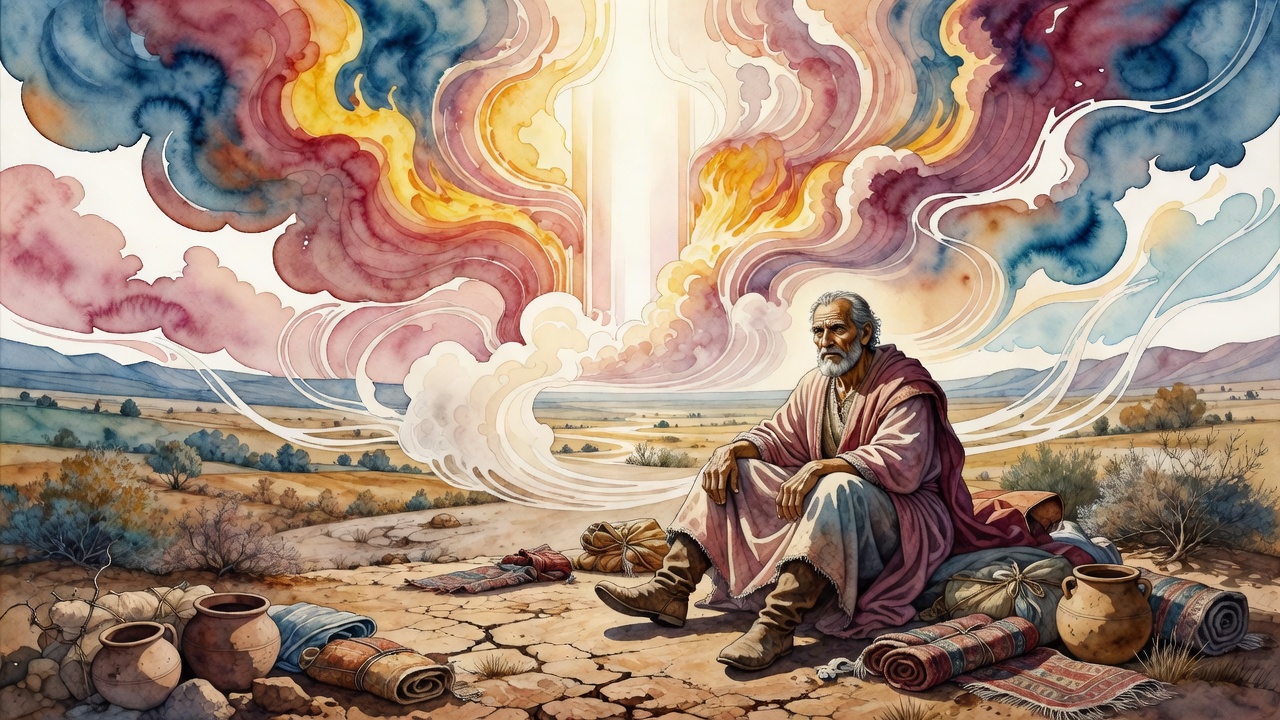
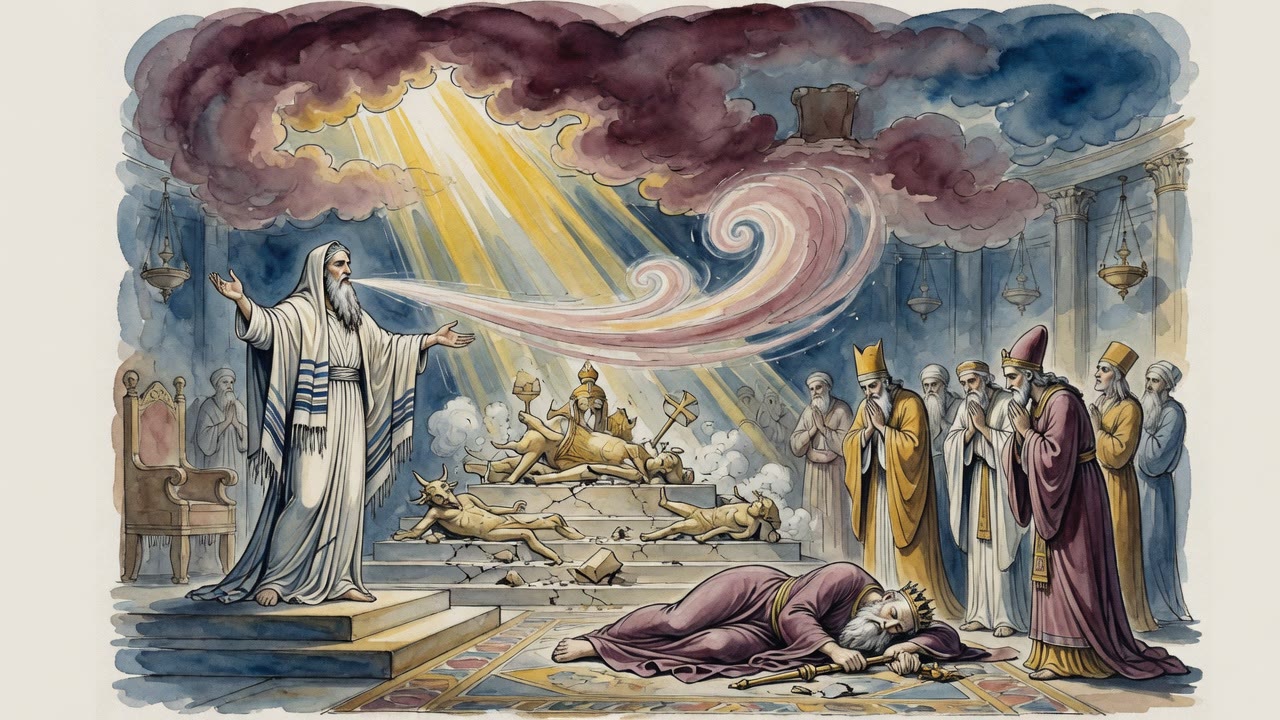
Later, hunger drove Abraham toward Egypt, and fear of the powerful drove him to a hard sentence. "She is my sister," he said of Sarah his wife. The move was not pretty. It was calculated to make Egypt and its king stumble, to keep a household alive long enough for the promise to have a body that could inherit. Beauty without a plan is an invitation. Abraham refused the invitation's terms.
Abimelech of Gerar met the same pattern. Armies and courts that looked solid found themselves wrong-footed around this man who traveled with tents, servants, and an oath from heaven. The land of the children of Heth and the realm of Canaan would not open by sermons alone. They opened because Abraham could make the strong misstep, then plant his claim where their footing failed.
His son Isaac did likewise in Gerar. He said of Rebekah his wife, She is my sister, and he intended to make the kingdom of the Philistines stumble. The sentence ran in the family. So did the survival.
What the Kings Lost
Nimrod lost the story he wanted written in ash. Abimelech lost the easy claim on a foreign woman and learned that heaven guards what a king assumes is inventory. Egypt's king lost the illusion that power always eats first and asks later. Abraham gained years, a household, wells, treaties, and a reputation that made later enemies careful before they were cruel.
"Surely thou knowest that Abraham their father acted thus." The line is memory spoken to later generations who might pretend the patriarch never calculated. The man who trusts God also reads a room, a road, a king's face, and the distance to the next border.
Cunning without faith is only trickery, and trickery ends when the stronger man notices. Faith with no plan, in a world of Nimrods, is a short life and a closed promise. Abraham held both. He did not love the half-truth for its own sake. He loved the promise enough to survive the courts that wanted to own his wife and erase his name from the future.
Nine hundred thousand had come for a burning. They went home with a man walking. Later kings tripped on a sentence about a sister. The land waited under his feet. The covenant waited in his bloodline. The child the stars had marked as a threat became the man who made empires trip over their own greed.
← All myths