Abraham Plated His Men in Silver Before Rescuing Lot
Do not put your eyes on the money, he told three hundred and eighteen men. If it is silver and gold you want, it is already on your backs.
Table of Contents
 Click for full size
A Runner Comes In With Lot's Name
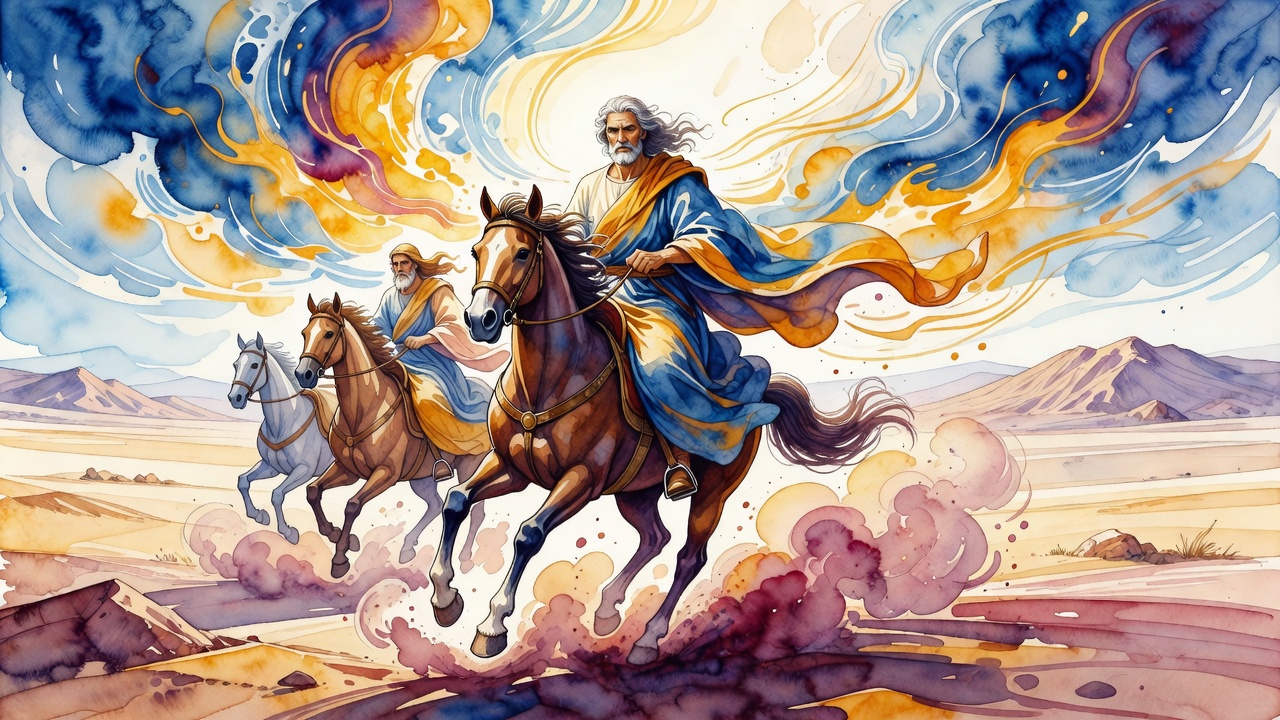
One man got out of the wreck of the valley and ran until he found the terebinths where Abraham was camped, and the news he carried had a name in it. Lot was gone. Taken with everything else the four kings had scraped out of Sodom, walking somewhere north in a line of captives with his hands tied.
Abraham had three hundred and eighteen men born in his own household and trained in it. Against the armies that had just flattened five cities, three hundred and eighteen is not a number you say out loud in a war council.
He called them out anyway. Then, before anyone picked up a weapon, he did something that stopped the camp.
He Covered Them in Silver Before He Armed Them
The verse says vayarek et hanichav, and everyone assumes it means he armed them, drew out his men the way you draw a blade.
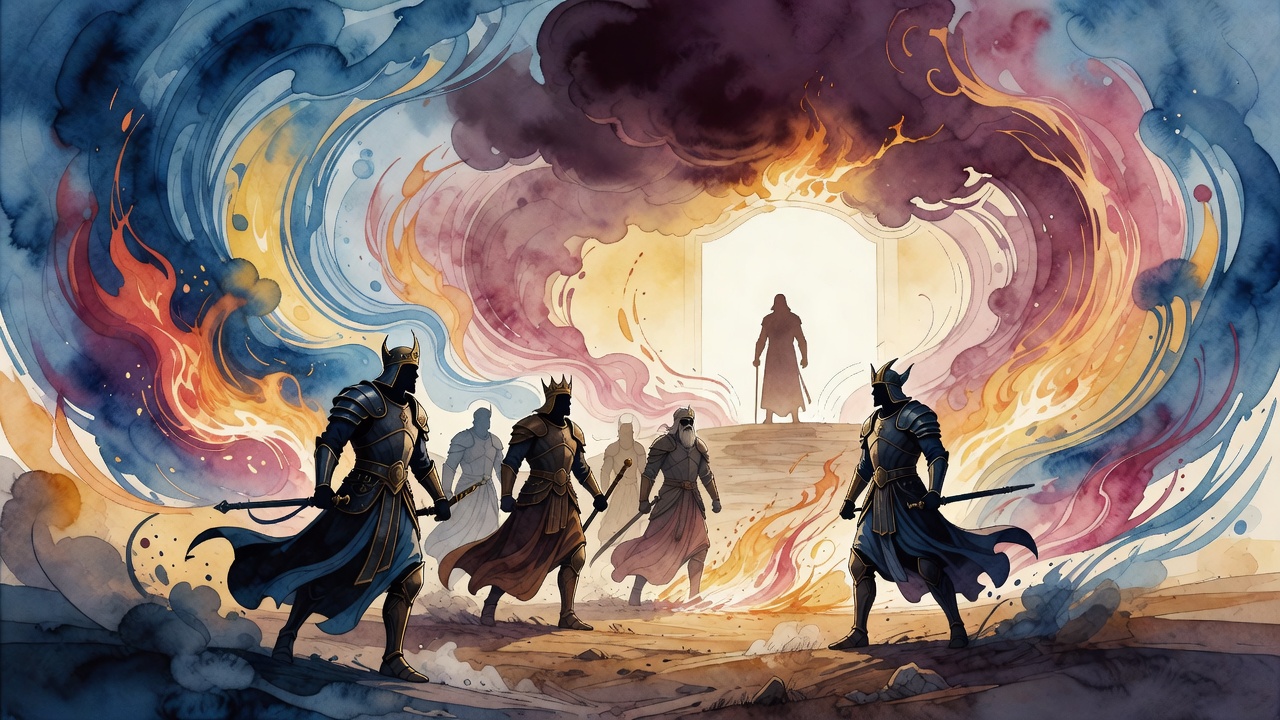
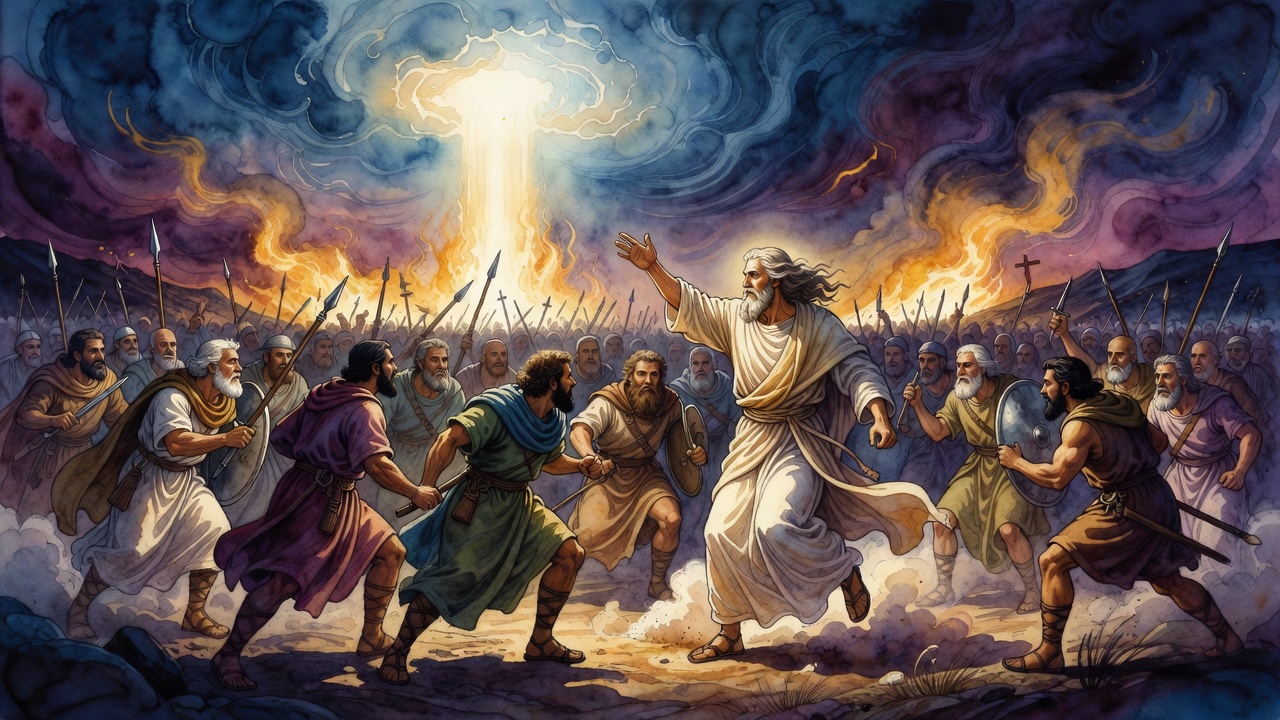
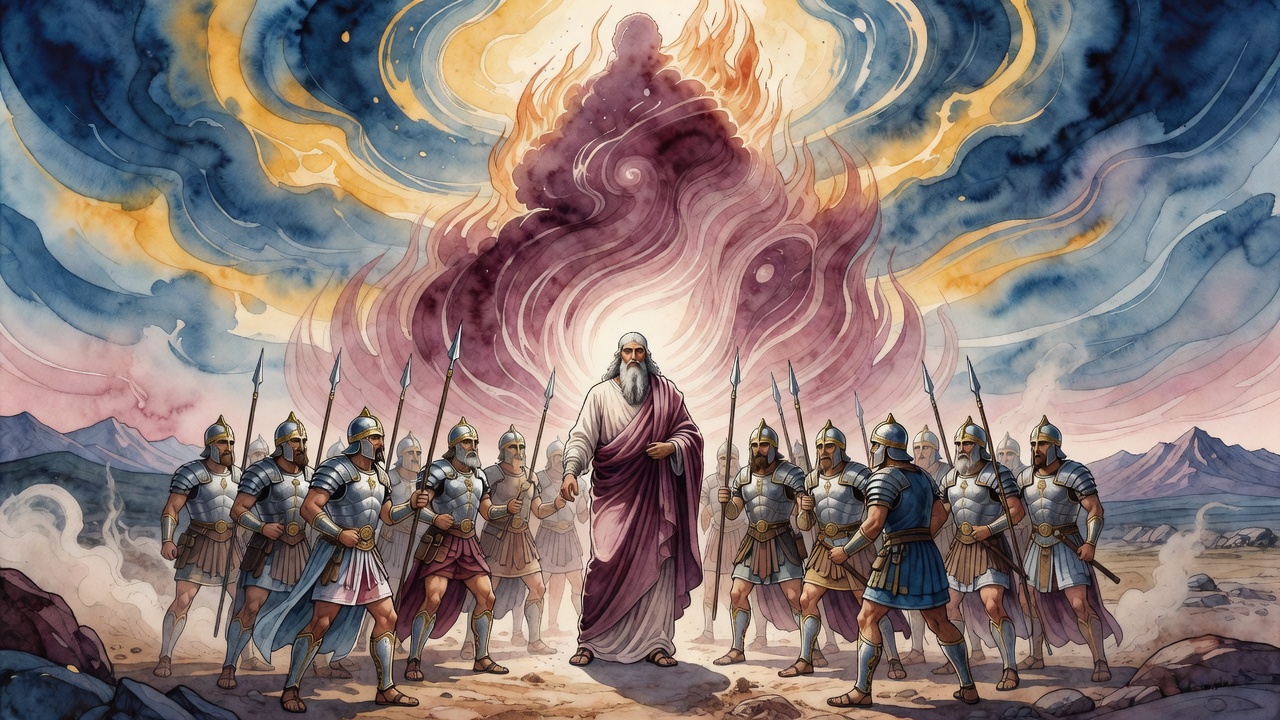
The sages heard a different word underneath. Not drawn. Overlaid. Abraham took silver and gold out of his own stores and plated his household with it, wrist and breast and shoulder, until three hundred and eighteen men stood in the dust of the camp looking like something out of a treasury.
Then he told them why.
"You know where we are going. We are going out to war, and we are going to bring back captives alive. Do not put your eyes on the money. If it is silver and gold you want, look down. It is already on you."
A man who marches past heaps of abandoned plunder with his own wrists already heavy has nothing left to be tempted by. Abraham paid off the greed of every soldier he had before the first arrow went out, and he paid it in advance, out of pocket. The same shine turns up in the psalm about the wings of a dove covered over with silver and her feathers with yellow gold.
The King at the Head of the List Was Nimrod
The four kings are named in order and the first of them is Amraphel of Shinar.
The sages knew who that was. Amraphel is Nimrod, the hunter, the first man in the world to work out that people can be gathered and pointed at something. Shinar is where he had always been. He was not a bandit chief on a raid. He was the oldest kind of power there is, and he had Lot.
Abraham went after him with a household staff.
Night, and the Chain of Captives Comes Apart
They caught up near Dan and waited for dark.
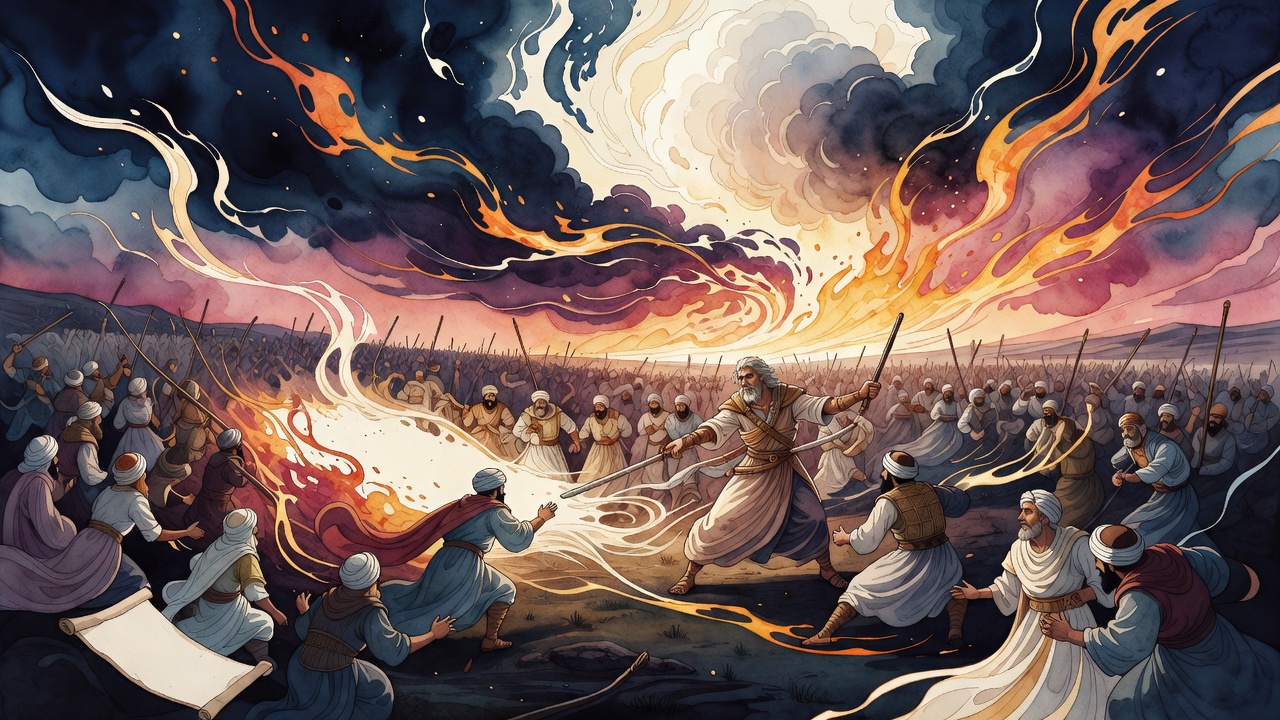
Abraham split his men and hit the camps from more than one side at once, in the black hours when an army that big is a liability to itself. The line broke. He drove the survivors north past Damascus and did not stop until there was nothing left to chase.
Nimrod died in that fighting.
Then somebody cut Lot loose in the dark, and a man who had chosen the good land and lost everything on it walked back to his uncle's camp between soldiers wearing more gold than the kings had managed to carry off.
Not a Thread and Not a Sandal Strap
The king of Sodom came out to meet them at the valley with an offer any commander would take. Give me the people. Keep the goods.
The goods of five cities. Enough to make three hundred and eighteen households wealthy for three generations.
Abraham lifted his hand and swore he would not take a thread or a strap of a sandal out of it, so that no man could ever say afterward that he was the one who made Abram rich. His soldiers stood there in their silver and watched the whole fortune go back where it came from. The argument had been settled days earlier, in a camp, before the march.
The Man Heaven Looks At
Isaiah asks who it is that the Holy One actually looks at, out of all the world, when heaven is His throne and the earth is His footstool and everything in both was made by His hand. The answer is small and strange. The poor man. The one broken in spirit. The one who shakes at a word from Him.
The sages put a face on that verse and it is this one.
He is the man who ran, at his age, out to the herd himself to pick a calf for three strangers standing in the heat outside his tent. He is the man who killed Nimrod. And he is the man who walked up a mountain with wood on his son's back, and when the boy asked where the animal was, said, "God will see to the lamb for the burnt offering, my son," and kept walking.
Trembling at a word did not make him careful. It made him dangerous to kings and gentle to strangers, in that order, on the same hands.
On Moriah he had no silver left to hang on anybody. There was nothing to plate, nothing to buy off, and no fence he could build around what he had been asked to do. He had the knife and the boy and the answer he had already given.
← All myths