Abraham Saddled His Own Donkey Before Dawn
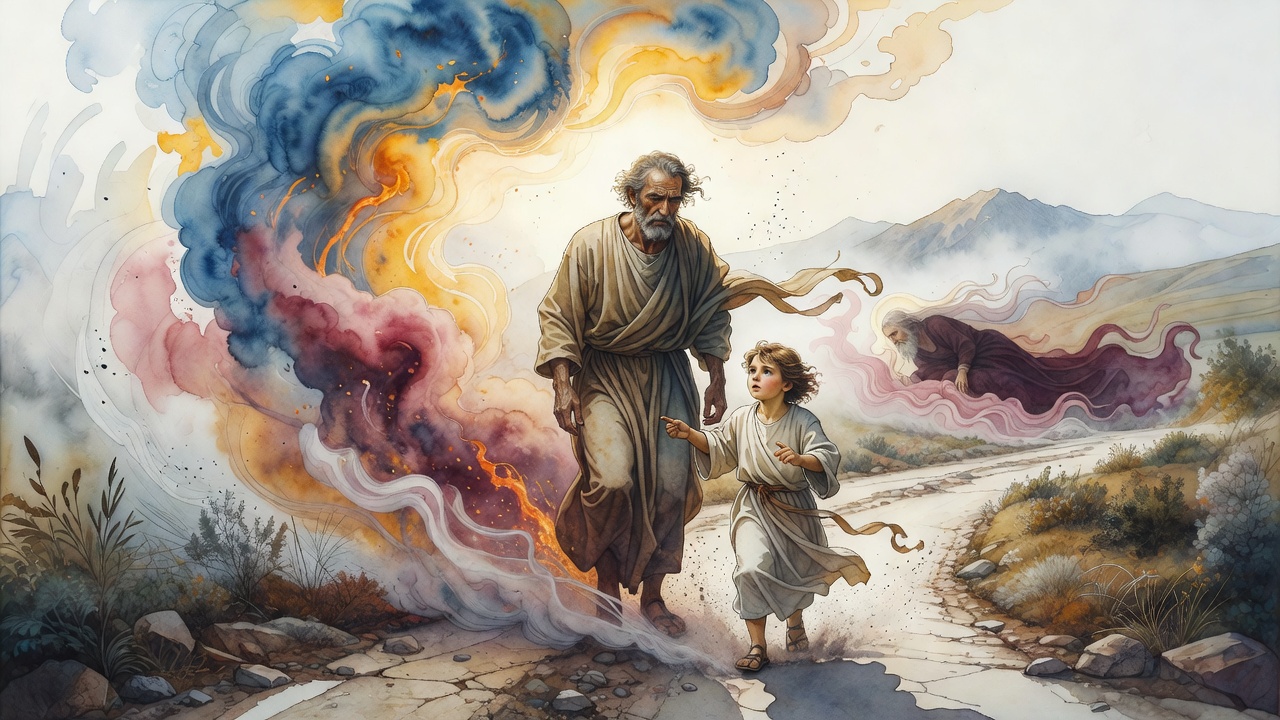
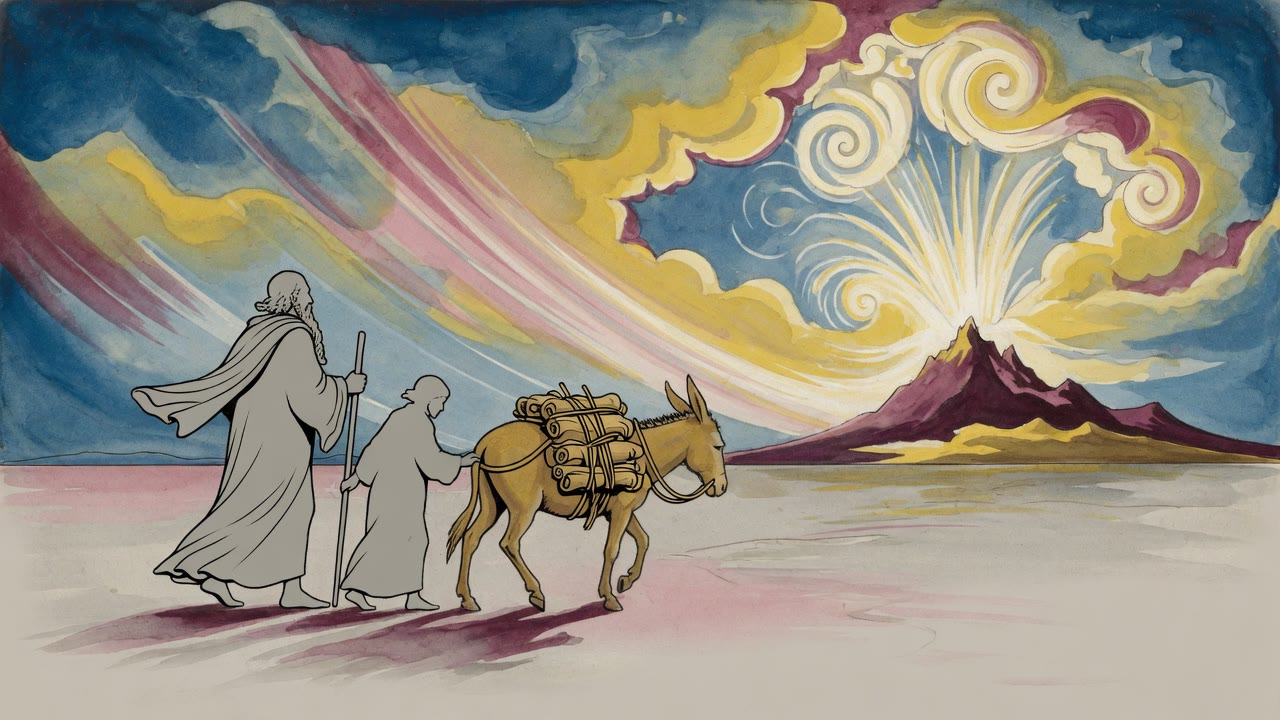
Servants slept in the tents. Abraham took the leather himself. Isaac was still breathing in the dark, and the road to Moriah would not wait.
Table of Contents
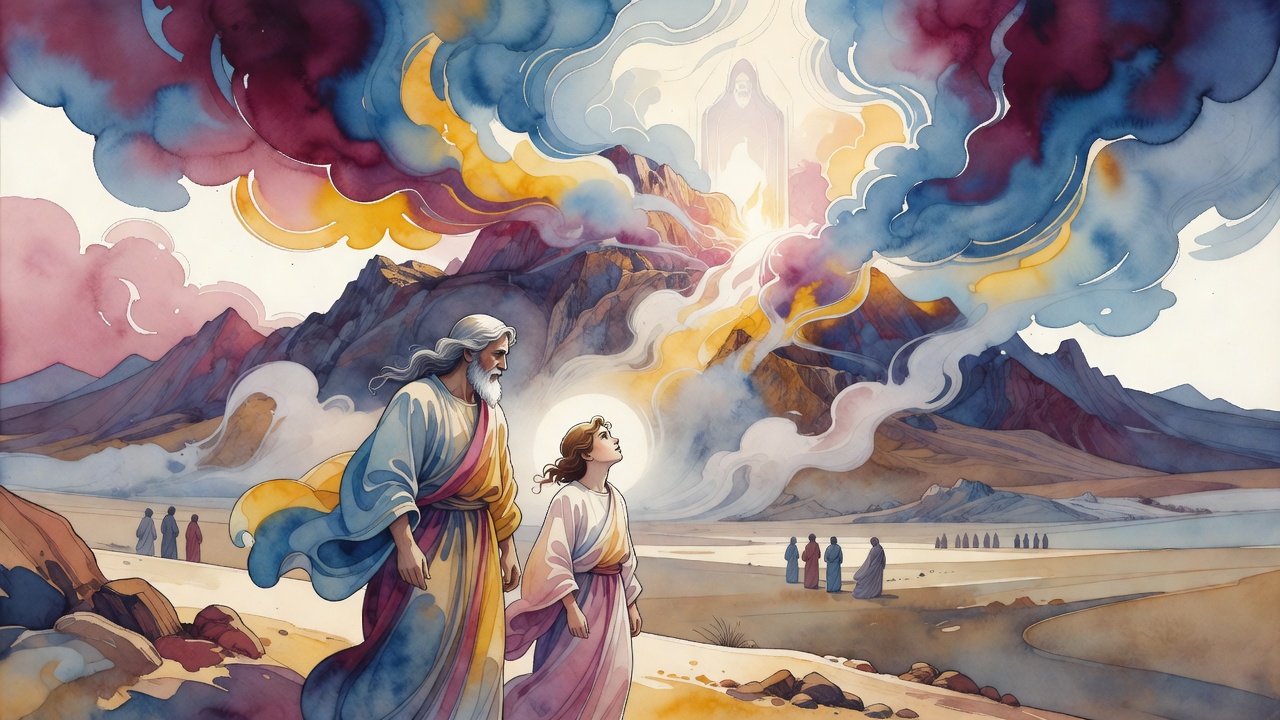
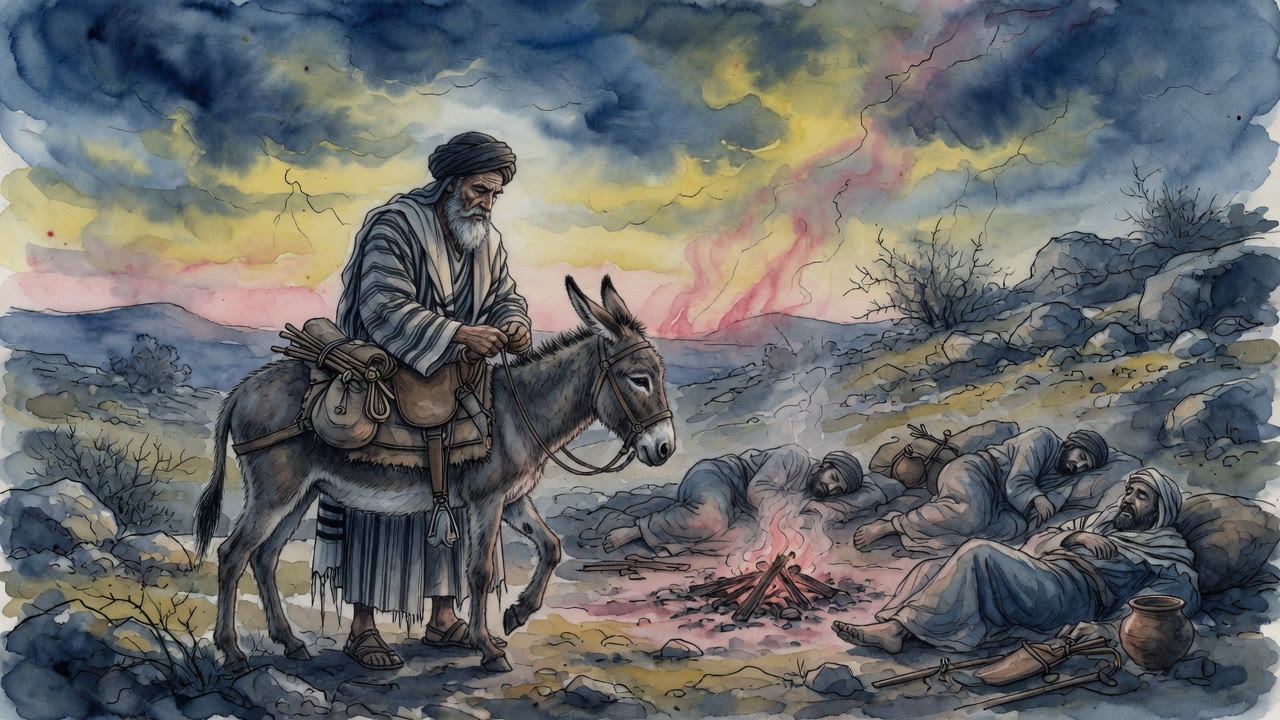
He woke while the tents still held their night heat. Abraham went to the stable without calling a name. Hundreds of servants slept within a shout. Flocks. Herds. Silver. Gold. He had once fielded men enough to pull Lot from four kings. None of that moved with him now.
 Click for full size
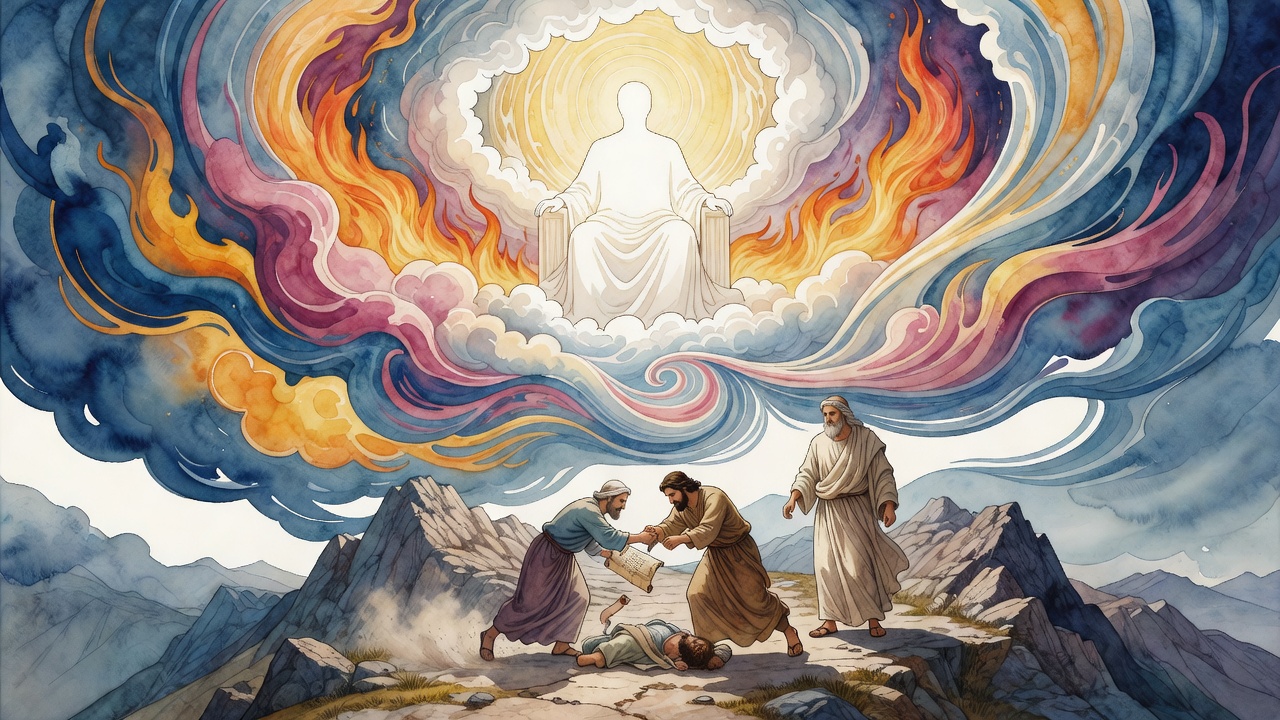
God had said, "Take your son, your only one, the one you love, Isaac, and offer him on a mountain I will show you" (Genesis 22:2). The command did not tell him to saddle the animal or to do a servant's work with his own hands. Abraham bent to the straps anyway.
Leather. Buckle. Breath in the cold. The donkey shifted its weight, and he held its neck until it stood.
The Straps Would Not Wait for Dawn
Love wrecks the proper order. A master does not stoop to harness. A household this large has men whose whole life is leather and loads. Abraham would not put a hireling between himself and the command. He wanted no voice that might say wait, no hand that might slow the knot.
He rose early because the zealous run toward a commandment instead of letting it find them in bed. He saddled (Genesis 22:3). Subject and verb, and no servant standing in the gap.
Isaac still slept. Sarah still slept. The mountain had no name yet in Abraham's mouth.
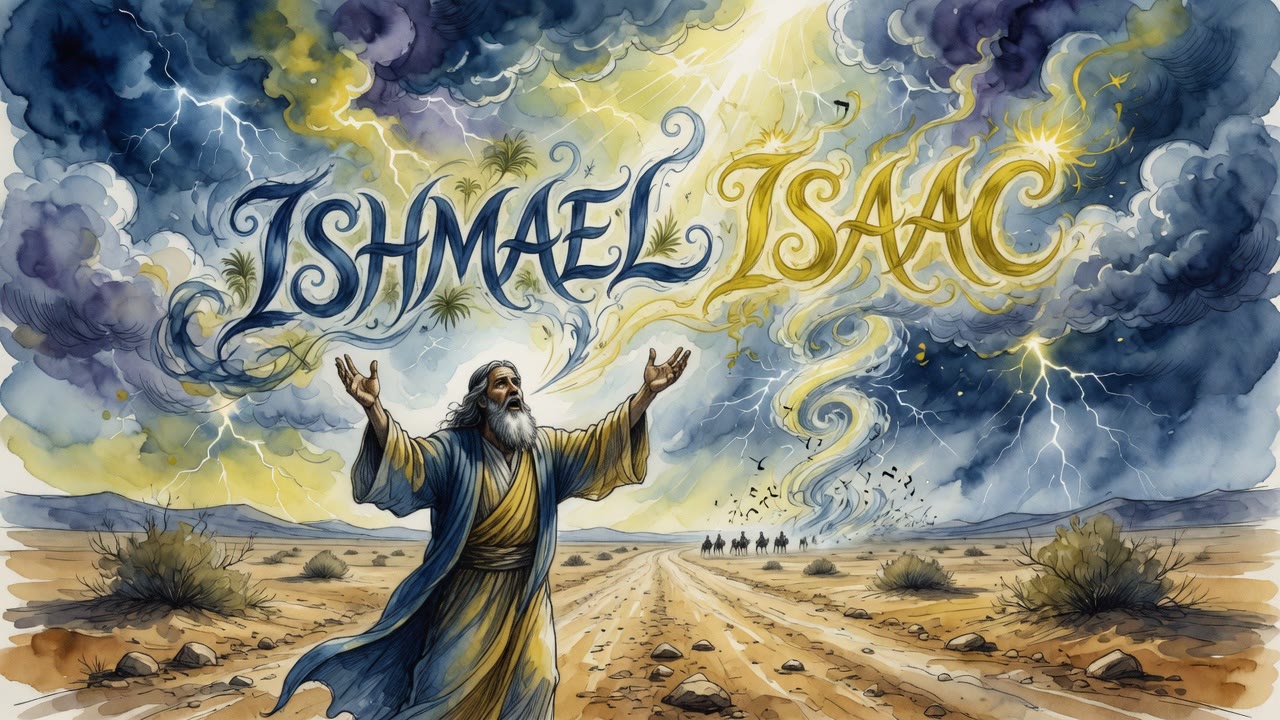
He took two young men. The house names them Ishmael and Eliezer. Three on the road so that if one steps aside, two remain. Even the path to the knife kept a small decency.
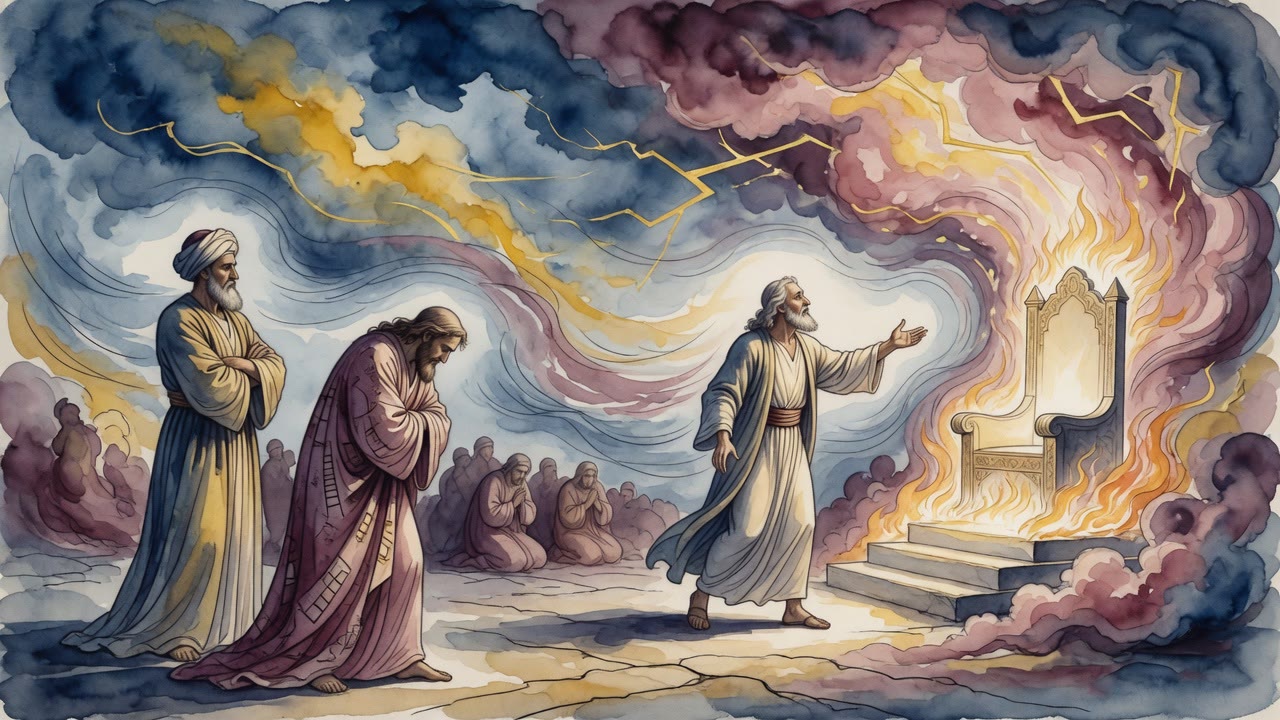
If Isaac died on that mountain, the covenant would tear. A promise with no heir to walk it. Messengers of peace would weep in the open, and the road God had spoken over Abraham would go silent underfoot. Abraham still closed the last strap. The donkey stood. The dark thinned over a road that had not yet shown its peak.
Joseph Harnessed His Own Chariot
Years later, in Egypt, Joseph heard that Jacob was coming down. Years of separation. A father who had believed him dead. Joseph had Egypt's stables, Egypt's drivers, Egypt's gold on the bridle. He harnessed the chariot himself (Genesis 46:29).
Did he lack servants? He had the grain of the Nile at his disposal. He went himself for the honor of his father. Hands on the same kind of leather. A different destination. A living man coming, not a knife waiting.
Dust rose off the wheels. Joseph did not wait for a groom to bring the horses around. He wanted the first face his father saw to be his own, not a servant's, not a rank of Egyptian gold standing in the gap.
Balaam Saddled Toward a Curse
Balaam rose in the morning and saddled his own donkey (Numbers 22:21). Messengers of Balak, king of Moab, waited with a fee. The job was a curse on Israel. Balaam had servants. He went himself anyway, burning to finish what he had been hired to do.
Same early light. Same straps. Same refusal to delegate. The donkey would later refuse him, crush his foot against a wall, open a mouth and speak. That morning he still thought the animal was only an animal, and the road was only a road toward silver.
He yanked the girth tight and did not look back at the house. Zeal sat in his shoulders the way it had sat in Abraham's. The leather could not tell the two mornings apart.
Pharaoh Hitched His Horses for the Sea
Pharaoh harnessed his own chariot and led the army after Israel (Exodus 14:6). The most powerful man alive, hitching horses with his own hands, driven by the rage that would carry him into the water.
Four men. Four sets of hands. Two toward honor. Two toward a curse and a drowning.
On the mountain Abraham took the knife to slaughter his son (Genesis 22:10). In Egypt Pharaoh promised to draw his sword and let his hand impoverish them (Exodus 15:9). Same shape of readiness. Same early heat in the blood. What the readiness serves is the whole difference.
Zeal is not a proof. Balaam was not lazy. He rose early. He saddled himself. He threw his whole body at the work. Wrong direction plus whole-body devotion compounds the wrong.
Abraham, in the dark, could not bear any distance between himself and what God had asked. He bent. He did it. Before anyone could wake and try to stop him, the last buckle closed, and the donkey took the first step toward a name the morning had not yet given.
← All myths