Abraham Sent Ishmael East With Gifts Not Land
God put a new name on Abram while kings were still unborn. Isaac stayed with the wells. His brothers left with packs and no claim on the land.
Table of Contents
 Click for full size
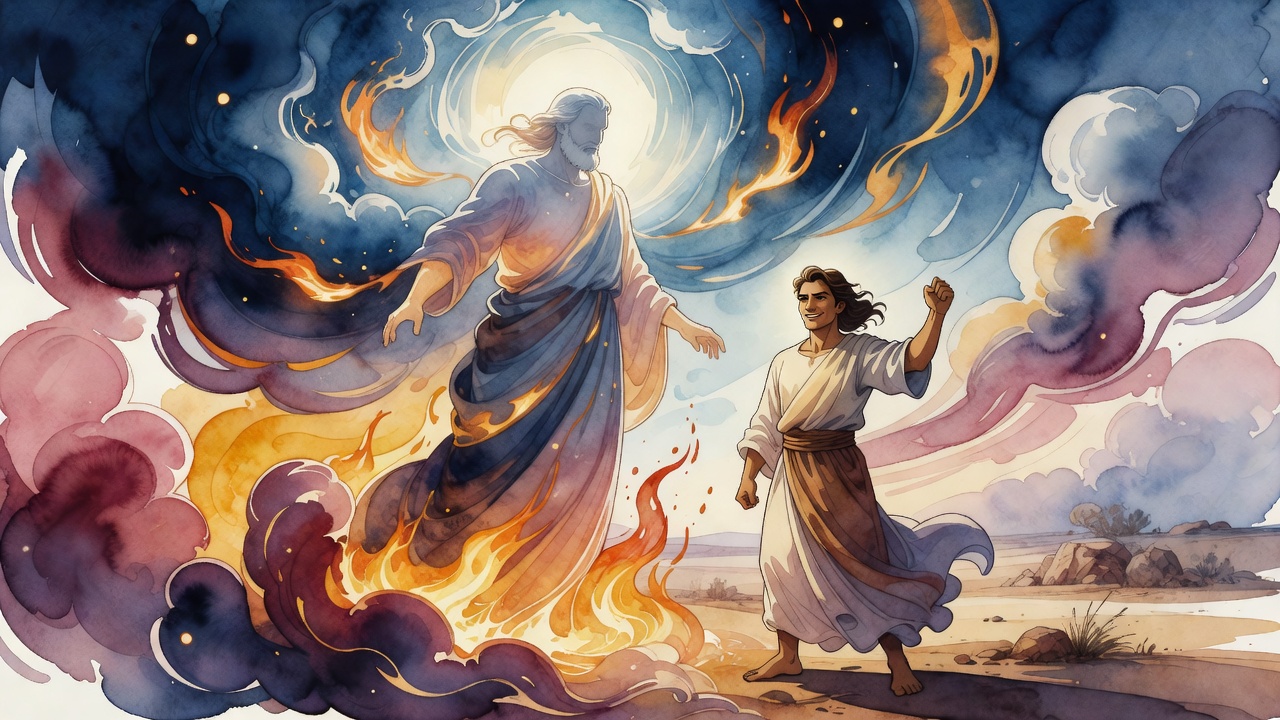
God Put a New Name on Abram
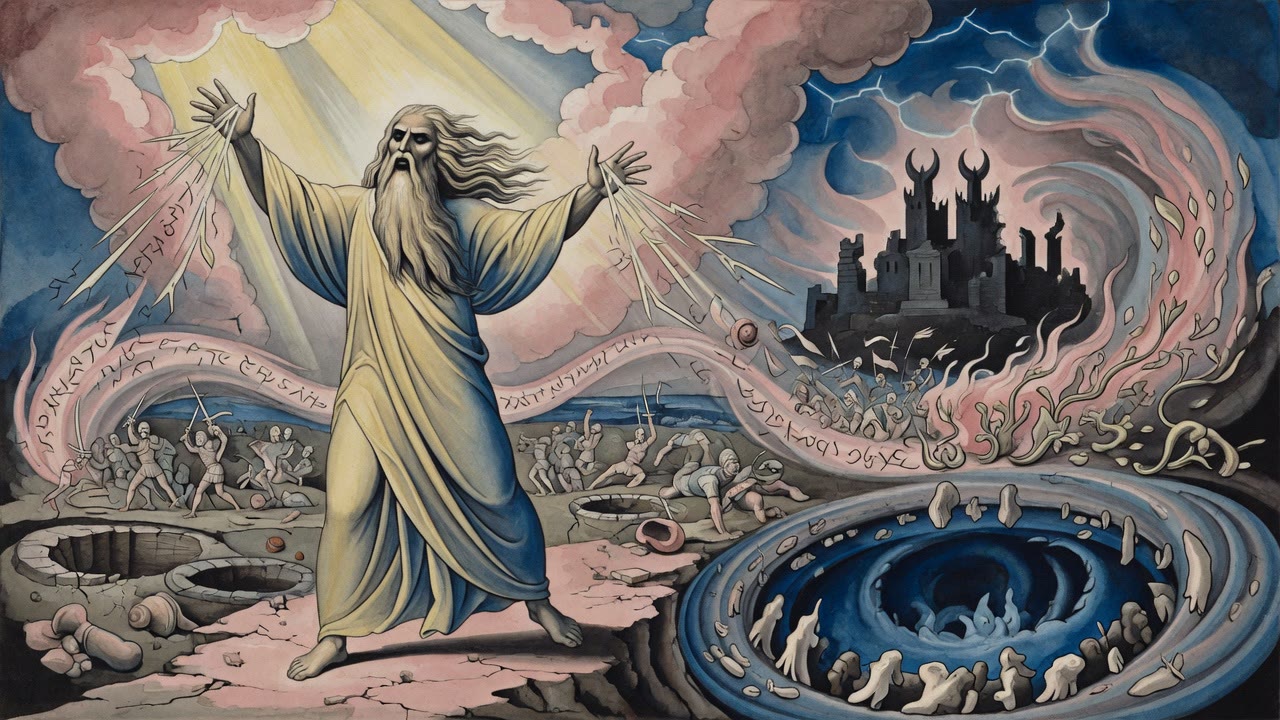
God spoke to a man who had already left his father's house. "Behold My ordinance is with thee, and thou wilt be the father of many nations. Neither will thy name any more be called Abram. But thy name from henceforth, even for ever, shall be Abraham. For the father of many nations have I made thee."
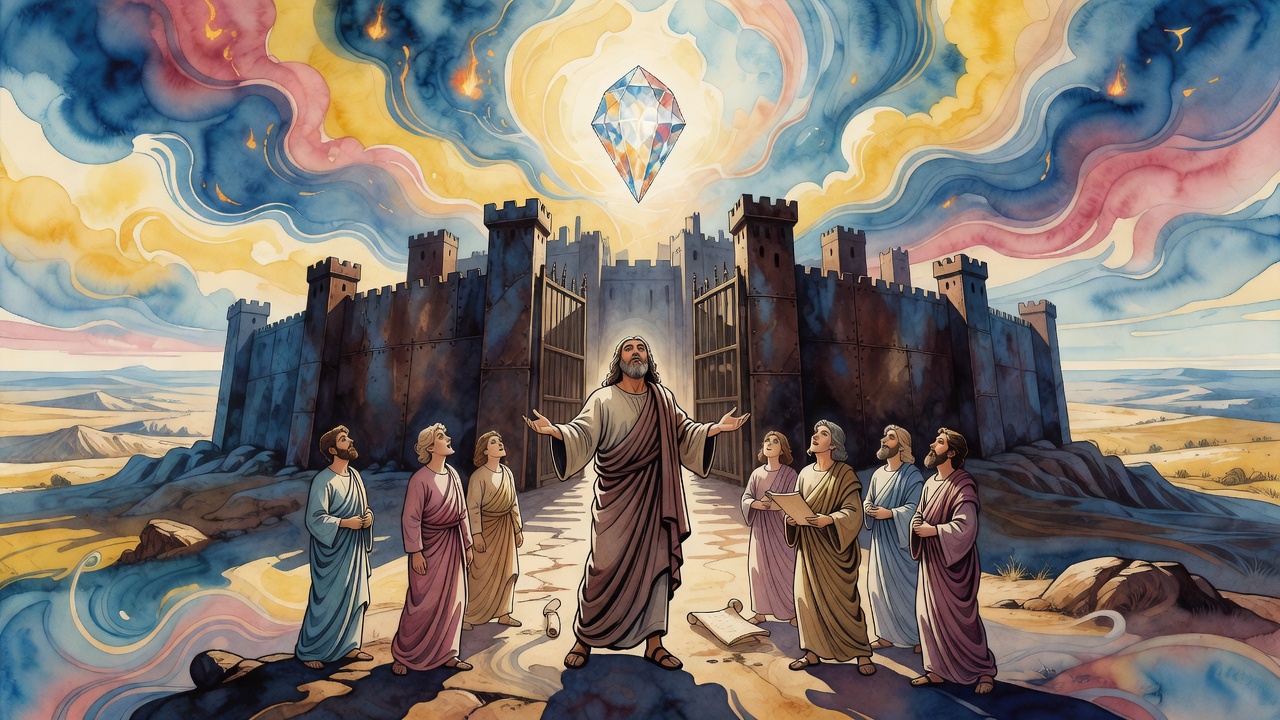
"I shall make thee very great, and I shall make thee into nations, and kings will come forth from thee." The covenant did not wait for the child of promise to be born. "I shall establish My covenant between Me and thee, and thy seed after thee, throughout their generations, for an eternal covenant, so that I may be a God unto thee, and to thy seed after thee."
Abram had walked under a promise. Abraham stood under ordinance. Kings in the future tense already leaned on his shoulders. The old name did not vanish. It was outranked.
He heard the new name the way a man hears a door open behind him. Ordinance is heavier than nostalgia. The house on earth, though, stayed complicated. More than one son. More than one mother. One inheritance that could not be split without war.
Packs for the Road, Not the Field
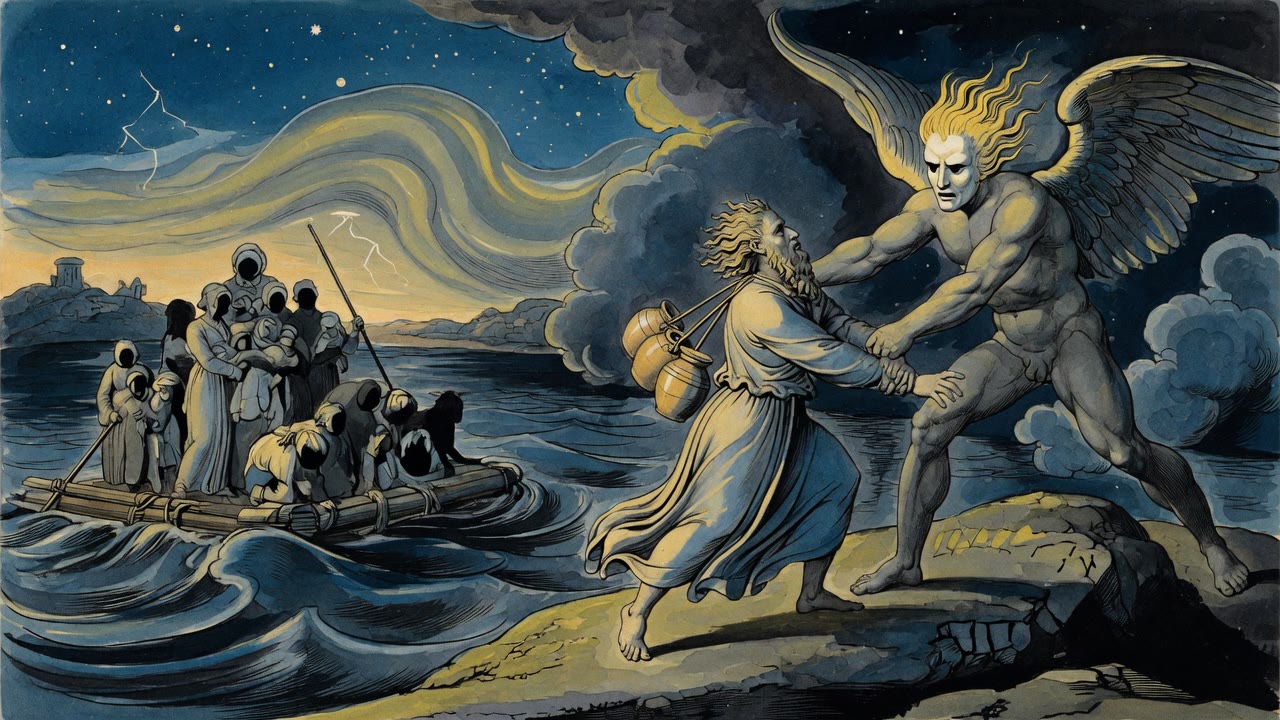
Abraham gave to Ishmael and his sons, and to the sons of Keturah, gifts, and sent them away from Isaac his son. He gave everything to Isaac. Gifts are not nothing. They are not the field, the well, the permanent claim.
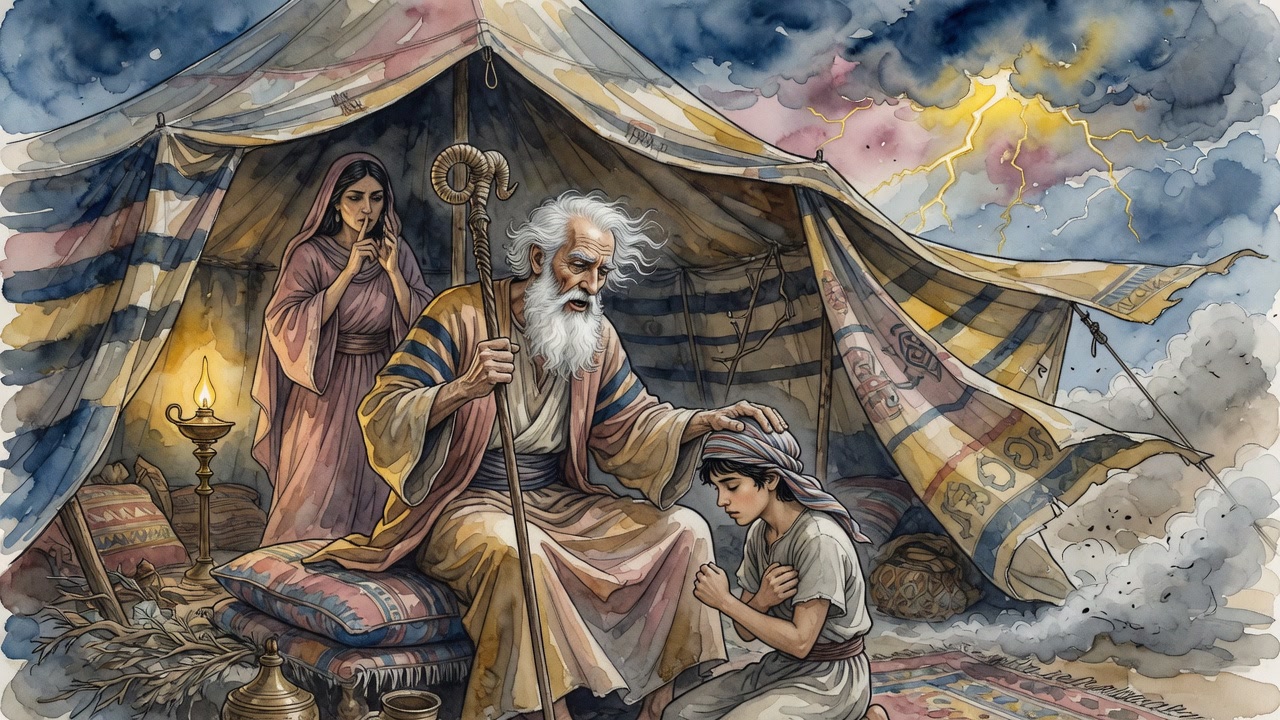
Hands tied cloth over jars. A strap was pulled tight on a pack until the leather creaked. Camels turned their heads toward the east because that was the way the men were already facing. Isaac stayed by the wells. Dust rose between tents that had shared one father's bread.
No sword settled the division. A gift bag and a road did. Abraham would not send his blood into the waste with empty hands. He also would not let two claims sleep on the same ground and wait for the first well to run low.
Ishmael took what was given. Keturah's sons took what was given. Isaac received the rest, which was the land and the oath and the quieter work of remaining.
East From Paran Toward Babylon
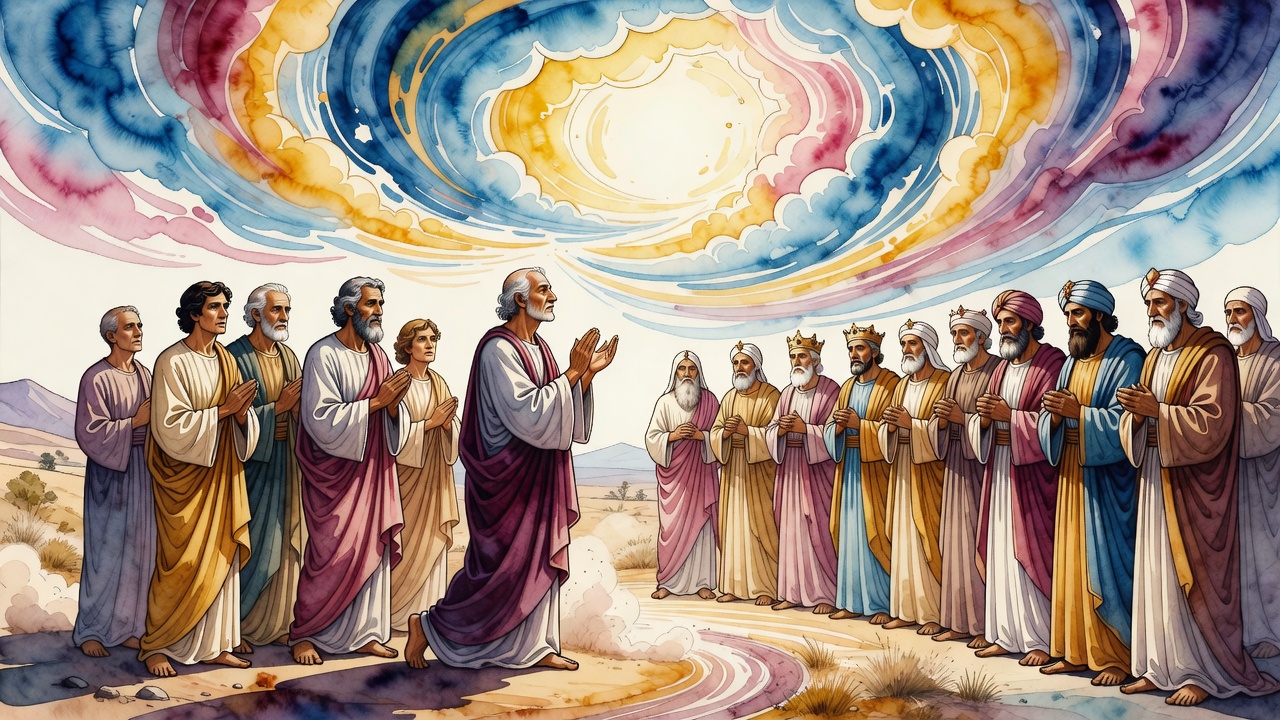
Ishmael and his sons, and the sons of Keturah and their sons, went together. They dwelt from Paran to the entering in of Babylon, in all the land toward the East facing the desert. They mingled with each other. Their name was called Arabs and Ishmaelites.
The east received the brothers the covenant line did not enthrone. God had said Abraham would be father of many nations. The eastward caravan was part of that sentence, not a denial of it. The eternal covenant ran through Isaac. The gifts in Ishmael's packs were the other mercy.
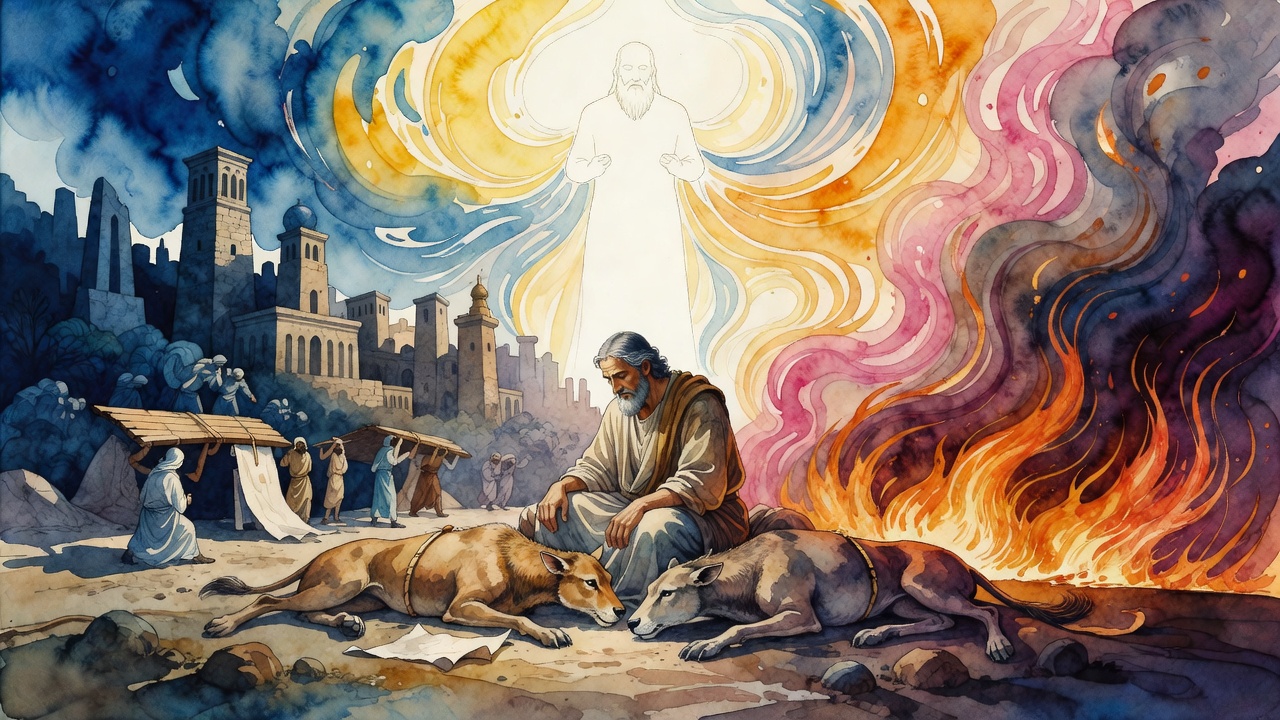
Isaac watched until the last pack animal became a dark stitch on the desert's hem. Abraham did not watch as long. He turned toward the son who remained. The dust of farewell hung a while and then settled on the empty yard.
From Paran to Babylon the desert faced them like a second inheritance. Mingling made a people with two names. Isaac remained in the land of the oath with everything piled behind him, wells and tents and the heavier quiet of being chosen while brothers disappear over a ridge.
Abraham Called the Son Who Stayed
In the sixth year of the seventh week of that jubilee, Abraham called Isaac and commanded him. The sons of the east were already walking. The son of the promise stayed to hear the charge that would shape altars and blood and calendar.
At dawn the eastbound tracks were already half erased. The yard was emptier. The sacks that belonged to Isaac were full. Both facts were true at once, and both hurt.
A father of multitudes had learned how to end a household without ending a bloodline. He learned it with a rename first and a road east second. Two futures walked out of one tent. Only one of them slept in it that night.
The gifts in the eastbound packs clinked once under cloth and went quiet. Isaac would hear that sound later, whenever wells ran low and brothers seemed easier to invent than to keep. Abraham had already turned to the work of teaching the son who stayed how to live under an eternal covenant without confusing love with equal shares.
Multitude and primacy shared his blood. Only primacy shared his tent. The ordinance stood. The dust settled. Kings would still come forth from him, and some of them would not drink from Isaac's wells.
← All myths