Abraham Walked Out of Ur Alive Through Fire
Ten years in prison, then the furnace. Angels reported each stage. God refused to act until the flames actually closed around Abraham.
Table of Contents
 Click for full size
Ten Years Behind Bars
Our father Abraham did not stroll easily toward his calling. Rav taught that he spent ten years in prison before God ever spoke the famous command to go forth. The place names have blurred across the centuries. The cost has not. Faith bought him years without open sky.
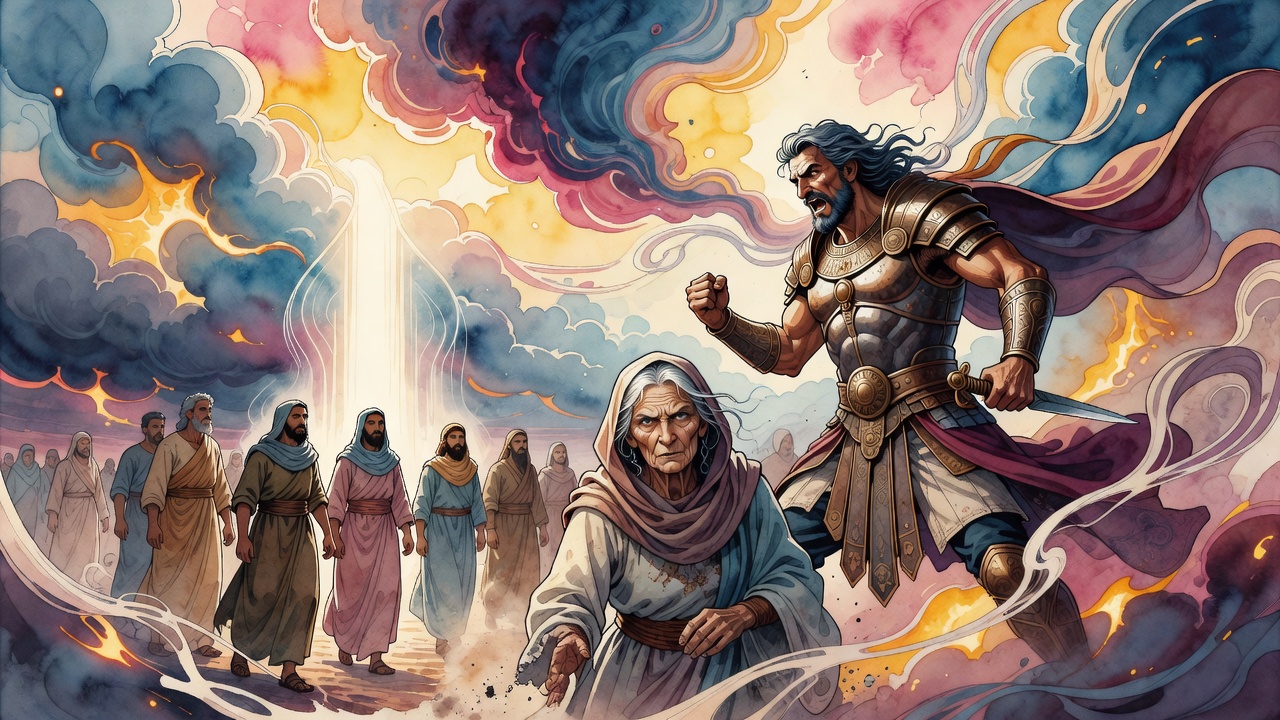
Ordinary patrons make big promises and vanish when the judge calls a name. A man finds a powerful friend who swears to stand surety. When that man is seized, dragged before a court, and marched toward death, the patron is conveniently absent.
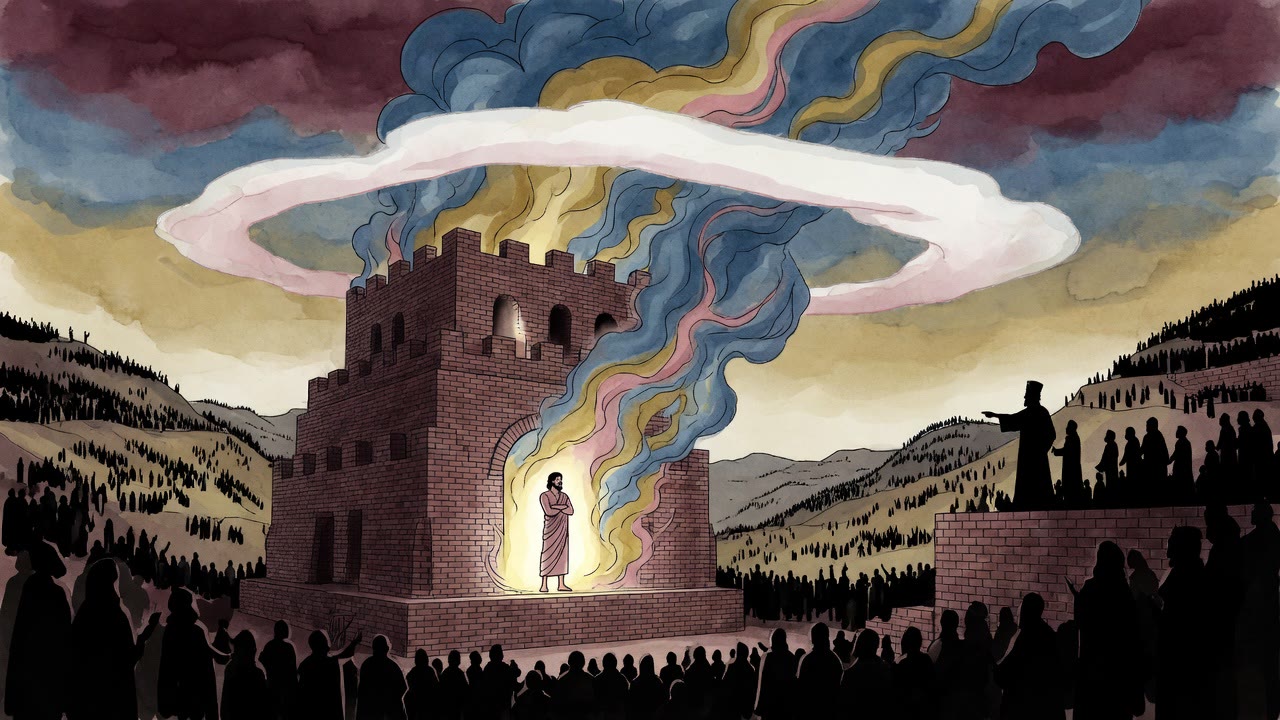
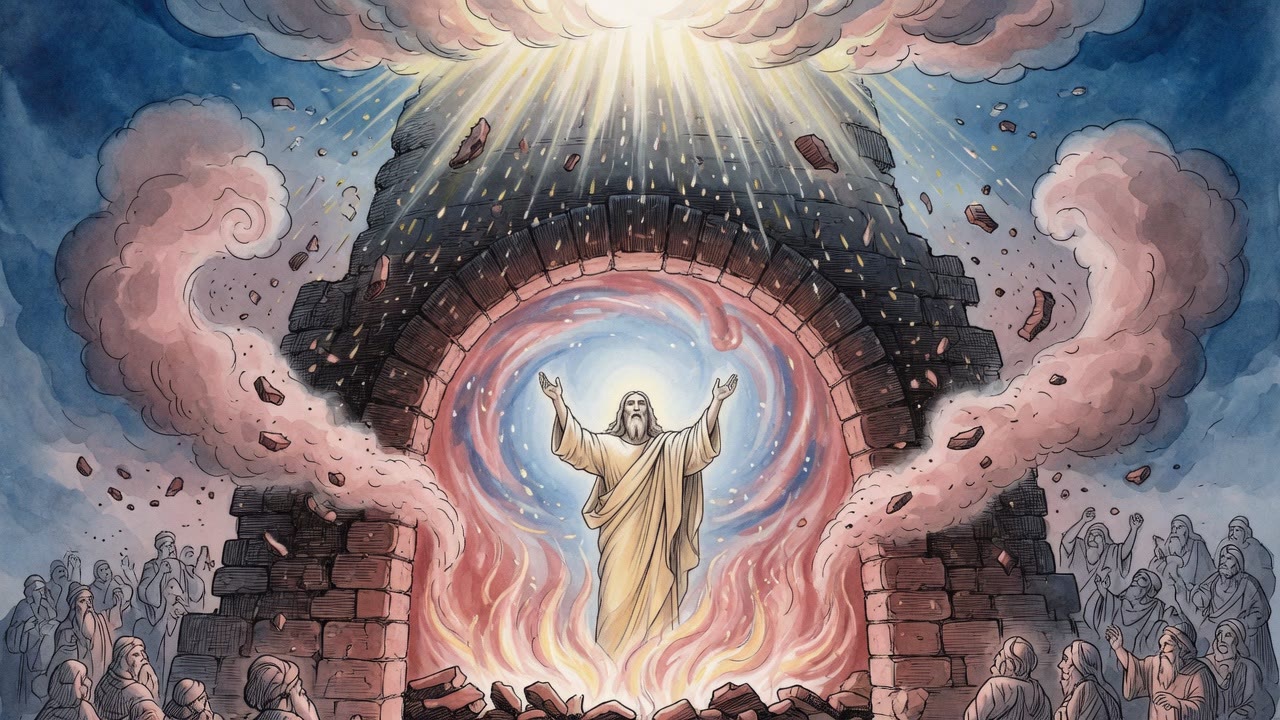
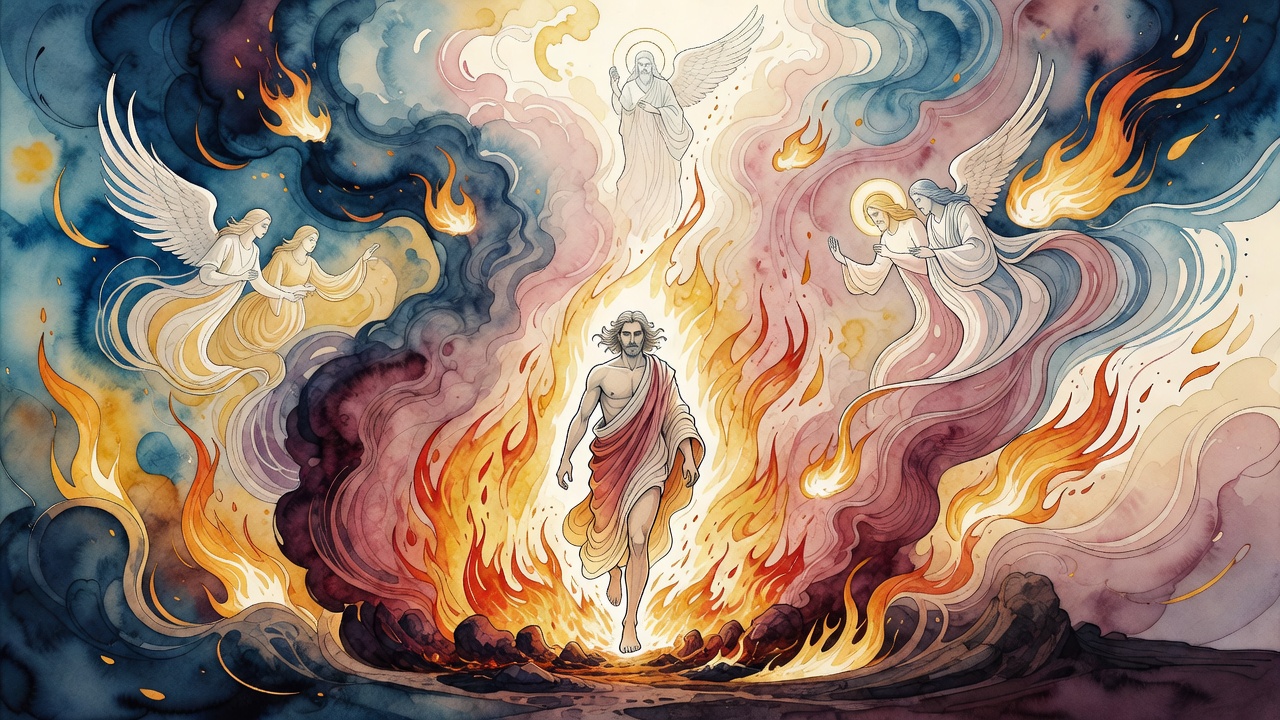
The Holy One works the opposite way. When the angels reported that Abraham had been arrested, God answered, I stand surety for him. They pressed harder: he stands before the king, his accusers are being called, he is being led to the fire. Each time the answer held. Only when Abraham was actually thrown into the burning furnace did God act, descending in person to pull him out.
The Furnace Opens
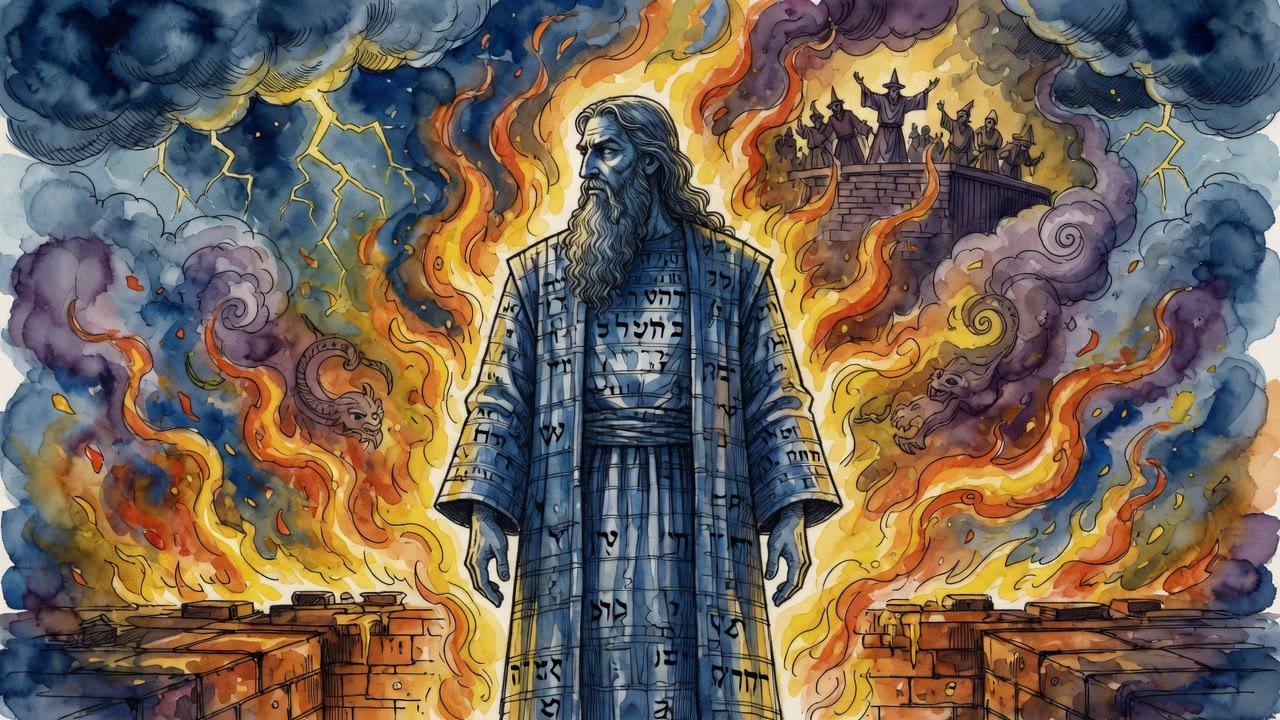
Flames rose around a body that refused to bow. The midrash does not linger on the fuel or the king's rage. It lingers on the moment Heaven finally moved. "I am the LORD who brought you out of Ur of the Chaldees" (Genesis 15:7) becomes a rescue receipt, not only a travel note.
A patron worth trusting is one who shows up at the furnace, not before it. Early rescue would have been kinder to the nerves. Late rescue proved the surety was real.
Abraham walked out alive. The first of seven wonders the sages would later line up from that day to the last kings of Judah began in those flames.
The Fragrance God Smelled
When God smelled the pleasing aroma of Noah's altar, the sages say He was not only smelling roasted offerings. He was breathing in something that would rise from human beings in ages to come. He smelled the fragrance of Abraham climbing up out of the fiery furnace, and He smelled the fragrance of Hananiah, Mishael, and Azariah rising from their own furnace rather than bow to an idol.
A parable makes the match plain. A man beloved by a king once honored him with a beautiful gift on a beautiful platter. Years later the man's grandson brought a gift of his own. The king said, this gift of yours is just like the gift your grandfather brought me. The scent was familiar. The generations matched.
Abraham was the grandfather's gift. The three young men in Babylon were the grandson's, the same offering on the same platter. Across the ages, readiness to give one's life for the sanctification of the Name smells the same to God, and it is the most pleasing fragrance of all.
Seven Wonders on One Thread
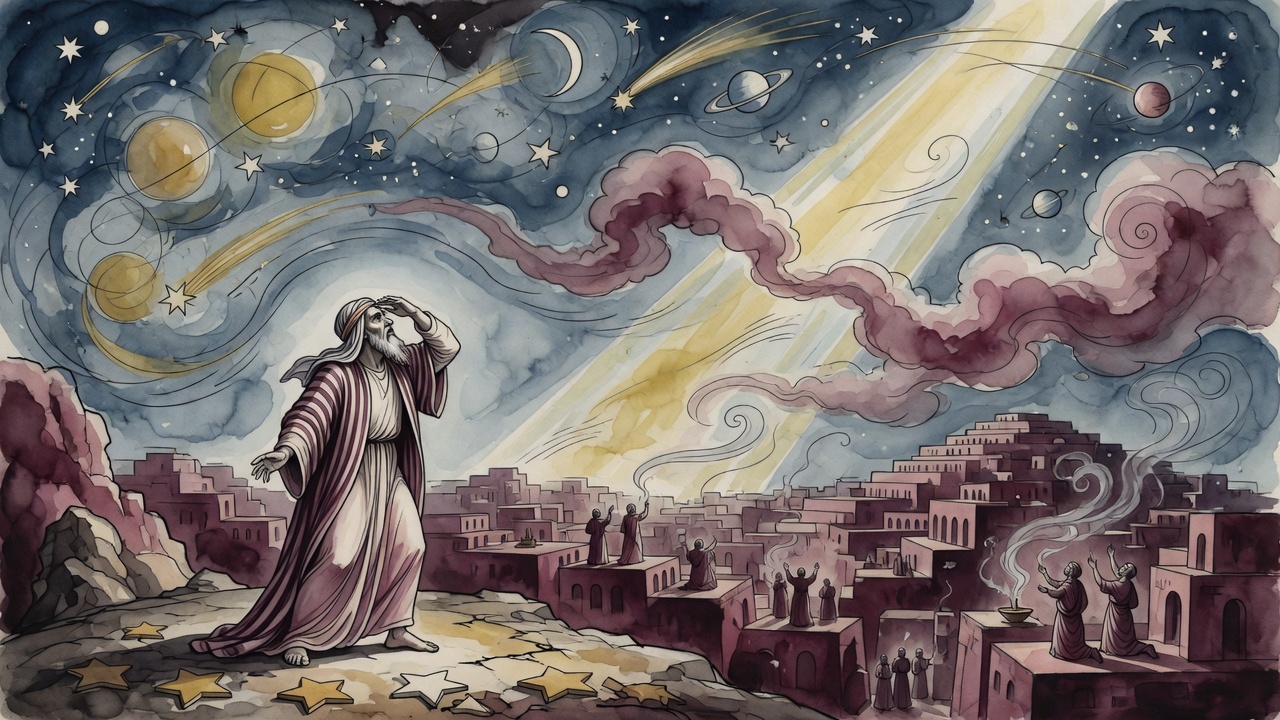
The sages gathered seven moments when the rules of the world bent. Abraham walking out of the furnace. Sarah at ninety nursing a child while skeptics watched. Gray hair invented so age would show dignity. A sneeze that once meant death until Jacob begged time to bless his sons. Israel crossing the sea on dry ground. Joshua freezing sun and moon for thirty-six hours so battle would not desecrate the Sabbath. Hezekiah recovering from a fatal illness and choosing the harder sign, the shadow climbing backward on the dial of Ahaz.
The last wonder ends in caution. Hezekiah's pride in flaunting Temple treasures and tablets to Babylon's envoys earned the verdict that those treasures, and his own descendants, would one day be carried off. Wonder is not a blank check.
Surety at the Last Second
Prison, accusation, march, fire, and only then the descent. The pattern teaches a hard patience. Heaven does not always spare the approach of the furnace. It claims the right to arrive inside it.
Abraham's living body and the later aroma of the three in Babylon are one continuous smoke rising from the same platter. The world keeps inventing new fires. The midrash keeps answering with the same scent.
When the next surety is tested, the question is not whether angels have already filed a report. It is whether the Patron still refuses to be the kind of friend who vanishes when the irons close.
After the Smoke Cleared
When Abraham came out of the furnace, the midrash does not give him a long speech. The world had already spoken by failing to burn him. Later ages would line up wonders on the thread that began there, but the man himself still had to walk into years of travel, famine, war, and a promise that moved like a horizon.
The angels who had reported each stage of his arrest learned something too. Their reports did not force Heaven's hand early. Surety is not the same as prevention. Surety is presence at the point of no return. A patron who arrives only at the flames teaches a harder trust than a patron who never lets the trial begin.
Noah's altar and Abraham's furnace and the three in Babylon share a scent because each is a body offered rather than a formula recited. God smells willingness, not the chemistry of wood. The parable of grandfather and grandson keeps the line from becoming a single hero's monopoly. The same platter returns in every generation that refuses to bow when fire is the price of standing.
Hezekiah's backward shadow closes the list with a warning. Wonder can feed pride. Treasures shown off to envoys become treasures carried away. The furnace that saves can be remembered as glory or as debt. Abraham's ashes-and-dust name later in the tradition chooses debt. He calls himself by the deaths he escaped, and Heaven turns that humility into atonement for children not yet born.
← All myths