Abraham's Yes Held the World from Collapse
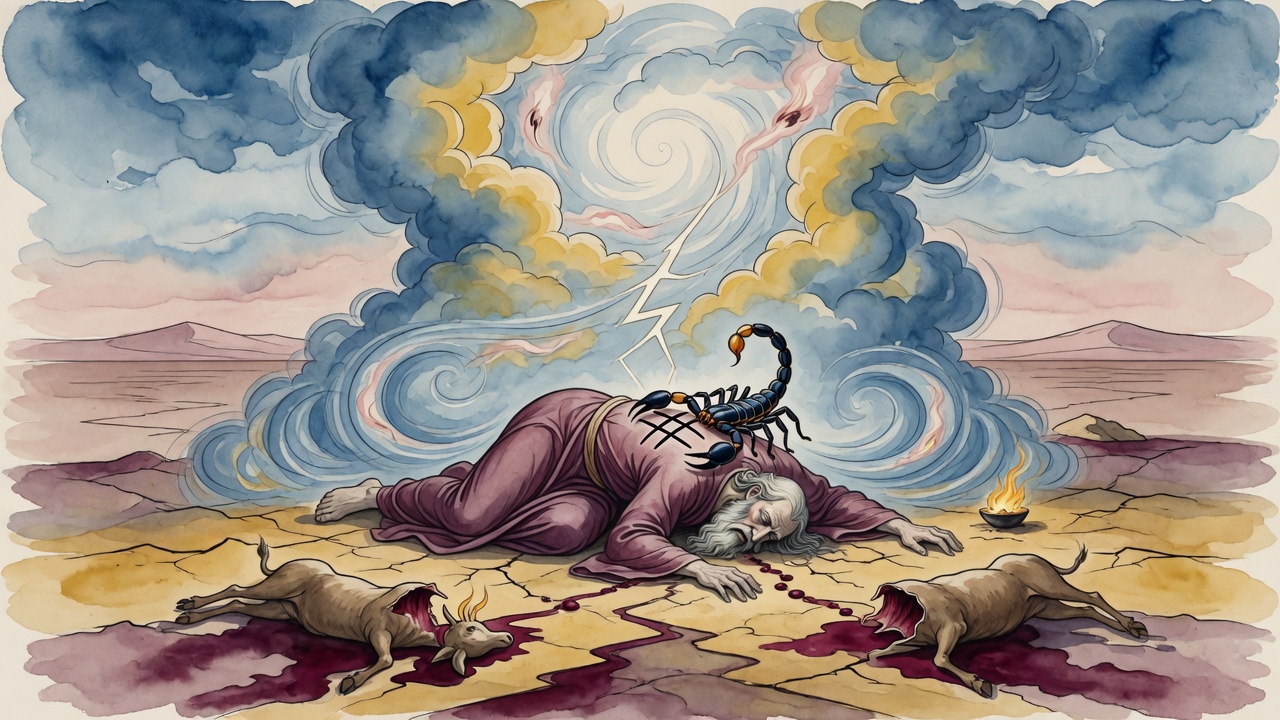
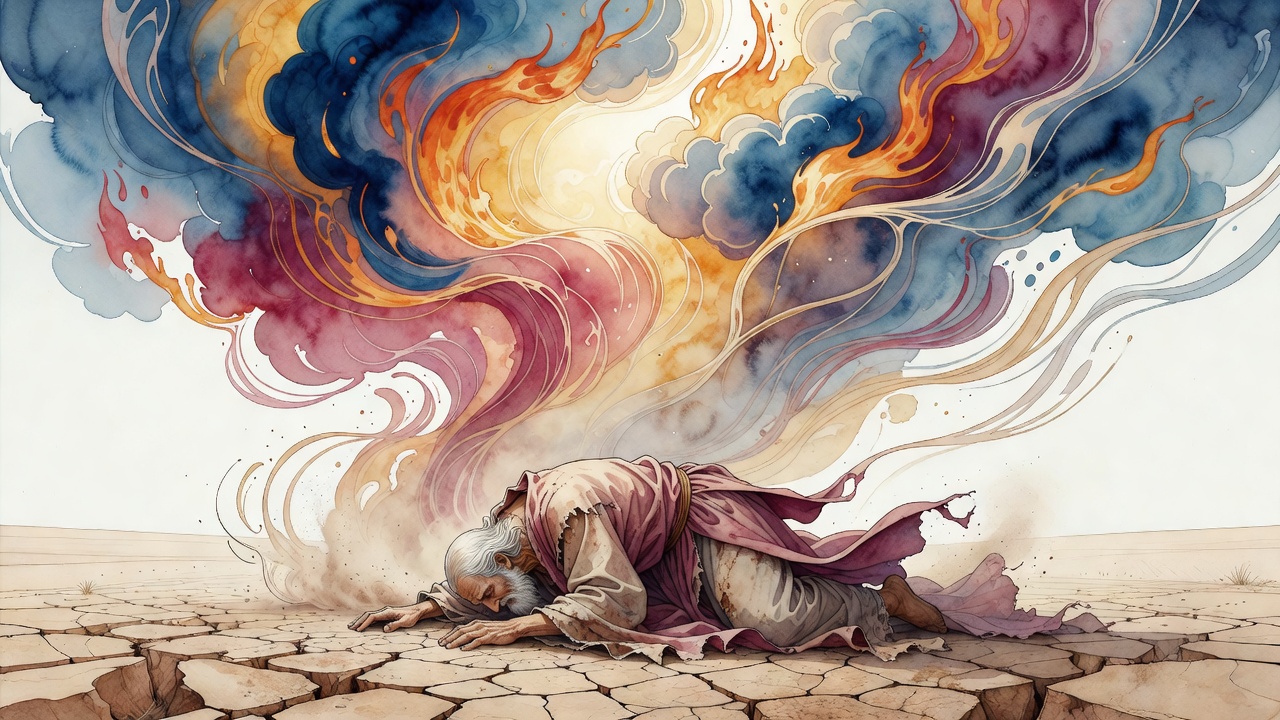
God had waited twenty generations. At ninety He said the world would fold into empty waste if Abraham refused the cut. Abraham took the knife.
Table of Contents
Abraham was ninety when the warning came. God had turned twenty generations since the shaping of the world, waiting for one man to take the covenant of circumcision. Now He said the rest of it.
 Click for full size
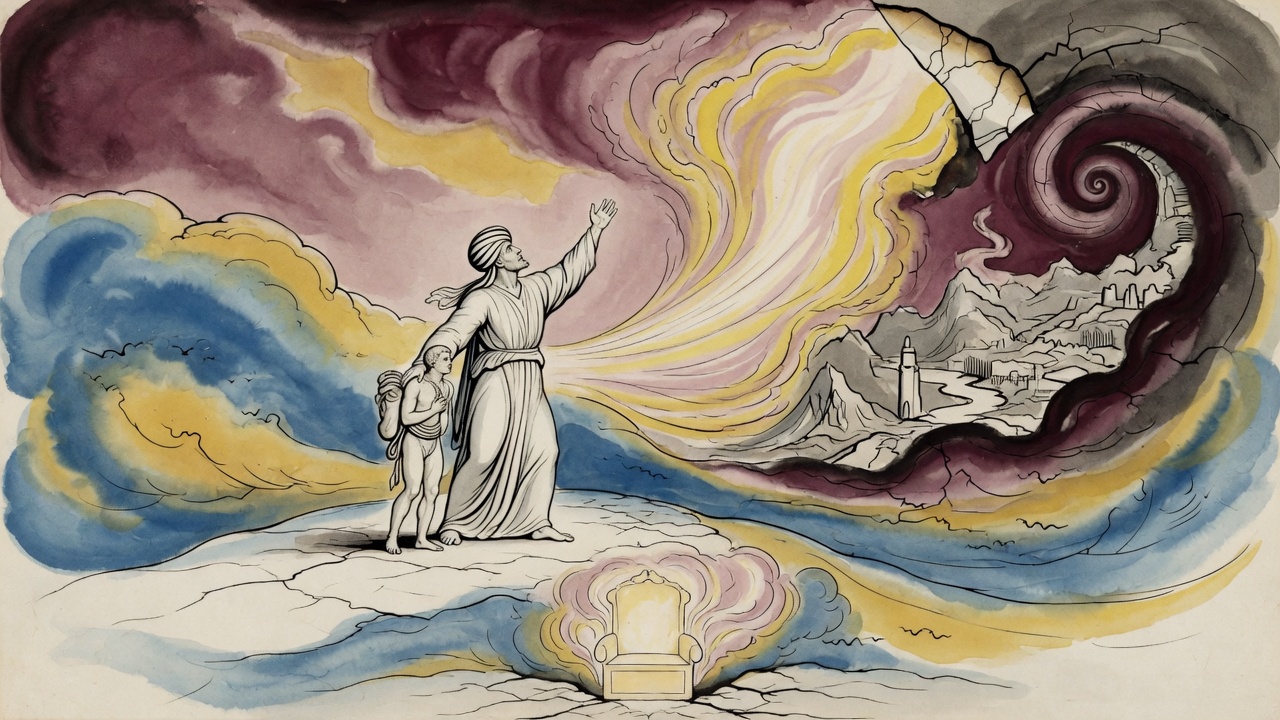
"If you refuse, it is enough that the world has stood until now. I will fold it back into tohu va-vohu (תהו ובהו), waste and void, and I will not need it."
A Flask in a Graveyard
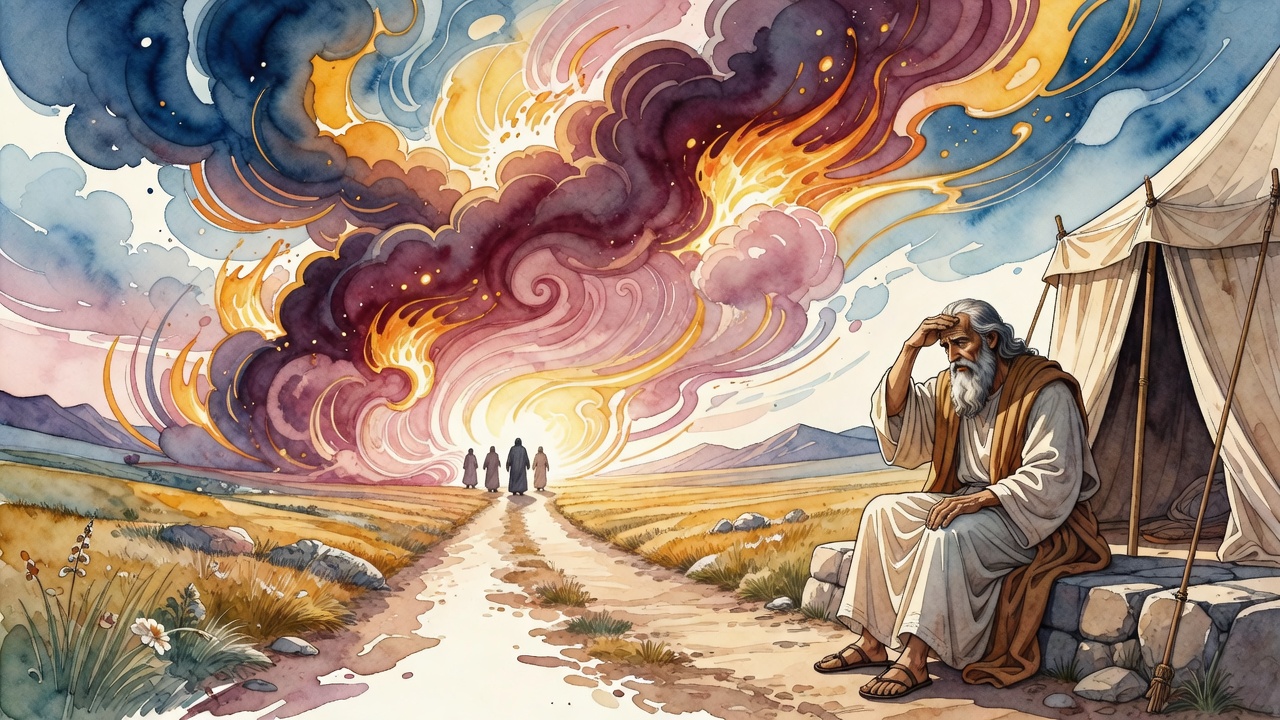
Before the knife there had been a road out.
Abraham sat among idolaters like a flask of balsam set in a tomb. The perfume was sealed. No passerby knew what sweetness hid among the dead who called a block of wood "my father."
The Holy One said, "Why do you sit among the wicked with your goodness buried? Go forth. Let your deeds fill the world with scent."
The call was not only travel. It was extraction. Forget the house that worships wood. Leave the graveyard so the flask can open. A sealed bottle among corpses does no one any good. Abraham walked. Distance became the way the scent traveled. The King who wanted beauty pulled him out of a town that named timber father, and the road did what argument inside the tombs would not.
Enough Could Have Meant the End
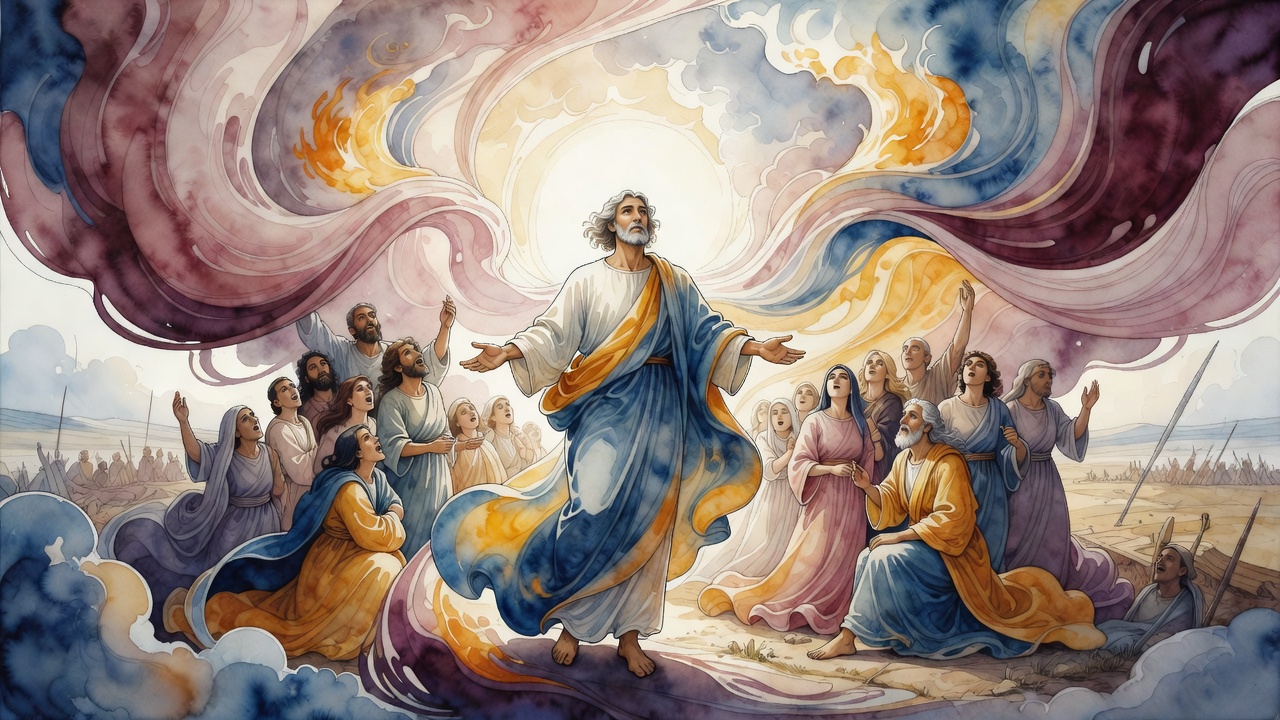
God spoke the Name El Shaddai (אל שדי). Inside it lives dai, "enough." Enough can mean the end. Enough can mean two are sufficient to hold what one cannot.
"If you take this upon yourself," God said, "then it is enough for the world. I and you."
Abraham heard both meanings in the same Name. Refuse, and the wheel stops. Accept, and a ninety-year-old man's flesh becomes the counterweight that keeps chaos under seal. Twenty generations of patience stacked behind one sentence. The void was not a figure of speech. It was the first dark, offered again as a real option.
Abraham said yes. He took the cut. The world kept breathing. The knife was small. The thing it held up was not.
He Called the Captive Brother
Later the herdsmen of Abram and Lot quarreled. The land could not hold both flocks. Strife was real. Grass and wells had already done their damage. A lesser man would have stored the grievance like dry tinder and let it wait for a match.
Word came that Lot had been taken captive. Scripture still says Abram heard that his brother was taken. Lot was a nephew, son of Haran, not a brother by blood. Abraham did not let the old fight rename him. He had said, "We are men who are brothers," before the quarrel. He said brother still after it.
The man who held creation by covenant also held a nephew by the name he refused to drop. Property fights do not cancel blood when chains close on a relative.
The Household Rode for Lot
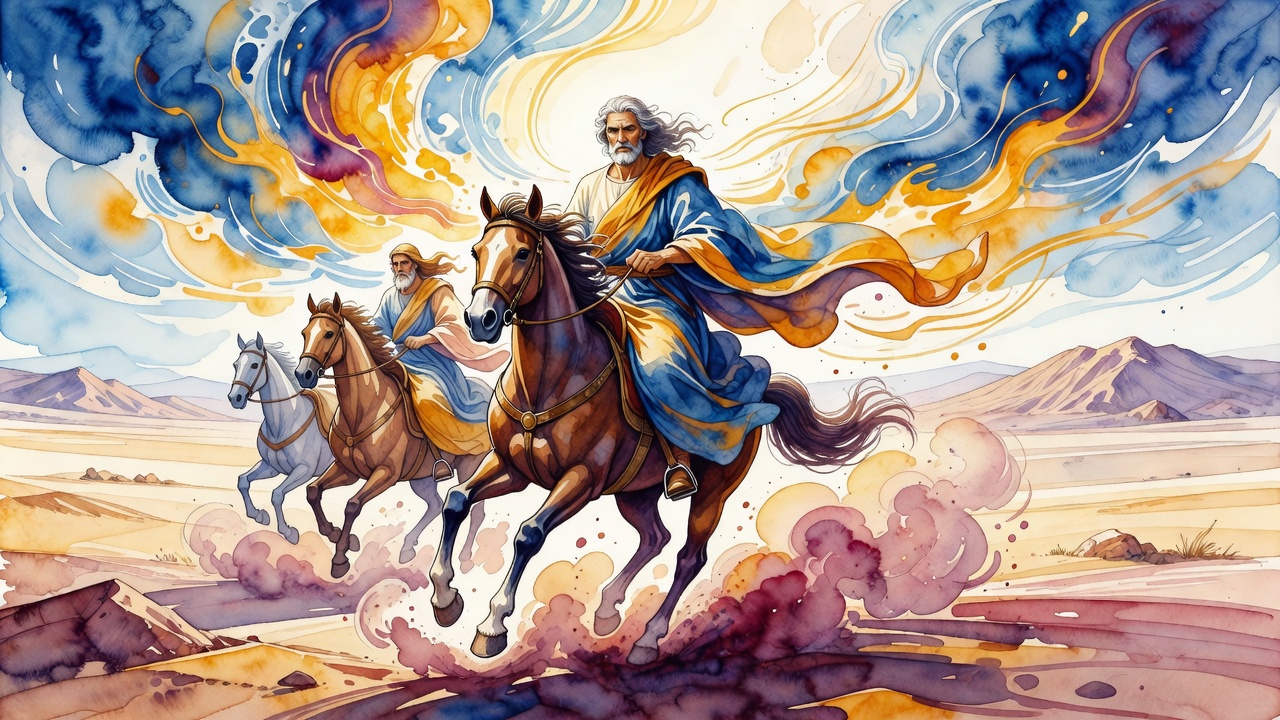
Abraham armed the men of his house and went to war for the one who had once shared his tension over grass. He did not send a servant with a message. He rode.
Lot came home. The quarrel stayed in the past tense. Chaos stayed folded because a man had said yes when enough could have meant the end, and because that same yes did not stop at his own skin. It went down the road after a captive and brought him back.
Leave the idol house so goodness can be smelled in the open. Accept the cut that keeps the deep under seal. Call the captive brother after strife and ride to free him. Abraham's yes covered all three. The flask left the graveyard. The world did not fall back into first waste. The nephew slept inside the tents again, still named brother.
← All myths