Adam Hides in the Trees When God Asks Where He Is
The ox took its name and walked on. When God asked where Adam was, the answer came from the trees and pointed at Eve.
Table of Contents
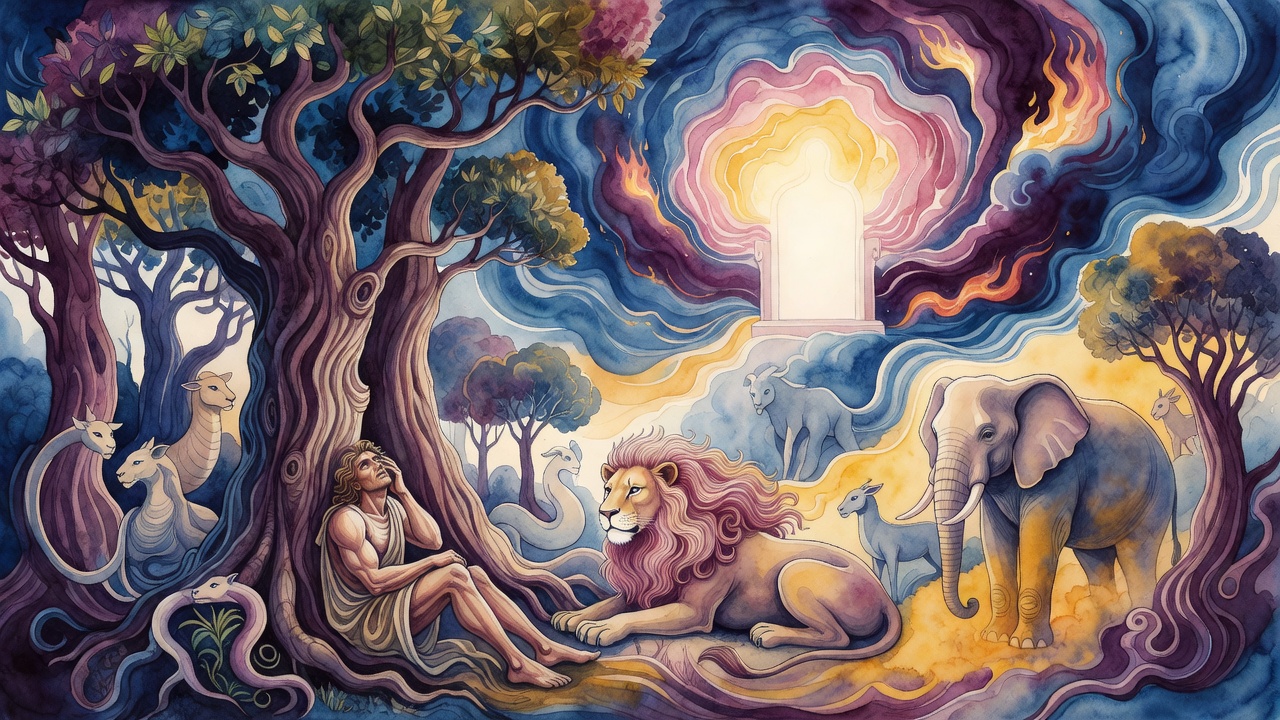
Adam stood in the garden while the beasts filed past him one by one. He spoke a name, and the creature wore it. Horns, hooves, wings, scales. Each name fit. Each name left him alone.
 Click for full size
He could feed a lamb. He could point a bird toward a branch. Nothing that passed looked back with a will that could carry his weight.
The Parade That Would Not Answer
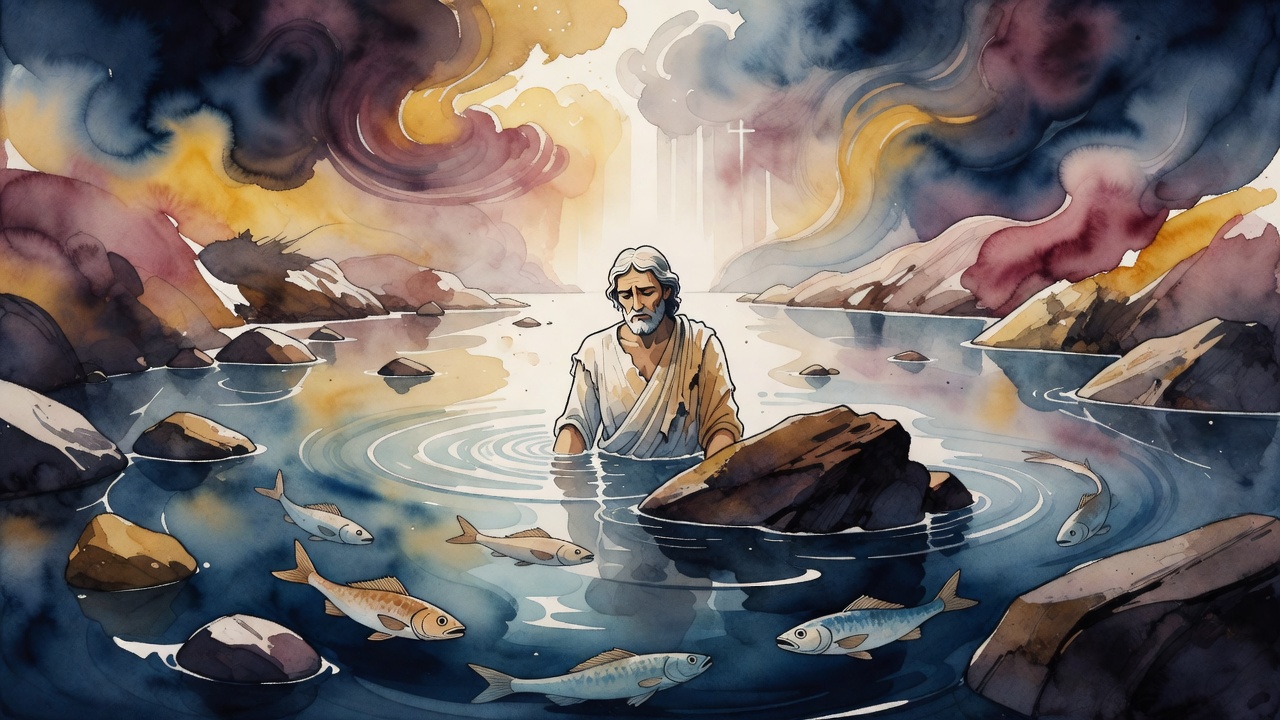
God had already spoken of making a help for the man. Then the cattle and the beasts of the field were formed out of the ground and led before him, as if the answer might walk on four legs (Genesis 2:19). Adam watched, and named, and the gap widened. An ox could pull. A dog could follow. None could stand face to face with him and share the work of keeping the garden.
He held out a handful of grass. The ox took it and did not look up. He called to a bird. The bird took the branch and did not call back. He wanted a partner who would take help and give it, even if the gift was small. The file of animals kept moving. None stopped to share the work. The garden was full of life and empty of an equal.
Only after the long failure did sleep take him. From his side came bone and flesh shaped into a woman who could answer when he spoke. Eve opened her eyes into the same light he knew. Now there were two who could give and receive, not one keeper and a herd.
Naked Without Shame
They walked without covering and without the flinch that covering later taught. Their attention ran toward the voice that moved in the garden and toward each other as workmates, not as bodies to be measured. Skin was simply skin. No leaf, no stitch, no hide.
Then the fruit went into the mouth, and knowledge of good and evil cracked open behind the eyes. Skin became a surface that other eyes could judge. They sewed fig leaves with hands that shook and backed away from the open paths where the Presence used to meet them without a barrier.
Ayeka
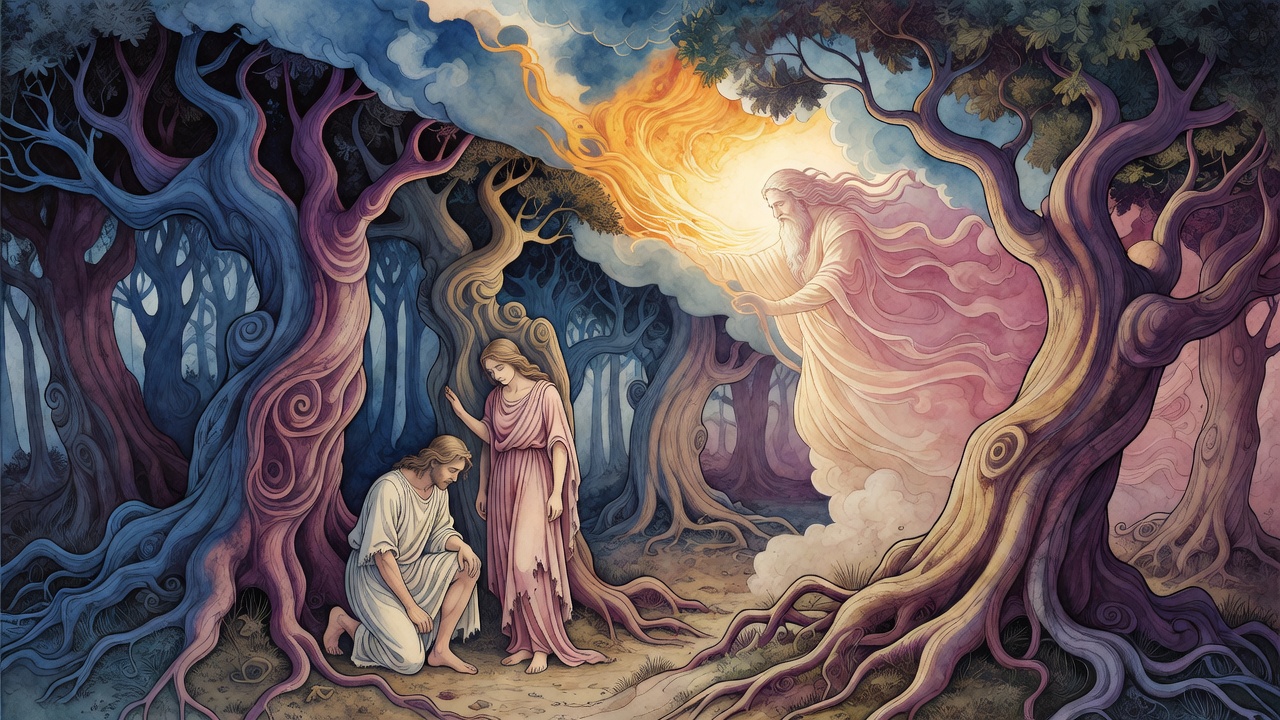
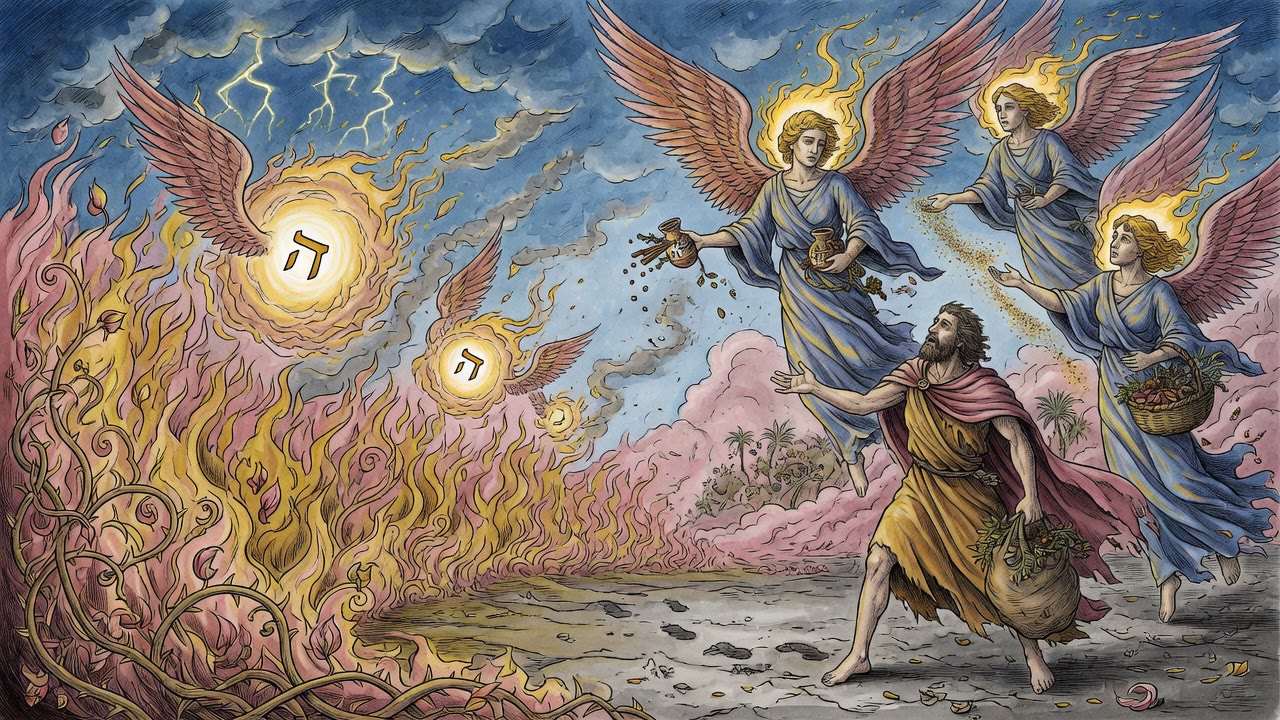
They heard the sound of God moving in the garden in the wind of the day. Adam pulled Eve deeper among the trees. Leaves stuck to sweat. Hiding is hard work when every trunk in the wood was made by the One looking for them.
Then the call came across the garden. Ayeka (איכה). "Where are you."
Heaven already knew the bush, the leaf, the pulse in Adam's throat. God asks anyway. The question hangs long enough for a man to walk out of the leaves on his own feet. Nothing in the garden moved. Adam hides. His wife's arm is against his. He does not come out.
He answered from inside the thicket instead. He had heard the voice, he said, and he was afraid because he was naked, so he hid. Fear had a new grammar. Nakedness, which had been a plain fact that morning, had become a reason to run.
The Question That Never Reached Eve
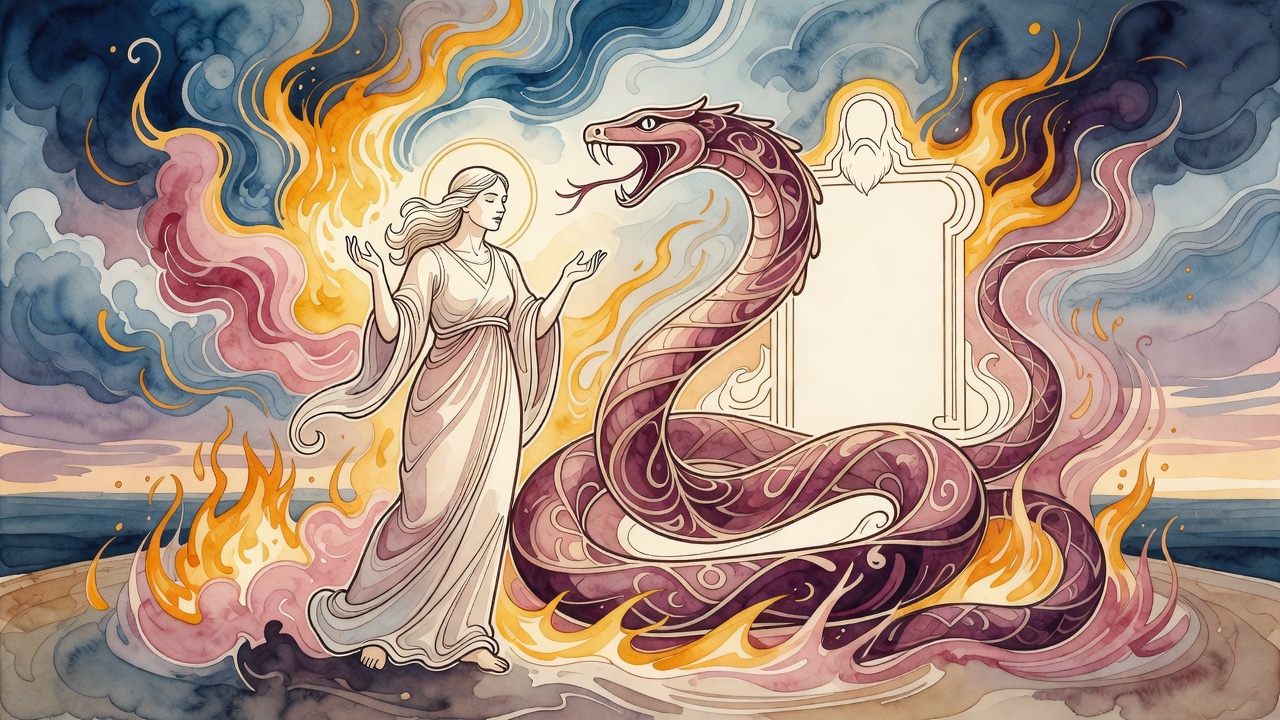
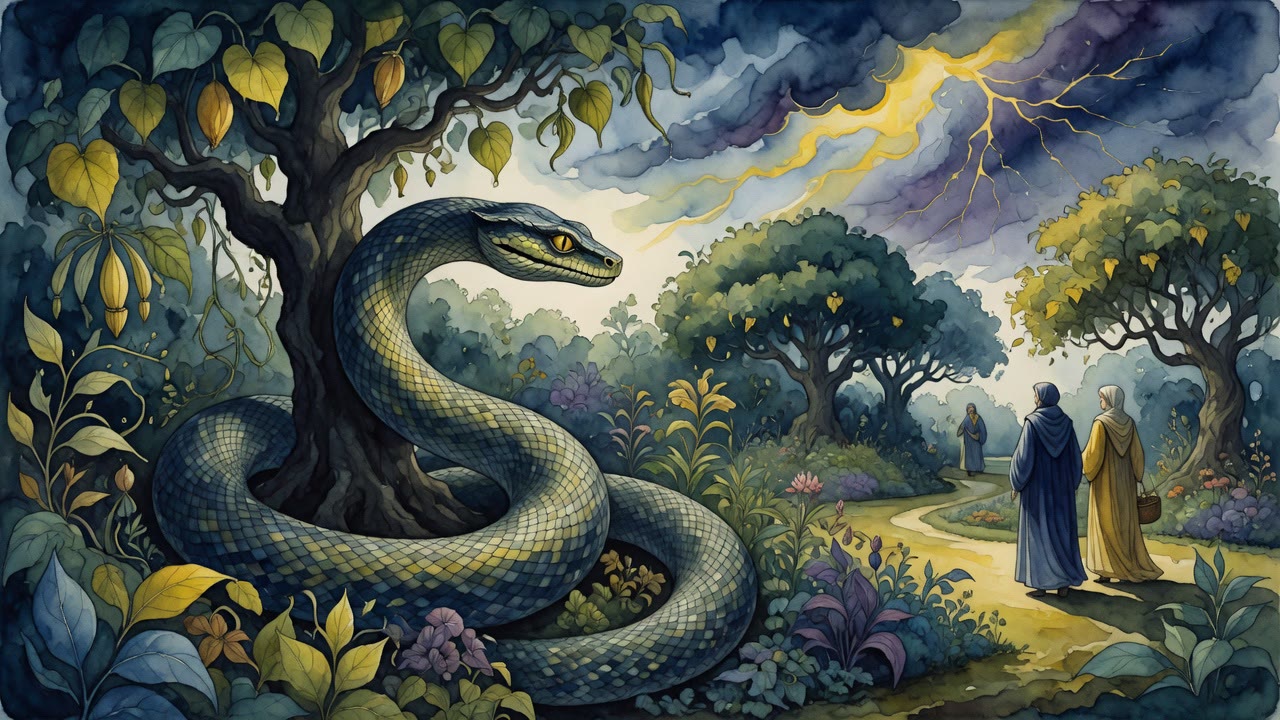
Those words never went to the woman. Adam was called and Adam answered, and when he opened his mouth he pointed at her. The woman God had given to be with him had handed him the fruit, and he had eaten. Only then did God turn and put a different question to Eve, not where she was but what she had done (Genesis 3:13). She pointed at the serpent.
Two had been shaped so that each could be helped and each could help. Under the first hard light of guilt they became witnesses against each other. The parade of beasts had failed to produce a partner. The partner, once made, was the first thing Adam gave away.
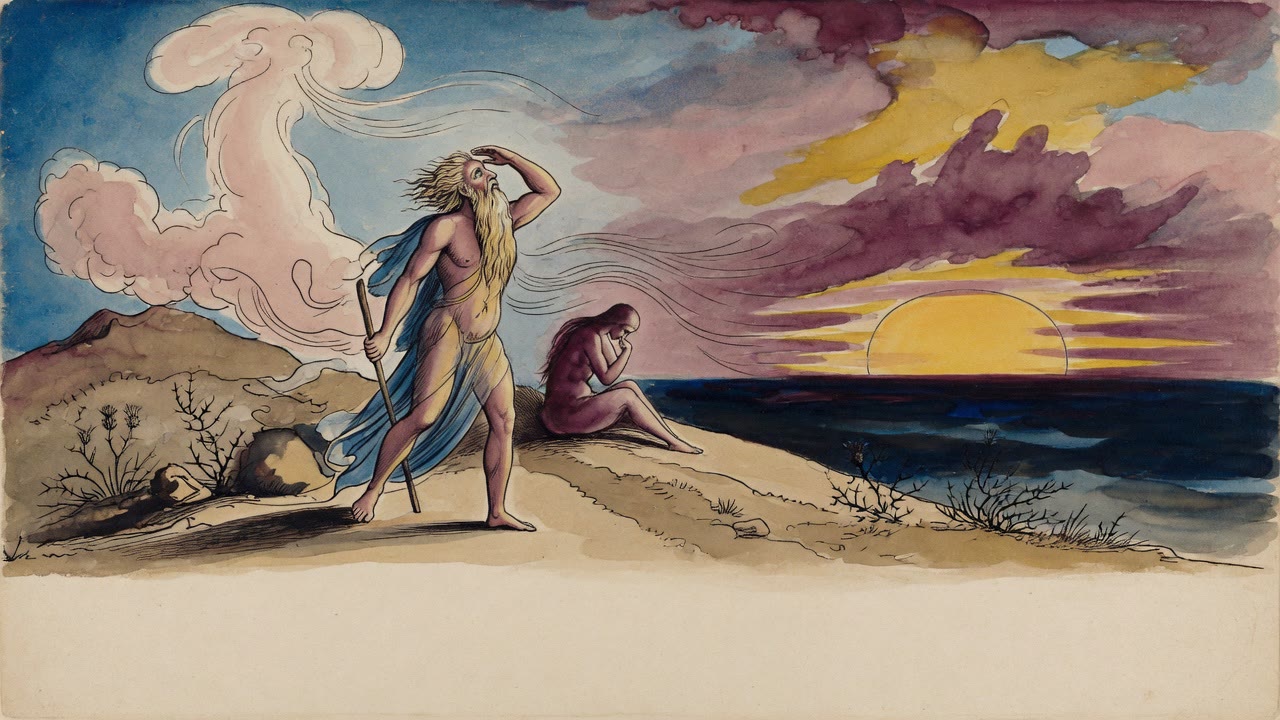
They left the garden with skins on their backs instead of leaves, and the trees they had used for cover stayed exactly where they were.
← All myths