Akiva Said Prepare Yourselves for Calamity
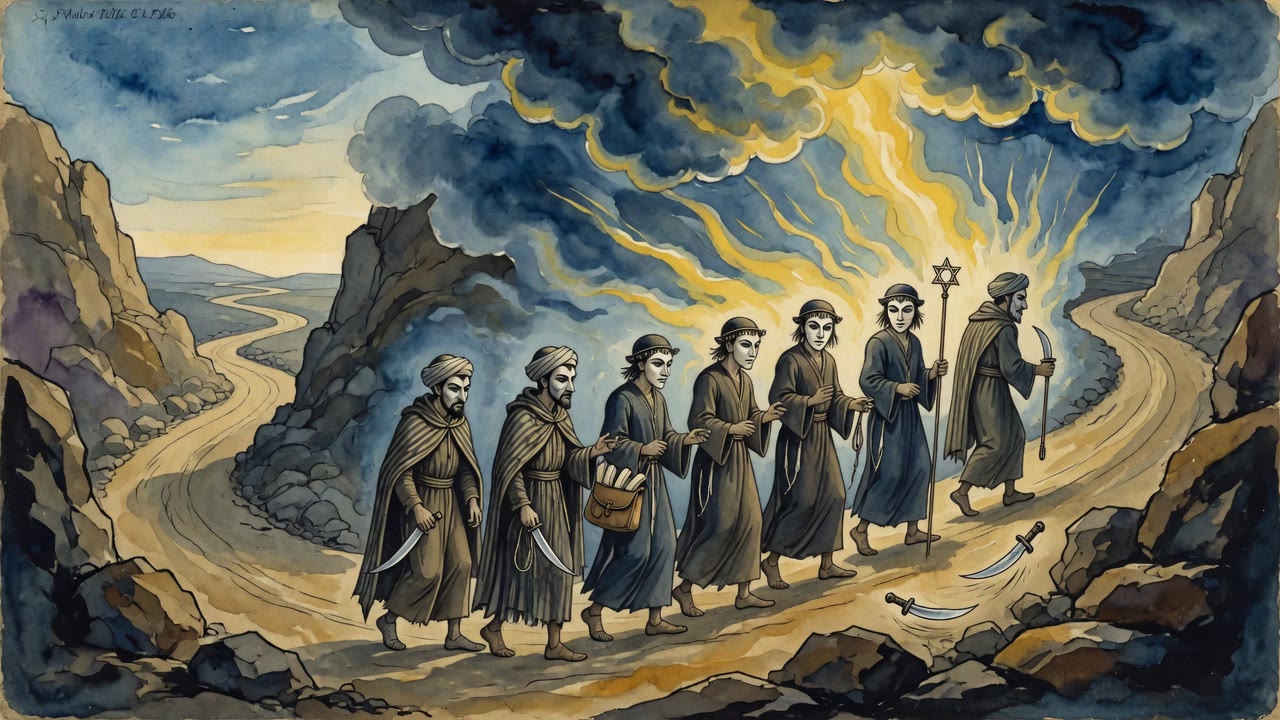
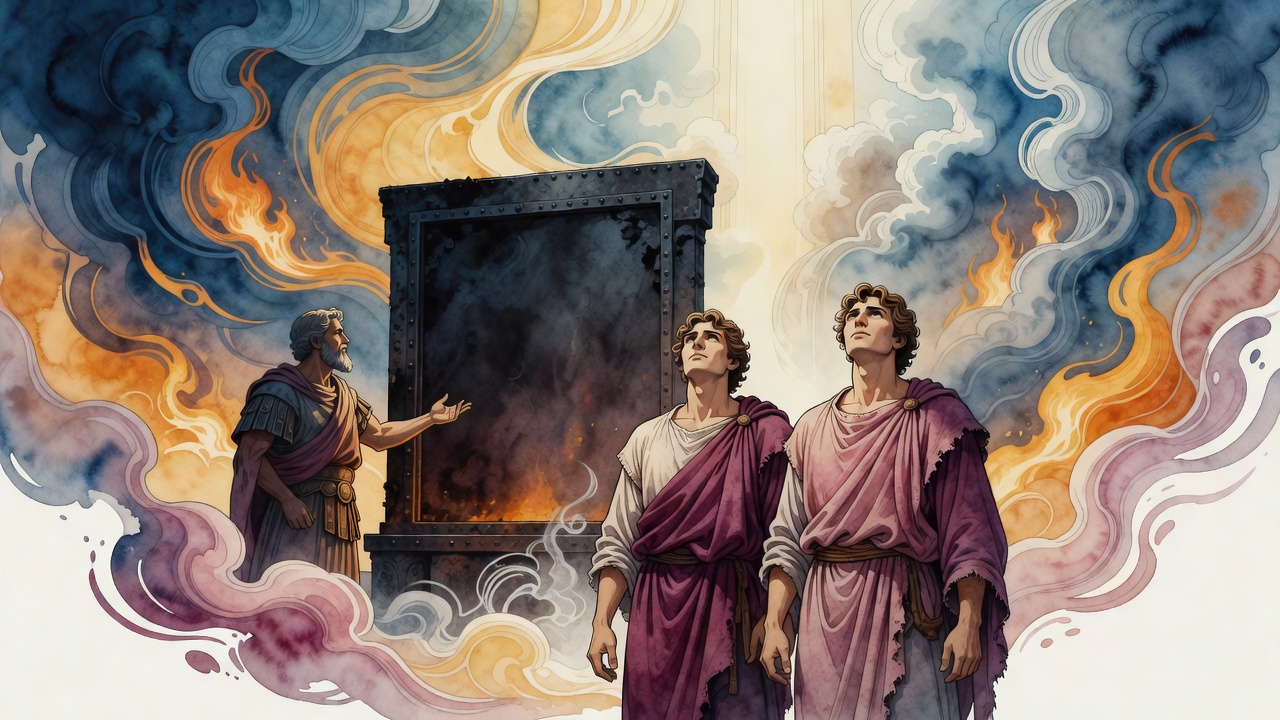
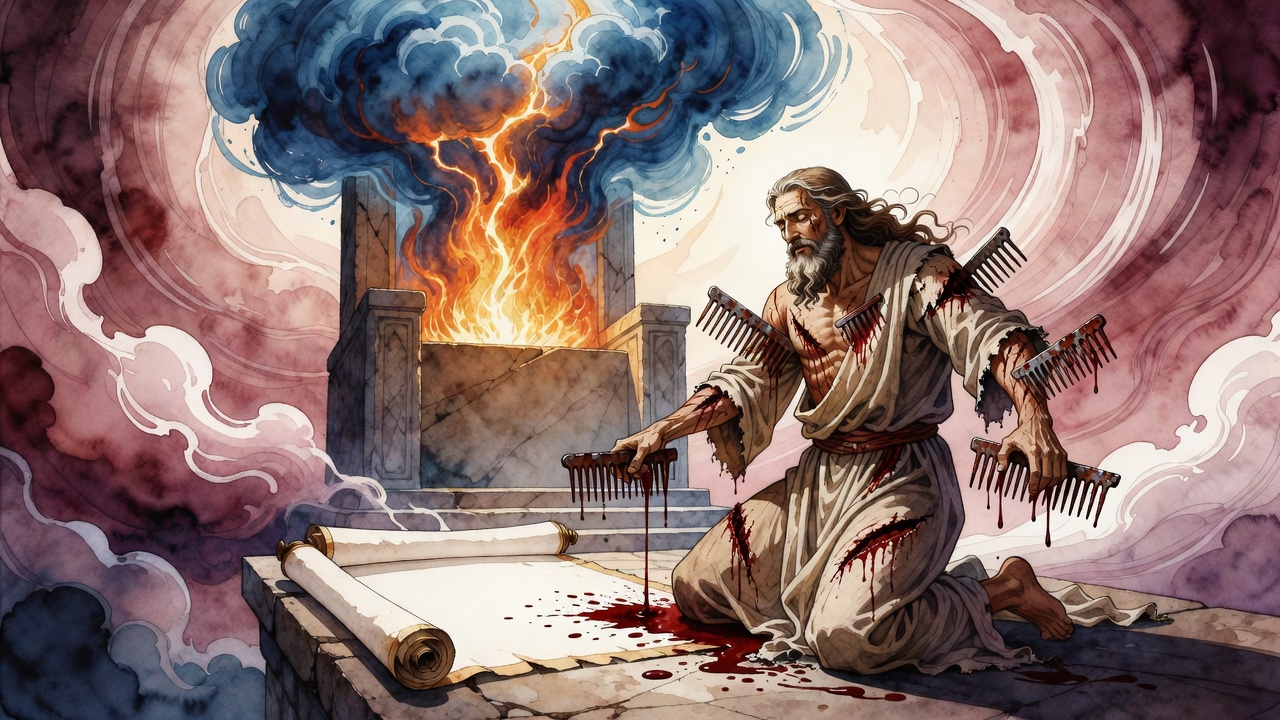
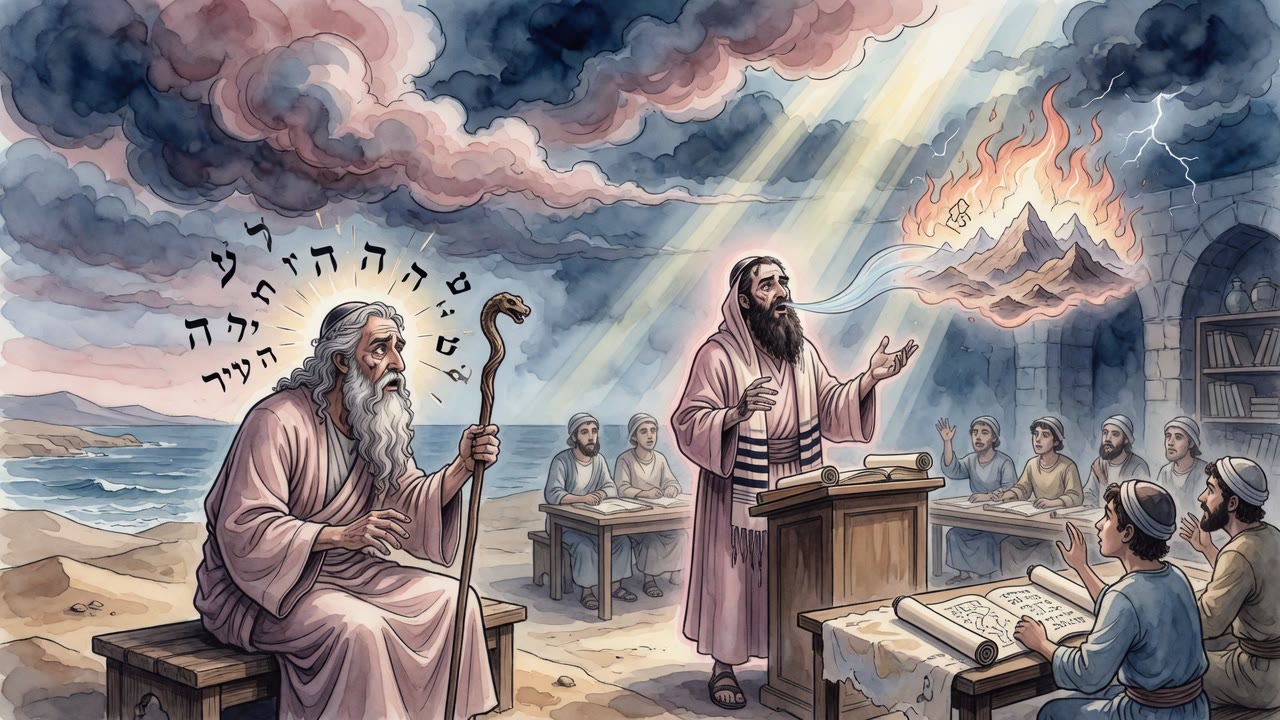
Rome had just killed Rabbi Shimon and Rabbi Yishmael. Akiva told his students the two were taken early so they would not see what was coming.
Table of Contents
 Click for full size
Two Bodies, One Warning
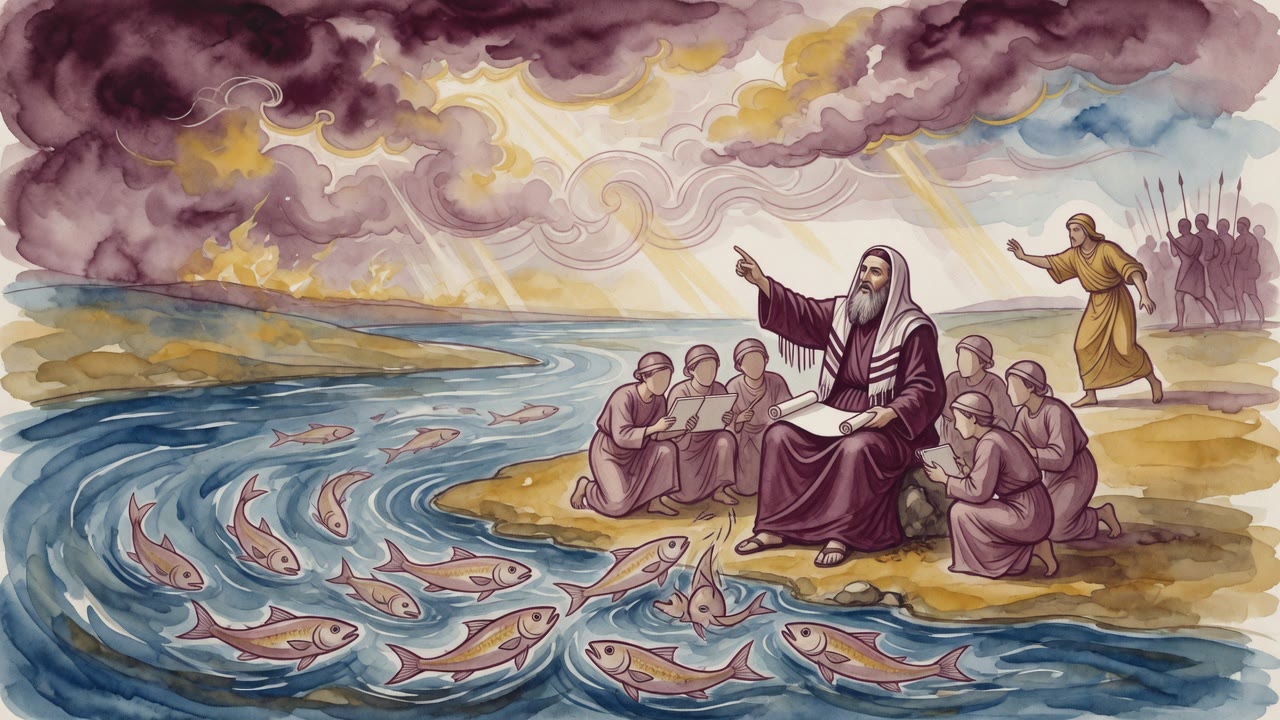
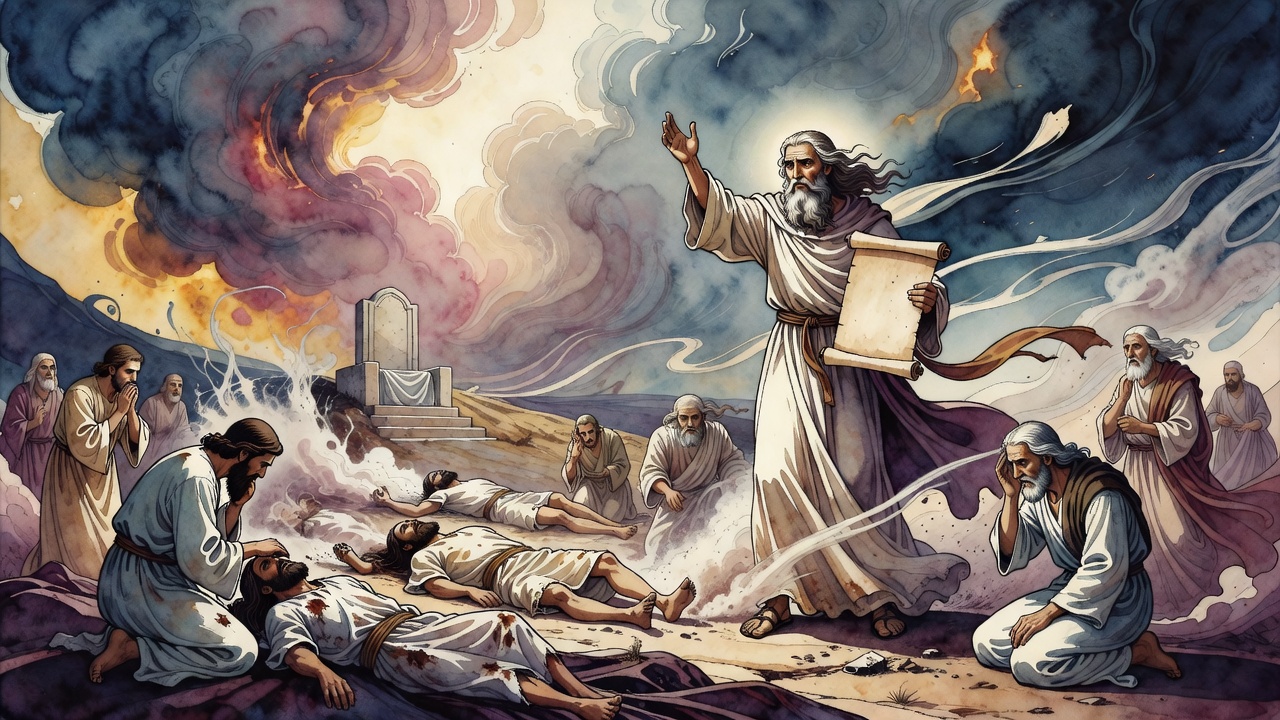
When Rabbi Shimon and Rabbi Yishmael were executed, the air in the study house changed temperature. Disciples waited for comfort. Rabbi Akiva gave them weather instead. Prepare yourselves for calamity. If good were destined for our generation, only those two would have received it. They were taken so they would not have to watch what is coming.
He did not soften the blade. He read their deaths as a kind of terrible mercy timed before evil, quoting the prophet: the tzaddik (a righteous person) perishes and no one takes it to heart; men of lovingkindness are taken off and none understand why; it is before the evil that the tzaddik is taken (Isaiah 57:1-2). Peace for the upright on their couches. Doom speech for the rest soon enough.
Someone in the back began to rock. Someone else clenched a fist until the nails bit. Akiva kept his voice level, which made the forecast worse.
Ink still wet on notes from yesterday's argument looked childish. Legal brilliance does not stop an empire's rope. The room learned that in the gap between one breath and the next.
Taken Before the Storm
The teaching assumes a God who knows the generation's ledger. Great calamity is destined; therefore the best are removed from among us, not as abandonment only, but as shielding from the spectacle. The living are not complimented. They are left behind on purpose.
Akiva had stood at sickbeds and at triumphs. He knew how a room of students looks when hope still expects a clever legal escape. Here there was none. Rome's violence had already written two endings. The third ending, the generation's, was still ink wet in heaven's decree.
Prepare yourselves does not mean stockpile slogans. It means strip illusions. It means teach while you can. It means love the commandments without betting that history will be gentle because you are sincere.
A young man asked, almost angrily, whether righteousness then is useless. Akiva did not crown him with comfort. Righteousness is never useless. It is sometimes relocated out of the path of a storm so it will not have to watch the roof come down.
One Heart at Sinai, Many Hearts Under Empire
Memory reached backward to a different crowd. Rebbi taught that when Israel stood at Sinai they were of one heart to receive the kingdom of Heaven with joy, and they stood security for one another for the mitzvot (commandments). Singular language for God matched a singular national heart. Covenant included what is revealed for us and our children forever, while what is concealed remains with the Lord, so secret sin would not chain the whole congregation without limit (Deuteronomy 29:28).
That unity was the high-water mark. Akiva's generation still carried its law, still argued its details, still bound itself with mutual guarantees for mitzvot under pressure. Mutual security had not vanished. It was being stress-tested by executions.
When one tzaddik falls, the flock feels it. When two fall together, the feeling becomes policy: prepare.
Students glanced at empty seats and felt the Sinai ideal crack without breaking. One heart is easier on a mountain of fire than under a governor's seal. The work was to keep enough shared heart to bury the dead and teach the living.
What the Disciples Did Next
Some left the session to bury what could be buried and hide what must be hidden. Some repeated Akiva's sentences until they could say them without vomiting fear. Some looked at empty seats and understood Isaiah's complaint: no one takes it to heart, unless a teacher forces the heart open.
Calamity, when it came in the forms history records, would not surprise those who had listened. Surprise is a luxury of the unprepared. Akiva spent his authority to cancel that luxury.
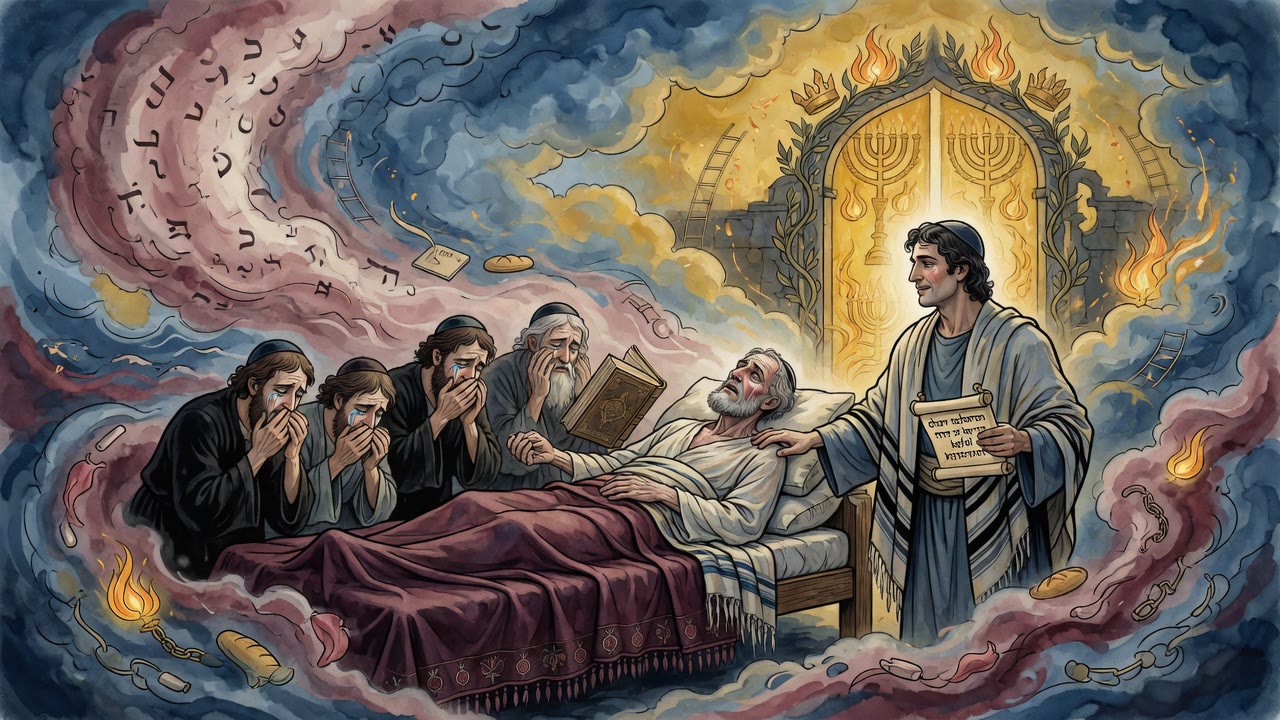
The myth ends without a cheap sunrise. It ends with students packing their will for a long night, and with two righteous names carried forward as the ones who did not have to watch. Peace on their couches. Work for everyone still standing.
Years on, when Akiva's own end entered the chain of memory, disciples would return to this earlier warning and hear it again: prepare. The teacher had practiced the sentence on others before history made him its next proof.
Outside the study house, market noise continued as if two sages had not just been removed from the world. That indifference is part of what Isaiah mourns. Akiva's disciples walked through the noise carrying a private drumbeat: prepare, prepare. The word kept time better than hope did.
← All myths