Amalek Struck When Israel Was Faint and Weary
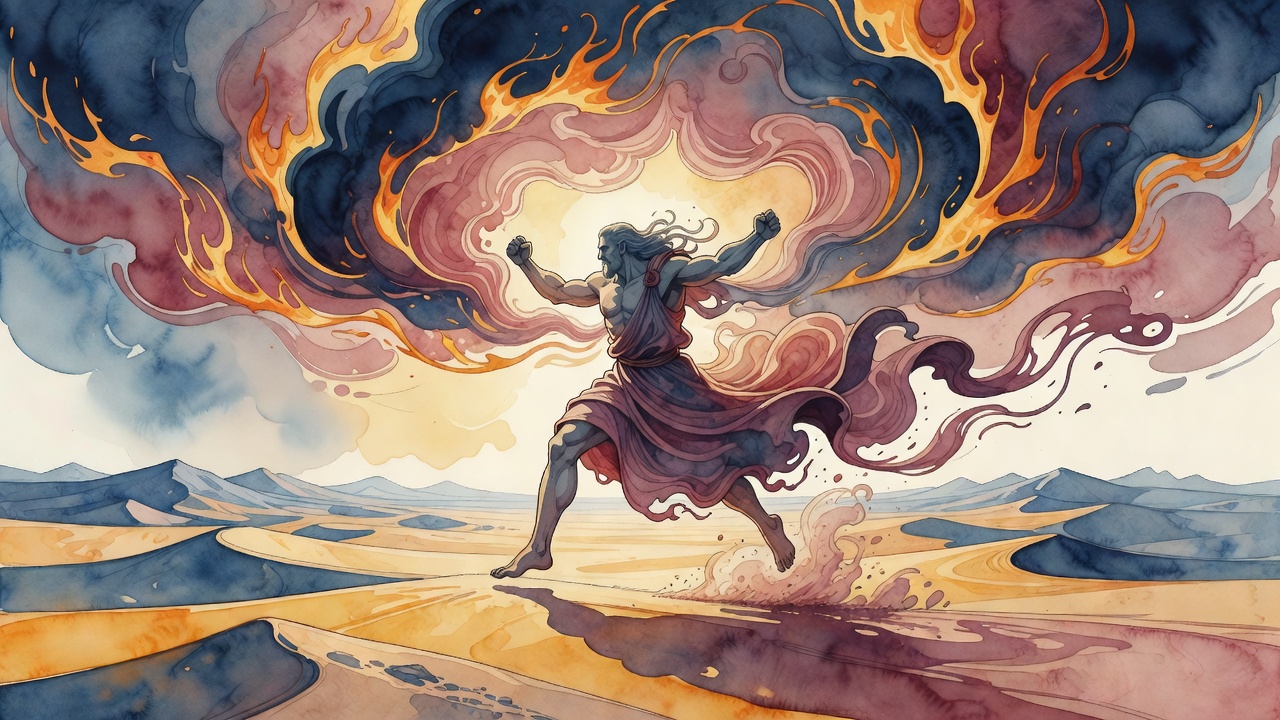
Fresh from the sea, Israel limps faint and weary into Amalek's path, and the attack chooses the soft hour when fear of heaven has thinned to nothing.
Table of Contents
 Click for full size
Joy With Blistered Feet
They had only just left Egypt's brick dust behind them. The sea still glittered in their stories like a wound that had opened into a road. Children slept harder than they had ever slept under Pharaoh. Songs still lived in the women's throats. Then the road lengthened, water quarreled, and the body of the people grew thin in ways songs cannot feed.
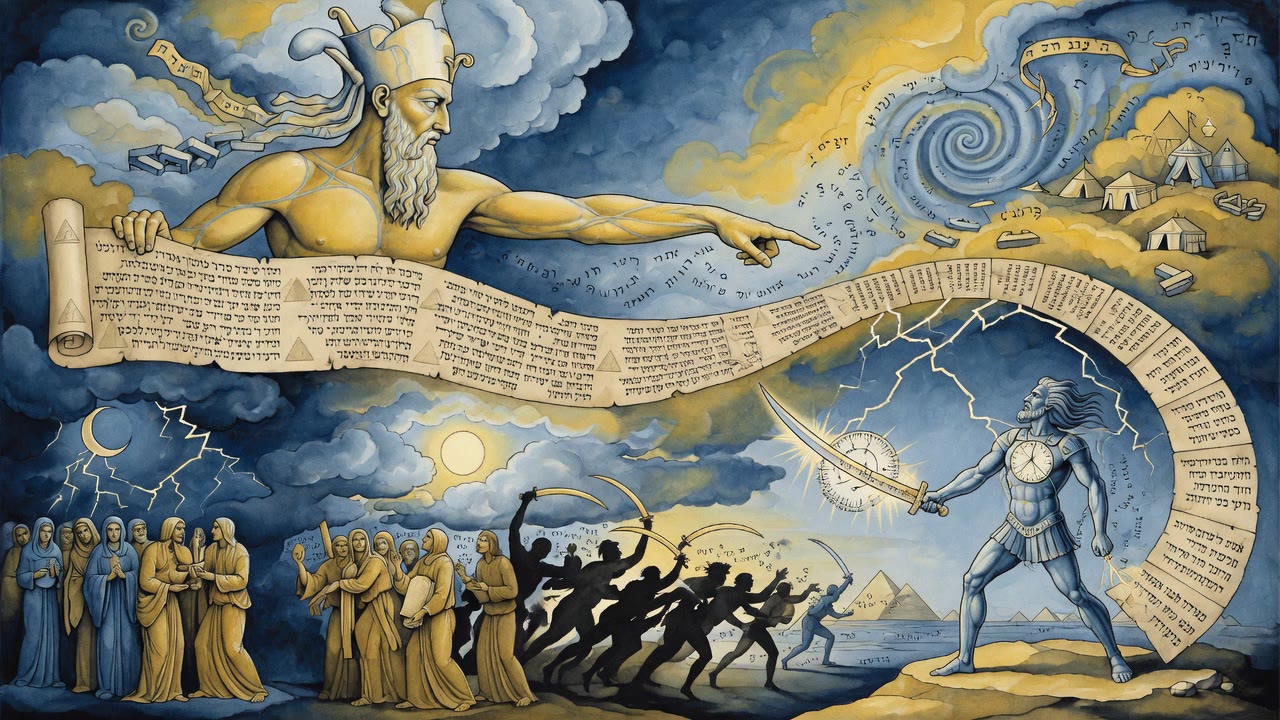
"When you went out of Egypt," the midrash hears as the hour of redemption, the bright hinge between slavery and whatever comes next. Right there, in the glare of that joy, Amalek appears. The contrast is the first weapon. Freedom is not yet strong. It is only new. New things bruise when a practiced fist finds them.
Men who had watched the water stand like walls now watched their own calves tremble on ordinary stone. Miracles do not automatically become stamina. The gap between wonder and endurance is where an enemy likes to pitch a tent.
Faint and Weary
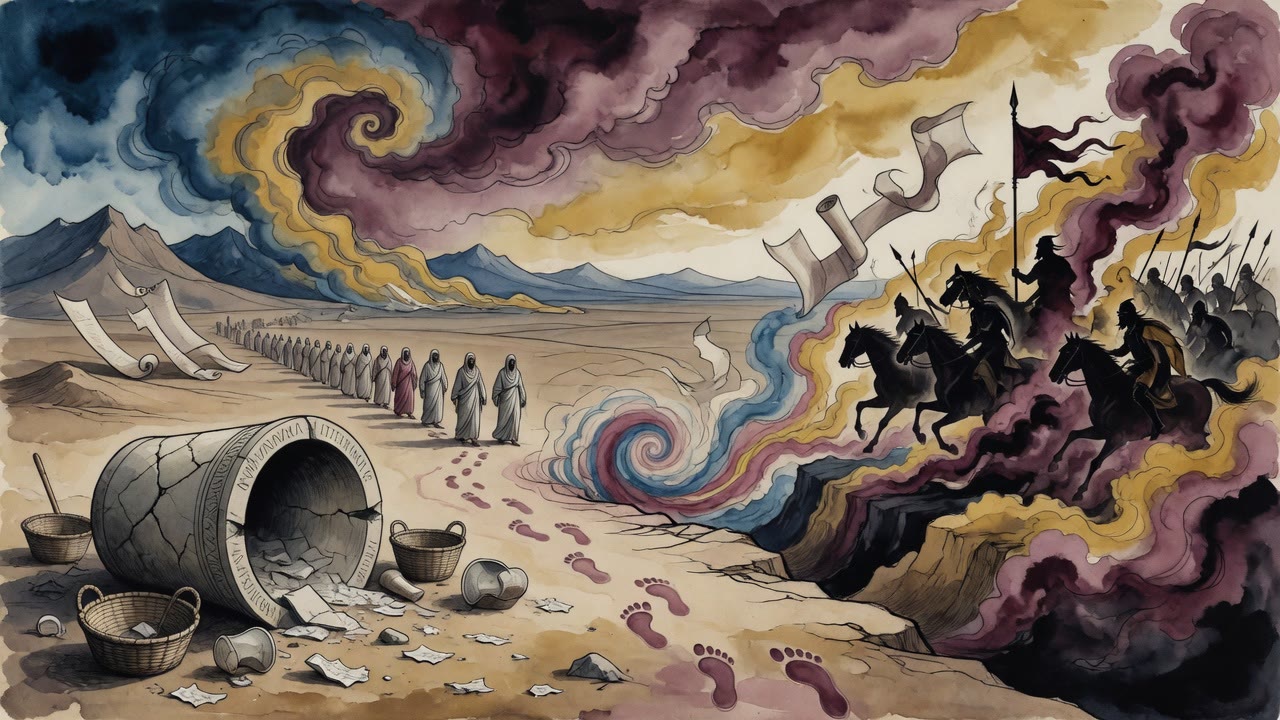
"And you were faint and weary." That line is Israel. Throats dry. Knees loose. The old slave muscles have not yet become free muscles. Weariness is not a mood for poets. It is a military fact. The rear of the camp straggles. The slow ones fall behind the songs. Amalek does not need a fair field. Amalek needs a soft hour and a long line of people who cannot close ranks quickly.
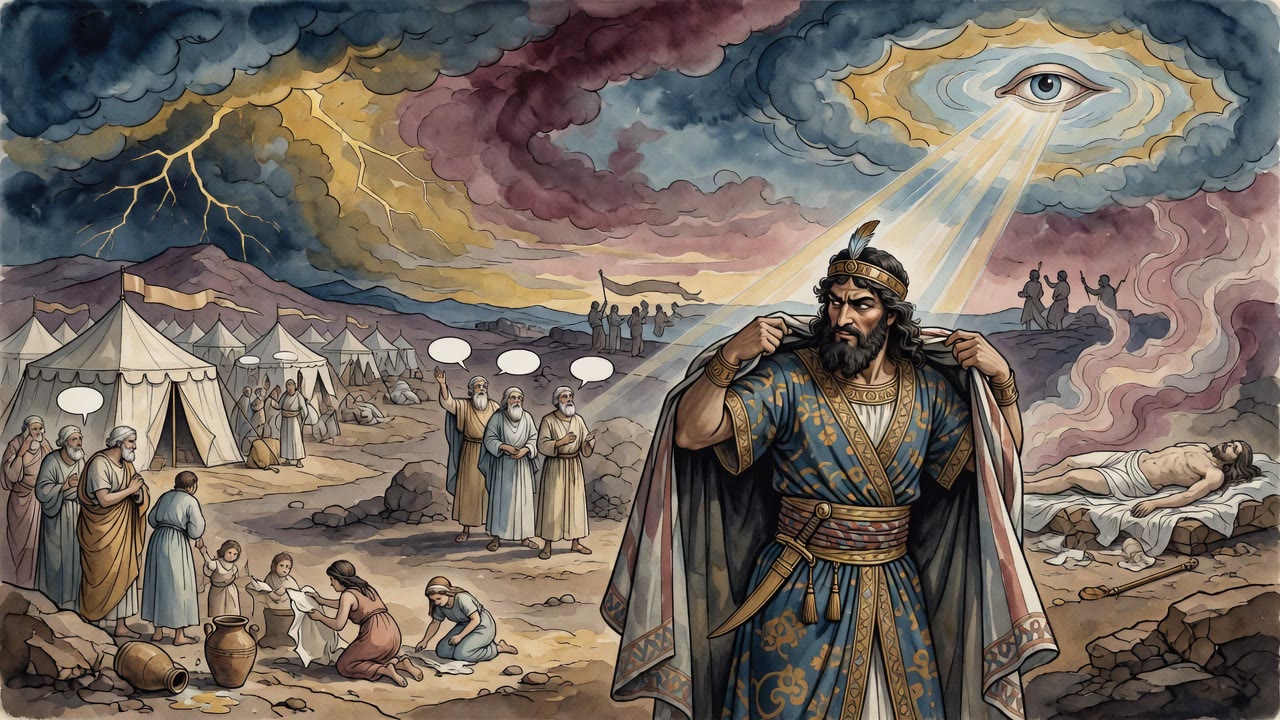
"And he did not fear the Lord." That line, the Sifrei says, is Amalek. Not Israel losing faith in a moment of thirst. The attacker who looks at a people still marked by miracles and feels no tremor. Fear of God would have stayed the hand. Absence of that fear turns another nation's vulnerability into an invitation written in dust and blood.
Scouts saw movement on the horizon and tried to name it weather. It was not weather. It was a people that had come for the taste of them.
The Dog at the Open Wound
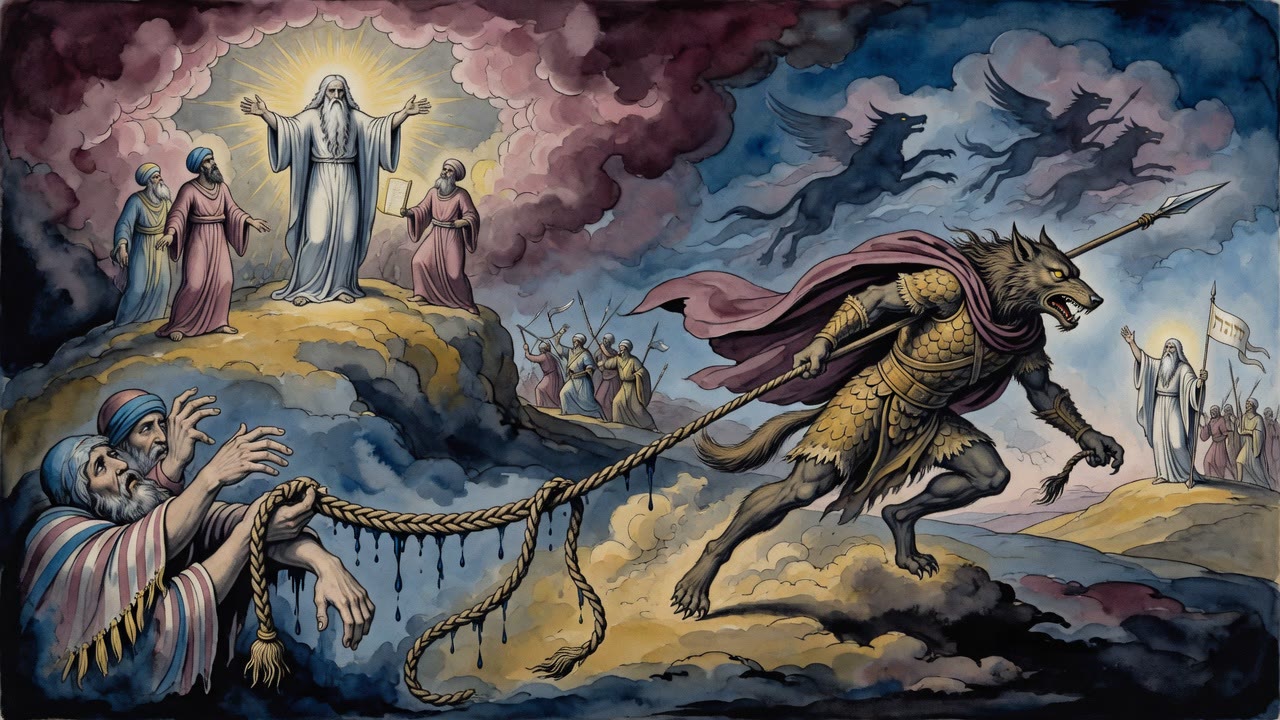
They came the way a predator comes to a herd that has just escaped a fire and has not yet learned the new pasture. Israel still smelled of the sea and of bondage. Between the last Egyptian chariot and the first steady camp there is a gap, and Amalek lives in gaps the way certain insects live in cracks of old walls.
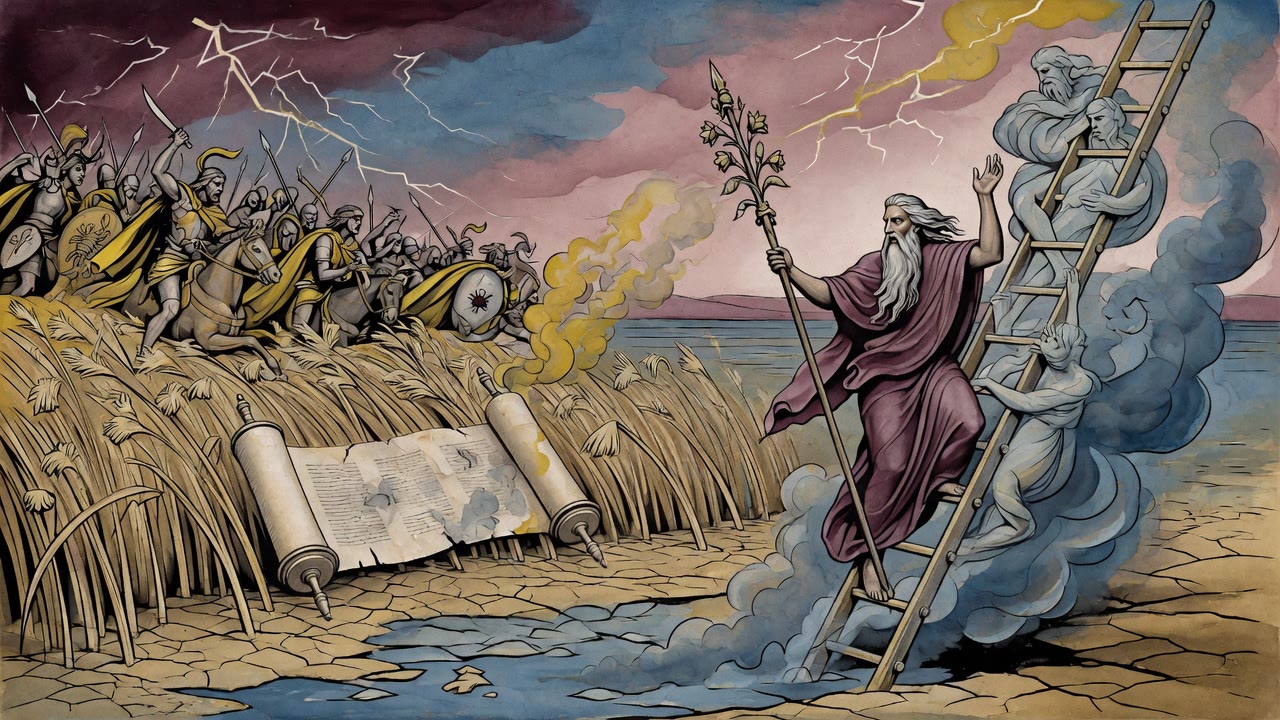
Moses would later climb a hill with raised hands while Joshua held the valley in steel. Before the strategy there was only the shock. An enemy that had crossed distance to taste them, not to negotiate a border, not to demand tribute, not to settle a dispute over wells. The midrash will not let later generations sanitize the timing. Amalek chose the faintness. Amalek chose the weariness. Amalek chose the moment when gratitude was loud and legs were weak.
Mothers counted children twice after the first clash. Old men who had survived the Nile decree now flinched at a different sound of horses. Freedom's first week already knew that leaving Egypt was not the same as being safe. The God who split the sea still required a people who could stand when the next enemy smelled blood on the wind and called the smell permission.
Beyond Ordinary Hatred
Some enemies hate because land touches land. Amalek's hatred in this reading is colder. It aims at a people God has just claimed in public. To strike Israel at the redemption hour is to spit upward and call the spit strategy. That is why the Torah's memory of Amalek is not a temporary border dispute filed and forgotten when maps change. It is a command to remember a kind of violence that hunts the weary because weariness looks like an open gate.
In the camp the songs shortened. Watches lengthened. Men who had been dancers the week before became sentries with cracked lips. The midrash keeps the body details so no preacher can turn Amalek into a vague symbol of "bad thoughts." Bad thoughts do not leave bodies on sand. This enemy left bodies on sand while the sea story was still wet in the mouth.
Joshua's generation would inherit the memory the way one inherits a scar. You can cover it. You cannot honestly claim the skin was always smooth.
What Memory Keeps Hot
Years later, when Israel tells the story, the midrash keeps the words faint, weary, unafraid of heaven. Without those words the tale becomes a generic war between two names on a map. With them it becomes a warning about every generation that grows soft after a miracle and every enemy that waits for that softness the way a hunter waits for a limp in the herd.
The dust of that road still holds the shape of stumbling feet. Amalek's name still means the one who arrives when the songs are loudest and the water is lowest. Remembering is not nostalgia for old battles. Remembering is keeping the rear of the camp guarded when joy makes people careless and when fear of God thins in the attacker until nothing human remains to restrain the hand.
Somewhere a child asks why we still speak this name. The answer is a tired people on a bright road, and an enemy that saw the tiredness first.
← All myths