5 min read

The Angel Who Digs for the Lost and the Sage Who Gathers Souls

An angel digs through the dark for everything the world drops, while a sage walks out of Jerusalem each week to gather the lost souls.

Curated by Arthur · Told by Maggid ·
Table of Contents
  1. The Diggers Who Carry Shovels Into the Dark
  2. The Candle Planted in the Righteous
  3. The Sage Who Left Jerusalem Every Week
  4. The Sound of Wings at the Shabbat Table
  5. The Eve of the New Year at the Kinneret
The Angel Who Digs for the Lost and the Sage Who Gathers Souls Click for full size

The Diggers Who Carry Shovels Into the Dark

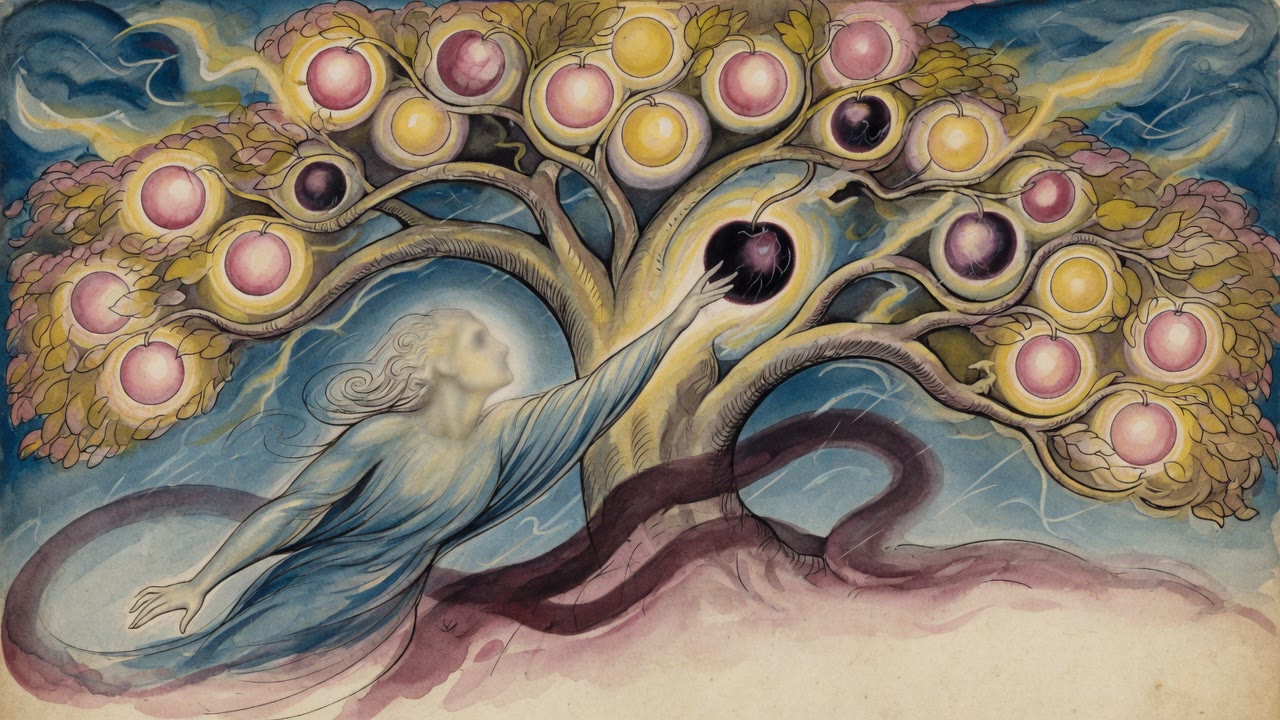
Somewhere below the floor of the world, an angel is digging. His name is Yode'a, which in Hebrew means "to know," and knowing is the whole of his labor. He does not sing at the Throne. He does not carry decrees down to the living. He lowers himself into the places where light has never once reached, and he looks for what has slipped out of the world.

He is not alone. Yode'a has servants, and his servants have servants, and every last one of them carries a shovel. They fan out through the deep wells and the buried seams and the cracks under the cracks, turning the darkness over like soil. A word someone meant to say and swallowed instead. An hour a mourner can no longer find. A spark that fell when the first vessels broke and scattered across all of creation. Every bit of it is down there, and the diggers do not stop.

The Candle Planted in the Righteous

Every righteous man, in his own way, is one of Yode'a's diggers. A tzaddik spends his life recovering what other people let fall, coaxing the lost back up toward the surface. But there is a danger in the work. A man who goes down far enough to find the lost can himself become lost, until he is standing in a darkness so complete that no shovel and no map will ever reach him.

What does he search with then? Not a torch. There is a small light planted inside him, no larger than a single candle flame, set there for exactly this hour. The soul is that flame. A man can carry it down into a well where the dark has never been broken, hold it up to every wall and every corner, and it will be enough. Small is enough. He follows the little light, and the little light knows the road his eyes cannot find.

The Sage Who Left Jerusalem Every Week

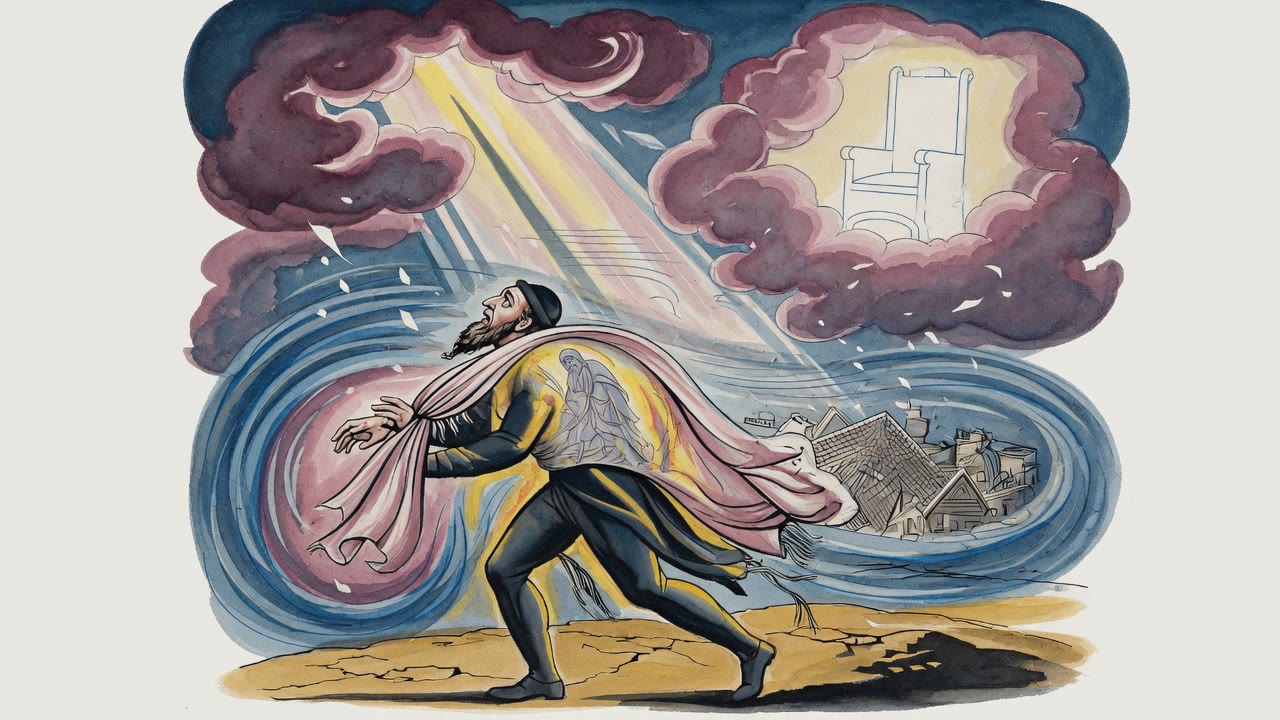
In Jerusalem there lived a man who did this work with his own two feet. His name was Hayim ben Attar, and after the great commentary he wrote, people called him the Or ha-Hayim, the light of life. Every week, the moment Shabbat ended and the last of its light drained out of the sky, he walked out of his house and up into the mountains that ring the city.

He carried almost nothing. Seven loaves of braided bread, one for each day, and a pitcher of milk. Then he vanished into the hills, alone, for the whole of the week. Just before the next Shabbat came down over the rooftops he would return, dust on his clothes, the seven loaves gone, and take his place at the table in time to greet the holy day.

The Sound of Wings at the Shabbat Table

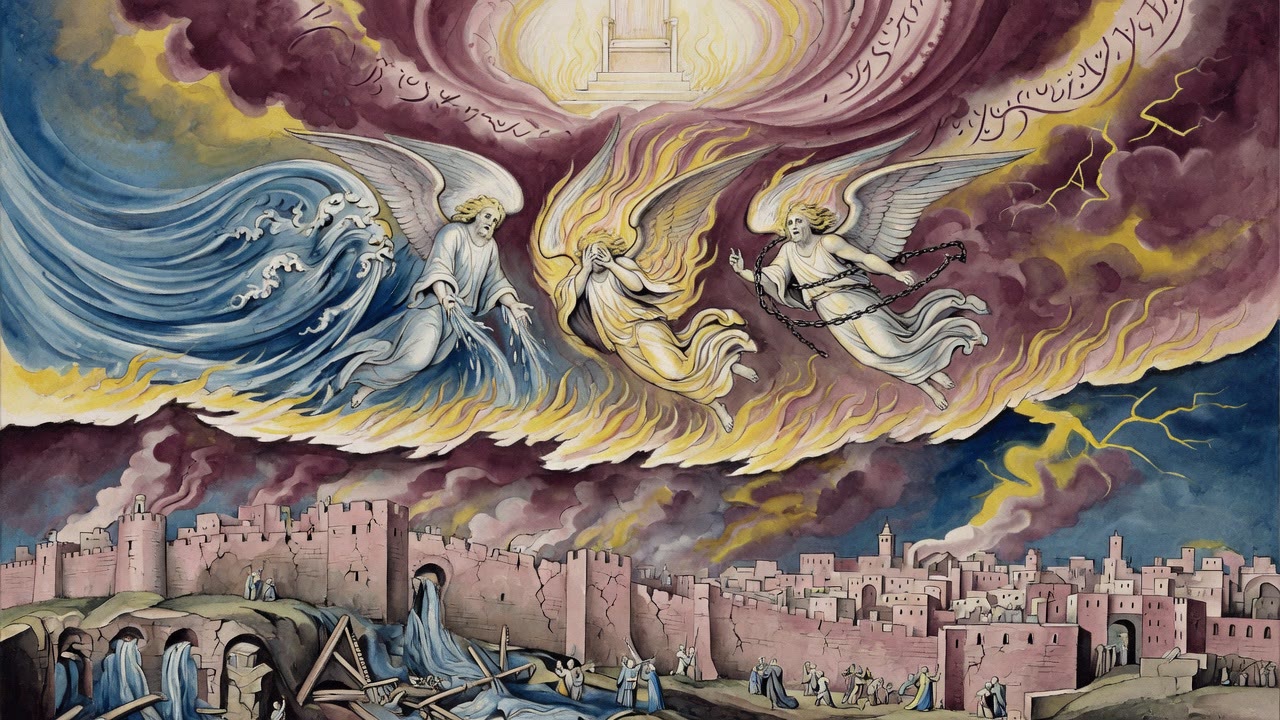
When Shabbat arrived he would open his mouth and chant the Song of Songs, "Shir ha-Shirim," the old poem of love and longing, and he chanted it with a fire that frightened the people sitting near him. As he sang, they heard it. Wings. Not one pair but a great multitude, beating the air around him, unseen, filling the room with the sound of arrival.

They asked him what the sound was, and he told them the plain truth. All week, alone in the mountains, he had been finding souls that had come loose from the world and could not find their way home, and he had been mending them, one at a time. The wings belonged to the souls he had repaired, following him back down to the table to sit near a righteous man on the holy day. Later his wife would shake the crumbs of the braided bread out the door after the meal, and even then the air would stir and beat, because the souls came down for the leftovers of a tzaddik (a righteous person).

The Eve of the New Year at the Kinneret

Once a year the search changed its ground. In the days between the new year and the day of atonement, when heaven opens its books, the Or ha-Hayim left Jerusalem again and went north to the shore of the Kinneret, the wide sea of Galilee. He kept the eve of the new year alone in a small hut beside the water. Those who watched him saw him walk down to the lake and step into it, over and over, wading out into the dark water and coming back to the shore.

Someone finally asked him why. "I am helping the souls that have gathered here to immerse themselves in the Kinneret," he said, "so they can make themselves clean before the new year begins." He was doing in the water what Yode'a's diggers do in the dark. He waded out again, and again, gathering up the loosened and the abandoned and the fallen sparks, carrying them out of the lake toward the new year the way the diggers carry the lost up out of the wells. When he walked back to Jerusalem at last, the wings came with him.


← All myths

From the tradition

Sources

2 sources

The texts behind this telling. Some cards carry a translation of the source; others are our own retelling of it, and each card says which. Every card links out to the original.

Be'er Hasidut 1:189Chassidic Literature

Retold in our words. Read the original at the link below.Sefaria-hosted English translation · Public Domain

There’s even an angel assigned to help.

His name is Yode'a, the Angel of Losses. Rabbi Nachman of Bratslav, the great Hasidic master, seems to have conceived of this angel, this almost invisible presence dedicated to watching over us, even – especially – in the dark. Rabbi Nachman, like Reb Pinhas of Koretz, was deeply attuned to the spiritual world around him, to the angels and other unseen forces that shape our lives.

Yode'a – which, fittingly, means "to know" in Hebrew – doesn’t work alone. He has servants, and his servants have servants. And what are they all doing? Digging. Searching. Each one carries a shovel, tirelessly seeking out what has been lost. Because, let's face it, a great deal is

Here's where it gets even more interesting. According to Rabbi Nachman's teaching (found in Be'er Hasidut), every Tzaddik (a righteous person) – every righteous person – is, in a way, a servant of Yode'a. Even a Tzaddik who spends their life searching for lost things can themselves become lost. Then what? Then you have to search in the darkness, in the realm of the unknown.

And with what do you search in the darkness? With the light of the soul.

The soul, Rabbi Nachman tells us, is like a light planted in the Tzaddik, a divine spark meant to seek after whatever has been lost. What kind of light is it? Not a blazing torch, mind you, but a small candle. But even that small flame is enough. With it, you can search inside deep wells, where darkness is unbroken, peering into every corner and crevice. It is necessary to be guided by that light, small though it may be.

The work of Yode'a and his searchers reminds me of the Kabbalistic myth of the Ari, Rabbi Isaac Luria, and the gathering of the scattered sparks, as described in Tree of Souls (Schwartz). Remember the shattering of the vessels? Those sparks, scattered throughout creation, are like the losses that Yode'a collects. They, too, have been lost and need to be found.

So, next time you're feeling lost, or feeling the weight of what's missing in your life, remember Yode'a, the Angel of Losses. Remember his tireless search, and remember the light of your own soul. Maybe, just maybe, that small candle is all you need to find your way back.

Full source
Legends of the Jews 6:471Legends of the Jews

Retold in our words. Read the original at the link below.The Legends of the Jews by Louis Ginzberg (1909) · Public Domain

There's a story about a rabbi, Rabbi Hayim ben Attar, known as the Or ha-Hayim (אור החיים), "the light of life," after his famous biblical commentary. He lived in Jerusalem and had a peculiar habit. Every week, as Shabbat (the Sabbath) ended, he would leave his home and spend the entire week in the mountains around the city.

He wasn't exactly roughing it. He took seven challahs – those beautiful, braided loaves of Sabbath bread – and a pitcher of milk with him. Then, just before the next Shabbat arrived, he would return home, ready to greet the holy day. And when Shabbat came, he would begin chanting the Song of Songs, Shir ha-Shirim, with such intensity, such fervor.

As he chanted, people around him would hear the sound of wings. A chorus of unseen wings accompanying the ancient words of love and longing. When asked about it, the Or ha-Hayim explained that those were the souls he had repaired during the week, while he was alone in the mountains. He was gathering souls.

It was said that even his wife throwing out the challah crumbs after the meal would cause a flurry of wings, as these souls came to partake in the leftovers of a tzaddik (צדיק), a righteous man. Incredible. But the story doesn't end there. During the Yamim Noraim (ימים נוראים), the Days of Awe – that period between Rosh Hashanah (the Jewish New Year) and Yom Kippur (the Day of Atonement) when our tradition invites deep introspection and repentance – the Or ha-Hayim would leave Jerusalem again. This time, he would go to the shore of Lake Kinneret, the Sea of Galilee, and spend the eve of Rosh Hashanah alone in a small hut. People would see him entering the water from time to time.

Someone eventually asked him why he did this. His reply? "I am assisting the souls that are here to immerse themselves in the Kinneret, to sanctify themselves before the onset of Rosh Hashanah." It became clear to those close to him that during the Days of Awe, the Or ha-Hayim was deeply engaged in restoring lost souls.

What does it all mean? We find a key, perhaps, in the teachings of the Ari, Rabbi Isaac Luria, who emphasized tikkun (spiritual repair) olam (תיקון עולם), repairing the world, as the most important action we can take. For rabbis like the Or ha-Hayim and Rabbi Nachman of Bratslav, this repair extended to raising up the souls of the dead who had become trapped in this world. As Schwartz tells us in Tree of Souls, this idea of "Gathering Souls" shows the Or ha-Hayim doing this holy work throughout the week, only to be followed by the flocks of souls he freed upon his return for Shabbat. The Or ha-Hayim, the most famous Jewish sage in the Holy Land at the time, considered by some Hasidim to be on par with the Ba'al Shem Tov himself! There's even a tradition that heaven prevented the Ba'al Shem Tov from going to the Holy Land because the combined merits of these two great figures, alongside the holiness of the land, would have forced the coming of the Messiah!

So, what are we to make of this image of a rabbi wandering in the mountains, chanting by the lake, surrounded by the unseen wings of gathered souls? Perhaps it’s a reminder that even in our own lives, we have the opportunity to engage in tikkun olam, to repair the world, one soul, one act of kindness at a time. Maybe the mountains and lakes aren't so far away after all.

Full source