Cyrus Found His Name in a Scroll Written Before the Temple Fell
A Persian king read his own name in an old scroll and freed a nation, but the return home curdled into sabotage and weeping over a forgotten Law.
Table of Contents
 Click for full size
The Conqueror Read a Name That Was His Own
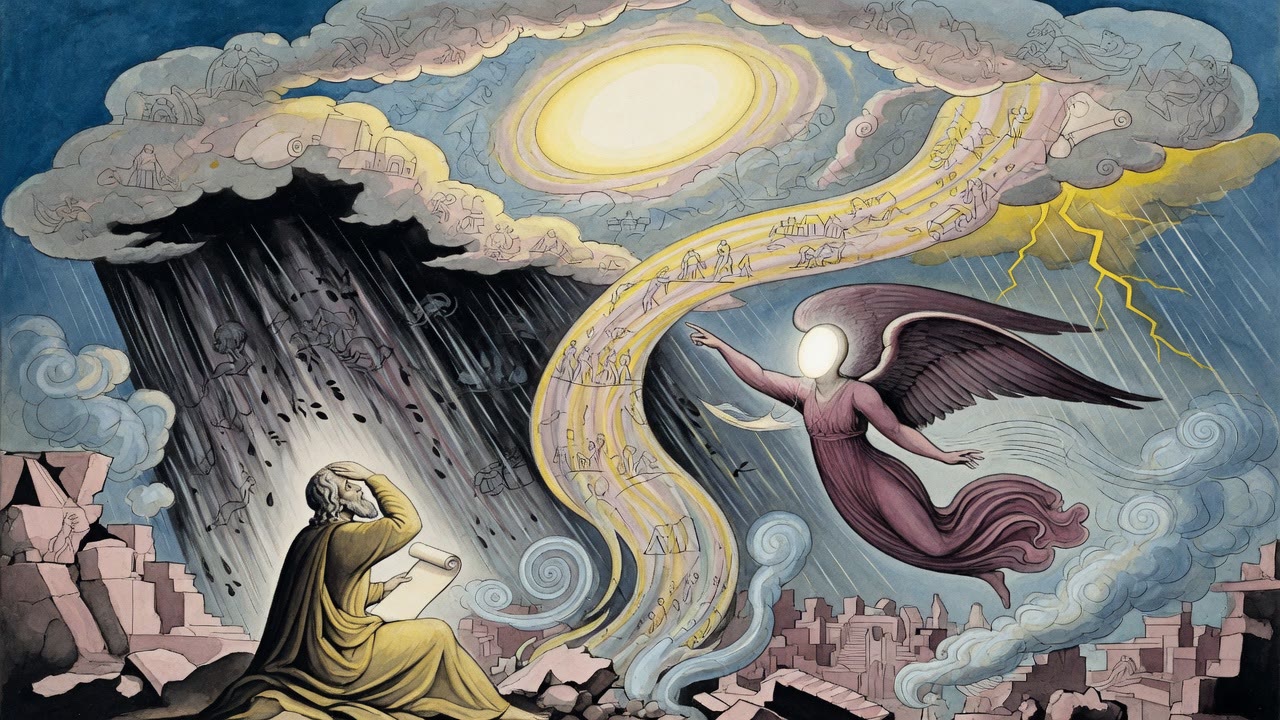
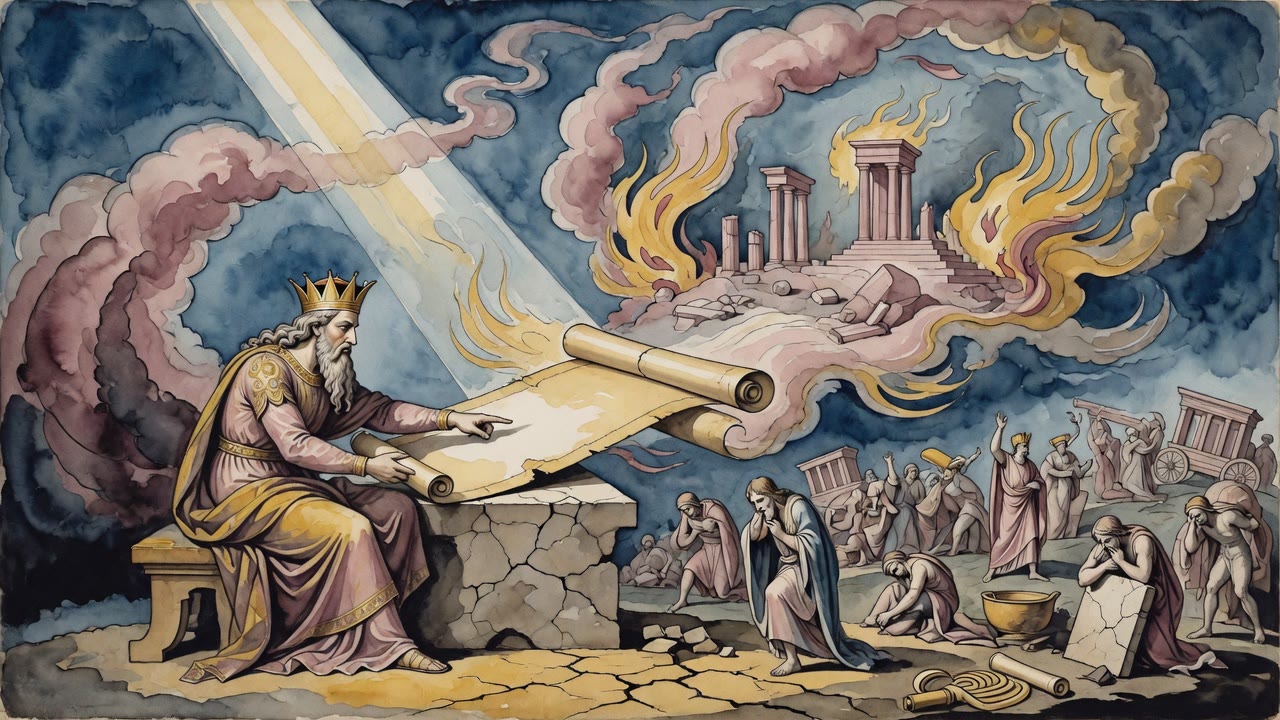
In the first year of his reign, Cyrus king of Persia unrolled a scroll and found himself inside it. The words belonged to a prophet named Isaiah, dead more than a hundred years, the ink laid down a hundred and forty years before the Temple in Jerusalem had even fallen. There, in that old Hebrew, God called Cyrus by name. Not a title. Not a riddle. His name, set into the sentence like a stone into a wall, and beside it a command that this man would raise the ruined city and set the captives free.
He read it again. A king who had swallowed Babylon whole, who commanded the roads from the sea to the mountains, sat holding a page that had spoken his name before his grandfather was born. An earnest desire seized him to do the thing exactly as it was written. Not because a priest had begged him. Because the scroll had reached forward across five generations and pointed a finger at his chest.
He Emptied His Treasury Into Another God's House
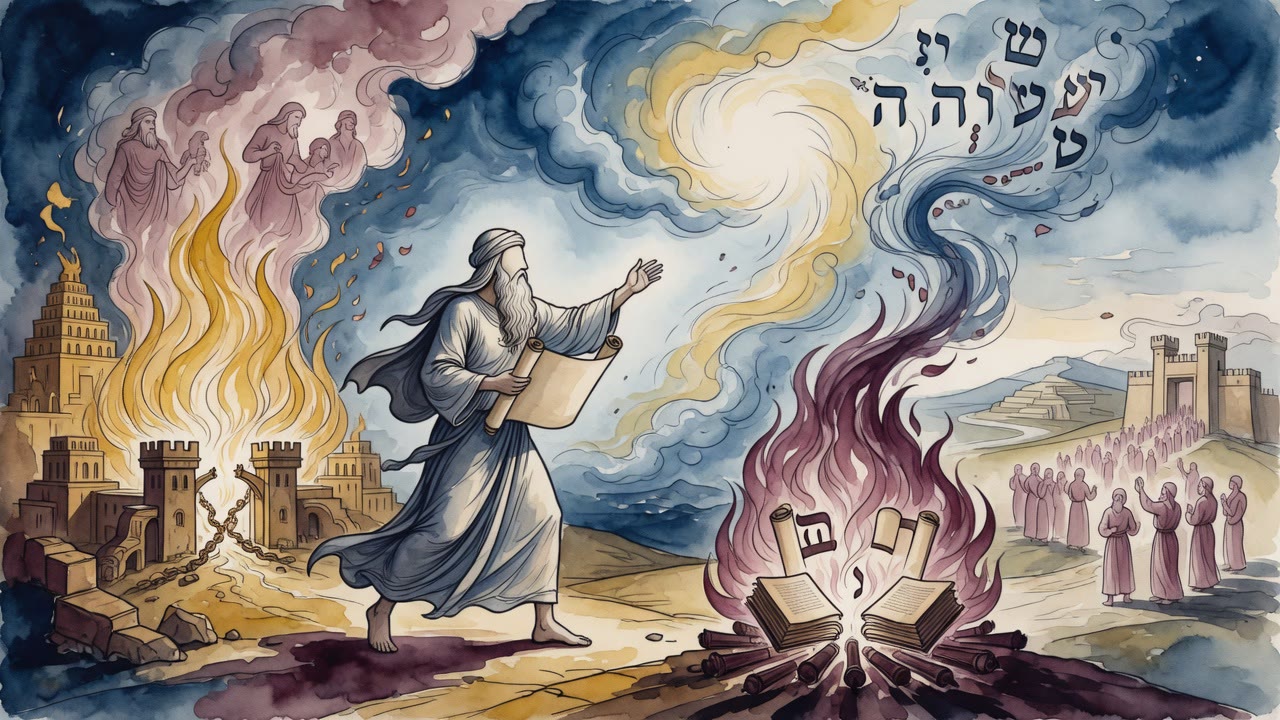
Cyrus summoned the most prominent Jews in Babylon, the ones whose grandfathers had been dragged there in chains, and told them they were free. "Go home," he said, "and build the house of your God, and I will pay for it." He wrote to the governors of Syria and ordered them to hand over gold and silver and livestock for the work. Then he opened the vaults where Nebuchadnezzar had stacked the plunder of the old Temple and gave every piece of it back. Fifty chargers of gold. Five hundred of silver. Forty gold cups. A thousand more vessels beyond counting. The inventory alone took the breath out of the room.
Not everyone went. The leaders of Judah and Benjamin, the priests, the Levites, packed and left at once. But seventy years is long enough to build a life, and many Jews had houses in Babylon now, and fields, and silver, and could not make themselves walk away from it. In the end forty-two thousand four hundred and sixty-two returned, with a few thousand servants and two hundred and forty-five singers to carry the road. A remnant out of a flood that had once been carried away.
The Old Men Wept Louder Than the Trumpets
They laid the foundation with trumpets and hymns, the young men shouting because the stones were rising again. Then a sound cut under the celebration. The old men were weeping. They had seen Solomon's Temple with their own eyes as boys, its gold, its cedar, its impossible height, and this modest thing climbing out of the rubble could not touch it. Their crying grew so loud it drowned the trumpets. In one courtyard, at one hour, the young sang and the old grieved, and from the road below no one could pull the two sounds apart.
The Refused Neighbors Sent Letters to the King
Then the neighbors came. They were the children of foreigners Assyria had planted in the land generations back, and they offered their hands to the building. Zerubbabel and the High Priest Jeshua looked at them and refused. This house was not theirs to touch. The refused men went home and took up a pen instead of a trowel, and wrote to the Persian court that Jerusalem was an old nest of rebels who would stop paying tribute the moment its walls stood. It worked. The order came down and the work stopped, and for nine years the half-built Temple stood open to the weather.
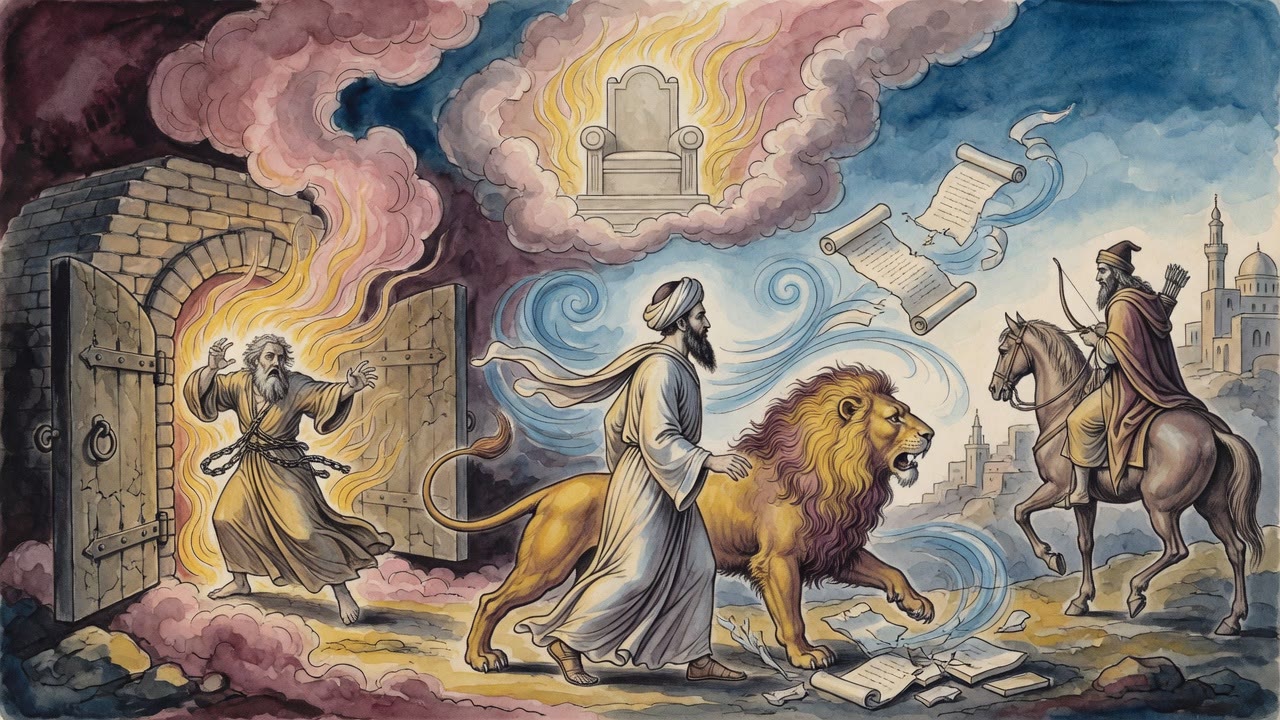
The prophets Haggai and Zechariah would not let it lie. They pushed until the Jews took up the tools again, and again the complaint flew to the capital, this time to King Darius. But Darius sent men down into the royal archives, and there, filed among the decrees of dead kings, they found the order Cyrus had signed with his own hand. Darius read it and ruled. Build it. And hang from the timber of his own house any man who tries to stop them. In seven years the Temple stood finished.
Ezra Tore His Hair and Read the Law Aloud
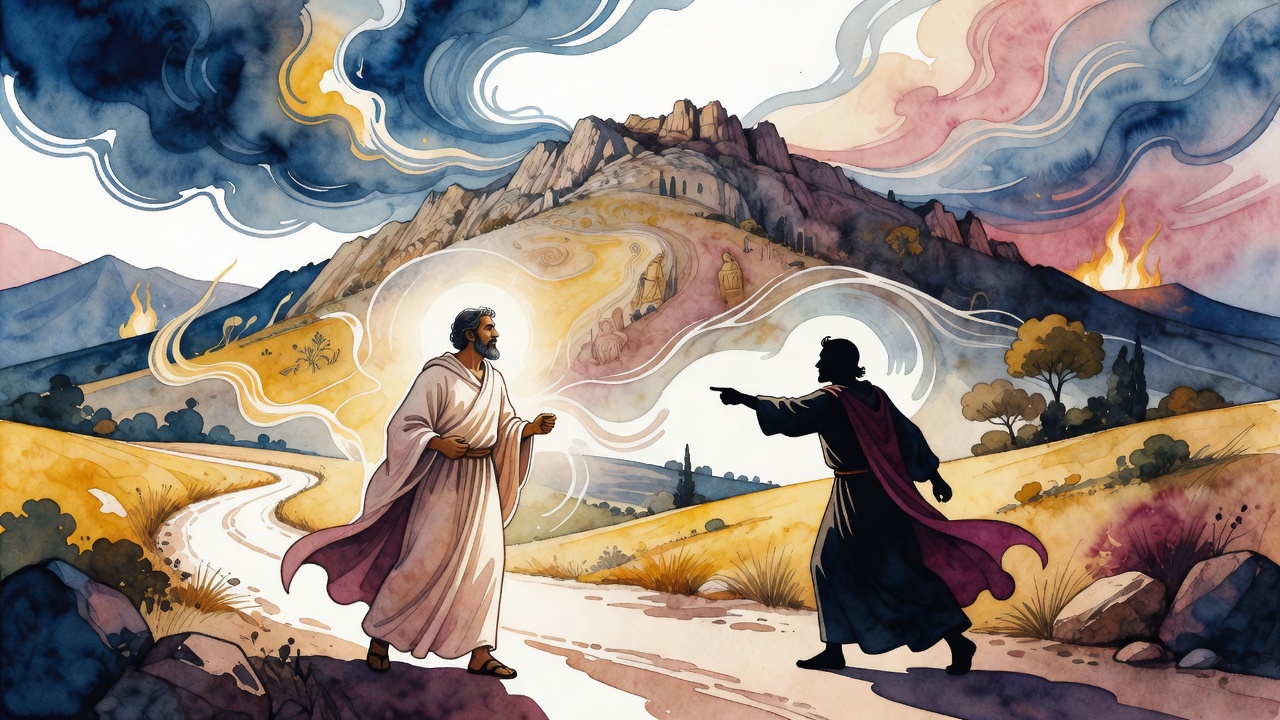
The house stood, but the people inside it had drifted. Ezra, a priest and scribe who had stayed behind in Babylon, arrived with a letter from King Xerxes that put every matter of the Law into his hands. What he found in Jerusalem broke him. The men had married foreign wives, and not only the farmers, the priests and Levites too. Ezra tore his garments and pulled the hair from his own head and beard, and fell on his face in front of the whole assembly, and prayed until a crowd gathered around him weeping because they could not stand to watch him grieve.
His demand was merciless. Every man who had taken a foreign wife would send her away. Many fought him. But Ezra gathered the entire nation into the Temple court and opened the scroll of the Law and read it aloud, from first light until the middle of the day. As the words fell, an old book most of them had never truly heard, the people understood how far down they had come from the covenant, and they wept, the whole nation standing in the house their fathers had paid a Persian king's fortune to rebuild. After him Nehemiah came and raised the city walls in two years and four months, paying for the houses out of his own purse, filling the emptied streets with people again.
← All myths