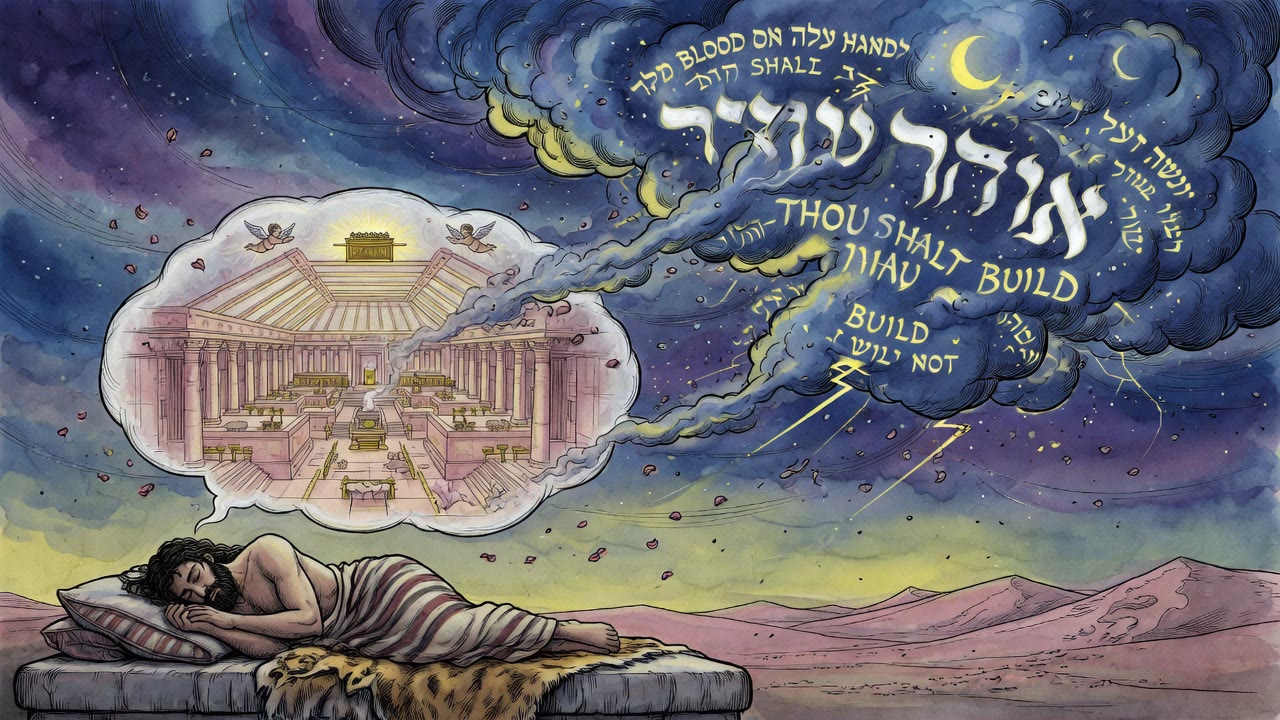
David Closed One Wall Around Two Jerusalems
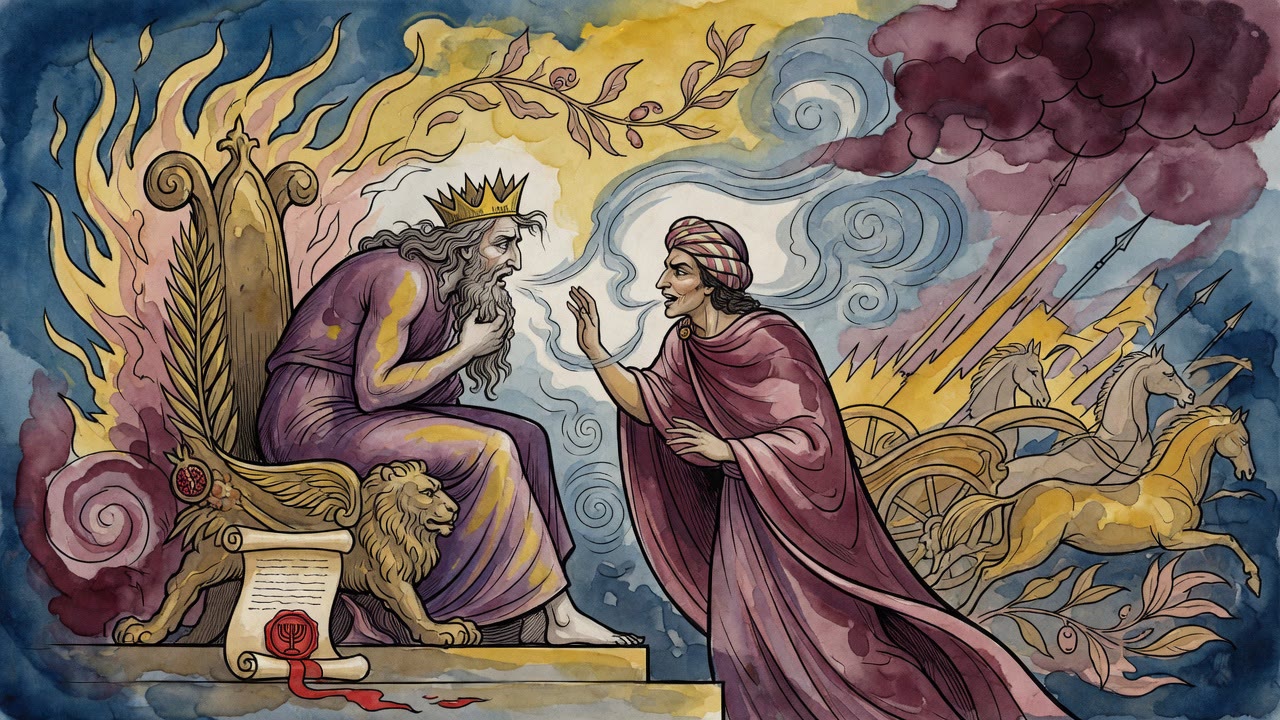
Judah left the ridge in charcoal. Benjamin left the lower streets to the Jebusites. David rode between ash and living courtyards and would not keep them split.
Table of Contents
The upper city still smelled of charcoal when David first rode the ridge above the Jebusite walls. Judah had taken its allotment years before, put the houses to fire, and walked away from the ash. Below that black line, the lower city still breathed. Smoke rose from courtyards. Dogs barked in alleys no Israelite soldier had cleared.
 Click for full size
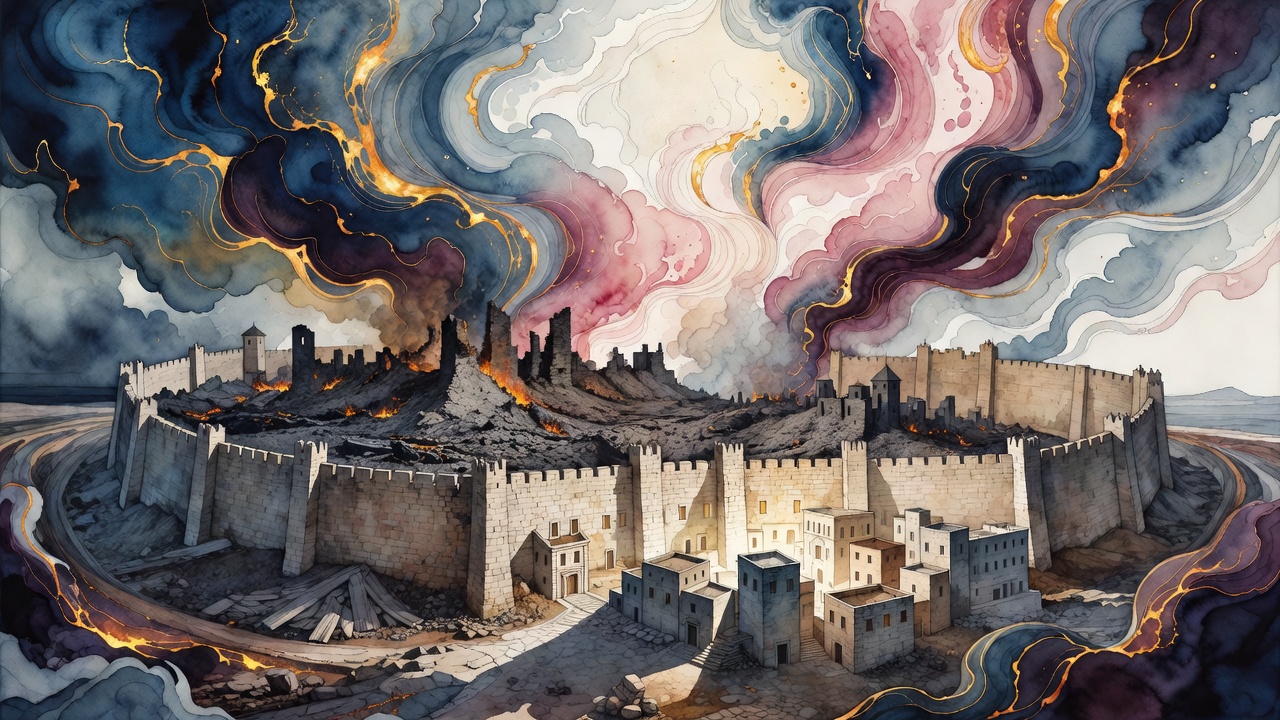
Two cities. One name. Split down the bone of the land.
The Ridge Judah Burned
After Joshua died, the sons of Judah went up and seized the upper portion that had fallen inside their lot. They burned what they could not hold. The place stood desolate, a blackened crown on the hill, while the lower city kept living under Jebusite roofs in the portion of Benjamin.
Verse argued with verse. One said Judah could not cast the Jebusites from Jerusalem. Another said Benjamin did not cast them out. Both were true once the city was cut in two. Upper for Judah. Lower for Benjamin. The Jebusites sat in the crack between them and laughed.
The Streets Benjamin Would Not Clear
Benjamin would not drive the inhabitants out. The lower streets stayed foreign. A traveler once turned from those gates rather than lodge among the people still living there, and the refusal stuck in the memory of the road (Judges 19:10-12).
Moses' blessing had already pointed toward that lower ground. Benjamin was the Lord's beloved, dwelling between God's shoulders (Deuteronomy 33:12). The beloved of the Lord still had Jebusites in his alleys. Laundry hung between windows. Water ran in the shaft. The lot had been cast. The clearing had not been done.
David came in the eighth year of his reign. He did not come for a burnt ridge alone. He came for the living streets below it (2 Samuel 5:6).
One Wall, One Name
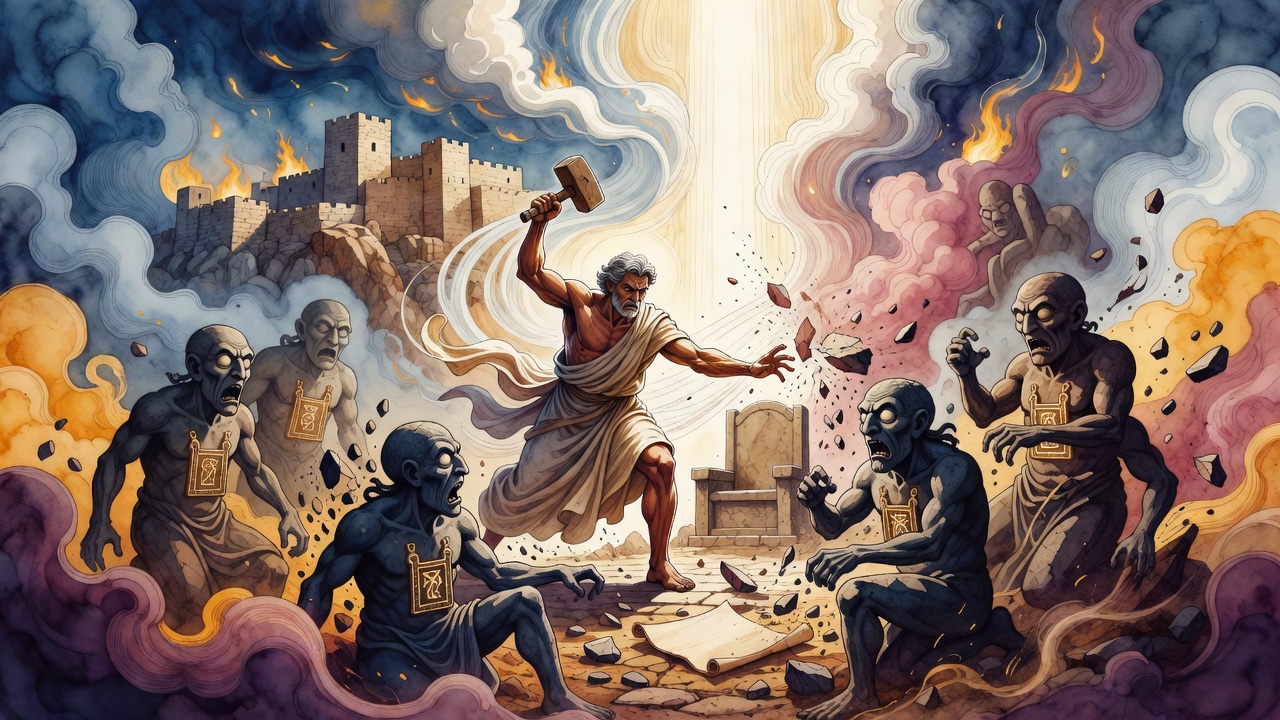
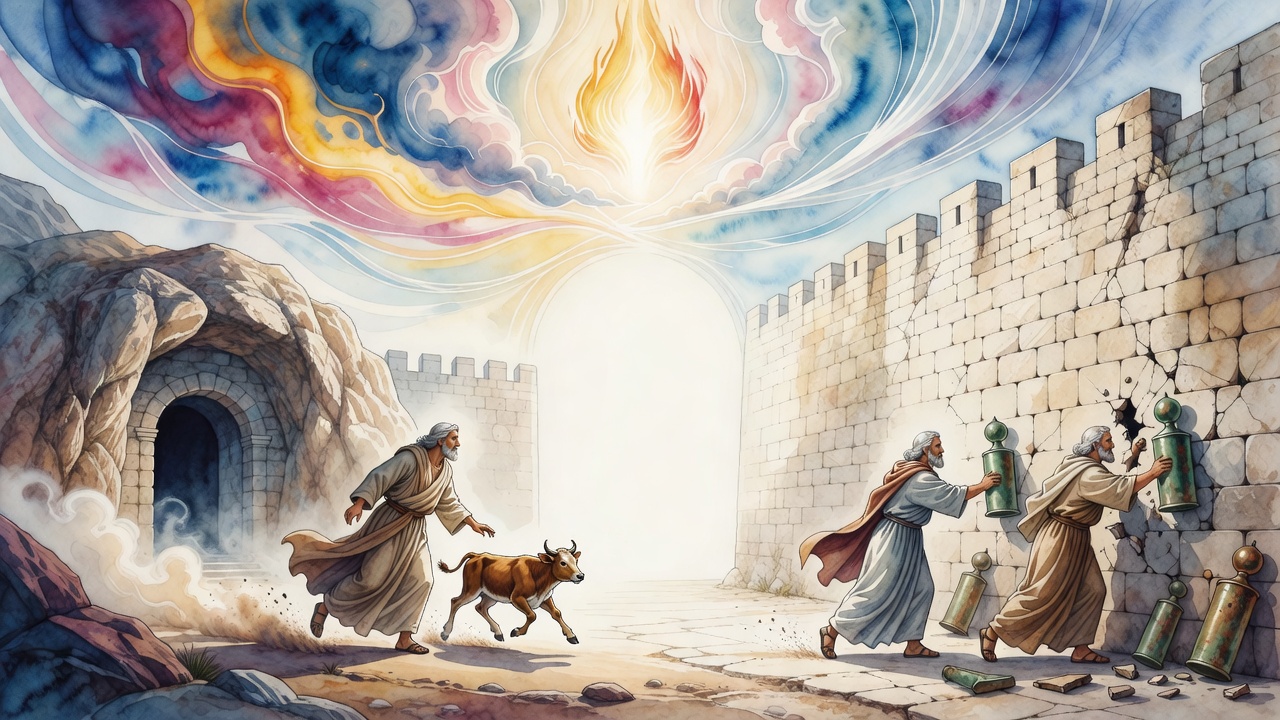
The Jebusites held the lower city the way a man holds a locked chest. David fought them until the lower city opened. Spears rang on stone. Men fell in the narrow streets. Then he turned to the upper ruin Judah had abandoned. He began to rebuild there. Stone by stone he raised houses where ash had settled into the joints of the rock. Laborers hauled timber up the slope. Dust stuck to sweat on every neck.
He did not leave the two halves separate.
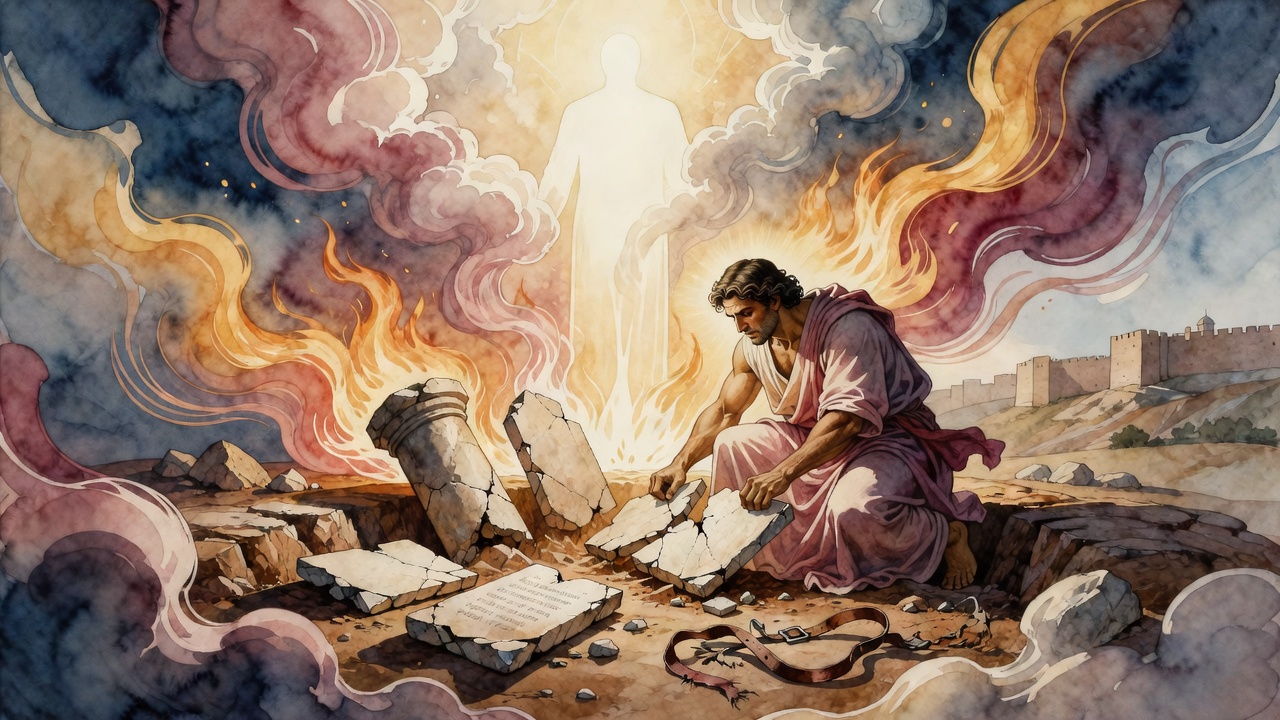
He built a wall that ran around upper and lower together. Surveyors walked the circuit at dusk with torches, checking the line where the burned ridge met the living alleys. Masons closed the last gap under a cold wind. One circuit of stone. One name spoken over both. Jerusalem, whole, for the first time since the lots were cast (1 Chronicles 11:8).
The Threshing Floor That Stopped the Sword
Inside that closed wall he set a tent for the Ark of the Covenant. The presence that had moved with Israel through wilderness and war now rested in a city no longer split against itself.
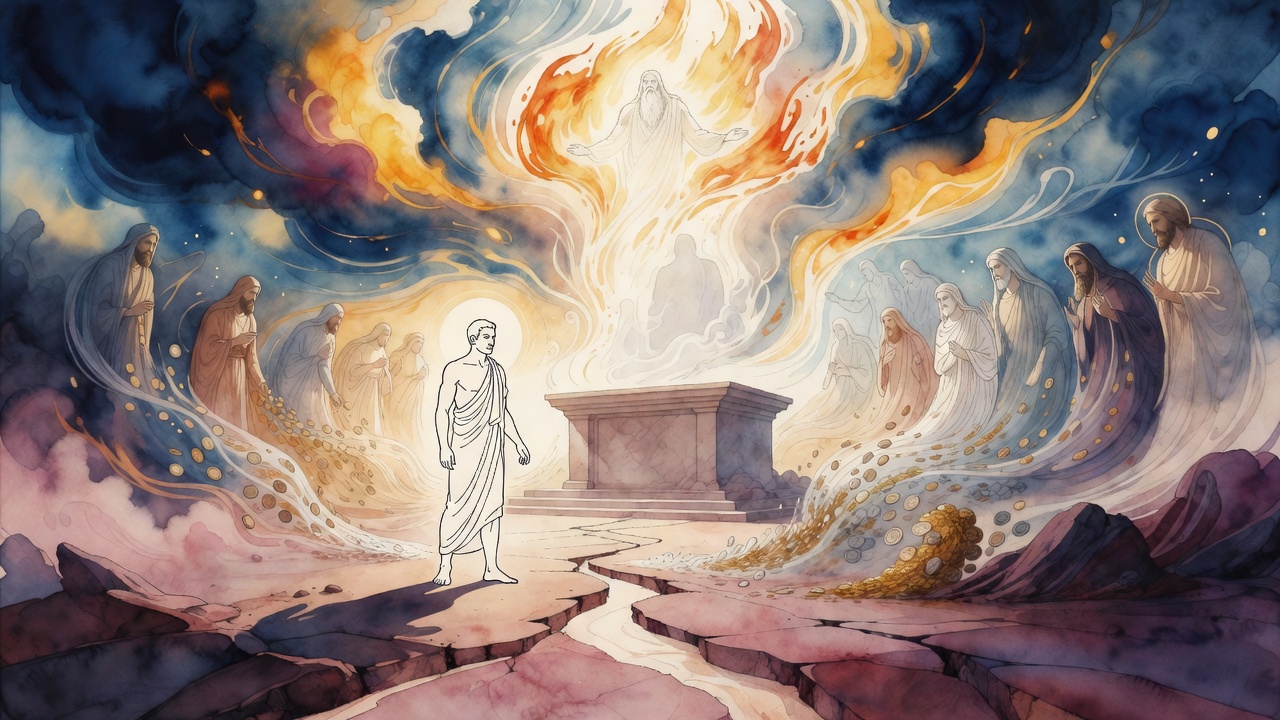
Later the plague came. Bodies fell from Dan to Beersheba until the angel of the Lord stood over Jerusalem with the sword still drawn. Gad spoke the command. David climbed to the threshing floor of Aravna the Jebusite, bought the ground, and built an altar there by God's word to stop the dying (1 Chronicles 21:18). The Jebusite's floor became the hinge of mercy. Smoke rose. The angel sheathed the blade.
That same ridge would hold more. In the lower Jerusalem, Benjamin's portion, Solomon would raise the House of the Lord on Mount Moriah (2 Chronicles 3:1). The beloved of the Lord would host the Temple in the half of the city Benjamin had once refused to clear.
The Foreigner Who Would Not Turn
Years after the wall closed, Absalom rose and David fled the city he had welded. On the road out, he turned to Ittai the Gittite, a foreigner and exile, and told him to go back and stay with the new power in the capital. Save yourself. You owe me nothing here.
Ittai would not turn.
"Wherever my lord the king will be," he said, "whether for death or for life, there will your servant be." The force in the words was whole. David heard a righteousness in the foreigner's mouth that matched the loyalty he had wanted from his own house. The verse later holds a word written and not read at that oath, as if even the page strained under how much heart a stranger put into one sentence.
David walked down from the welded city with a Philistine at his side and his own son on the throne behind him. Dust rose from the road under bare feet and sandals mixed together. Women wept at the city edge. The wall still stood behind them, a hard ring against the sky. The Ark had already been sent back up the slope. The king who joined two Jerusalems left both of them under a rebel's hand and kept moving because the foreigner would not let him walk alone.
Upper and lower stayed inside one circuit of stone. Markets in the lower streets would open under Absalom's name. Rebuilders on the upper ridge would look down on a capital that no longer answered to the man who had closed the wall. David carried the memory of both halves down the slope, and the city waited for his return the way a locked house waits for the one who still holds the key.
← All myths