David Dismantled Three Covenants to Win Jerusalem
The Jebusites carved the mark of Abraham's covenant into idols on their walls, betting no Israelite would strike them. Joab climbed up and cleared them off.
Table of Contents
The idols were already on the walls before David reached the gates.
 Click for full size
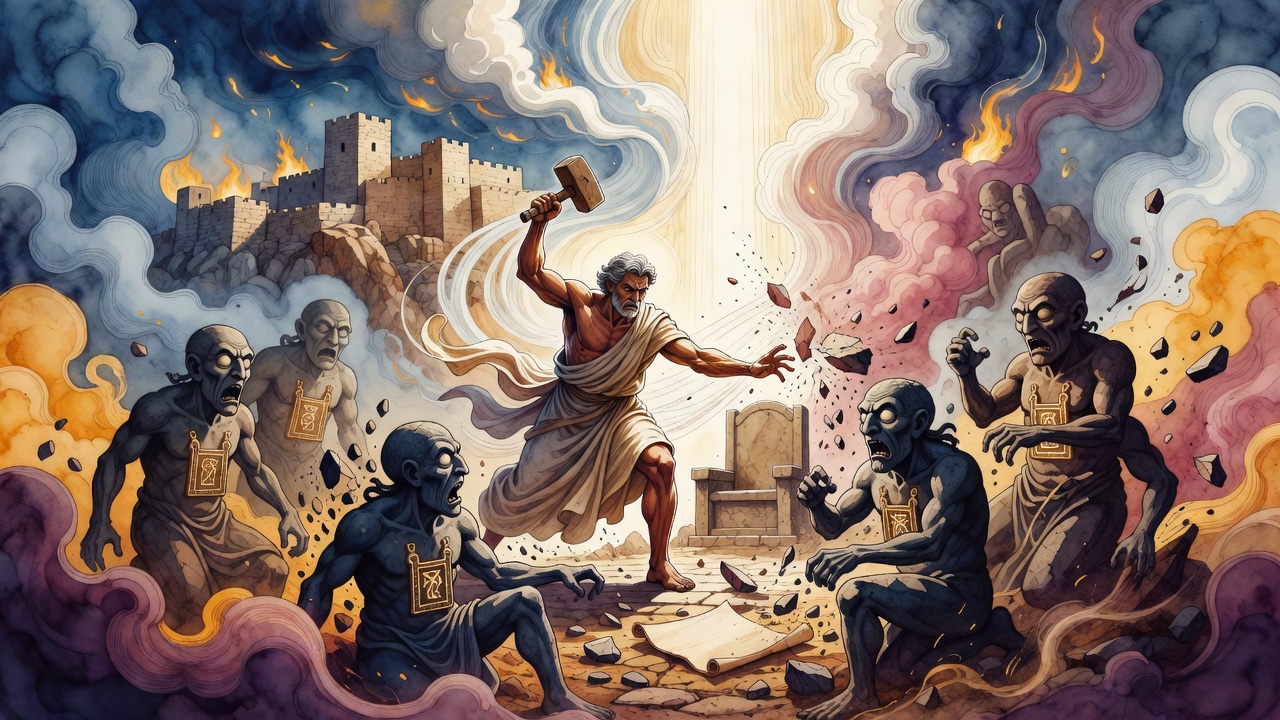
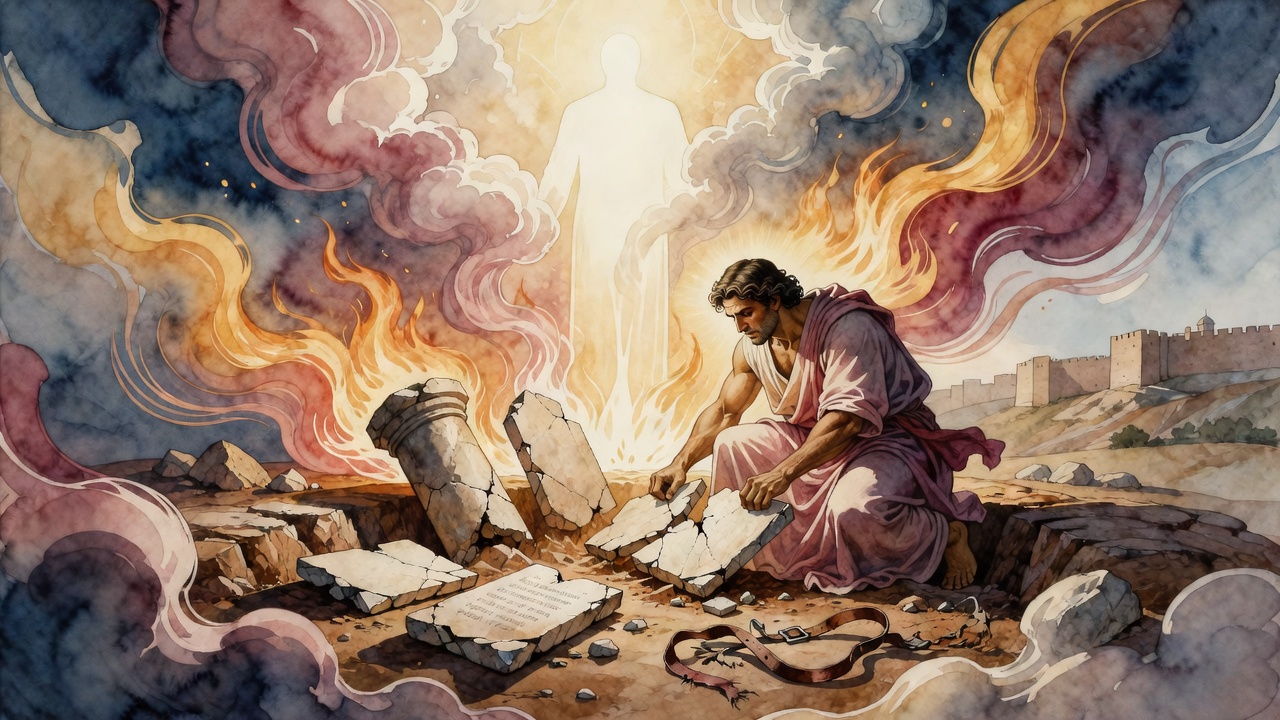
The city of Jebus needed no chariots massed at its threshold, no bowmen ranked along its parapets. It had a more precise weapon: stone figures set into the battlements, each one carved with the sign of brit milah, the covenant of circumcision. Every Israelite soldier who raised his eyes saw the mark of Abraham looking back at him from an enemy wall. The message was not subtle. Attack us, those idols said, and you attack your own oath to God. Strike our stone and you shatter your patriarch's promise.
The Jebusites had not invented this trap. They had simply understood something true: a people bound by sacred covenant will hesitate before they will defile it. They gambled that the army of Israel would stand frozen at the threshold of its own inheritance.
The Man Who Climbed Anyway
David did not debate theology in the road. He made a single announcement to his men: whoever climbs those walls first and removes the images will be made chief over the army (1 Chronicles 11:6).
Joab son of Zeruiah heard this and began climbing.
What moved in him as his hands found purchase on the stones is not recorded. Perhaps nothing moved in him at all except the cold calculation of a man who has decided. He cleared the idols from the battlements. He came back down. And David gave him exactly what he had promised.
The Jebusites had turned Abraham's covenant into a siege wall. David had turned it into a ladder.
The Purchase That Could Not Be Disputed
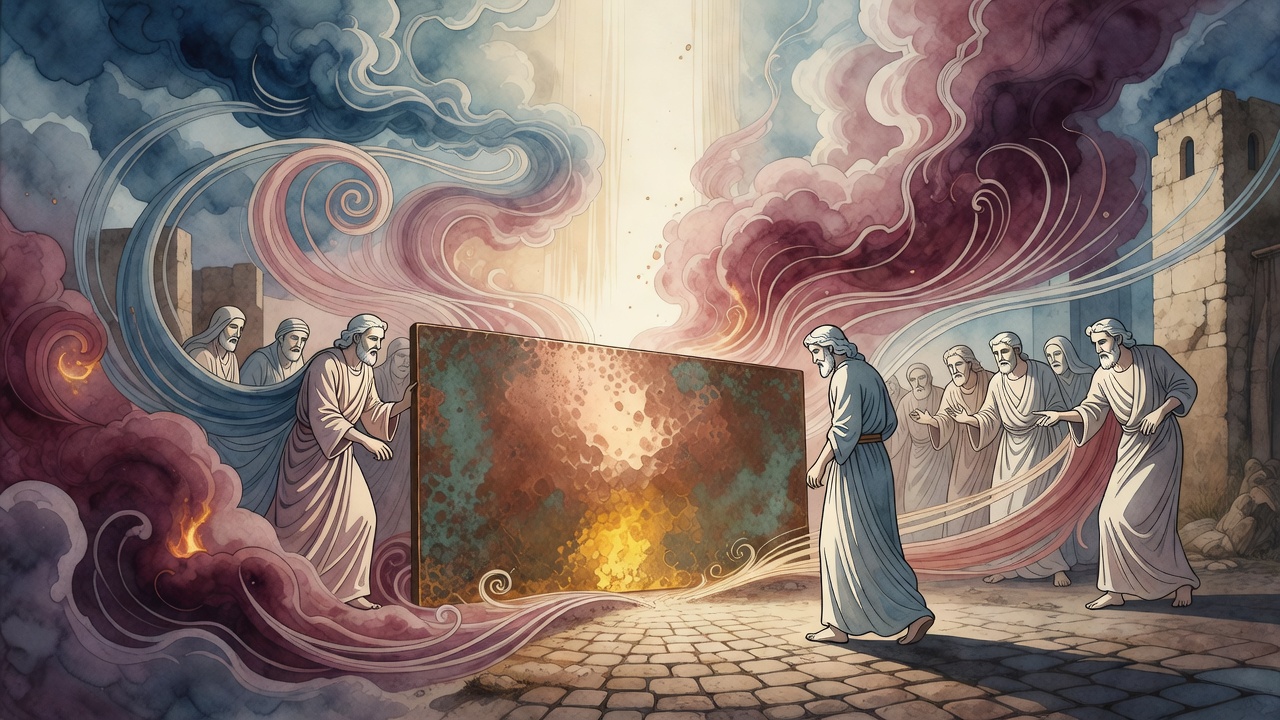
But the military victory was only the first transaction. What followed was deliberate and slow: Joab bought the city.
Not seized it. Not occupied it under the right of conquest. He paid six hundred shekels of gold for Jebus, drawing fifty shekels from each of the twelve tribes. The sum was formal and proportionate, shared equally among all Israel, so that every tribe bore the weight of the deed and every tribe held a share in what the deed secured. The city would belong to all of them or to none of them. There would be no argument in a later generation about who had really won it, who had really paid, whose claim ran deepest.
David understood that a city taken by force can always be retaken by force. A city purchased in full, with witnesses from every tribe, before every tribe's name, becomes a different kind of possession. Jerusalem was won by a soldier and secured by a contract. Together, the sword and the shekel made the claim incontestable.
The Pillar Jacob Built With Laban
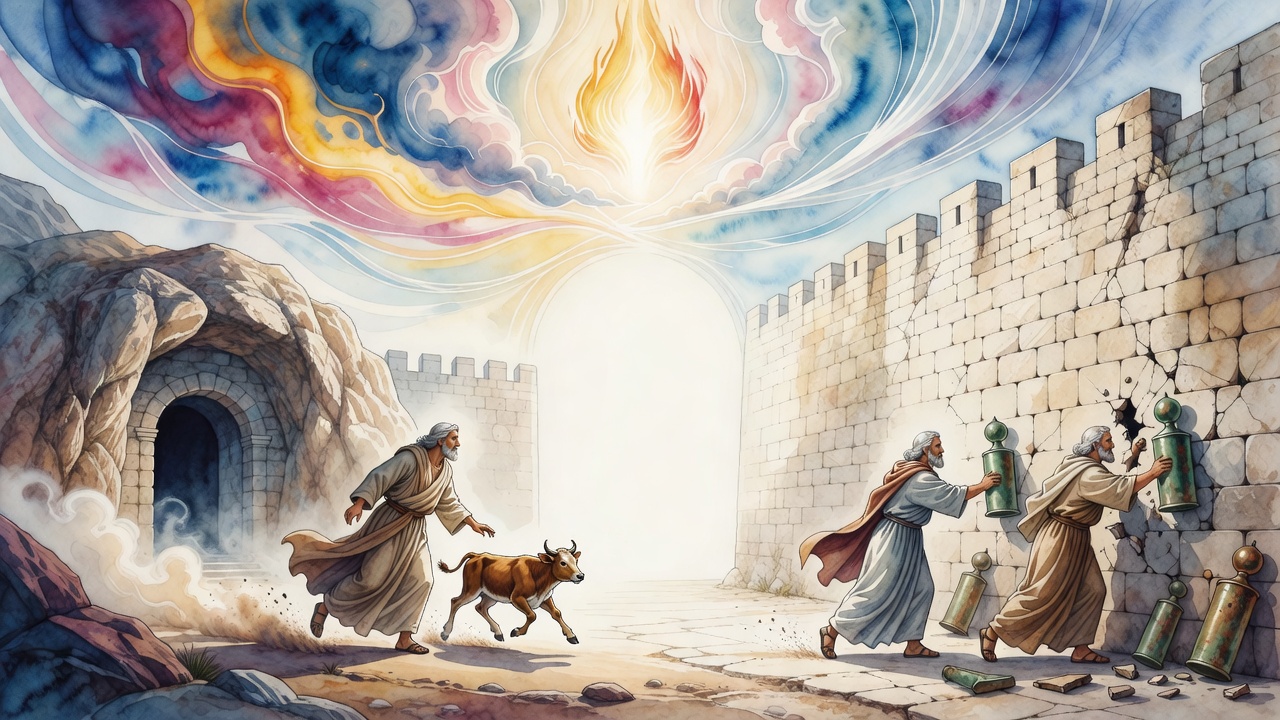
When David turned east toward Aram, the Aramean commanders felt confident for a different reason. Generations before, when Jacob and Laban reached the edge of their long struggle with each other, they raised a stone pillar on the border between their territories and made a compact: neither their descendants nor their descendants' descendants would cross that marker as enemies (Genesis 31:44-52). The pillar stood. The Aramean general Shobach stood behind it.
He believed the stone would do what his soldiers could not: stop David before he started. The covenant of two old men, piled in stone at a border crossing, would hold the army of Israel on the far side.
David had the pillar destroyed.
No ceremony. No long deliberation. The stone came down because David understood what Shobach did not: that a covenant made between two men in a moment of exhausted peace does not bind a nation to surrender its security forever. Laban's compact with Jacob was not God's compact with Israel. David marched through, and Shobach met him on the other side, and the battle decided the rest.
Isaac's Bridle and the Philistines' Faith
The Philistines had their own relic. In the time of Isaac, a peace had been settled between his household and the people of the coast, and whatever token sealed that peace had passed down through generations until it arrived, still freighted with its old meaning, as a mule's bridle held by men who believed it protected them.
A bridle. Not a sacred text, not an altar stone, not a seal ring pressed by a patriarch's hand into wax. A bridle, carried forward because it had once been part of a moment when enemies stopped killing each other and called it peace.
David took it from them.
He did not mistake the relic for the covenant it represented, or the covenant for something that could bind the living to permanent disadvantage. Isaac's arrangement with the Philistines belonged to Isaac's world. David lived in his own, and in his own he had a city to hold, borders to push back, and enemies who had learned to use the past as a wall.
What Three Broken Covenants Built
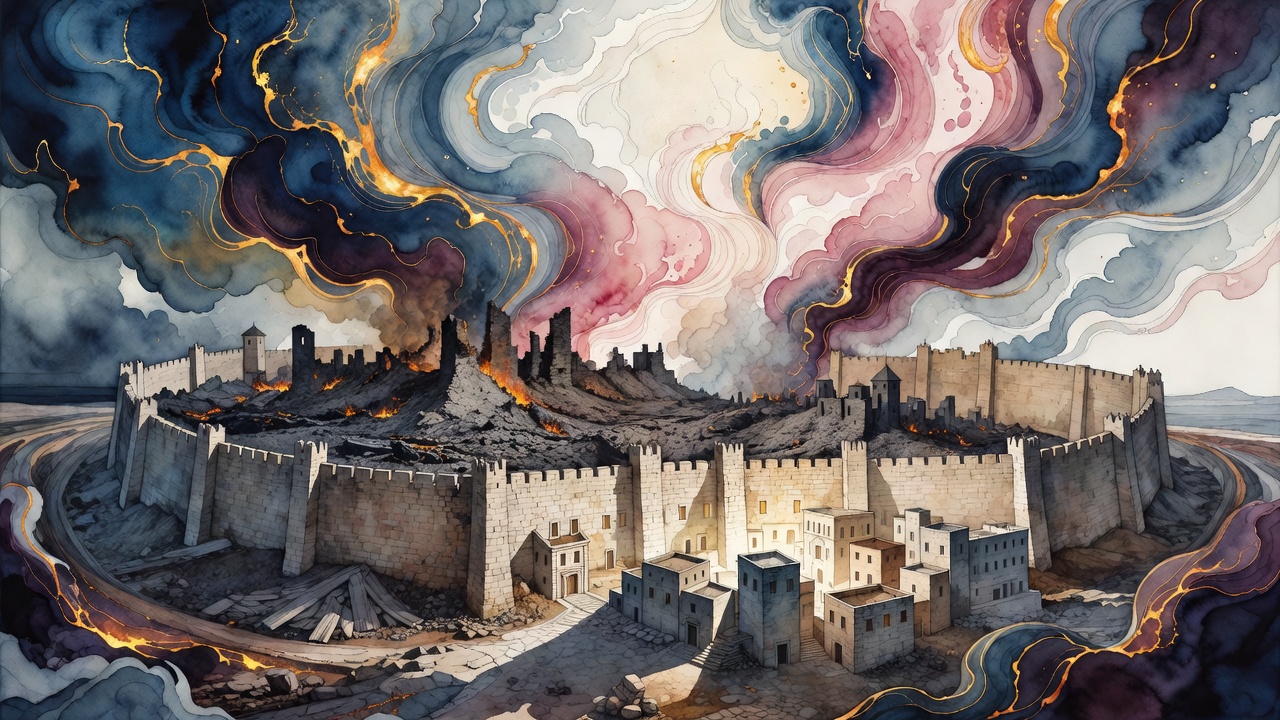
The three men whose covenants David dismantled were Abraham, Jacob, and Isaac, all three patriarchs, all three figures from whom David himself descended. He did not do this carelessly. He did it because he understood that the patriarchs had made their covenants in their own circumstances, for their own purposes, with their own enemies, and that those covenants had done their work and expired. What remained was not a living obligation but a symbol, and his enemies had learned to turn Israel's symbols against Israel.
The idols inscribed with circumcision, the pillar at the Aramean border, the bridle from the Philistine peace: all three were relics of earlier moments in God's long negotiation with the world. David broke them not out of contempt for his ancestors but out of clarity about what the covenant with God actually required. Abraham's sign belonged on the body, not on a Jebusite wall. Jacob's pillar marked a private truce, not a divine decree. Isaac's peace was finished when Isaac was.
What none of David's enemies had understood, standing behind their old protections, was that the God of Israel moves. The city David entered through those cleared gates became the city that bore God's name, purchased in full, with fifty shekels from each tribe, incontestable and permanent, built on the rubble of what had to be broken first.
← All myths