David Demanded a Sign Against Ahithophel
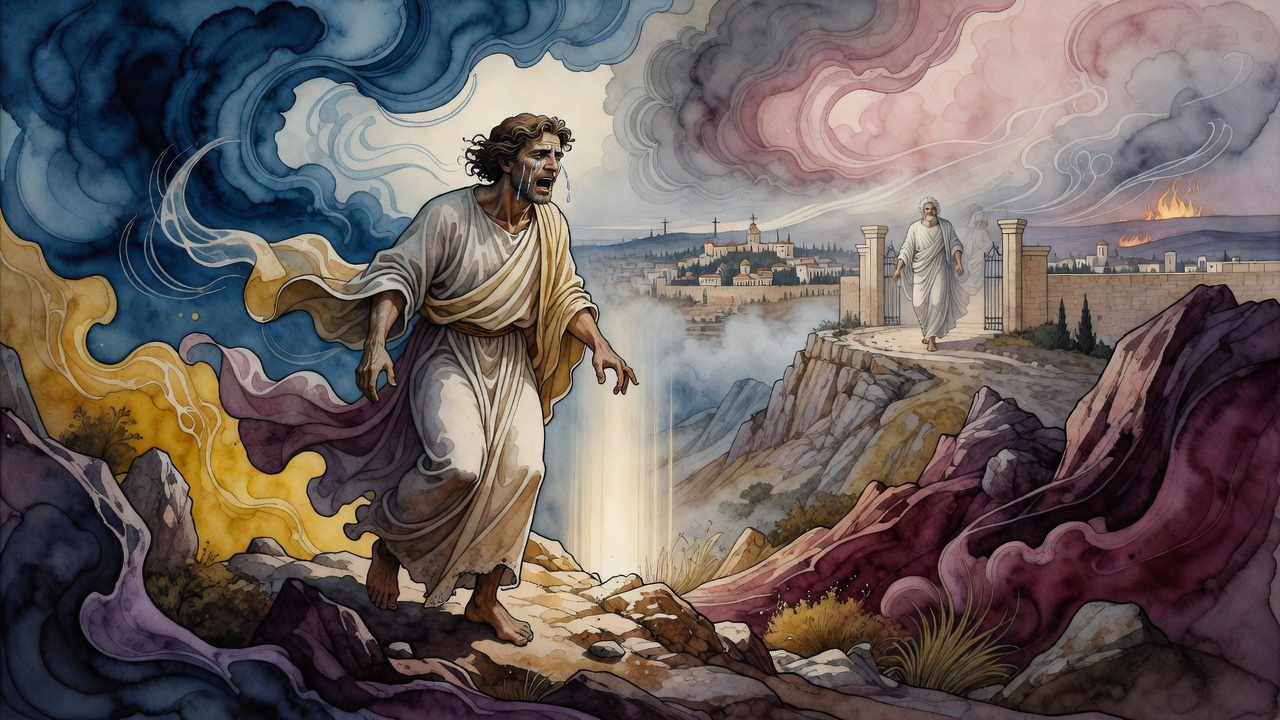
Dust sat in his hair. Absalom had the counselor. David did not ask for a general blessing. He asked heaven to look at him and no one else.
Table of Contents
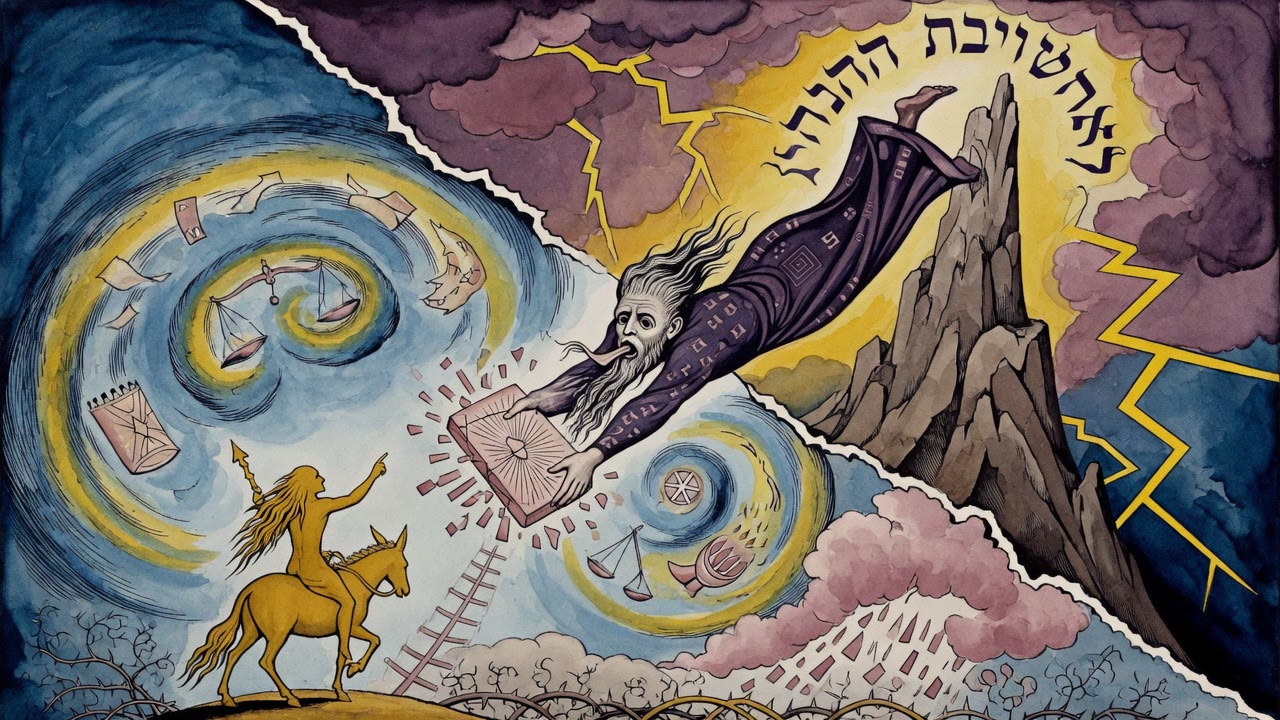
David heard that Ahithophel had taken his wisdom over to Absalom, and the news hit harder than a spear. The counselor who once split a strategy the way a knife splits fruit now sat in the son's tent. David left the city with dust on his head and a throat raw from withheld shouts. He did not ask for a general blessing. He asked for attention.
 Click for full size
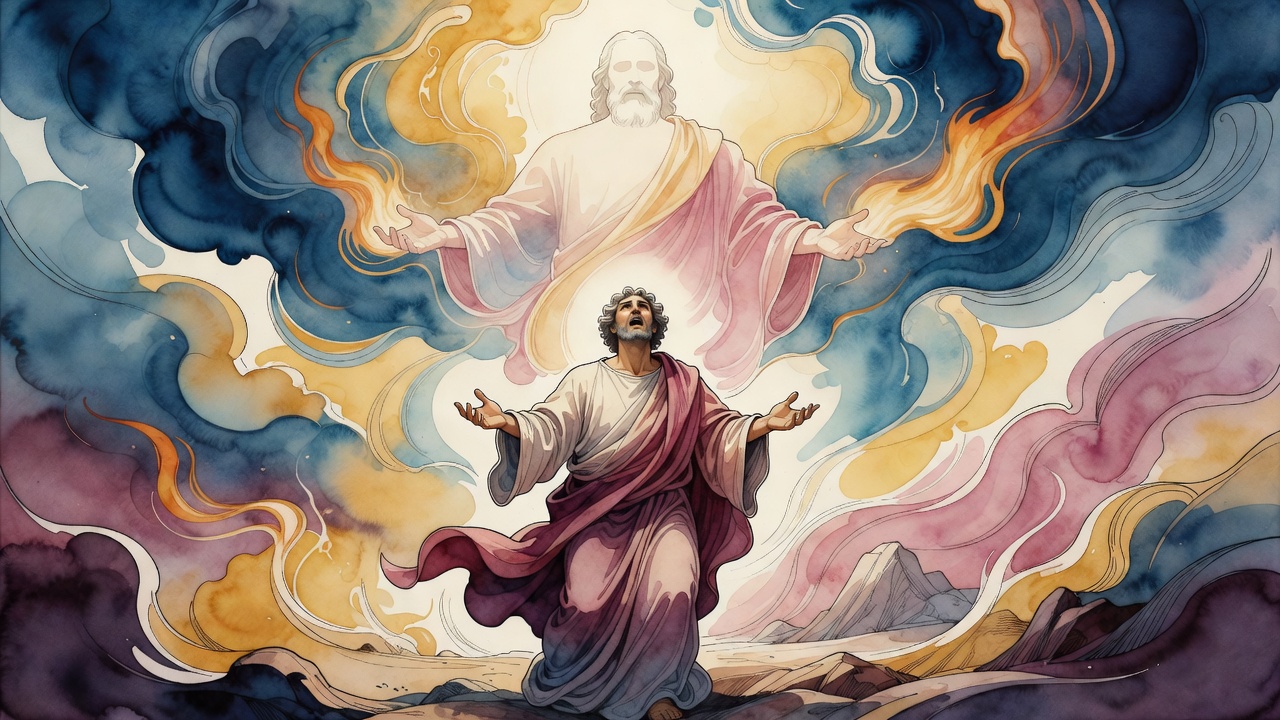
"Turn to me and be gracious to me," he cried. "O Lord of the world, turn away from all Your affairs and turn to me. Make a sign for my benefit."
Turn Away From Every Other Affair
The request was almost rude in its focus. Empires could wait. Stars could wait. The man who had stolen the king's ear for a rebel prince could not wait. Ahithophel's advice, if taken whole, could end the king before dawn.
David did not stop walking. He spoke the plea into the dark as if the hills themselves might carry it faster than a courier. Messengers ran. Dust rose under tired sandals. Night pressed the hills. He wanted a mark aimed like an arrow at the counselor's mouth, something enemies could read.
The Signs He Already Knew
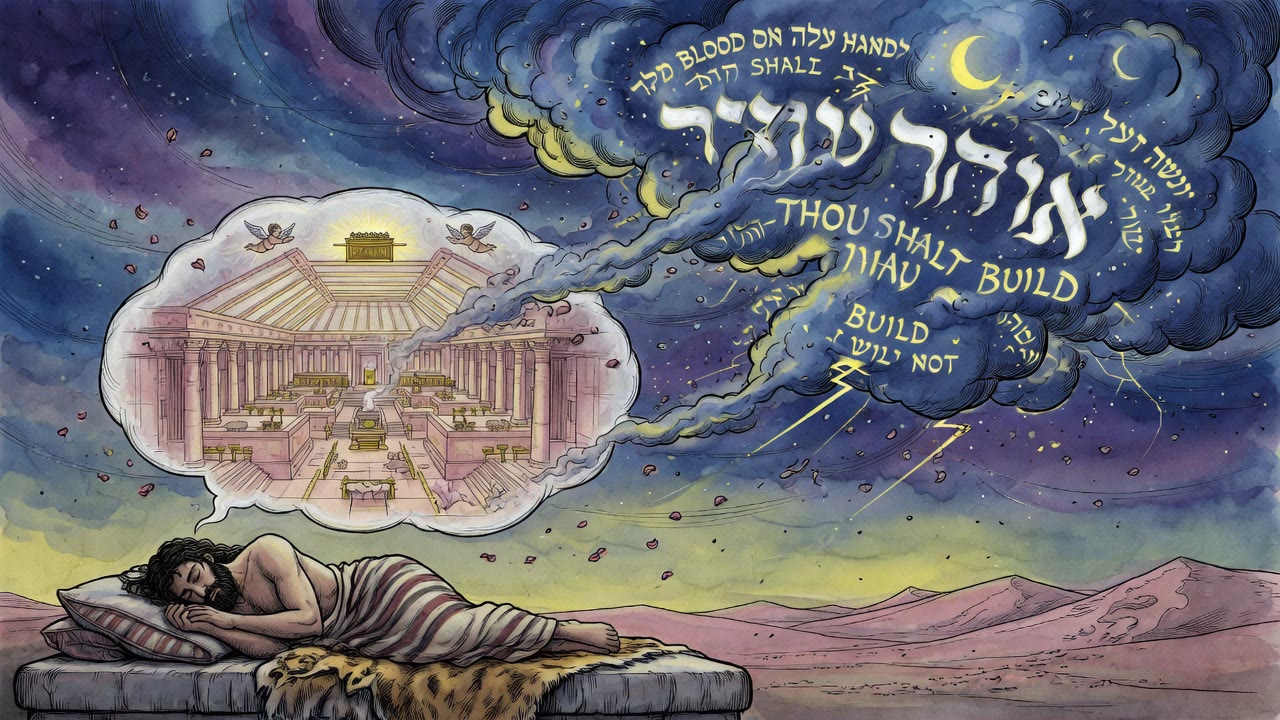
He reminded heaven of older rescues while his bare feet found the road of flight. God had helped him through distress before. Nathan the prophet had once stood in a room thick with the king's guilt and said the Lord had also forgiven the sin. That word had been a sign when David could not lift his own face. Now he wanted another mark, this time against Ahithophel.
He set his plea beside Jacob's old need for a sign against Esau and Laban, against brothers and uncles who could crush a household. Rachel's presence had been help. Escape from Laban had been comfort. David stacked those memories the way a fighter stacks shields. He was not inventing a hunger for proof. He was joining a line of men who refused to walk into a knife without asking heaven to show its hand.
Crimson at the Sanctuary Door
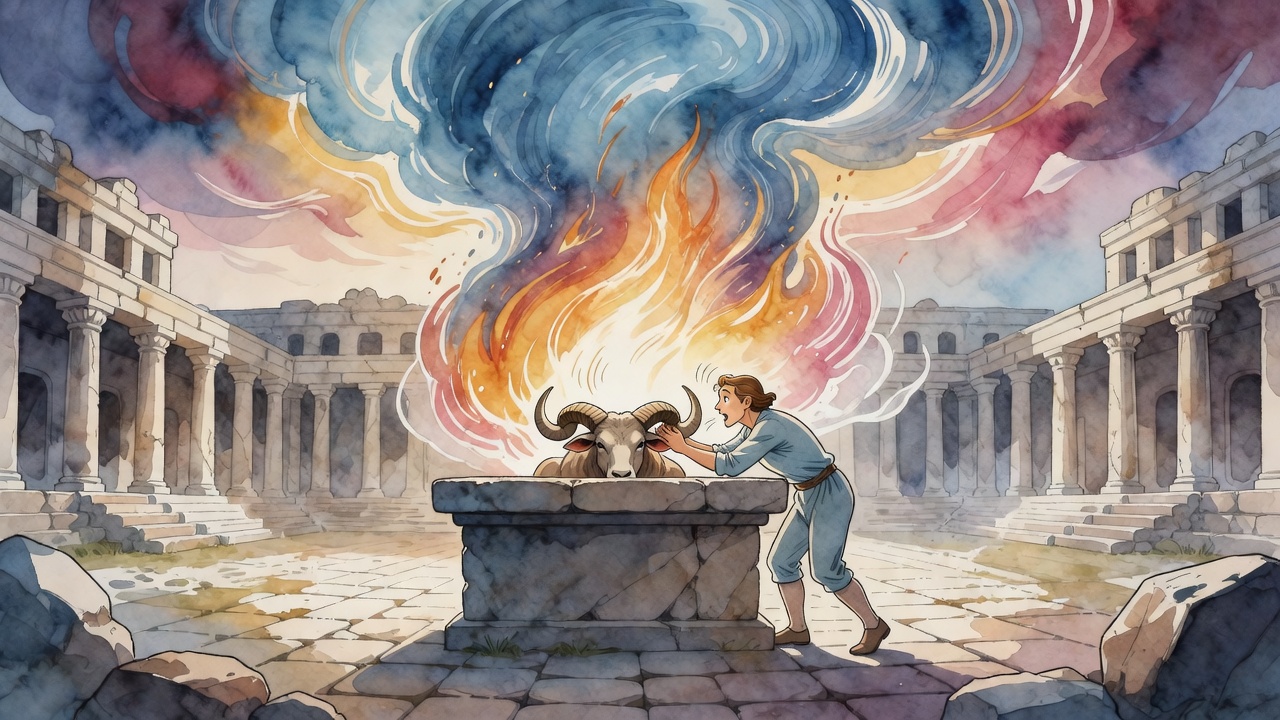
In the Temple that would one day stand for his son's building, Israel learned a public way to read acceptance. On Yom Kippur a tongue of crimson wool hung at the sanctuary entrance. When the prayers of the people were received, the thread turned white. Breath left a thousand chests at once. The sign did not explain atonement. It told a packed courtyard that heaven had not turned its face away.
David wanted that kind of clarity without a festival calendar. He wanted a mark against the counselor's mouth. He wanted the world to see that the God who once sent Nathan still chose the fallen king over the clever traitor. A sign for good is not decoration. It is a verdict hung where enemies can read it.
Somewhere between the road of flight and the later doors of the Sanctuary, the same hunger travels. Show that the cry was heard.
When God Holds Silence
Another psalm of David opens a stranger praise. "Silence is praise to You, O God in Zion" (Psalm 65:2). God stands restrained by judgment's own demand, holding back while nations raise a clamor in the House of the Lord as on a festival day, while mouths boast that their hand was triumphant and ask where Israel's rock has gone.
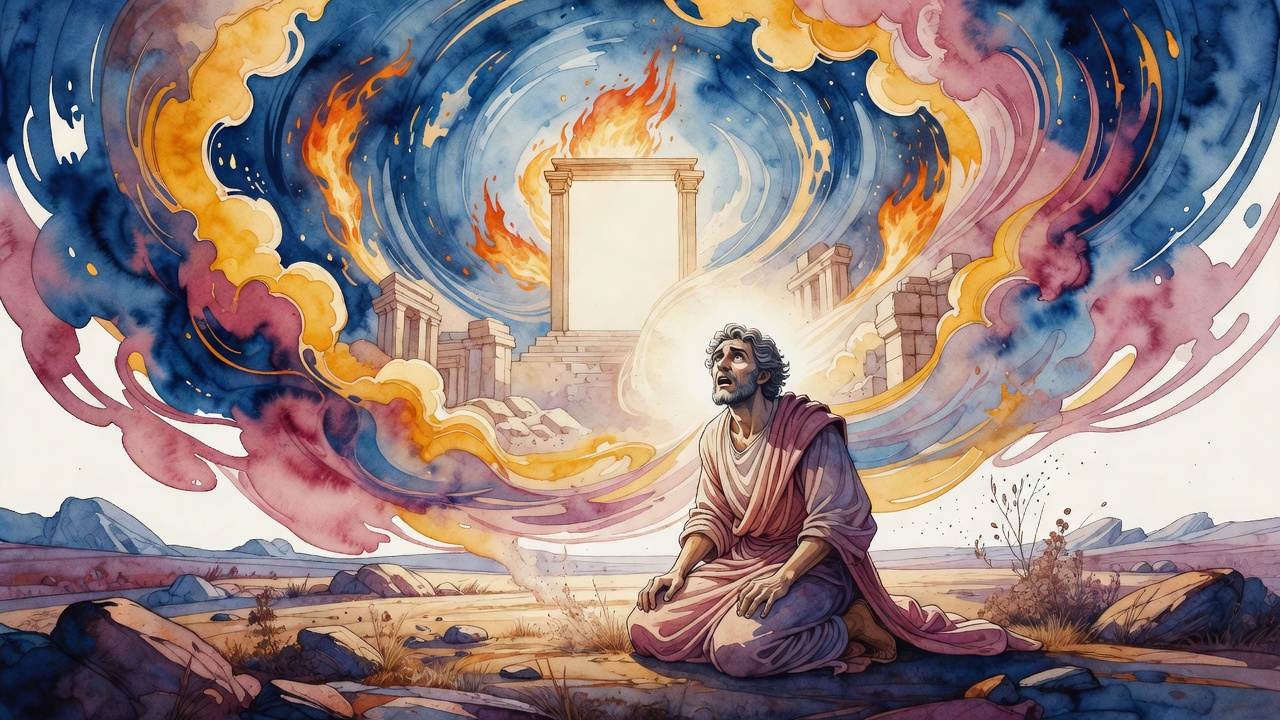
Isaiah's God is still, then cries like a woman in labor. The restraint is not absence. It is power choosing not to finish the world in one burn. For David on the run, that silence could feel like abandonment. For Zion after fire, the same silence becomes a praise the destroyers cannot understand. The Holy One does not always answer a taunt on the taunter's schedule.
David still asked for a sign. Both pressures stayed live. A king may beg for a visible turn of favor. A people may praise the God who sometimes answers by not yet answering.
Thanksgiving After the Rope
When the crisis broke, Ahithophel's counsel failed, and the counselor's end was his own rope. The work was not only survival. It was entry. "Enter His gates with thanksgiving, and His courts with praise" (Psalm 100:4). Other sacrifices may cease. The sacrifice of thanksgiving does not. Prayer of thanks and the offering of thanks both stand.
David, if he lived through the night, owed more than a victory song aimed at a dead counselor. He owed the ongoing gift of thanks that does not wait for perfect peace. The Lord is good. Lovingkindness endures. That is the reason under the offering, not the mood of the hour.
Under pressure from nations that gather like eagles, Israel still lifts the Shema twice a day. Hear, O Israel, the Lord our God, the Lord is one (Deuteronomy 6:4). From among the eagles the voice is heard. David's demand for a private sign and the nation's public declaration share one nerve. Both refuse to let betrayal or empire have the last sound.
On the road out of Jerusalem the king still waited for a mark against Ahithophel. In a later court a crimson thread still waited to change color. Between those waits stands a man who would not let heaven look past his ruin, and a people that learned to praise even the silence that outlasted a burnt house.
← All myths