5 min read

Dead Souls Crowded the Baal Shem Tov at Prayer

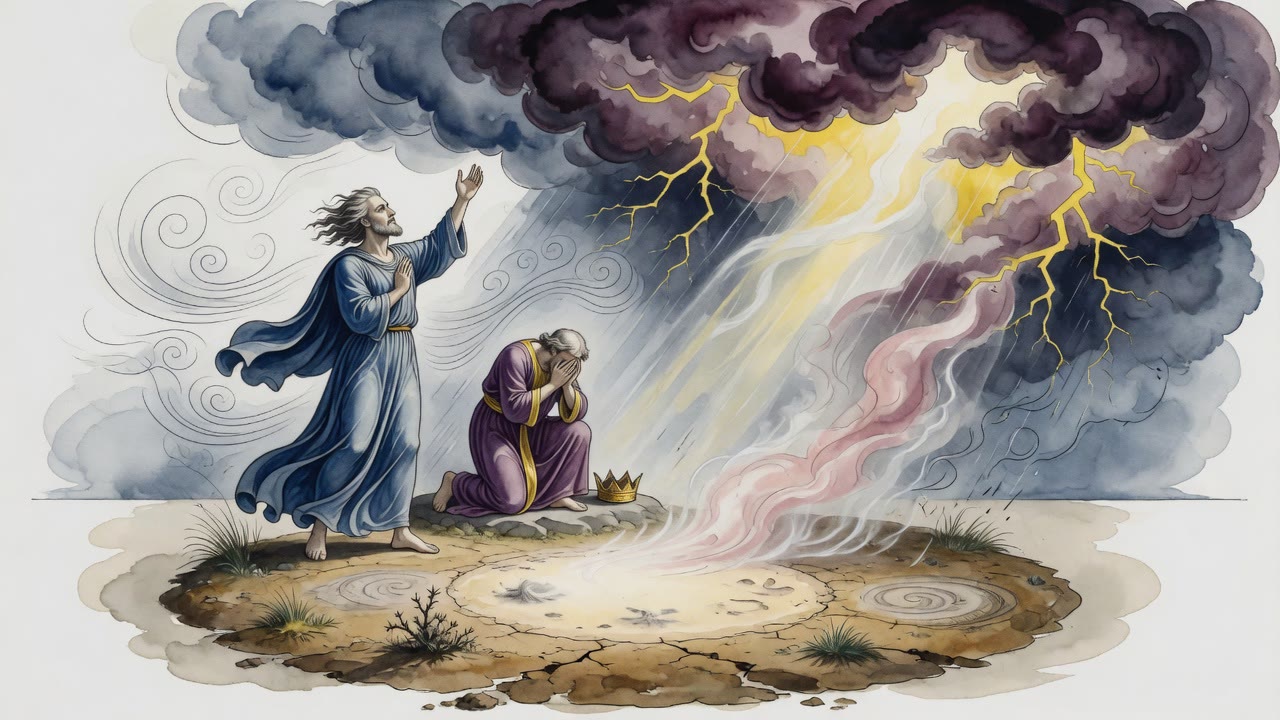
At Who revives the dead, thousands of souls press the Baal Shem Tov for repair, until Rabbi Gershon tries the gate and faints among the flock.

Curated by Arthur · Told by Maggid ·
Table of Contents
  1. Stars Before the Amen
  2. A Joke That Opens a Gate
  3. Shabbat Clothes on a Dead Maggid
  4. The Rebuke After Fear
Dead Souls Crowded the Baal Shem Tov at Prayer Click for full size

Stars Before the Amen

Rabbi Gershon thought he knew long prayer. He had worked through the Ari's siddur, reviewed the weekly portion twice with its Aramaic, and finished exhausted while daylight still held the windows. His legs ached in the honest way of a man who had done enough. Then he watched the Baal Shem Tov stand trembling until the stars came out, body locked in a conversation no one else could hear. The room cooled. Candles burned lower. Still the Baal Shem Tov did not step back into ordinary time.

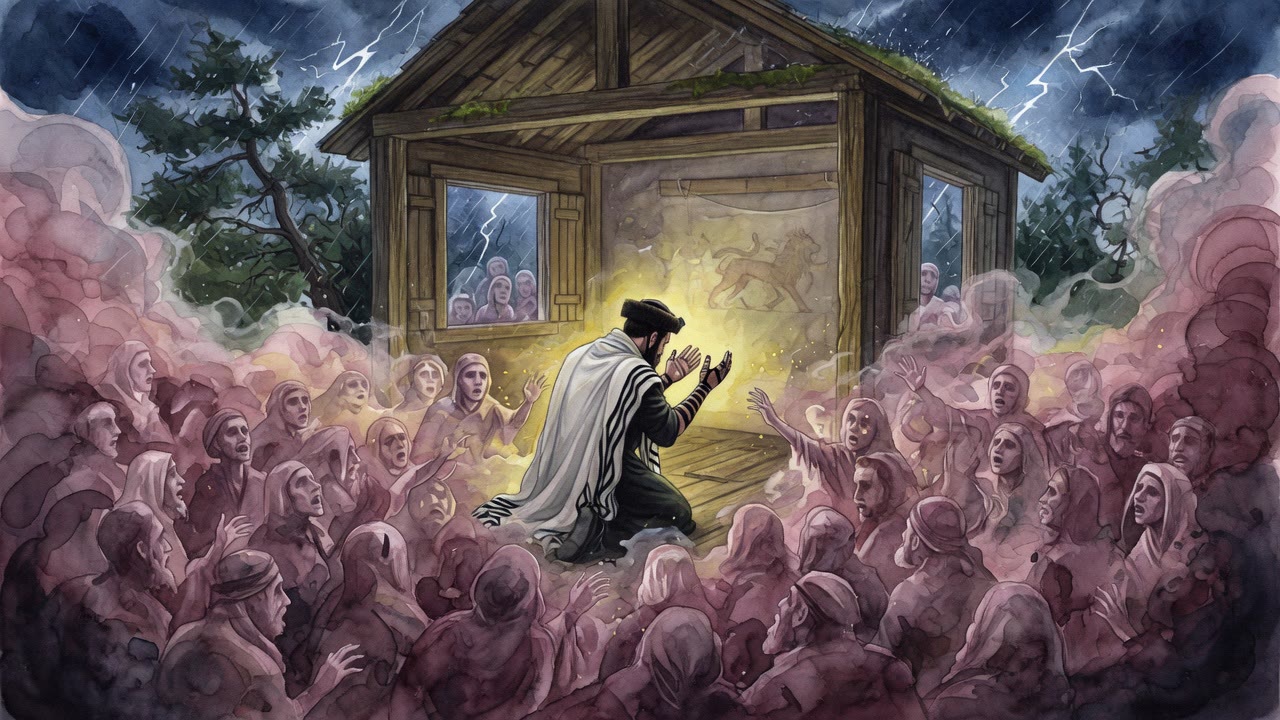
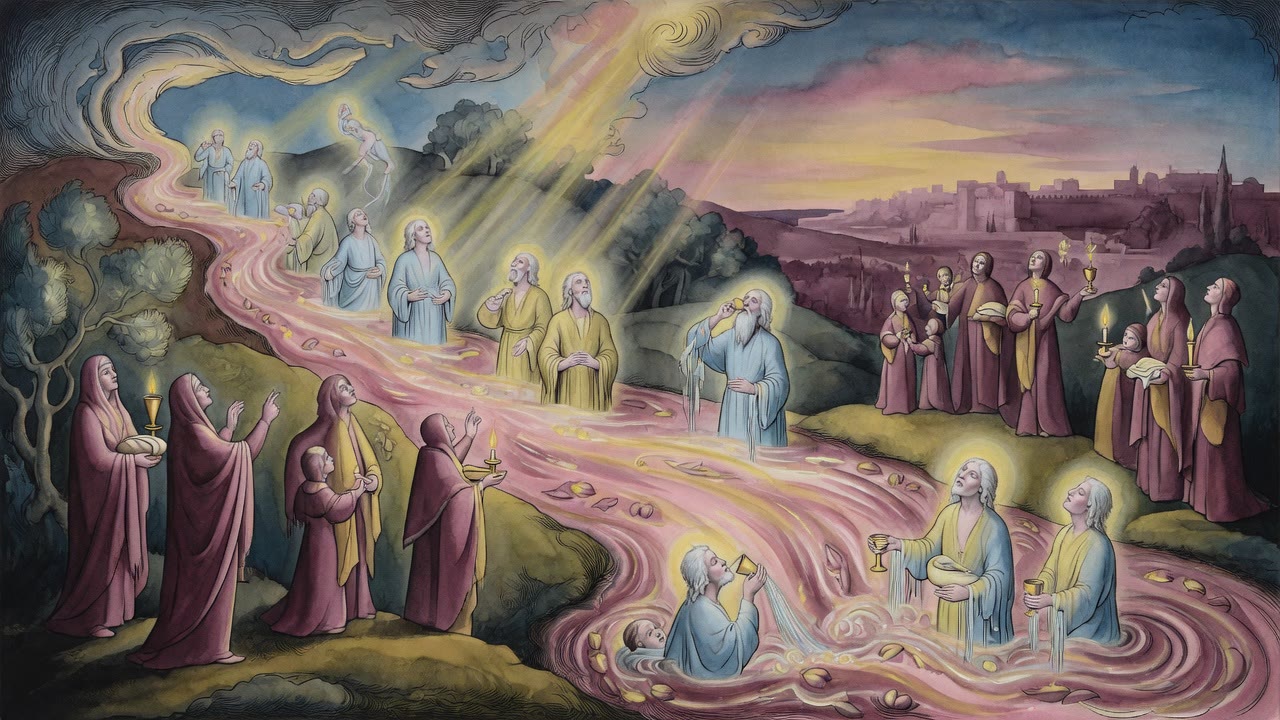
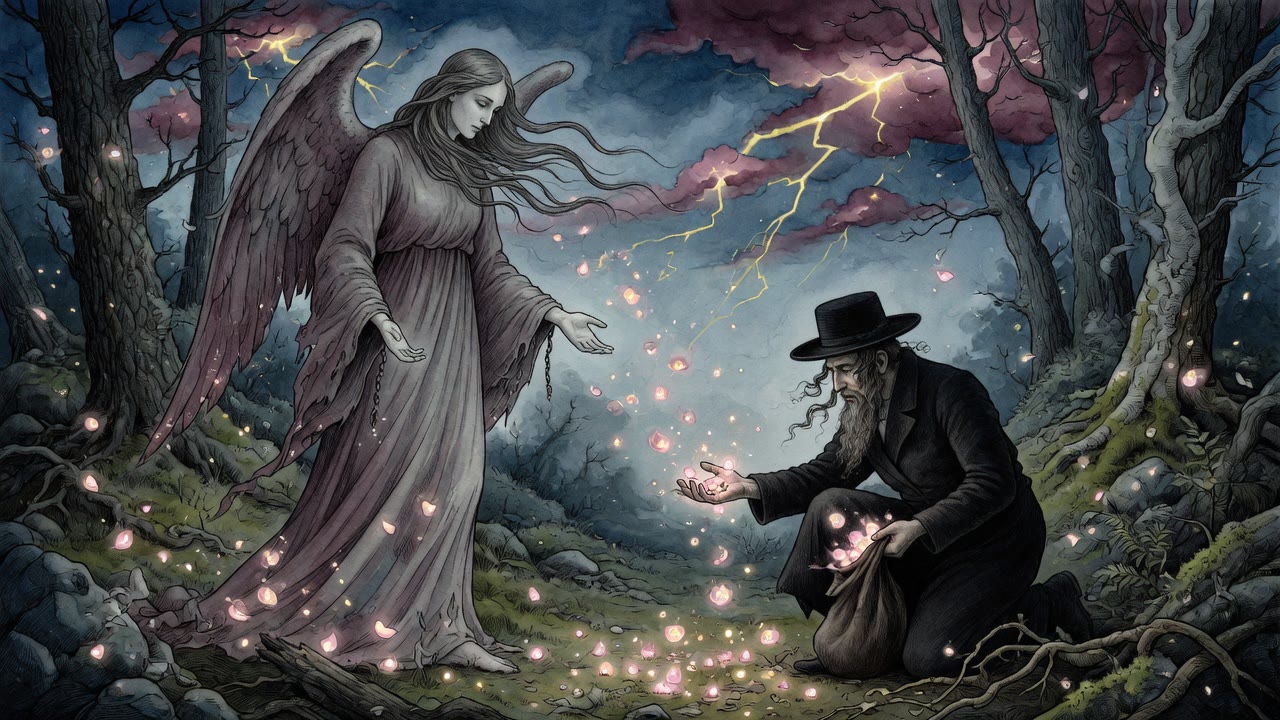
When the Baal Shem Tov finally explained, the words were simple and unlivable. At "Who revives the dead," souls arrived by thousands and tens of thousands. Each one had to be asked why it had been pushed away, what still needed repair, what prayer could raise. Some had unfinished confessions. Some had children who no longer said their names correctly. Some had been shoved from the world by violence that left no kaddish. The standing was not piety for display. It was intake work for the dead, a court session held on two feet with no clerk but the heart.

A Joke That Opens a Gate

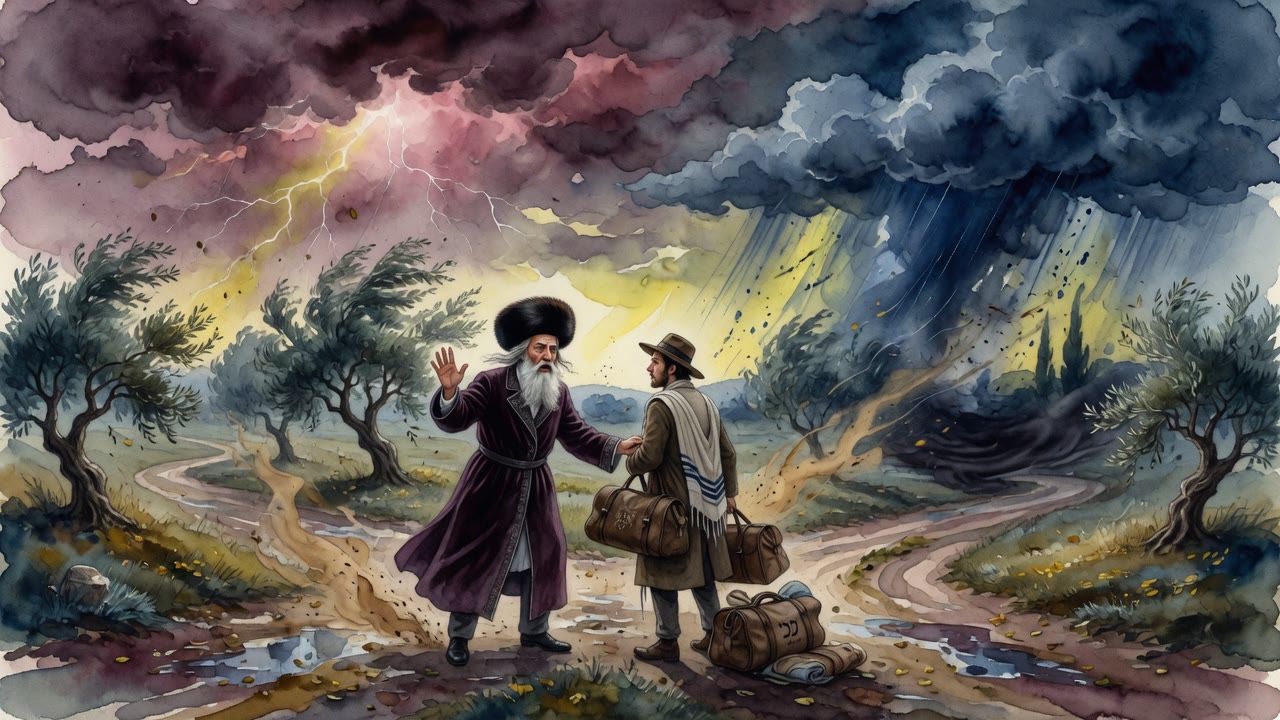
Rabbi Gershon joked that they never came to him. The laugh was small and safe, the kind of laugh men use when a story is too large for their mouths. The next week the Baal Shem Tov gave him the written intention, the kavanah that turns a phrase into a door. Ink on a scrap. Directions for a mind that wanted to try the same corridor.

When Rabbi Gershon reached the blessing, the dead came like a flock of sheep, pressing, bleating without sound, and he fainted where he stood. The floor met him without courtesy. Someone caught his head. Someone fetched water. At the table afterward the Baal Shem Tov asked why he had weakened. Rabbi Gershon answered without pride. The dead had come. The jest had become a gate, and the gate had opened too wide for him to stand. Heaven does not always honor the difference between a joke and a petition. A man can mock a burden and still be handed the load.

Shabbat Clothes on a Dead Maggid

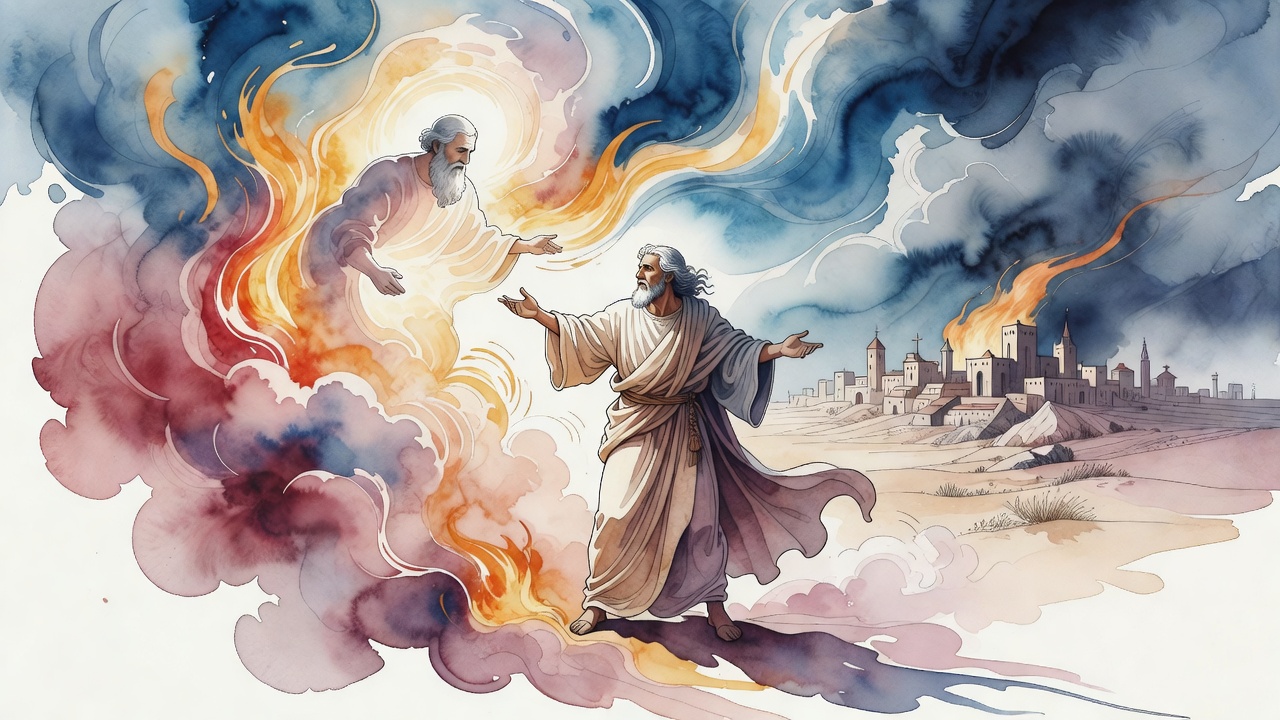
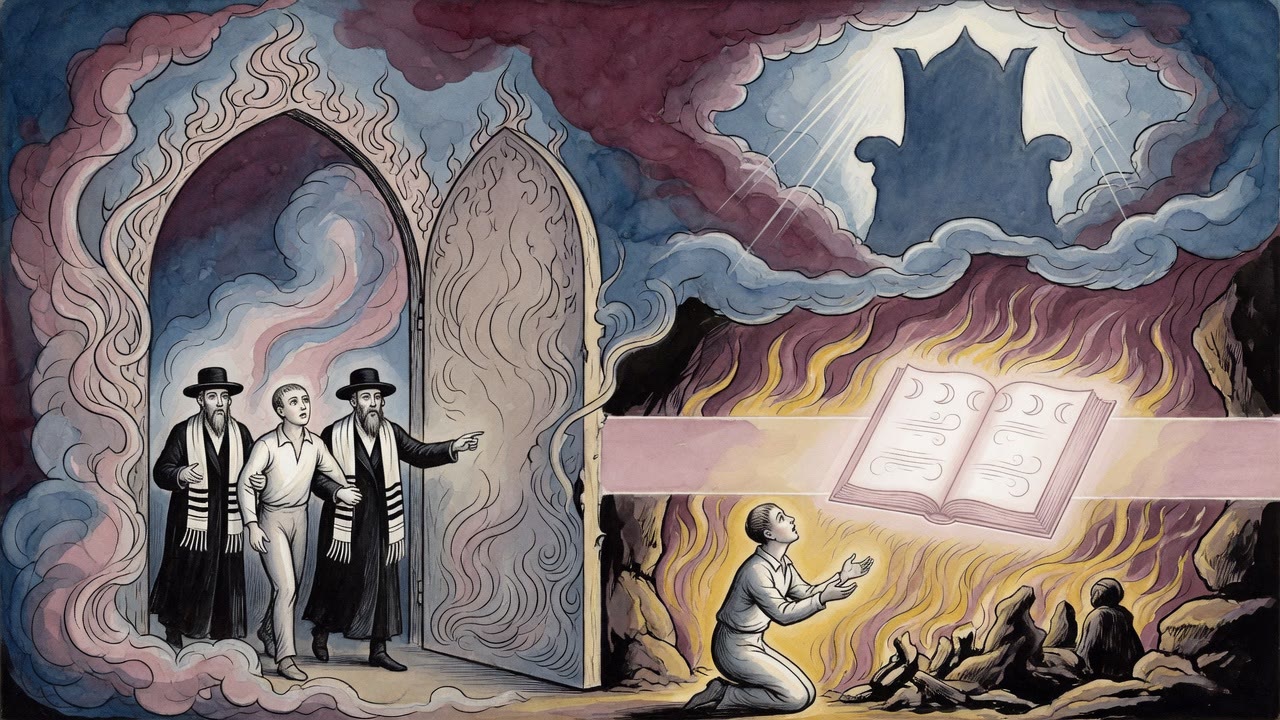
Another night the dead did not arrive as a crowd. One man walked in dressed for holy time. On Saturday night Rabbi Yosef Ashkenazi read Ein Yaakov aloud while the Baal Shem Tov lay on the bed and listened. The learning moved normally, page to page, story to story, until a Maggid Meisharim named Rabbi Yosef, dead about nine months, entered in Shabbat clothes, hat on his head, staff in his hand, and greeted the Baal Shem Tov as if he had come in from the street after a short walk between neighbors.

The living Rabbi Yosef froze. The book fell from his hand and hit the floor with a slap that made the candle flames lean. His throat closed around a scream he did not release. The Baal Shem Tov passed a palm over the living man's face, and the apparition vanished from that sight but not from the room. For half an hour the Baal Shem Tov spoke with the dead maggid while Rabbi Yosef watched only one side of the conversation: lips moving, head nodding, a dialogue with empty air that was not empty at all.

The Rebuke After Fear

Then the rebuke landed, quiet and exact. Why had he been afraid? The dead Rabbi Yosef had not become less holy by dying. Death had not stripped the Shabbat clothes of their meaning or the staff of its old authority. The moment had opened because the living reader refined words before the Baal Shem Tov while the Baal Shem Tov taught before him. Their souls had bound for an instant, three minds braided in one room. If he had held steady, he could have heard the whole exchange. He could have asked the dead righteous man whatever he needed about Torah, about his own path, about debts unpaid in either world. Instead he dropped a book and lost a hearing.

The house on Saturday night and the synagogue until starlight were the same classroom. The dead press toward repair. The living flinch. Between them stands a man who keeps praying until the traffic of souls is cleared enough for ordinary morning. Rabbi Gershon learned that a joke can open a stampede. Rabbi Yosef learned that fear can erase a teacher who had already crossed the hardest border. Both lessons left the living with less certainty and more work.

Outside, village dogs barked at nothing anyone else could see. Inside, the Baal Shem Tov returned to the page as if the dead maggid had been a guest who simply finished his tea and left. The Ein Yaakov waited where it had fallen. Someone picked it up. The night continued, heavier than before, and somehow cleaner.


← All myths
From the tradition

Sources

2 sources

The texts behind this telling. Some cards carry a translation of the source; others are our own retelling of it, and each card says which. Every card links out to the original.

Shivchei HaBesht 20Shivchei HaBesht

Translation of the source text.Shivchei HaBesht, Kopyst 1815 + JewishMythology.com faithful English Beta translation · Public Domain

I heard from Rabbi Falk: when Rabbi Gershon of Kuty traveled from the Land of Israel to the Diaspora to arrange matches for his children, he said along the way, "Thank God, since I have crossed the sea, I will travel to my brother-in-law, the Baal Shem Tov, of blessed memory." He came to him on the eve of Shabbat.

The Baal Shem Tov stood to pray the afternoon prayer and lengthened his prayer until the stars came out. Rabbi Gershon also prayed with the prayer book of the Ari, and afterward reviewed the weekly portion twice with the Aramaic translation, and afterward ordered pillows brought to him and lay down to rest.

On Friday night at the meal, Rabbi Gershon asked his brother-in-law the Baal Shem Tov, "Why did you lengthen the prayer so much? I also prayed with the intentions and read the portion twice with the translation, and I had to lie down and rest. But you stand and tremble and make your movements." He wanted to draw words from his mouth. The Baal Shem Tov laughed at him and did not answer him at all. Rabbi Gershon pressed him and asked again.

Then the Baal Shem Tov answered him, "When I reach the words 'Who revives the dead' - Rabbi Falk was uncertain whether it was the words 'Who revives the dead are You' or 'Who revives the dead with mercy' - I intend unifications. Then the souls of the dead come, by thousands and tens of thousands, and I must speak with each one, asking why it was pushed away from its partition. I make a repair for it, pray for it, and raise it, the most important first. They are so many that if I wanted to raise all of them, I would have to stand in the Amidah for three years. But when I hear the heavenly proclamation announce, 'Holy, holy,' and it is no longer possible to raise the souls, I step back from the Amidah."

Rabbi Gershon said to him in jest, "Why do they not come to me?" He answered, "Stay with me here another Shabbat, and I will hand you the intentions in writing on paper, and they will come to you also." And so he did.

On the next eve of Shabbat, when the Baal Shem Tov finished Kaddish before the prayer, Rabbi Gershon also stood to pray. The Baal Shem Tov still did not begin his own prayer, because he knew that Rabbi Gershon would not be able to bear it and would become frightened. Meanwhile he fixed his watch and smelled tobacco until Rabbi Gershon had passed the place of the intention. When Rabbi Gershon directed that intention and saw that the dead came to him like a great flock of sheep, he fainted. Then the Baal Shem Tov woke him and commanded him to go home.

At the table that night, during the meal, the Baal Shem Tov asked him, "Why did you become weak?" He answered, "When I directed the intention, the dead came to me like flocks." Then the Baal Shem Tov said to his people in jest, "Beat him, so that he does not laugh at the Baal Shem Tov."

Full source
Shivchei HaBesht 64Shivchei HaBesht

Translation of the source text.Shivchei HaBesht, Kopyst 1815 + JewishMythology.com faithful English Beta translation · Public Domain

I heard from Rabbi Falk, head of the court of Titchilik: once, on the departure of Shabbat, the Baal Shem Tov commanded his stepson's son-in-law, Rabbi Yosef Ashkenazi, to recite Ein Yaakov before him. The Baal Shem Tov lay on the bed and heard the Ein Yaakov from his mouth. At one place, the Baal Shem Tov gave a teaching on a saying in Ein Yaakov, and then Rabbi Yosef resumed reciting Ein Yaakov before him.

In the middle of the recitation, Rabbi Yosef saw the Maggid Meisharim, also named Rabbi Yosef, who had died about three quarters of a year before. He saw him enter the house dressed in Shabbat clothes, with a hat on his head, and say in a loud voice, "A good week to our master." He walked as he had in life, with his staff in his hand.

When Rabbi Yosef saw him, he was very frightened, and the Ein Yaakov fell from his hand. The Baal Shem Tov passed his hand over Rabbi Yosef's face, and he no longer saw him. The Baal Shem Tov said, "Take one candle in your hand and go to the side." He used to say that one candle damages the eyes, and so do three, but two are good for the eyes. Rabbi Yosef did so and stayed with him for about half an hour or more. He saw the Baal Shem Tov speaking with him.

Afterward the Baal Shem Tov called Rabbi Yosef and said, in these words, "Deutsch, come to me." He came and recited more Ein Yaakov before him. In the middle of the learning, the Baal Shem Tov began to complain against him and said, "Why were you afraid? Did Rabbi Yosef the Maggid, Deutsch like you, slaughter in his life, that you were afraid of him after his death?"

Rabbi Yosef asked, "By what merit did I see him?" The Baal Shem Tov answered, "Because you were reciting before me and I was teaching before you. I was refining you with my words, and the two of us became bound together and became one. Because of that you saw him. If you had strengthened your mind, you would have heard what he spoke with me. You also could have asked him whatever your heart desired, and he would have answered you. More than this, you would have had acquaintance with him and would have seen him continually."

Rabbi Yosef was very distressed over this, because seeing the soul of a righteous person is a level of prophecy, as it is stated in Sha'arei Kedushah of Rabbi Chaim Vital. He asked why the Maggid had come and what he needed. The Baal Shem Tov said that he came for his own need.

Full source