Egypt Forgot the Poor Wise Man Who Saved It
Joseph stocked Egypt against famine and vanished from its gratitude. God answered human forgetting with a verse that still named him ruler.
Table of Contents
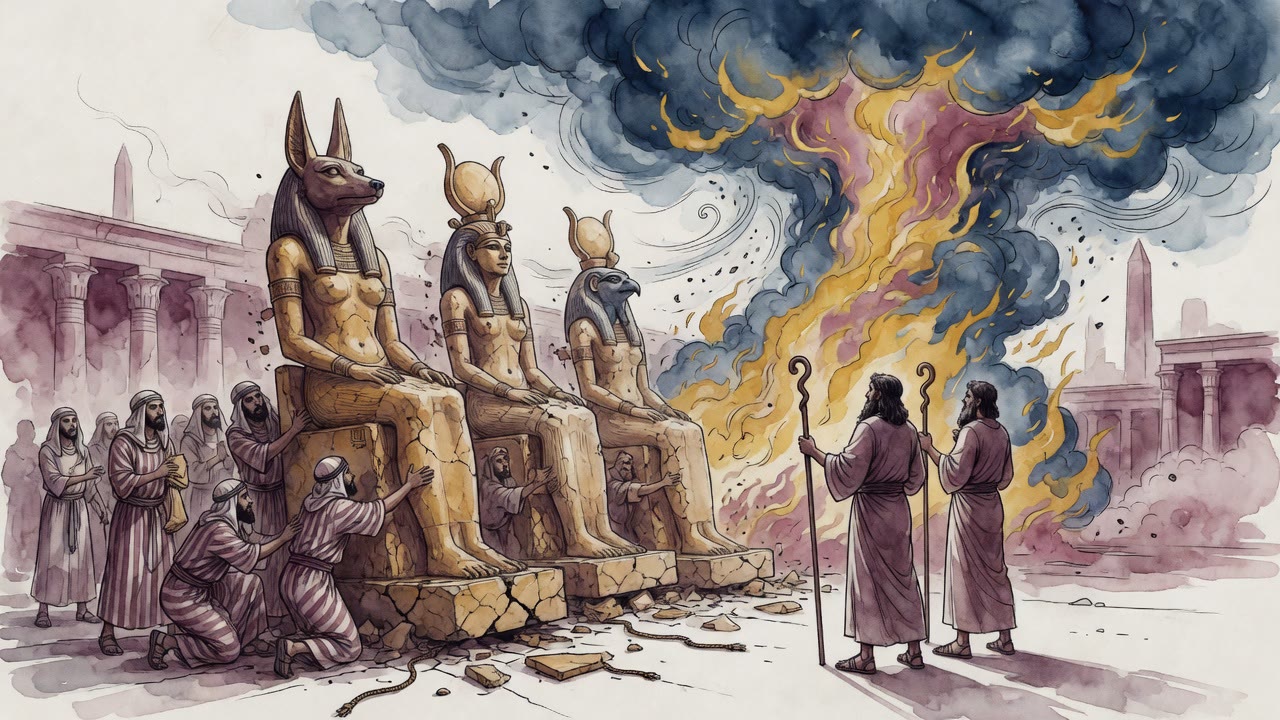
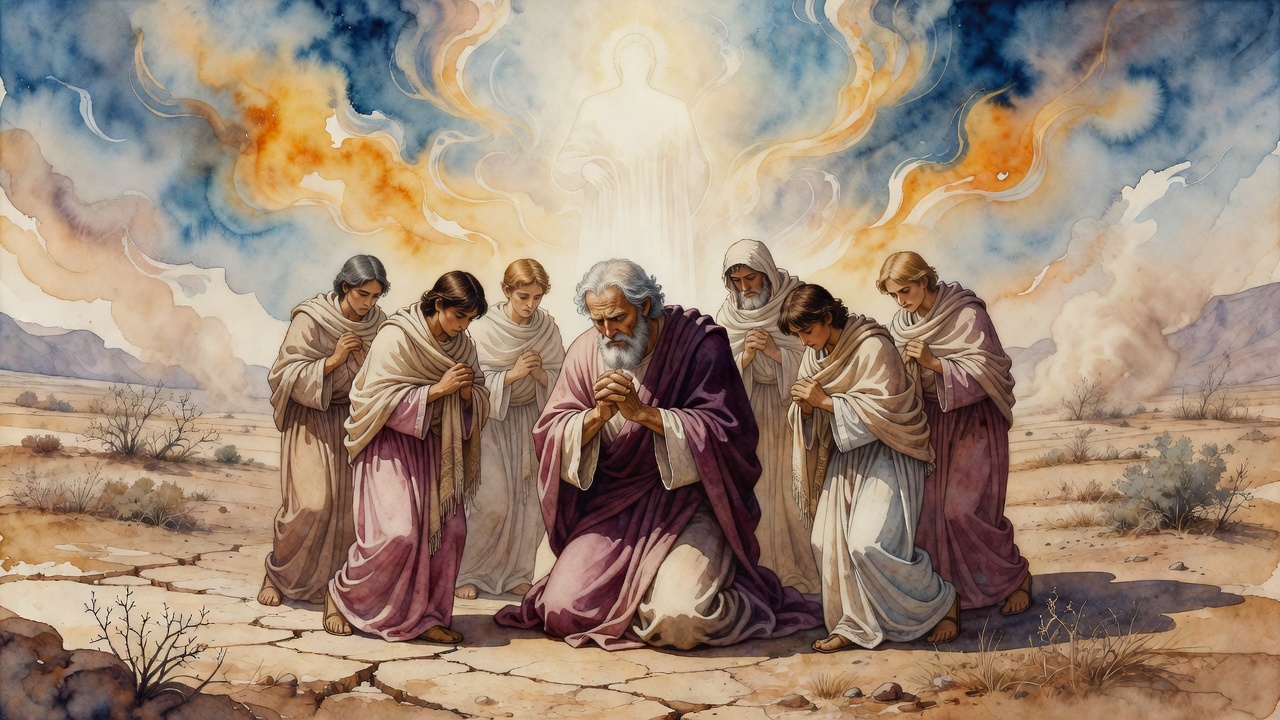
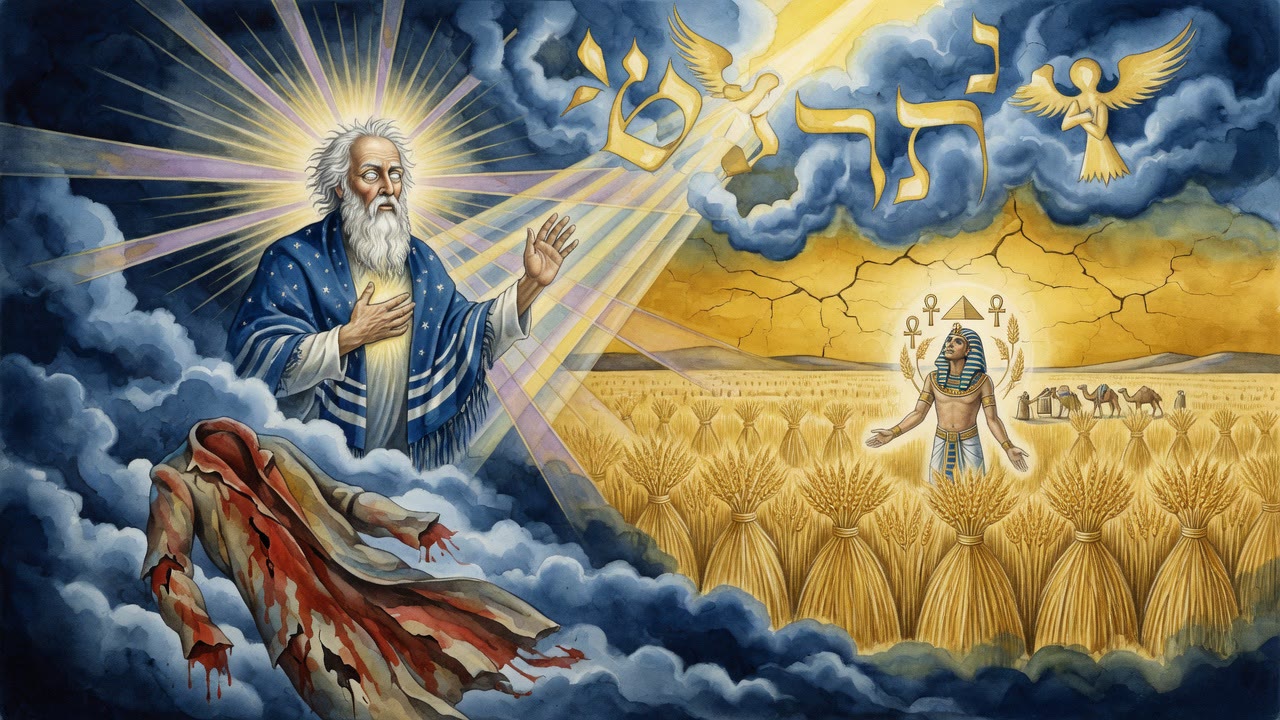
The storehouses stood full while the fields went white and dead. Grain that Joseph had ordered stacked in the years of fat cattle now moved by measure into empty hands. Egypt ate because a foreigner once read a dream and forced a kingdom to plan. Then the kingdom learned how to swallow bread without swallowing memory.
 Click for full size
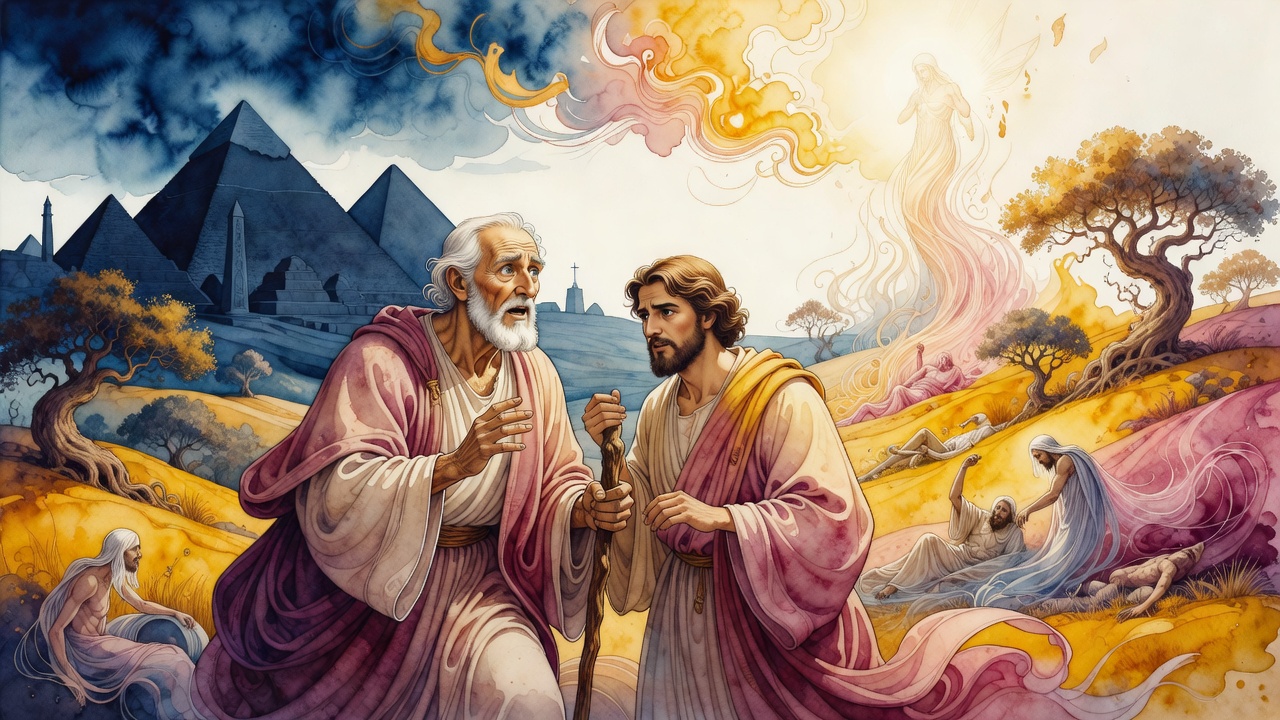
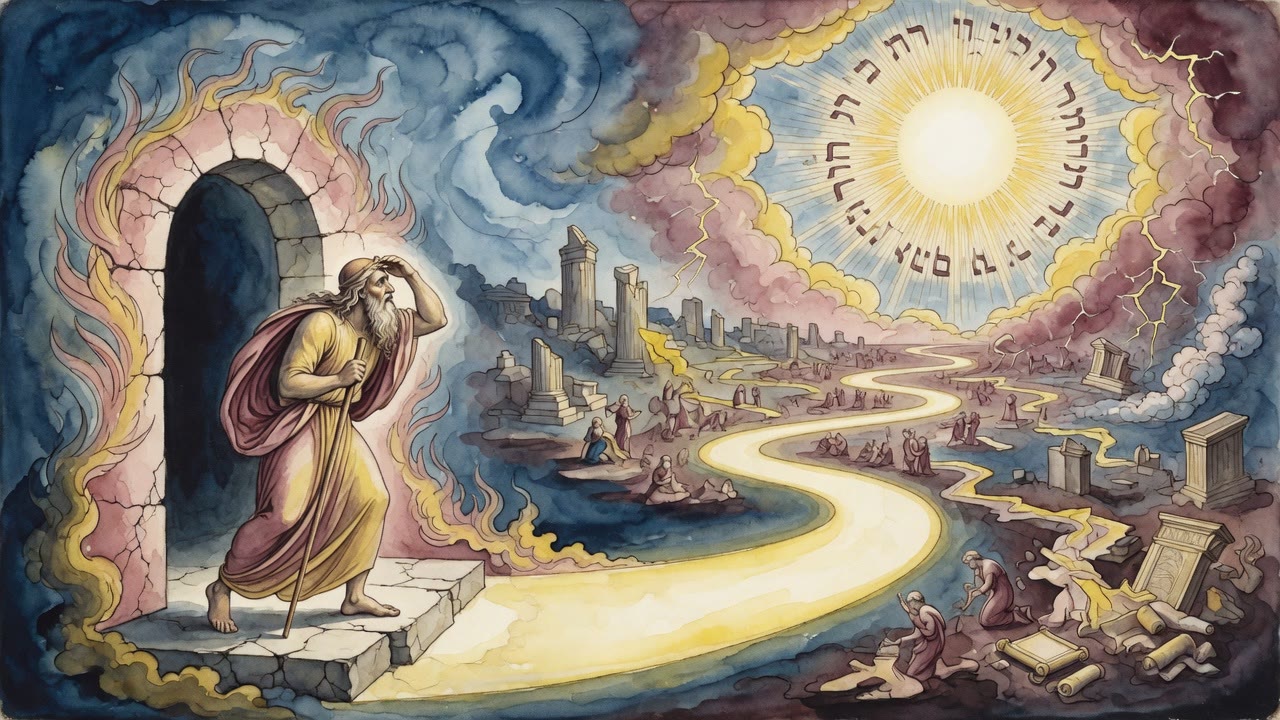
"There was a small city and few men in it," the verse begins. The city is Egypt. The few men are the Egyptians themselves. A great king came against it, siege and ambush and every trick of power. In the city a poor wise man was found. That man was Joseph. His wisdom was the counsel that put officials over the land and gathered food in the good years so the bad years would not eat the people alive (Genesis 41:34). The city lived. The man who saved it slipped from the account the city told itself.
No One Remembered That Poor Man
"But no one remembered that poor man." The line lands without cushion. Rescue does not guarantee a statue. A nation can survive on a plan and still misplace the planner. Joseph walked corridors that once opened for him and found faces that had already rewritten the famine as weather and luck and Pharaoh's foresight alone.
He had been sold, jailed, raised, and used. He had stood before a throne and spoken seasons into policy. When the hunger came, his numbers held. When the hunger eased, gratitude thinned. The poor wise man became a rumor, then less than a rumor. Egypt kept the grain logic and dropped the name.
God answered the erasure from the other side of memory. "You did not remember him; I remember him," as it is said, "Joseph was the ruler over the land" (Genesis 42:6). Scripture kept the title when the street did not. Divine recall cut against human amnesia without needing Egypt's applause to make the fact true.
Kindness Written Through the Scroll
Rabbi Berekhya tracked acts of kindness through the Torah's own spine, beginning, middle, and end, as if the scroll itself refused to forget how Heaven behaves when bodies need care.
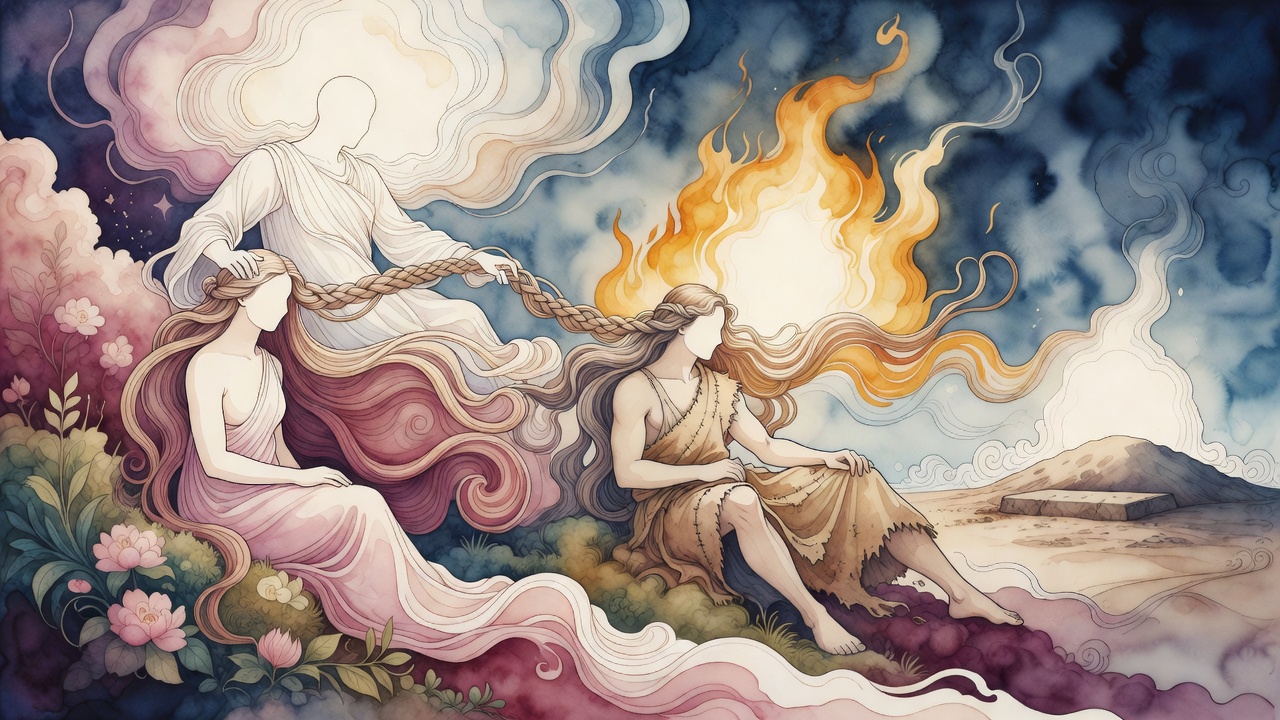
At the beginning God built the rib into Eve and brought her to Adam (Genesis 2:22). The teaching presses further: God braided her hair and led her as a groomsman leads, so the first human wedding wore divine hands in the details. In some coastal speech, "building" even names the braiding of hair. Creation here is not only structure. It is attendance at a threshold.
In the middle God appeared in the plains of Mamre while Abraham healed from circumcision (Genesis 18:1). A visit to the sick, not a lecture from a distant sky. Later God blessed Isaac after Abraham's death (Genesis 25:11), the blessing of mourners spoken by the One who does not leave a son alone with a fresh grave.
At the end God buried Moses in the valley (Deuteronomy 34:6). No human hand closed that work. The faithful servant received the last kindness from the Master when no disciple could finish the task.
Who Snatches the Mitzvah
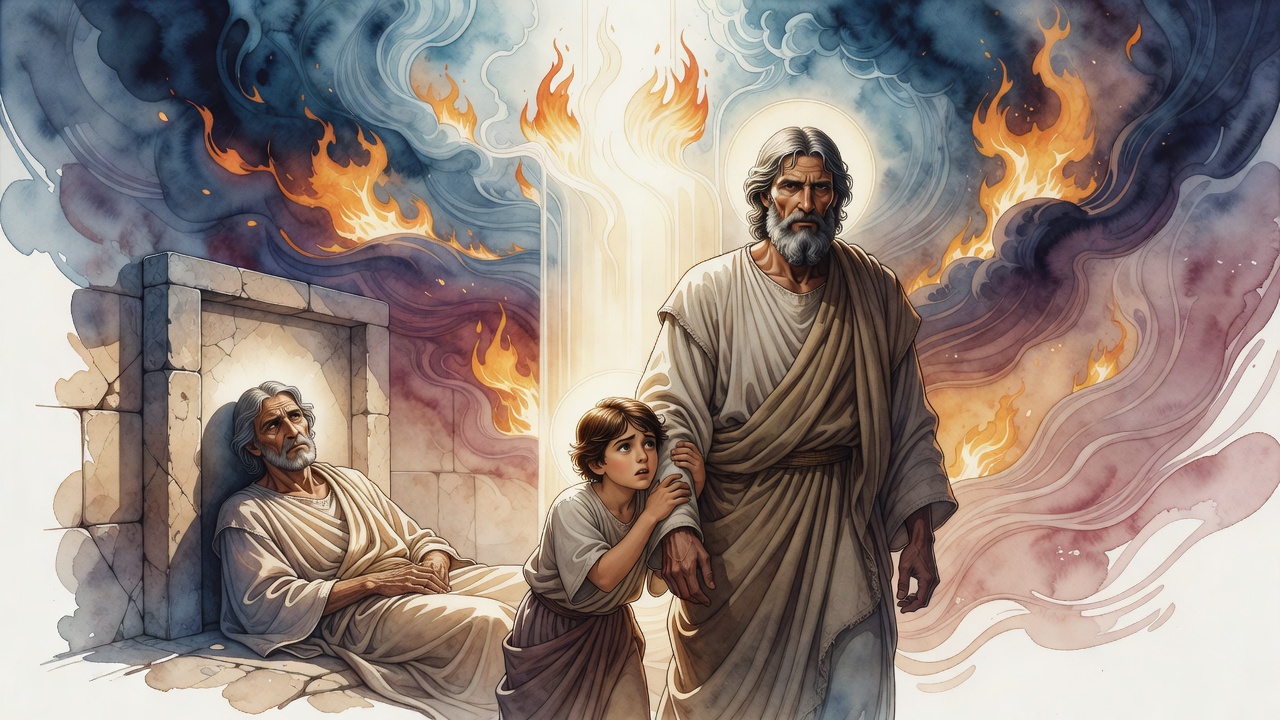
Rabbi Hanin measured recompense by who grabs the good deed when it appears. When Jacob died in Egypt, the promise had been God's: "I will descend with you to Egypt, and I will also take you up" (Genesis 46:4). The burial and the ascent sat in Heaven's own mouth. Joseph stepped in anyway and snatched the mitzvah (a commandment), the concrete care of his father's body, the long road back, the refusal to let Egypt keep the bones of Israel as if famine gratitude had ever been enough.
That snatch sits beside the forgetting. Joseph knew what it is to save a place and be mislaid by it. He still took the kindness that was available to a son's hands. He did not wait for Egypt to remember him before he remembered Jacob. The poor wise man who vanished from national thanks still moved a coffin toward a land that would one day speak his tribes' names out loud.
God's pattern in the scroll, braid, visit, comfort, burial, is the pattern Joseph joined when he seized the deed. Human courts of memory are thin. The work of kindness does not wait for them to thicken.
What Remained After the Forgetting
Years on, brothers who had sold him bowed in a court and did not know the face that ruled the grain. The verse God cited still held: Joseph was the ruler. Egypt's silence had not rewritten Heaven's sentence. The small city had lived through the siege of hunger because a wise man poor in standing and rich in foresight forced barns to fill while the Nile still smiled.
Somewhere a clerk filed a ledger without Joseph's name. Somewhere a child learned that Pharaoh alone had been wise. The storehouses did not argue. They only stood. Joseph's answer to erasure was more labor, more care for the dead father, more refusal to let amnesia set the terms of the next duty.
Famine passes when grain is ready. Egypt's blank mind did not. The rescuer stayed dropped from the account he had written in barns, and God kept a title on the verse that would not scrape off. Kindness at the scroll's edges kept braiding, visiting, burying. In the middle of empire, a poor wise man kept working as if memory were God's job and the mitzvah were his.
← All myths