Jacob Refuses Egyptian Burial for the Living Land
Jacob fears Egypt will worship his tomb. He asks Joseph for kindness and truth. The dead of the Land rise first when Messiah comes.
 Click for full size
Kindness and Truth
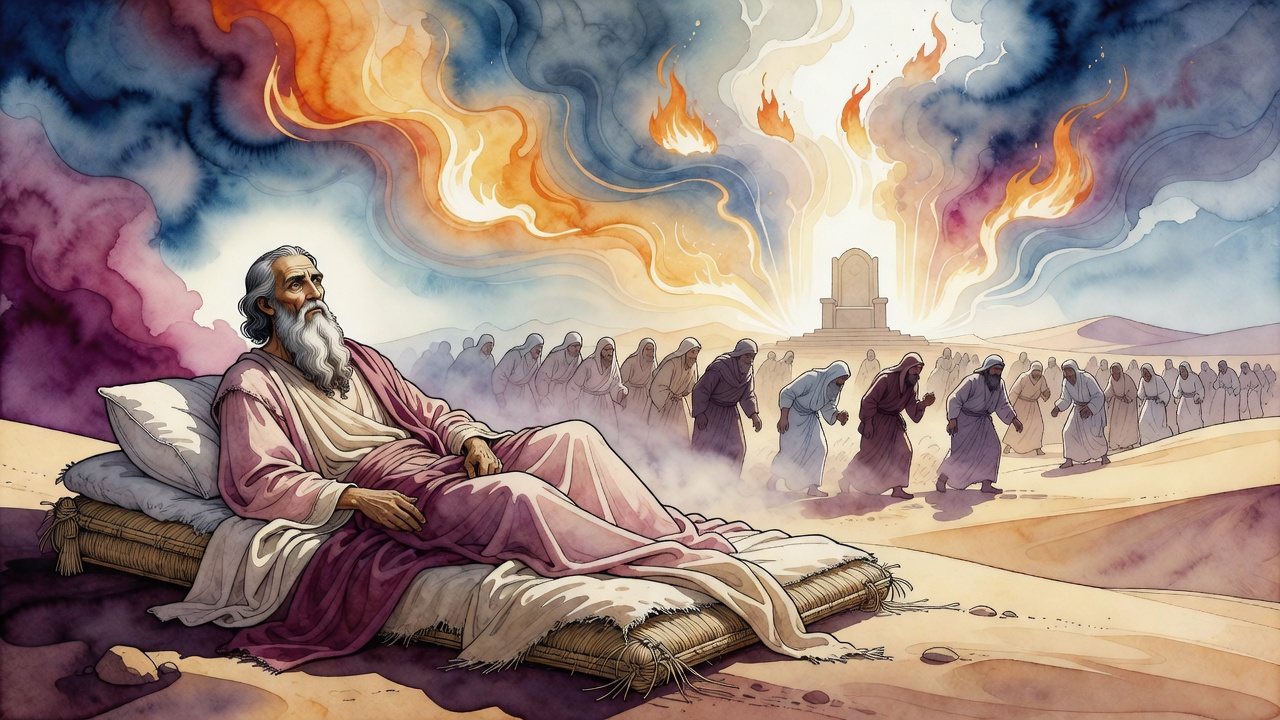
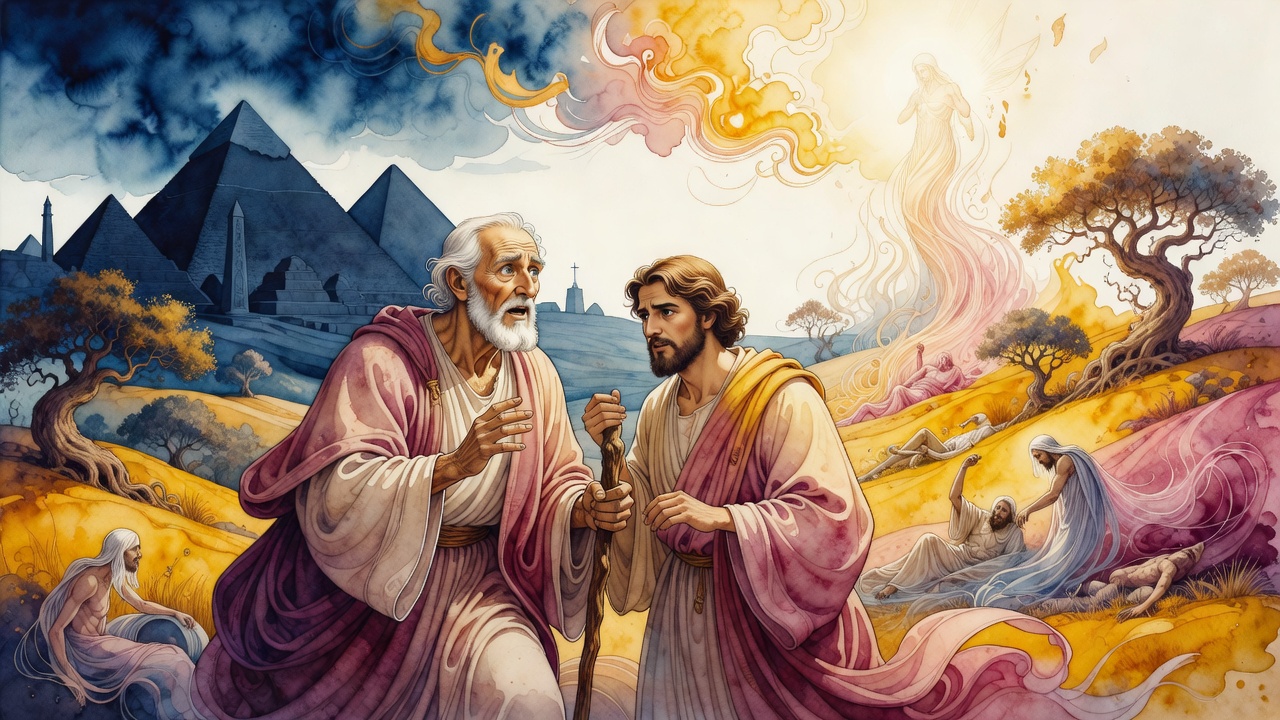
As his days drew short, Jacob summoned Joseph and asked one thing. Deal with me in kindness and truth. The sages paused on the pair of words. Kindness and truth? Is there a kindness made of falsehood, that the patriarch must mark this one as true?
They answered with marketplace wisdom. When the son of the one you love dies, you take up the bier and mourn at his side, for you do it that he may one day do the same for you. When your beloved himself dies, you unload. There is no return to expect, no favor to be repaid, no future handshake waiting on the other side of the grave.
So Jacob said to Joseph. Kindness shown to the living may still be self-interest, a debt that hopes for answer. The kindness you do for me after my death, when I can give nothing back, when no eye watches and no thanks returns, that alone is a kindness of truth. Bury me in the land of my fathers, and let your hand be a true one, not a hand that calculates.
The viceroy of Egypt, who could order any tomb of marble, was asked for a harder gift. Carry a father north. Refuse the easy soil. Do a favor that cannot be repaid.
Fear of a Tomb Made God
Why beg not to be buried in the land of exile? Listen for a fear older than death. Jacob feared that Egypt, which worshipped everything that crept and crawled, would one day kneel at his tomb and make a god of a buried righteous man.
The sages teach a hard truth. The LORD does not punish only those who bow to idols. He punishes the idol itself. "Against all the gods of Egypt I will execute judgments," He declared. The stone, the carved thing, the false god, all are dragged into judgment beside their worshippers. A corpse made into a shrine would not escape that court.
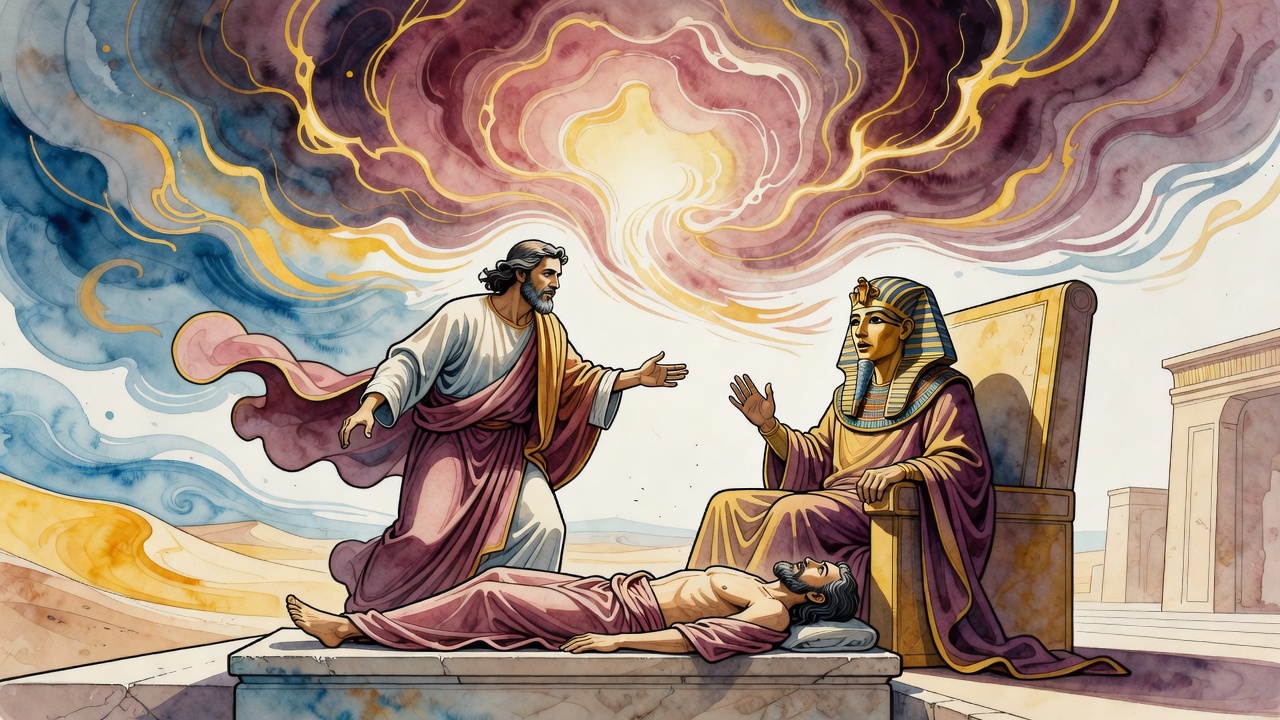
See how Daniel understood this. When he unlocked the dream that tormented Nebuchadnezzar, the king fell on his face and ordered incense burned to him as to a god. Daniel refused every breath of it. He would not let himself become a snare, for the worshipped suffers no less than the worshipper.
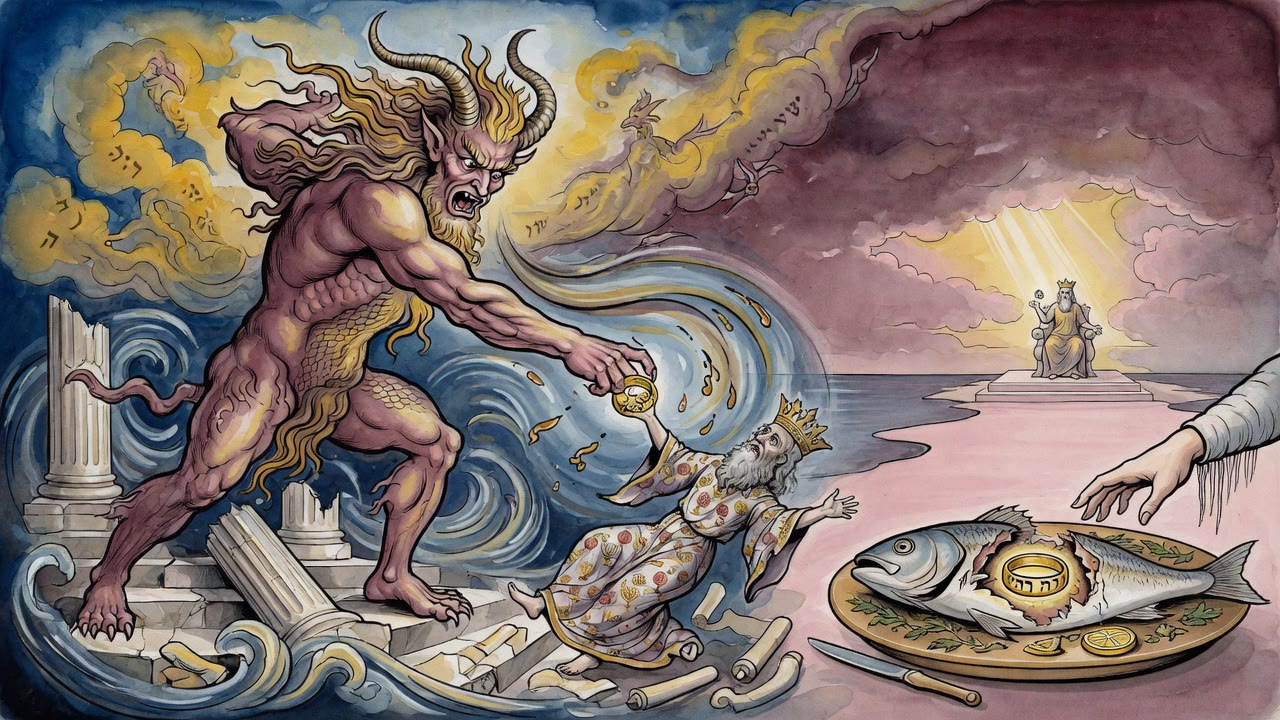
Weigh Hiram against him. Hiram lifted his proud heart and said, "I am a god." The Holy One mocked him. "Behold, you are wiser than Daniel!" Wiser, yet a fool. Nebuchadnezzar begged to worship Daniel and was turned away. You crown yourself unbidden. What waits at the end of such pride? "I have cast you down to the ground." So Jacob chose the dust of Canaan over the worship of Egypt, and lived past death as a man, not a shrine that Heaven would one day smash.
Lands of the Living
Why did all the fathers crave a grave in holy ground? "There is substance in the matter," said Rabbi Joshua ben Levi, for the verse promises, "I shall walk before the Lord in the lands of the living."
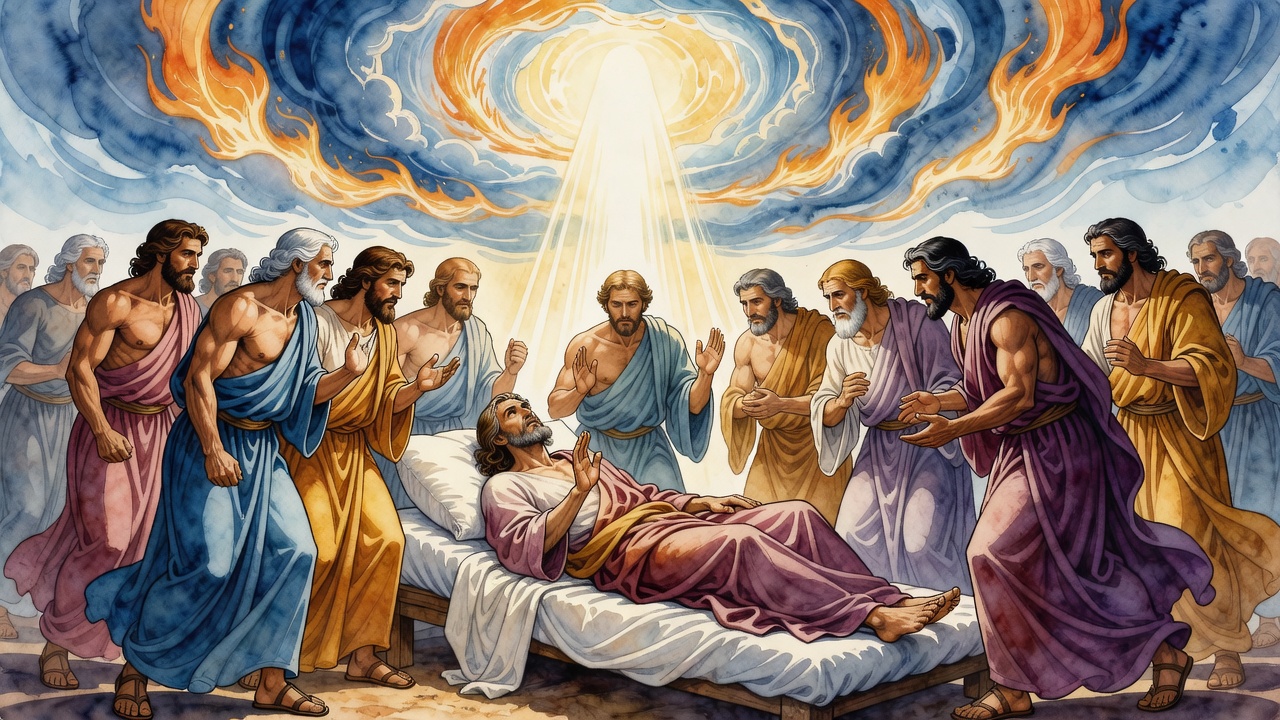
In the name of Rabbi Helbo the masters taught that the dead of the Land of Israel will be the first to rise in the days of the Messiah, and theirs will be the first taste of those redeemed years. Rabbi Hama bar Hanina sharpened it. Whoever dies abroad and is buried abroad dies twice over, as Scripture warned Pashhur, "to Babylon you shall come, and there you shall die, and there you shall be buried."
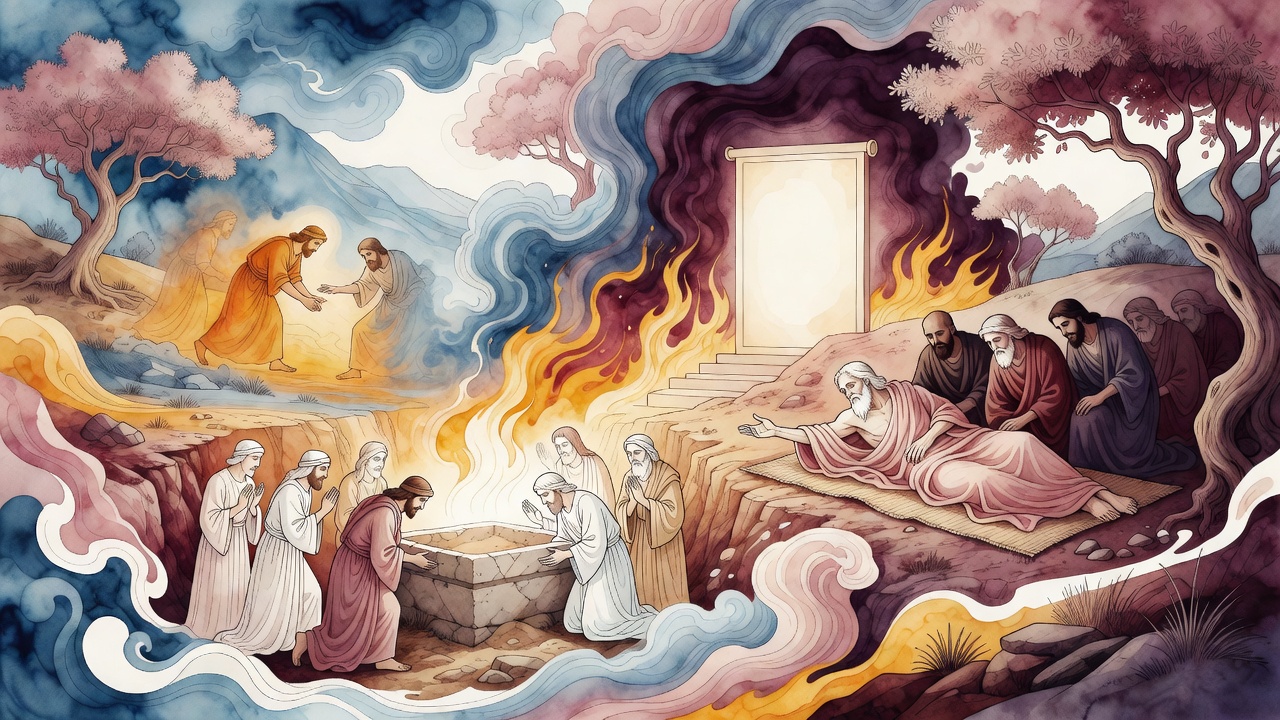
Rabbi Simon objected. Must the righteous buried in exile lose their share? Never. The Holy One bores tunnels through the earth before them, and they roll like wineskins through the hollows of the world until they arrive in the Land. Only there does He breathe the spirit of life back into them, and they stand. "Behold, I am opening your graves," He says, "and I shall put My spirit in you, and you shall live." Resh Lakish sealed it from the plain verse. God gives soul to the people upon that holy soil.
Jacob wanted no double death and no delayed tunnel if he could help it. He wanted the first soil of rising under his bones from the start.
The Oath on the Thigh
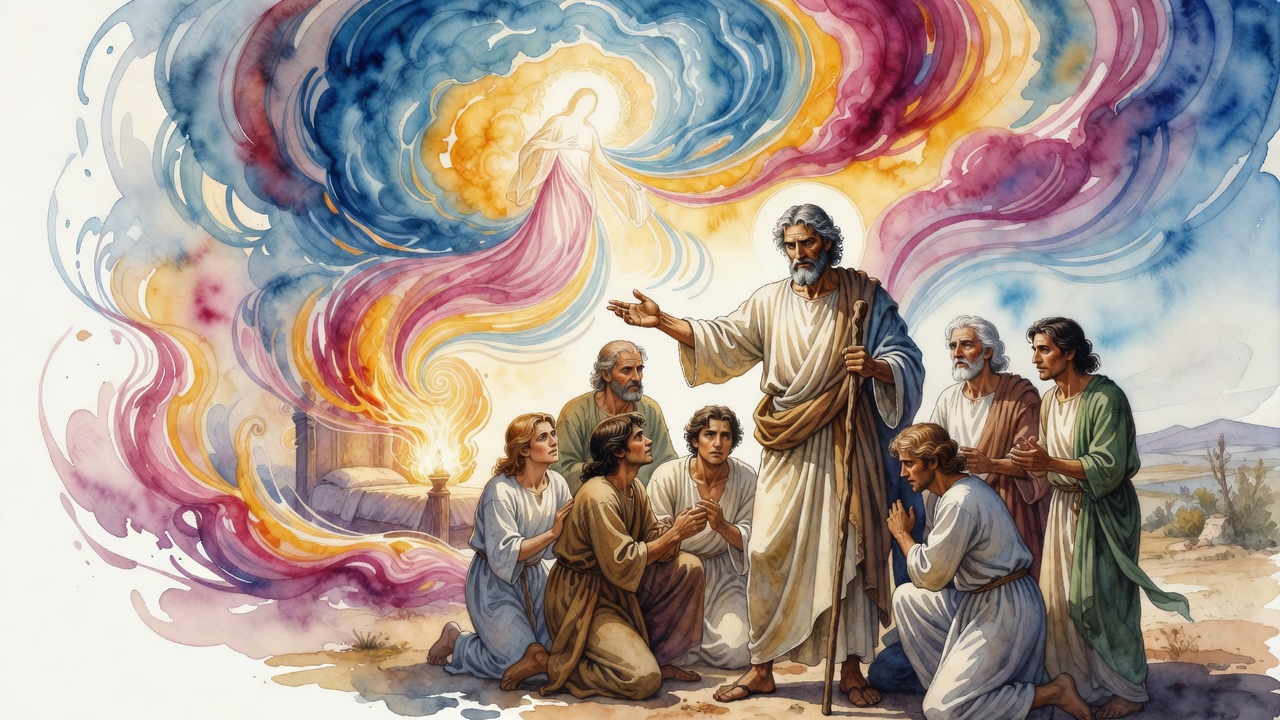
Joseph swore. The body of Jacob would not rest under Egyptian stone where a cult might grow. It would ride north in a coffin that remembered Canaan, past the double death of foreign burial, toward the first rising when the Messiah's years begin.
Kindness without repayment. Truth without an audience. A tomb that refuses to become an idol. A land that is called living even for the dead who wait there in hope of open graves and returned breath.
The patriarch who wrestled an angel still wrestled at the edge of the grave. He would not leave his bones where Egypt could bow to them. He would leave them where God opens graves and puts spirit back into dust that has always been claimed by the covenant.
The last request was not vanity about a plot. It was loyalty to a ground that still walks people before the Lord when the rest of the map is only exile and silence.
← All myths