Joseph Gave His Sons a Password for the Redeemer
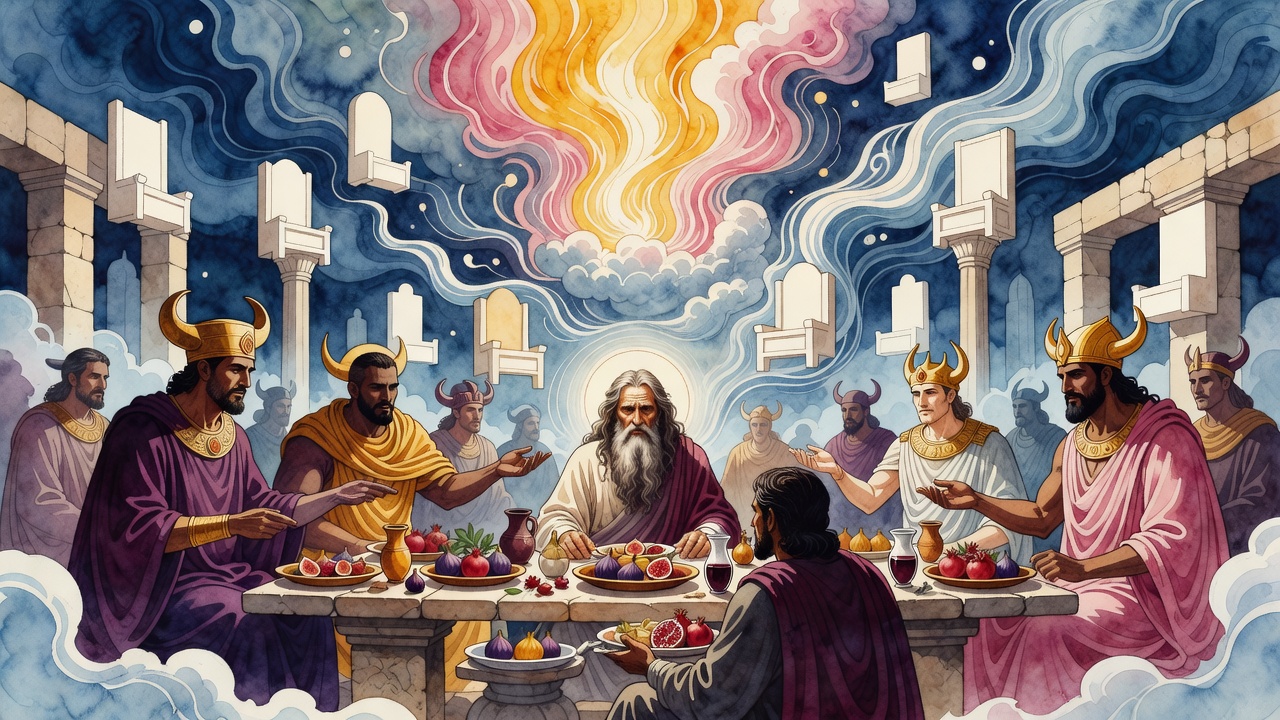
The brothers saw the empty seat and feared the pit again. Joseph made them swear a doubled word no false deliverer would know.
Table of Contents
Joseph had a hundred and ten years behind him and one thing left to hand down. Not grain. Not a title in Pharaoh's house. A sentence.
 Click for full size
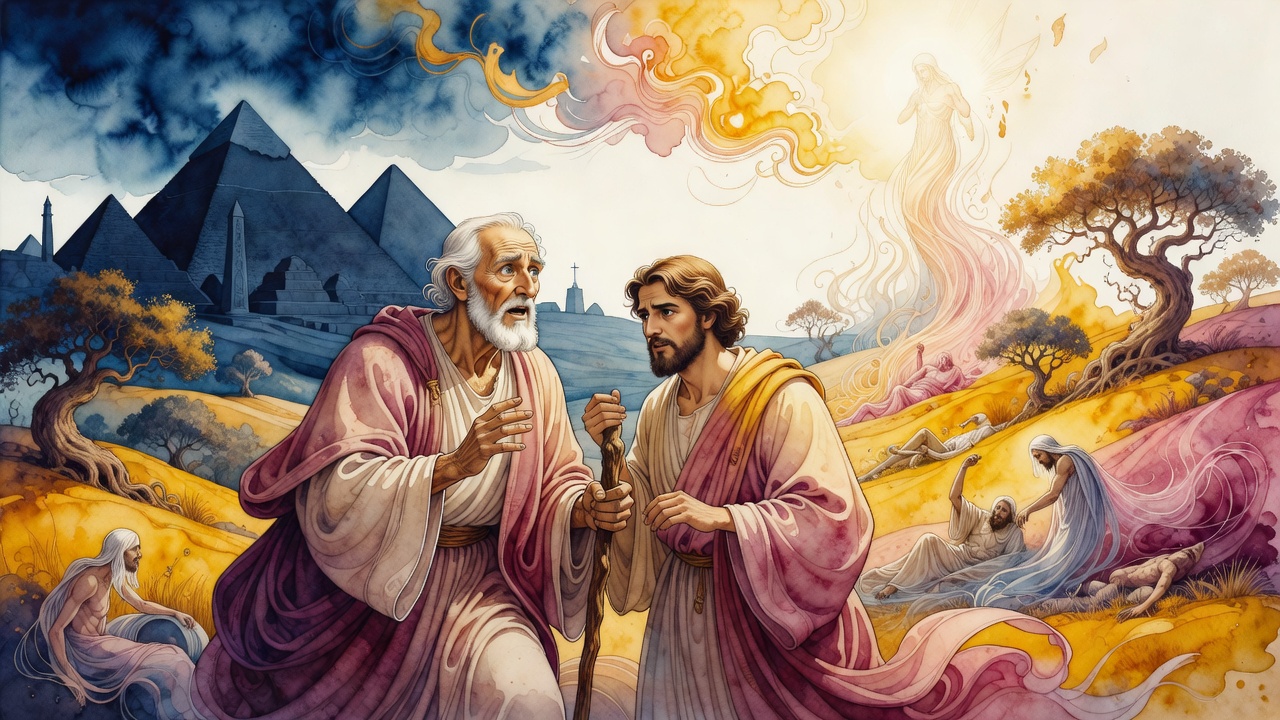
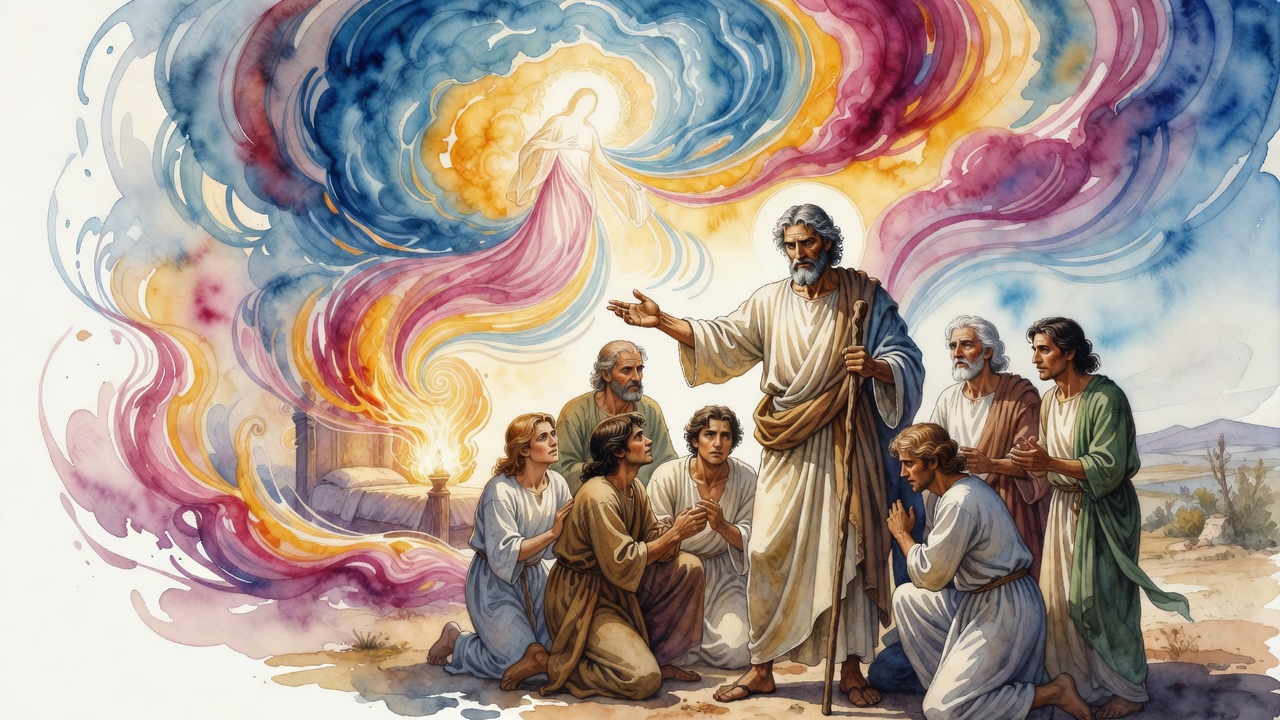
He called the sons of Israel to him and put them under oath. You will be brought into servitude in Mizraim, he told them. Say this to your sons, and have them say it to theirs. Do not presume to go up out of Mizraim until two Deliverers come and say to you, "Remembering, remember ye the Lord."
Two men. One doubled word. That was the whole test.
The Oath He Learned at His Father's Bed
He had watched an oath work once, and he had been the one swearing.
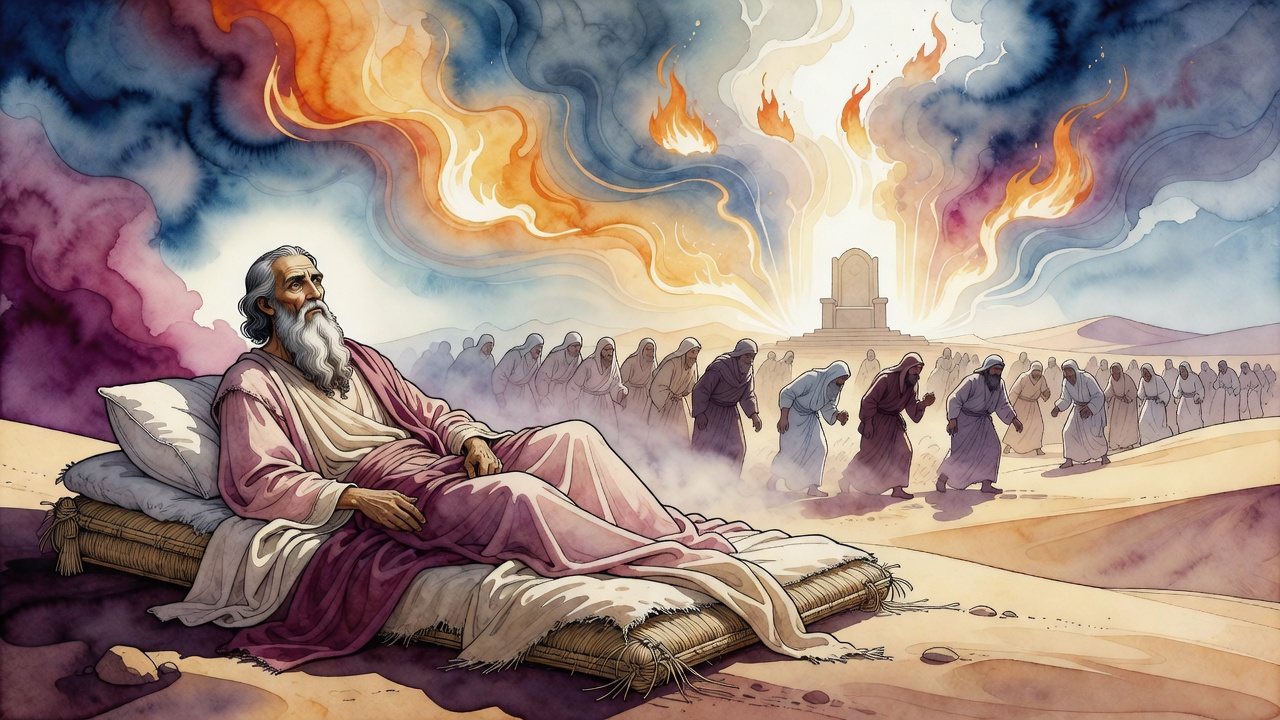
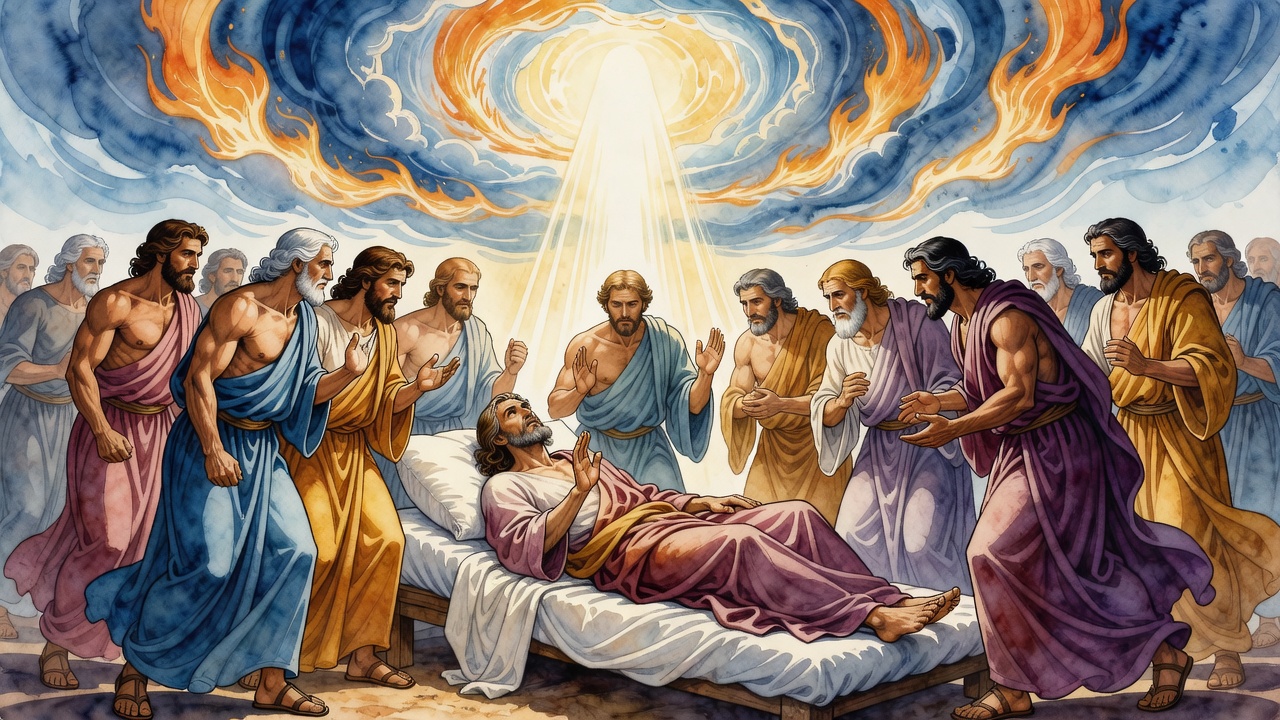
Jacob wanted to be carried out of Egypt and buried in Canaan, and a son's agreement was not enough for him. "Swear to me," he said. Joseph swore. Immediately the Glory of the Shekhinah (שכינה), the Presence that settles where people are, was revealed in the room, and Israel worshipped upon the pillow of the bed.
The old man did not get up for it. He was too far gone to get up. He turned his face toward whatever had come in and bowed from where he lay. A room where a father was dying became a room with something else standing in it.
Then Jacob gave the address, plainly, the way a man gives directions. "I am to be gathered to my people. Bury me with my fathers in the cavern which is in the field of Ephron the Hittite." Not a pyramid. Not a painted chamber under Egyptian stone. The purchased cave, with Abraham and Sarah and Isaac and Rebekah and Leah already inside it.
Egypt Carried a Body North
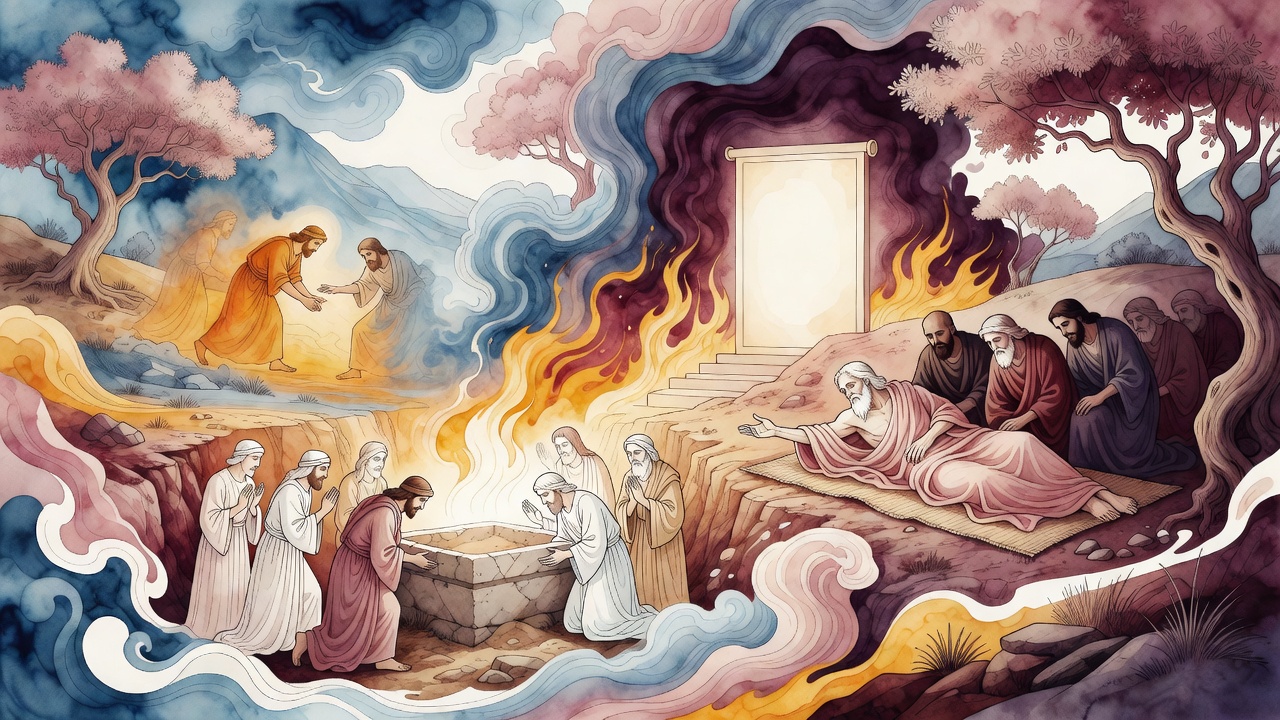
The funeral was not a family matter. Pharaoh's court went. Chariots went. Elders of Egypt went, and the road out of the delta filled with people who had never heard of the God of Jacob.
At the threshing floor of Atad, the inhabitants of the land of Canaan came out to look at the size of it. They loosed the girdles of their loins in honor of Jacob and spread forth their hands, and said, "This is a mighty mourning of the Egyptians." The name stuck to the ground. Abel-mizraim, on the far side of the Jordan.
Foreigners undoing their belts for a shepherd. Under the honor sat a harder fact. The road existed. It ran north. A body had just been carried the whole length of it. Egypt could be left. Joseph stored that in his bones while he still had them.
The Brothers Counted an Empty Seat
They came back to Egypt and the trouble started at a table.
Joseph's brothers saw that their father was dead and that Joseph did not return to eat together with them. Seventeen years he had fed them. Seventeen years of grain and houses and a brother's face at the meal. One evening the seat stayed empty, and the whole account emptied with it.
"Perhaps Joseph still retains enmity against us," they said to each other, "and will bring upon us all the evil that we did him."
Nothing had been said. Nothing had been threatened. A missed supper was enough to convince grown men that the pit was opening again.
Joseph heard it. He had spent his life reading what people would not say out loud, and he could read this. A promise made to a frightened family does not survive. It gets reinterpreted every time a meal runs late. Whatever he left them would have to be harder than a promise, and shorter, and impossible to talk themselves out of.
Two Deliverers and a Doubled Word
So he made it a phrase.
Not a prophecy, which can be argued about. Not a date, which can pass. A password, of the kind that either matches or does not. Two Deliverers would come, and they would say a particular thing, and the thing they said would double back on itself. Remembering, remember the Lord.
Joseph had governed Egypt through seven fat years and seven lean, and he knew what desperate people follow. Someone would rise with a good voice and a plausible route. Someone would cut a deal with a garrison commander at the eastern border. Someone would read a bad harvest as a sign and walk a generation into the sand. Every one of them would sound like freedom.
None of them would say the doubled word.
He bound the brothers by oath to teach it down. Grandfathers to grandsons, in a country that would eventually own them, through however many years of brick it took. Children can carry four syllables. That was the point. He built the test small enough for a child to hold and hard enough to stop a nation from walking out behind the wrong mouth.
The Coffin Nobody Could Leave Behind
And one more clause. "At the time when ye go up, ye shall carry up my bones from hence."
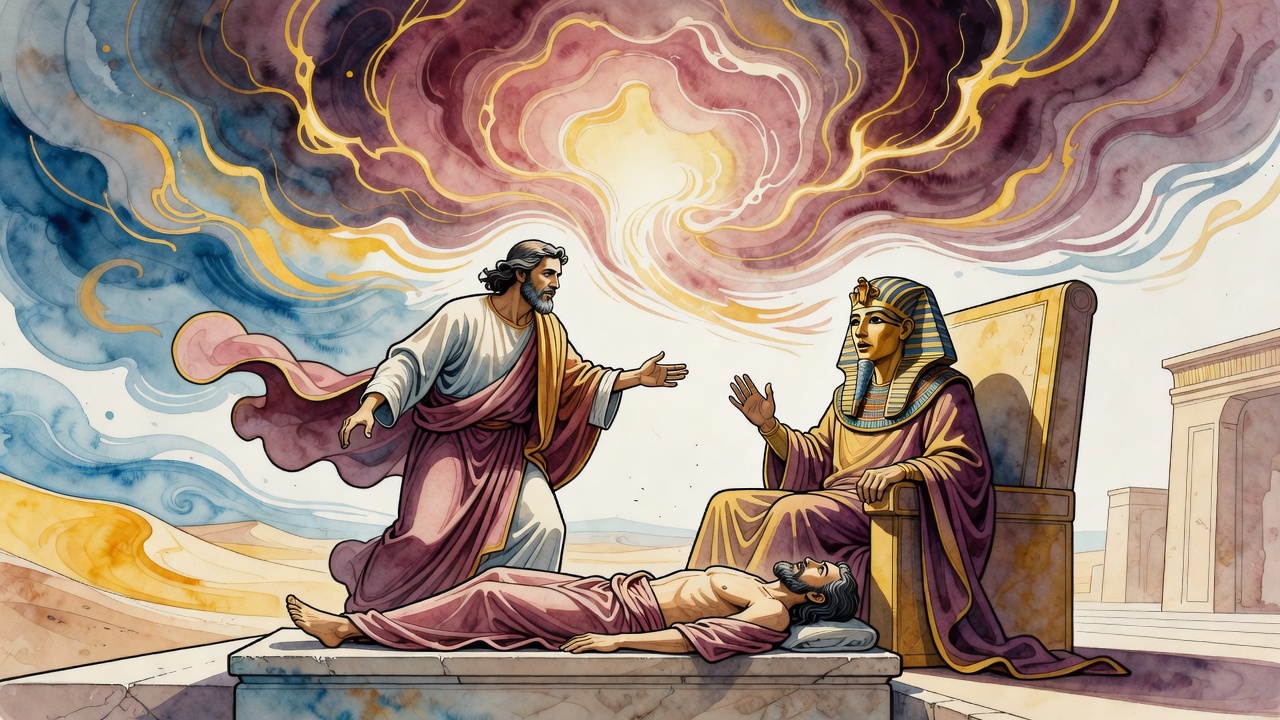
They embalmed him and put him in a coffin in Egypt, and the coffin stayed. It sat through the servitude he had warned them about. It sat while the phrase went from mouth to mouth and thinned into a family saying and thickened again when the work got worse.
A coffin is not a comfortable thing to keep in a house. It cannot be farmed, sold, or prayed to. It can only be carried, and only in one direction, and only once. Joseph left his family a box that made settling down a lie they could see from the doorway.
Centuries later two men stood in front of the elders of Israel and said the doubled word. The coffin came up with them. The road north was the same road the chariots had already proven. The password matched. The bones went home.
← All myths