Jacob Held a Three-Day Banquet for Canaan's Kings, Then Left for Egypt
Joseph sent clothes up from Egypt, a turban among them for his father. Jacob put it on, then slaughtered sacrifices asking whether he should go at all.
Table of Contents
 Click for full size
Turbans, Wagons, and a Three-Day Banquet
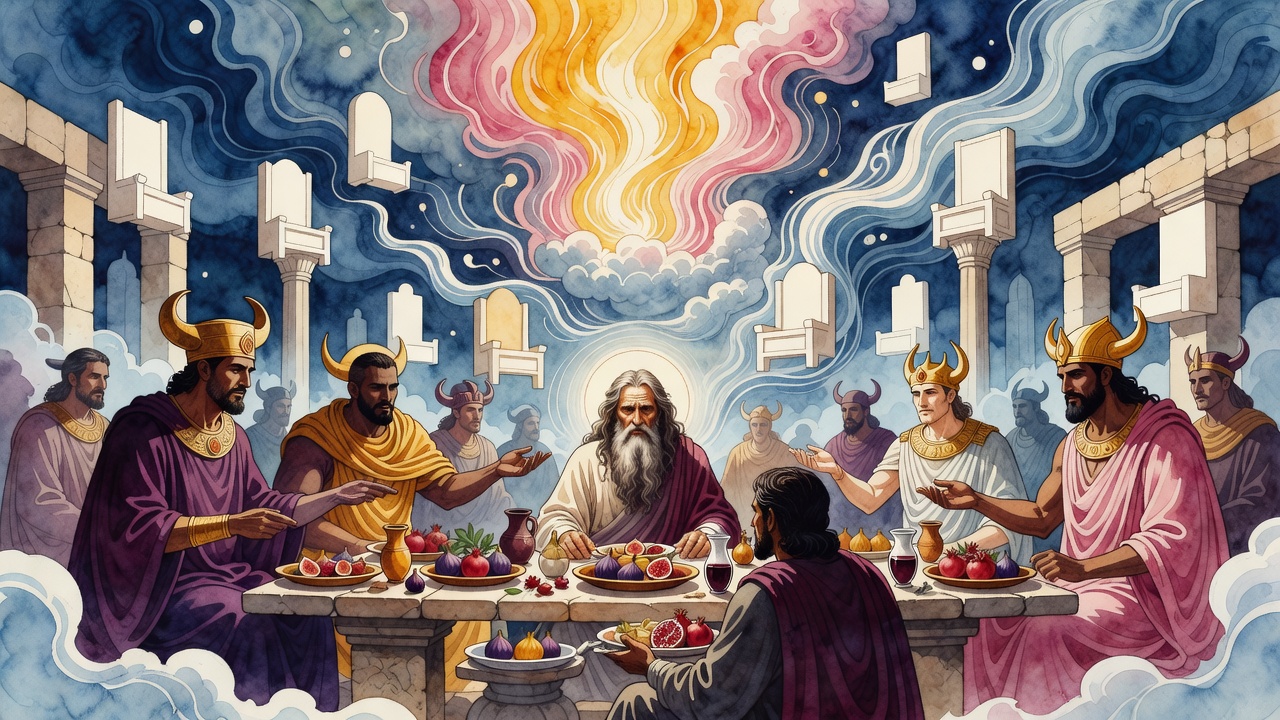
Jacob and his house put on the clothes Joseph had sent, a turban among them for the patriarch, and prepared to go down to Egypt. Word of his good fortune drew the kings and grandees of Canaan. They came to wait upon him and share his joy. He set a three-day banquet for them. Celebration filled the tables while a quieter fear filled the host. Leaving Canaan was not only a change of address. It was a change of air around the Presence.
Foreign nobles toasted a Hebrew elder whose son ruled a superpower of grain. The feast smelled of honor. Under the smell ran the knowledge that wagons pointed south, toward Ham's land, toward a future no banquet guest could toast with honesty.
Sacrifices Before an Unclean Land
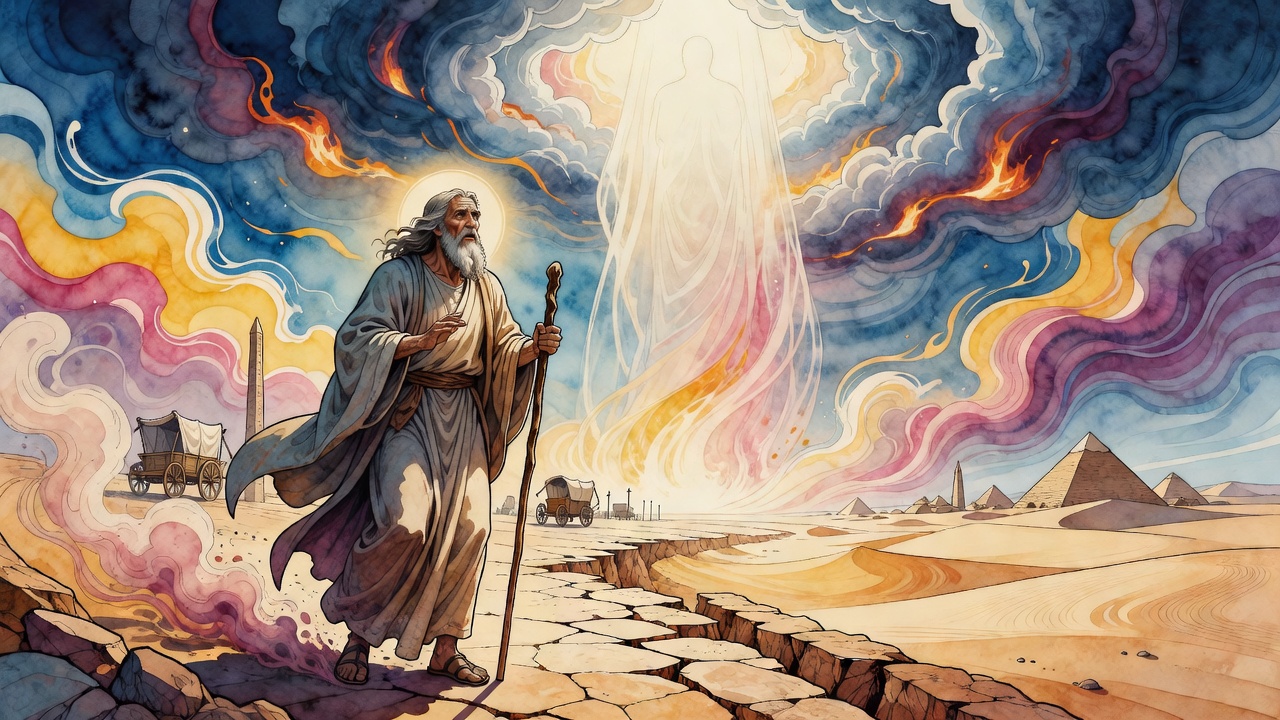
Jacob would not go without asking whether God willed the departure from the Holy Land. "How can I leave the land of my fathers, the land of my birth, the land in which the Shekhinah (the Divine Presence) dwells, and go into an unclean land, inhabited by slaves of the sons of Ham, a land wherein there is no fear of God?" He brought sacrifices, hoping for a vision that would either send him down or call Joseph up. He remembered Beth-el on the night he left his father's house. He compared himself to Isaac. Greedy for filling a maw in famine, favoring one son, compelled by seventy souls, he named the ways he mirrored and failed to mirror the previous generation. The blessing spoken over him, he said, had flowered in Joseph, whom peoples served and nations bowed to, more than in his own long years.
The altar smoke asked a real question. Famine pressed. Love of Joseph pressed. The land of the Shekhinah (God's indwelling Presence) held a claim older than both. Jacob would not treat Egypt as a casual market trip. He treated it as a possible exile of the Presence from his daily horizon, and he refused to step without an answer.
Holy Spirit at the Bedside
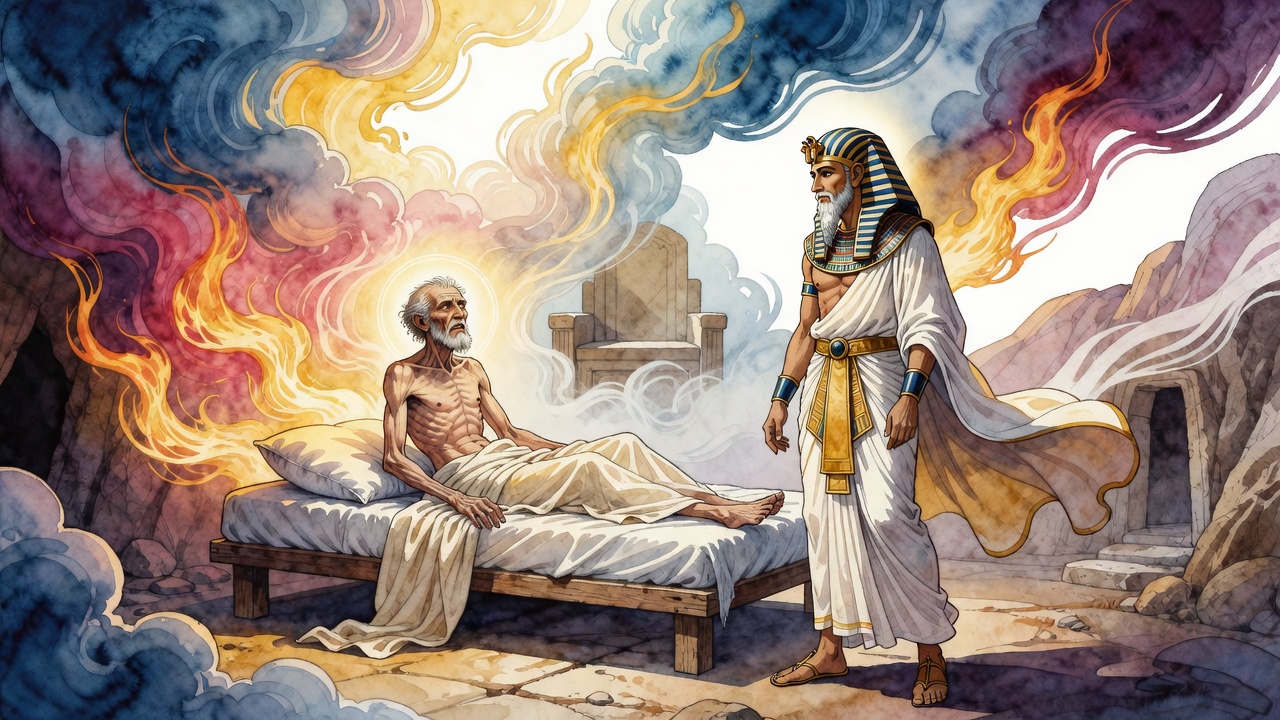
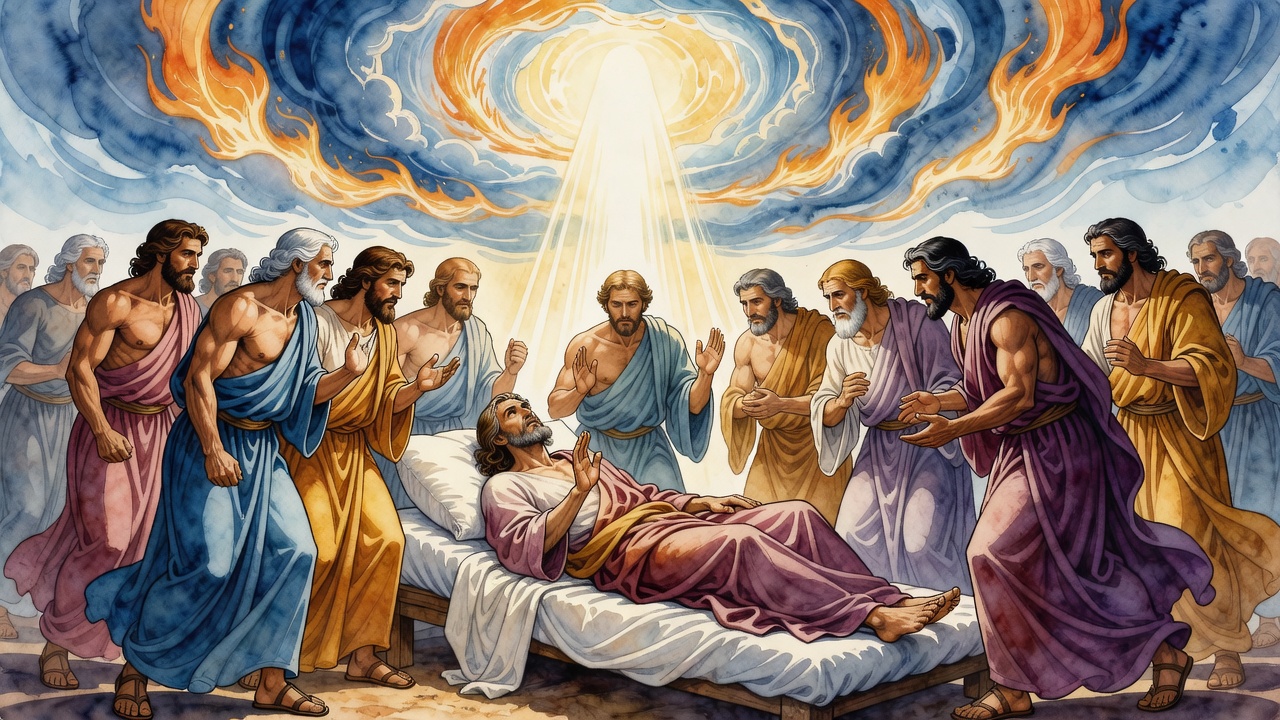
When the hour of blessing came, the holy spirit told Jacob that Joseph approached. He strengthened himself and sat up on the bed to honor the viceroy. Son and ruler at once, Joseph was due marks of respect. Jacob also wished to seem sound of mind so no one could call the blessing on Joseph and his sons the act of an irresponsible elder. He prayed for the holy spirit to rest on him at the moment of the words. Statecraft and prophecy shared the mattress.
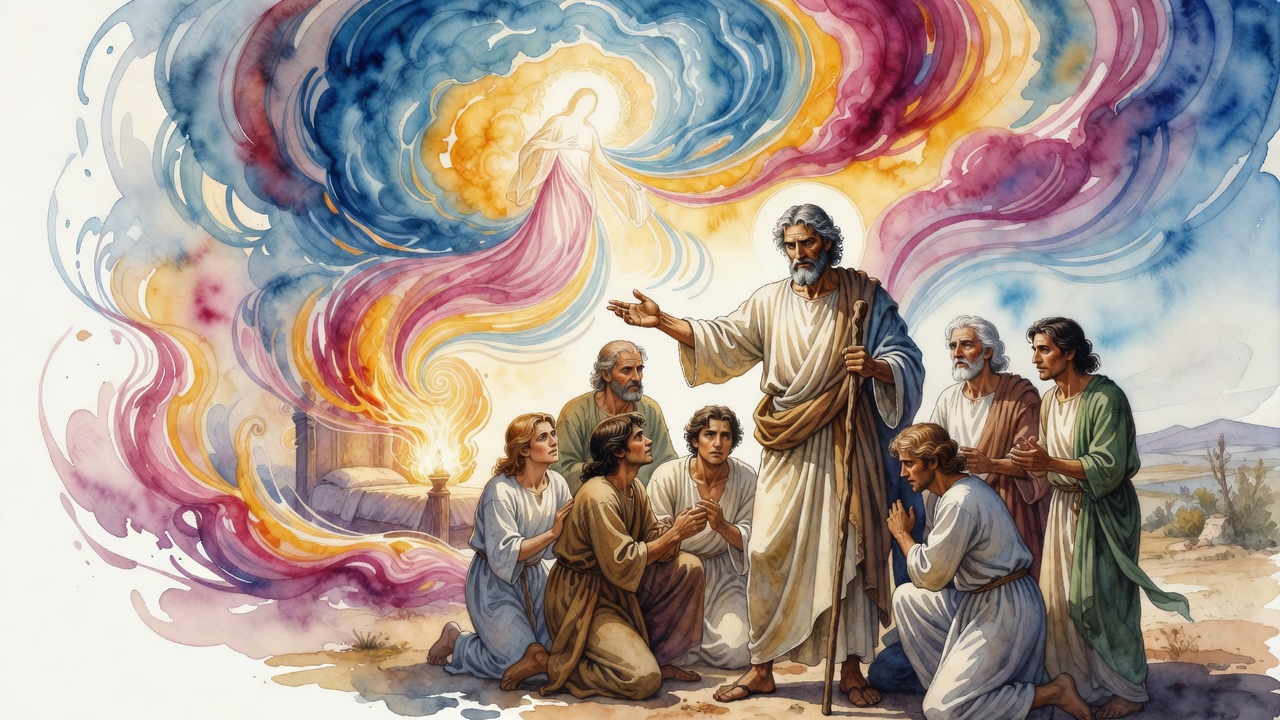
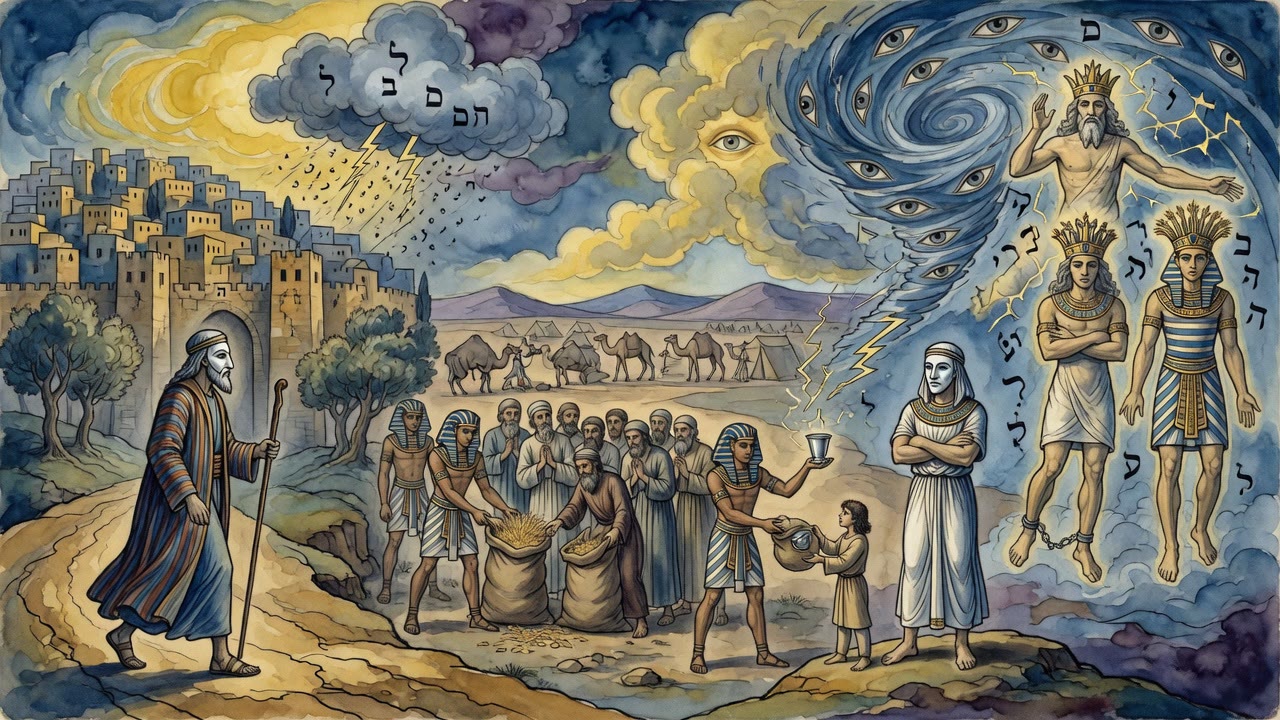
Jacob also taught Joseph three signs of the true redeemer who would one day lift Israel from Egyptian bondage. That redeemer would proclaim the Ineffable Name, appoint elders, and use the word Pakod in addressing the people. When Joseph and his two sons left, the brothers envied the rich blessing. Jacob answered that those who seek the Lord lack no good thing. He had blessings enough for all. The future exit from Egypt was already sketched in a dying father's code, long before bricks and taskmasters filled the years. Name, elders, Pakod. Three keys for a door not yet built.
When the Eyes of Israel Closed
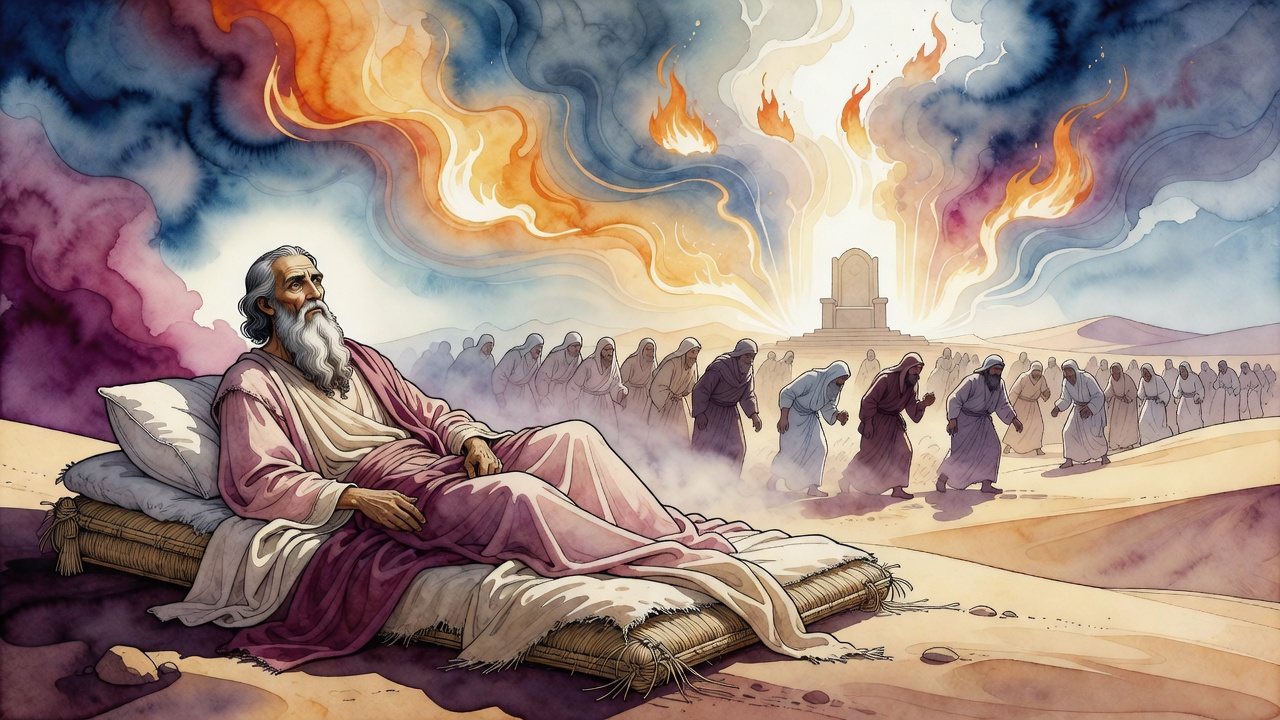
As soon as Jacob died, the eyes of the Israelites closed, and their hearts with them. Dominion of the stranger began to be felt, though full bondage waited. While any son of Jacob still lived, Egyptians did not dare approach Israel with open evil. Only when Levi, the last, departed did suffering commence in earnest. A change had been noticeable right after Joseph's death, but the mask did not fall completely until Levi was gone. Then slavery supervened without costume.
The banquet kings of Canaan were long dust when that mask fell. The turban Joseph sent had been folded away. What remained was a people whose eyes had dimmed at a grandfather's death and would not fully open until a redeemer spoke the password Jacob had left with Joseph.
Banquet Light and Coming Dark
Three days of Canaanite honor, a sacrifice asked of heaven, a bedside code for a future redeemer, and a national dimming at Jacob's death mark the hinge between favored guests and future slaves. The kings who banqueted Jacob could not see the brick yards. Joseph's turban gift could not keep open eyes that closed when the patriarch's breath stopped. The three signs given to Joseph waited in storage for a man who would one day speak Pakod and name elders under the Ineffable Name.
Descent to Egypt began as a family reunion with foreign applause. It ended, generations on, as a people who needed those three signs to know which voice to follow out. Between banquet and bondage stood the quiet work of a father who feared leaving the Shekhinah's land yet went because seventy souls ate famine's math, and who left behind not only bones but a password for freedom. The feast was real. The fear was real. The closed eyes were real. So was the code that would open them again when the hour finally matched the promise.
← All myths